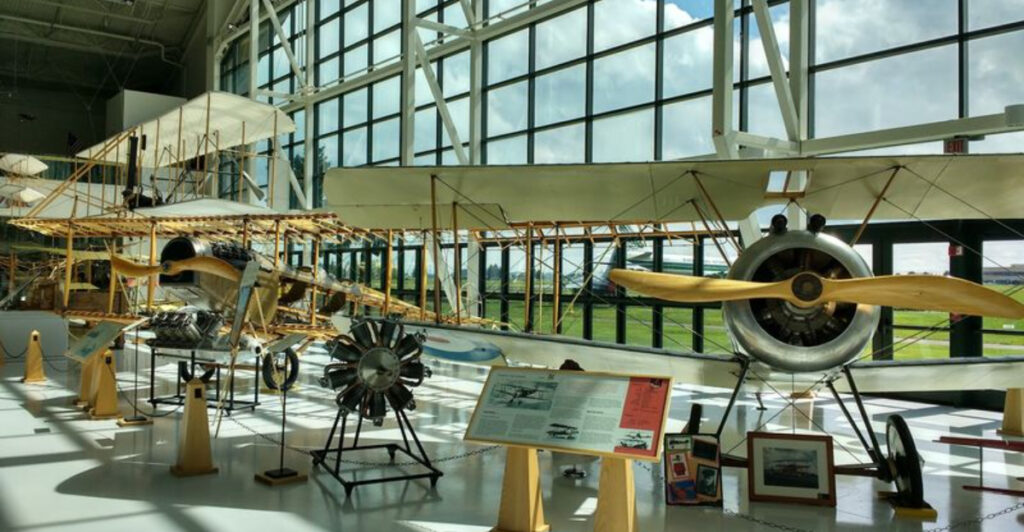
There is a museum in Oregon where you can stand next to a flying boat the size of a small apartment building and stare up at a spy plane that once flew so high no enemy jet could touch it. The collection here is so massive and so varied that a single visit barely scratches the surface.
Tucked away in the Willamette Valley town of McMinnville, this place holds aircraft that most people only read about in history books. Whether you are a lifelong aviation fan or someone who just wandered off the highway out of curiosity, the sheer scale of what is inside these walls will stop you in your tracks.
The Spruce Goose: Howard Hughes’ Flying Giant
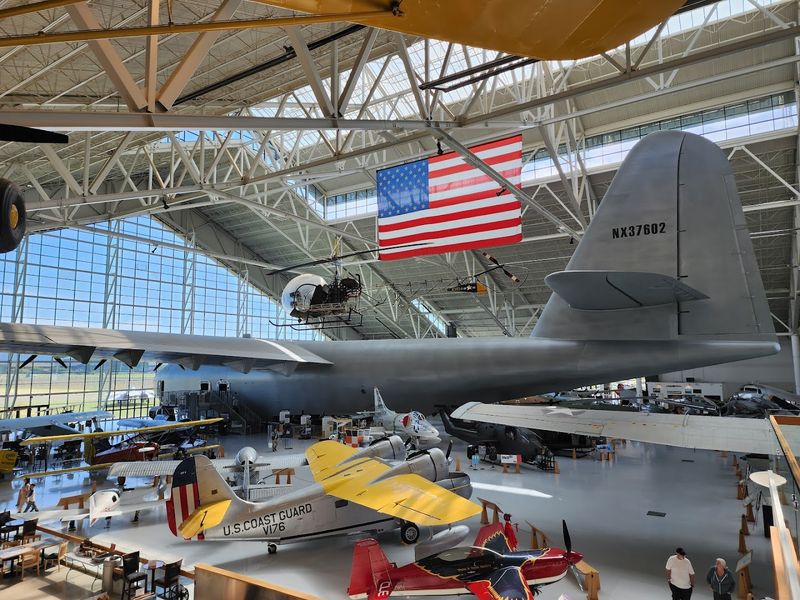
Few aircraft in history carry as much legend as the HK-1 Hercules, better known by the nickname that Howard Hughes reportedly hated: the Spruce Goose. At Evergreen Aviation and Space Museum, located at 500 NE Captain Michael King Smith Way, McMinnville, OR 97128, this behemoth is the undisputed centerpiece of the entire complex.
Built almost entirely from birch wood during World War II, the flying boat had a wingspan of 320 feet, making it one of the largest aircraft ever constructed. Hughes flew it just once, in November 1947, skimming the surface of Long Beach Harbor for about a mile before the project was shelved.
The museum acquired the aircraft after years of storage, and seeing it in person is a completely different experience from any photograph. Tours of the flight deck are available for an extra fee and are absolutely worth booking in advance.
The cockpit tour gives you a front-row view of the instrument panels Hughes himself once sat behind, and the sense of scale from up there is genuinely hard to put into words.
The SR-71 Blackbird: The Fastest Plane Ever Built
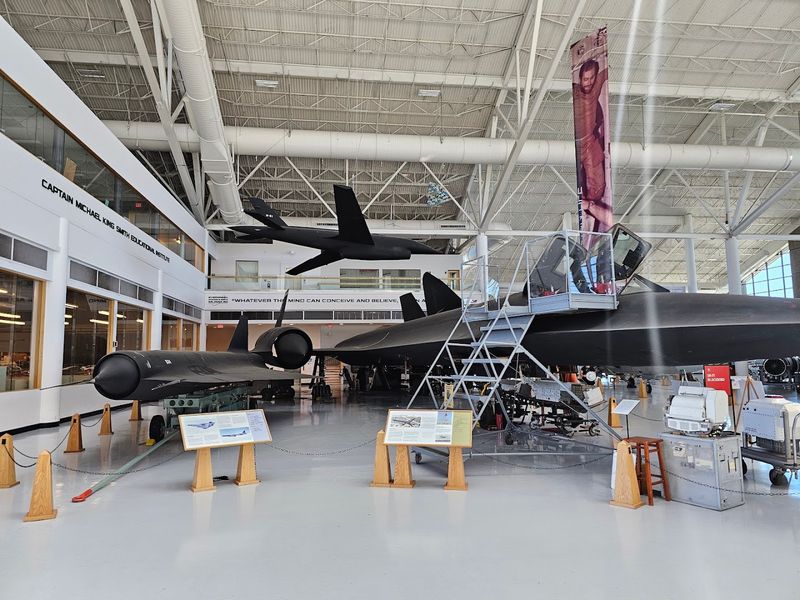
There is something almost unreal about standing next to an SR-71 Blackbird. The fuselage is painted a deep, flat black, and the aircraft looks less like a machine built by humans and more like something that arrived from a different era of engineering entirely.
The SR-71 was designed by Lockheed’s Skunk Works division and could cruise at speeds above Mach 3, meaning it flew faster than three times the speed of sound. At that velocity, the airframe would heat up so intensely from air friction that the titanium skin would actually expand mid-flight, which is why the panels were deliberately built with gaps that sealed only once the plane reached operating temperature.
The example on display at the Evergreen Aviation and Space Museum is a genuine operational aircraft, not a replica. Volunteers stationed nearby are often retired military personnel who have personal stories about the program, and those conversations alone are worth the trip.
No camera zoom or internet image truly captures the dramatic lines of this aircraft until you are standing right in front of it.
The F-117 Nighthawk: America’s First Stealth Jet
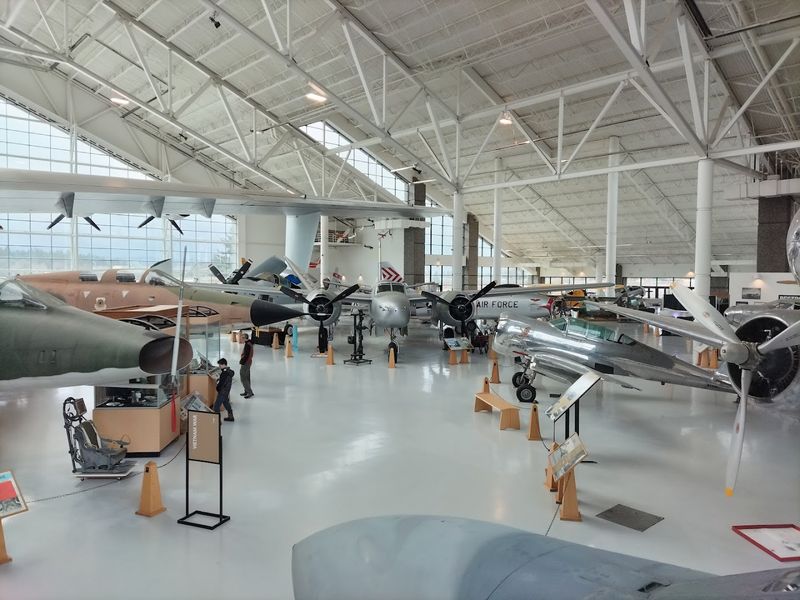
The F-117 Nighthawk looks like it was designed by someone who took a ruler to every single surface and refused to allow a single curve. Its angular, faceted shape was not an aesthetic choice but a very deliberate engineering decision rooted in radar-absorbing geometry.
Developed in total secrecy during the 1970s and 1980s, the Nighthawk became the world’s first operational stealth aircraft. The angular panels scatter radar signals in so many directions that the jet appears on enemy radar as roughly the size of a small bird, even though the actual aircraft weighs around 52,000 pounds fully loaded.
The Evergreen Aviation and Space Museum houses one of these rare jets in its space and aviation building, and the visual contrast between its flat black surfaces and the brighter exhibits around it makes it stand out immediately. Many visitors spend a long time circling it, studying the panel lines and the unusual exhaust grilles that were also designed to minimize heat signatures.
It is the kind of aircraft that makes you realize how much engineering creativity was poured into the Cold War era.
World War II Collection: A Walk Through Combat History
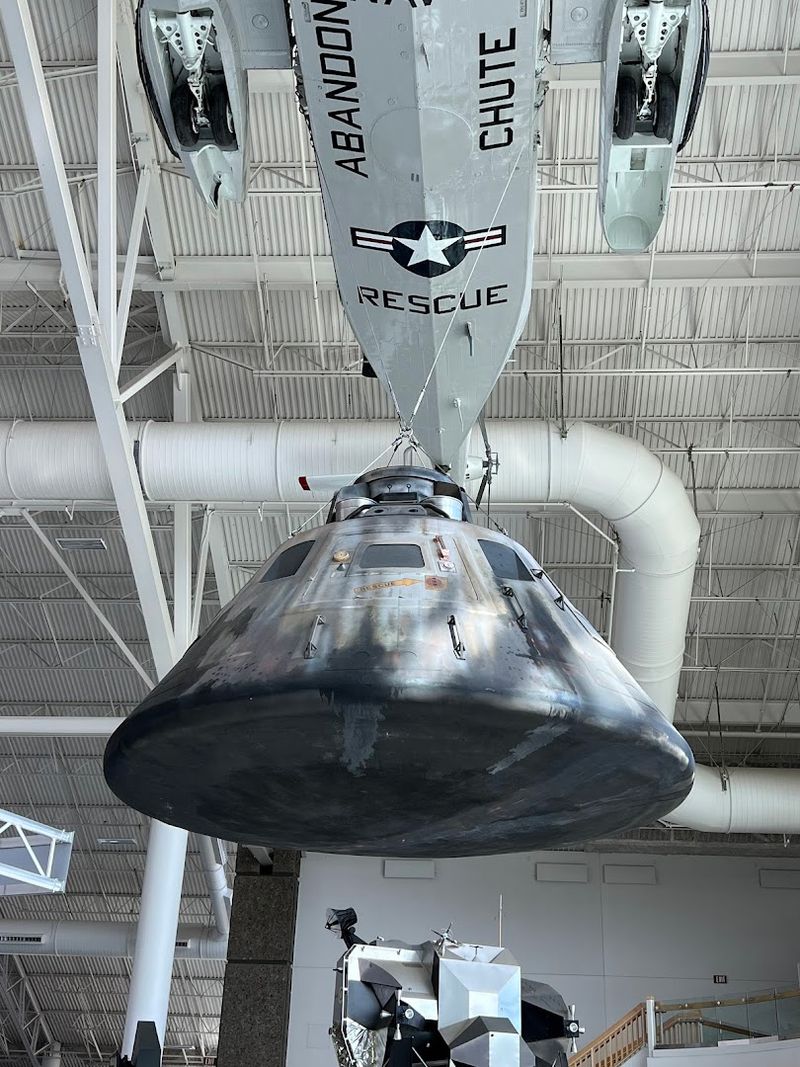
The World War II section of the museum feels like stepping into a living timeline of the air war, with aircraft from both the Allied and Axis sides arranged in ways that help tell the larger story of the conflict.
Among the highlights are multiple fighter aircraft that saw real combat, each accompanied by detailed information panels that explain not just technical specs but the human stories behind the machines. Visitors can learn about how certain planes were sourced, which theaters they flew in, and what innovations they introduced to aerial combat.
The curatorial approach here is notably strong, with relevant connections drawn to Oregon and the Pacific Northwest wherever the history allows.
For younger visitors, the WWII aircraft are a tangible entry point into a period of history they may have only encountered in textbooks. For older visitors, the exhibits carry a weight that photographs simply cannot replicate.
A retired military volunteer nearby is usually happy to fill in extra details that the placards do not cover, and those informal conversations consistently turn a good museum visit into a genuinely memorable one.
The Space Museum Building: Rockets, Capsules, and Beyond
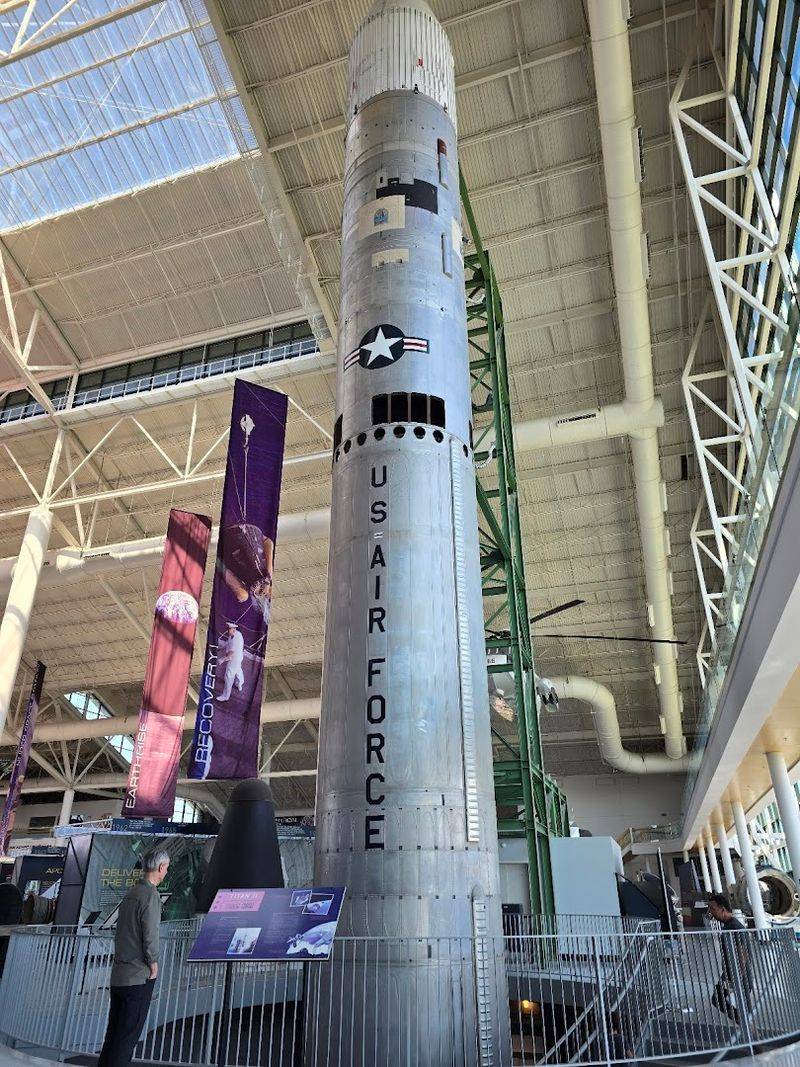
Cross the parking lot from the aviation building and the experience shifts dramatically. The space museum building houses a completely different collection focused on humanity’s push beyond the atmosphere, from early rocketry through the Space Shuttle era and beyond.
Full-scale rocket replicas, actual spacecraft hardware, and detailed mission exhibits fill the cavernous space. The vertical flight wing deserves special mention, as it dedicates serious floor space to helicopter history and rotorcraft development in a way that most aviation museums overlook entirely.
The presentation is clean and well-organized, making it easy to move through the timeline of aerospace history without feeling lost.
A 3D theater inside the building screens aviation and space-themed films that are especially popular with younger visitors. The flight simulators available nearby give guests a chance to experience what it feels like to handle an aircraft, and the on-screen display lets friends and family watch the action from outside the simulator pod.
The entire space building could easily absorb two hours on its own if you take time to read the exhibit text rather than simply walking past the hardware. Plan accordingly, because rushing through this building is a genuine missed opportunity.
The Helicopter Wing: Vertical Flight Gets Its Due
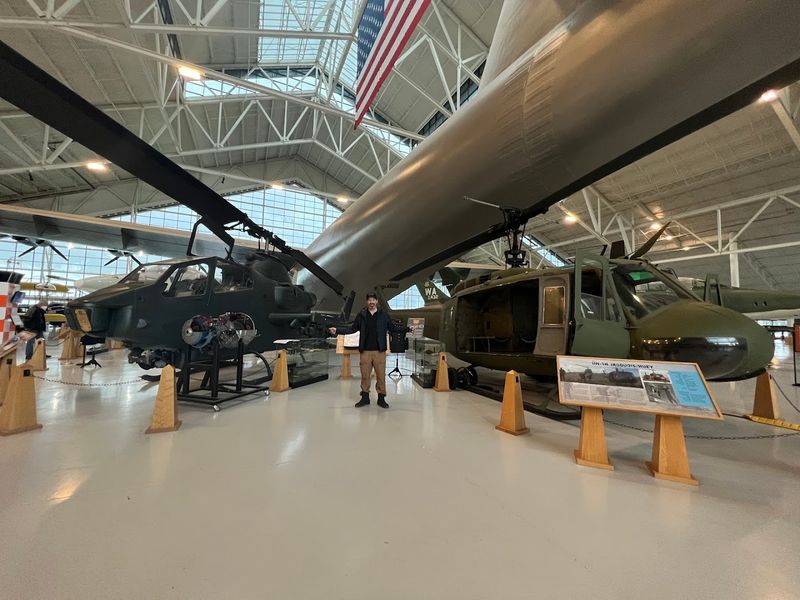
Rotary-wing aircraft rarely get the spotlight they deserve at aviation museums, where fixed-wing jets and propeller planes tend to dominate the floor space. The Evergreen Aviation and Space Museum takes a noticeably different approach with a dedicated helicopter section that covers the full arc of vertical flight development.
From early experimental designs to military workhorses used in Vietnam and beyond, the collection spans multiple generations of helicopter technology. Each aircraft comes with context about the operational role it played, which helps visitors understand why specific design choices were made.
The contrast between an early piston-powered helicopter and a later turbine-driven military machine is striking when you can see both side by side.
Volunteers assigned to this section tend to be particularly enthusiastic, and several have personal experience with the aircraft on display, either as crew members or maintenance technicians. That firsthand knowledge adds a layer of authenticity that no placard can fully replicate.
The helicopter wing is the kind of exhibit that rewards slower visitors who are willing to ask questions and linger. If you breeze through it in ten minutes, you will almost certainly wish you had given it more time once you are back in the car.
Outdoor Aircraft Displays and the Evergreen 747
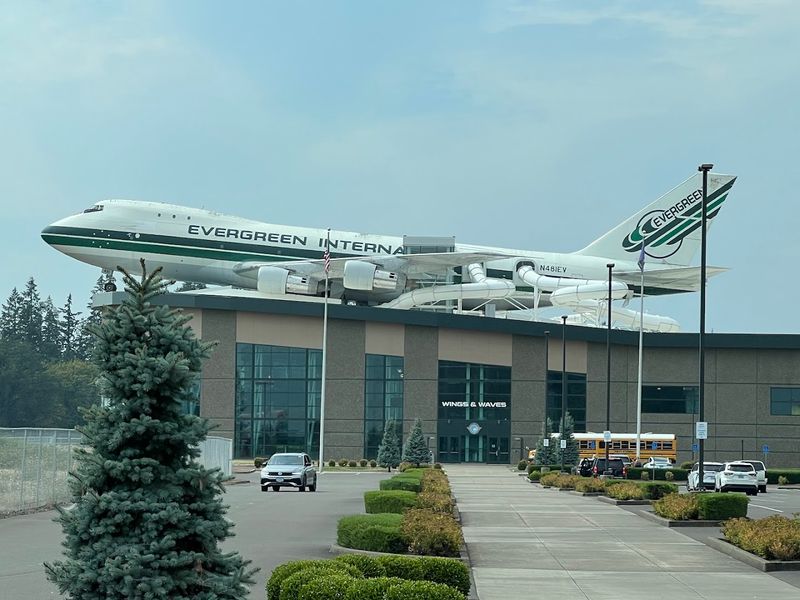
Not everything at this museum lives under a roof. Outside the main buildings, a retired Evergreen Airlines Boeing 747 sits on the grounds in a way that gives visitors a chance to appreciate the sheer size of a commercial jumbo jet without the usual airport barriers keeping them at a distance.
The 747 is painted in the livery of Evergreen International Airlines, the cargo carrier that was closely connected to the museum’s founding. Seeing it parked near the buildings provides a useful sense of scale, especially for visitors who have flown commercially but never had a chance to walk around the exterior of a wide-body jet up close.
Additional aircraft are displayed in the outdoor areas behind the space museum building, including some that are too large or too weathered for indoor storage but still carry significant historical interest. On clear days, the outdoor section is a pleasant extension of the indoor experience, and visitors have occasionally reported spotting USAF Thunderbirds practicing nearby during late summer months, which turns an already impressive visit into something genuinely extraordinary.
The outdoor areas are included with general admission, so there is no reason to skip them.
The Volunteer Staff: Living History on Two Feet
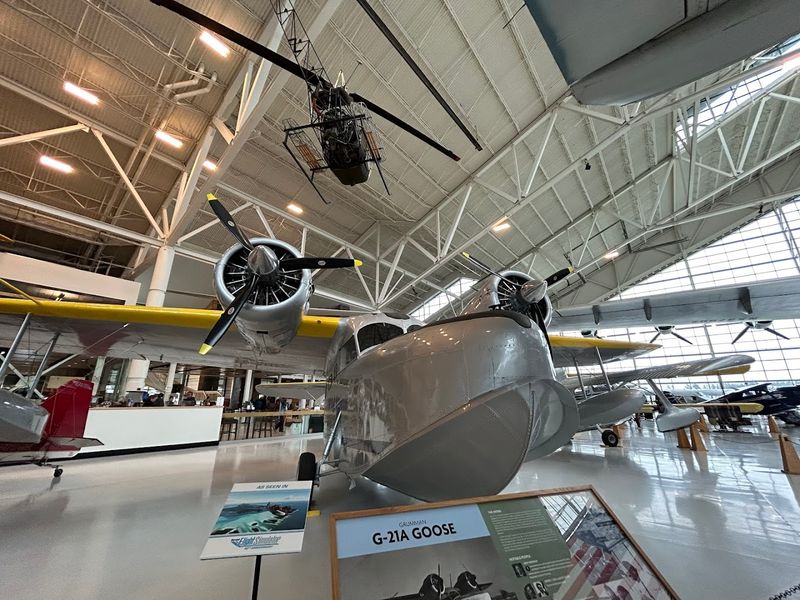
One of the most consistently praised aspects of the Evergreen Aviation and Space Museum is not an aircraft or an exhibit. It is the people stationed throughout the buildings, many of them retired veterans and aviation professionals who volunteer their time because they genuinely love what this place represents.
These volunteers carry stories that no placard or video screen can hold. A conversation near the SR-71 might turn into a fifteen-minute account of what it was like to maintain the aircraft during active service.
A chat near the WWII section might lead to personal family history that connects directly to the planes on display. The staff is consistently described as knowledgeable, warm, and patient with visitors of all ages and experience levels.
The museum draws comparisons to the Smithsonian Air and Space Museum in Washington DC more than once, and the volunteer corps is a big part of why that comparison feels earned. Unlike some large institutions where staff interactions feel transactional, the people here seem genuinely invested in making sure every visitor leaves with something new.
Their passion is contagious in the best possible way, and talking to them is one of the highlights of the entire experience.
Seasonal Events and the Christmas Lights Tradition
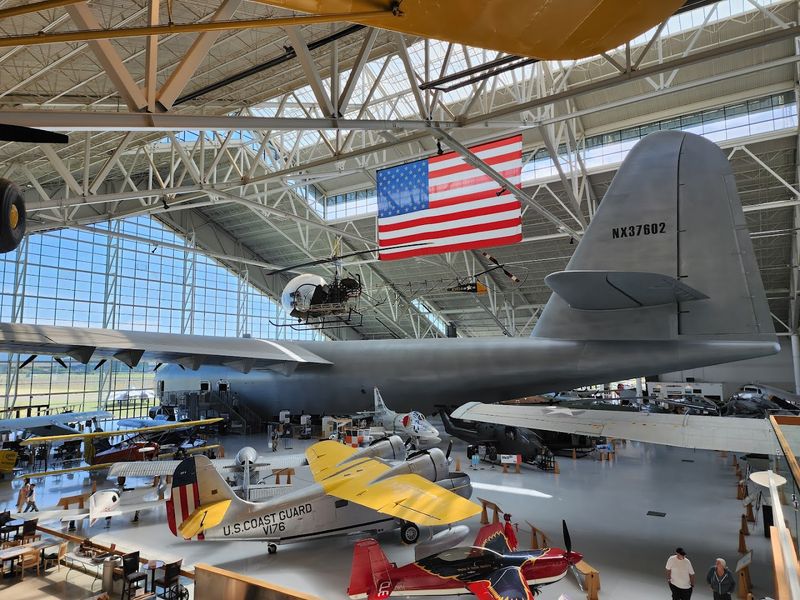
The museum does not simply open its doors and wait for visitors to show up. Throughout the year, the Evergreen Aviation and Space Museum hosts events that give repeat visitors a reason to come back and see the collection in a completely different context.
The holiday season is particularly popular, when aircraft throughout the aviation building are decorated with Christmas lights. The effect of seeing a WWII fighter or a massive flying boat draped in festive lighting is genuinely charming, and the event draws families who might not otherwise think of a museum as a holiday destination.
Multiple visitors have noted that the Christmas lights display was worth a second trip on its own.
Summer brings its own draw, with the adjacent water park operating during warm months and providing a family-friendly bonus that makes a full day on the property entirely practical. A groundbreaking has also taken place for a new hotel on the property grounds, which will eventually make an overnight stay possible without leaving the campus.
For aviation fans traveling from places as far as Oklahoma or the East Coast, that kind of on-site accommodation would make a multi-day visit much more convenient. Keep an eye on the museum website for updated event listings throughout the year.
Practical Tips for Planning Your Visit
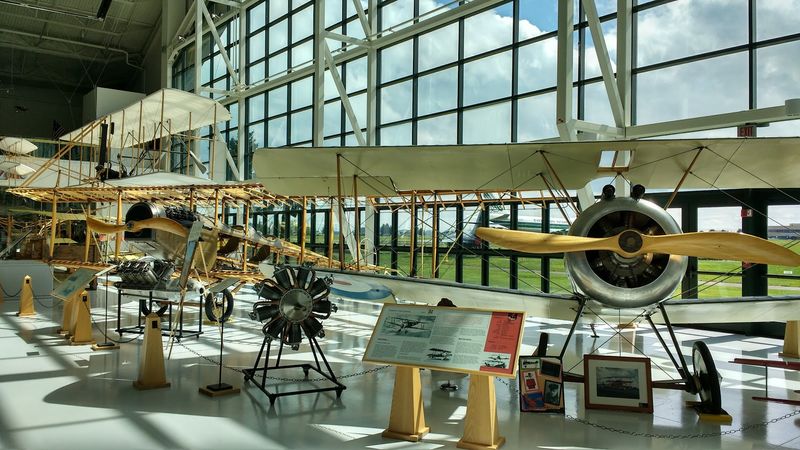
Getting the most out of a visit here takes a little planning, and the details make a real difference. The museum is open daily from 9 AM to 5 PM, and the phone number for questions is 503-434-4180.
The full address is 500 NE Captain Michael King Smith Way, McMinnville, OR 97128, and the website at evergreenmuseum.org has current pricing, tour availability, and event calendars.
Budget at least four hours if you want to cover both the aviation building and the space museum building without feeling rushed. Serious enthusiasts who want to read every placard and take the Spruce Goose flight deck tour should plan for a full day.
Parking is plentiful and free, and the walk between the two main buildings is easy and well-marked.
The on-site restaurant and gift shop provide convenient options for a mid-visit break. Visitors traveling from outside the Pacific Northwest, including those making the trip from Oklahoma or other distant states, frequently note that the drive to McMinnville is worth every mile.
Booking the Spruce Goose cockpit tour in advance is strongly recommended, as spots fill up, especially on weekends and during peak summer months. Arriving early gives you the quietest conditions for photography.
Share this story