By 1955, American music was shifting in a way that nobody could fully predict or stop. Teenagers were tuning into radio stations that played faster, louder, and more rebellious sounds than anything their parents had grown up with.
A handful of recordings released between 1954 and 1956 did not just top charts, they rewrote the rules of what popular music could be. These 12 songs capture that precise moment when rock and roll stopped being a regional curiosity and became a national force that would permanently change how generations listened, danced, and defined themselves.
1. Mystery Train by Elvis Presley
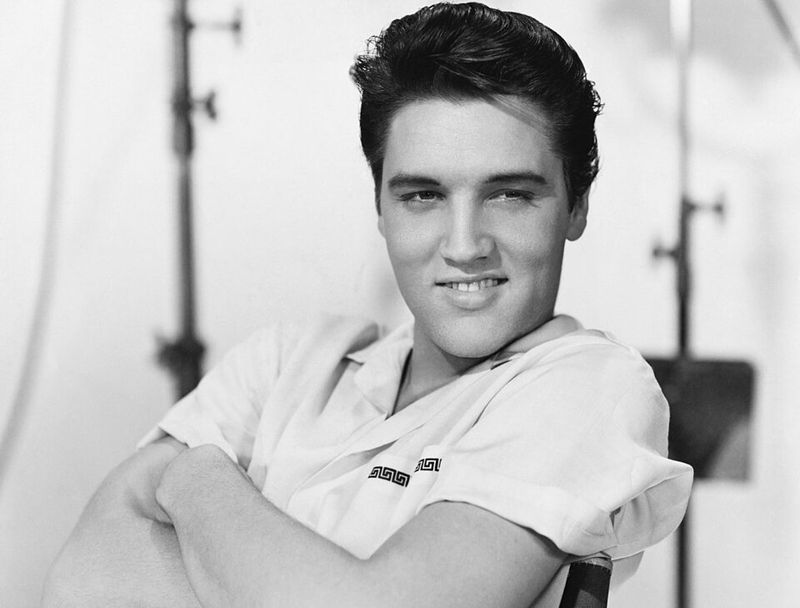
Sun Records in Memphis was not a large operation, but in 1955 it was producing some of the most adventurous recordings in American music. Elvis Presley cut “Mystery Train” in July of that year, transforming a relatively obscure Junior Parker blues track into a rockabilly statement that showcased his instinctive feel for rhythm and tension.
The track combined sparse instrumentation with Presley’s urgent vocal style, creating a sound that felt genuinely different from anything on mainstream radio. Sun Records owner Sam Phillips recognized immediately that he had something unusual on his hands.
The single reached number one on the Billboard country chart and helped establish rockabilly as a distinct genre within the broader rock and roll movement. Within months, RCA Victor purchased Presley’s contract from Sun for an unprecedented $35,000, signaling that the major labels were finally paying attention.
2. Rock Around the Clock by Bill Haley & His Comets
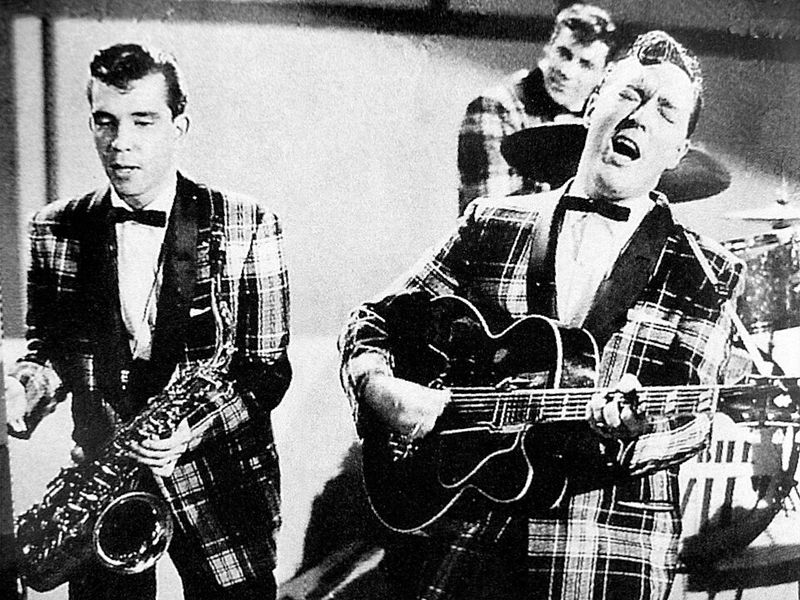
When a song appears in a movie about juvenile delinquency and teenagers immediately riot in theater aisles, something culturally significant has clearly happened. Released in 1954, this track reached number one on the Billboard pop chart in July 1955 after its placement in the film Blackboard Jungle turned it into a generational flashpoint.
Bill Haley was already in his late twenties when this recording took off, which made the teen hysteria surrounding it even more remarkable. The song held the top spot for eight weeks and became the first rock and roll record to sell over one million copies globally.
Radio stations received thousands of listener requests weekly at its peak. Its success forced major record labels to take rock and roll seriously as a commercial category rather than a passing trend.
3. Maybellene by Chuck Berry
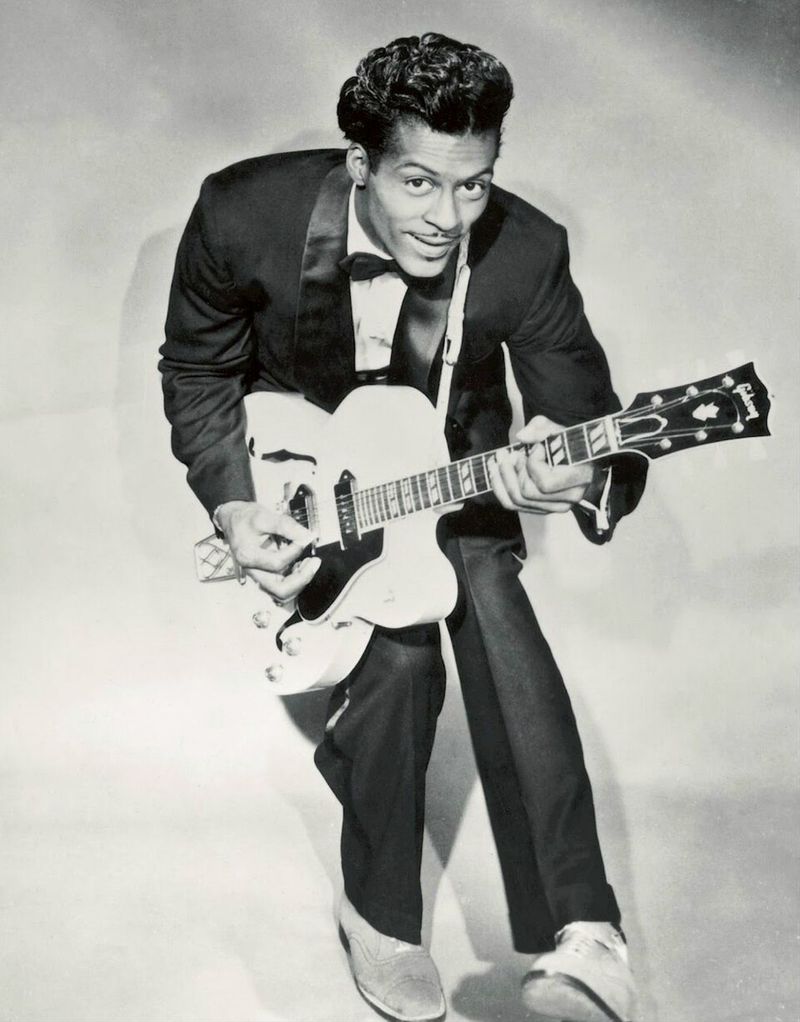
Chuck Berry walked into Chess Records in May 1955 and walked out having recorded one of the most consequential songs in rock history. “Maybellene” reached number one on the R&B chart and climbed to number five on the Billboard pop chart, proving that a Black artist from St. Louis could cross racial music boundaries in a segregated industry.
Berry borrowed the melody loosely from a country song called “Ida Red,” then layered it with sharp guitar work and a story about a car chase that teenagers found irresistible. The combination of blues technique and country structure created something neither genre had produced alone.
Disc jockey Alan Freed helped push the track to mainstream audiences, though Berry later disputed how writing credits were shared. Regardless, the song established Berry as rock and roll’s first true guitar hero.
4. Tutti Frutti by Little Richard
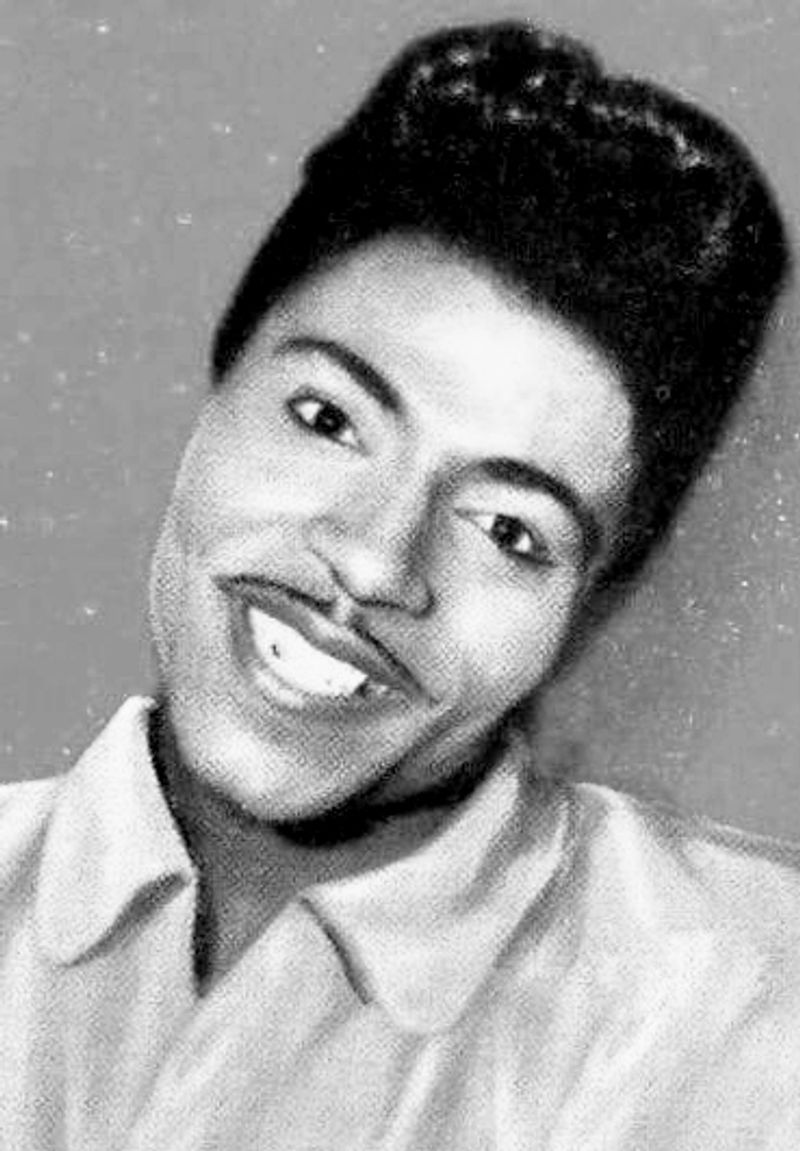
Few recordings have hit mainstream radio with as much unfiltered energy as this one did in late 1955. Little Richard recorded “Tutti Frutti” at Specialty Records in September of that year, and by early 1956 it had reached number two on the Billboard R&B chart and number seventeen on the pop chart.
Producer Robert Blackwell cleaned up the original lyrics to make the track radio-friendly, but nothing could dilute the sheer force of Richard’s vocal delivery. His signature “wop bop a loo bop” opening was unlike anything pop audiences had encountered before.
Pat Boone quickly released a cover version that outsold Richard’s on the pop chart, a situation that highlighted the racial inequities embedded in the music industry at the time. Still, Richard’s original remained the version that musicians studied and imitated for decades afterward.
5. Ain’t That a Shame by Fats Domino
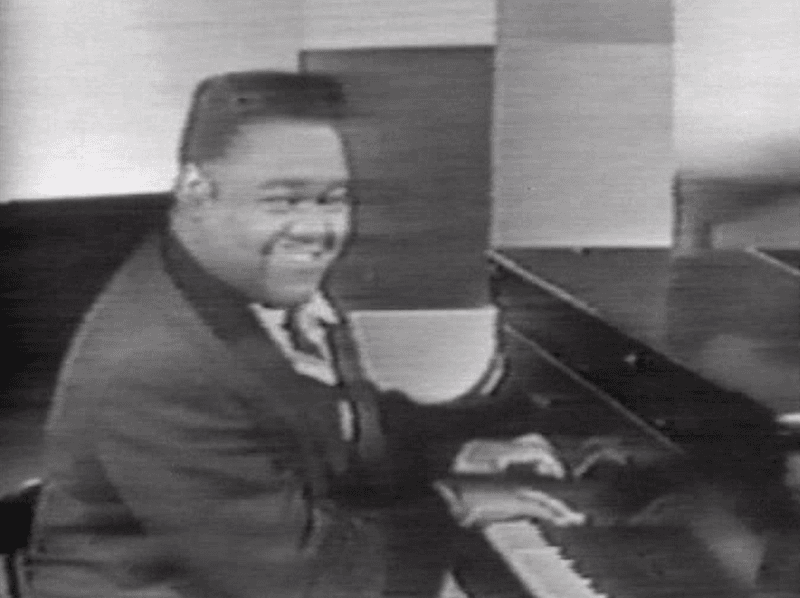
Fats Domino had already been recording in New Orleans for several years before this track turned him into a nationally recognized name. Released in April 1955, “Ain’t That a Shame” hit number one on the Billboard R&B chart and crossed over to number ten on the pop chart, selling more than one million copies.
Domino’s rolling piano style and warm vocal tone were rooted in the New Orleans rhythm-and-blues tradition, but the song’s structure was accessible enough to attract pop radio listeners who had never heard that sound before.
Pat Boone covered this track as well, releasing a smoother version that performed strongly on the pop chart. The dual-version phenomenon illustrated how rock and roll was simultaneously breaking cultural barriers and being reshaped by commercial interests.
Domino kept recording and eventually placed more charting singles than any other artist of his era.
6. Only You by The Platters
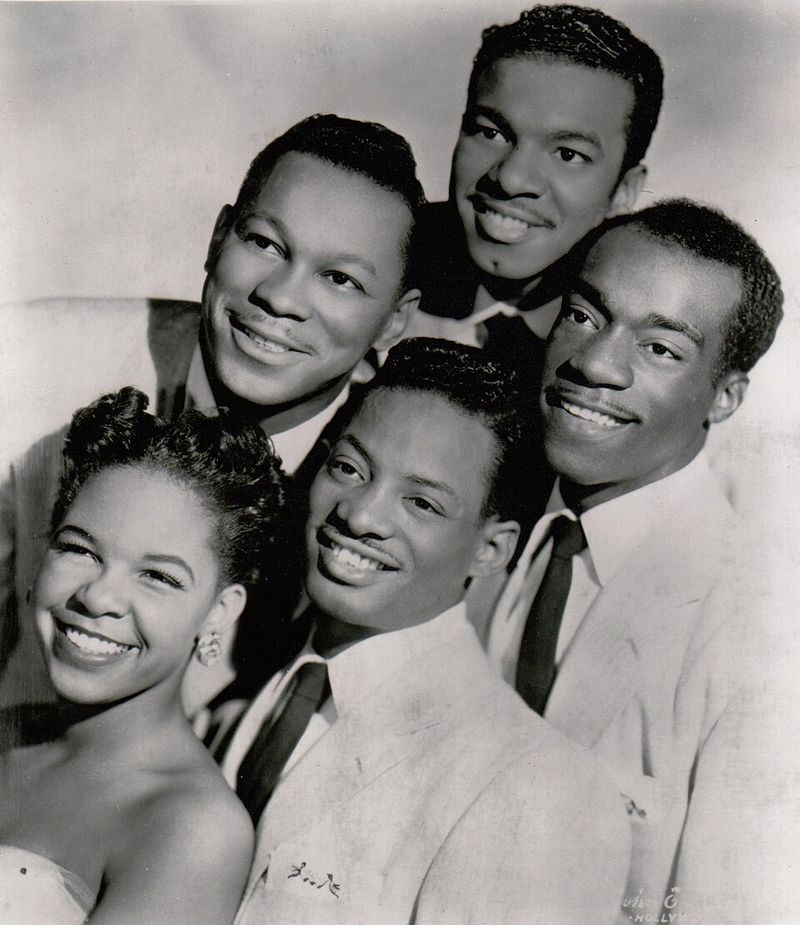
Smooth, precise, and emotionally direct, this recording reached a pop audience that might have otherwise ignored rhythm and blues entirely. The Platters released “Only You” in May 1955, and it climbed to number five on the Billboard pop chart while reaching number one on the R&B chart.
The group’s manager, Buck Ram, had shopped the song to labels for years before Mercury Records finally agreed to release it. The decision paid off immediately, as radio programmers embraced the track’s clean harmonies and accessible structure.
Lead vocalist Tony Williams had a tenor range that cut through the arrangement without overwhelming it, which made the song work equally well on jukeboxes and home record players. The Platters became one of the first Black vocal groups to achieve consistent mainstream pop success, opening doors that had been largely closed throughout the early 1950s.
7. Bo Diddley by Bo Diddley
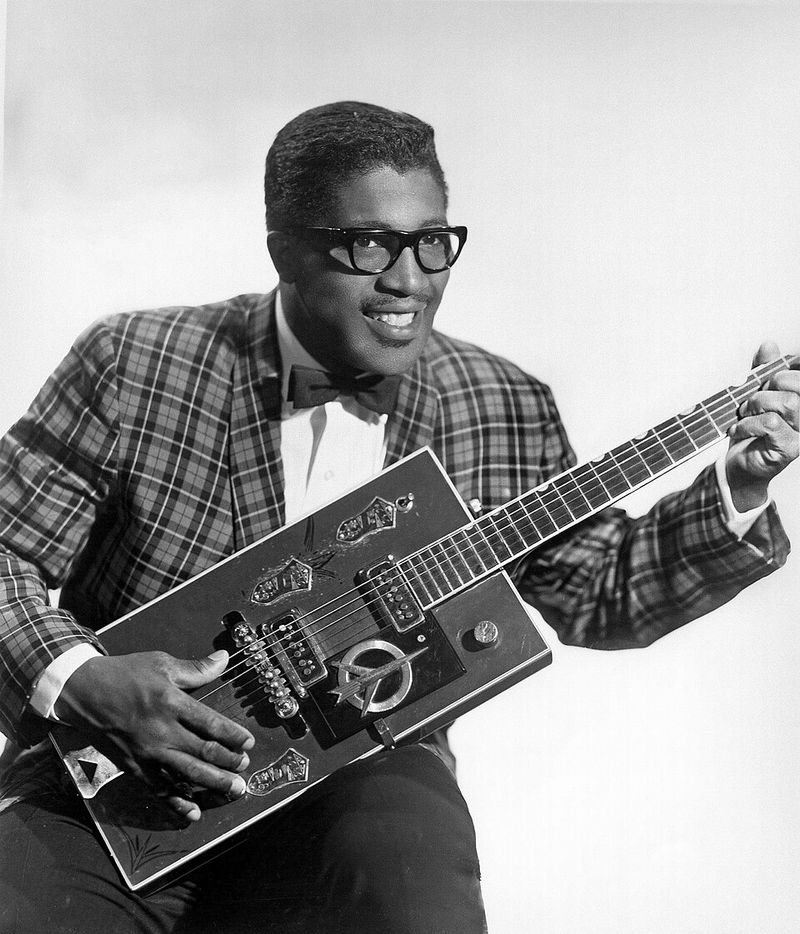
A rectangular guitar, a syncopated rhythm pattern borrowed from African musical traditions, and a self-titled debut single made Bo Diddley one of the most distinctive voices in early rock and roll. Released on Checker Records in 1955, the track hit number one on the Billboard R&B chart and introduced a beat that would later appear in recordings by Buddy Holly, The Rolling Stones, and Bruce Springsteen.
The “Bo Diddley beat” is essentially a clave rhythm adapted for electric guitar, giving it a hypnotic, forward-driving quality that differed from standard backbeat patterns of the era. Chess Records initially hesitated over the track’s unconventional structure before releasing it through their Checker subsidiary.
Bo Diddley performed the song on The Ed Sullivan Show in November 1955, reportedly ignoring Sullivan’s request to play a different number. That moment alone secured his reputation as someone who played entirely by his own rules.
8. Tweedlee Dee by LaVern Baker
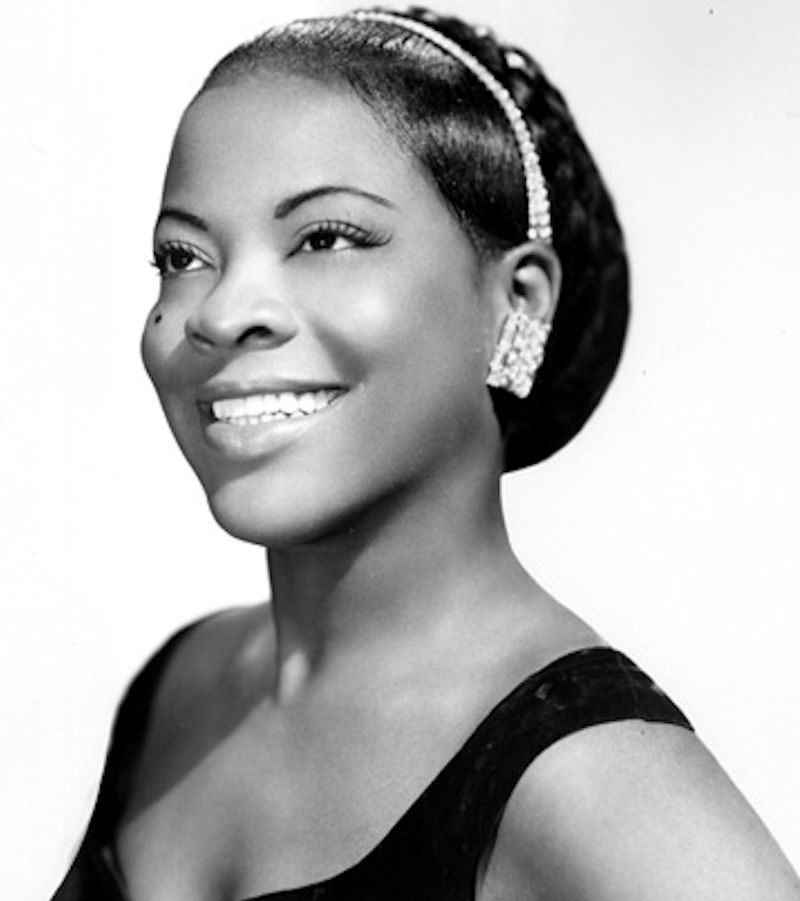
Atlantic Records had been building LaVern Baker’s career steadily since the early 1950s, but “Tweedlee Dee” was the track that pushed her into genuine national recognition. Released in late 1954 and charting strongly through early 1955, it reached number four on the R&B chart and number fourteen on the Billboard pop chart.
Baker’s vocal approach was more polished than many of her contemporaries, combining rhythm-and-blues energy with a clarity that translated well across different radio formats. The song’s Latin-influenced rhythm gave it a playful quality that stood apart from the heavier sounds dominating R&B at the time.
Georgia Gibbs released a near-identical cover version that outperformed Baker’s on the pop chart, a situation that prompted Baker to write a letter to Congress complaining about the practice of copying Black artists’ arrangements. Her advocacy drew national attention to a widespread and largely unaddressed industry problem.
9. Baby Let’s Play House by Elvis Presley
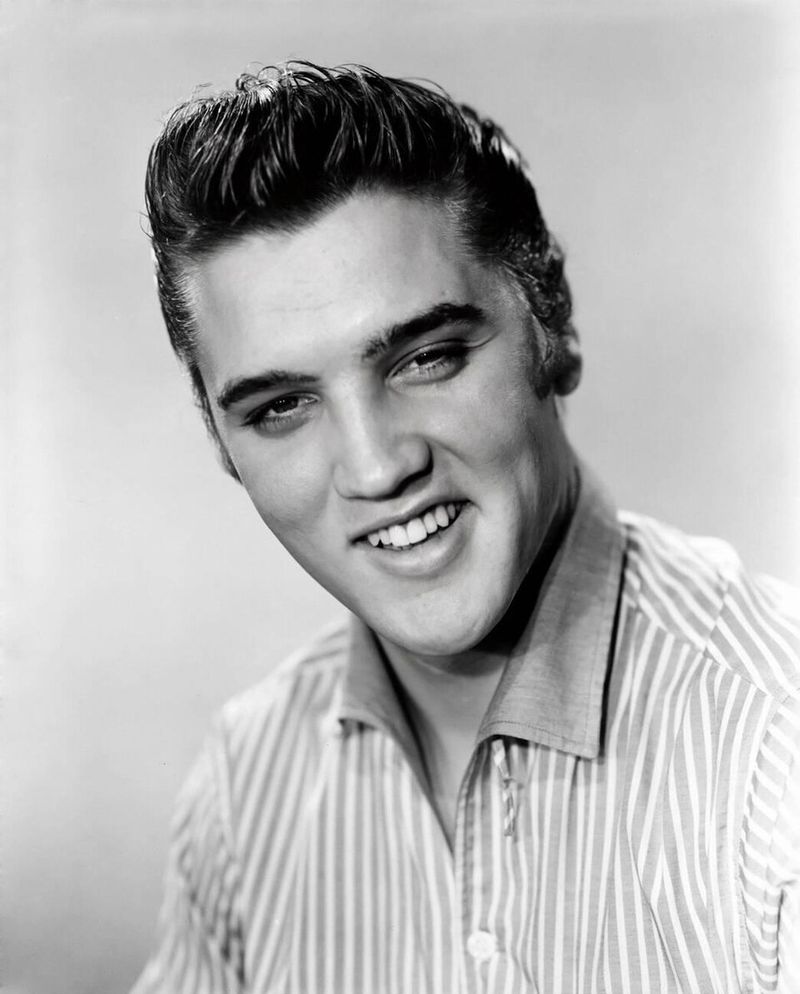
Recorded at Sun Studio in February 1955, this track marked an important step in Elvis Presley’s development as a performer and recording artist. The song blended country structure with blues attitude and a vocal stutter technique that Presley borrowed from Arthur Gunter’s original version but made entirely his own.
“Baby Let’s Play House” reached number five on the Billboard country chart, making it Presley’s first national chart appearance. At this point in his career, he was still performing primarily across the South, building a reputation through relentless touring rather than television appearances.
The recording captured something specific about rockabilly’s appeal: it was neither pure country nor pure blues but a collision of both that felt urgent and slightly dangerous to listeners raised on more polished radio fare. Sam Phillips later cited this session as evidence that Presley was developing faster than anyone had anticipated.
10. Earth Angel by The Penguins
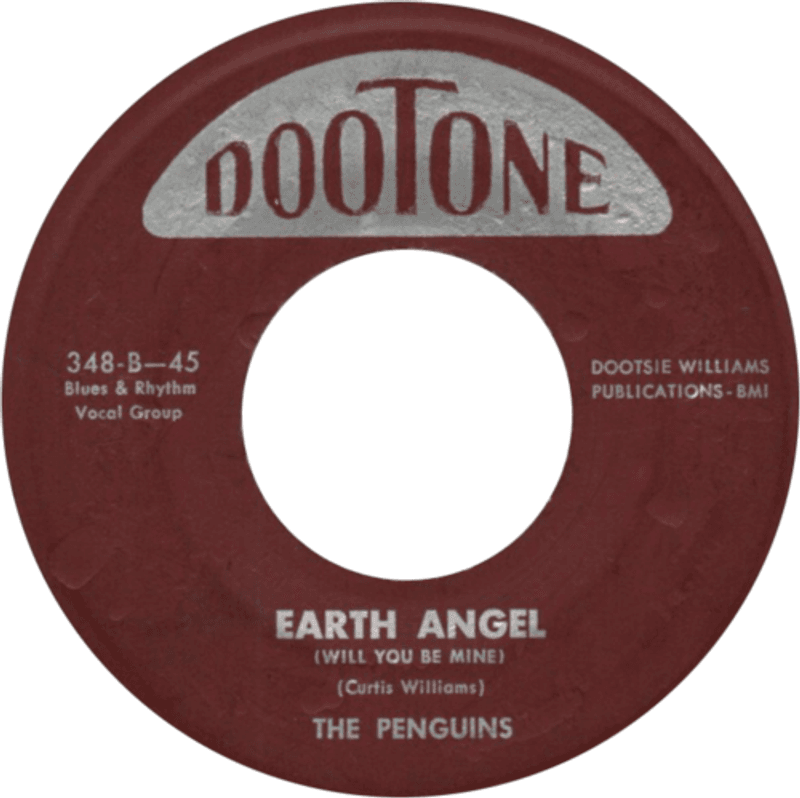
Released in late 1954 and dominating radio through early 1955, “Earth Angel” became one of the defining songs of the doo-wop movement and one of the decade’s most successful crossover recordings. The Penguins were a Los Angeles-based vocal group signed to Dootone Records, a small independent label that lacked major distribution but could not contain the song’s momentum.
The track reached number one on the Billboard R&B chart and number eight on the pop chart, making it a genuine crossover achievement at a time when such crossings were still relatively rare. Mercury Records signed the group shortly after the song’s success, though they struggled to replicate the same commercial results.
The Crew-Cuts, a white Canadian group, released a competing cover version that also charted strongly. “Earth Angel” appeared later in the decade in television programming and continued to define the slow-dance soundtrack of the mid-1950s teen experience.
11. Ain’t That a Shame by Pat Boone

Pat Boone’s version of Fats Domino’s “Ain’t That a Shame” reached number one on the Billboard pop chart in 1955, outselling the original despite being a note-for-note copy with smoother production values. Boone was 21 years old, a college student with a wholesome public image that made him palatable to radio programmers who were still nervous about promoting Black artists to white audiences.
His success with this and similar covers sparked significant debate about the ethics of the practice, which was widespread but rarely discussed openly in mainstream media at the time. Domino’s original was the artistically superior recording by most critical assessments, but Boone’s version reached a demographic that Domino’s label could not easily access.
The controversy surrounding Boone’s covers contributed to growing public awareness of how racial segregation operated within the music industry, ultimately helping build the argument for a more integrated pop mainstream.
12. Shake, Rattle and Roll by Joe Turner
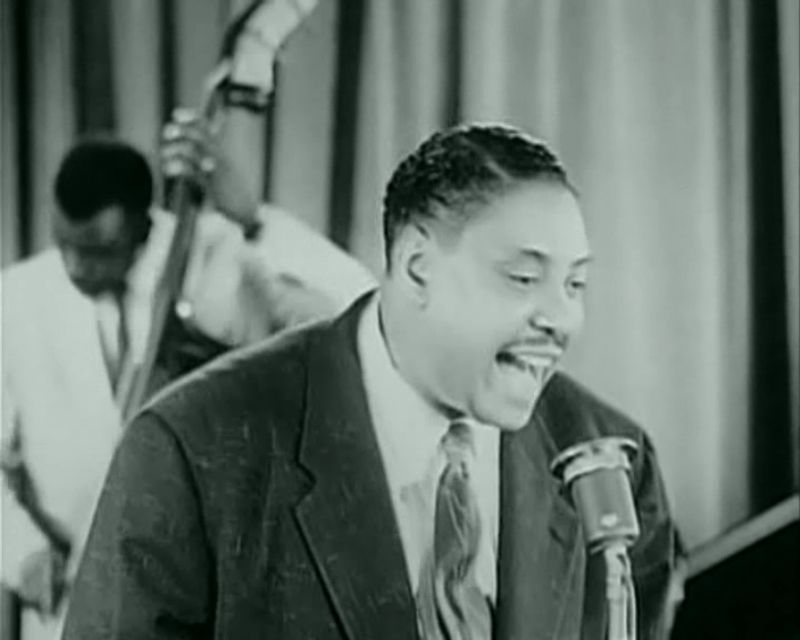
Joe Turner had been performing blues and boogie-woogie since the 1930s, which made his role as a key figure in rock and roll’s emergence particularly interesting from a historical standpoint. “Shake, Rattle and Roll” was recorded for Atlantic Records and released in 1954, but it remained a dominant presence on jukeboxes and radio playlists well into 1955.
The track reached number one on the Billboard R&B chart and became one of the most covered songs of the mid-1950s. Bill Haley’s version, released the same year with cleaned-up lyrics, introduced the song to pop audiences and became one of Haley’s signature recordings before “Rock Around the Clock” eclipsed it.
Turner’s original was rawer and more rhythmically forceful than any of the covers that followed. His career trajectory, from Kansas City blues joints to national rock and roll prominence, demonstrated that the genre had deep roots in African American musical traditions stretching back decades before 1955.
Share this story