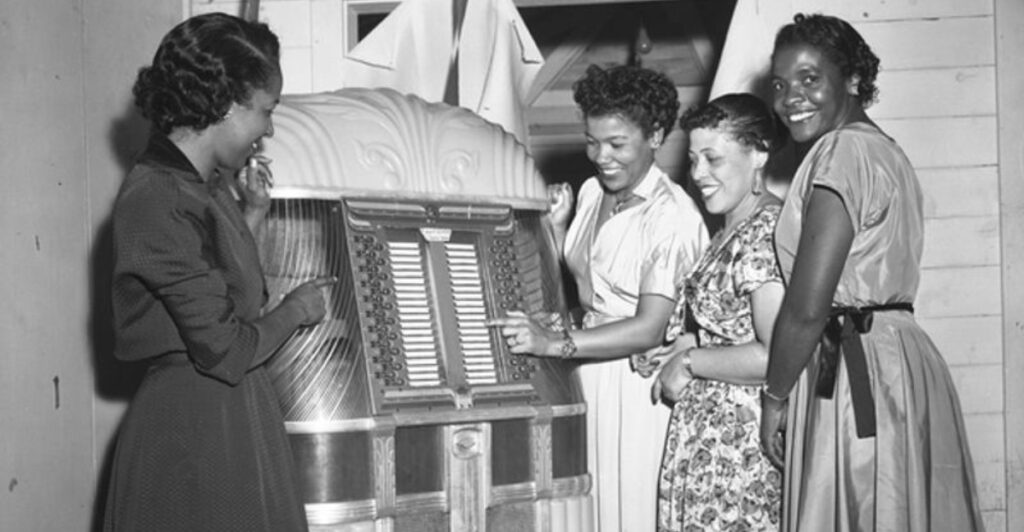
The songs that dominated America’s jukeboxes in 1956 did more than entertain. They helped define a pivotal moment in music history.
As rhythm and blues reached wider audiences and rock and roll gained momentum, jukeboxes became one of the most important ways people discovered the records everyone was talking about.
From soaring ballads and gospel-influenced hits to energetic rockers that packed dance floors, the year produced a remarkable variety of music. These were not just chart successes.
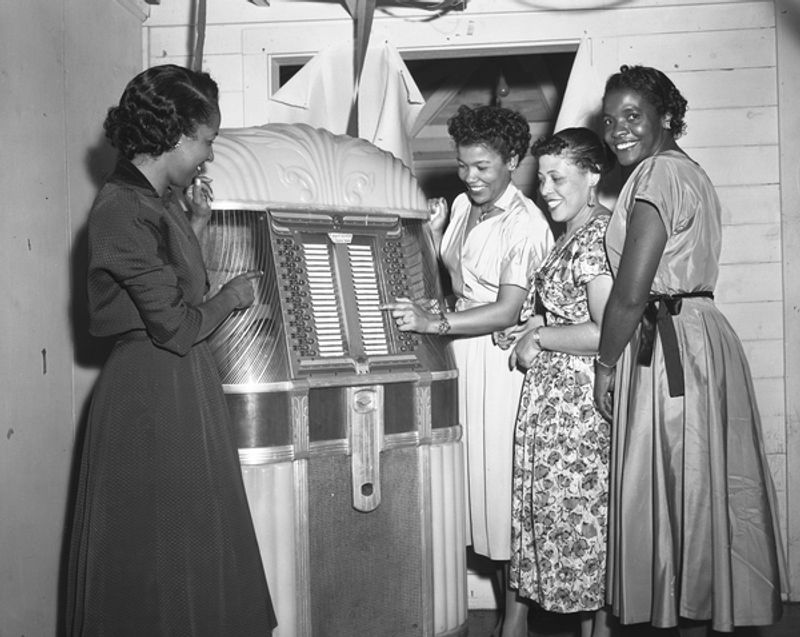
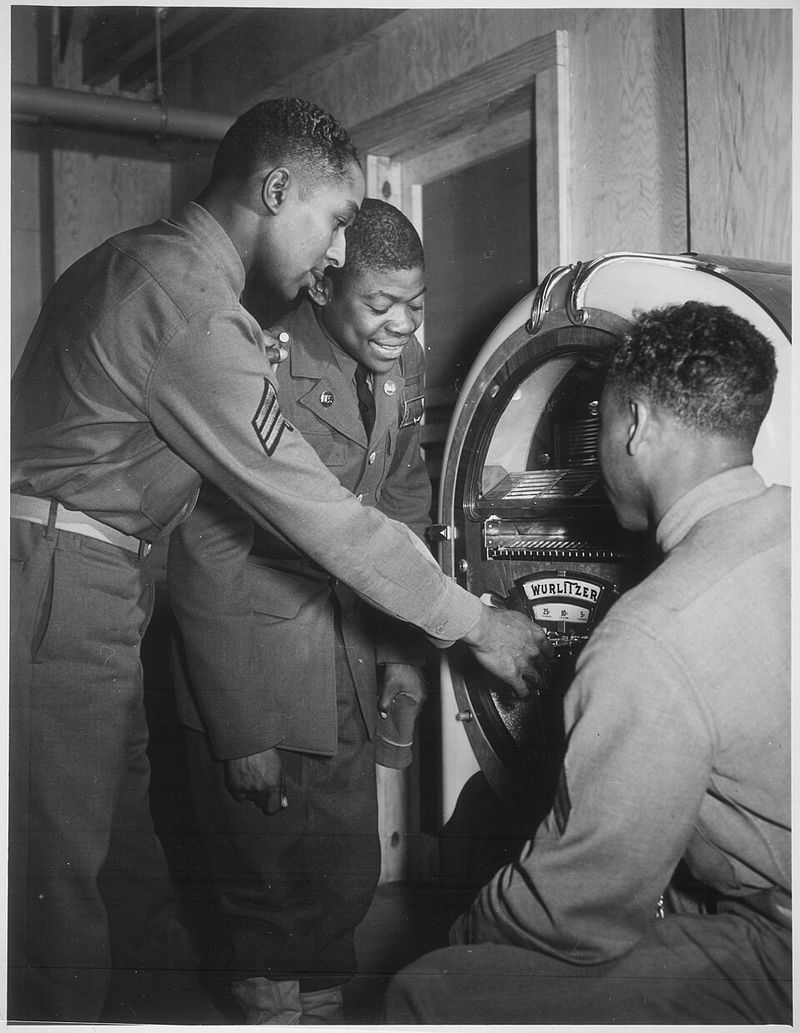
They were the songs listeners chose again and again, dropping nickels into jukeboxes to hear their favorites one more time.
Many of these records introduced new stars, reshaped popular tastes, and left a lasting mark on American culture. Here are the songs that ruled the jukeboxes in 1956 and the stories behind their enduring appeal.
1. Honky Tonk (Parts 1 & 2) – Bill Doggett
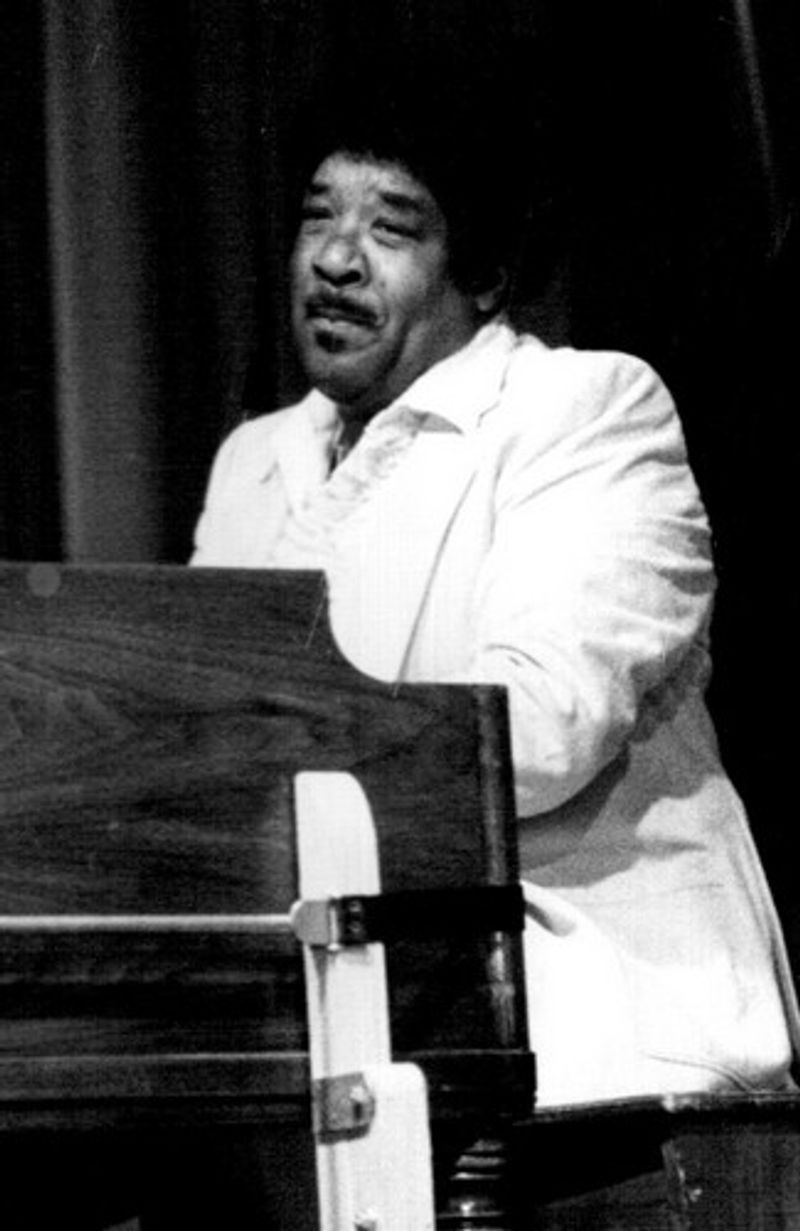
No instrumental track came close to matching this record’s staying power on the charts in 1956. Bill Doggett’s Honky Tonk sat at No. 1 on the R&B best sellers list for 13 consecutive weeks, a run that made it the most dominant jukebox record of the entire year.
Doggett was already a seasoned musician and arranger before this record arrived, having worked with Lionel Hampton and Louis Jordan. The track’s appeal came from its locked-in groove and the interplay between Billy Butler’s guitar and Clifford Scott’s saxophone.
It crossed over to the pop charts as well, reaching No. 2 nationally. The record proved that an instrumental could compete with any vocal hit of the era.
Decades later, Honky Tonk remains a standard reference point for organ-driven R&B.
2. The Great Pretender – The Platters
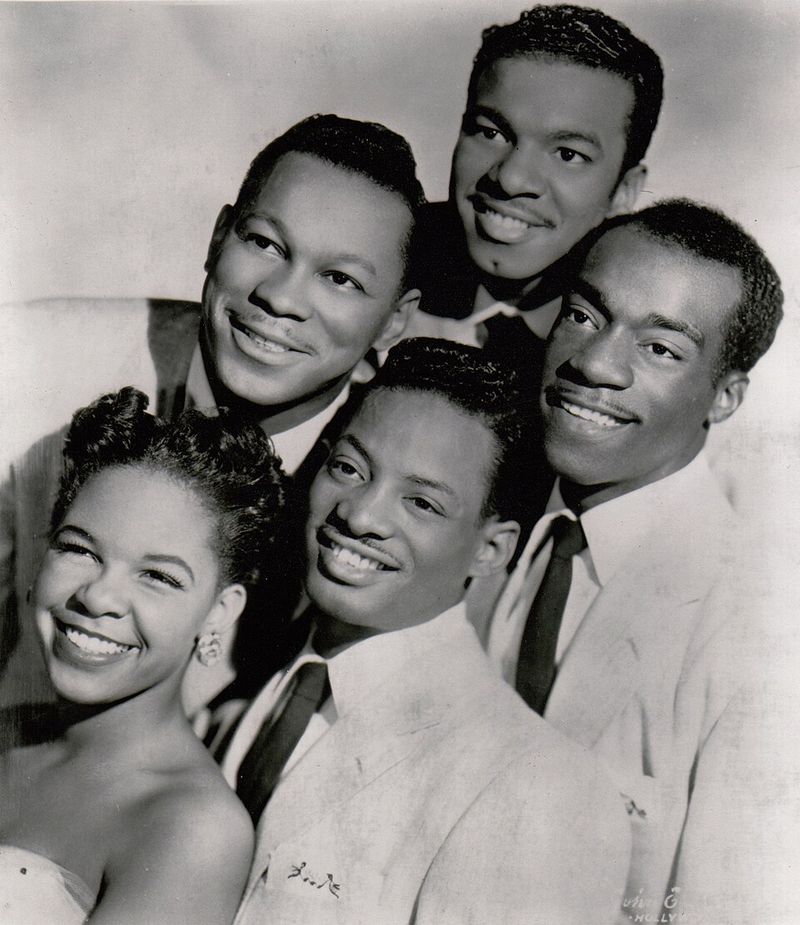
Before the term “crossover hit” became common vocabulary in the music industry, The Platters were already doing it. The Great Pretender topped both the R&B and pop charts simultaneously in early 1956, making it one of the most commercially successful records the group ever released.
Written by Buck Ram, who also managed the group, the song’s structure was deceptively simple. The Platters wrapped Tony Williams’s lead vocal in tight harmonies that gave the track a polished, almost theatrical quality that set it apart from rougher R&B recordings of the period.
Billboard’s year-end R&B rankings placed it among the very top records of 1956. The song also topped the “Most Played R&B in Juke Boxes” chart for multiple weeks, confirming that real listeners, not just radio programmers, were choosing it repeatedly.
3. Long Tall Sally – Little Richard
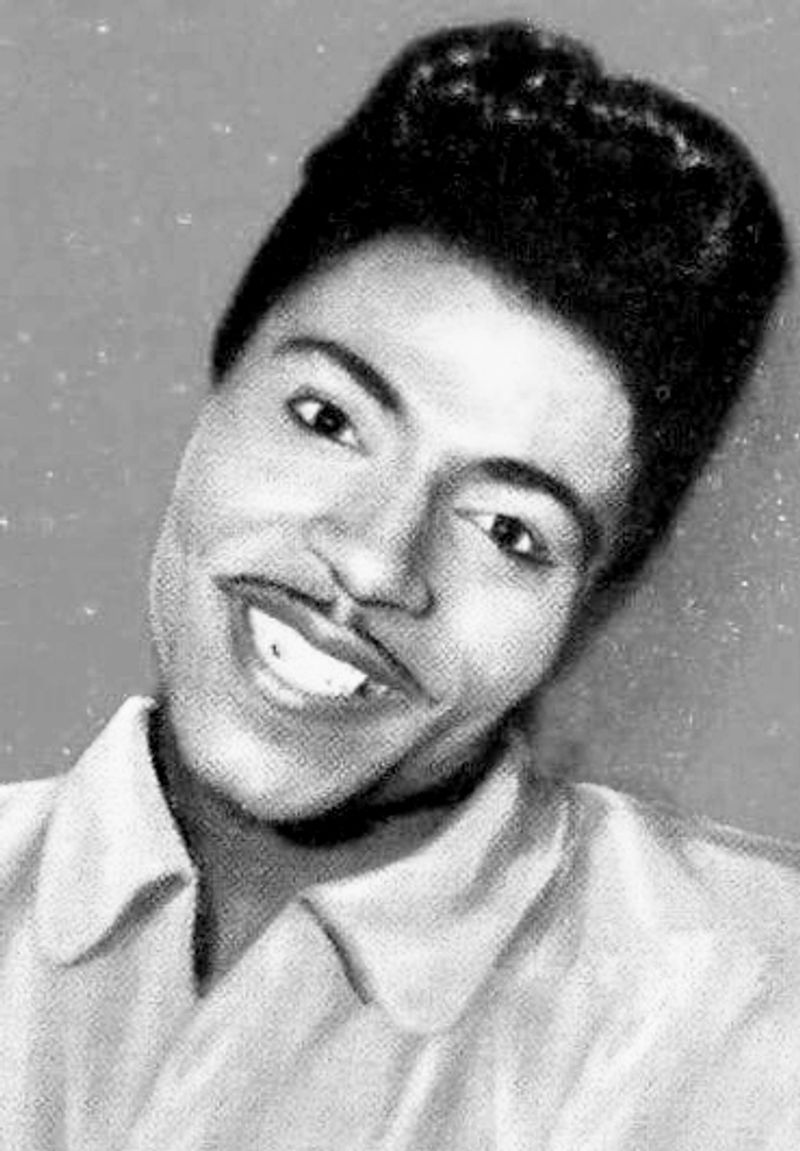
By April 1956, Little Richard had already established himself as a force that no radio programmer or jukebox operator could ignore. Long Tall Sally topped all three of Billboard’s R&B listings that month, a rare achievement that signaled just how dominant his presence had become.
The track was recorded at Cosimo Matassa’s studio in New Orleans in February 1956 and released on Specialty Records. Richard’s vocal delivery on this song was even more compressed and urgent than his previous work, packing enormous energy into a very short runtime.
The song also crossed over to the pop top ten, finishing fourth on Billboard’s year-end R&B chart. Pat Boone covered it around the same time, but record buyers consistently chose Richard’s original.
That preference said something meaningful about where popular taste was heading.
4. I’m in Love Again – Fats Domino
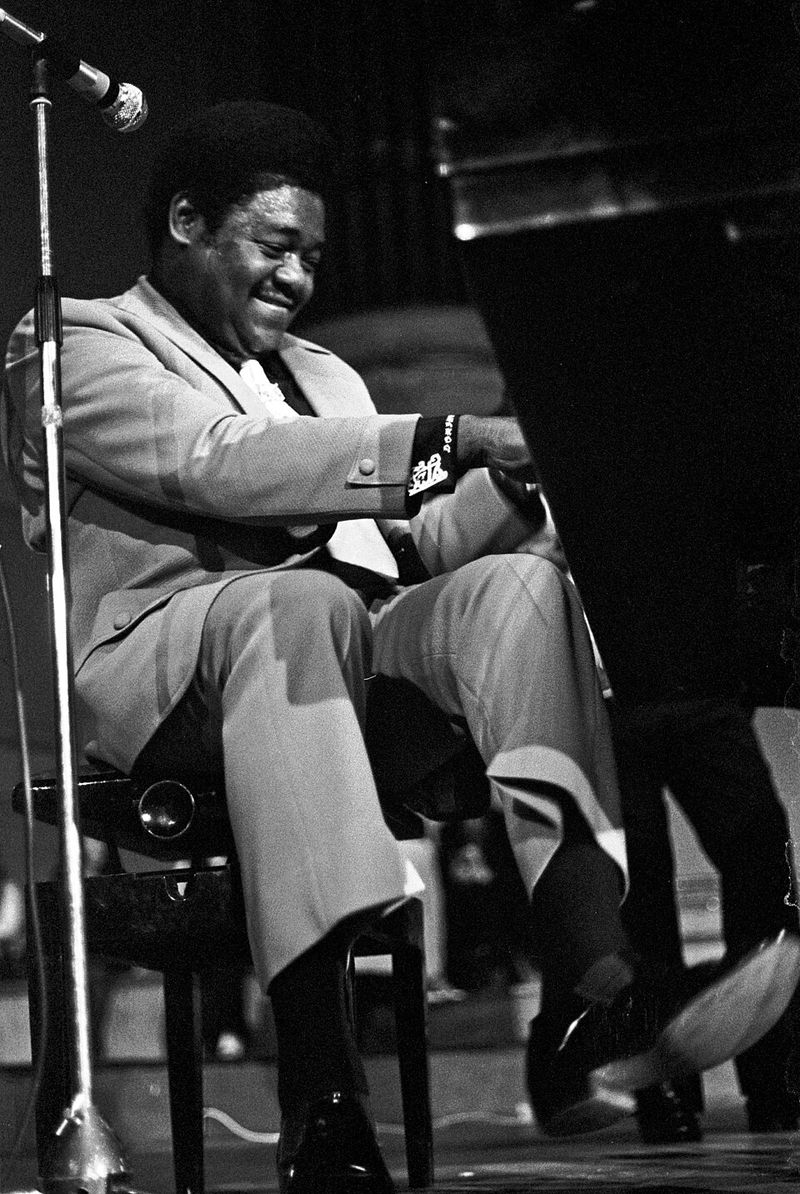
Antoine Domino had already been a consistent presence on the R&B charts for several years before 1956, but I’m in Love Again gave him one of his biggest moments yet. The record reached No. 1 on the R&B charts and broke into the pop top five as well.
Recorded in New Orleans with producer Dave Bartholomew, the track showcased the rolling piano style that had become Domino’s signature. His vocal approach was relaxed and conversational, which made his records feel accessible to a wide range of listeners.
The song spent multiple weeks at the top of the R&B chart and became one of the most frequently selected tracks on jukeboxes throughout the summer of 1956. It helped confirm that New Orleans had its own distinct musical identity within the broader R&B landscape of the era.
5. Fever – Little Willie John
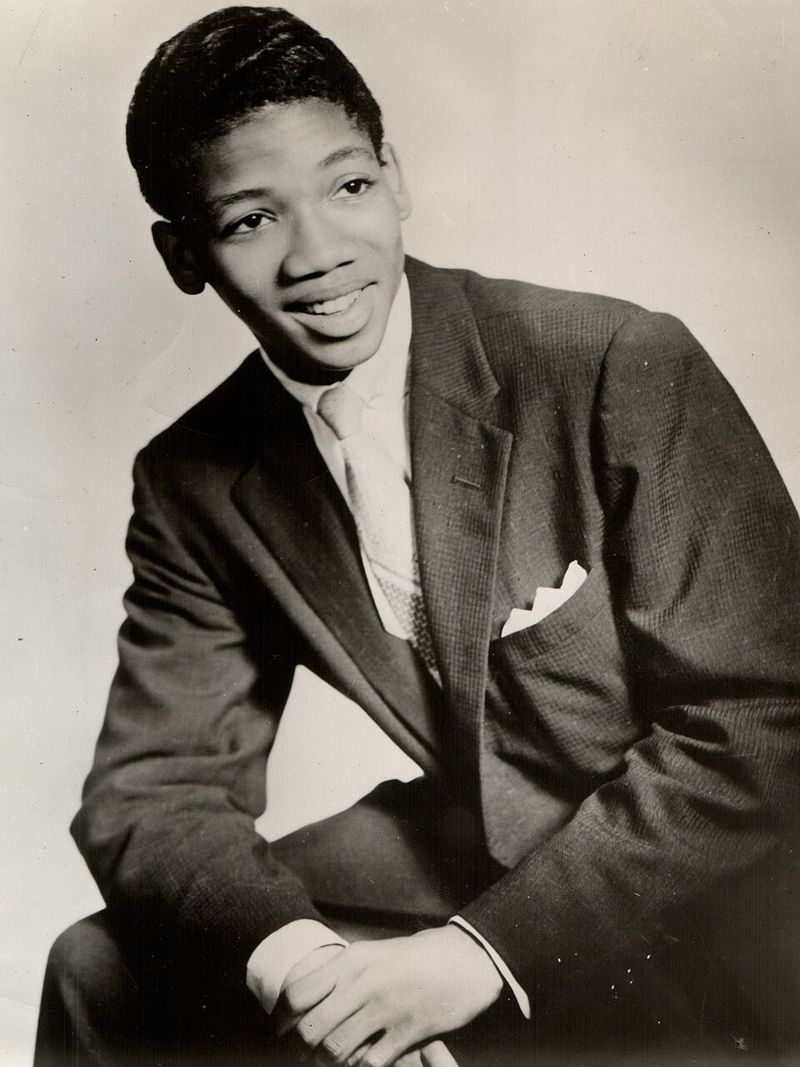
Little Willie John was only 18 years old when he recorded Fever in 1956, and yet the performance he delivered was far beyond his years. The song reached No. 1 on the R&B chart and stayed in the top ten for months, establishing John as one of the most gifted vocalists of his generation.
The track was written by Eddie Cooley and Otis Blackwell under the joint pseudonym John Davenport. Its arrangement was deliberately sparse, giving John’s voice maximum space to work with minimal instrumentation behind it.
Peggy Lee later recorded a well-known version in 1958, and Elvis Presley also covered it, but John’s original remained the definitive R&B statement. His controlled intensity throughout the track influenced a generation of singers who came after him, including many who would go on to define soul music in the 1960s.
6. Why Do Fools Fall in Love – Frankie Lymon & The Teenagers
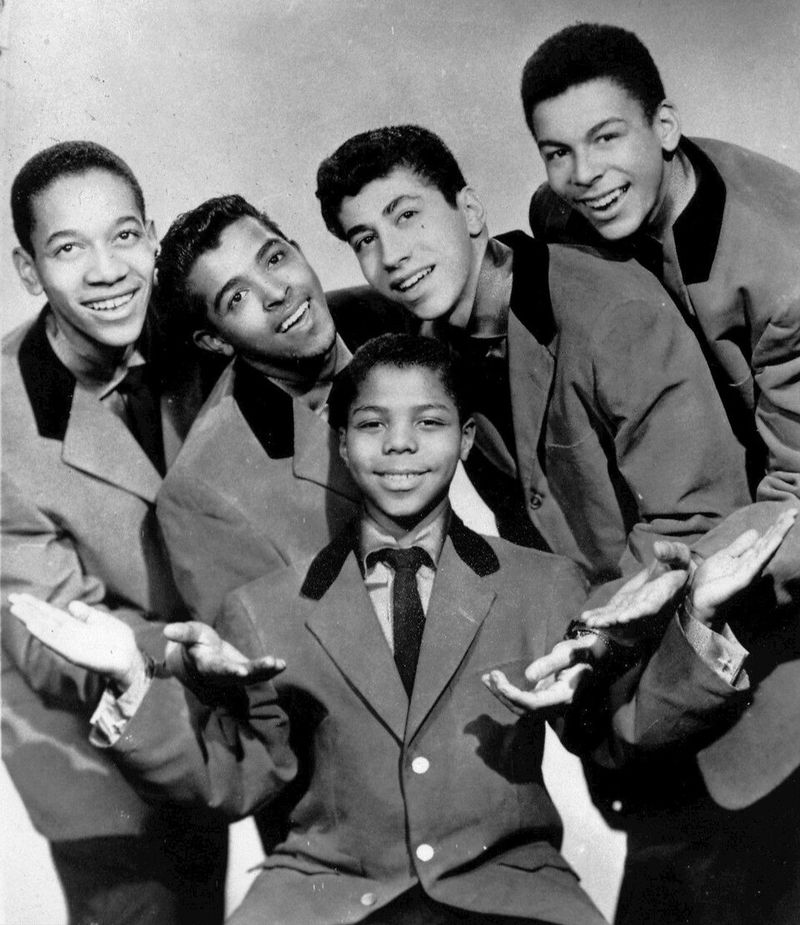
At 13 years old, Frankie Lymon became one of the youngest artists ever to top the R&B charts. Why Do Fools Fall in Love was released in January 1956 on Gee Records and quickly climbed to No. 1, where it stayed for multiple weeks before crossing over to the mainstream pop chart.
The song’s authorship became one of the most disputed legal cases in music history, with multiple parties claiming credit over the following decades. At the time of its release, however, none of that mattered to the teenagers dropping coins into jukeboxes across the country.
The Teenagers’ close harmonies and Lymon’s high, clear lead vocal gave the record a freshness that stood out from heavier R&B productions of the period. It captured the specific emotional world of adolescence in a way that resonated immediately with young audiences everywhere.
7. Drown in My Own Tears – Ray Charles
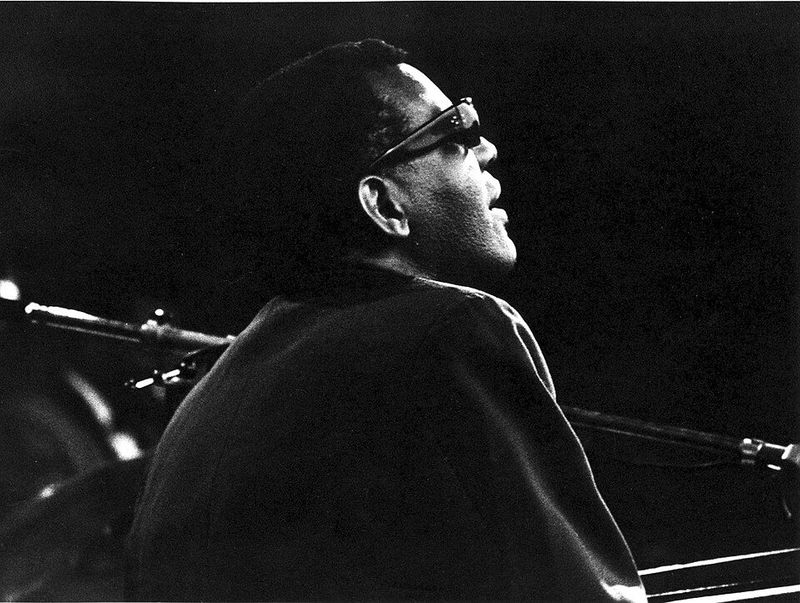
Ray Charles had been experimenting with the combination of gospel and blues for several years before 1956, but Drown in My Own Tears was one of the clearest examples of that approach landing with full force. The song reached No. 1 on the R&B chart and became one of the most emotionally direct recordings of the year.
Written by Henry Glover and recorded for Atlantic Records, the track featured Charles’s piano and a restrained arrangement that kept the focus entirely on his vocal performance. His gospel roots were unmistakable throughout.
Music critics and historians often point to this period as the moment when Charles was actively inventing what would later be called soul music. The song’s success on jukeboxes throughout 1956 showed that listeners recognized something genuinely new was happening, even if they did not yet have a word for it.
8. Treasure of Love – Clyde McPhatter
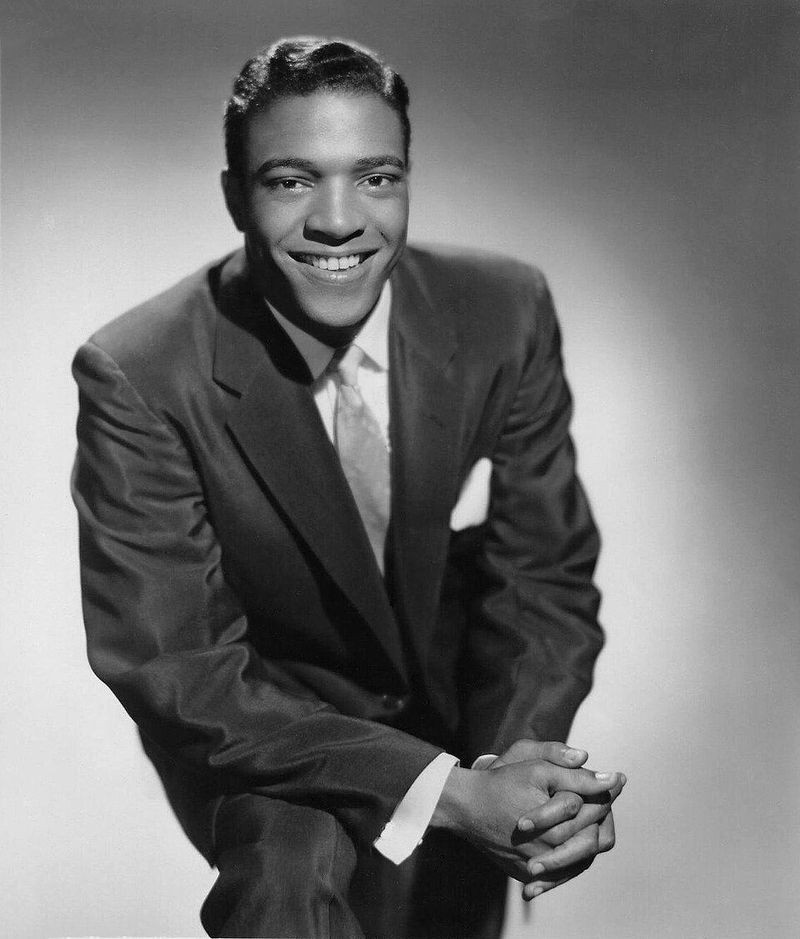
Clyde McPhatter had already made his name as the original lead singer of The Drifters before striking out on a solo career, and Treasure of Love proved he could carry a record entirely on his own. The song reached No. 1 on the R&B chart and became one of the year’s most consistent jukebox selections.
McPhatter’s tenor voice had a distinctive quality that separated him from many of his contemporaries. He could move between tenderness and urgency within a single phrase, which gave his ballads an emotional range that resonated with listeners.
The record was released on Atlantic Records and produced during a particularly productive stretch for the label. McPhatter followed it with several more hits, but Treasure of Love remains the track most associated with his commercial peak.
His influence on later singers, including Jackie Wilson, has been well documented.
9. Rip It Up – Little Richard
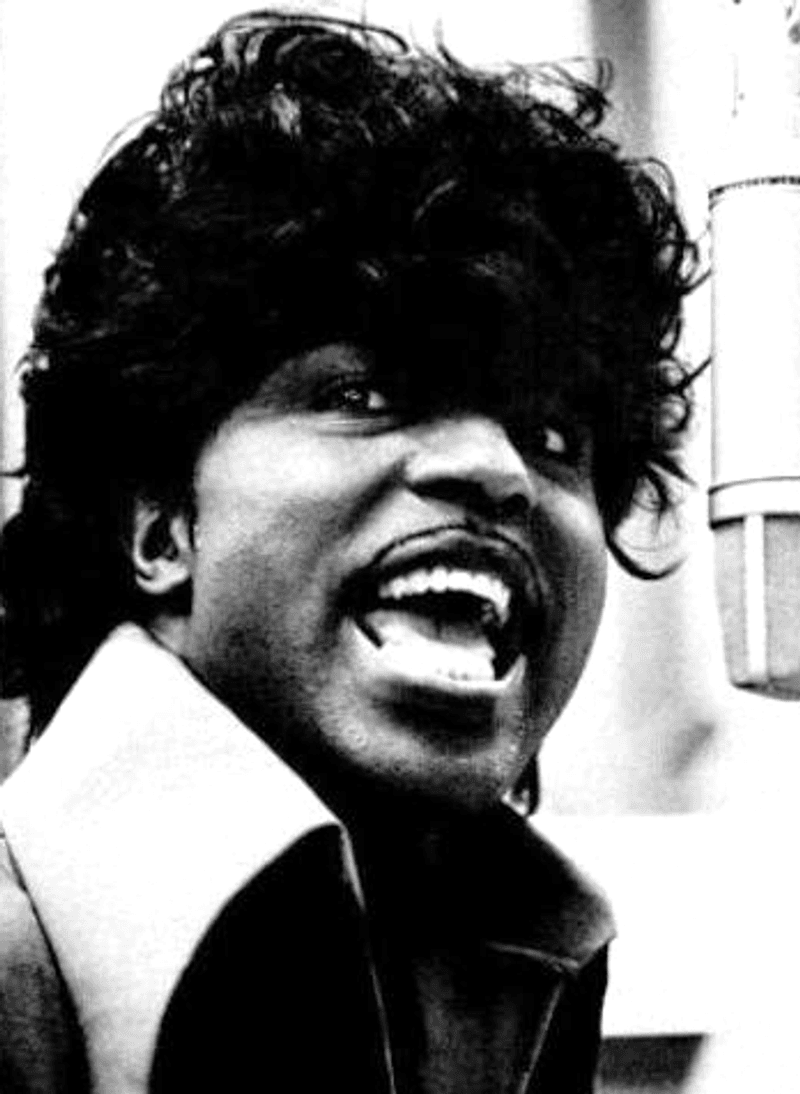
Little Richard appeared on this list once already, but his output in 1956 was so remarkable that a single entry simply does not cover it. Rip It Up topped the R&B charts and became one of the year’s most energetic jukebox selections, with a tempo and delivery that pushed the boundaries of what a pop record could do.
Released on Specialty Records, the track featured the same New Orleans session musicians who appeared on many of his other recordings. The rhythm section locked in with a precision that made the track almost impossible to stand still to.
Elvis Presley covered the song in late 1956, which was a pattern for Richard’s work that year. The covers drew attention, but they also highlighted how much of the original’s power came specifically from Richard’s performance.
No cover fully replicated the urgency he brought to the recording.
10. Let the Good Times Roll – Shirley & Lee
Shirley Goodman and Leonard Lee had been recording together since the early 1950s, but Let the Good Times Roll was the record that cemented their reputation. Released on Aladdin Records, the song became a genuine R&B classic and one of the most recognizable party anthems of the decade.
The track’s call-and-response structure between Shirley and Lee gave it a playful dynamic that worked perfectly on a jukebox. It was the kind of record that made people want to get up and move, which is exactly what jukebox operators and venue owners were looking for.
The song charted strongly on the R&B listings and remained in rotation throughout 1956. It influenced the New Orleans R&B scene significantly and is still performed and covered regularly.
Lee and Goodman were not siblings or a couple, a common misconception, but rather two neighborhood friends from New Orleans.
11. Please, Please, Please – James Brown & The Famous Flames
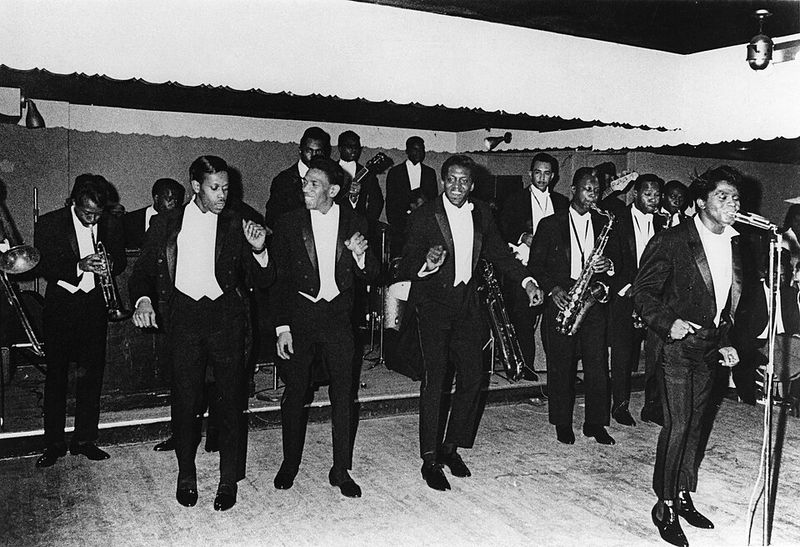
James Brown’s recording career began not with a polished studio showcase but with a raw, gospel-driven plea that took radio programmers by surprise. Please, Please, Please was released in March 1956 on Federal Records and became a regional hit before spreading nationally through jukebox play.
The song’s structure was unconventional. Brown repeated the word “please” so many times that it functioned almost as a chant rather than a lyric.
That approach drew directly from the call-and-response tradition of Black church music.
The Famous Flames provided tight vocal backing that gave the record a group identity, even as Brown’s lead performance clearly dominated. The song reached the R&B top five and hinted at a performance style that would evolve significantly over the following decade.
Few debut recordings in any era have aged as well as this one.
12. Tutti Frutti – Little Richard
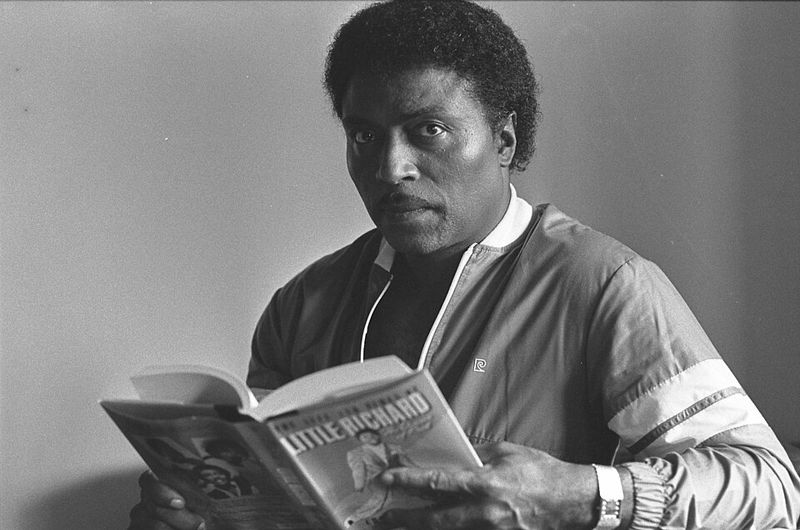
Originally recorded in September 1955 at Cosimo Matassa’s studio in New Orleans, Tutti Frutti was still one of the most-played records on American jukeboxes well into 1956. Its chart performance carried over from the previous year, and its cultural impact grew larger as the months passed.
The song’s opening exclamation became one of the most recognized moments in the history of recorded popular music. Little Richard’s piano style on the track drew directly from the boogie-woogie tradition but pushed the tempo and intensity to a new level.
Pat Boone’s cover version outsold Richard’s original on the pop chart, a fact that highlighted the racial dynamics of the music industry at the time. However, Richard’s version remained the one that musicians and producers studied and cited as the genuine article.
Its influence on rock, soul, and pop continued expanding long after 1956.
13. Eddie My Love – The Teen Queens
Betty and Rosie Collins recorded Eddie My Love for RPM Records in 1955, but the record became one of the defining jukebox selections of early 1956. It climbed to No. 2 on the R&B chart and crossed over to the pop listings as well, reaching a wide audience despite the duo’s young age and limited prior exposure.
The song told a straightforward story of a girl waiting for her boyfriend to return, a theme that connected immediately with teenage listeners. Its simple doo-wop arrangement and earnest vocal performance gave it a sincerity that more polished recordings sometimes lacked.
Several other artists rushed out competing versions of the song, including The Fontane Sisters and Lillian Briggs, but the Teen Queens’ original remained the most recognized. The record is now considered one of the better examples of female-led doo-wop from the mid-1950s.
Share this story