Long before streaming playlists and satellite radio, road trips ran on cassette tapes, AM/FM static, and the occasional eight-track. From the 1960s through the 1990s, certain songs became so tied to the open road that hearing them today can still make you feel like you are moving, even if you are sitting still. These tracks crossed genre lines, generation gaps, and state borders, showing up on mixtapes, radio countdowns, and movie soundtracks alike. What follows is a look at 20 songs that defined the summer road trip in ways that go far beyond just having a good beat, covering the cultural moments, chart histories, and lasting legacies that kept each one in rotation for decades.
1. Life Is a Highway – Tom Cochrane (1991)

Canadian rocker Tom Cochrane wrote this song after a trip to Africa, which makes the road trip connection both literal and surprising. Released in 1991 on his album “Mad Mad World,” the track hit number one in Canada and cracked the top 20 in the United States.
Cochrane has said the song is about resilience and moving forward through difficulty. Rascal Flatts covered it in 2006 for the Pixar film “Cars,” introducing it to an entirely new generation. The original remains a defining rock anthem of the early 1990s with genuine staying power.
2. Take It Easy – Eagles (1972)
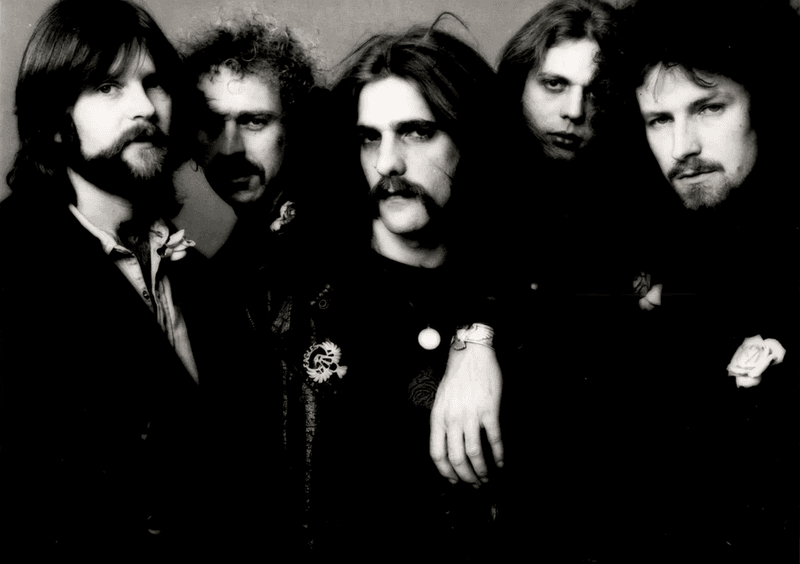
Co-written by Glenn Frey and Jackson Browne, this track became the Eagles’ debut single and one of the most recognized opening lines in rock history. Released in May 1972, it reached number 12 on the Billboard Hot 100 and helped launch one of the best-selling bands in American music history.
The song references a specific corner in Winslow, Arizona, which later became a tourist landmark called “Standin’ on the Corner Park.” That real-world geographic anchor gave the song a grounded, map-ready quality that made it a natural companion for anyone driving west.
3. Summer of ’69 – Bryan Adams (1984)

Despite the title, Bryan Adams was only nine years old in 1969, which tells you the song is more about youthful mythology than autobiography. Written with Jim Vallance and released in 1985 from the album “Reckless,” it peaked at number five on the Billboard Hot 100.
Adams has confirmed the title carries a double meaning, though the song itself is firmly about the electric feeling of being young and chasing music. Its compact structure, driving guitar riff, and chorus that practically demands to be sung loudly made it an automatic road trip staple from the moment it hit radio.
4. Ventura Highway – America (1972)
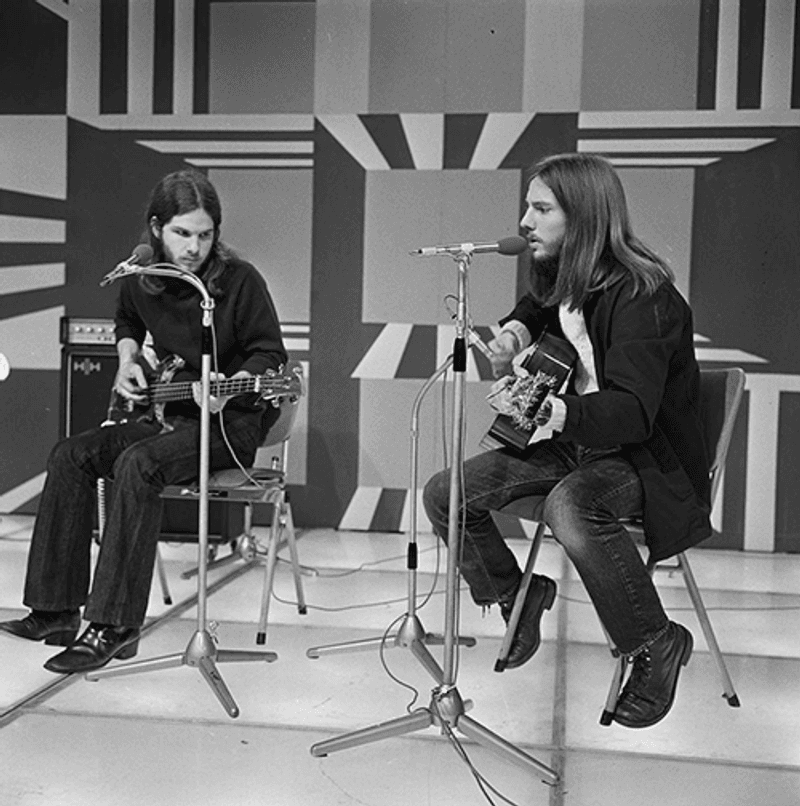
Written by Dewey Bunnell and released on the band’s 1972 album “Homecoming,” this track peaked at number eight on the Billboard Hot 100. The song takes its name from U.S. Route 101 in Southern California, a stretch of road that runs along the Pacific coast through Ventura County.
Bunnell wrote it after spending time in California as a teenager when his father was stationed at an Air Force base nearby. The track’s easy tempo and clear sense of geographic direction gave it an almost cartographic quality, making listeners feel they were actually traveling a specific road rather than a vague open highway.
5. Born to Run – Bruce Springsteen (1975)
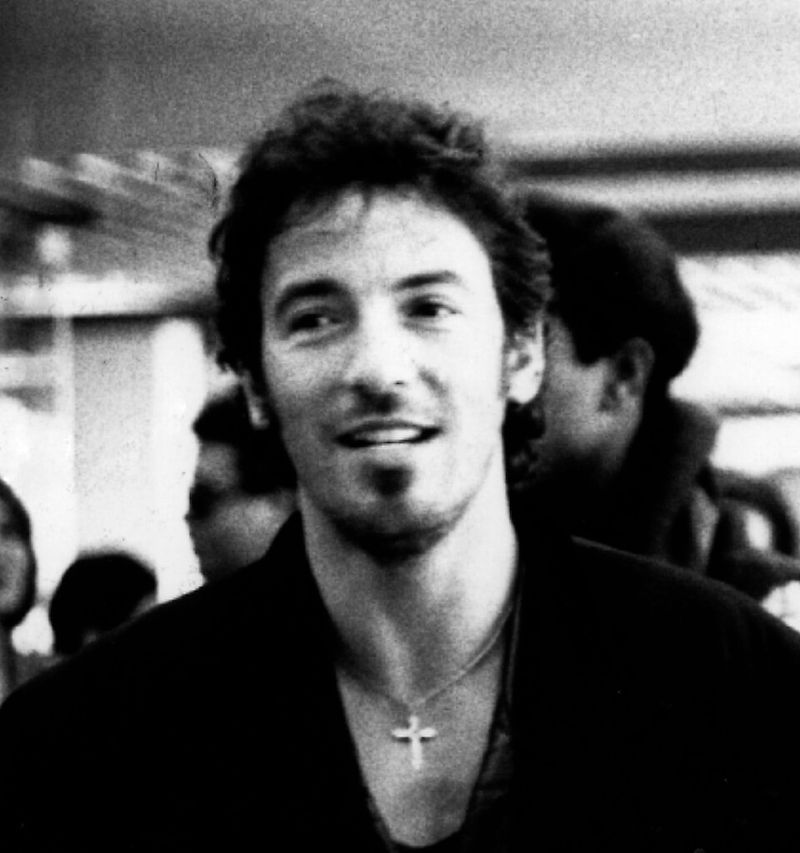
By the summer of 1975, Bruce Springsteen had spent nearly six months writing and recording this single, determined to create something that captured the urgency of wanting to escape and move. The track became the title song of his third album and the record that transformed him from a cult figure into a mainstream star.
“Born to Run” reached number 23 on the Billboard Hot 100, but its cultural impact far exceeded its chart position. Time and Newsweek both ran cover stories on Springsteen that October, a rare dual-magazine moment for any artist. The song’s themes of restlessness and escape gave it a permanent place in the road trip canon.
6. Running on Empty – Jackson Browne (1977)
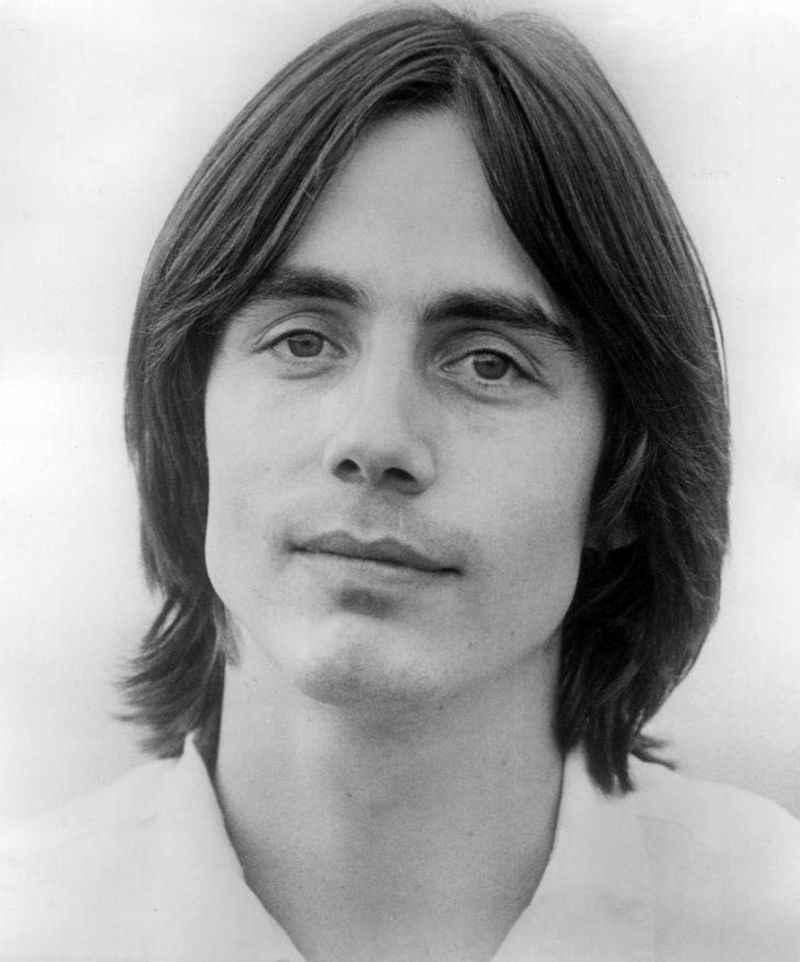
Few songs have ever captured the physical and emotional state of a long road trip as precisely as this one. Recorded live on a tour bus and in hotel rooms during Browne’s 1976 tour, it became the title track of a 1977 live album that peaked at number three on the Billboard 200.
The song documents the touring musician’s life, but its themes of exhaustion mixed with forward momentum translated perfectly to anyone driving long distances. Browne recorded the track in motion, literally on the road, which gave it an authenticity that studio recordings rarely achieve. It remains one of the most honest road songs ever committed to tape.
7. Go Your Own Way – Fleetwood Mac (1977)
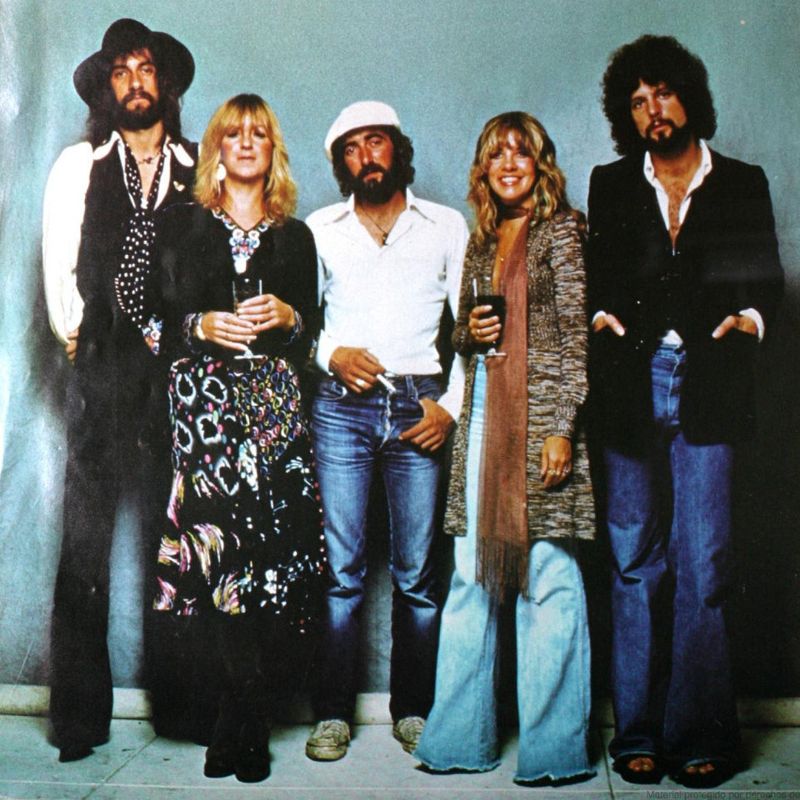
Lindsey Buckingham wrote this song during the famously turbulent recording of the “Rumours” album, directing it squarely at his then-partner Stevie Nicks. Released in December 1976 and appearing on the February 1977 album, it reached number 10 on the Billboard Hot 100.
The track’s propulsive drumming, courtesy of Mick Fleetwood, and its unresolved emotional energy made it ideal for high-speed driving. “Rumours” went on to sell over 40 million copies worldwide, making it one of the best-selling albums in history. The tension baked into this song never quite dissipated, which is precisely what kept it compelling across decades.
8. Fast Car – Tracy Chapman (1988)

Tracy Chapman’s debut single arrived in 1988 with a story so specific and grounded that it stood apart from nearly everything else on pop radio that year. The song follows a narrator planning an escape from poverty using a car as the vehicle for both literal and social mobility.
It reached number six on the Billboard Hot 100 and helped Chapman’s self-titled debut album sell over 20 million copies worldwide. Chapman performed it live at the Nelson Mandela 70th Birthday Tribute concert in June 1988, a televised event watched by an estimated 600 million people globally. The song’s directness gave it a longevity few debut singles ever achieve.
9. On the Road Again – Willie Nelson (1980)

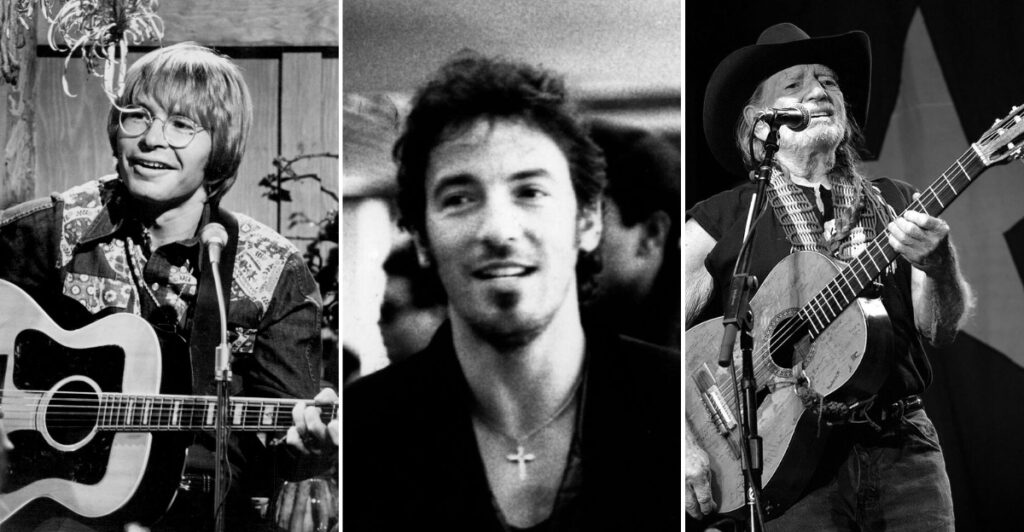
Willie Nelson wrote this song in roughly 30 minutes on an airplane, jotting the lyrics on an airsickness bag after a producer asked for a title track for the film “Honeysuckle Rose.” That origin story is almost too perfect given the song’s subject matter.
Released in 1980, it reached number one on the Billboard country charts and crossed over to the pop chart as well. Nelson had been touring relentlessly for years, and the song reflected a genuine enthusiasm for life in motion that his audiences recognized immediately. It won the Grammy Award for Best Country Song in 1981 and has been a concert staple ever since.
10. Holiday Road – Lindsey Buckingham (1983)

Commissioned specifically for the 1983 National Lampoon film “Vacation,” this track was written and recorded by Lindsey Buckingham at a point when he was on a brief hiatus from Fleetwood Mac. The assignment suited him well, as the song needed to feel both carefree and slightly chaotic, which matched the film’s tone exactly.
The movie became a defining comedy of the decade, grossing over 61 million dollars at the box office, and the song traveled everywhere the film did. Buckingham’s layered guitar work and multi-tracked vocals gave it a complexity that casual listeners might miss. It became inseparable from the idea of the American family road trip in the popular imagination.
11. Radar Love – Golden Earring (1973)
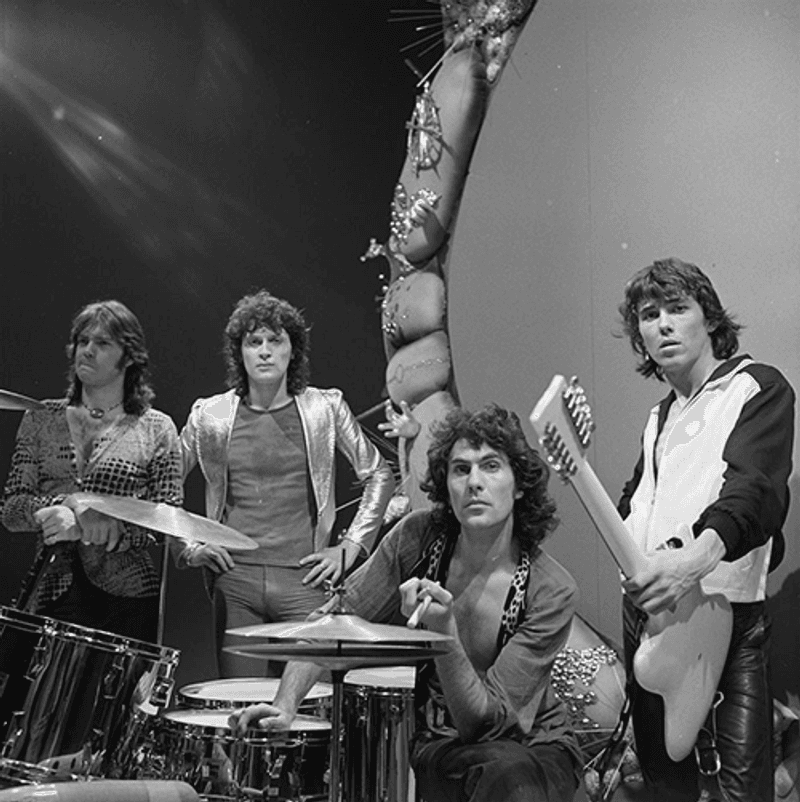
Dutch rock band Golden Earring released this track in 1973, and it became one of the rare European rock songs to achieve genuine staying power on American radio. The song was written specifically about driving at night and the feeling of a telepathic connection between two people separated by distance.
It reached number 13 on the Billboard Hot 100 and became a staple of classic rock radio for decades afterward. At over six minutes long, the track was unusually extended for commercial radio, yet stations played it in full. Its relentless rhythm and driving tempo made it one of the most physically compelling car songs ever recorded.
12. Africa – Toto (1982)

Written by David Paich and Jeff Porcaro, this song went through multiple revisions before appearing on Toto’s 1982 album “Toto IV.” It reached number one on the Billboard Hot 100 in February 1983 and won the Grammy for Record of the Year that same year.
The track is notable for its unusual subject matter on a road trip playlist since it is literally about a continent, not a highway. Yet its steady tempo, memorable keyboard intro, and singable chorus made it a car radio fixture for years. A 2018 viral resurgence, driven by internet culture, introduced the song to a generation born after it originally charted, proving its structural durability.
13. Sweet Home Alabama – Lynyrd Skynyrd (1974)
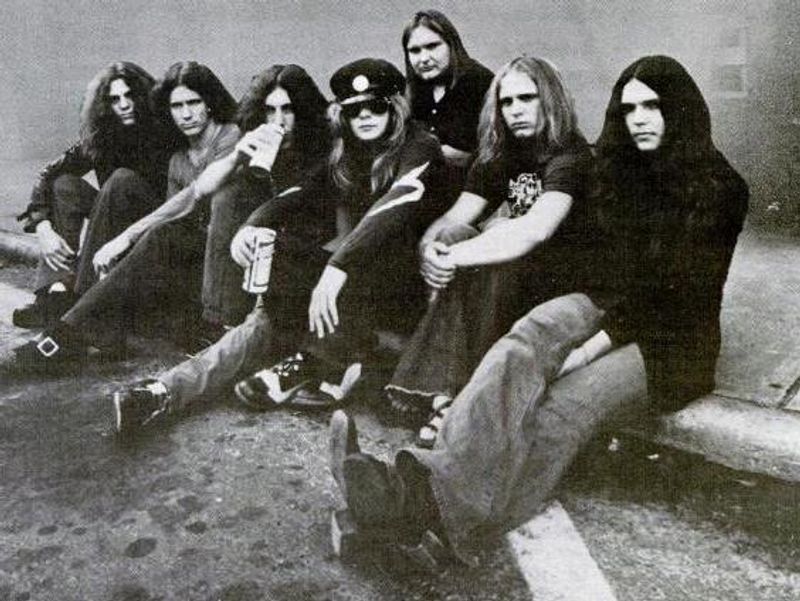
Released in June 1974 as a response to Neil Young’s “Southern Man” and “Alabama,” this track became one of the defining songs of Southern rock and a radio staple that outlasted almost every genre trend of its era. It reached number eight on the Billboard Hot 100 and helped establish Lynyrd Skynyrd as one of the most commercially successful rock acts of the decade.
The three-guitar lineup that the band used created a wall of sound that was distinctive and immediately recognizable. Decades later, the song appears in films, television commercials, and sporting events with a regularity that few rock tracks from the 1970s can match. Its opening guitar figure is one of the most recognized in all of rock music.
14. American Girl – Tom Petty and the Heartbreakers (1976)
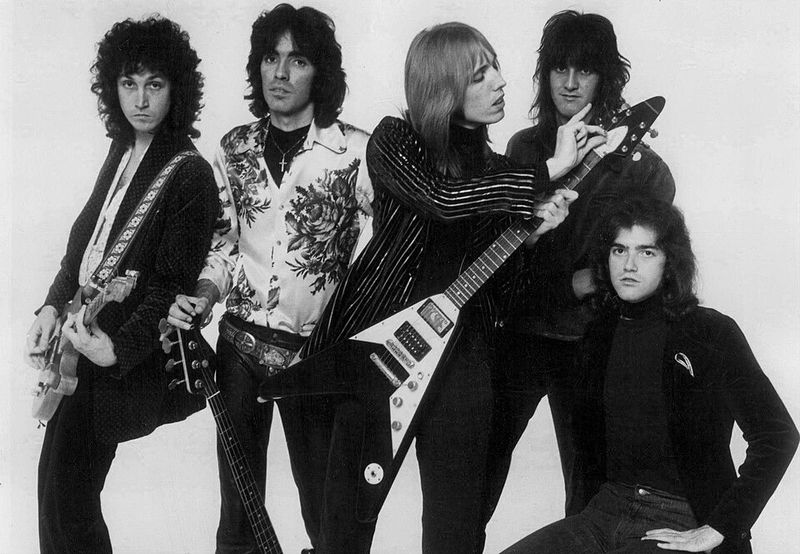
Tom Petty wrote this track while living in an apartment near a busy Florida highway, and the constant sound of passing traffic reportedly influenced the song’s momentum. Released in 1976 as the debut single from the band’s self-titled album, it initially performed modestly but grew steadily through radio play.
By the time the band toured the United States and appeared on television programs in the late 1970s, the song had become a staple. Roger McGuinn of the Byrds covered it in 1977, giving it an additional boost. Its guitar-driven energy and compact structure made it a reliable road trip choice that felt equally at home at the start or end of a long drive.
15. Walking on Sunshine – Katrina and the Waves (1985)
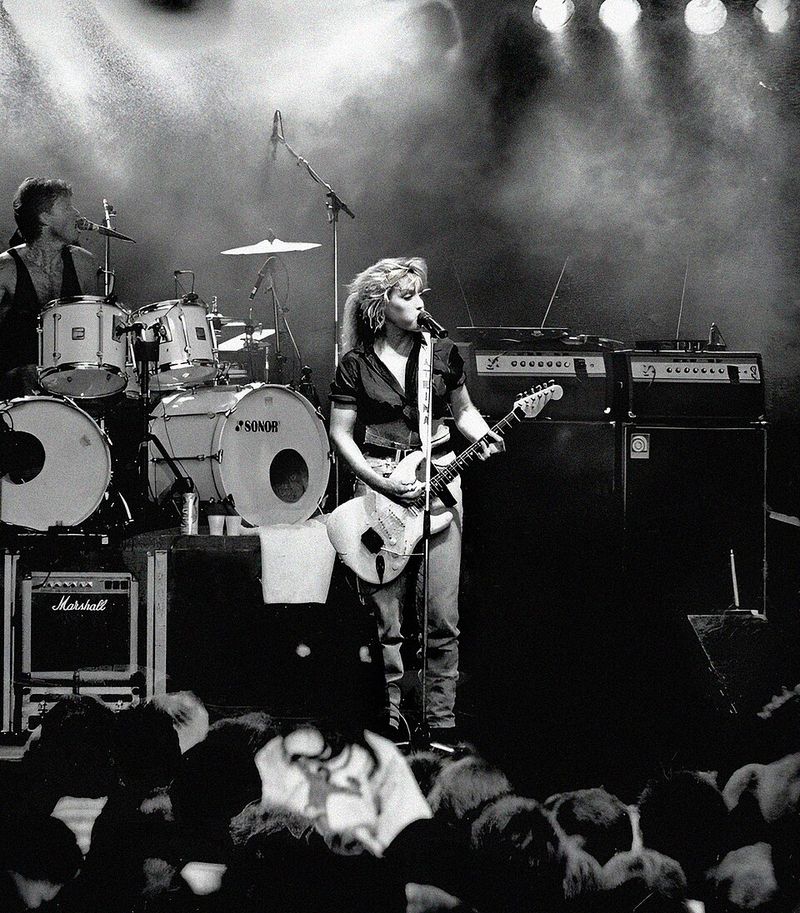
Katrina and the Waves were a British-American band that had been releasing music for several years before this track broke through in 1985. Written by Kimberley Rew, the song reached number nine on the Billboard Hot 100 and number eight in the United Kingdom, giving the band their one major international hit.
Its relentless upbeat tempo and major-key structure made it almost impossible to feel neutral about. Radio programmers leaned on it heavily during summer months, cementing its seasonal identity. The track has since appeared in over 50 films and television shows, making it one of the most licensed pop songs of its decade and a guaranteed mood-lifter on any playlist.
16. Island in the Sun – Weezer (2001)

Weezer released this track in 2001 as part of their self-titled “Green Album,” the band’s comeback record after a five-year gap following the commercial disappointment of “Pinkerton.” The song was written by Rivers Cuomo and became one of the band’s most accessible singles, reaching number 26 on the Billboard Hot 100.
Its music video, featuring the band members interacting with baby animals, became one of the most-watched clips of that summer on MTV. The song’s relaxed tempo and simple chord structure gave it a laid-back quality that fit easily into early 2000s summer playlists. It marked a deliberate shift toward pop-friendliness that divided longtime fans but built a much wider audience.
17. Take Me Home, Country Roads – John Denver (1971)
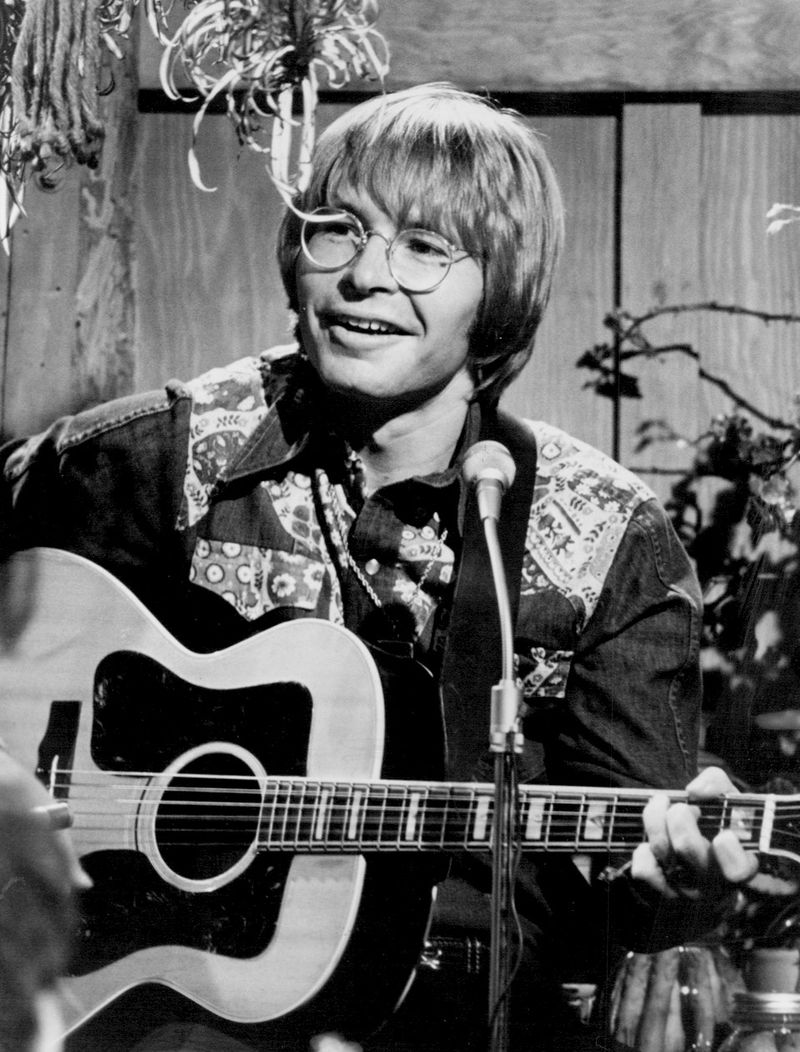
John Denver co-wrote this song with Bill Danoff and Taffy Nivert after Danoff showed him an unfinished draft inspired by driving through rural Maryland. Despite the song’s references to West Virginia, it was largely written about roads in the Washington, D.C. area, a geographic quirk that West Virginia residents have long accepted with good humor.
Released in April 1971, it reached number two on the Billboard Hot 100 and became Denver’s breakthrough hit. West Virginia officially designated it one of the state’s four official state songs in 2014. Few songs have created such a strong sense of regional identity for a place the writer had barely visited at the time of writing.
18. California Dreamin’ – The Mamas & the Papas (1965)
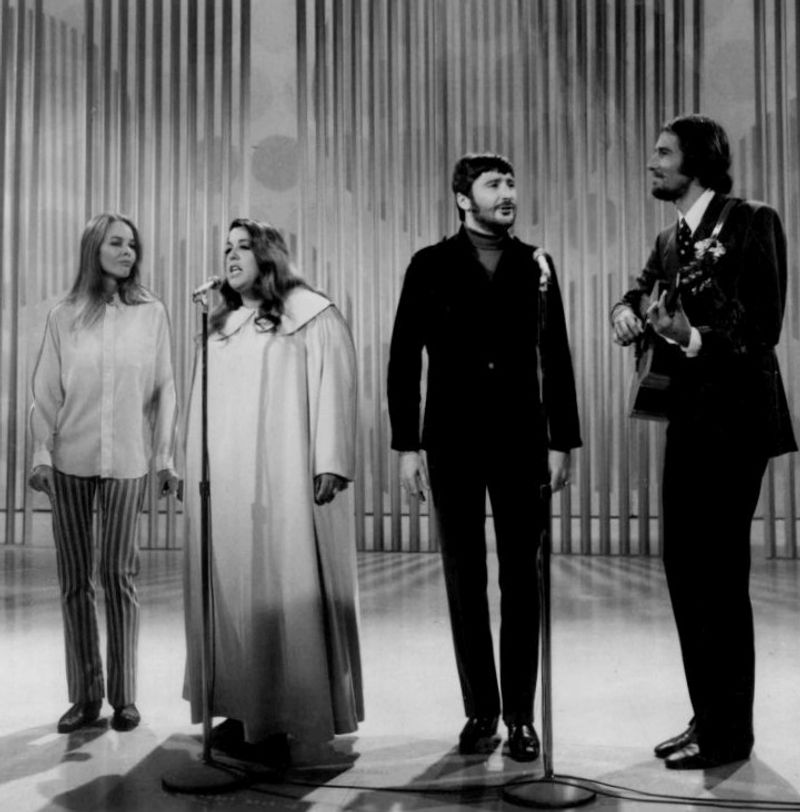
John Phillips wrote this song in a New York City apartment during a particularly cold winter, with California functioning less as a literal destination and more as a psychological escape. Released in December 1965, it reached number four on the Billboard Hot 100 and became one of the defining tracks of the California Sound era.
The song was first recorded by Barry McGuire before the group re-recorded it with their own vocals. Its arrangement, featuring a baroque flute solo, was unusual for pop radio at the time. The track has since appeared in films ranging from “Easy Rider” to “Forrest Gump,” each time signaling a moment of longing or transition that the song captures with remarkable efficiency.
19. Mr. Blue Sky – Electric Light Orchestra (1977)
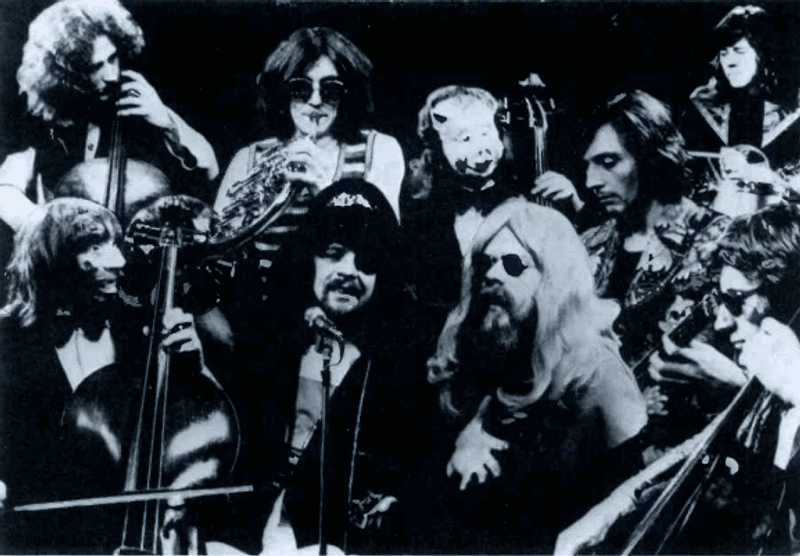
Jeff Lynne wrote this track as the closing piece of a three-part suite on the 1977 double album “Out of the Blue,” which was recorded in a rented chalet in the Swiss Alps. The song went through multiple tempo changes and arrangements before arriving at its final form, which runs just over five minutes.
It reached number six on the UK Singles Chart and became one of ELO’s most enduring recordings. The track gained renewed attention in 2014 when it appeared in the “Guardians of the Galaxy” trailer, introducing it to a global audience decades after its original release. Its structure, shifting from orchestral pop to rock, rewarded repeated listening in ways that shorter pop songs rarely could.
20. Send Me on My Way – Rusted Root (1992)

Pittsburgh-based Rusted Root recorded this track for their 1992 independent album “Cruel Sun” before re-releasing it on their 1994 major-label debut “When I Woke.” The song blends rock, folk, and world music influences in a way that was genuinely unusual for American radio at the time.
It gained massive mainstream exposure when it appeared in the 1995 film “Matilda” and again in the 1997 animated film “Ice Age” sequel. Neither placement was expected to generate lasting recognition, yet both helped cement the song’s presence in popular culture well into the 2000s. Its percussion-forward arrangement and repetitive, chant-like structure made it immediately memorable to first-time listeners regardless of age.
Share this story