 Unearth The Voyage
South America is packed with famous destinations like Machu Picchu and Rio de Janeiro, but some of its most magical places remain wonderfully unknown to most travelers. Tucked away in mountains, jungles, and deserts are charming cities that offer authentic experiences without the crowds. These hidden gems let you explore vibrant cultures, stunning landscapes, and rich histories while feeling like a true adventurer discovering something special.
1. Cuenca, Ecuador
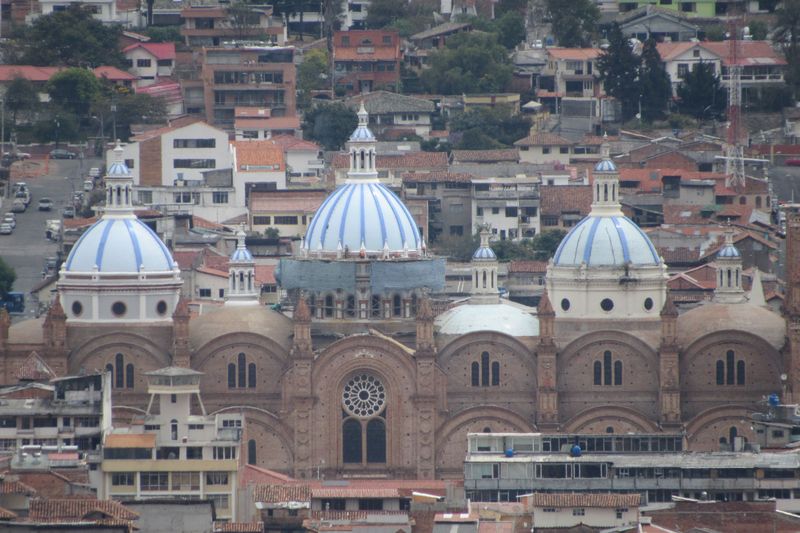
Perched high in the Andes, Cuenca feels like stepping into a living postcard where every corner begs to be photographed. The city earned its UNESCO World Heritage status thanks to centuries-old colonial architecture painted in cheerful colors that line narrow cobblestone streets. Rivers wind through the city, creating peaceful spots perfect for afternoon strolls or picnics.
Art galleries and craft markets fill the historic center, where local artisans sell handwoven Panama hats (which actually originated in Ecuador). The relaxed pace here contrasts sharply with busier tourist hotspots. Cafes spill onto sidewalks, inviting you to sip Ecuadorian coffee while watching daily life unfold.
Flower markets burst with orchids and roses at prices that seem impossibly low. Churches with blue-tiled domes dominate the skyline, offering stunning views if you climb their towers. The friendly locals take pride in their city and happily share recommendations for hidden restaurants serving traditional dishes.
2. Sucre, Bolivia
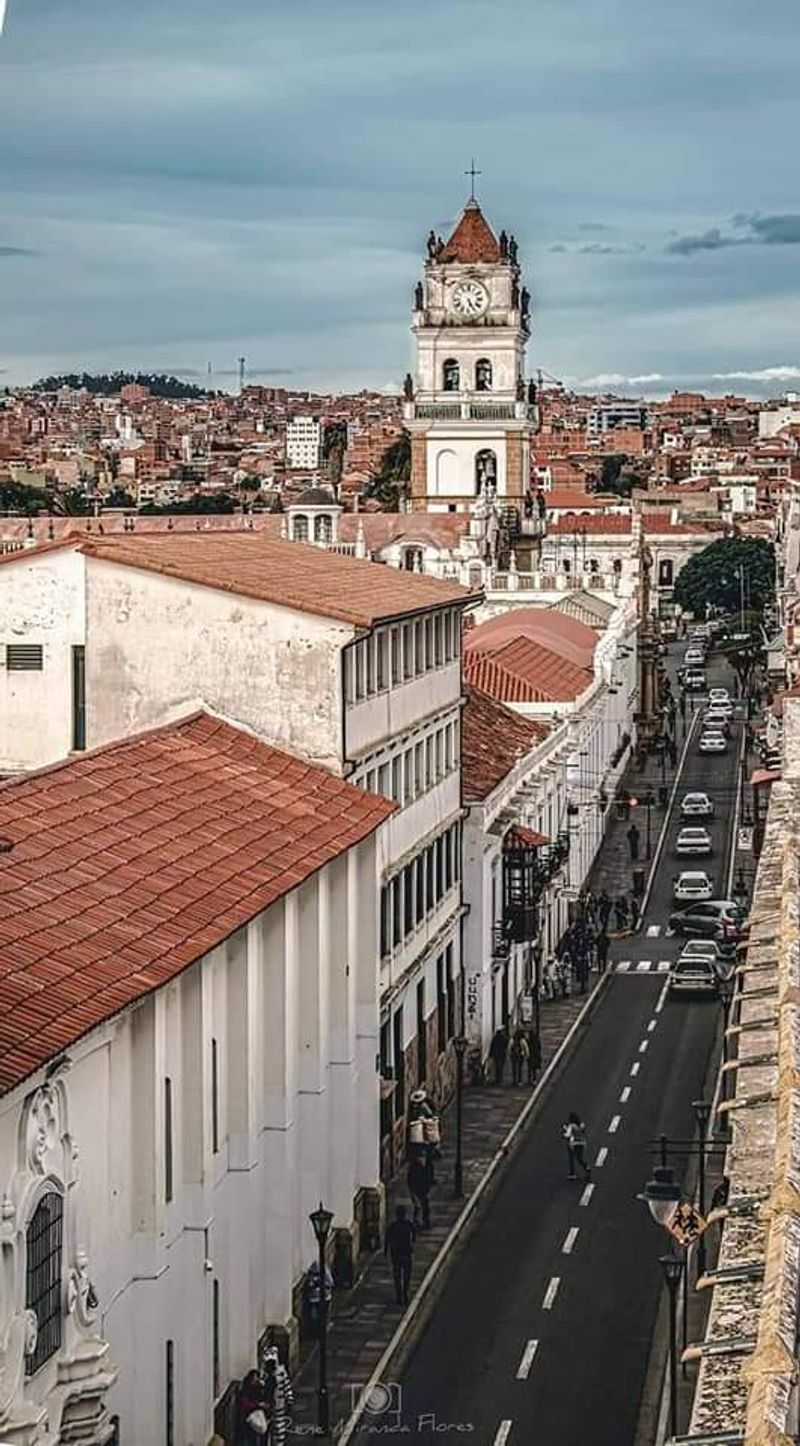
Bolivia’s constitutional capital glows brilliantly under the Andean sun, earning its nickname the White City from countless whitewashed colonial buildings that reflect light across red-tiled rooftops. Founded in the 1500s, Sucre preserves its Spanish heritage better than almost anywhere else on the continent. Walking through its streets feels like traveling back in time without sacrificing modern comforts.
The laid-back atmosphere here makes it easy to slow down and savor each moment. Students from the local university fill plazas and cafes, creating youthful energy despite the ancient surroundings. Chocolate shops offer tours showing how Bolivian cacao becomes world-class treats.
Museums showcase everything from indigenous textiles to dinosaur footprints found nearby. The climate stays pleasantly mild year-round, making outdoor exploration comfortable any season. Markets overflow with fresh produce and handmade goods at incredibly affordable prices that stretch travel budgets further than you’d imagine.
3. Huacachina, Peru
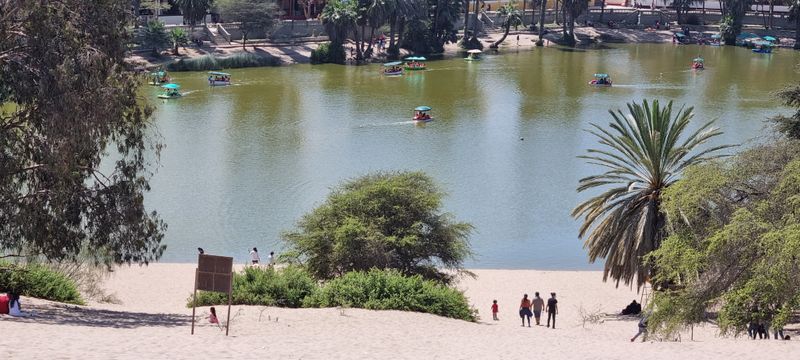
Imagine finding a palm-fringed lagoon surrounded by massive sand dunes rising hundreds of feet into the sky, and you’ve pictured Huacachina perfectly. This tiny oasis village sits in the middle of Peru’s coastal desert, creating one of the most surreal landscapes you’ll ever witness. Only about 100 people call this place home, but adventurers flock here for unforgettable experiences.
Sandboarding down towering dunes delivers adrenaline rushes rivaling any ski slope. Dune buggy rides race up and down sandy mountains at sunset, when golden light transforms everything into pure magic. The small lagoon at the center supposedly has healing properties according to local legends.
Hotels and hostels ring the water, offering front-row seats to spectacular desert sunrises. Stars blanket the night sky without city lights to dim their brilliance. The whole village takes just minutes to walk around, creating an intimate atmosphere where travelers quickly become friends.
4. Barichara, Colombia
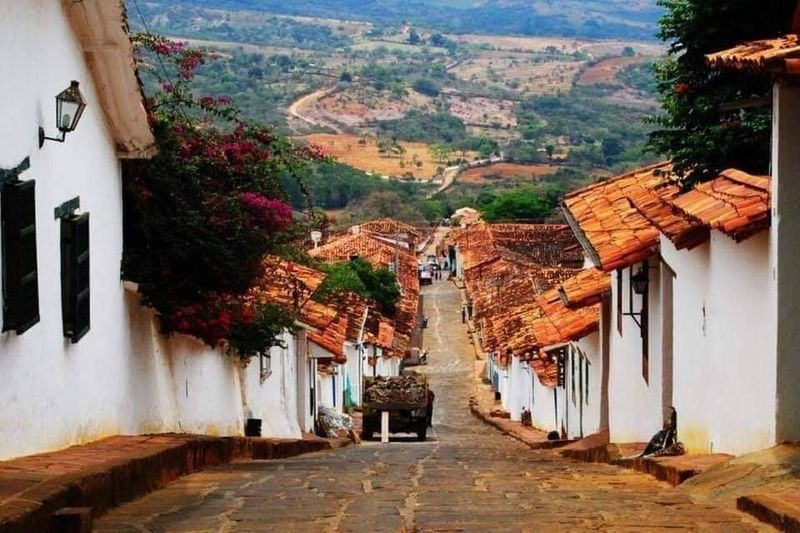
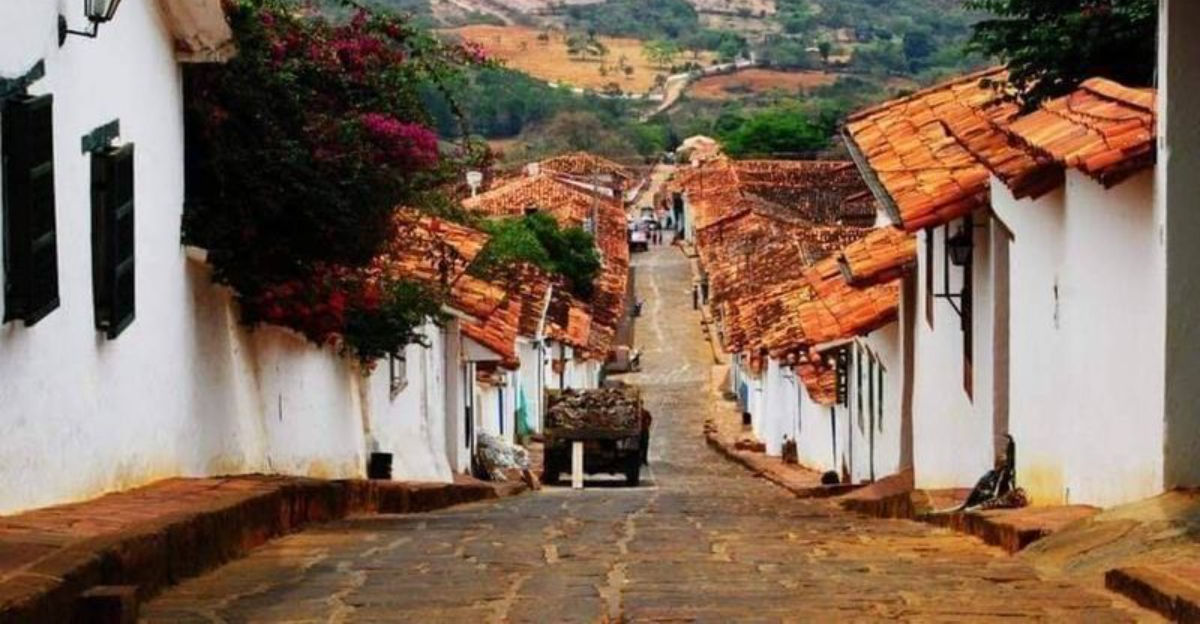
Tranquility defines this perfectly preserved colonial village where time seems to move at half speed. Stone houses painted brilliant white line streets paved with smooth river rocks that have been walked on for over 300 years. Bougainvillea spills over walls in explosions of pink and purple, adding splashes of color to the monochrome architecture.
Artisan workshops dot the town, where craftspeople create everything from pottery to woven bags using traditional techniques passed down through generations. The main plaza invites leisurely people-watching from park benches shaded by ancient trees. Churches built from golden sandstone glow warmly in afternoon light.
Hiking trails connect Barichara to nearby villages through stunning canyon landscapes. The peaceful atmosphere attracts artists and writers seeking inspiration away from hectic city life. Local restaurants serve hearty Colombian dishes featuring ingredients grown in surrounding farms, ensuring freshness in every bite that tastes like home cooking.
5. El Chaltén, Argentina
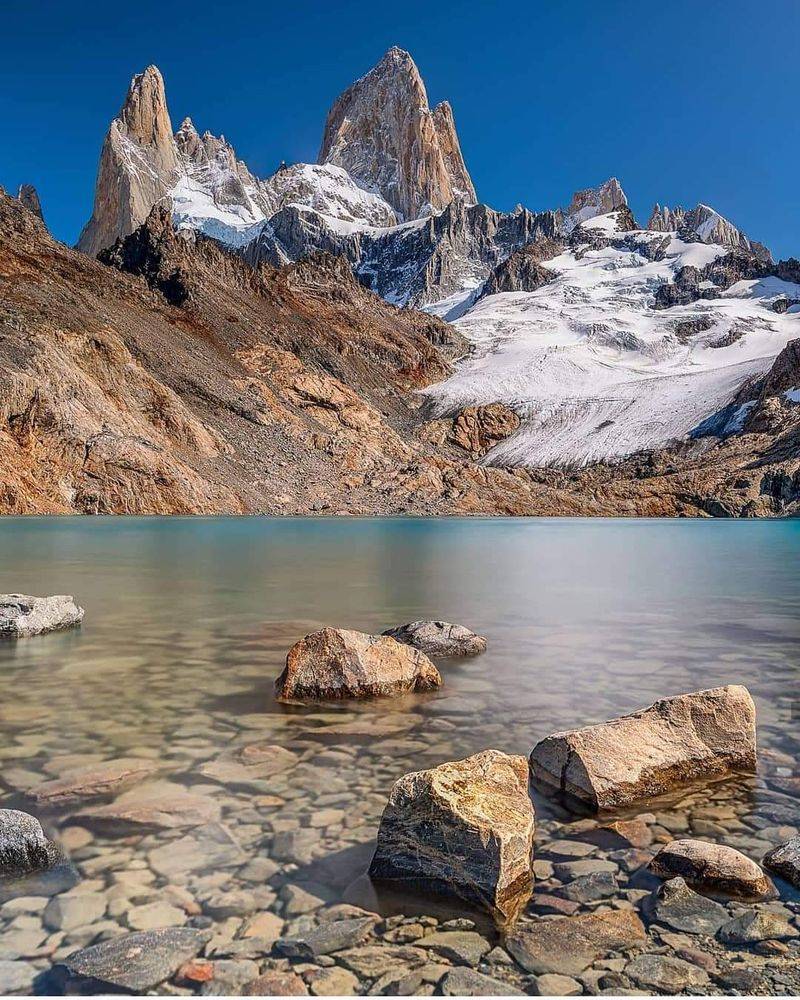
Argentina’s trekking capital sits at the base of jagged Patagonian peaks that pierce the sky like stone daggers. Despite its remote location, this young town (founded only in 1985) buzzes with outdoor enthusiasts ready to tackle world-class hiking trails. Mount Fitz Roy’s distinctive spire dominates the landscape, appearing on countless adventure photos and outdoor gear logos.
Trails ranging from easy walks to challenging climbs depart right from town, leading to turquoise glacial lakes and thundering waterfalls. No entrance fees or permits are needed, making incredible nature accessible to everyone. The small town offers cozy mountain lodges, craft breweries, and restaurants serving Patagonian lamb.
Condors soar overhead while guanacos (wild relatives of llamas) graze in nearby meadows. The hiking season runs from October through April when weather cooperates most reliably. Even non-hikers appreciate the dramatic scenery visible from town streets, where every glance upward reveals snow-capped magnificence.
6. Asunción, Paraguay
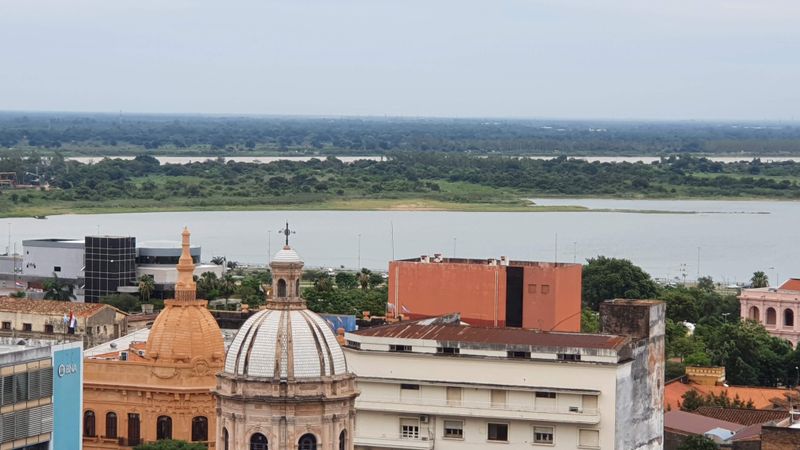
Paraguay’s capital remains one of South America’s least-visited cities, which means you’ll experience authentic urban life without tourist crowds. Colonial buildings stand alongside modern structures, creating an architectural timeline of the nation’s history. The Paraguay River flows along the city’s edge, offering breezy waterfront walks and sunset views.
Museums tell stories of indigenous Guaraní culture and the country’s complex past. Art galleries showcase emerging Paraguayan artists gaining international recognition. The growing food scene blends traditional flavors with contemporary techniques in restaurants that won’t empty your wallet.
Markets like Mercado 4 overflow with everything from fresh produce to electronics, providing glimpses into daily Paraguayan life. Parks provide green spaces perfect for afternoon relaxation under shade trees. The friendly locals often speak Guaraní alongside Spanish, maintaining indigenous language traditions rare in capital cities. Cultural events and music performances happen regularly, especially during warm evenings when the city comes alive.
7. Arica, Chile
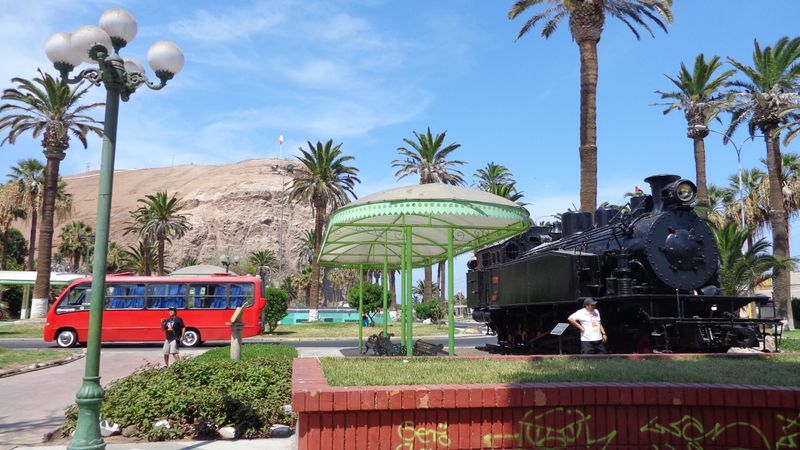
Chile’s northernmost city enjoys eternal spring weather thanks to its unique location where the Atacama Desert meets the Pacific Ocean. Beaches with gentle waves attract surfers and families year-round, while the arid climate ensures sunshine almost every single day. The contrast between golden sand dunes and blue ocean creates photography opportunities at every turn.
Historic sites include El Morro, a dramatic cliff offering panoramic views over the city and coastline. The city’s architecture reflects its past, when it belonged to Peru before the War of the Pacific. Markets sell fresh seafood caught that same morning, prepared in restaurants specializing in Chilean coastal cuisine.
The low humidity makes even summer heat comfortable, while winters stay pleasantly mild. Nearby valleys produce tropical fruits despite the surrounding desert, creating agricultural oases. The city serves as a gateway to high-altitude national parks where vicuñas roam. Friendly beach culture combines with laid-back northern Chilean hospitality.
8. Villa de Leyva, Colombia
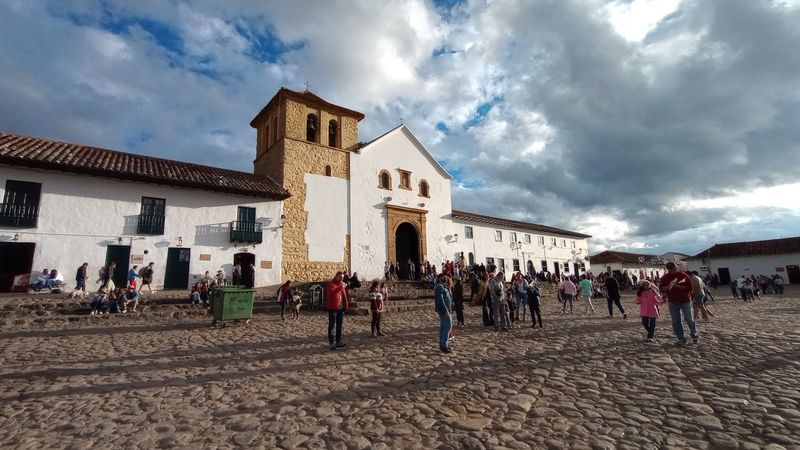
Step into Colombia’s best-preserved colonial town, where the massive central plaza stretches across 14,000 square meters of uninterrupted cobblestones. Founded in 1572, the town looks remarkably similar to how it appeared centuries ago, with strict preservation laws maintaining its historical character. Whitewashed buildings with green wooden doors and windows surround the plaza on all sides.
The enormous square hosts festivals, markets, and events throughout the year. Nearby attractions include fossil museums displaying ancient marine creatures from when this area lay underwater millions of years ago. Vineyards in the surrounding hills produce Colombian wines gaining recognition beyond the country’s borders.
Artisan shops sell handcrafted goods from local makers who’ve perfected their trades over lifetimes. The cool mountain climate provides relief from Colombia’s tropical heat found elsewhere. Weekends bring Colombian families from Bogotá seeking peaceful getaways. Horseback riding through countryside dotted with colonial haciendas offers adventures beyond the town limits.
9. Valdivia, Chile
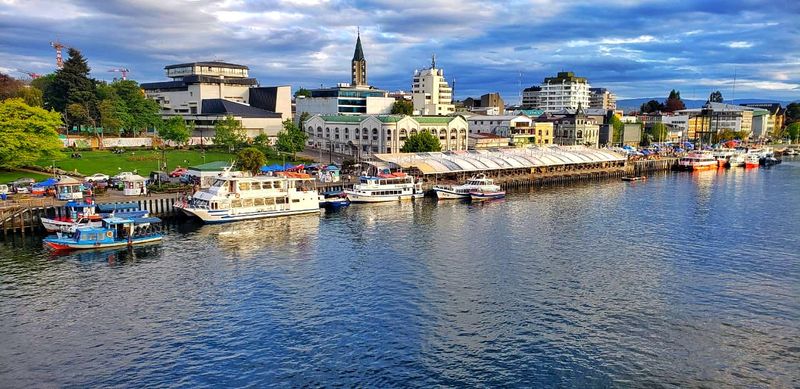
Rivers define this southern Chilean city, earning it the nickname Pearl of the South for how waterways wind through like liquid silver. German immigrants arrived in the 1800s, leaving lasting influences visible in architecture, beer culture, and local cuisine. Breweries producing excellent craft beers have made Valdivia a destination for those who appreciate quality brewing.
Riverside markets sell fresh fish, produce, and flowers while sea lions bark from nearby docks, begging for scraps. Beautiful gardens bloom year-round thanks to abundant rainfall that keeps everything lush and green. University students add youthful energy to a city that balances historical charm with modern vitality.
Boat tours explore the river system, passing wetlands where black-necked swans glide gracefully. The temperate rainforest climate means mild temperatures but plenty of rain, so pack accordingly. Fortresses built centuries ago to defend against pirates now serve as museums and viewpoints offering river panoramas that explain why this city earned its precious nickname.
10. Iquitos, Peru
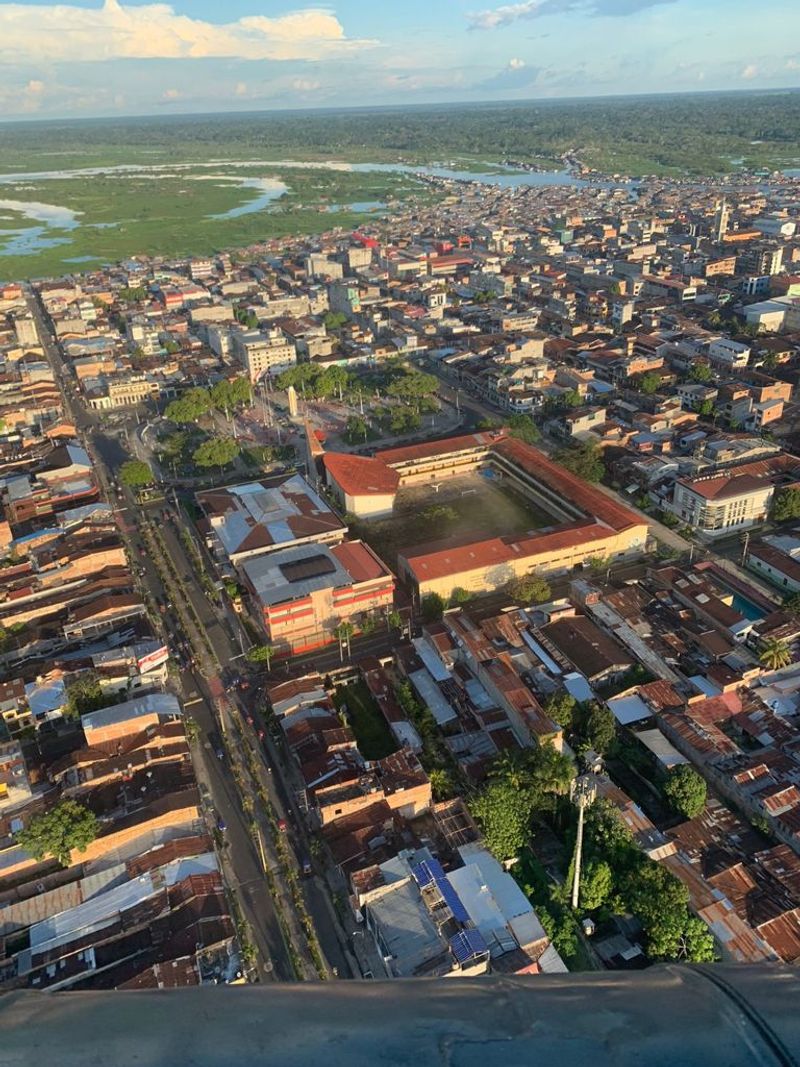
Reaching the world’s largest city without road connections requires flying or taking multi-day boat journeys up the Amazon River, making arrival feel like a true expedition. Surrounded by impenetrable jungle, Iquitos thrives as the gateway to Peru’s Amazon rainforest. The city’s isolation created a unique culture blending indigenous traditions with influences from the rubber boom era.
Colorful buildings decorated with Portuguese tiles line the waterfront, remnants of wealth from when rubber barons built mansions here. Markets overflow with exotic Amazonian fruits you’ve never seen and fish species found nowhere else. Three-wheeled motorcycle taxis called mototaxis zip through streets as the primary transportation.
Jungle lodges accessible only by boat offer immersive rainforest experiences with wildlife viewing and indigenous community visits. The humid tropical climate stays warm year-round with frequent afternoon rains. River dolphins, both pink and gray, swim in nearby waters. The city pulses with Amazonian energy distinct from anywhere else on Earth.
11. Minca, Colombia
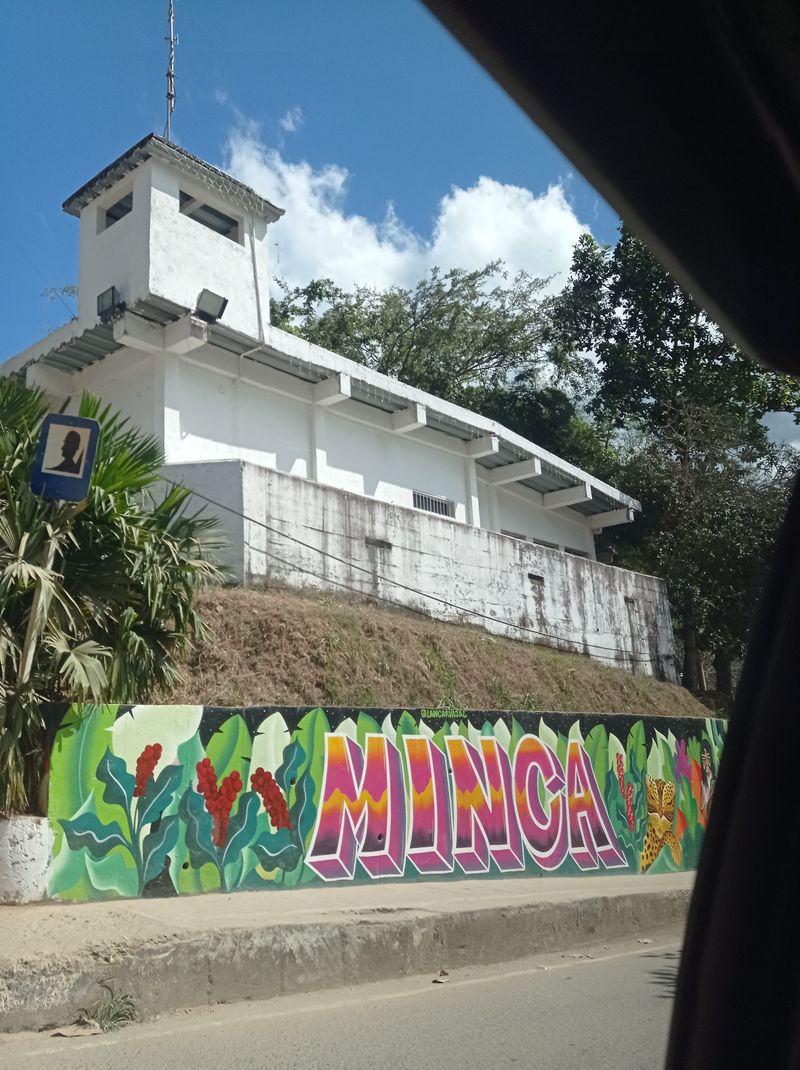
Escape coastal heat by climbing into the Sierra Nevada mountains where this tiny jungle village offers cool breezes and endless green views. Coffee farms blanket the hillsides, producing some of Colombia’s finest beans that you can taste fresh from the source. Waterfalls hidden along jungle trails provide refreshing swimming holes after moderate hikes.
Birdwatchers flock here spotting species found only in these mountains, from colorful tanagers to elusive trogons. The village itself consists of just a few streets with hostels, restaurants, and tour operators. Hammocks strung between trees become favorite spots for reading or napping to jungle sounds.
Chocolate tours show the journey from cacao pod to finished bar, with plenty of tasting involved. The relaxed vibe attracts travelers wanting to unwind in nature without completely disconnecting from civilization. Nearby indigenous communities welcome respectful visitors interested in learning traditional practices. Lush greenery surrounds everything, creating a living jungle backdrop that feels worlds away from Colombia’s busy cities despite being just an hour from Santa Marta.
12. Pucallpa, Peru
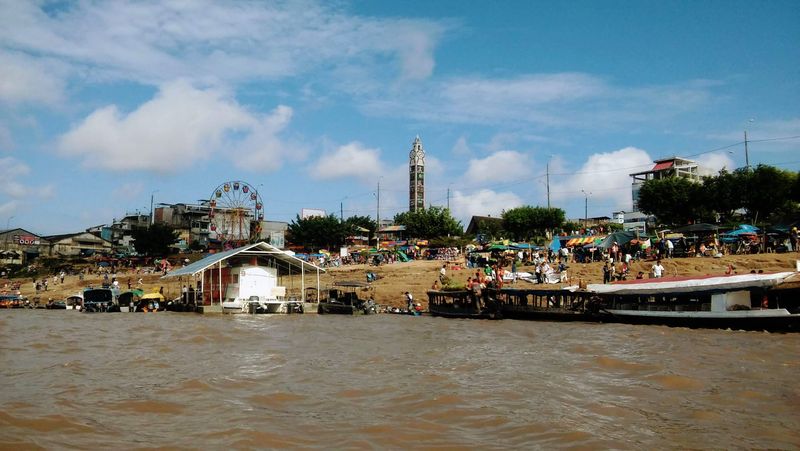
Where the Andes meet the Amazon, this riverside city serves as a cultural crossroads between highland and lowland Peru. The Ucayali River flows wide and powerful here, connecting Pucallpa to distant communities accessible only by water. Riverfront markets display Amazonian products from medicinal plants to handwoven textiles created by indigenous Shipibo-Conibo people.
The distinctive geometric patterns of Shipibo art appear on everything from pottery to clothing, representing spiritual visions and ancestral knowledge. Artists working along the waterfront welcome visitors to watch their creative process. Canoes and larger boats constantly arrive and depart, making the port area endlessly fascinating.
The city lacks the polish of major tourist destinations but offers authentic Amazonian experiences. Jungle lodges in surrounding areas provide wildlife encounters and traditional medicine experiences with local shamans. Hot, humid weather year-round means light clothing and plenty of hydration. The city’s rough edges and genuine character appeal to adventurous travelers seeking real cultural immersion beyond comfortable tourist bubbles.
13. Concepción, Paraguay
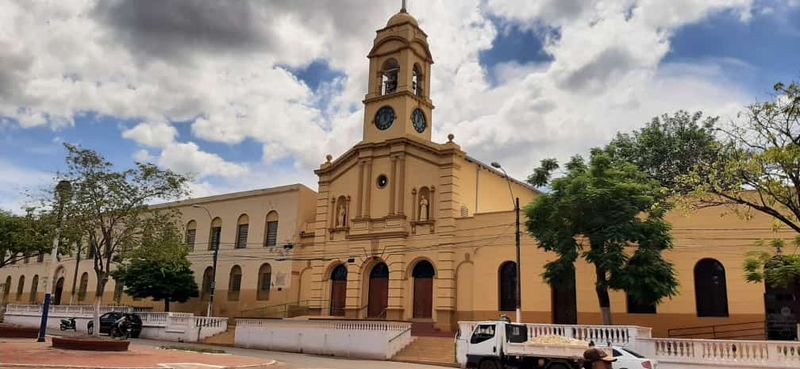
Life moves slowly in this peaceful city perched on the Paraguay River’s eastern bank, where sunsets paint the water in brilliant oranges and pinks. Traditional markets bustle with vendors selling everything from fresh produce to handmade crafts, providing windows into everyday Paraguayan life. The surrounding Chaco region hosts incredible biodiversity, with nearby reserves protecting jaguars, giant anteaters, and hundreds of bird species.
Riverfront walks offer cooling breezes and chances to watch boats navigating the important waterway connecting Paraguay to the outside world. The city maintains an unhurried pace that contrasts sharply with modern urban stress. Simple restaurants serve hearty Paraguayan meals featuring mandioca (cassava) and fresh river fish.
Few international tourists make it here, meaning genuine interactions with curious locals who appreciate visitors interested in their corner of the world. The city serves as a base for exploring nearby wildlife areas and traditional communities. Hot summers and mild winters characterize the subtropical climate, with the river providing relief during warmer months.
14. Villarrica, Paraguay
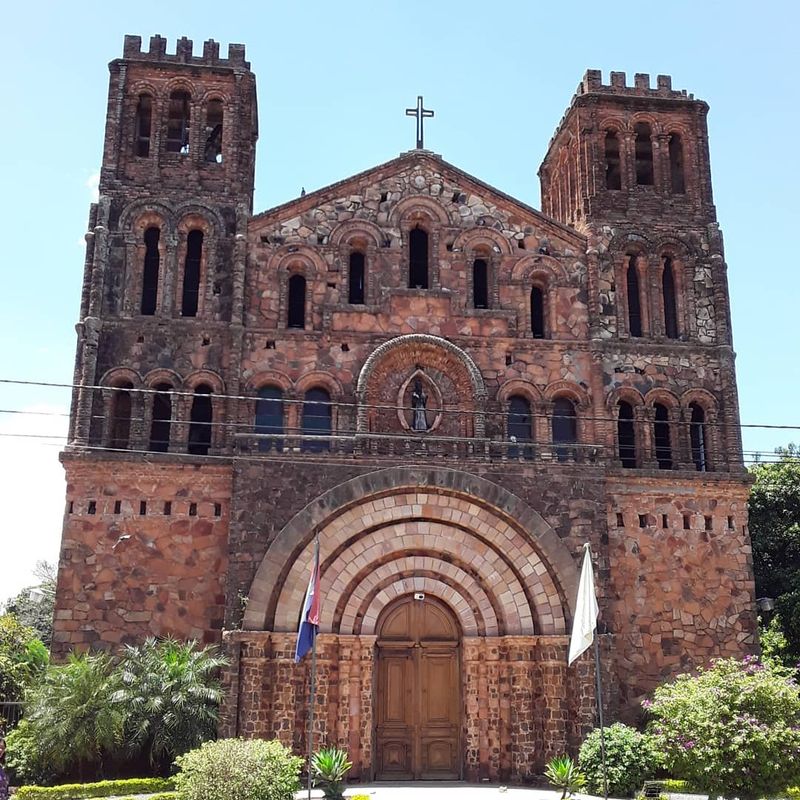
Founded in 1570, this city earned the nickname Wandering City because it relocated multiple times before settling in its current location. That restless history created a community with deep cultural pride and fascinating stories. Colonial architecture mixes with more modern buildings, showing layers of the city’s long timeline. Traditional Paraguayan culture thrives here more visibly than in larger cities.
Craft markets showcase intricate ñandutí lace, a delicate spider-web-like textile unique to Paraguay that takes incredible skill to create. Local festivals celebrate religious traditions and indigenous heritage with colorful processions and traditional music. The surrounding agricultural region produces sugar cane, tobacco, and yerba mate.
Small museums preserve artifacts and documents from the city’s wandering past. The friendly residents take pride in sharing their history with the few visitors who discover this off-the-beaten-path destination. Affordable prices and authentic experiences make it appealing for travelers seeking genuine cultural connections. The subtropical climate brings warm weather most of the year with summer rains refreshing the landscape.
15. Baños, Ecuador
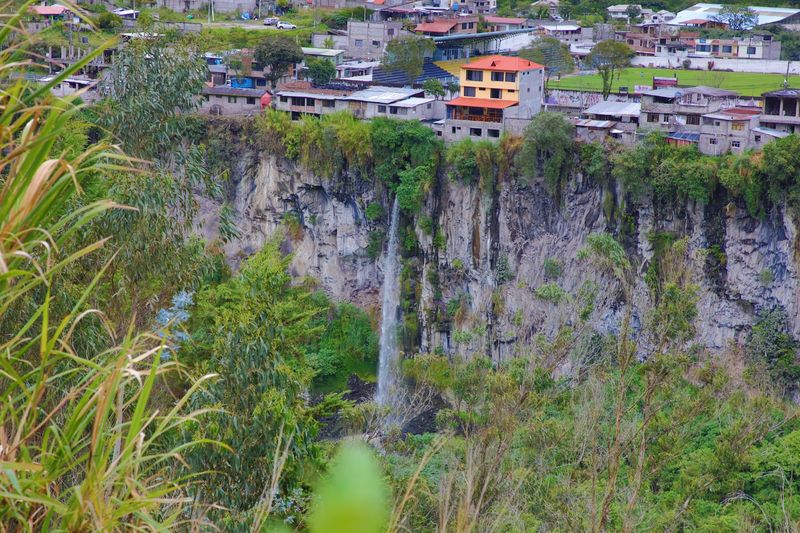
Waterfalls seem to pour from every mountainside around this adventure-filled Andean town famous for natural hot springs that gave it its name. The dramatic Tungurahua volcano looms nearby, occasionally puffing smoke as a reminder of the powerful forces shaping this landscape. Adrenaline junkies find paradise here with activities from bungee jumping to canyoning available within minutes of town.
The hot thermal baths range from simple public pools to fancy spa complexes, all fed by mineral-rich volcanic waters. A scenic route called the Waterfall Route follows a gorge past numerous cascades, including the famous Pailón del Diablo (Devil’s Cauldron). Mountain biking down this route provides thrills and spectacular views.
The town itself charms visitors with its basilica featuring paintings depicting miracles attributed to the Virgin Mary. Taffy shops line the streets selling traditional sweets stretched by hand. The mild mountain climate stays comfortable year-round. Hiking trails lead to viewpoints overlooking the town and surrounding peaks, rewarding climbers with panoramic mountain vistas.



