 Unearth The Voyage
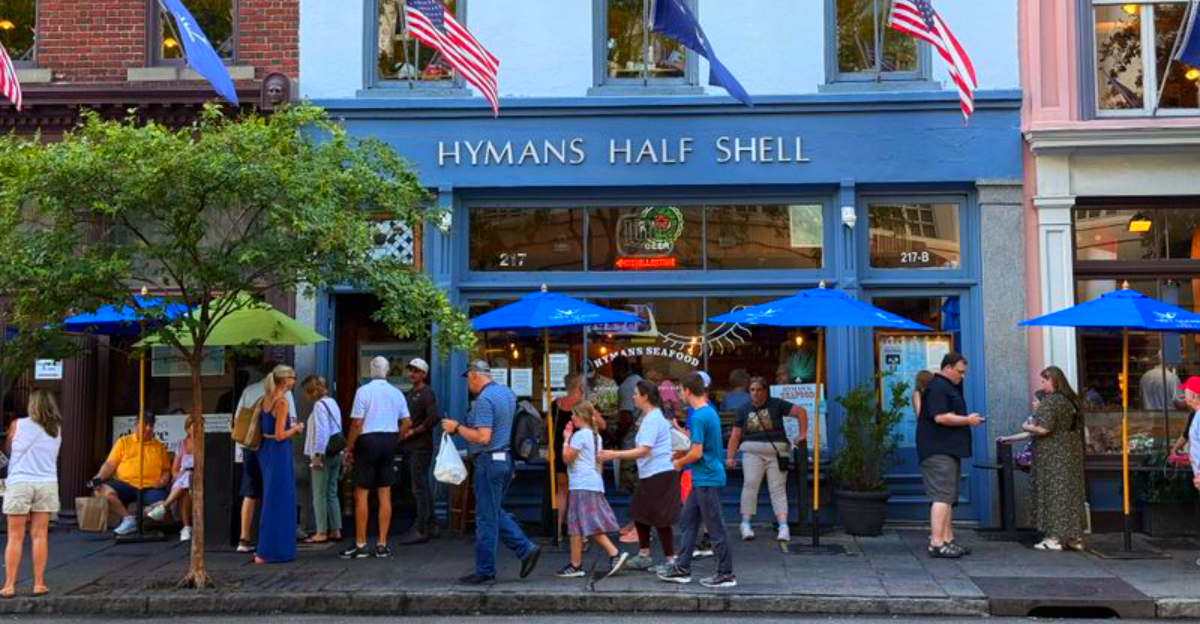
Charleston does not shout about its soul food. It lets you discover it plate by plate, in neighborhoods where recipes are inherited, not invented. You will taste patience, memory, and the quiet confidence of cooks who learned by watching elders, not reading trends. Keep reading, and you will see why this city’s flavor feels like a story told directly to you.
Gullah Geechee Roots Shape Every Plate
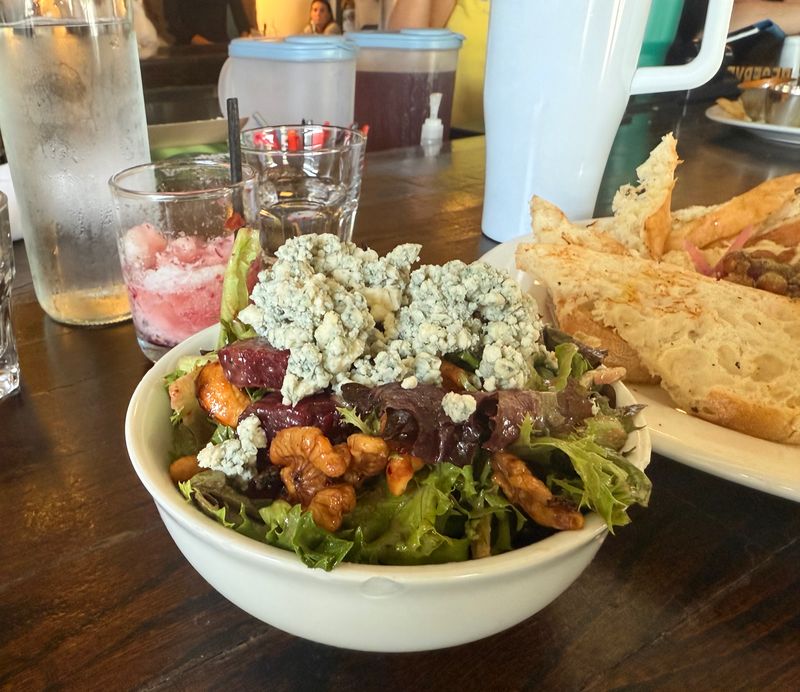
Charleston’s soul food begins with Gullah Geechee traditions that anchor flavor and method. You taste West African memory in okra, benne seeds, and rice techniques carried across generations. Nothing here feels performative, just practiced.
Seasoning leans confident, layered, and restrained, the kind you recognize before you see it. You will notice stews cooked low, vegetables treated like priorities, and seafood folded in with care. History shows up as comfort, not lecture.
Eat a spoonful of red rice and you feel tidewater and labor behind it. The culture hums beneath every plate, steady and sure.
Carolina Gold Rice Is The Foundation
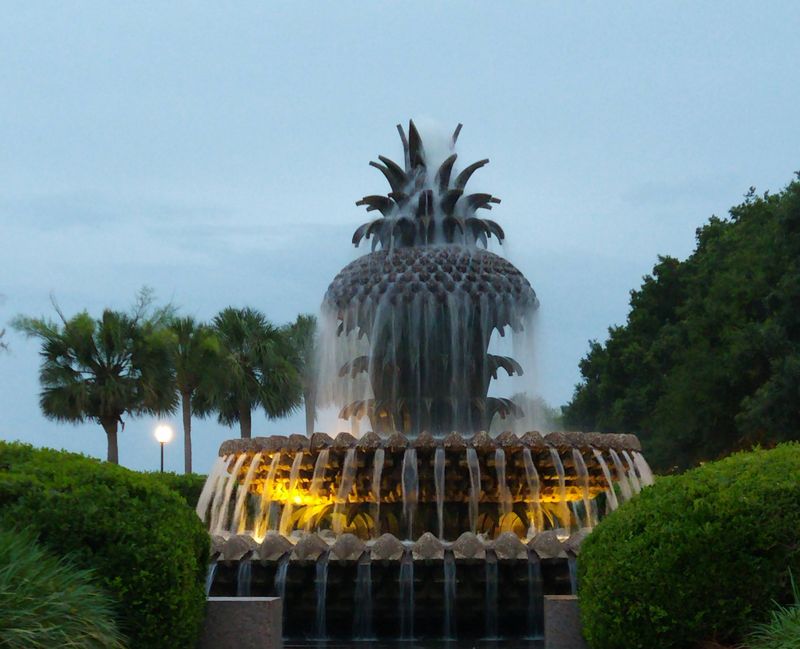
Carolina Gold is not just an ingredient. It is structure, memory, and the backbone of Charleston’s table. The grains carry a nutty perfume that supports crab rice, red rice, and pilau without shouting.
You will notice how cooks use rice to stretch sauces, cradle gravies, and steady a meal. It sustains families and stories alike, one ladle at a time. Technique matters here.
Properly rinsed, rested, and steamed, the rice stays distinct yet tender. That texture defines the city’s comfort. Ask locals which rice, and they answer quickly, like naming kin.
Seafood Woven Into Comfort Cooking
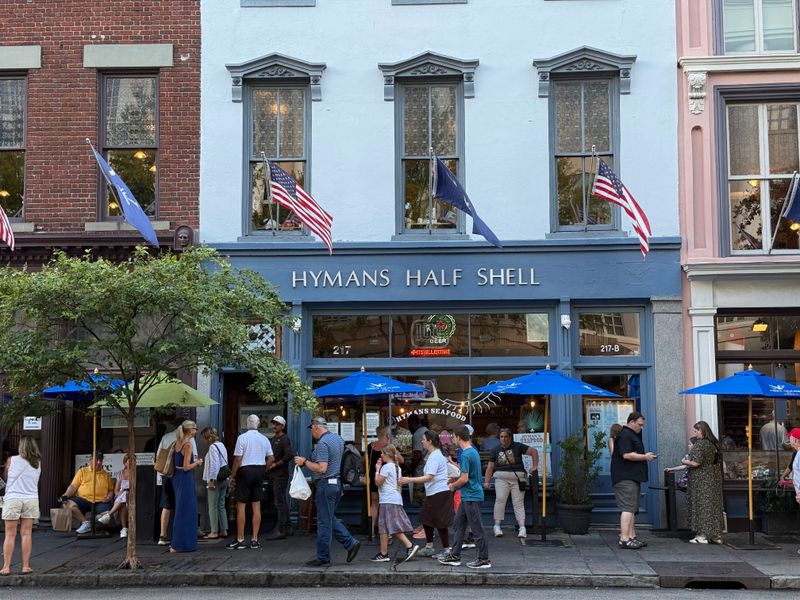
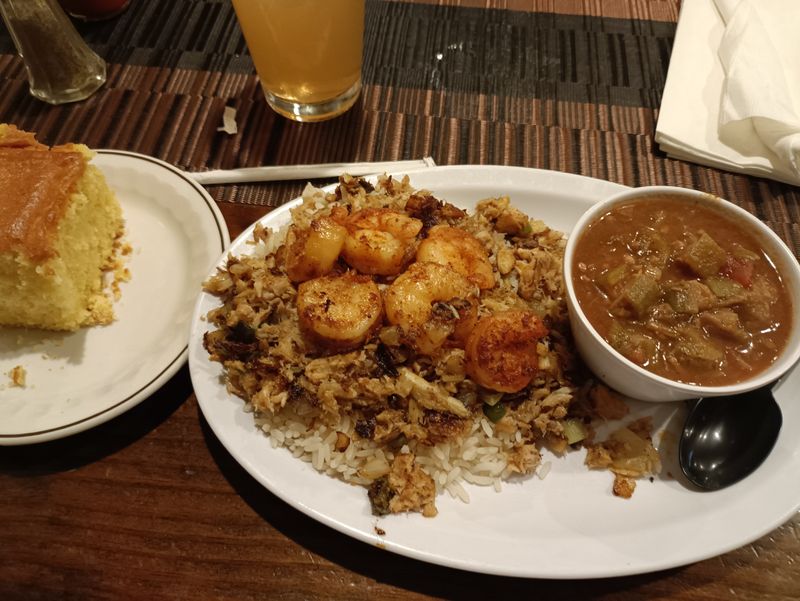
Coastal waters feed Charleston’s soul food instinctively. Crab rice comes sweet and briny, shrimp stews land gentle and peppery, fish fries stay crisp and light. You can taste the dock in each bite.
Seafood is treated with respect, not ornament. Freshness leads, seasoning follows. Cooks let the ocean speak while rice and vegetables keep rhythm and balance.
You will not need explanation, only a fork and a steady appetite. The plates feel generous but disciplined. That restraint is the signature: nothing extra, everything earned by tide and time.
Hannibal’s Kitchen and Its Famous Crab Rice
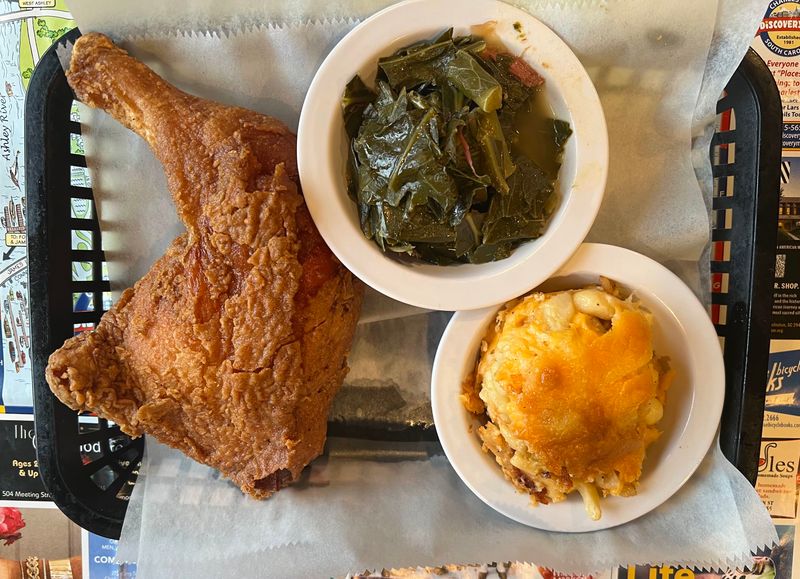
Hannibal’s Kitchen on the East Side serves crab rice that defines a neighborhood and a city. The dish tastes like seawater meets smoke, with sweet blue crab folded into tender rice. It is straightforward and perfect.
You will find turkey wings, oxtails, and vegetables cooked slow, feeding workers, students, and families. The line moves with purpose. People know why they came.
The room feels like community more than commerce. Sit, eat, and you understand Charleston’s priorities. Flavor, value, and continuity arrive in a Styrofoam box, warm against your hands.
Bertha’s Kitchen: An America’s Classics Honoree
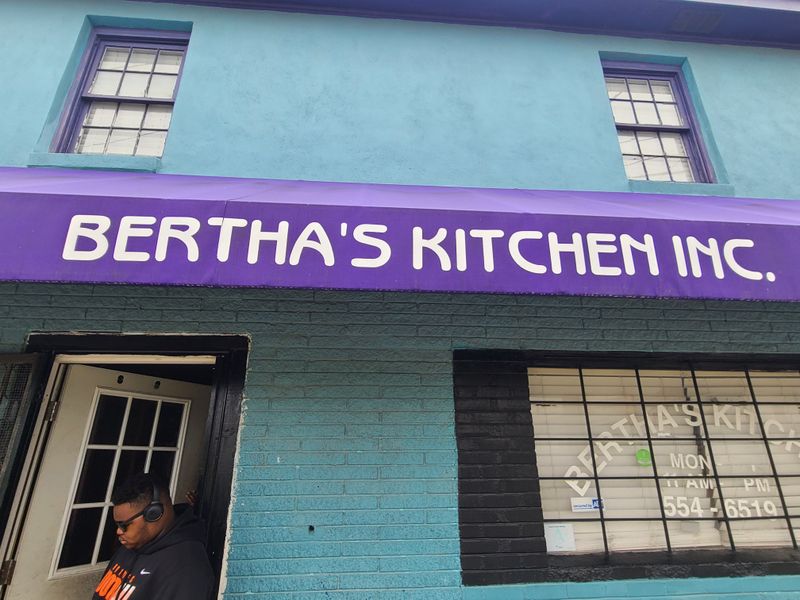
Bertha’s Kitchen earned America’s Classics for good reason. The fried chicken is seasoned to the bone, the red rice carries smoke and depth, and the collards taste like Sunday patience. Nothing feels rushed.
You step in and sense family rhythm: recipes repeated, standards held. Plates are generous, prices reasonable, and the welcome uncomplicated. That combination keeps people loyal.
Bertha’s cooks do not chase trends. They preserve what works and serve it hot. You leave with flavors lingering and the feeling that someone looked out for you at lunch.
Martha Lou’s Legacy Lives On

Martha Lou’s Kitchen taught Charleston how consistency becomes legend. The fried chicken shattered lightly, then yielded to juicy meat. Lima beans were creamy and seasoned like a whisper you keep hearing.
Even with changes over time, the lesson remains. Keep it simple, keep it right, and feed people like they matter. That approach shaped expectations citywide.
You will measure other plates against that standard without thinking. Salt, pepper, fat, and time did the work. The memory is delicious and stubborn, reminding cooks to respect fundamentals.
Red Rice: The City’s Quiet Anthem

Charleston red rice is everyday ceremony. Tomato, onion, and smoked meat build a base, then rice soaks the story up grain by grain. The skillet travels from stove to table like a promise kept.
You will see it beside fried fish, smothered pork chops, or stewed chicken. It steadies everything on the plate. That reliability is comfort.
Good red rice is never mushy, never dry, always confident. Each grain stays distinct, carrying smoke and sweetness. Take one bite and you recognize the city’s rhythm, steady as a church drum.
Sunday Dinner Is The Real Dining Room
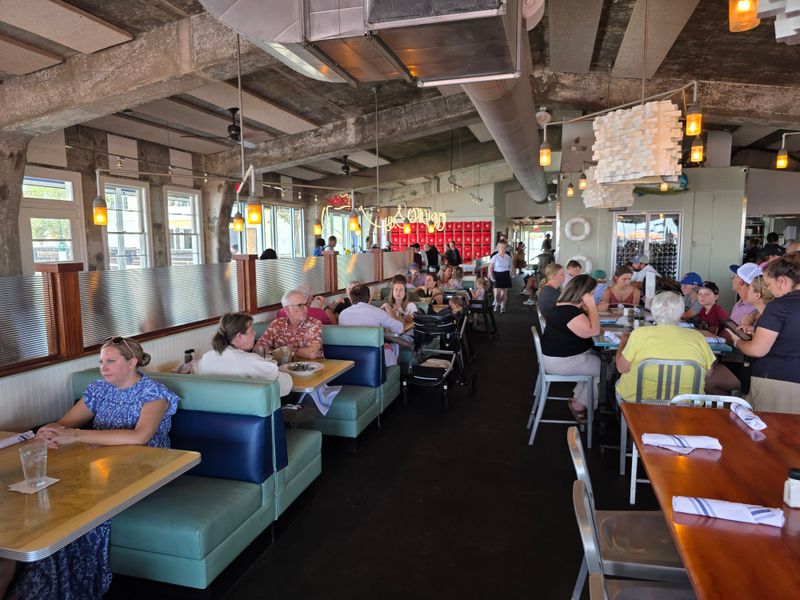
In Charleston, the week points toward Sunday. After church, tables fill with fried chicken, rice, greens, macaroni pie, and cakes that arrive without announcement. You feel cared for before the first bite.
Restaurants copy this standard because home cooking sets the bar. If a dish would not pass at a family table, it will not last in town. People can tell.
Sunday dinner teaches restraint, patience, and balance. Seasoning should comfort, not compete. You leave full and settled, carrying flavors that guide your choices all week.
Neighborhoods Carry The Tradition Forward
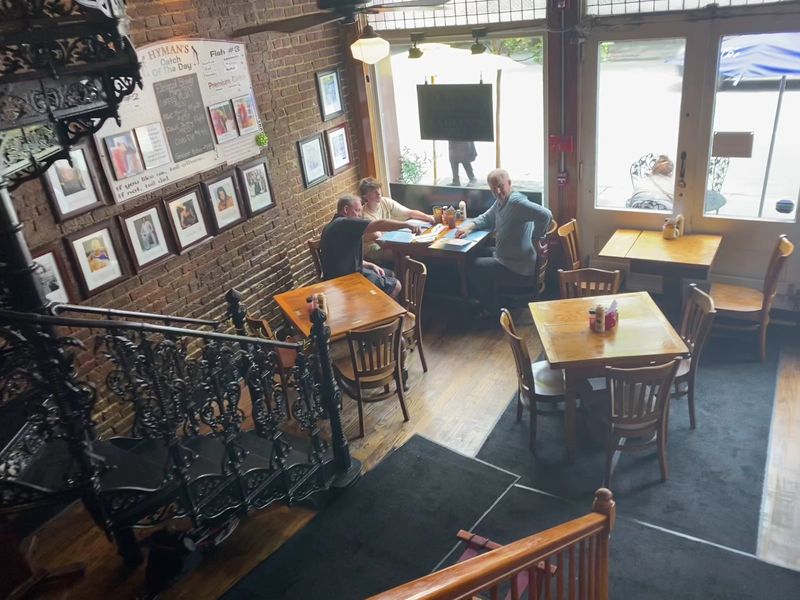
On the East Side, plates are built for workdays and tight budgets: smothered meats, rice with gravy, greens cooked slow. West Ashley extends those habits in strip malls and church halls. The food travels with families.
You will find no-frills counters serving exact flavors locals expect. Value matters, but flavor rules. That is why lines form early and stay steady.
These neighborhoods keep the city honest. Tradition feels lived-in, not curated. You taste continuity first, then notice everything else trailing respectfully behind.
Festivals, Boils, And Everyday Tables
Charleston celebrates its food in public and private. Lowcountry boils spill shrimp, corn, sausage, and potatoes across newspaper while people laugh and reach. Festivals spotlight Gullah Geechee culture, oysters, and shared tables.
Even so, the center stays humble: weekday lunches, church fish fries, and takeout boxes warming your lap. You learn the city by eating casually, not ceremonially.
Shrimp and grits, she-crab soup, and okra soup show up without fuss, cooked with method over spectacle. That rhythm keeps Charleston steady, welcoming, and deeply delicious.



