 Unearth The Voyage
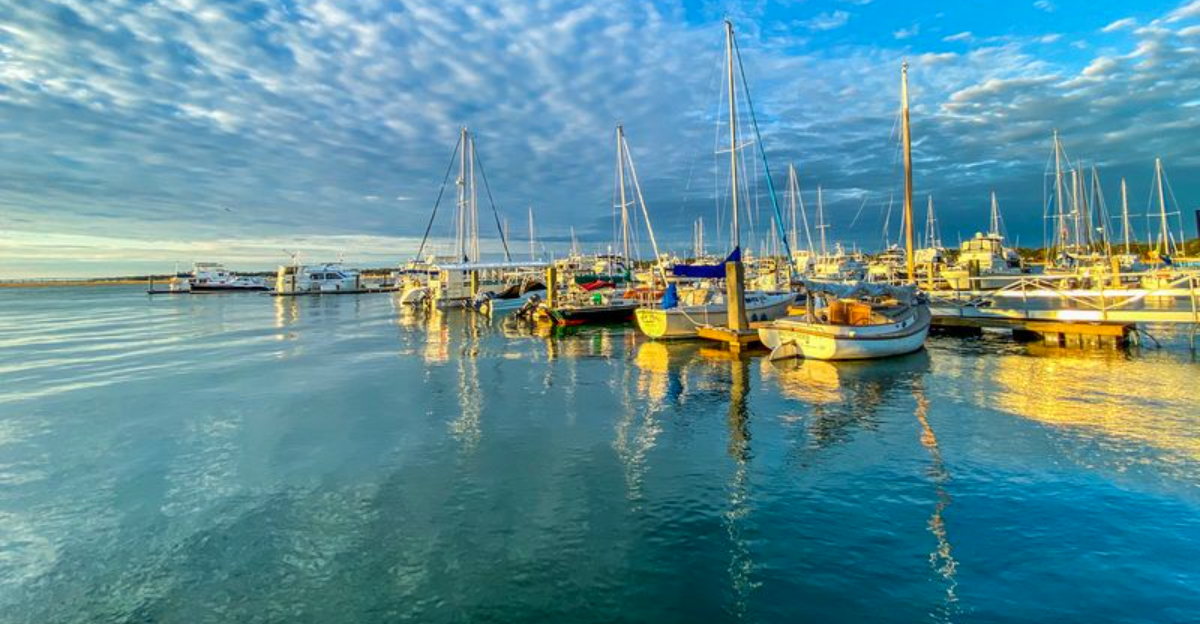
Tucked along South Carolina’s coast, Beaufort is a charming town that feels like stepping back in time. Spanish moss drapes from ancient oak trees, historic mansions line quiet streets, and the waterfront invites you to slow down and take it all in.
Whether you’re a history buff, a nature lover, or someone who just appreciates a good Southern town with character, Beaufort has something special waiting for you.
Historic Downtown District
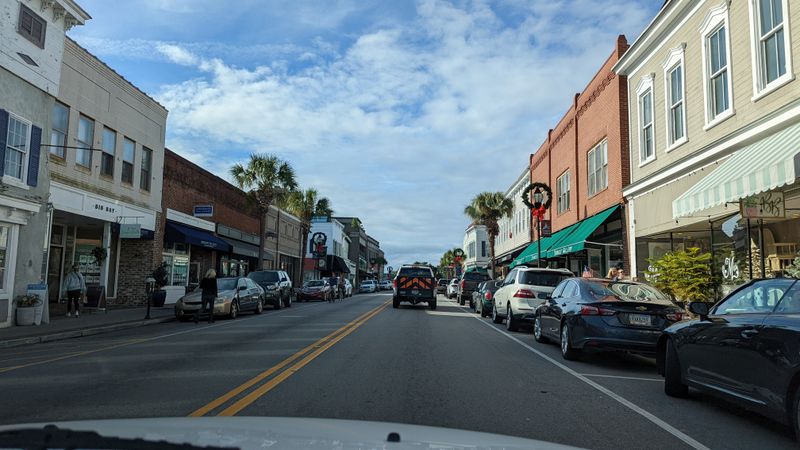
Walking through downtown Beaufort is like flipping through the pages of a Southern history book. The streets are lined with stunning antebellum homes painted in soft pastels, each one telling its own story from centuries past.
You’ll notice architecture that dates back to the 1700s and 1800s, beautifully preserved and still standing proud.
Bay Street serves as the main artery through this historic area, where locally-owned shops and restaurants occupy buildings that have witnessed generations of change. The sidewalks are perfect for leisurely strolls, and you’ll find yourself stopping frequently to admire the intricate ironwork and architectural details.
Historic markers throughout the district provide fascinating glimpses into the town’s rich past.
What makes this area truly special is how it remains a living, breathing community rather than just a museum piece. Locals still call these historic streets home, and the blend of preservation and everyday life creates an authentic atmosphere.
Whether you’re snapping photos or simply soaking in the ambiance, the downtown district captures everything that makes Beaufort memorable and worth visiting again and again.
Henry C. Chambers Waterfront Park
Right along the Beaufort River sits one of the town’s most beloved gathering spots. Henry C.
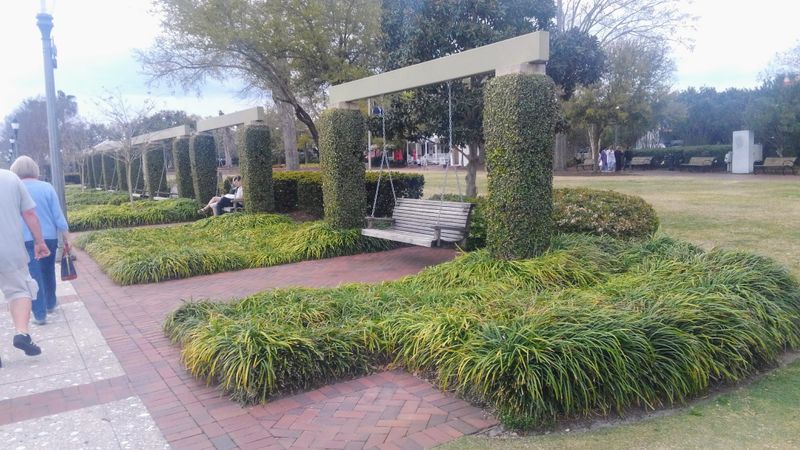
Chambers Waterfront Park offers spectacular views of the water, the Woods Memorial Bridge, and the marshlands that define the Lowcountry landscape. Wooden swings face the river, inviting visitors to sit and watch boats drift by while feeling the coastal breeze.
The park features a long boardwalk that’s perfect for morning jogs or evening strolls when the sunset paints the sky in brilliant colors. Massive live oak trees provide shade during warmer months, and their branches draped with Spanish moss create that quintessential Southern scene.
Families often spread blankets on the grass for picnics while kids play nearby.
Throughout the year, the park hosts community events, concerts, and festivals that bring locals and visitors together. The marina adjacent to the park bustles with activity as sailboats and yachts come and go.
It’s the kind of place where you can spend an entire afternoon doing nothing but watching the world go by, and somehow that feels like exactly the right way to spend your time in Beaufort.
Spanish Moss-Draped Oak Trees
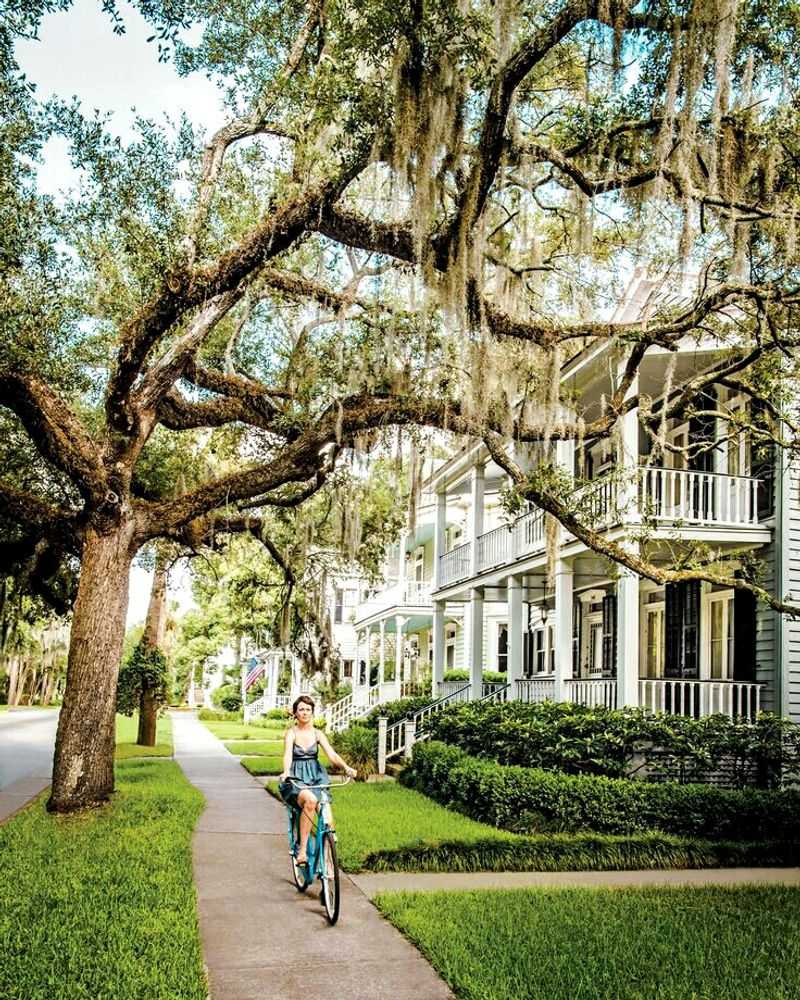
Nothing says Southern charm quite like those magnificent oak trees wearing their silver-gray curtains of Spanish moss. These ancient live oaks have stood for hundreds of years in some cases, their massive branches spreading wide to create natural canopies over streets and parks.
The moss sways gently in the breeze, adding movement and mystery to the already enchanting scenery.
You’ll find these botanical beauties throughout Beaufort, but they’re especially impressive along the residential streets in the historic district. Some trees are so large that their limbs stretch across entire roadways, forming tunnels of green and gray.
Despite its name, Spanish moss isn’t actually moss at all—it’s an air plant that doesn’t harm the trees it calls home.
Photographers absolutely love these trees, especially during golden hour when sunlight filters through the moss and leaves. The contrast between the dark, gnarled branches and the delicate hanging moss creates scenes straight out of a storybook.
For many visitors, these trees become the defining image of their Beaufort experience, representing the unhurried pace and natural beauty that make this coastal town so captivating and different from anywhere else.
John Mark Verdier House Museum
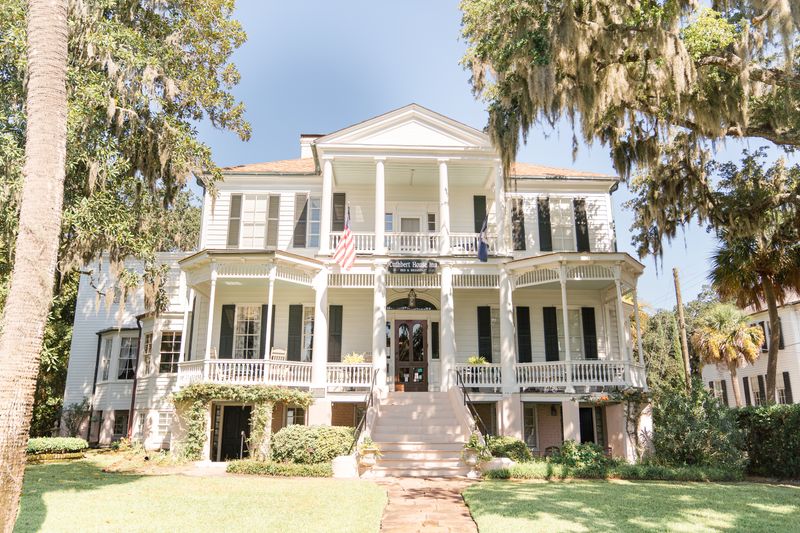
Step inside this Federal-style mansion and you’re transported straight to the early 1800s. The John Mark Verdier House Museum stands as one of Beaufort’s finest examples of antebellum architecture, built around 1805 for a wealthy merchant.
The home’s elegant proportions and refined details showcase the prosperity that once flowed through this coastal trading town.
Inside, period furniture fills the rooms exactly as it might have during the Verdier family’s residence. Docents share fascinating stories about the house’s history, including its use as Union Army headquarters during the Civil War.
The exhibits cover everything from daily life in the antebellum South to the complex social dynamics of the era.
The museum doesn’t shy away from difficult historical truths, presenting a balanced view of Beaufort’s past. You’ll learn about the people who built and maintained these grand homes, including the enslaved individuals whose labor made such wealth possible.
The architecture itself tells stories through its construction methods and design choices. Visiting this house provides essential context for understanding Beaufort’s history and helps visitors appreciate the layers of meaning behind the town’s beautiful facades and preserved heritage.
Port Royal Island Location
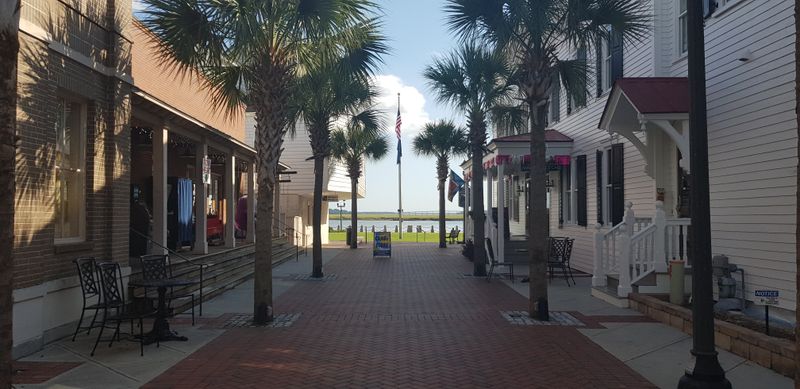
Beaufort occupies prime real estate on Port Royal Island, one of the Sea Islands that dot South Carolina’s coast. This geography gives the town a unique character—it’s surrounded by water on nearly all sides, creating that distinct island feeling despite being connected to the mainland by bridges.
The Beaufort River wraps around the historic core, while marshlands and smaller waterways weave throughout the area.
Being on an island means water views are never far away, and the maritime influence shapes everything from the local economy to the lifestyle. The island’s position also protected it somewhat during various historical conflicts, allowing many structures to survive when others elsewhere were destroyed.
Salt air and coastal breezes are constant companions here.
The Sea Islands have their own distinct culture, heavily influenced by the Gullah people whose African heritage remains strong in the region. This cultural richness adds depth to Beaufort’s identity beyond just its physical beauty.
The island setting also means abundant wildlife, from dolphins in the rivers to herons in the marshes. Living or visiting on Port Royal Island means embracing a slower, water-focused way of life that feels worlds away from typical mainland experiences.
Antebellum Mansions
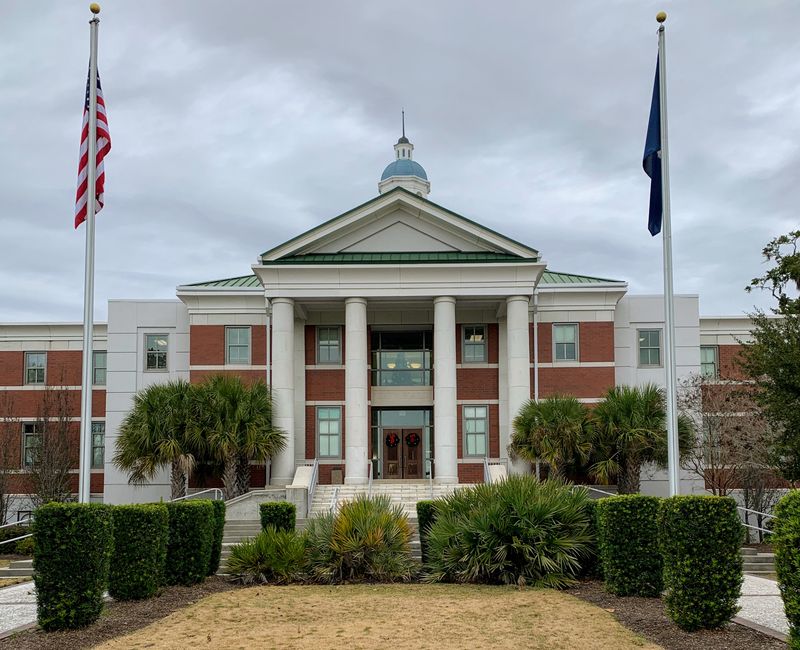
Beaufort boasts one of the finest collections of antebellum architecture in the entire South. These grand mansions survived the Civil War largely intact, making them rare treasures in a region where many such homes were destroyed.
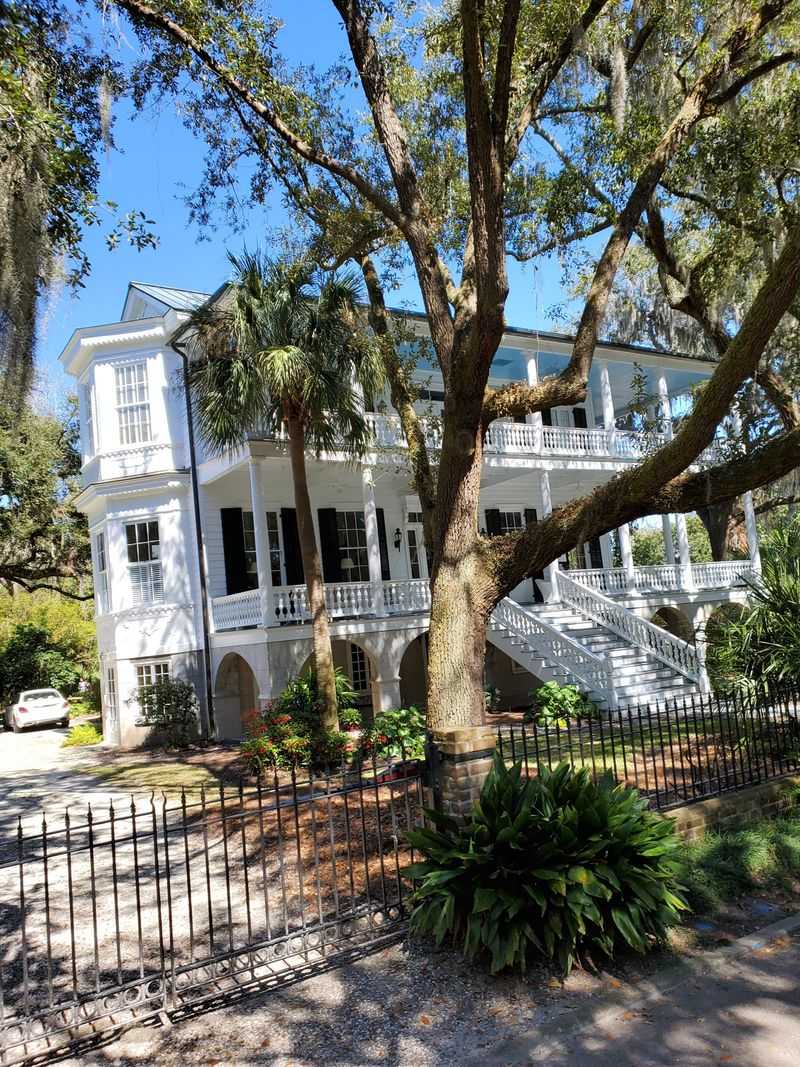
Each mansion showcases different architectural styles popular during the pre-war era, from Greek Revival to Italianate, with columns, wide porches, and elegant details throughout.
Many of these homes have been meticulously restored and maintained, their paint colors carefully chosen to reflect historical accuracy. You’ll notice how they’re positioned to catch cooling breezes from the river, a practical design element in the days before air conditioning.
The gardens surrounding these mansions often feature period-appropriate plantings and elaborate landscaping.
Several mansions have appeared in Hollywood films, including “The Big Chill” and “The Prince of Tides,” bringing Beaufort’s beauty to audiences worldwide. Some are now museums or bed-and-breakfasts, allowing visitors to experience their interiors firsthand.
Others remain private residences, cherished by families who understand their historical significance. Walking past these architectural gems, you can almost hear echoes of the past—parties on the porches, conversations in the parlors, and the daily rhythms of life from another era.
Woods Memorial Bridge Views
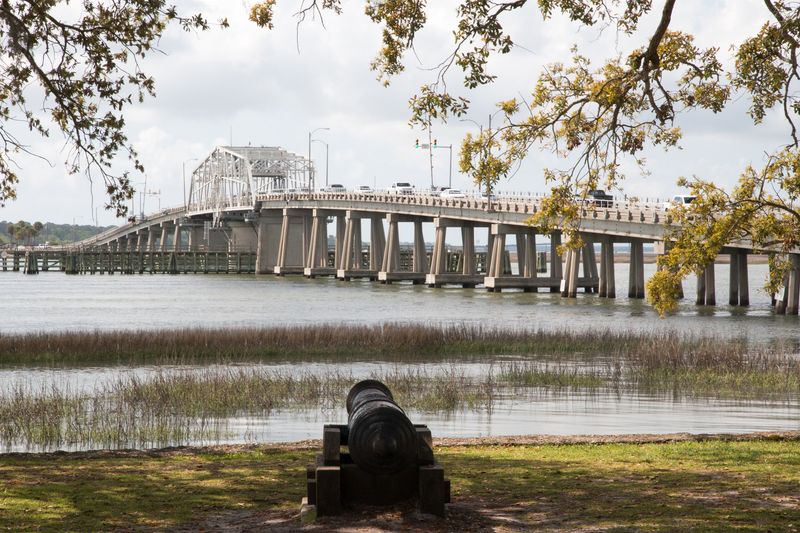
Crossing the Woods Memorial Bridge offers some of the most spectacular views in the entire Lowcountry. This bridge connects Lady’s Island to downtown Beaufort, arching high over the Beaufort River to allow boat traffic to pass beneath.
From its peak, you can see for miles—the historic waterfront, marshlands stretching to the horizon, and boats navigating the channel below.
The bridge itself has become something of a landmark, its distinctive profile visible from many points around town. Early morning and late afternoon provide the best lighting for photography, when the sun casts golden light across the water and illuminates the marsh grasses.
Many visitors make multiple trips across just to enjoy the views from different times of day.
Locals use the bridge constantly, and many have favorite memories associated with it—first glimpses of home after being away, daily commutes with stunning scenery, or sunset drives that turn routine errands into special moments. The bridge also serves as a gateway, marking the transition between the mainland and the historic heart of Beaufort.
Whether you’re walking, biking, or driving across, take a moment to appreciate the panoramic beauty spread out on all sides. It’s a view that perfectly captures Beaufort’s unique coastal setting.
Beaufort River Scenery
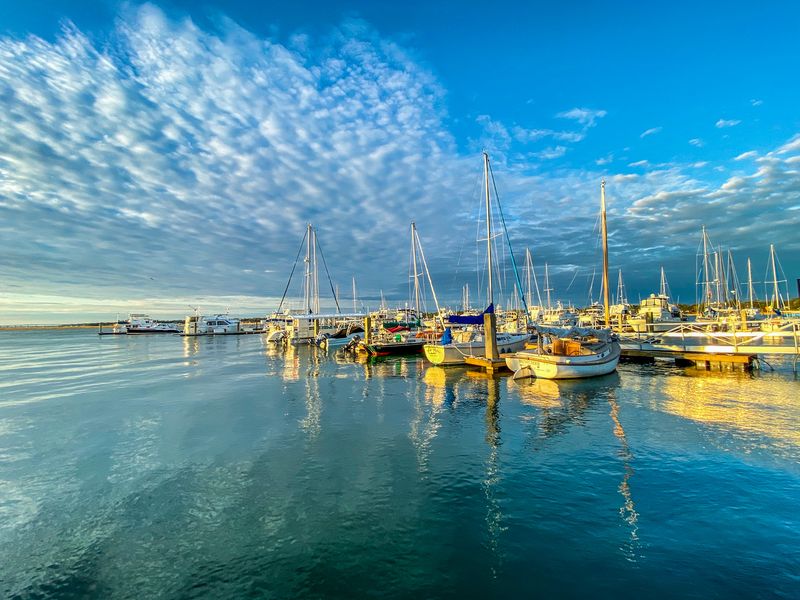
The Beaufort River defines this town as much as any building or street. Its waters have shaped Beaufort’s history, economy, and daily life for centuries, serving as a highway for commerce, a source of food, and a constant source of beauty.
The river’s tidal nature means it’s always changing—sometimes high and full, other times revealing mudflats where shorebirds search for meals.
Watching the river reveals an endless parade of activity. Dolphins frequently swim past, their dorsal fins breaking the surface as they hunt for fish.
Sailboats glide by with colorful spinnakers billowing in the wind, while shrimp boats head out to work the coastal waters. Kayakers and paddleboarders explore the quieter edges where marsh grasses grow thick.
The river’s beauty shifts with the seasons and time of day. Summer brings intense blue skies reflected in the water, while fall adds golden light that makes everything glow.
Winter mornings can be misty and mysterious, with fog rolling across the surface. Spring sees the marshes turn vibrant green with new growth.
Many residents and visitors find themselves drawn to the river repeatedly, discovering that it never looks exactly the same way twice, always offering something new to notice and appreciate.
Bay Street Shopping and Dining
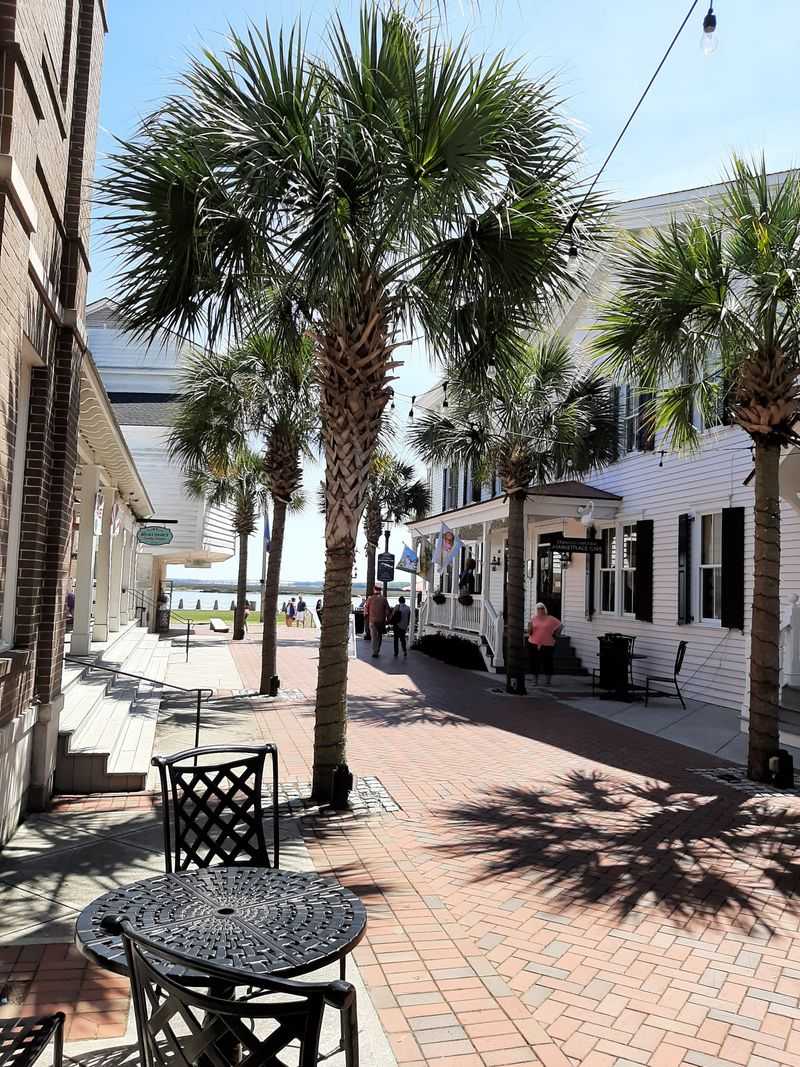
Bay Street pulses with life as Beaufort’s main commercial corridor through the historic district. Locally-owned boutiques offer everything from coastal-inspired clothing to handmade jewelry, while art galleries showcase works by regional artists.
The shopping here feels personal and curated rather than generic, with shop owners who often greet regular customers by name.
The dining scene along Bay Street deserves its own spotlight. Fresh seafood dominates many menus, with shrimp, oysters, and fish caught locally and prepared with both traditional Lowcountry techniques and modern culinary creativity.
You’ll find everything from casual cafes perfect for morning coffee to upscale restaurants ideal for special occasions. Many establishments feature outdoor seating where you can people-watch while enjoying your meal.
The street itself is beautiful, with historic buildings housing these modern businesses and creating an appealing blend of old and new. Wide sidewalks encourage strolling, and you’ll often see locals catching up with neighbors or visitors exploring at a leisurely pace.
Evening brings a different energy, with restaurants filling up and live music sometimes drifting from doorways. Bay Street manages to serve both tourists and locals equally well, maintaining authentic character while welcoming visitors with genuine Southern hospitality.
Gullah Heritage and Culture
Beaufort sits at the heart of Gullah Geechee territory, where descendants of enslaved West Africans have preserved a distinct culture for generations. The Gullah people maintained more of their African heritage than many other African American communities, thanks partly to the isolation of the Sea Islands.
Their influence permeates Beaufort through language, food, art, and traditions that remain vibrant today.
You can experience this rich culture through various venues and events around town. Sweetgrass basket weavers practice an art form passed down through centuries, creating beautiful and functional pieces using techniques brought from Africa.
Gullah cuisine has shaped Lowcountry cooking, contributing dishes like red rice, okra soup, and shrimp and grits. The distinctive Gullah language, with its unique vocabulary and rhythms, can still be heard in some communities.
Several organizations work to preserve and celebrate this heritage, offering tours, cultural programs, and educational opportunities. The Penn Center on nearby St. Helena Island serves as an important historical and cultural institution.
Understanding Gullah culture adds essential depth to any Beaufort visit, revealing layers of history and resilience that aren’t immediately visible in the town’s picturesque streets. This living heritage makes Beaufort more than just pretty—it makes the town profoundly meaningful.
Coastal Marshlands
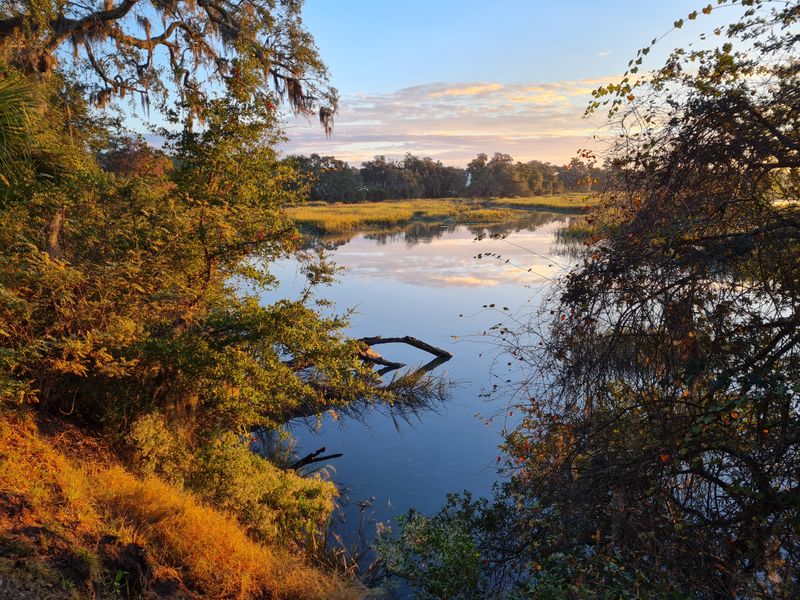
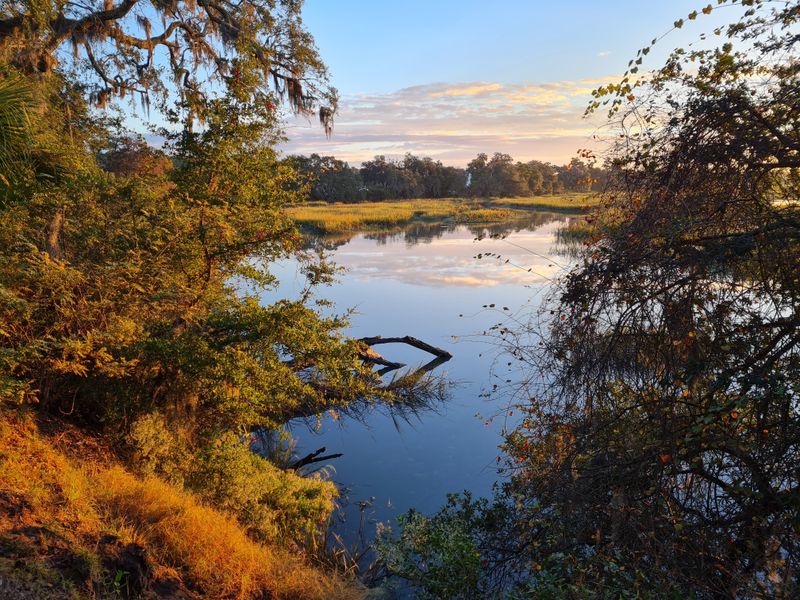
Stretching in every direction around Beaufort, the salt marshes create a landscape unlike anywhere else. These wetlands appear deceptively simple at first glance—just endless expanses of grass and water—but they’re actually incredibly complex ecosystems teeming with life.
The spartina grass that dominates the marsh changes color with the seasons, from vibrant green in summer to golden brown in winter.
The marshes serve as nurseries for countless fish and shellfish species, making them essential to the coastal food chain. Wading birds like herons and egrets stalk through the shallows hunting for small fish and crabs.
At low tide, the mud flats reveal themselves, covered with fiddler crabs and periwinkle snails. The smell of pluff mud—that distinctive marsh aroma—becomes oddly nostalgic for anyone who spends time here.
Exploring the marshes by kayak or boat offers an intimate perspective you can’t get from shore. The winding tidal creeks create natural pathways through the grass, revealing hidden corners where wildlife thrives undisturbed.
Sunrise and sunset transform the marshes into something almost magical, with light reflecting off the water and illuminating the grass. These wetlands are as much a part of Beaufort’s identity as any historic building or oak tree.
Film Location History
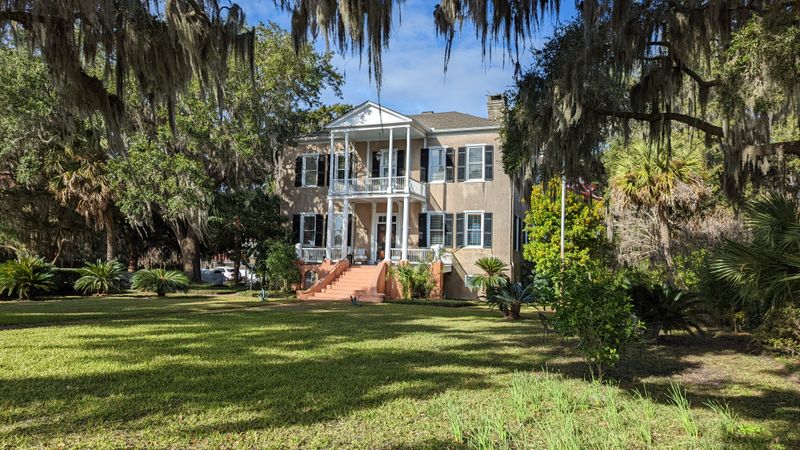
Hollywood has fallen hard for Beaufort, using the town as a backdrop for numerous films over the years. “The Big Chill,” “The Prince of Tides,” “Forrest Gump,” and “The Great Santini” all filmed scenes here, taking advantage of Beaufort’s authentic Southern atmosphere and stunning locations. Walking around town, you might recognize spots from your favorite movies.
The Tidalholm mansion appeared in “The Big Chill” and has become one of Beaufort’s most photographed homes as a result. The downtown waterfront and various historic streets have served as settings for emotional scenes and establishing shots that capture the essence of small-town Southern life.
Local residents sometimes served as extras or watched filming from the sidelines, adding their own memories to Beaufort’s Hollywood history.
This film connection has brought increased attention to Beaufort, but the town has managed to avoid becoming overly commercialized by its fame. You won’t find tacky movie-themed tourist traps lining the streets.
Instead, the film history simply adds another interesting layer to Beaufort’s story. Movie buffs enjoy identifying locations, while others appreciate the town without even realizing they’re walking through famous scenes.
Either way, Beaufort’s cinematic appeal confirms what locals have always known—this place is genuinely special.
Marine and Maritime Activities
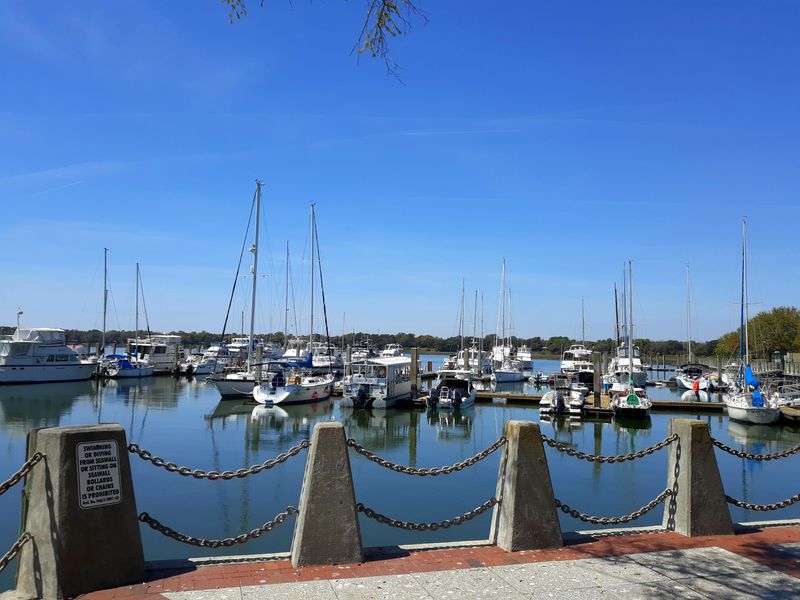
Being surrounded by water means maritime activities are woven into the fabric of daily life in Beaufort. The town’s marinas host everything from working fishing boats to luxury yachts, and the waterways stay busy year-round with people enjoying the coastal environment.
Sailing is particularly popular, with favorable winds and protected waters making it ideal for both beginners and experienced sailors.
Kayaking and paddleboarding have exploded in popularity, offering quiet ways to explore the marshes and creeks at your own pace. Several outfitters in town provide rentals and guided tours that take you to spots you’d never find on your own.
Fishing remains both a livelihood and a passion here, with charter boats available for offshore excursions and plenty of spots for casting from shore or dock.
The Beaufort Water Festival, held each summer, celebrates this maritime heritage with boat races, raft races, and various water-based competitions. Even if you’re not particularly nautical yourself, watching the activity on the water becomes entertaining.
Shrimp boats heading out at dawn, sailboat races on weekend afternoons, dolphins playing in the wake of passing vessels—these scenes remind you constantly that Beaufort is fundamentally a water town. The maritime culture here isn’t manufactured for tourists; it’s genuine and ongoing.
Southern Hospitality and Small-Town Atmosphere
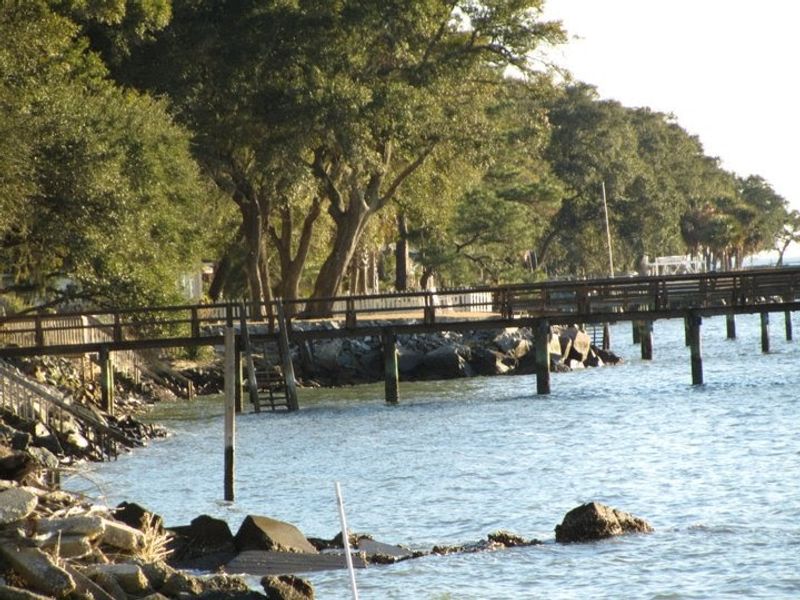
Beaufort moves at its own pace, and that pace is decidedly unhurried. People still wave to strangers from their porches, shopkeepers have time for real conversations, and rushing seems almost disrespectful to the town’s character.
This genuine Southern hospitality isn’t performed for tourists—it’s simply how things are done here, a reflection of values that prioritize relationships over efficiency.
The small-town atmosphere means you’ll likely run into the same people multiple times during your visit, and by the second or third encounter, you might find yourself exchanging friendly greetings like old acquaintances. Local businesses often know their regular customers’ preferences and family news.
Community events draw people together, creating connections across different backgrounds and generations.
This social warmth can feel surprising to visitors from faster-paced places, but it’s one of Beaufort’s most valuable qualities. Taking time to chat with a gallery owner about their featured artist or letting a restaurant server recommend their personal favorite dish often leads to the best experiences.
The small size means everything feels accessible and manageable—you can walk to most places, and nothing feels overwhelming or anonymous. For many visitors, this atmosphere becomes as memorable as any historic site or scenic view, representing a way of life that feels increasingly rare.
Year-Round Mild Climate and Outdoor Living
Beaufort’s coastal location blesses it with a temperate climate that makes outdoor activities possible throughout the year. Winters are mild, with temperatures rarely dropping to uncomfortable levels, while summers bring warm weather perfect for water activities.
Spring and fall are particularly glorious, with comfortable temperatures and lower humidity that make exploring the town pure pleasure.
This favorable weather shapes how people live here. Porches aren’t just decorative—they’re outdoor living rooms where people actually spend time.
Restaurants prioritize outdoor seating because diners want to eat al fresco most of the year. Parks and waterfront areas stay busy across all seasons, not just during a brief summer window.
Even winter days often feel pleasant enough for walking tours or waterfront strolls.
The climate also supports lush vegetation year-round, keeping the landscape green and gardens blooming through most months. Palm trees and subtropical plants thrive alongside the live oaks, creating that distinctive coastal Southern look.
The mild weather means you can plan a Beaufort visit almost any time without worrying about extreme conditions ruining your experience. This accessibility makes the town welcoming whenever you can manage to visit, and locals appreciate never being completely shut indoors by harsh weather for extended periods.



