 Unearth The Voyage
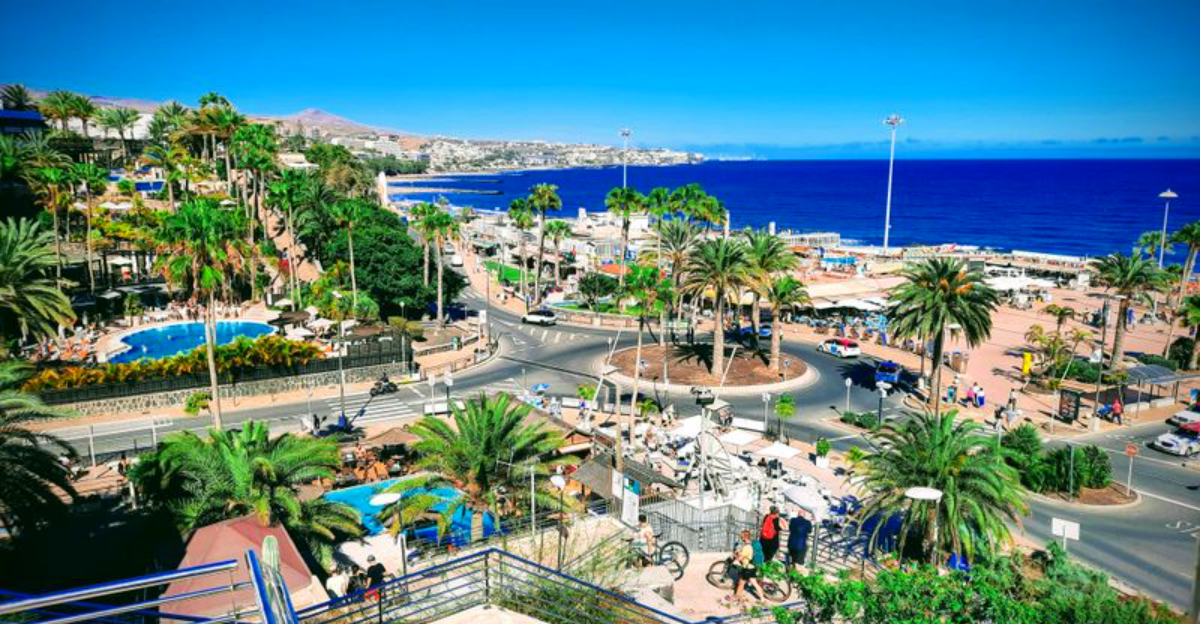
Spain didn’t just have a good year – it had everyone piling in. Sun-soaked islands, storybook old towns, and cities packed with bold design make it the kind of place that fits almost any trip mood.
Whether it’s Gaudí’s jaw-dropping Barcelona or a coastline built for lazy afternoons with something cold in hand, these are the Spanish spots that kept travelers booking and kept coming up again and again.
1. Barcelona (Catalonia): Gaudí, beaches, and nonstop energy
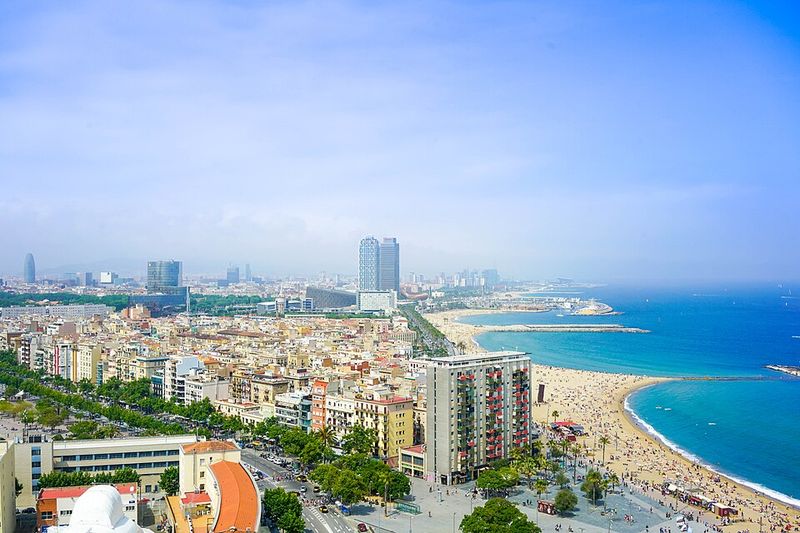
Walking through Barcelona feels like stepping into someone’s fever dream, except it’s real and there’s incredible food everywhere. I remember my first time seeing the Sagrada Família up close—photos don’t prepare you for how absolutely bonkers that building is in person.
Gaudí basically said “straight lines are boring” and built an entire architectural legacy on that philosophy.
The energy here never quits. One minute you’re gawking at the wavy facade of Casa Batlló, the next you’re sprawled on Barceloneta beach watching the sunset paint everything gold.
Park Güell is like a mosaic playground designed by someone who really, really loved color.
El Born is where you’ll want to spend your evenings, hopping from one tapas bar to the next. Get the patatas bravas everywhere.
I’m convinced each place has a secret recipe they guard like state secrets. The Gothic Quarter will have you lost in the best way possible, stumbling onto hidden plazas where locals actually hang out.
Catalonia stays number one for visitors because Barcelona alone is worth the flight. It’s chaotic, beautiful, and completely unforgettable in ways that make you immediately start planning your return trip before you’ve even left.
2. Girona + Costa Brava (Catalonia): Barcelona’s escape hatch
Sometimes Barcelona’s energy hits a point where you need a breather, and that’s exactly when Girona saves the day. This medieval gem sits about an hour north and feels like you’ve traveled back several centuries.
Those cathedral steps? They’re famous for a reason—Game of Thrones filmed here, and standing at the top gives you serious “I’m in a different era” vibes.
The old town is a maze of narrow cobblestone streets where getting lost is basically the point. Jewish Quarter alleyways lead to unexpected courtyards, and every corner seems Instagram-ready without even trying.
I spent an afternoon just wandering with zero plan and it was perfect.
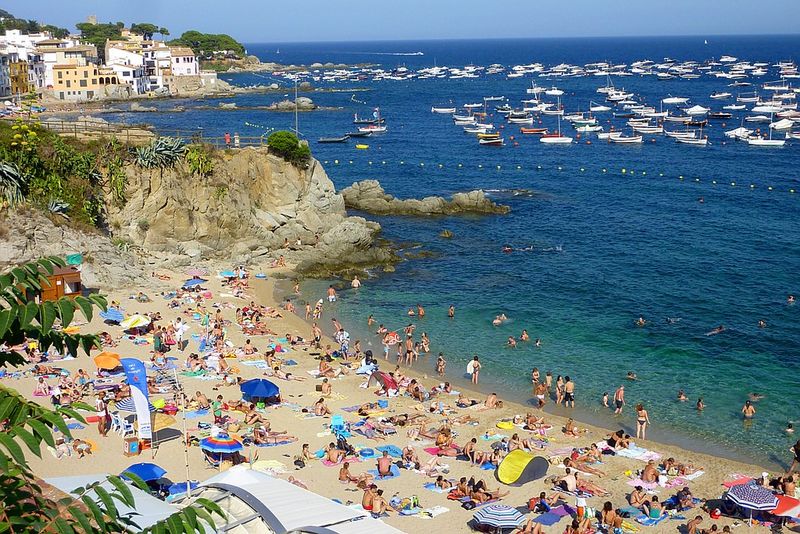
Costa Brava is where things get properly stunning. We’re talking white-washed villages clinging to cliffs, turquoise water that looks Photoshopped but isn’t, and coves so pretty you’ll want to cancel all other plans.
Cadaqués has that dreamy Mediterranean charm – whitewashed houses, blue shutters, fishing boats bobbing in the harbor.
The cliff walks between villages offer views that’ll make your camera roll explode. Pack good walking shoes and sunscreen because you’ll want to explore every single path.
This whole area is proof that sometimes the best travel moments happen when you leave the main attraction behind.
3. Montserrat (Catalonia): the best day trip for views
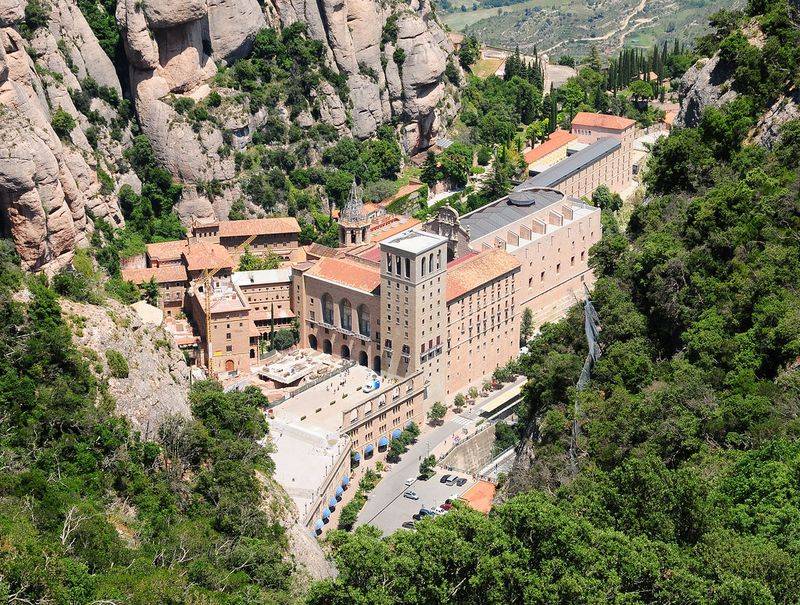
Picture jagged rock towers shooting up from the earth like nature’s skyscrapers, then stick a monastery on top. That’s Montserrat, and it looks like someone built it in a fantasy video game.
The mountain itself is wild. Those rock formations are so dramatic they almost don’t look real.
Getting there is half the fun. The rack railway climbs up through pine forests while the views keep getting better with every meter.
Once you’re up top, the funicular takes you even higher to viewpoints that’ll have you questioning why you don’t live in the mountains.
The basilica is stunning, but honestly, the short hiking trails around the monastery are where the magic happens. Early morning is clutch for avoiding crowds—I showed up at opening time and basically had the trails to myself for a good hour.
The silence up there, broken only by wind and distant bells, hits different.
You can easily do this as a day trip from Barcelona, which makes it perfect for when you need nature without committing to a full countryside escape. Pack layers because it gets breezy up there, and bring your camera because you’ll want proof that places this beautiful actually exist outside of postcards.
4. Mallorca (Balearic Islands): the everyone goes island because it works
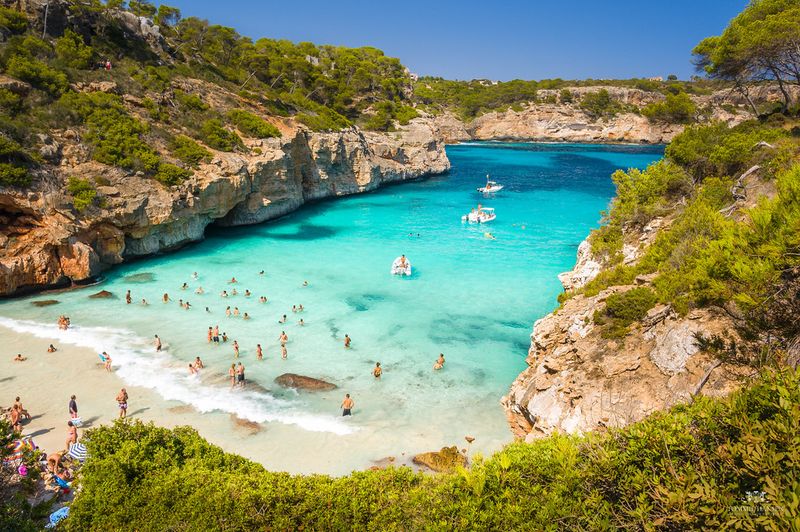
Mallorca is that friend who’s popular for all the right reasons. No pretense, just solid delivery every single time.
The moment you see Palma’s cathedral rising above the harbor, you get why people keep coming back. It’s massive, it’s gorgeous, and it sits right on the waterfront like it’s showing off.
The Serra de Tramuntana mountain range is where things get seriously scenic. Those winding coastal roads serve up view after jaw-dropping view.
Hairpin turns reveal hidden villages, olive groves, and the Mediterranean sparkling below. Rent a car or scooter and just go.
No fixed plan needed.
Then there are the calas, small coves with water so clear you can see every pebble on the bottom. Cala Mondragó was my favorite: protected bay, turquoise water, pine trees providing shade when the sun gets intense.
Bring a good book and plan to do absolutely nothing productive for hours.
Palma itself deserves more than just a quick cathedral visit. The old town is full of narrow streets hiding excellent restaurants, and the food scene here is way better than typical beach resort fare.
Fresh seafood, local wines, and that perfect Mediterranean vibe that makes every meal feel like a celebration.
5. Ibiza (Balearic Islands): beyond the parties
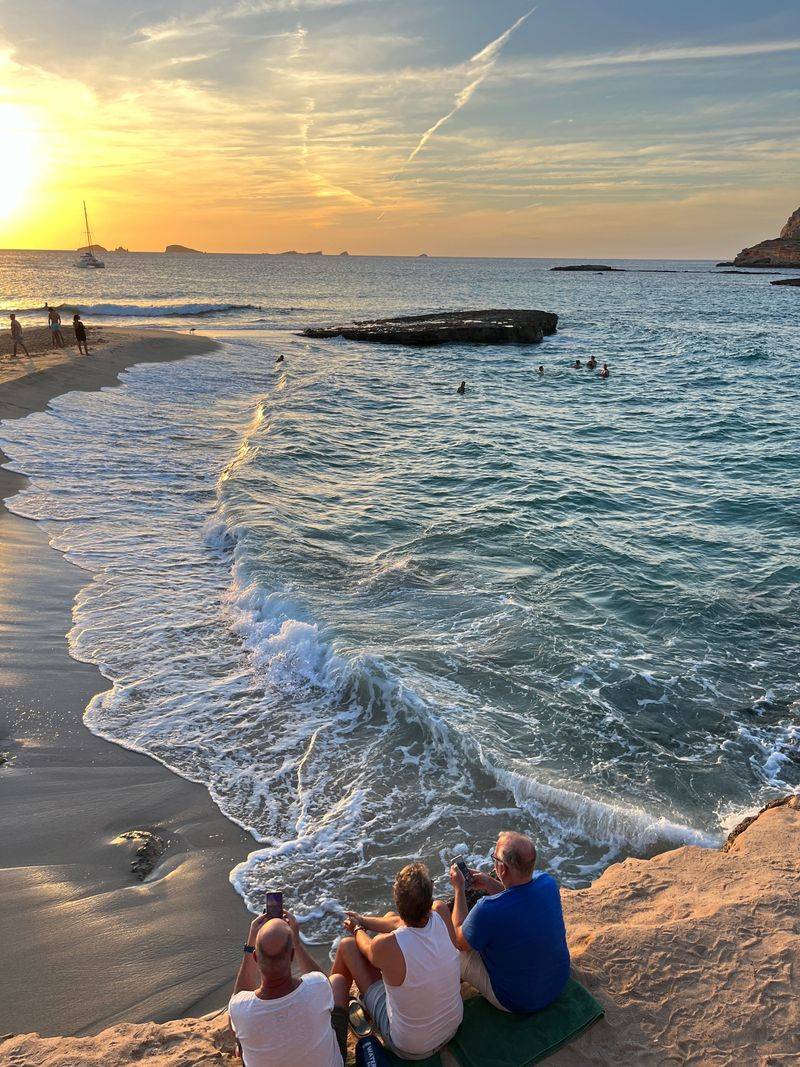
Yeah, Ibiza has world-famous clubs, but writing it off as just a party island is like going to Italy and only eating pizza. The beaches here compete with anywhere in the Mediterranean, and the sunsets are legitimately spectacular.
Cala Comte at golden hour is pure magic. The water glows in about seventeen shades of blue and turquoise.
Dalt Vila, the old town, sits up on a hill surrounded by massive fortress walls. Walking through those ancient streets while tourists below are pregaming for clubs creates this weird time-travel feeling.
The views from the top stretch forever, and there’s something deeply satisfying about sipping wine at a quiet terrace while watching the sun melt into the sea.
The north of the island is where things get properly chill. Hippie markets, quiet beaches, little villages that haven’t changed much in decades.
You can absolutely visit Ibiza and never set foot in a superclub, though the sunset DJ sessions at beach bars are pretty special if that’s your vibe.
Food here is better than you’d expect too. Fresh fish, incredible salads, and beach restaurants that understand the assignment.
The island works whether you’re here to dance until sunrise or just want to find a perfect beach and read for a week straight.
6. Menorca (Balearic Islands): the calmer Balearic
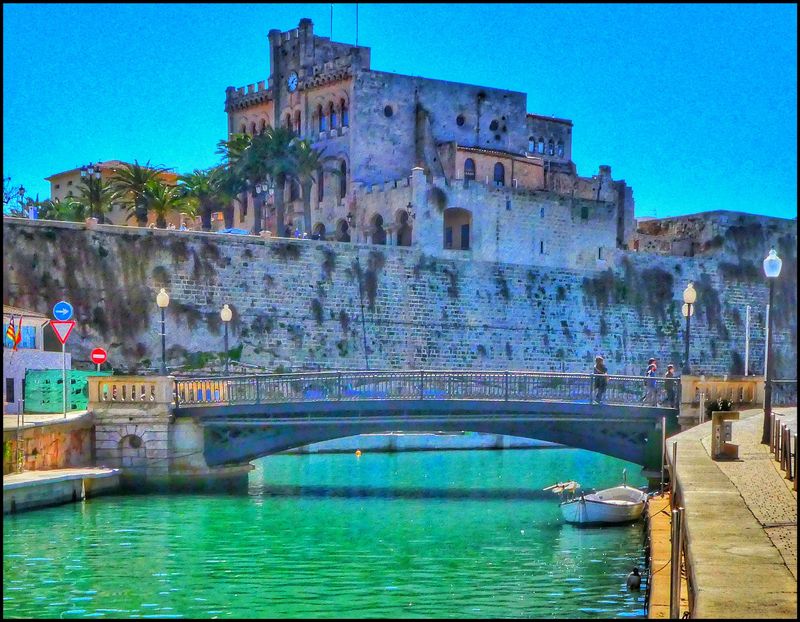
Menorca is what happens when an island decides it doesn’t need to try too hard. While Mallorca and Ibiza are out there being famous, Menorca just quietly does its thing with pristine beaches and harbor towns that look like postcards.
The vibe here is refreshingly low-key. No megaclubs, no massive resorts, just solid Mediterranean beauty without the chaos.
The Camí de Cavalls is a coastal path that circles the entire island, and even walking just sections of it is incredible. You’ll pass hidden coves, dramatic cliffs, and beaches accessible only on foot.
Pack water and snacks because once you start, you won’t want to turn back.
The beaches here are genuinely special. Cala Macarella and Cala Turqueta have that Caribbean-level turquoise water, surrounded by pine forests that provide perfect shade spots.
Arrive early because word is out about these gems, even if Menorca itself flies under the radar compared to its siblings.
The harbor towns, Mahón and Ciutadella, are ridiculously charming. Whitewashed buildings, waterfront restaurants serving fresh seafood, and a pace of life that makes you wonder why you’re always rushing back home.
This island is for people who want the Balearic look without the Balearic crowds, and it absolutely delivers on that promise.
7. Tenerife (Canary Islands): beaches + Mount Teide in one trip
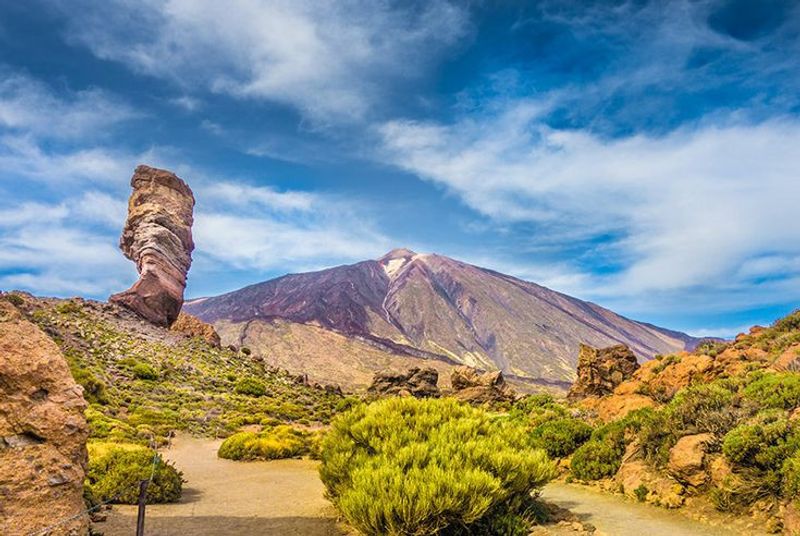
Tenerife is basically two vacations in one, and I’m still not over how you can be on a beach in the morning and standing on a volcano by afternoon. Mount Teide dominates the island, Spain’s highest peak, sitting in the middle of this otherworldly volcanic landscape that looks like Mars had a baby with a national park.
The cable car ride up is wild, watching the terrain change from green to absolutely barren.
The south is where most people plant themselves for sun and beaches. Playa de las Américas delivers on the classic beach resort experience, but if you want something less developed, head to smaller spots along the coast.
The black sand beaches are trippy at first, volcanic origins mean no white sand here, but the contrast with the blue water is striking.
The north is greener, cooler, and way more local. Puerto de la Cruz has that authentic Canarian town feel, and the surrounding villages are perfect for when you need a break from beach mode.
The botanical gardens there are surprisingly excellent if you’re into that sort of thing.
Weather here is ridiculous, basically spring year-round. That’s why the Canaries pull such massive visitor numbers, and Tenerife leads the pack.
You can hike, beach, explore, and never once check the weather forecast because it’s always good.
8. Gran Canaria (Canary Islands): a mini-continent island
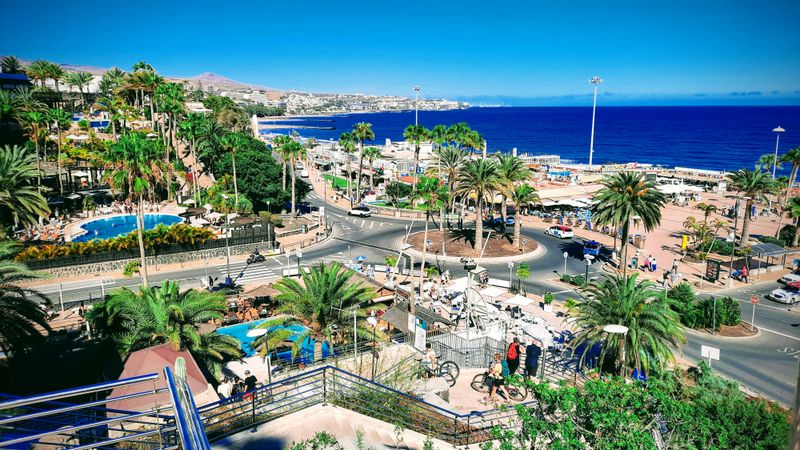
Calling Gran Canaria a “mini-continent” sounds like tourism board hype until you actually drive across it. You’ll go from massive sand dunes that look straight-up Saharan to green mountain villages to coastal cliffs, all in a couple hours.
The climate zones here are bonkers – pack for three different trips because you’ll need layers, swimsuits, and hiking gear all in one day.
The Maspalomas dunes are absolutely wild. Walking across these golden sand mountains with the ocean right there creates this surreal desert-meets-beach situation that your brain takes a minute to process.
Go at sunrise or sunset when the light turns everything golden and the heat isn’t trying to murder you.
Las Palmas, the capital, gets overlooked by people rushing to beaches, which is a mistake. The Vegueta old quarter has colonial architecture, excellent tapas bars, and actual city life happening.
Las Canteras beach runs right along the city. A proper urban beach that locals actually use, not just tourists.
The interior mountain villages are where things get properly scenic. Winding roads lead to towns that seem frozen in time, with views that make you pull over every five minutes.
Roque Nublo is the iconic rock formation everyone photographs, and the hike up is worth every sweaty step for those panoramic views across the island.
9. Lanzarote (Canary Islands): volcano landscapes you’ll never forget
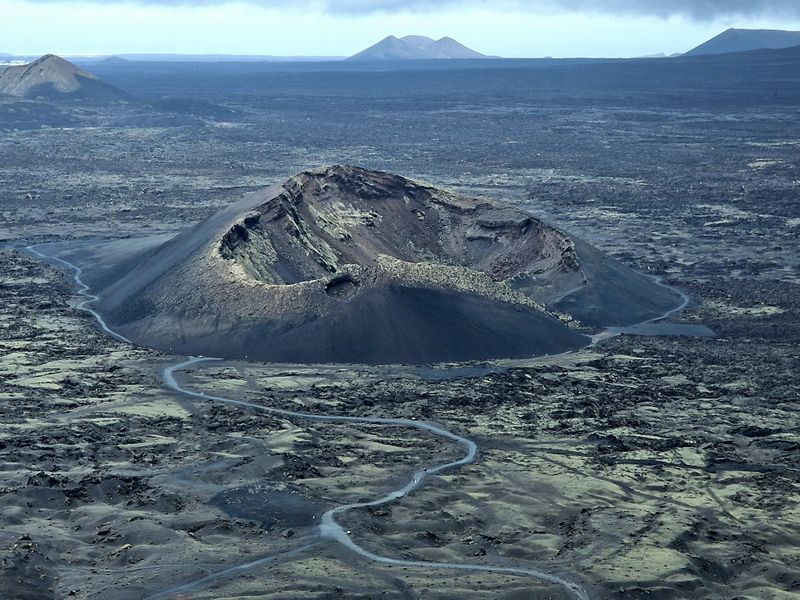
Lanzarote looks like someone designed an island on another planet and forgot to tell anyone. The volcanic landscapes here are so dramatic, so otherworldly, that your first reaction is probably just standing there with your mouth open.
Black and red lava fields stretch for miles, punctuated by volcanic cones that look ready to erupt again any second.
Timanfaya National Park is the main event. A volcanic wonderland where rangers literally pour water into the ground and it shoots back up as steam.
The heat demonstrations are cool, but honestly, just staring at the landscape is enough. Those Mars-like vistas go on forever, and the colors shift from black to rust to deep red depending on the light.
César Manrique, the local artist-architect, basically shaped how this island looks. His former home built into volcanic bubbles is now a museum, and it’s genuinely one of the coolest spaces I’ve ever seen.
He integrated art and nature so seamlessly that you can’t tell where one ends and the other begins.
The coastal viewpoints are spectacular. Black volcanic rock meeting impossibly blue Atlantic water creates drama at every turn.
Los Hervideros shows what happens when lava met ocean and created these wild rock formations and caves. Bring your camera and about seventeen memory cards because you’ll shoot everything.
10. Fuerteventura (Canary Islands): for beach people, full stop
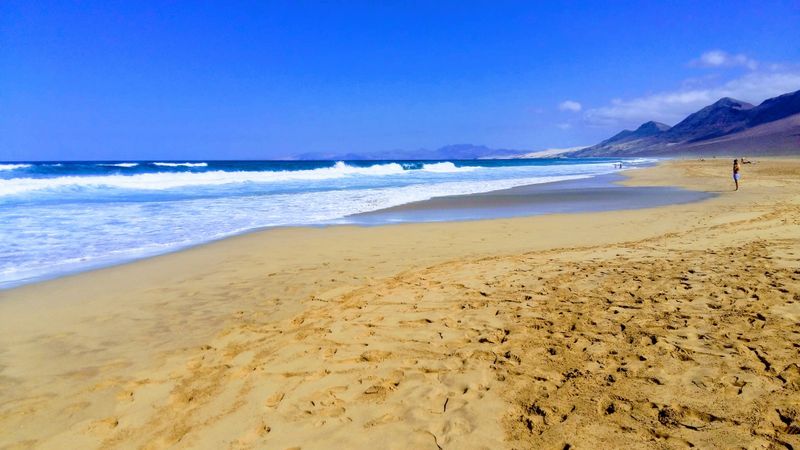
If your perfect vacation involves long golden beaches, steady wind, and doing absolutely nothing except maybe surfing, Fuerteventura is calling your name. This island is basically one long beach with some towns attached, and that’s not a criticism.
It knows what it’s good at and leans all the way in. The landscapes are stark, almost desert-like, which makes those beaches pop even harder.
Corralejo in the north is where most action happens. The dunes here create this miniature Sahara situation right next to turquoise lagoons that look tropical.
The beaches stretch forever, and even when it’s busy, you can walk five minutes and find your own space. Wind and kite surfers love it here because the conditions are consistently excellent.
The south gets quieter and more remote. Cofete beach is this massive, wild stretch of sand backed by mountains, accessible via dirt road.
It feels properly end-of-the-world, and on weekdays you might have huge sections to yourself. Just respect the currents because the Atlantic doesn’t mess around.
The towns are small and functional rather than charming, which is fine because you’re here for the beaches anyway. Fresh seafood, cold beer, and that laid-back surf town vibe dominate.
This island is for people who want to unplug, catch waves, and remember what it feels like to be genuinely relaxed.
11. Madrid: the city break that keeps rising
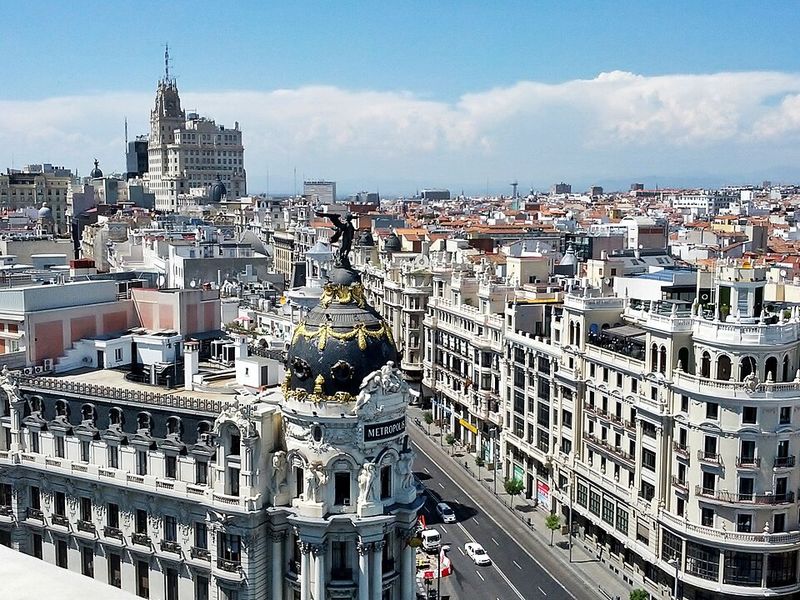
Madrid has this infectious energy that hits you the second you step onto Gran Vía. The city doesn’t sleep—literally, dinner starts at ten and the night is just getting started when other European capitals are shutting down.
I love how unapologetically itself Madrid is, never trying to be Barcelona or compete with coastal cities, just doing the capital thing with serious style.
The Prado Museum area, known as the Golden Triangle of Art, is museum heaven. Prado, Reina Sofía, Thyssen, you could spend days just bouncing between these three and barely scratch the surface.
Guernica at the Reina Sofía is worth the visit alone, but honestly, the Prado’s collection is almost overwhelming in the best way.
Retiro Park is where locals go to breathe. Rent a rowboat on the lake, sprawl on the grass, or just wander the tree-lined paths.
It’s massive, beautiful, and somehow never feels too crowded even when it definitely is. The Crystal Palace inside the park is gorgeous, often hosting free art installations.
Day trips from Madrid are incredible. Toledo is a medieval time capsule, and Segovia has that ridiculous Roman aqueduct and fairy-tale castle.
But honestly, Madrid itself could fill a week easily. The food scene alone deserves serious attention, from historic tabernas to cutting-edge restaurants pushing Spanish cuisine forward.
12. Valencia: Spain’s best value big city right now
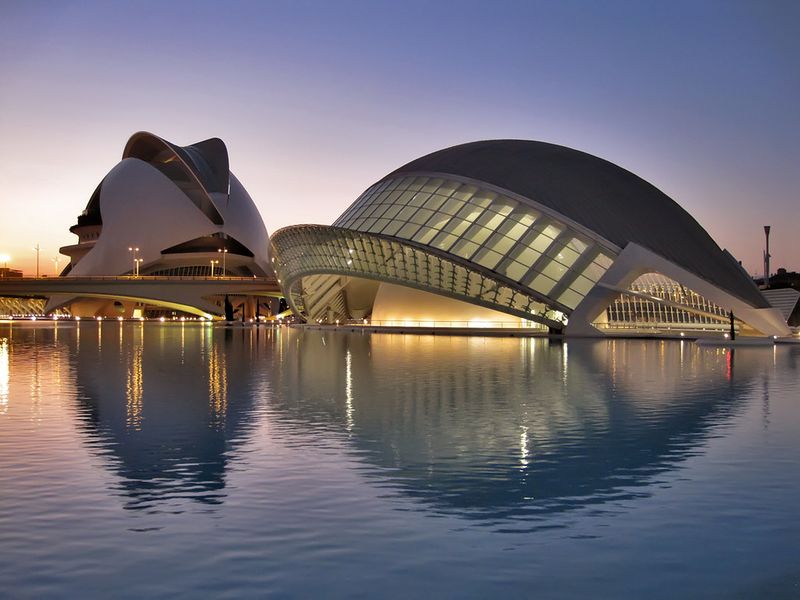
Valencia is having a serious moment, and it’s about time everyone caught on. This city delivers everything Barcelona does – beaches, incredible architecture, killer food scene but without the overwhelming crowds and inflated prices.
The value here is unreal, and I’m honestly shocked it stayed under the radar for so long. Walking through the old town feels like a secret that’s about to get out.
The City of Arts and Sciences is jaw-dropping. Futuristic white structures that look like something from a sci-fi movie, designed by Santiago Calatrava.
Whether you’re into the science museum, the aquarium, or just want to photograph the architecture, this complex alone justifies a visit. Go at sunset when the buildings glow and reflect in the surrounding pools.
The Turia Gardens are brilliant urban planning. They turned a former riverbed into this massive green space that runs through the entire city.
Rent a bike and cruise the whole length, stopping at playgrounds, gardens, and the occasional food truck. It’s how every city should handle former infrastructure.
But let’s talk paella. Valencia invented it, and eating proper paella here is a religious experience.
Aim for lunch because that’s when locals eat it, and get it somewhere near the city rather than in the touristy center. The rice, the socarrat, the fresh ingredients – this is what paella should be, and everywhere else is just an approximation.



