There is a full-scale Western town hiding inside a museum in Oklahoma City, and most people drive right past it without knowing it exists. The National Cowboy and Western Heritage Museum sits at 1700 NE 63rd St, Oklahoma City, OK 73111, and it holds one of the most surprising indoor experiences I have ever walked through.
The place covers so much ground that two hours barely scratches the surface, and the ghost town alone is worth the trip. From jaw-dropping paintings to hands-on history, this museum earns every one of its near-perfect reviews, and I am here to walk you through every corner of it.
The Address and First Impressions
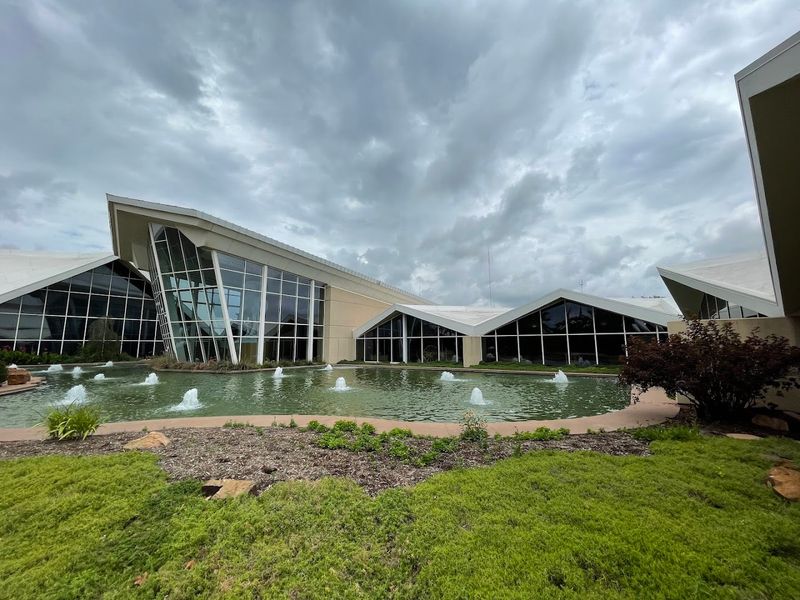
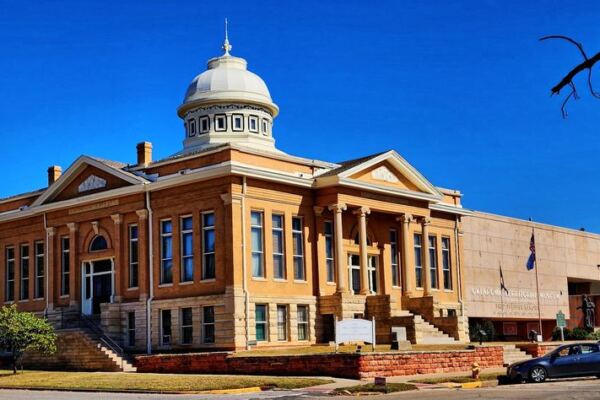
Before you even reach the front door, the National Cowboy and Western Heritage Museum at 1700 NE 63rd St, Oklahoma City, OK 73111 makes a statement. A massive bronze sculpture greets you in the parking area, and the building itself has a bold, southwestern architectural style that sets the tone for everything inside.
The museum is open Monday through Saturday starting at 10 AM, with Friday and Saturday hours extending to 8 PM. Sundays open at noon and close at 5 PM, so plan accordingly.
Admission runs around $25 for adults, which feels steep for about three seconds until you step inside and realize the sheer scale of what you are getting.
Parking is plentiful and free, which is a small but genuinely appreciated bonus. The entry hall is clean, well-staffed, and welcoming, with friendly volunteers ready to point you in the right direction.
First-time visitors often turn the wrong way and miss an entire wing of world-class Western paintings. Go left first, then right, and you will thank yourself later.
Frontier Town: The 14,000-Square-Foot Ghost Town
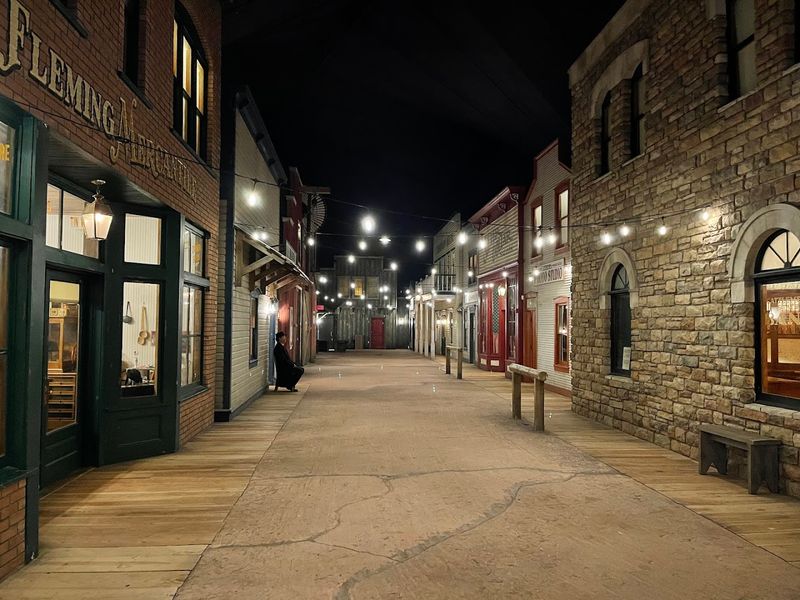
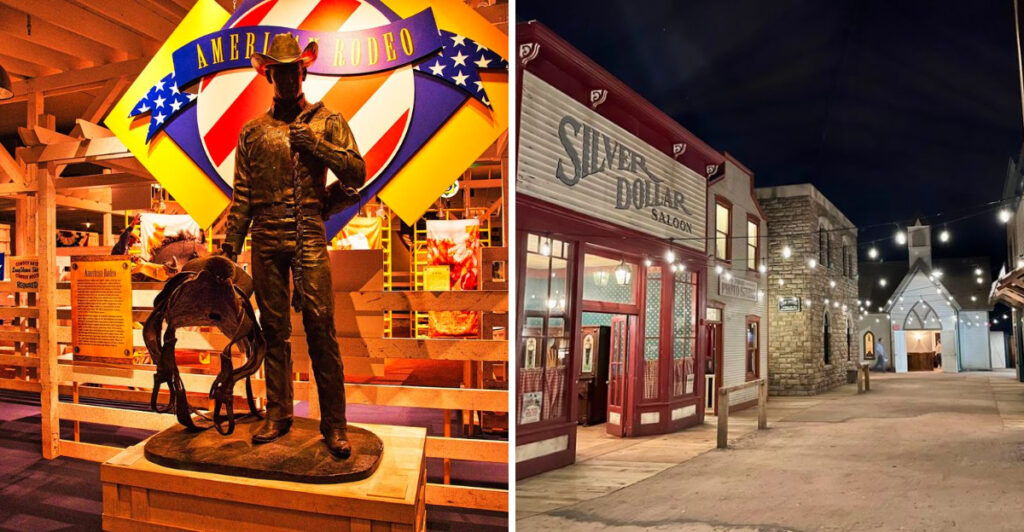
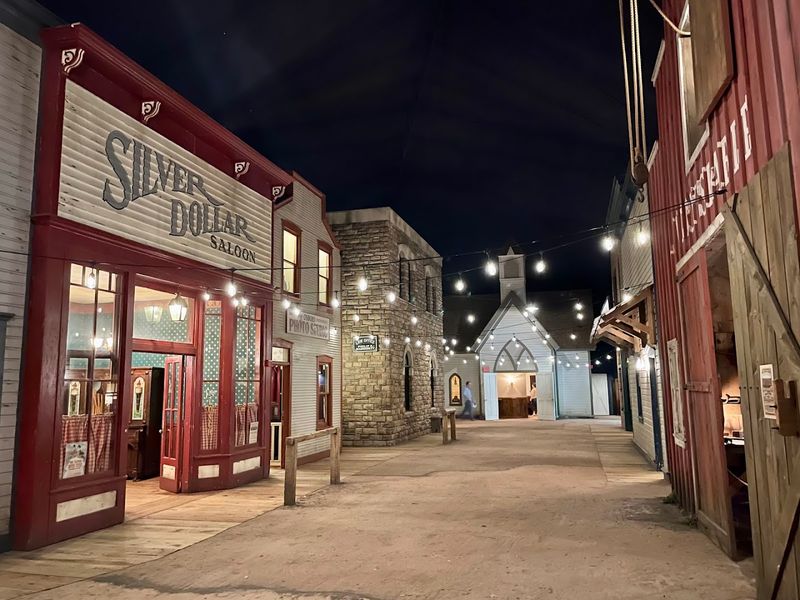
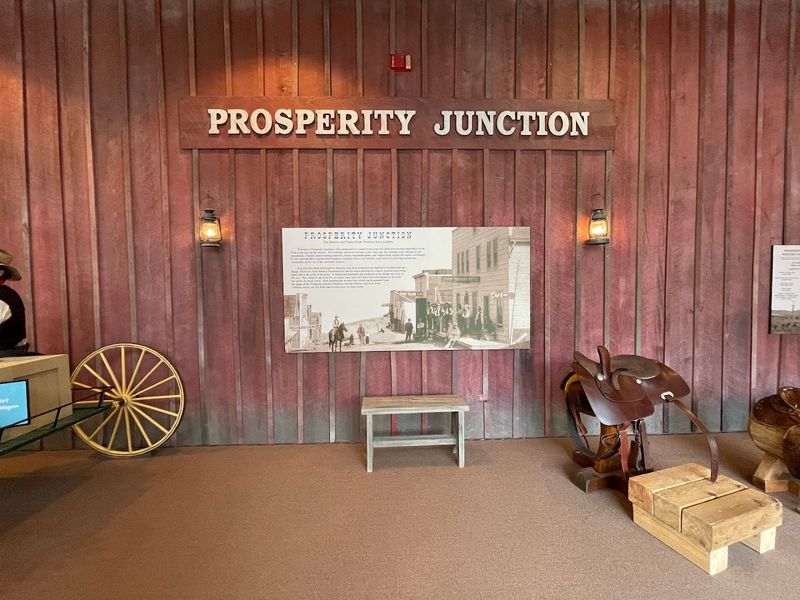
Nothing quite prepares you for the moment you round a corner inside the museum and suddenly find yourself standing on a dirt street surrounded by an entire 1880s Western town. Frontier Town is a 14,000-square-foot indoor replica of a frontier settlement, complete with a bank, a jail, a print shop, a blacksmith, and more than a dozen other storefronts.
The attention to detail is genuinely staggering. The wood looks weathered, the signs are hand-painted, and the whole space carries a faint barn smell that makes it feel like the town has been there for a century.
You can peer through windows, read historical placards, and get a real sense of what daily life looked like for settlers and cowboys in the American West.
Kids go absolutely wide-eyed in here, and honestly, adults are not far behind. The space is large enough that you never feel crowded, and the lighting is designed to feel like golden-hour sunlight filtering through dusty windows.
Frontier Town alone justifies the drive to Oklahoma City, and it consistently ranks as the most talked-about exhibit in the entire building.
The Western Art Collection
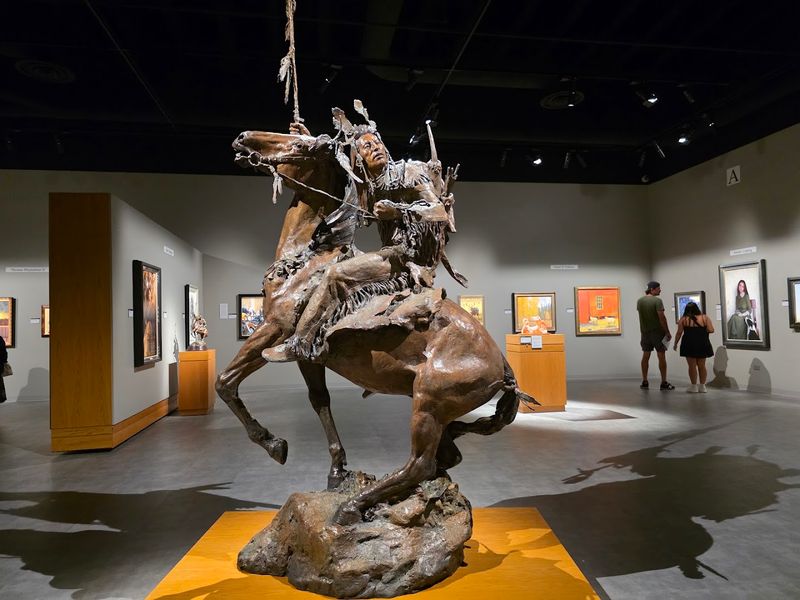
Turn left after entering the museum and you step into one of the most impressive collections of Western-themed fine art anywhere in the United States. The paintings here are enormous, detailed, and so lifelike that more than one visitor has done a double-take wondering if they were looking at a photograph.
Artists like Frederic Remington and Charles Russell are represented alongside dozens of other celebrated painters whose work captures the raw energy of the frontier era. The brushwork on some of these pieces is extraordinary, with horses mid-gallop, storms rolling across open plains, and Native American ceremonies rendered with both beauty and respect.
The gallery is quiet and well-lit, giving each piece the breathing room it deserves. You can spend an easy 45 minutes in this wing alone without realizing how much time has passed.
Western art is often underestimated in mainstream art conversations, but standing in front of a 6-foot canvas showing a cattle drive at dusk has a way of changing that perspective permanently.
Native American Exhibits and History
One of the most meaningful parts of the museum is how thoroughly it represents Native American history alongside cowboy and settler culture. The exhibits here do not treat Indigenous peoples as a footnote but instead dedicate significant space to their art, traditions, and stories.
Beadwork, ceremonial clothing, pottery, and weapons are displayed with care and context. The historical placards are written thoughtfully, avoiding the oversimplified narratives that sometimes show up in older museums.
You come away with a much fuller picture of the many peoples who shaped the American West long before the first cattle drive ever took place.
The collection includes pieces that date back hundreds of years, and the craftsmanship on display is breathtaking. Intricate geometric patterns on blankets and robes demonstrate a level of artistry that stands comfortably alongside anything hanging in the fine art wing.
This section of the museum deserves more attention than it often gets, and spending real time here rather than rushing through rewards you with a genuinely richer understanding of the West.
The Rodeo Hall of Fame
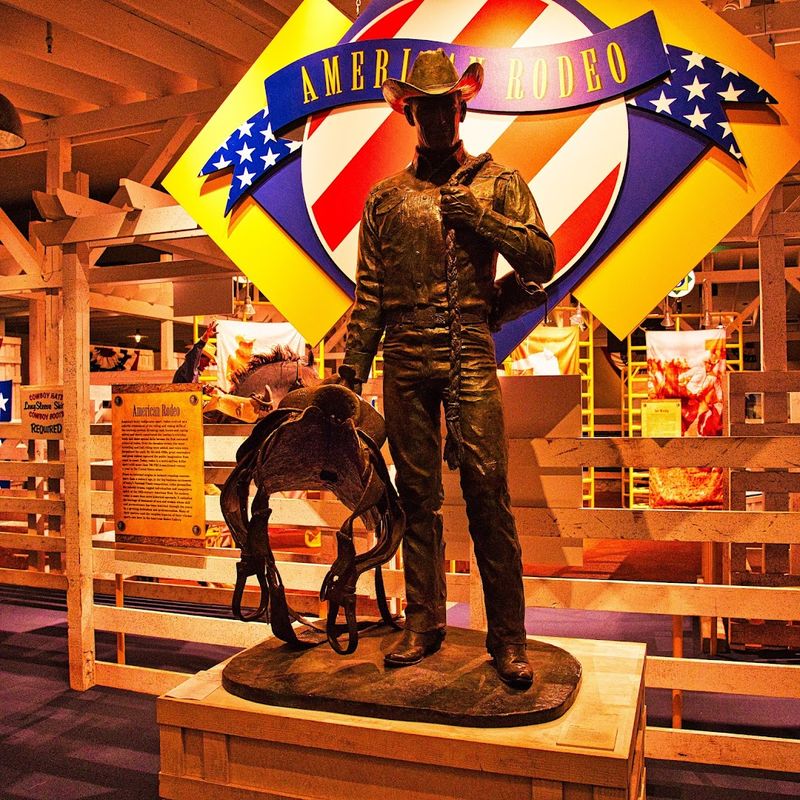
Rodeo culture has deep roots in Oklahoma, and the museum honors that history with a dedicated section that celebrates the sport’s greatest competitors. The Rodeo Hall of Fame feels like stepping into the locker room of legends, with championship belt buckles, custom saddles, and black-and-white photographs lining the walls.
The exhibits trace the evolution of professional rodeo from informal ranch competitions to the massive touring events that fill arenas today. Informational panels explain the different events, from bull riding and barrel racing to team roping and steer wrestling, in a way that makes the sport accessible even if you have never attended a live rodeo.
What stands out most is how personal these displays feel. You see the actual gear these riders used, the scars and story behind each championship, and the community that built the sport from the ground up.
Professional Bull Riders content is also woven in, giving the exhibit a modern edge alongside its historical depth. By the time you leave this section, you will have a genuine appreciation for what it takes to compete at the highest level in the arena.
Hollywood and the Western Film Legacy
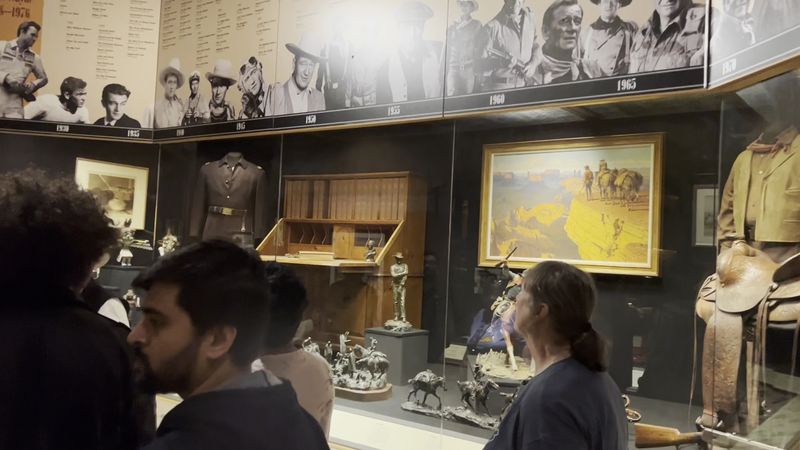
Cowboys and Hollywood have been inseparable since the earliest days of silent film, and the museum dedicates a fascinating section to that relationship. Movie posters, costumes, prop weapons, and behind-the-scenes photographs trace the Western genre from its black-and-white beginnings to the modern era.
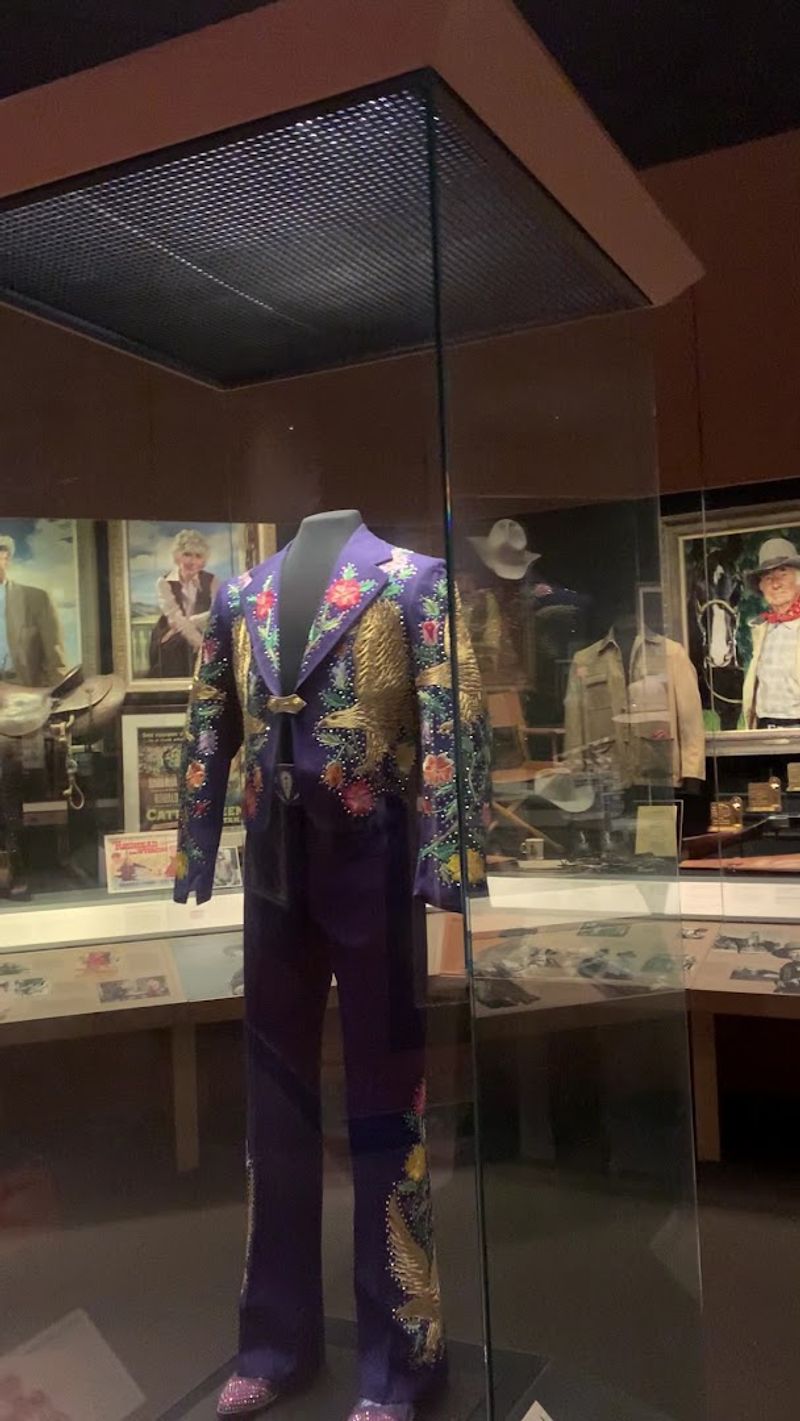
Actual wardrobe pieces worn by famous actors in iconic films are displayed here, and there is something undeniably thrilling about seeing the real thing up close rather than a reproduction. The exhibit also explores how Western films shaped public perception of the frontier, sometimes accurately and sometimes with a healthy dose of Hollywood invention.
Film buffs and history enthusiasts will find plenty to debate in this section, and the museum handles the nuance well, acknowledging both the cultural power of Western cinema and its complicated relationship with historical accuracy. Kids who grew up watching Western cartoons or movies will recognize enough familiar elements to stay engaged, while adults can dig into the deeper storytelling behind the displays.
It is one of those rare museum sections that works equally well for every age group in the room.
Firearms and Weapons of the Wild West
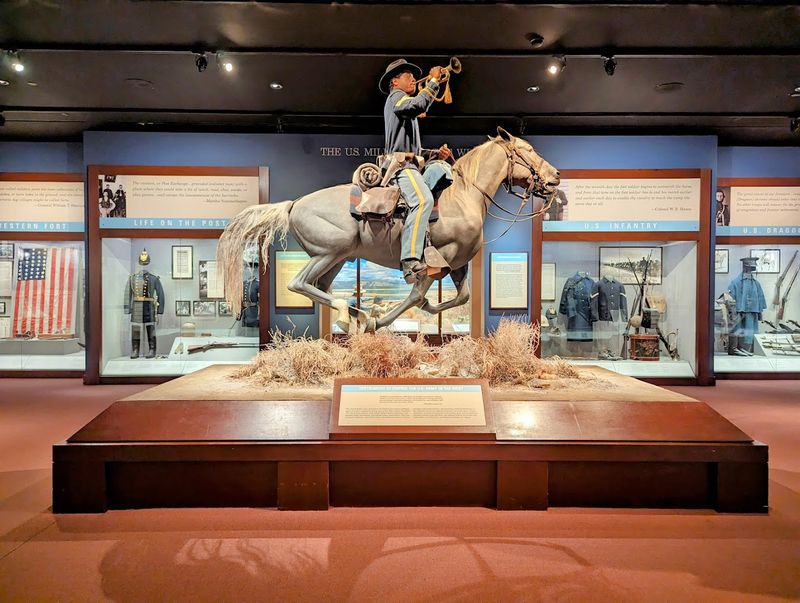
Few things define the popular image of the Wild West more than its firearms, and the museum’s collection of historic weapons is one of the most extensive you will find anywhere. Colt revolvers, Winchester rifles, and elaborately engraved presentation pieces line display cases throughout the building.
What makes this collection special is the context provided around each piece. You learn not just what the weapons looked like but who carried them, how they were manufactured, and what role they played in westward expansion, law enforcement, and everyday frontier life.
Some pieces belonged to historically significant figures, and the documentation is detailed enough to feel genuinely educational rather than just decorative.
The engraving work on some of the presentation firearms is extraordinary, with scrollwork and inlaid silver that turns a functional object into a piece of fine art. Veterans visiting on days like Veterans Day receive free admission, which is a thoughtful gesture given how much military history intersects with the westward expansion story told throughout the museum.
Whether or not firearms are your personal interest, this collection is hard to walk past without stopping.
Saddles, Clothing, and Everyday Cowboy Gear
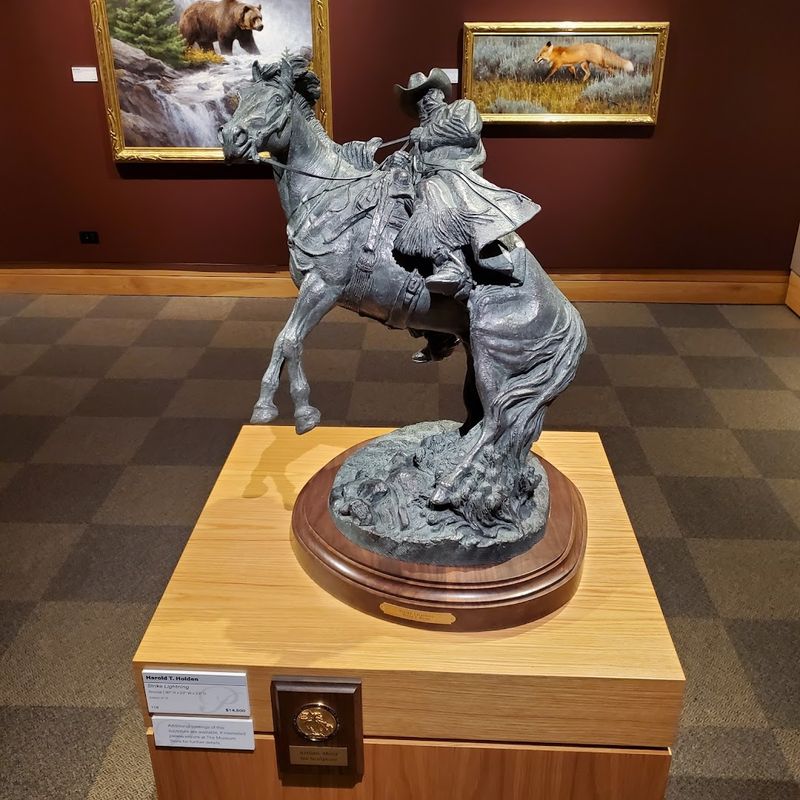
Cowboys were practical people, and their gear reflected that practicality in the most beautiful ways. The museum’s collection of saddles, clothing, and everyday working equipment is a love letter to the craftsmanship of the frontier era, and it is far more visually compelling than you might expect before you see it in person.
Hand-tooled leather saddles with elaborate floral and geometric designs sit on display stands, each one representing hundreds of hours of skilled labor. Custom spurs, embroidered shirts, and hand-stitched boots tell the story of a culture that took enormous pride in both function and appearance.
The variety is remarkable, from the simple working gear of a trail hand to the showstopping outfits of rodeo performers.
Reading the labels beside each piece adds real depth to the experience. You find out which saddle came from a specific ranch, which pair of boots belonged to a working cowboy in the 1890s, and what the different styles of hat brims meant in different regions.
It is the kind of detail-rich exhibit that rewards slow, curious visitors and makes a strong case for why this museum holds a 4.8-star rating across thousands of reviews.
The Immersive Show Experience
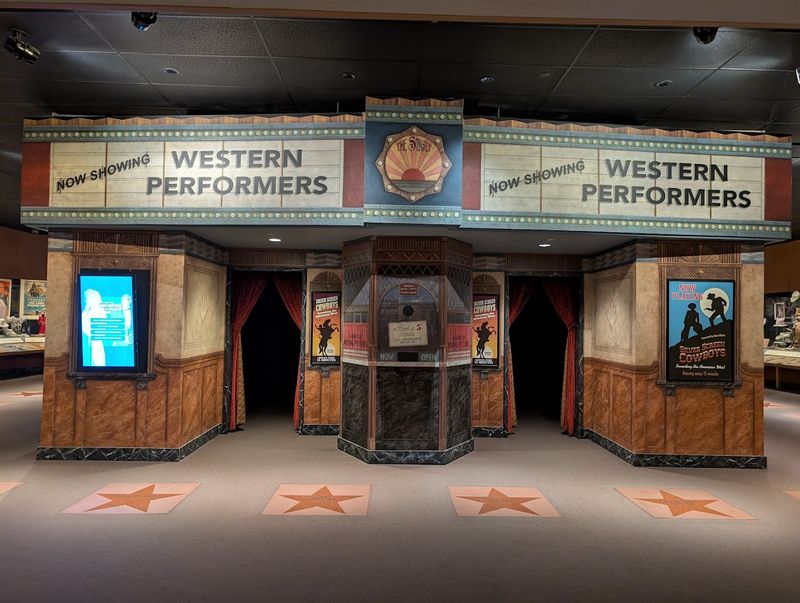
Beyond the static exhibits, the museum offers an immersive multimedia experience that several recent visitors have called worth the price of admission all by itself. The show uses large-format projection and surround sound to walk audiences through the evolution of cowboy culture in a way that feels more like an event than an educational program.
The production value is genuinely high, with sweeping visuals of open plains, dramatic historical recreations, and a narrative that connects the cowboy’s story to the broader arc of American history. It runs for a set duration and is scheduled throughout the day, so checking the current schedule when you arrive is a smart move.
First-time visitors sometimes skip the immersive experience to save time, and almost all of them later say that was a mistake. Budget an extra 30 to 45 minutes specifically for this, and treat it as a separate attraction rather than an add-on.
The combination of the ghost town, the art galleries, and this show creates a layered experience that covers the history of the American West more completely than most people expect when they first pull into the parking lot.
The Museum Grill and Gift Shop
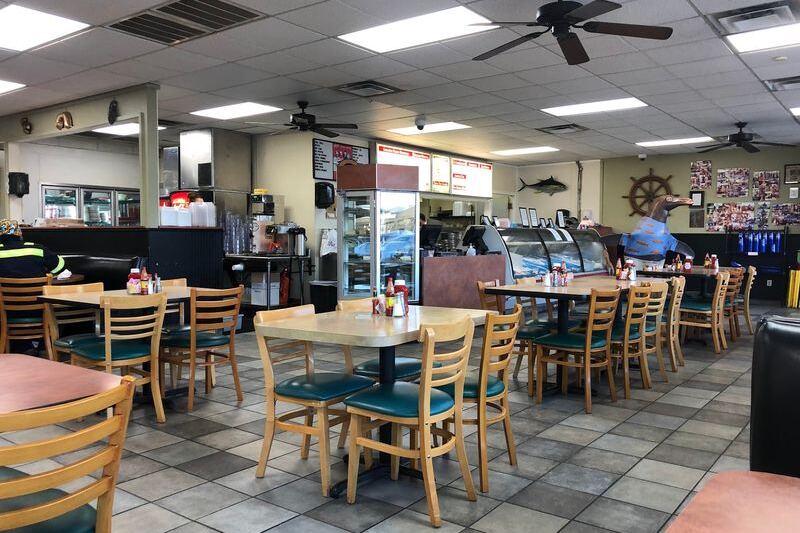
Museum fatigue is real, and the Museum Grill is a genuinely good place to reset before tackling the second half of the building. The menu leans toward hearty American fare, with a tortilla soup that carries real depth of flavor and a southwest chicken wrap that is large enough to count as a full meal rather than a snack.
The chef salad is fresh and well-assembled, and the overall quality is noticeably above the average museum cafeteria standard. The space is clean, the service is friendly, and the Western-themed decor continues the visual language of the rest of the building without feeling forced.
The gift shop is a legitimate destination on its own, stocked with books, art prints, branded merchandise, and Western-themed souvenirs that range from affordable keepsakes to higher-end collectibles. It sits near the exit, which means you will walk through it whether you plan to shop or not.
That said, the quality of the merchandise is high enough that most visitors leave with at least one item. The combination of a solid meal and a well-curated shop makes the end of the visit feel as satisfying as the beginning.
Outdoor Sculptures and Grounds
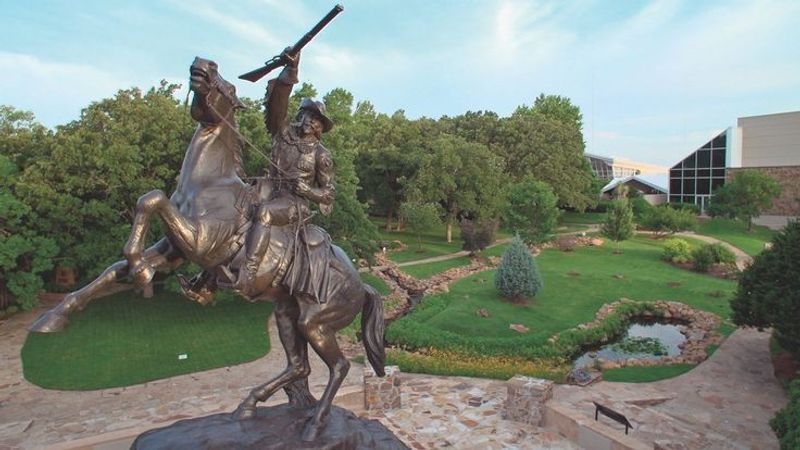
The grounds surrounding the museum are worth exploring on their own, particularly on a pleasant day. Large bronze sculptures are positioned throughout the landscaped exterior, depicting cowboys on horseback, cattle drives in motion, and frontier scenes that continue the storytelling begun inside the building.
The outdoor playground area gives younger visitors a chance to burn off energy between exhibits, which parents traveling with children will appreciate more than words can express. The landscape is well-maintained, with walking paths that connect the sculptures and offer good views of the building’s impressive exterior architecture.
One practical note: the outdoor exhibits can be affected by weather, so a rainy day visit means focusing your energy on the indoor galleries, which are extensive enough to fill a full day regardless. On a clear Oklahoma afternoon, though, spending 20 minutes outside walking among the bronzes adds a satisfying physical dimension to what is otherwise an indoor experience.
The sculptures are large and dramatic, and several of them are detailed enough to reward a close-up look rather than just a passing glance from the parking lot.
Tips for Getting the Most Out of Your Visit
A few practical details can make the difference between a good visit and a great one. The museum is genuinely large, and most people underestimate how much time they need.
Plan for at least three hours if you want to move at a comfortable pace, and four or more if you want to do the immersive show and spend real time in the art galleries.
Friday and Saturday are the best days for visitors who want extended hours, since the museum stays open until 8 PM on those days. Weekday mornings tend to be the least crowded, which makes it easier to linger in front of exhibits without feeling rushed by foot traffic behind you.
Veterans receive free admission on Veterans Day, and it is worth calling ahead at 405-478-2250 or checking nationalcowboymuseum.org for any special events or temporary exhibits that might be running during your visit.
Wear comfortable shoes because the floors are hard and the building is vast. The staff and volunteer guides are knowledgeable and genuinely enthusiastic, so asking questions is always a good idea.
Oklahoma has produced some remarkable cultural institutions, and this museum stands proudly among the best of them.
Share this story