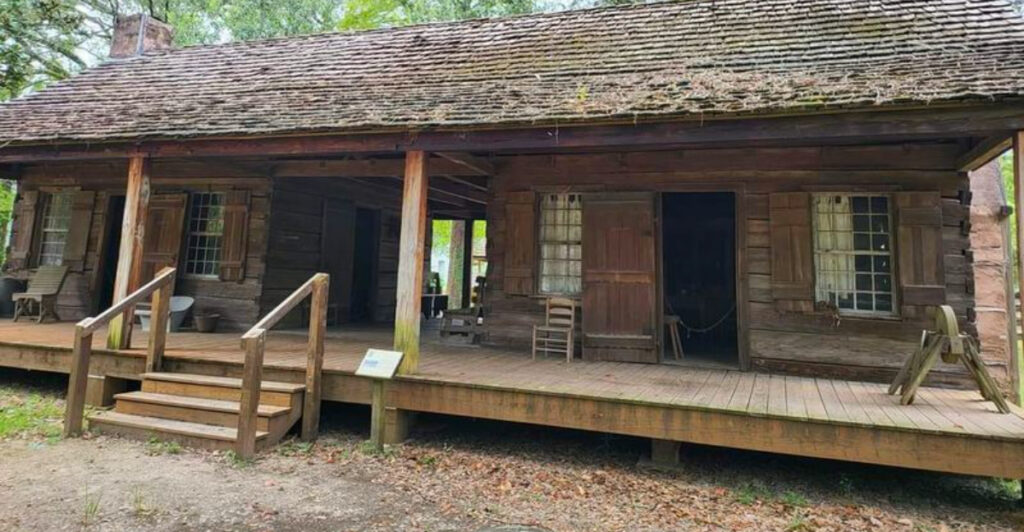
There is a place in Baton Rouge where you can walk through actual 19th-century buildings, stand inside a one-room church, and get a real sense of what daily life looked like in rural Louisiana more than 150 years ago. Most people drive right past it without knowing it exists.
The LSU Rural Life Museum sits on the grounds of a working plantation and holds one of the most remarkable collections of historic structures and artifacts in the entire South. Once you step onto those grounds, it is hard not to feel like time has quietly shifted around you.
The Story Behind the Museum
Not every museum starts with a single family’s determination to save history before it disappears. The Louisiana State University Rural Life Museum, located at 4560 Essen Lane in Baton Rouge, Louisiana, grew from the private collection of Steele Burden, a landscape architect and preservationist who spent decades gathering artifacts and structures that told the story of everyday rural life in Louisiana.
Burden donated his collection and land to LSU, and the museum officially opened to the public. Today it operates as one of the most distinctive outdoor history museums in the South.
The property spans roughly 25 acres and gives visitors room to actually move through history rather than simply read about it behind glass. That sense of physical immersion is exactly what makes this place stand apart from a traditional museum experience.
The Barn: A Warehouse of Everyday Life
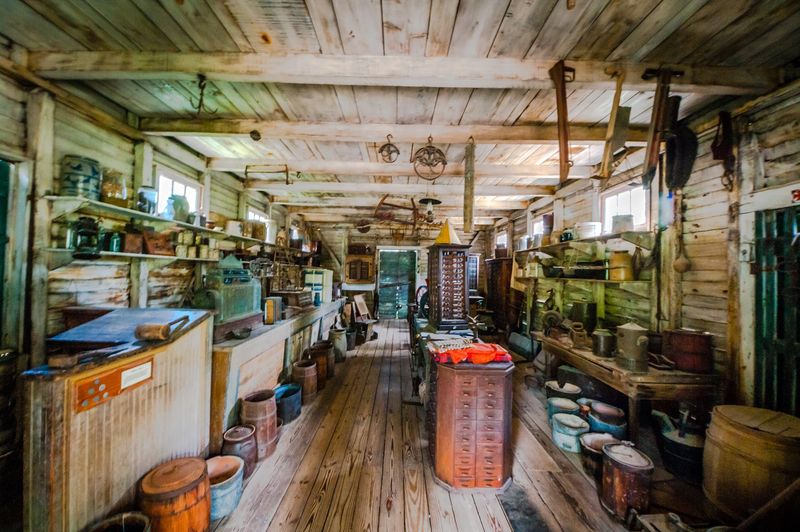
Few spaces inside the museum hit as hard as the Barn, a massive interior warehouse that anchors the indoor collection. Walk through its entrance and you are immediately surrounded by farming equipment, hand tools, kitchen utensils, furniture, and objects that ordinary working people used every single day on Louisiana plantations throughout the 1800s.
The Barn does not feel like a polished exhibit hall. It feels raw and real, which is part of what makes it so memorable.
Quilts hang from the rafters above. Plows and cotton gins crowd the floor.
The sheer volume of objects is almost overwhelming at first.
Much of the collection focuses on the lives of enslaved people who worked on these plantations, giving visitors an honest look at the labor and daily realities that shaped Louisiana’s agricultural history. It is educational in a way that sticks with you long after you leave.
The Outdoor Village of Historic Structures
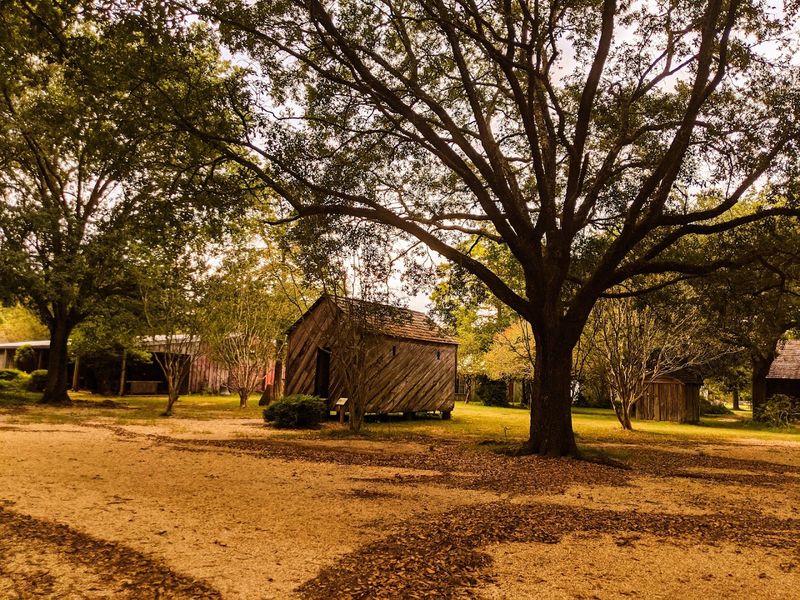
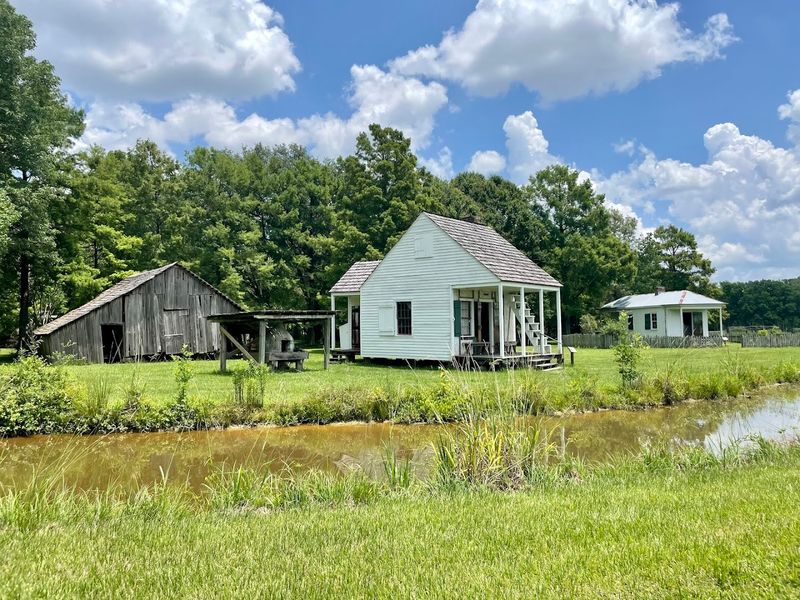
Walking through the outdoor grounds feels less like touring a museum and more like wandering into a town that time forgot. Over 30 historic structures have been relocated to this property and arranged to represent a working 19th-century Louisiana plantation community.
Each building was brought here from its original location and carefully placed to create a realistic sense of how these communities were organized. You can walk from a freestanding kitchen to a blacksmith shop to a schoolhouse without ever getting back in your car.
Some buildings are fully furnished with period items, letting you peer through doorways and actually picture someone living or working there. Others are used for storage or are in various stages of preservation, which adds an unfiltered, behind-the-scenes quality to the visit.
The layout rewards slow walkers who take the time to look closely at every detail along the path.
The Church That Still Feels Sacred
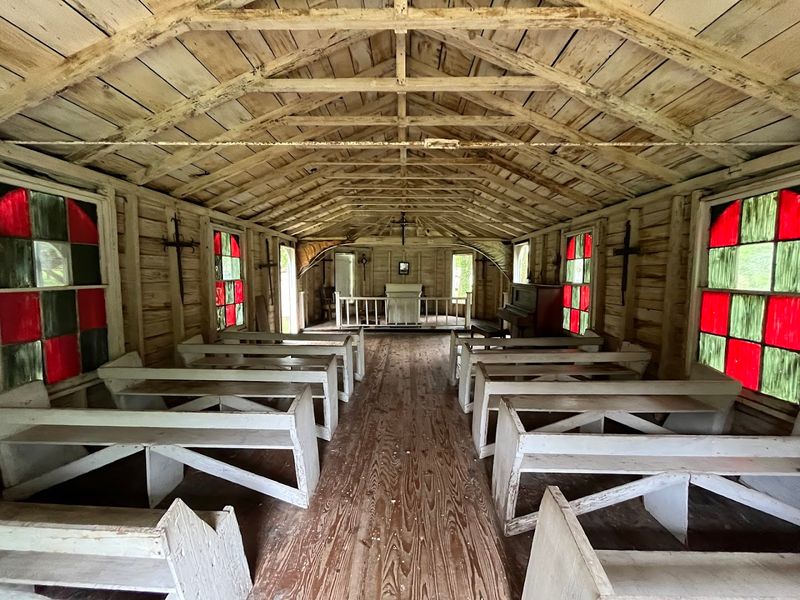
One of the most quietly powerful stops on the outdoor grounds is the historic church. It is a small, simple wooden structure that does not need decoration to make an impression.
The plain wooden pews, the narrow windows, and the worn floorboards do all the talking.
Churches like this one were central gathering places for rural communities throughout the 1800s in Louisiana. They served as social hubs, community meeting points, and spaces of spiritual life for both free and enslaved people, depending on the time period and location.
Standing inside this building, even briefly, gives you a grounded sense of what community meant to people living in isolated rural areas. There are no flashy displays inside, just the structure itself, preserved and honest.
It is the kind of stop that tends to quiet a crowd naturally, which says more about its impact than any exhibit label ever could.
Slave Quarters and the Honest History
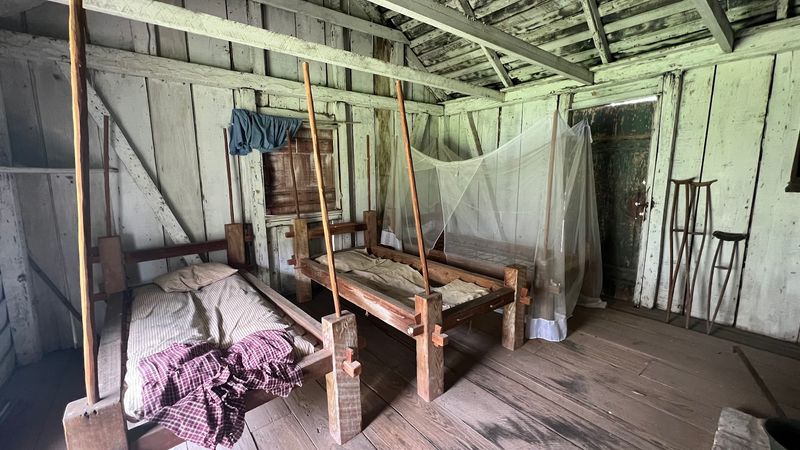
The museum does not look away from the harder parts of Louisiana’s history, and that honesty is one of its most important qualities. The preserved slave quarters on the grounds stand as a direct, unvarnished reminder of the people who built and sustained plantation life in the antebellum South.
These small wooden structures are stark in their simplicity. Thin walls, minimal space, and basic construction tell their own story without needing much explanation.
Walking through them puts a human scale on a chapter of history that can otherwise feel abstract when read in a textbook.
The indoor exhibits also address slavery directly, with artifacts and information that represent the lives of enslaved people with care and respect. Several visitors have noted that the museum’s treatment of this history feels thoughtful and honest rather than sanitized.
That commitment to telling the full story is what separates this museum from many others across the region.
The Carriage and Hearse Collection
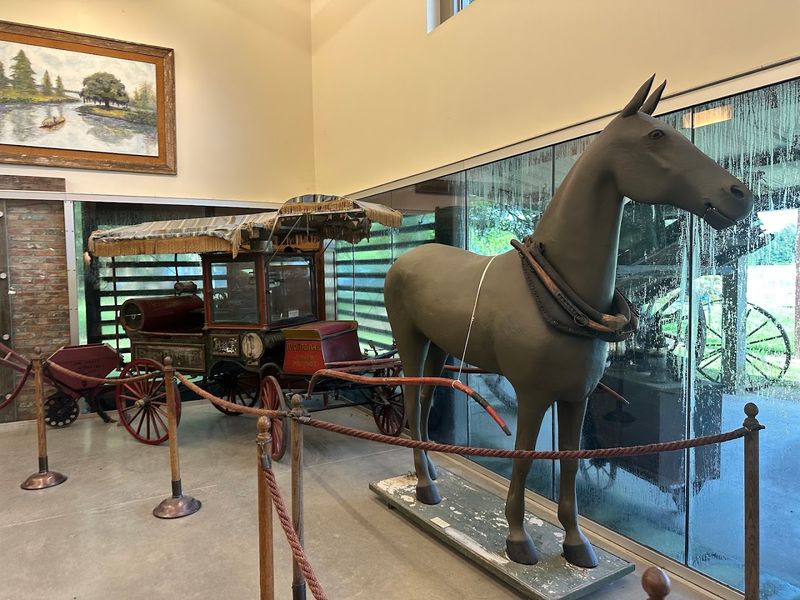
Tucked within the indoor collection is something that surprises almost every first-time visitor: an impressive gathering of antique carriages and hearses from the 19th century. These are not reproductions.
They are original vehicles, remarkably preserved, that once rolled through Louisiana parishes on unpaved roads.
The hearses in particular draw attention. Ornate, dark, and detailed, they offer a window into how rural communities honored their dead during an era when funerals were deeply ceremonial public events.
The craftsmanship on some of these vehicles is genuinely impressive even by modern standards.
The carriages tell a different story, one of transportation, social status, and daily movement across a landscape that had no paved roads or automobiles. Seeing these vehicles in person makes you realize how physically demanding life was before the 20th century changed everything.
It is one of those moments in the museum where an object communicates more than a paragraph of text ever could.
The Plantation House and Its Grounds
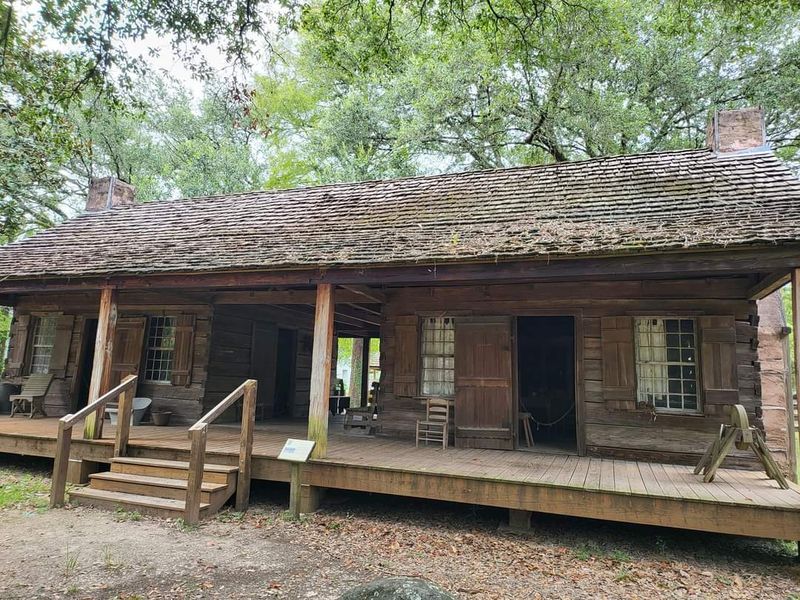
The plantation house on the property anchors the entire outdoor experience in a way that gives context to everything else you see around it. Its architecture is a clear reminder of the social hierarchy that defined plantation life, with the main house positioned at the center of a working community built on the labor of others.
The surrounding grounds are peaceful in a way that feels almost strange given the weight of the history attached to the land. Mature trees shade wide open spaces, and the layout of the buildings around the main house makes the power dynamics of plantation life physically visible rather than just described.
That spatial storytelling is something you rarely get in a traditional indoor museum. Here, the landscape itself becomes part of the exhibit.
Walking from the main house outward toward the quarters and work buildings creates a physical experience of the distance between privilege and hardship.
The Commissary and Post Office
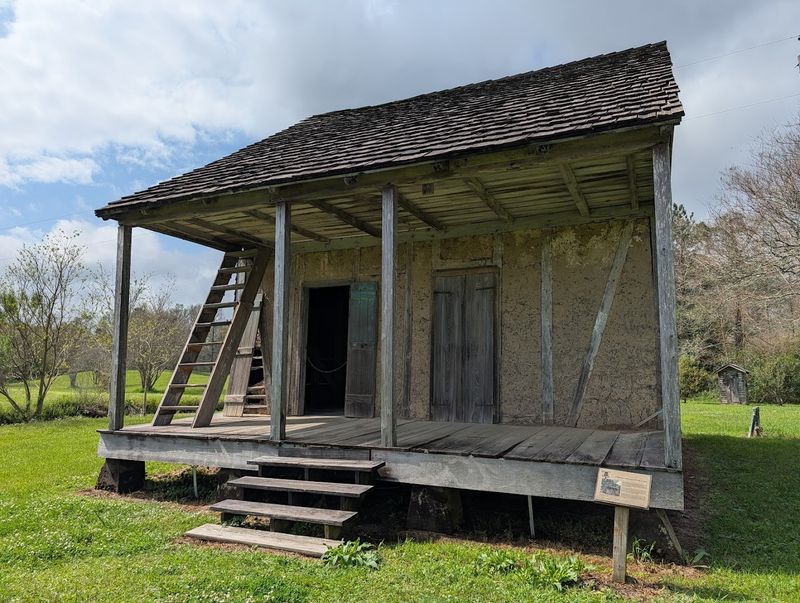
Among the more surprising buildings on the outdoor grounds is the commissary, a type of company store that was common on large plantations and in rural communities throughout Louisiana. After emancipation, commissaries often became a tool of economic control, keeping workers tied to debt through a system of credit and inflated prices.
The post office building nearby adds another layer to the story of rural community life. Mail was a lifeline for isolated families, connecting them to relatives, news, and the wider world beyond their immediate surroundings.
Together, these two structures remind visitors that plantation communities were not just agricultural operations. They were complex social and economic systems with their own internal commerce, communication, and hierarchy.
Having the actual buildings to walk through rather than just photographs to look at makes this history feel immediate and real. These are the kinds of details that make the Rural Life Museum genuinely educational rather than simply decorative.
The Freestanding Kitchen
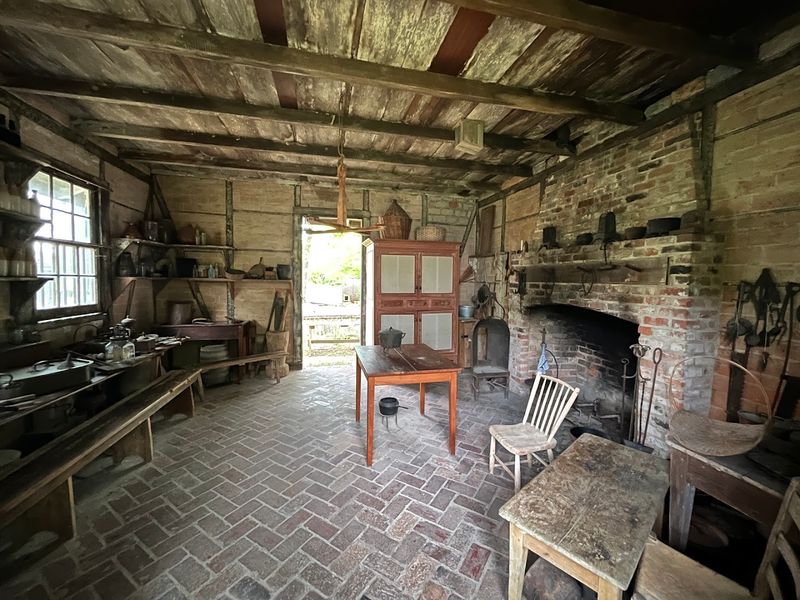
One architectural detail that surprises many visitors is the freestanding kitchen, a separate building used specifically for cooking that was kept apart from the main house. This was a common design choice on Southern plantations, primarily because a detached kitchen reduced the risk of fire spreading to the main residence.
The kitchen at the Rural Life Museum still holds its original hearth and some period cooking equipment, giving you a clear picture of how labor-intensive food preparation was before modern appliances existed. Every meal required hours of physical work, open-flame cooking, and careful management of heat and timing.
The women who worked in these kitchens, often enslaved, were skilled in ways that rarely get acknowledged in mainstream history. The freestanding kitchen at this museum quietly honors that labor by preserving the space where it happened.
It is a small building with an enormous amount of history packed inside its walls.
The Indoor Exhibit Hall
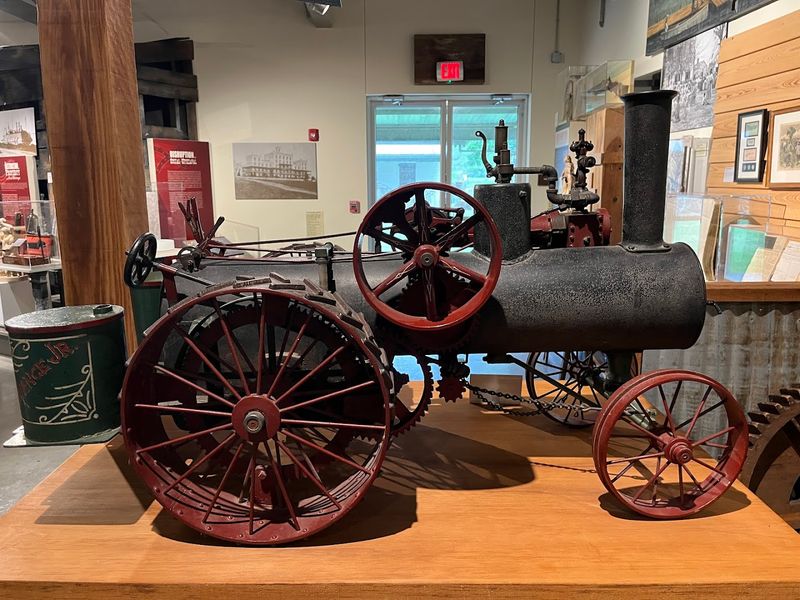
Before heading outside to the historic structures, most visitors start their tour in the main indoor exhibit hall, and it sets a strong tone for everything that follows. The exhibits here cover a broad range of topics related to rural Louisiana life, from agriculture and craft traditions to the social structures that shaped communities throughout the 1800s.
The displays include artifacts, photographs, maps, and written histories that give context to what you are about to see outdoors. It is the kind of introduction that makes the outdoor experience richer because you arrive with more knowledge than you had when you walked in.
One area that consistently draws attention is the section dedicated to the lives of enslaved people, presented with care and historical accuracy. The museum’s willingness to address this history directly, rather than glossing over it, gives the entire collection a credibility that visitors clearly appreciate and remember.
The Filming Connection Most Visitors Miss
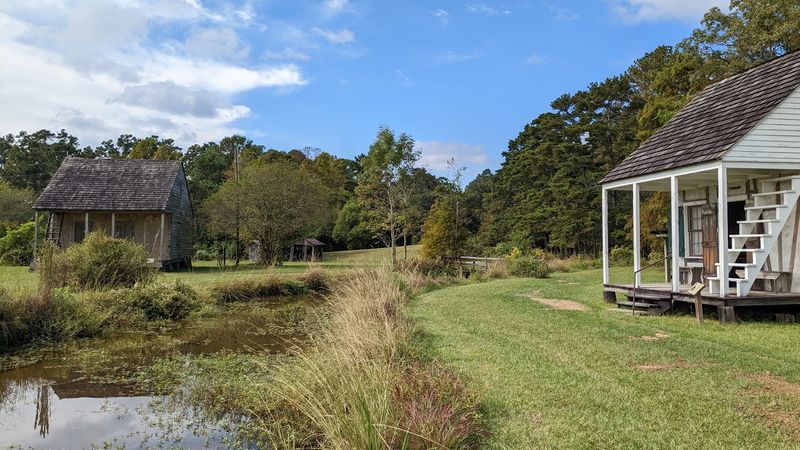
Here is something most people walking through the grounds have no idea about: the LSU Rural Life Museum has served as a filming location for major television productions. The remake of Roots, along with The Underground and Paradise Lost, used these very buildings and grounds as their backdrop.
That fact lands differently once you are actually standing among the structures. The authenticity of the buildings is part of what made them attractive to film productions looking for real period architecture rather than constructed sets.
These are not replicas built to look old. They are original structures with genuine history embedded in every plank and nail.
Knowing that professional film crews chose this location for serious historical dramas adds a layer of validation to what the museum has preserved here. The grounds look exactly as cinematic in person as they do on screen, which is a testament to how carefully the property has been maintained over the years.
The Rose Gardens and Natural Landscaping
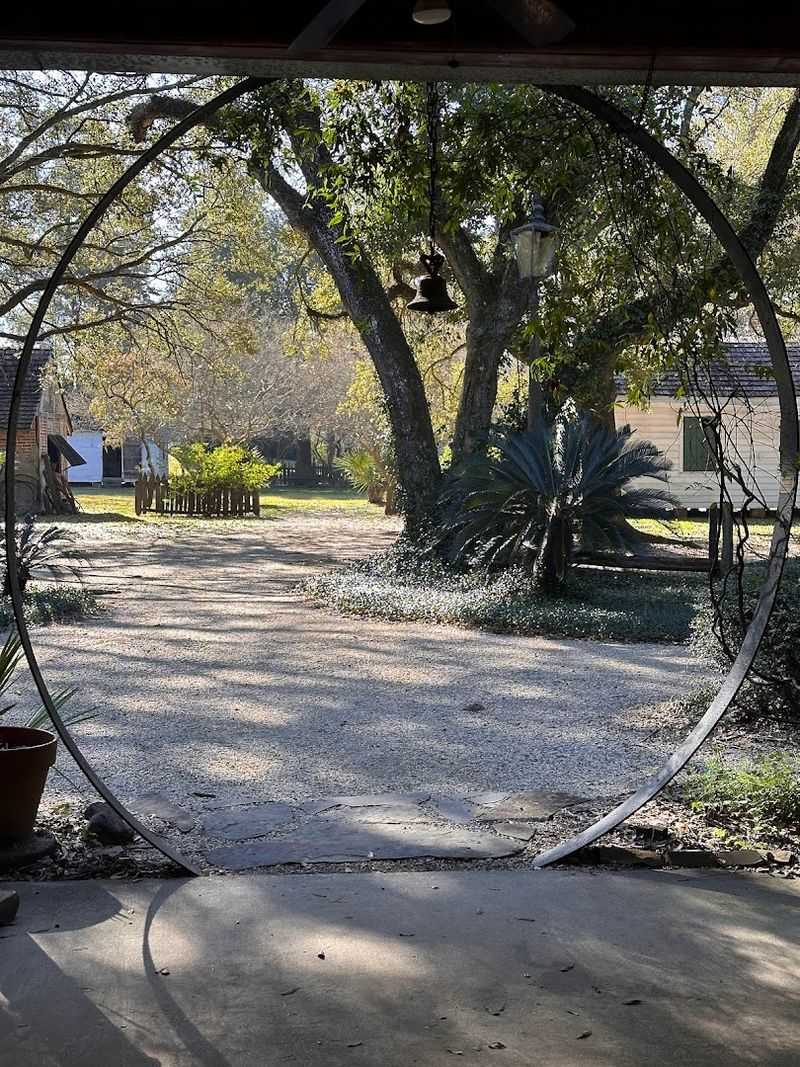
Not everything at the Rural Life Museum is about solemn history. The rose gardens on the property offer a genuinely lovely contrast to the weathered wooden buildings nearby.
When the roses are in full bloom, the gardens bring a burst of color and fragrance to the grounds that feels almost celebratory against the backdrop of preserved history.
The landscaping throughout the property was significantly shaped by Steele Burden himself, who was a skilled landscape architect before becoming the museum’s founding force. His eye for design is visible in the way the trees, paths, and open spaces flow together across the 25 acres.
The overall setting is peaceful and unhurried, which makes the museum a good option for visitors who want to spend time outdoors without the noise of a crowded attraction. Many people find themselves slowing down naturally once they step onto the grounds, drawn in by the quiet and the shade.
Louisiana Lights: The Winter Transformation
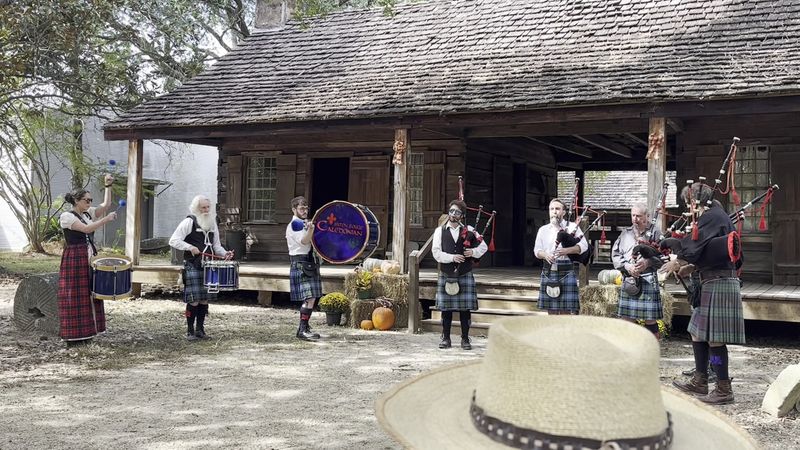
Each winter, the museum undergoes a transformation that draws an entirely different crowd than the history-focused visitors who come during daylight hours. Louisiana Lights is a seasonal event that fills the outdoor grounds with thousands of Christmas lights, turning the historic buildings and garden paths into a glowing nighttime landscape.
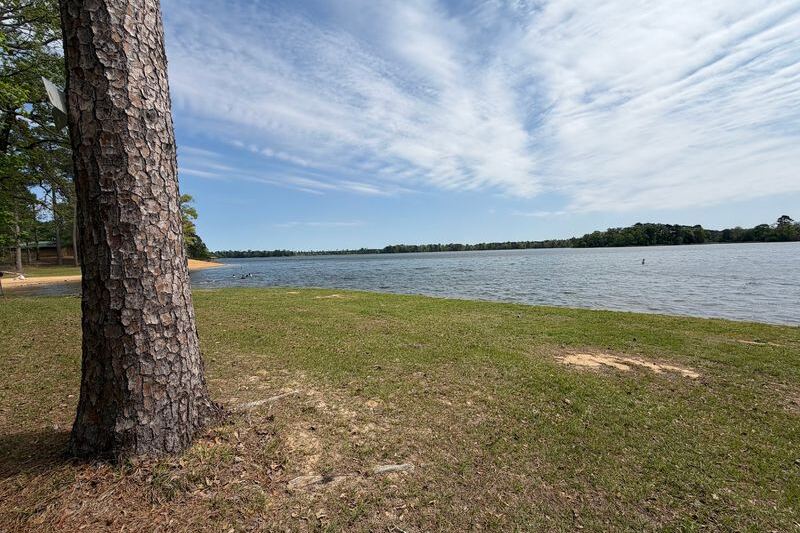
The event runs along a walking trail through the property, with stations offering hot cocoa and s’mores near the lake. The combination of festive lights reflecting off the water and the silhouettes of the historic buildings creates a setting that feels genuinely magical without being over-produced.
Tickets must be purchased in advance online, and the event has grown popular enough that dates sell out. Some evenings are designated as pet-friendly nights, which adds a casual, community feel to the experience.
It is a completely different way to see the museum grounds, and for many Baton Rouge families, it has become an annual tradition.
Practical Tips for Planning Your Visit
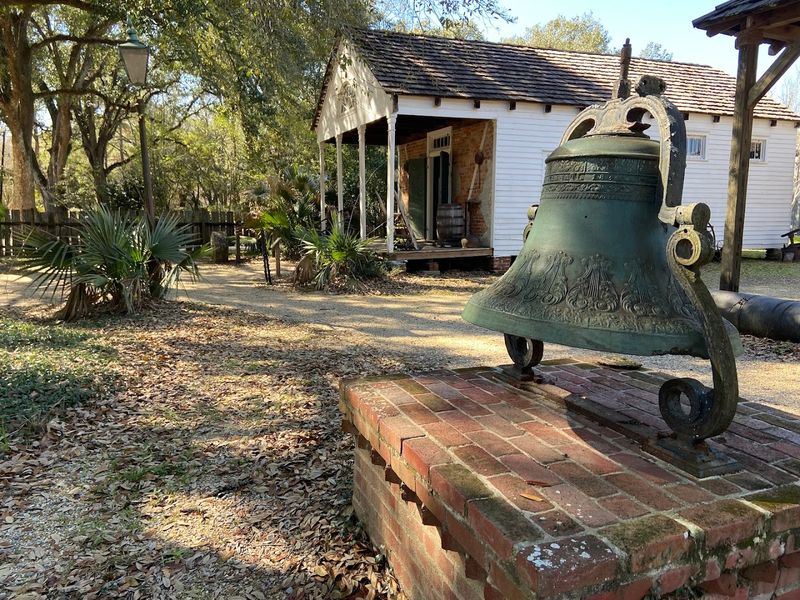
The museum is open daily from 8 AM to 4:30 PM, which gives you a solid window of time to explore both the indoor exhibits and the outdoor grounds. Plan for at least two to three hours if you want to see everything without rushing, and save the indoor portion for the end since the outdoor grounds close earlier.
Admission is affordable, with reduced rates available for seniors. The museum offers a pre-recorded walking tour that many visitors find genuinely helpful for getting the most out of the outdoor structures.
Without it, some of the context can be harder to piece together on your own.
Wear comfortable shoes because the outdoor grounds cover real terrain, not smooth indoor floors. The paths are manageable but can be uneven in places.
Parking is available on site, and the entrance is located along Essen Lane, though first-time visitors should follow the signs carefully once they turn onto the property road.
Why This Museum Stays With You
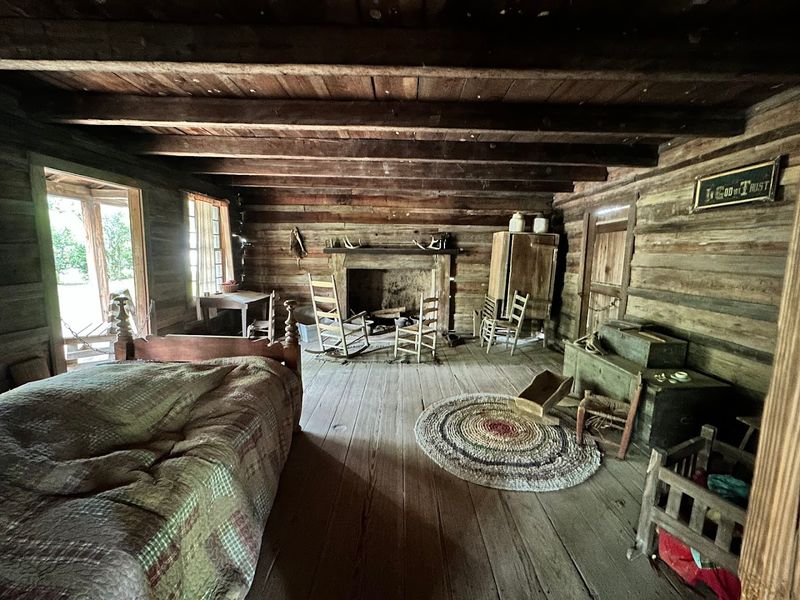
Some museums leave you with a brochure and a vague sense that you learned something. The Rural Life Museum leaves you with something harder to shake.
The combination of real buildings, honest history, and open space creates an experience that feels personal rather than institutional.
Walking through structures where real people once lived, worked, cooked, prayed, and endured is fundamentally different from reading about those same people on a wall panel. The physicality of the place does something that text and photographs cannot fully replicate.
Teachers, families, history enthusiasts, and curious travelers all seem to find something meaningful here, even if they arrive with different expectations. The museum is not perfectly polished, and some areas are rougher than others, but that imperfection is part of what makes it feel authentic.
A place this honest about the past deserves more attention than it typically gets, and a visit here is one you are unlikely to forget quickly.
Share this story