There is a building in St. Paul where full-sized steam locomotives still get repaired by hand, the smell of old metal hangs in the air, and a caboose ride is still part of the afternoon. Most people drive right past it without knowing it exists.
This is one of the few surviving working railroad roundhouses in the entire Twin Cities area, and it has been quietly preserving railroad history for decades. Once you walk through those doors, it is hard to believe a place this remarkable has stayed so far under the radar.
What the Jackson Street Roundhouse Actually Is
Not every museum announces itself with a grand entrance, and the Jackson Street Roundhouse is proof of that. Operated by the Minnesota Transportation Museum, it sits at 193 Pennsylvania Ave E, St. Paul, MN 55130, United States, in a spot that feels more industrial than touristy.
The roundhouse itself is a real working facility, not just a display space. Volunteers actively restore historic locomotives and rail cars right on the premises, which makes every visit feel more like a backstage pass than a typical museum trip.
What sets it apart from most railroad museums is that the building and its equipment are genuinely functional. Engines that once hauled passengers across Minnesota are being brought back to life here, piece by piece.
That ongoing work gives the place an energy that static exhibits simply cannot match.
The History Behind the Roundhouse Structure
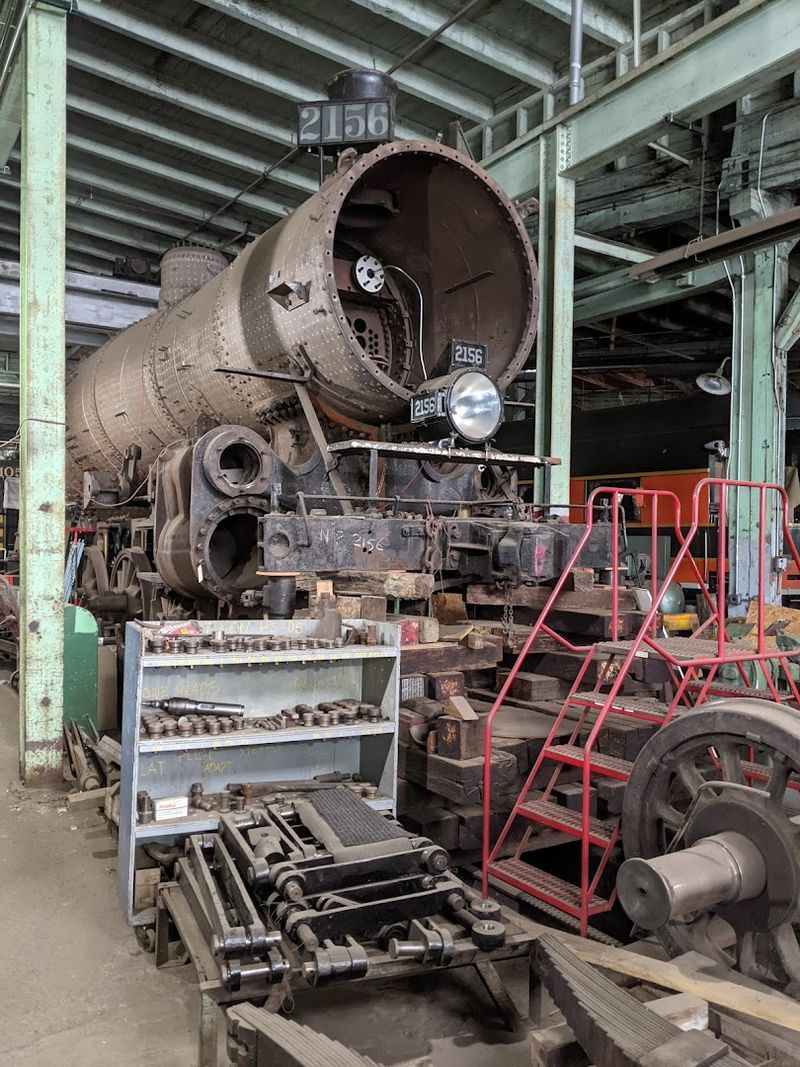
Roundhouses were once essential to American railroading. They were built in a circular or semi-circular shape around a central turntable, allowing locomotives to be rotated and directed into individual repair stalls.
At their peak, roundhouses like this one were the heartbeat of the rail network. Engines came in for maintenance, fueling, and inspection before heading back out on long routes across the country.
Without them, the railroad system simply could not have functioned at the scale it did.
Very few of these structures survive today. Many were torn down as diesel replaced steam and rail traffic declined through the mid-20th century.
The fact that this one in St. Paul still stands, and still operates as intended, puts it in a genuinely rare category. Railroad historians consider surviving roundhouses to be some of the most significant industrial landmarks left in the United States.
The Working Machine Shop Tour
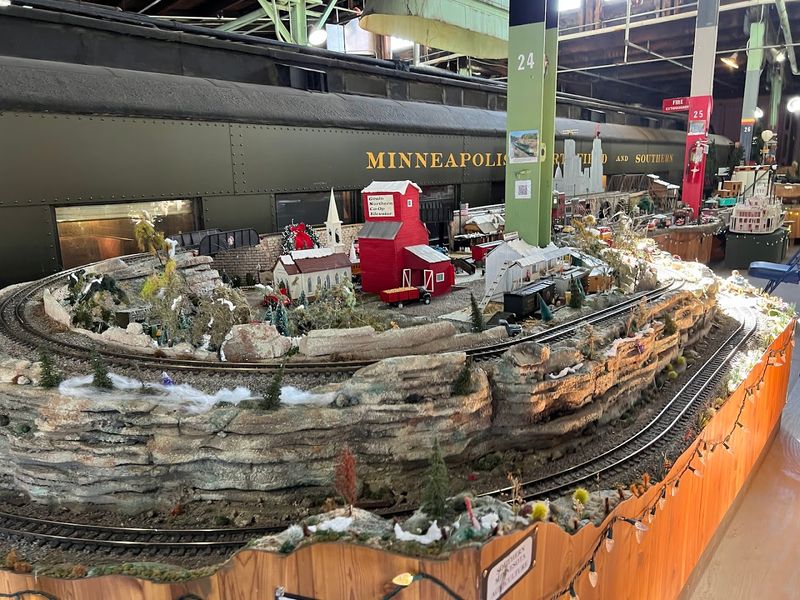
One of the most talked-about parts of a visit here is the machine shop tour, and it is easy to see why. This is where active restoration work happens, and guests who request the tour get to walk right through it.
Volunteers with deep knowledge of railroad mechanics guide visitors through the space, explaining what each piece of equipment does and how locomotives are brought back from years of disuse. It is hands-on history in the most literal sense.
The tools inside the machine shop are themselves historic artifacts. Some of the equipment dates back many decades and is still being used for its original purpose.
Watching a volunteer explain how a particular machine works on a real locomotive component is the kind of experience that simply does not happen at most museums. First-time visitors consistently say the machine shop tour is the highlight of the entire trip.
Steam Locomotives Up Close
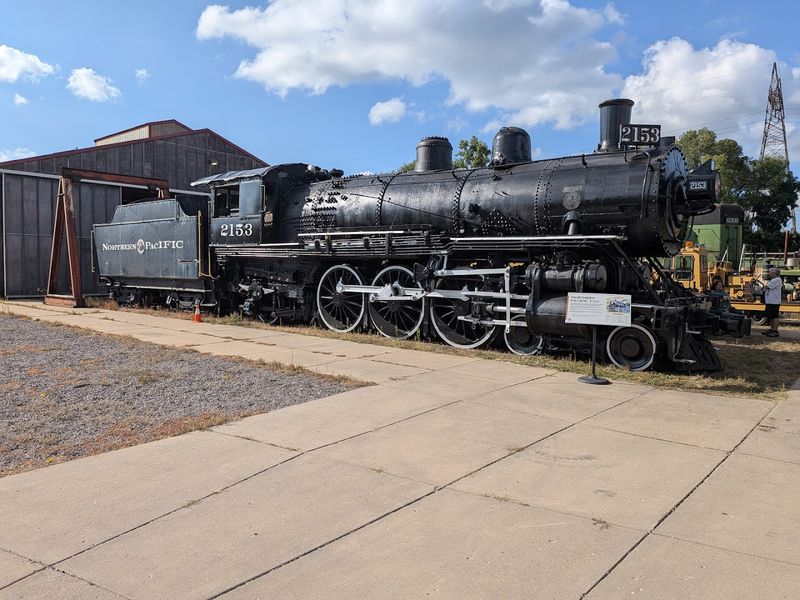
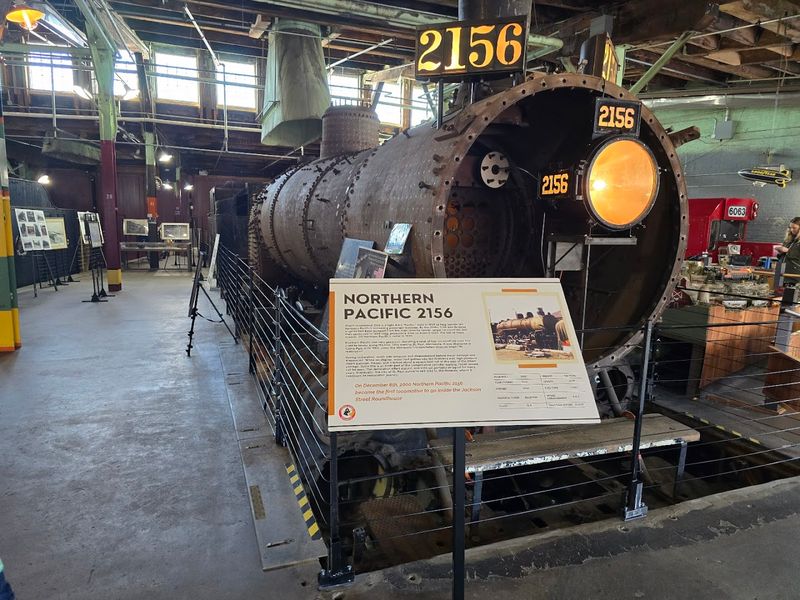
There is something genuinely surprising about standing next to a full-sized steam locomotive. No photograph prepares you for how large these machines actually are.
The sheer scale of the boiler, the driving wheels, and the running gear makes it clear why these engines once commanded so much awe.
At the Jackson Street Roundhouse, several locomotives are accessible at close range. You can walk alongside them, look up into the cab, and study the mechanical details in a way that glass barriers at other museums simply do not allow.
One locomotive on the grounds is connected to the beloved Minnesota children’s television program featuring Casey the locomotive, which adds a layer of local nostalgia for Twin Cities families. Seeing it in person, mid-restoration, gives it a completely different kind of presence than it had on screen.
For anyone who grew up watching that show, the moment carries real weight.
Walking Through Historic Passenger Cars
Railroad travel used to be an event. Passengers dressed up, dining cars served full meals, and the journey itself was part of the experience.
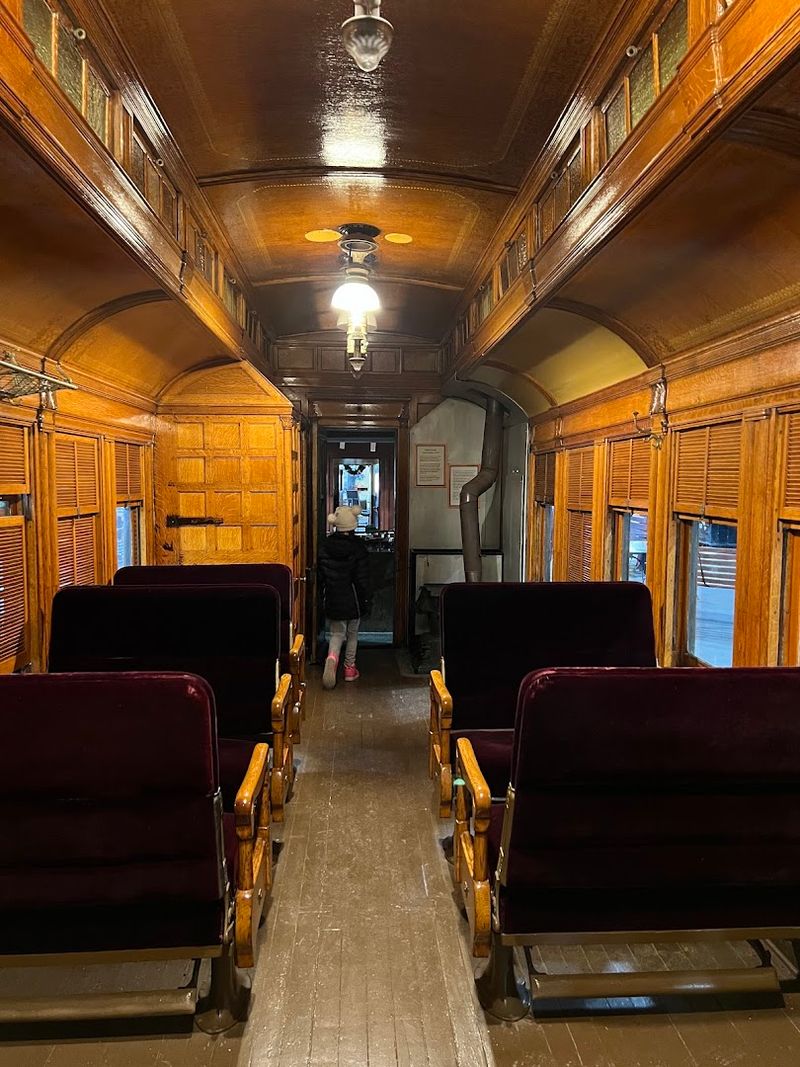
Walking through the historic passenger cars at the Jackson Street Roundhouse brings that era back in a tangible way.
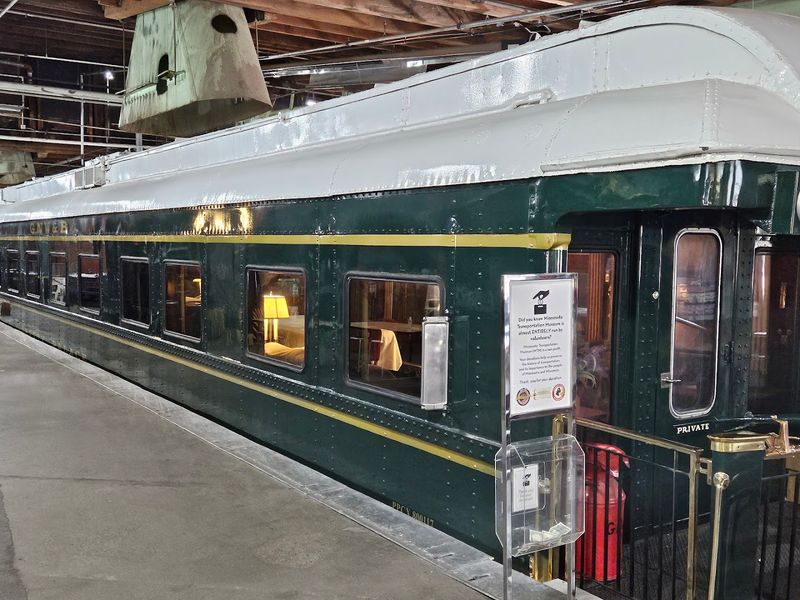
Several cars are open for visitors to explore, including passenger coaches, a dining car, and a mail car. Each one has been preserved with enough original detail to give a genuine sense of what long-distance rail travel felt like before the interstate highway era.
The interiors are quietly fascinating. The seating configurations, the windows, the overhead luggage racks, and the narrow corridors all tell a story about how people moved across the country for generations.
Spending time in these cars is less like looking at history and more like briefly inhabiting it. That distinction is what makes this part of the museum so memorable for adult visitors.
The Caboose Ride Experience
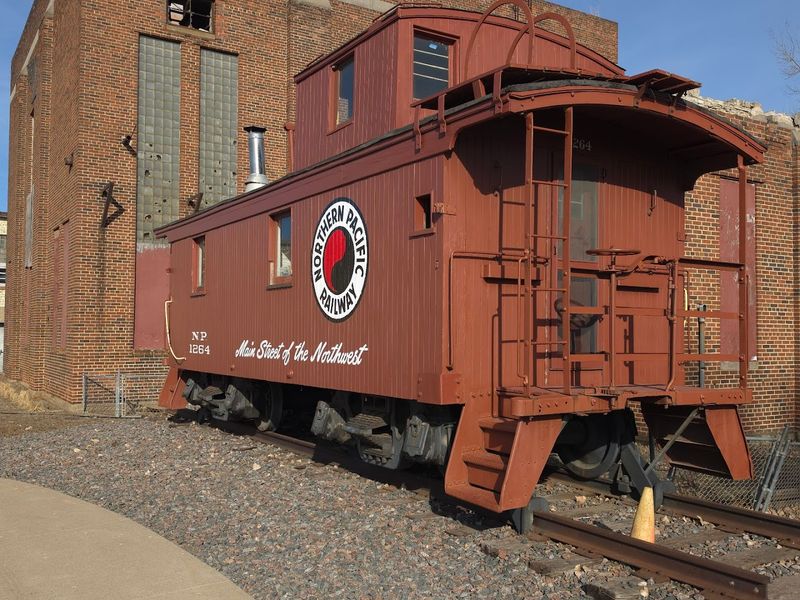
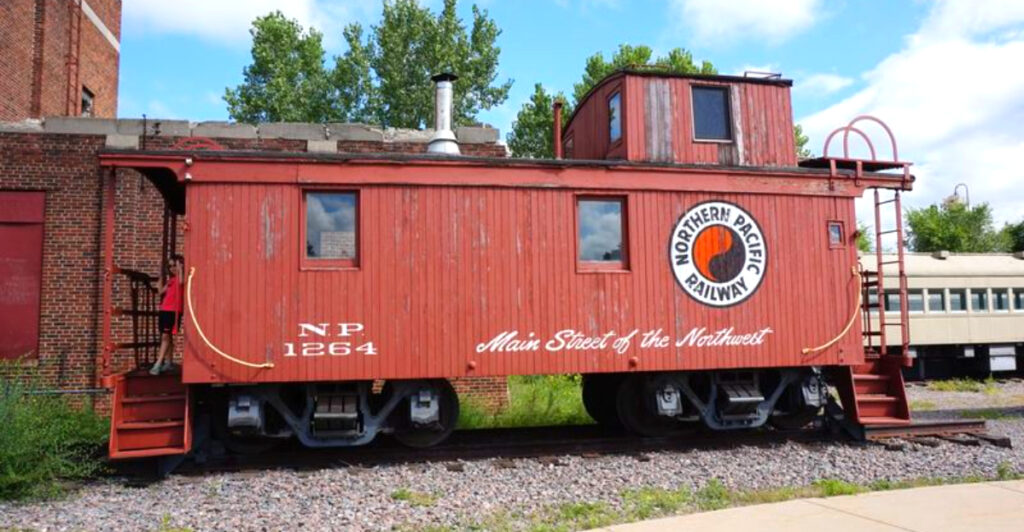
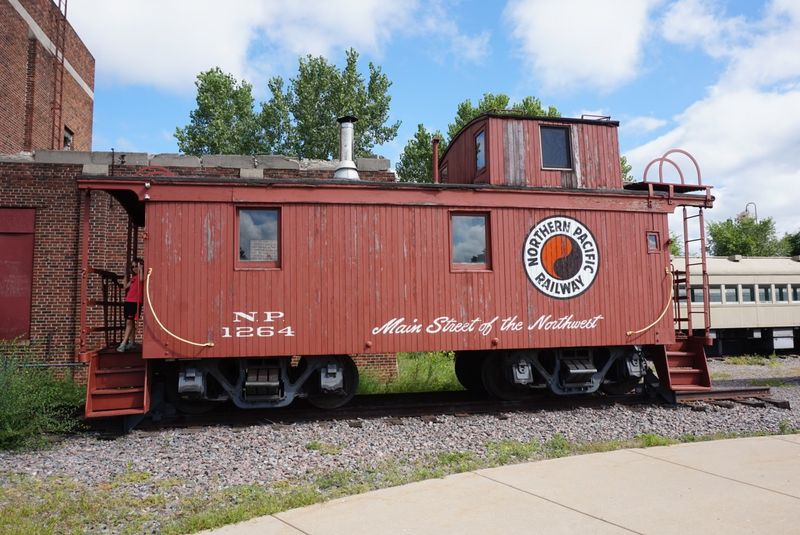
Few things at the Jackson Street Roundhouse generate as much genuine delight as the caboose ride. It is a short trip along the tracks outside the museum, but the experience of riding in an actual historic caboose makes it feel like something much bigger.
The ride is included with museum admission on operating days, which makes it a surprisingly good value. Kids absolutely love it, but adults tend to light up just as much once the caboose starts moving.
There is something about the rhythm of the tracks and the view from the rear of a train that feels different from anything else.
Cabooses were once a standard part of every freight train in America, serving as the crew quarters for the rear brakeman. They were largely phased out by the 1980s.
Riding in one today is a small but genuine connection to a part of railroad culture that most people have only ever seen in old photographs.
The G-Gauge Model Railroad Display
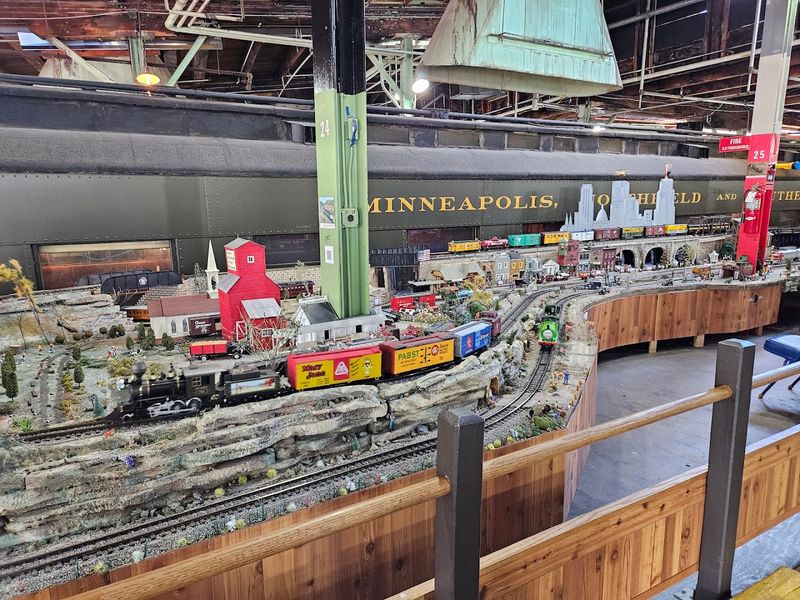
Model railroading has its own devoted following, and the G-gauge layout inside the Jackson Street Roundhouse gives that hobby a well-deserved spotlight. The display features trains running through a detailed miniature landscape, and it draws attention from visitors of every age group.
G-gauge trains are larger than the typical model train sets most people picture. The scale makes the detail work more visible and the movement more satisfying to watch.
Bridges, tunnels, small buildings, and carefully arranged scenery fill the layout in a way that rewards close inspection.
For younger visitors, watching the trains loop through the display is endlessly entertaining. For adults with any background in model railroading, the craftsmanship involved in building and maintaining a layout at this scale is genuinely impressive.
It sits comfortably alongside the full-sized exhibits rather than feeling like a side attraction, which says a lot about how thoughtfully the museum uses its space.
The Kids Play Area and Train Tables
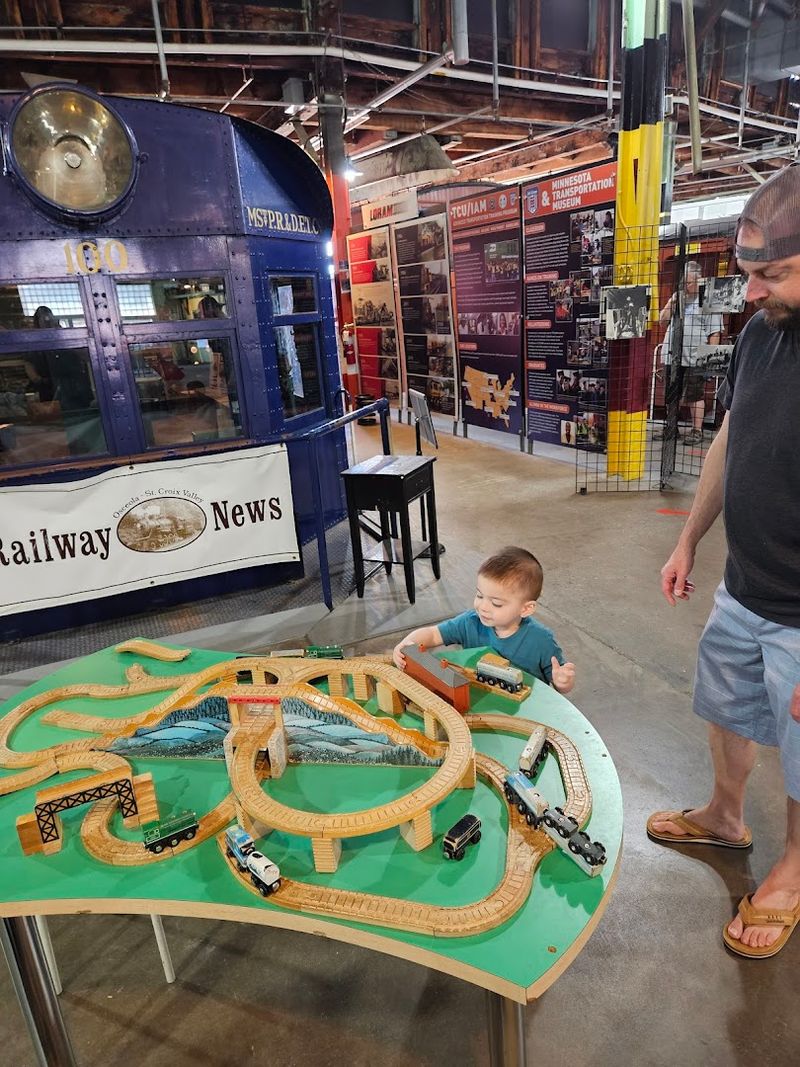
Bringing a toddler or young child to a museum can feel like a gamble, but the Jackson Street Roundhouse has clearly thought about that challenge. The dedicated kids play area includes train tables where little ones can push engines around tracks and build their own routes.
The play area gives parents a chance to breathe while kids burn off energy in a space that fits the theme perfectly. Wooden train sets, building blocks, and other hands-on toys keep younger visitors engaged without requiring them to stand still and look at things they are too young to fully appreciate.
Families with children in a wide age range often find that the museum splits their attention naturally. Older kids gravitate toward the full-sized locomotives and the caboose ride while younger ones settle happily into the play area.
The museum handles that range well, which is part of why so many Twin Cities families return year after year.
James J. Hill and Minnesota Railroad History
The exhibits inside the Jackson Street Roundhouse cover more than just equipment. The museum dedicates meaningful attention to the figures and rail lines that shaped Minnesota’s development, and James J.
Hill stands out as a central character in that story.
Hill built the Great Northern Railway and connected the Pacific Northwest to the Midwest, helping transform entire regions of the country. His influence on St. Paul and the broader Minnesota economy was enormous, and the museum presents his story with enough context to make it genuinely interesting rather than just a name on a placard.
The Empire Builder, the famous passenger train that Hill championed, also gets coverage in the exhibits. Learning about the business and engineering decisions behind that route while standing inside a working roundhouse makes the history feel connected in a way that classroom learning rarely achieves.
The exhibits reward visitors who take their time reading through them.
The Blacksmith Shop on the Grounds
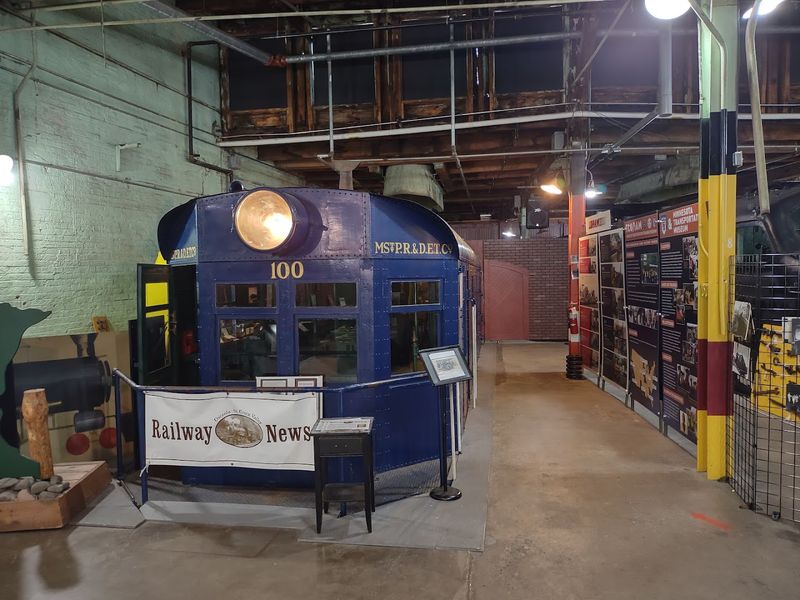
Most visitors do not expect to find a blacksmith shop at a railroad museum, but the one at Jackson Street Roundhouse fits the setting perfectly. Metalworking was an essential part of railroad maintenance for much of the industry’s history, and this shop reflects that connection directly.
The craftsmanship produced in the shop has earned its own admirers. Some visitors have noted that the handmade pieces coming out of the facility are impressive enough to sell, and the quality of the work on display speaks to the skill of the volunteers involved.
Watching a blacksmith work, even briefly, is a reminder of how much physical skill went into building and maintaining the railroad infrastructure that shaped the country. It is a quieter corner of the museum, but it tends to leave a lasting impression on visitors who wander in and take a few minutes to watch the process unfold.
The Volunteer Community That Keeps It Running
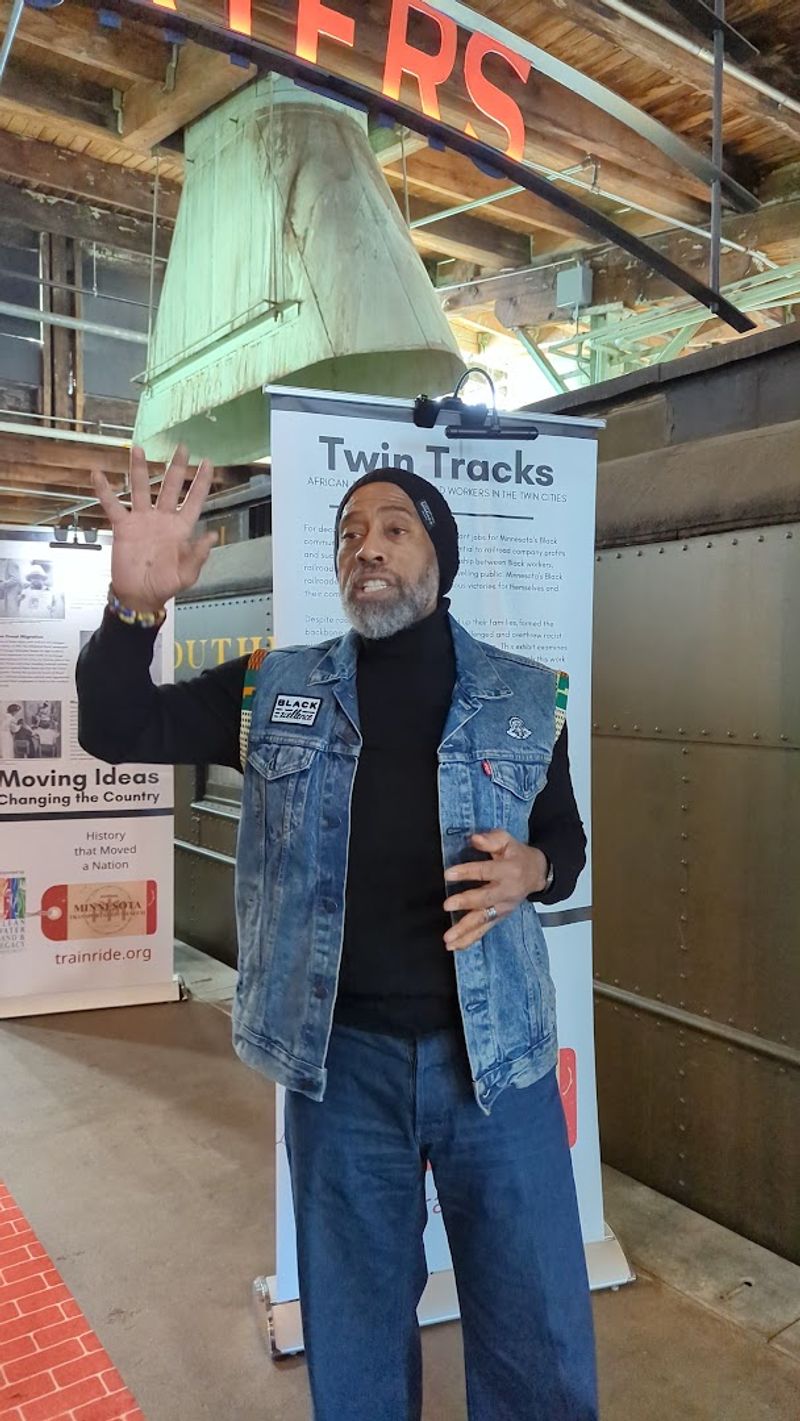
The Jackson Street Roundhouse runs almost entirely on volunteer labor, and that fact shapes the entire atmosphere of the place. These are people who show up because they genuinely love railroads, and that enthusiasm comes through in every interaction.
Many of the volunteers have deep personal histories with the railroad industry or with the museum itself. Some have been coming for years, and their knowledge of specific locomotives, historical routes, and technical details goes well beyond what any printed sign could convey.
Talking with a volunteer who can explain exactly how a particular engine was used on a specific Minnesota rail line is the kind of experience that turns a casual visit into something you actually remember. The restoration area tour, in particular, benefits enormously from having knowledgeable guides who can walk visitors through the work in progress.
That human element is genuinely one of the museum’s strongest assets.
Visiting Hours and What to Know Before You Go
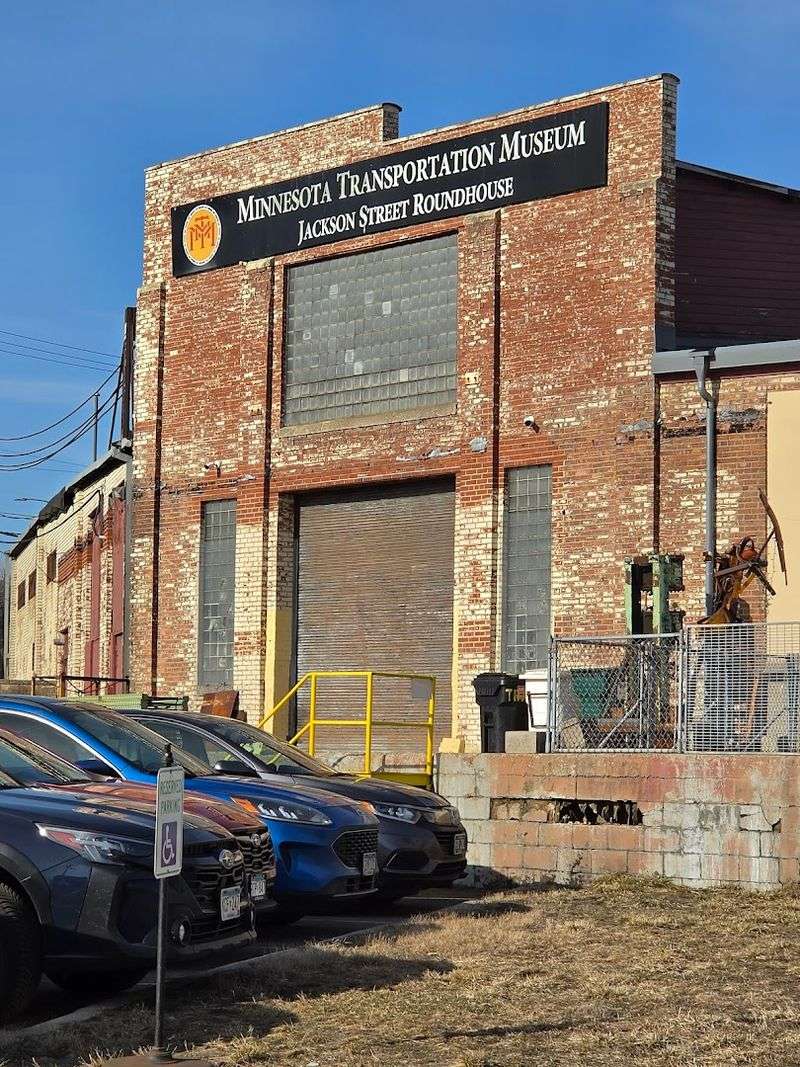
Planning a visit requires a bit of attention to the schedule. The Jackson Street Roundhouse is open on Wednesdays and Saturdays from 10 AM to 4 PM, which makes it a weekday or weekend morning option rather than an everyday drop-in spot.
The limited hours are worth keeping in mind, especially for families traveling from outside the Twin Cities area. Arriving closer to opening time gives you the best chance of catching the caboose ride and any guided tours before the afternoon winds down.
Parking is available on site, and the layout of the museum is stroller-friendly, which makes it accessible for families with young children. The museum is part of the Minnesota Transportation Museum organization, so checking the website at transportationmuseum.org before your visit is a smart move to confirm hours and any special programming that might be scheduled during your planned trip.
Freight Cars and Outdoor Equipment
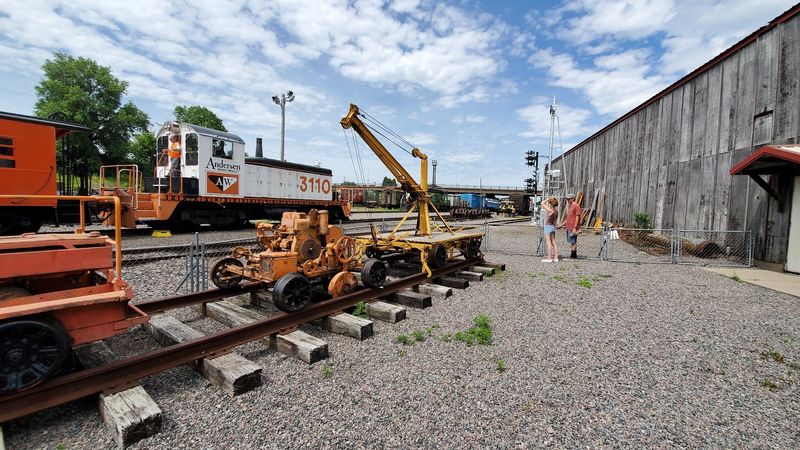
The outdoor portion of the Jackson Street Roundhouse holds its own as an attraction. Several freight cars, a massive rotary snow plow, and other pieces of heavy railroad equipment are displayed on the grounds, giving visitors a sense of the full range of machinery that kept the rail network moving.
The rotary snow plow is particularly striking. These machines were used to clear tracks through deep snowdrifts in the northern states and Canada, and the scale of the equipment reflects the severity of the winters they were built to handle.
Standing next to one makes the engineering feel almost absurdly ambitious.
The outdoor collection does show its age in places, and some equipment carries the weathered look of machinery that has been through decades of Minnesota winters. But that patina is part of the story.
These are not replicas or restored showpieces. They are the real thing, and that authenticity matters.
Why Families Keep Coming Back
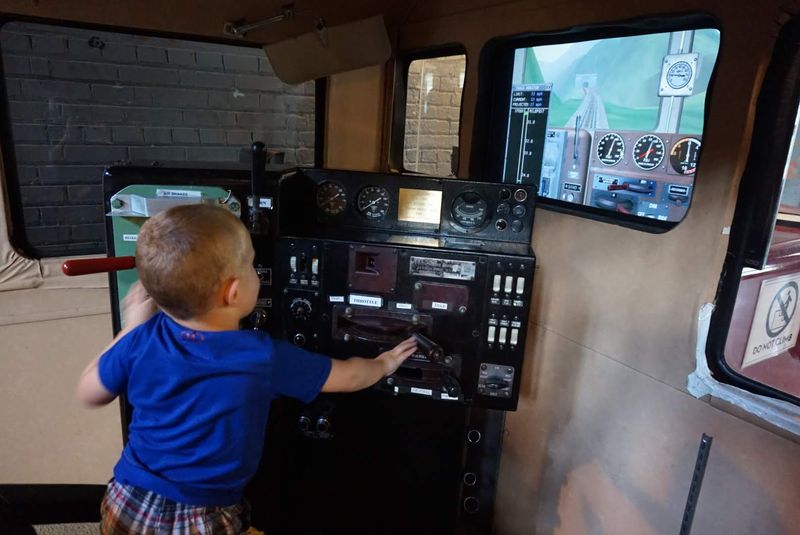
A museum that families return to year after year is doing something right, and the Jackson Street Roundhouse has built that kind of loyalty among Twin Cities households. The combination of things to touch, ride, watch, and explore covers a wide enough range that repeat visits feel fresh.
Children who visit as toddlers come back as older kids with new questions and new capacity to appreciate the history behind the machines. Parents who first came to keep a two-year-old entertained find themselves reading exhibit panels more carefully on the second or third visit.
The museum also runs special programming throughout the year, including events geared toward younger children. The Toddlers and Trains program, for example, pairs storytime with hands-on play in a setting that makes the museum feel welcoming rather than intimidating for the smallest visitors.
That kind of intentional programming builds the kind of community connection that keeps a place genuinely alive.
Making the Most of Your Visit
Getting the full experience at the Jackson Street Roundhouse means being a little proactive. The machine shop and restoration area tours are available but need to be requested, so asking about them when you arrive is the first thing worth doing.
Budget at least two hours, and more if your group is genuinely interested in the history. The exhibits covering Minnesota railroad history, the James J.
Hill legacy, and the technical details of steam locomotives reward slow, curious exploration rather than a quick walk-through.
The gift shop carries railroad-themed items worth browsing, and the on-site food options are limited, so eating before you arrive is a practical idea. Most importantly, talk to the volunteers.
Their knowledge and enthusiasm are part of what makes this museum different from a simple collection of old machines. The conversations you have here tend to be the part of the visit you remember longest.
Share this story