There is a place in England where nearly a thousand years of royal history sit behind thick stone walls, and where the British monarchy still calls home today. Windsor Castle is not a museum frozen in time.
It is a living, breathing royal residence that has hosted kings, queens, weddings, and world leaders across the centuries. From breathtaking chapels to rooms filled with priceless art, every corner of this fortress holds a story worth knowing.
Whether you are a history lover or just curious about royal life, this guide will walk you through the most fascinating secrets and highlights of one of the world’s most iconic landmarks.
A Royal Address Like No Other
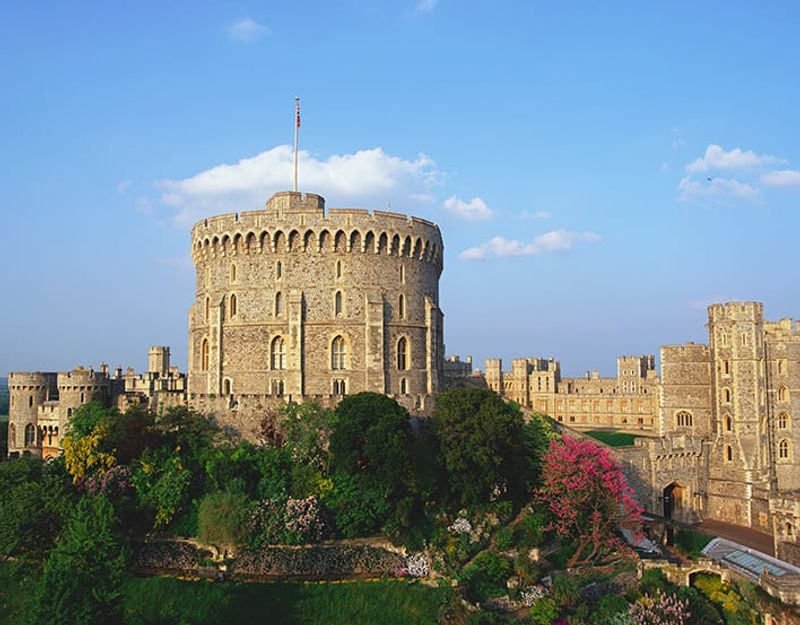
Windsor Castle sits at Windsor SL4 1NJ, United Kingdom, perched on a chalk hill above the Thames River in the town of Windsor, Berkshire. Getting there from London is surprisingly easy.
A direct overland train from London Waterloo or Paddington takes roughly 30 to 50 minutes, making it one of the most accessible royal attractions in the country.
The castle covers about 13 acres, making it the largest occupied castle on the planet. It has been a royal home for over 900 years, used by 39 monarchs in succession.
The town of Windsor surrounding it adds to the charm, with cobblestone streets, quaint shops, and eateries just steps from the main entrance.
Tickets are available online through the Royal Collection Trust website, and booking in advance is strongly recommended. Adult admission is around 36 GBP, and your ticket can be converted into a year-long pass.
Nine Centuries of Stone and Sovereignty
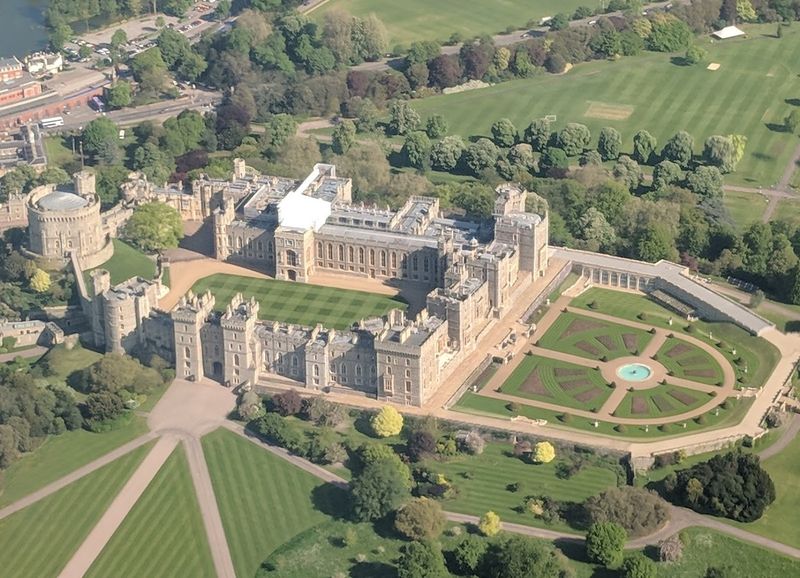
William the Conqueror built the original Windsor Castle around 1070, shortly after the Norman conquest of England. Back then, it was a simple wooden motte-and-bailey structure.
Over the following centuries, kings and queens transformed it into the grand stone fortress that stands today.
Henry II replaced the wooden structure with stone walls in the 12th century. Edward III turned it into a lavish royal palace in the 1300s, and George IV gave it the dramatic, romantic silhouette it carries today in the early 19th century.
Each monarch left a personal mark on the architecture and interior design.
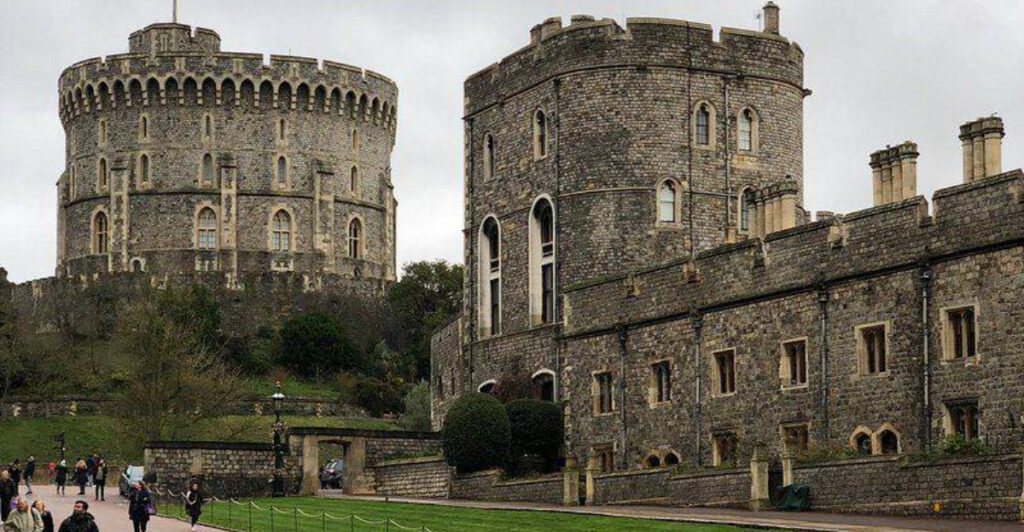
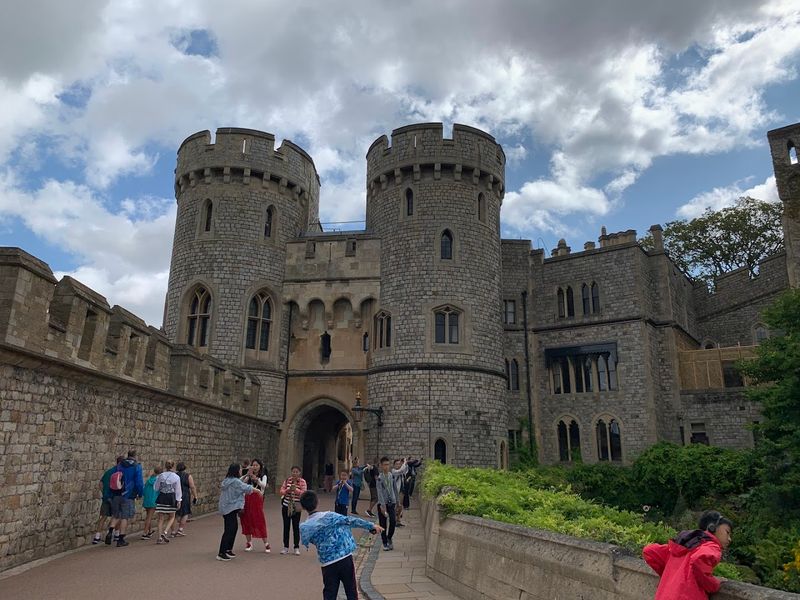
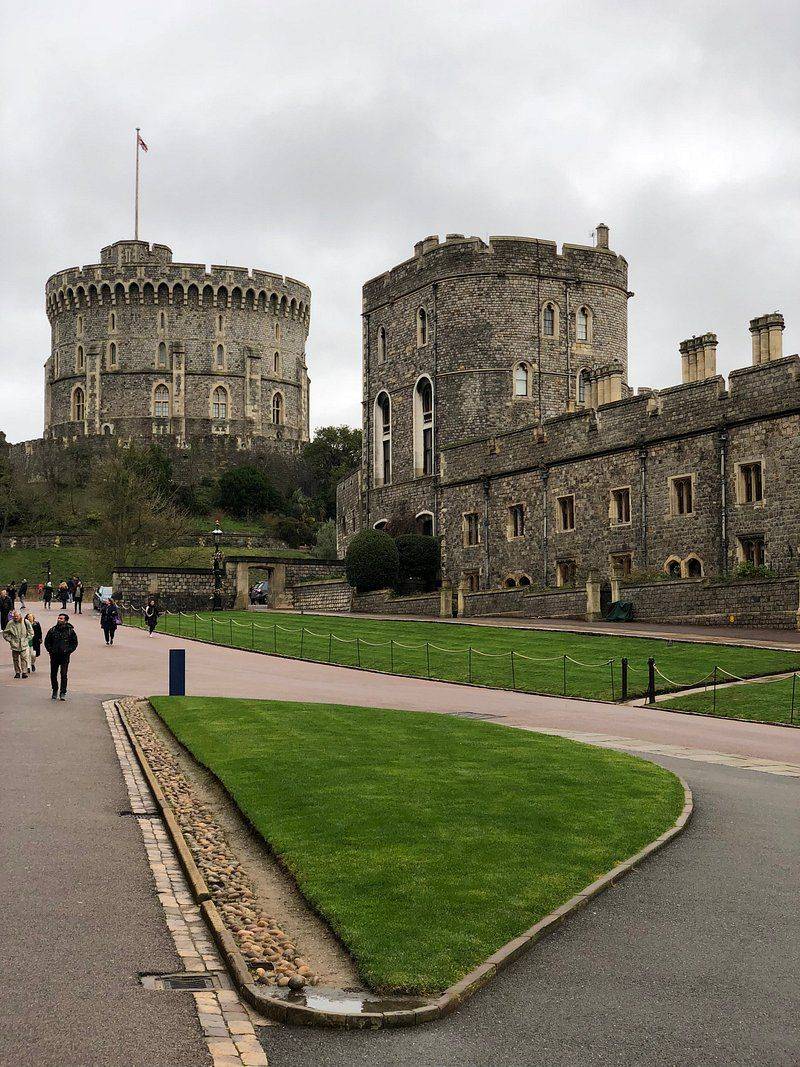
Walking through the castle, you can almost feel those layers of history pressing through the walls. The Round Tower at the center of the castle is one of the most recognizable features, and it still flies the Royal Standard whenever the monarch is in residence.
The Jaw-Dropping State Apartments
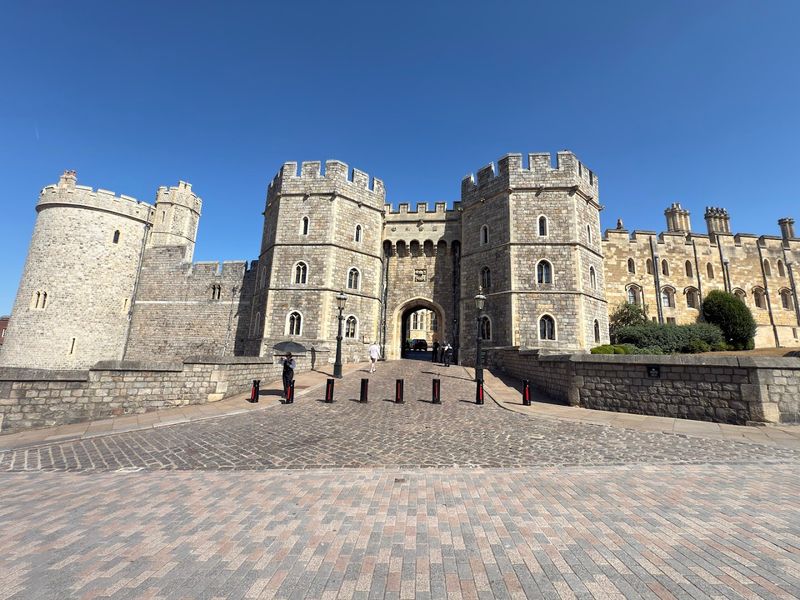
Few rooms in the world match the sheer visual power of the Windsor Castle State Apartments. These lavishly decorated rooms were designed for ceremonial use, and they still serve that purpose today when the King hosts visiting heads of state.
The apartments are filled with an extraordinary collection of royal portraits, antique furniture, armor, porcelain, and tapestries. Paintings by Rembrandt, Rubens, and Van Dyck hang on the walls alongside works commissioned directly by British monarchs.
The ceilings are gilded, the floors are polished, and every object tells a story of power and prestige.
Photography is not permitted inside the State Apartments, which initially feels frustrating. But that rule actually pushes you to slow down and absorb every detail with your own eyes, which is honestly the better way to experience rooms this extraordinary.
The included audio guide adds excellent context to each space you walk through.
St. George’s Chapel: A Gothic Masterpiece
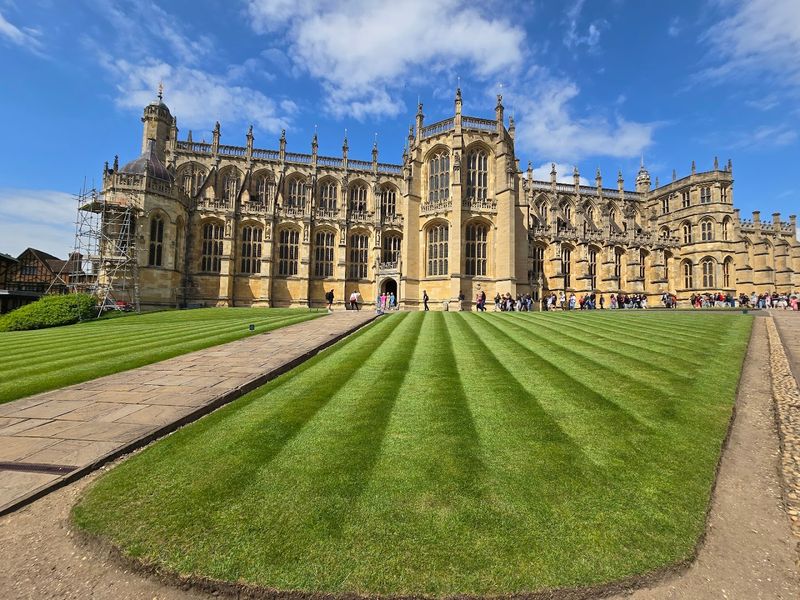
St. George’s Chapel is widely considered one of the finest examples of Gothic architecture in England. Built primarily between 1475 and 1528, it serves as the spiritual home of the Order of the Garter, the oldest and most senior order of chivalry in Britain.
The fan-vaulted ceiling is extraordinary, stretching above you in a delicate web of carved stone. The stained glass windows flood the interior with color, and the carved wooden choir stalls are covered in heraldic shields and crests belonging to past and present Knights of the Garter.
The chapel is also the resting place of several British monarchs, including King Henry VIII, King George VI, and more recently, Queen Elizabeth II. Sunday visits limit access to certain areas, including the royal burial sites, as the chapel holds regular church services.
Attending one of those services, as some visitors have done, is a genuinely moving experience.
Queen Mary’s Dolls’ House: Tiny Perfection
Queen Mary’s Dolls’ House is one of the most peculiar and fascinating objects in the entire castle. Built in the early 1920s by the architect Sir Edwin Lutyens as a gift for Queen Mary, it is a perfect 1:12 scale replica of a royal home, complete with working electricity, running water, and tiny books written by real authors of the era.
Every room is stocked with miniature versions of real objects, from tiny wine bottles to microscopic paintings and functioning door locks. The level of craftsmanship is staggering.
More than 1,500 craftsmen and artists contributed to its creation, making it a collective work of art rather than just a toy.
Lines for the Dolls’ House can get long, especially on busy weekends. If time is short, some visitors choose to skip it, but fans of intricate detail and quirky royal history will find it completely worth the wait.
It is genuinely unlike anything else in the castle.
The Changing of the Guard Ceremony
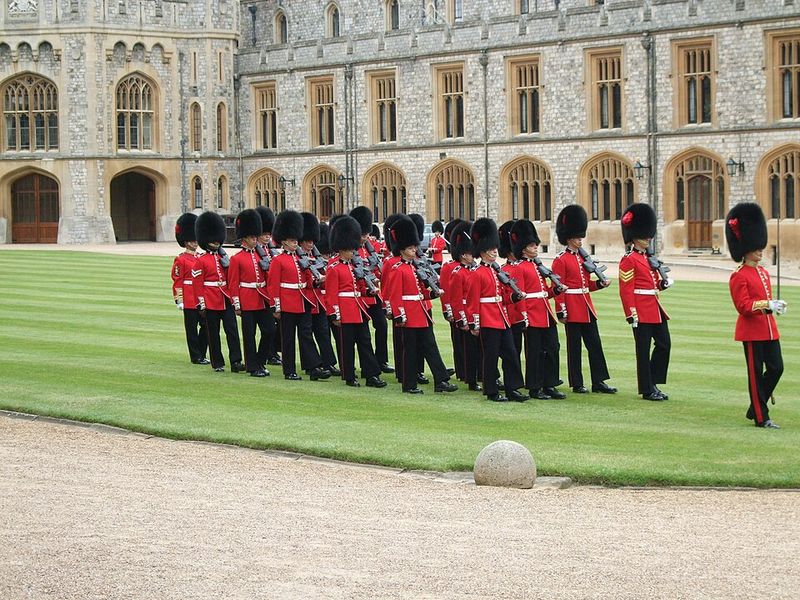
Few spectacles at Windsor Castle capture the imagination quite like the Changing of the Guard. The ceremony takes place on selected days, typically on Tuesdays, Thursdays, and Saturdays, though the schedule can change depending on royal events and the time of year.
Checking the official website before your visit is always a smart move.
The ceremony involves the New Guard marching from Victoria Barracks to the castle, accompanied by a military band playing everything from classical marches to surprisingly modern tunes. The soldiers wear their iconic scarlet tunics and tall black bearskin hats, which have become one of the most recognized symbols of British royal tradition worldwide.
Arriving early to secure a good viewing spot near the Lower Ward is the key to enjoying the spectacle without craning your neck over a crowd. The whole ceremony lasts around 45 minutes and is completely free to watch from the public areas of the castle grounds.
The Castle Grounds and Long Walk
The grounds surrounding Windsor Castle are as impressive as the building itself. The famous Long Walk stretches three miles in a straight line from the castle’s George IV Gate down through Windsor Great Park, lined on both sides by mature elm and chestnut trees.
On a clear day, the view from either end is genuinely stunning.
Windsor Great Park itself covers around 5,000 acres and offers open grassland, woodland trails, a lake, and formal gardens. The park is free to access and serves as a peaceful escape from the busier castle interiors.
On lucky days, visitors have spotted members of the Royal Family riding horses through the park.
The castle gardens within the grounds are immaculately maintained, with seasonal flowers and perfectly trimmed hedges that frame the stone walls beautifully. Taking a slow walk around the exterior of the castle before heading inside gives you a real sense of its massive scale and architectural grandeur.
Priceless Art Behind Every Door

The Royal Collection housed at Windsor Castle is one of the largest and most valuable art collections in the world. It belongs to the monarch in trust for the nation and includes works spanning over 500 years of artistic history.
Portraits of Tudor monarchs hang near works by Italian Renaissance masters. The collection includes drawings by Leonardo da Vinci, sculptures from ancient Rome, and Flemish masterworks that would fill the walls of any major museum.
Unlike a typical museum, these pieces remain in the rooms where they were originally placed, giving the whole experience an organic, lived-in quality that curated galleries rarely achieve.
The sheer density of artistic treasure in each room can feel overwhelming in the best possible way. The audio guide helps enormously here, pointing out specific works and their significance without rushing you through.
Taking your time in each room rewards you with details that most visitors walk past without noticing.
Practical Tips for First-Time Visitors
A few practical details can make the difference between a smooth visit and a stressful one. Windsor Castle operates on a timed-entry system, and tickets must be booked in advance through the Royal Collection Trust website.
Walk-up tickets are occasionally available, but popular time slots sell out quickly, especially on weekends and school holidays.
Expect an airport-style security check at the entrance, which moves efficiently but requires you to allow extra time. The audio guide is included in the ticket price and comes in multiple languages, covering every major room and exhibit in the castle.
Most visitors spend between two and three hours exploring the full site.
The castle is closed on Tuesdays and Wednesdays. Opening hours run from 10 AM to 5:15 PM on open days.
Comfortable walking shoes are essential, as the grounds involve significant walking across uneven cobblestone surfaces. Accessibility is excellent throughout, with step-free routes available to all main areas.
Royal Weddings and Unforgettable Ceremonies
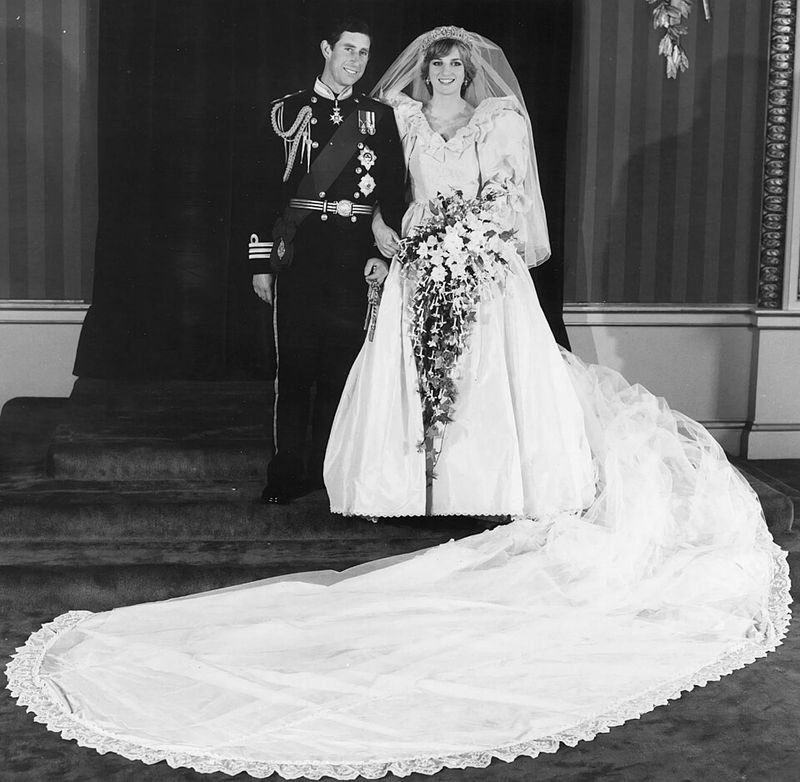
Windsor Castle has been the setting for some of the most watched royal weddings in modern history. Prince Harry and Meghan Markle married at St. George’s Chapel in May 2018, drawing a global television audience of tens of millions.
Prince Edward and Sophie Rhys-Jones also married there in 1999.
The chapel’s intimate scale relative to Westminster Abbey gives Windsor royal weddings a slightly more personal atmosphere, though the grandeur of the Gothic stonework still makes every ceremony feel monumental. The surrounding grounds provide a dramatic backdrop for the processions that follow.
Royal funerals and memorial services have also taken place here, cementing the chapel’s role as the emotional center of the Windsor royal family. The sense of history accumulated in that single building, from medieval knights to 21st-century royal celebrations, gives St. George’s Chapel a weight that no other space in the castle quite matches.
Visiting it feels like standing inside living history.
The Round Tower: Symbol of Enduring Power
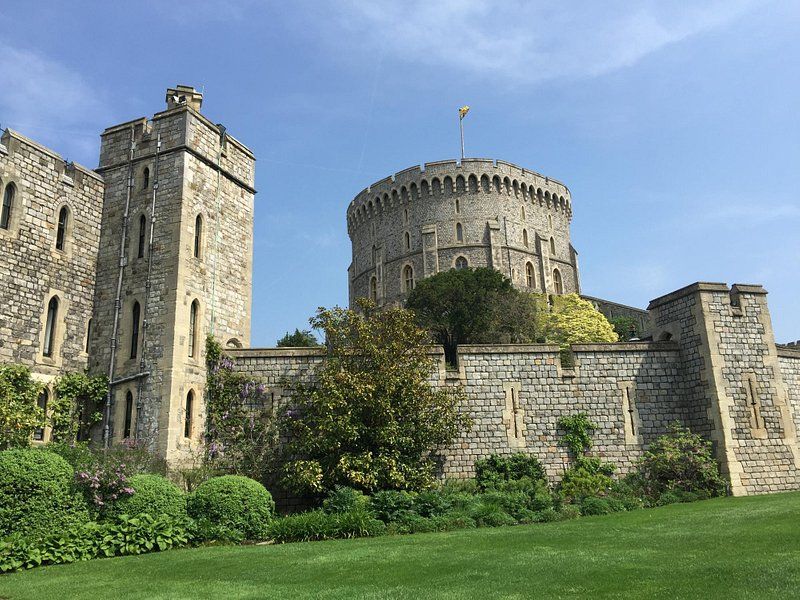
The Round Tower at the center of Windsor Castle is one of the most iconic silhouettes in British architecture. Originally built by Henry II in the 12th century as a stone replacement for William the Conqueror’s wooden keep, it rises dramatically from an artificial mound at the heart of the castle complex.
The tower serves a practical symbolic function even today. When the Royal Standard flag flies from its top, it signals that the monarch is currently in residence at Windsor.
Watching for that flag has become a quiet tradition among regular visitors, adding a layer of real-time royal connection to the experience.
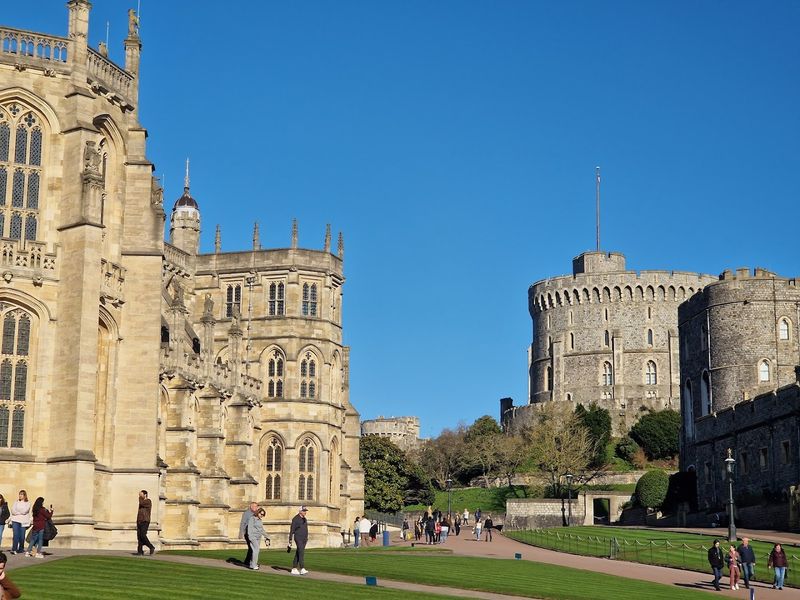
The tower is not open to general visitors, but its exterior dominates every view of the castle from within the grounds. Photographers tend to gravitate toward the Lower Ward for the best angle, where the tower frames beautifully against the sky above St. George’s Chapel.
That particular view never gets old.
Windsor Town: The Castle’s Charming Neighbor
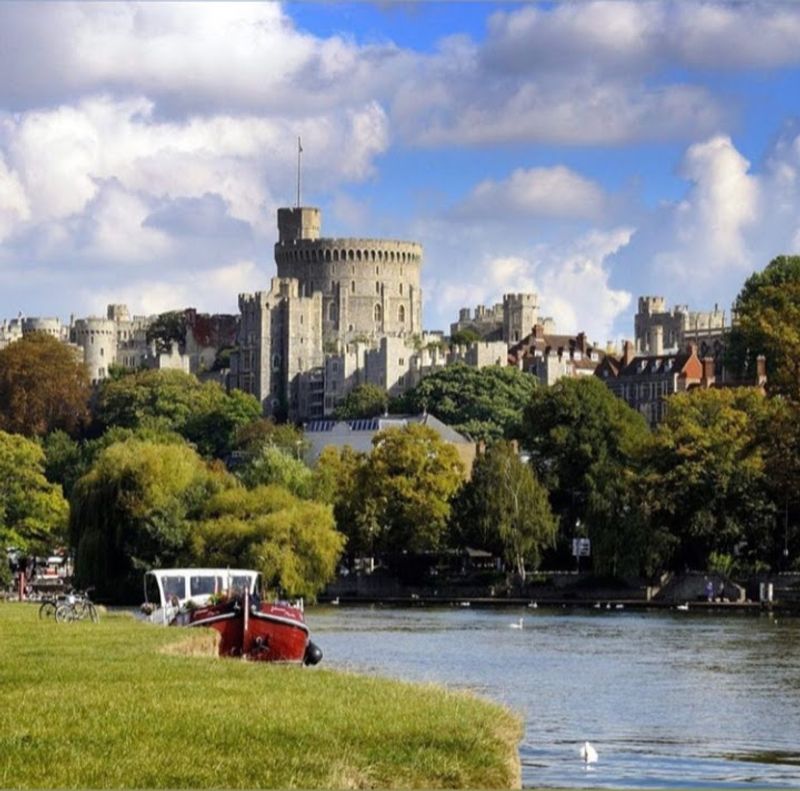
The town of Windsor itself deserves more than a passing glance. The streets immediately surrounding the castle are lined with independent shops, traditional pubs, historic churches, and eateries that have been serving visitors for generations.
The cobblestone alleys add a texture that modern shopping streets simply cannot replicate.
The Church of St. John the Baptist, located just a short walk from the castle, is worth stepping inside for its architecture alone. The interior features beautiful stonework, and on certain days you might hear the historic pipe organ being played during rehearsals or services.
The proximity of the River Thames adds another dimension to a day in Windsor. Boat trips along the river offer a completely different perspective on the castle, showing its walls rising above the water in a way that ground-level views cannot capture.
Combining a castle visit with a riverside stroll makes for a genuinely full and satisfying day out.
Why Windsor Castle Stays With You Long After You Leave
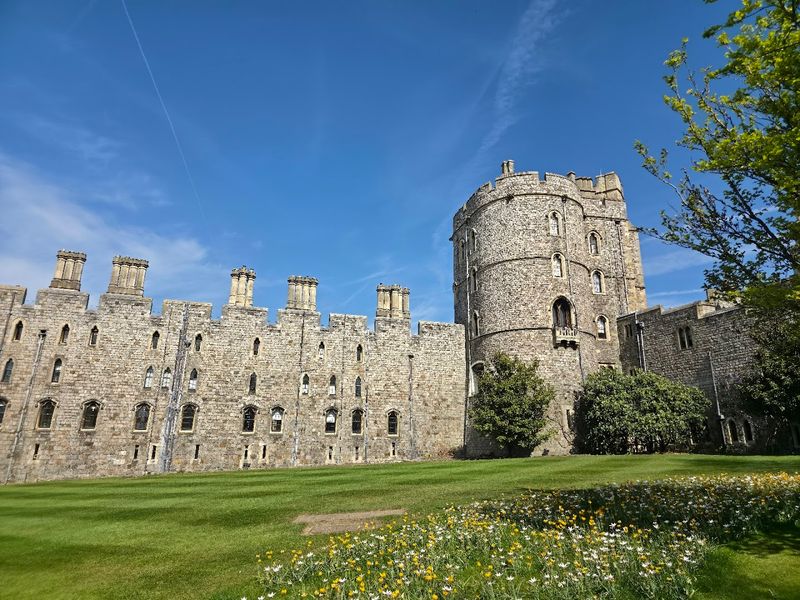
Some places leave a mark that outlasts the photographs, the souvenirs, and the ticket stub tucked into a coat pocket. Windsor Castle is one of those places.
The combination of architectural scale, artistic richness, royal history, and sheer longevity creates an experience that is genuinely difficult to summarize in a single sentence.
The castle manages to feel both monumental and personal at the same time. You walk through rooms where monarchs slept, worshipped, celebrated, and governed, and those rooms have not been roped off into sterile display cases.
They retain a warmth and presence that keeps the history feeling alive rather than archived.
Whether you come for the art, the chapel, the ceremony, or simply the curiosity of seeing where the British Royal Family actually lives, Windsor Castle delivers something meaningful. It is the kind of place that rewards a return visit, because there is always one more detail you missed the first time around.
Share this story