 Unearth The Voyage
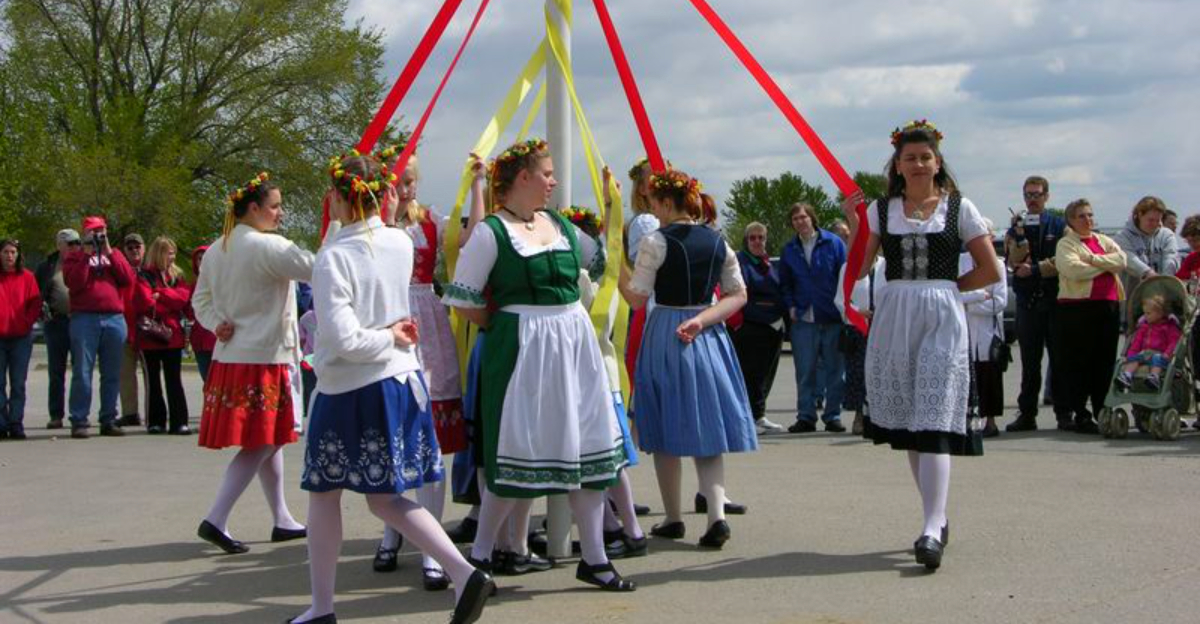
Craving half-timbered facades, alpine roofs, and the smell of fresh pretzels without crossing the Atlantic? These American towns channel Bavarian charm so convincingly you will swear the Alps are just around the corner. From beer gardens and oompah bands to cobblestone streets and festive parades, each stop brings you closer to Germany by way of Main Street. Lace up your walking shoes and get ready to toast Gemütlichkeit right here in the U.S.
1. Leavenworth, Washington
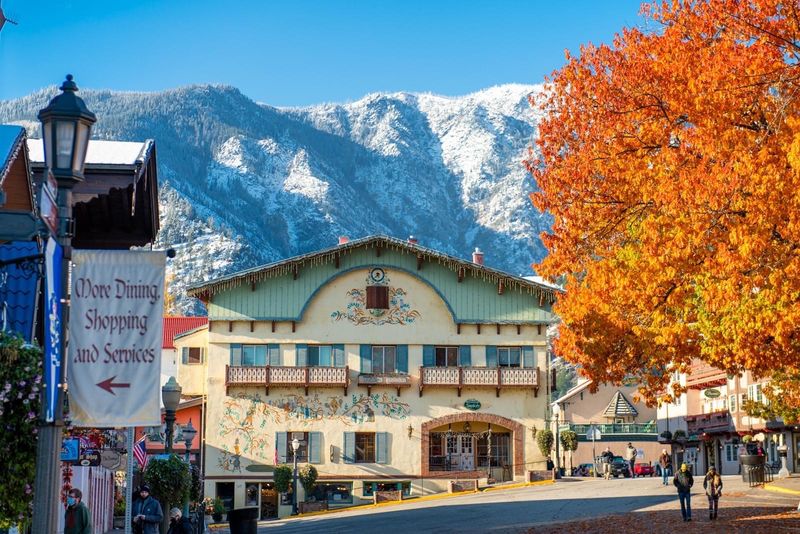
Leavenworth pulls you into a storybook, with the Cascades standing in for alpine peaks and timbered facades lining every block. You hear polka music drifting from a beer garden, and suddenly bratwurst and pretzels feel like the only sensible lunch. Stroll past murals, cuckoo clocks, and window boxes exploding with geraniums, and you might forget this is Washington.
Seasonal festivals keep the mood buzzing. Maifest brings dancing on the square, while Oktoberfest swells with steins, accordions, and hearty cheers. Winter is pure magic, when twinkle lights coat rooftops and glühwein warms your hands as snowflakes fall.
Hiking trails and the Wenatchee River offer outdoor thrills between bakery stops. Shops sell nutcrackers, alpine hats, and handmade ornaments you will not find elsewhere. It is kitschy in the best way, welcoming and playful, and you leave humming Edelweiss, already planning your next visit.
2. Frankenmuth, Michigan
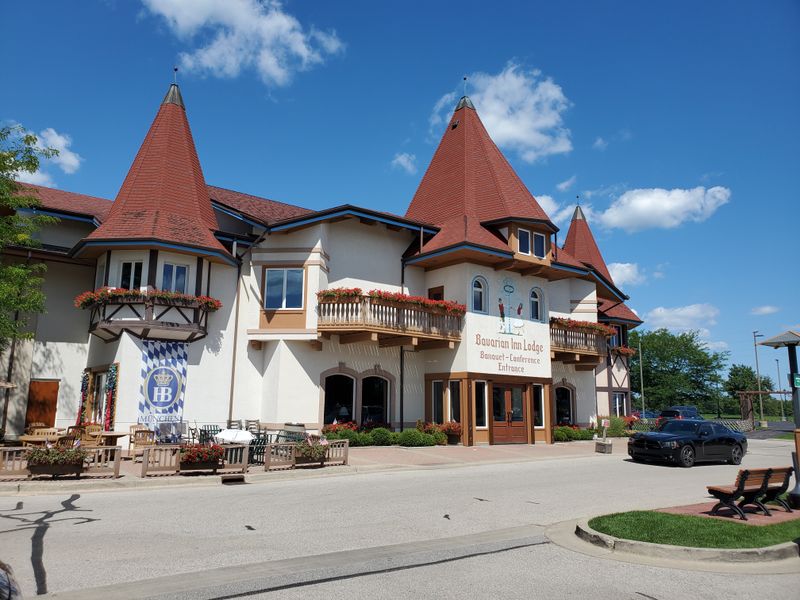
Frankenmuth earns its Little Bavaria nickname the moment you cross the covered bridge and smell fresh schnitzel. The main street glows with half-timbered storefronts, chalet roofs, and bakeries piled high with strudel. You sip a lager at a communal table and feel the fuss of travel melt away.
Festivals keep the calendar stacked, especially Oktoberfest with parades, polka, and heaping platters. Christmas explodes here too, thanks to twinkling lights and shops that specialize in ornaments year-round. The chicken dinners are legendary, served family-style, complete with buttered noodles.
Between bites, wander river paths, browse German imports, and hunt for cuckoo clocks. Breweries pour malty goodness while brass bands deliver foot-tapping rhythms. It feels friendly and familiar, yet distinctly European, a midwestern gateway to gemütlich comfort.
3. Helen, Georgia
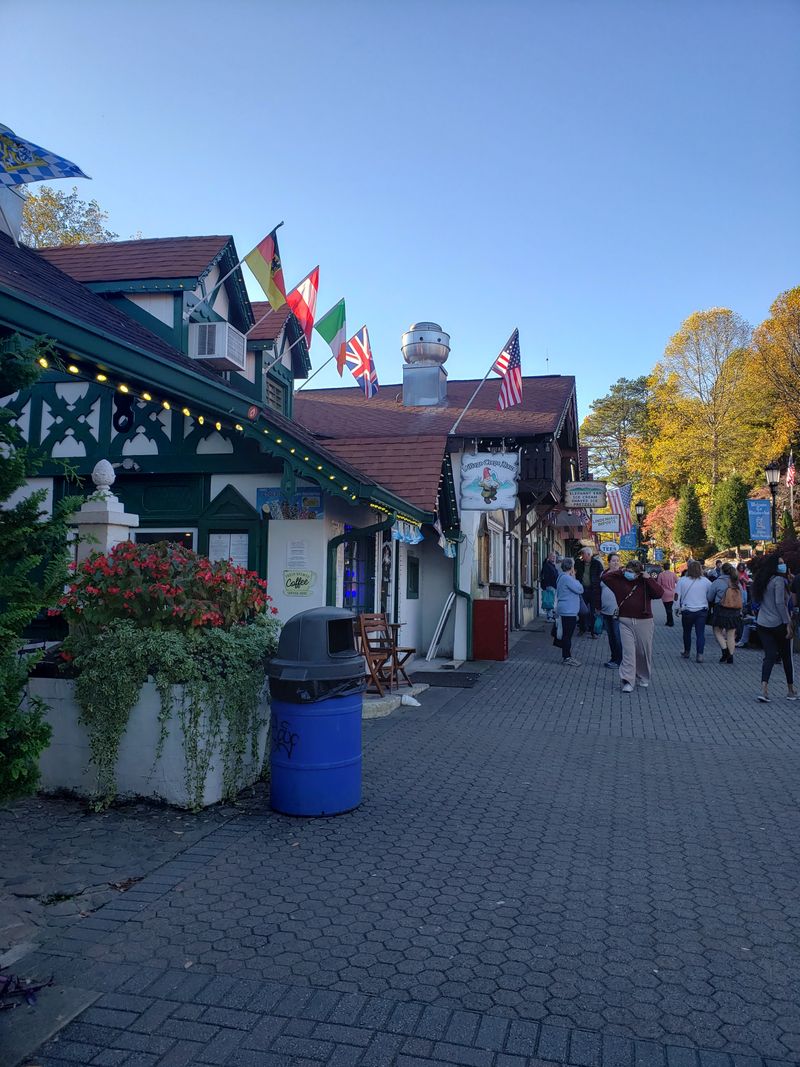
Helen turns North Georgia into a Bavarian daydream, with gingerbread trim, flower boxes, and bright murals hugging the Chattahoochee River. You can float in a tube, then step straight into a beer garden for sausages and a frosty stein. The mountains roll behind town, framing a postcard scene.
Oktoberfest here is a high-energy swirl of oompah music and lederhosen, stretching across weeks. Candy shops pull taffy in the windows, and bakeries showcase apfelstrudel beside giant pretzels. At night, alpine lights glitter over the riverwalk.
Hiking waterfalls nearby makes the perfect counterbalance to hearty German plates. You will find playful souvenir shops, cuckoo clocks, and cheerful patios that encourage lingering. It is charming, unpretentious, and delightfully immersive, letting you hop from the Appalachians to Bavaria in a single afternoon.
4. New Ulm, Minnesota
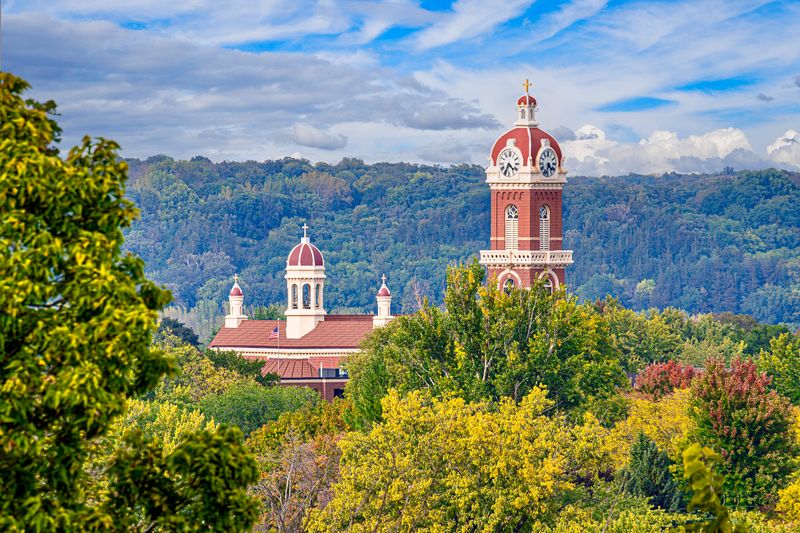
New Ulm wears its German roots proudly, from the glockenspiel chiming downtown to the Hermann Monument watching over the bluffs. You feel history underfoot as you pass stately brick buildings and classic beer halls. Breweries pour malty styles that taste like tradition in a glass.
Festivals animate the streets with polka, parades, and heritage costumes. Oktoberfest and Bock Fest draw crowds who come for hearty food and warm community vibes. Museums and heritage centers connect stories of immigrant grit to the town you see today.
Walkable neighborhoods reveal tidy gardens, church spires, and lovingly preserved details. You might browse a cheese shop, then duck into a bakery for kuchen. It is a mellow, sincere slice of Bavaria in Minnesota, where old-world pride meets front-porch friendliness.
5. New Braunfels, Texas
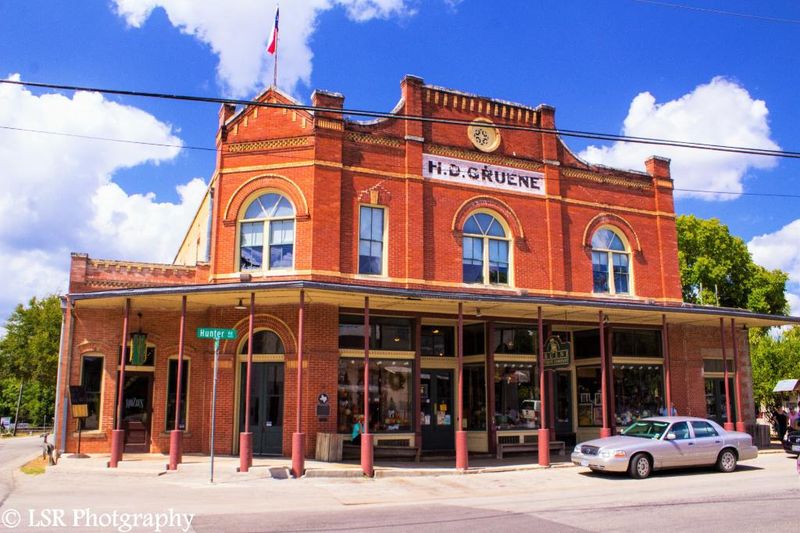
New Braunfels blends Hill Country sunshine with German heart, and you feel it along the Comal River and in bustling beer halls. Timber accents and limestone buildings hint at roots that run deep. The air smells like grilled sausage and fresh bread, an irresistible invitation to linger.
Wurstfest is the big draw, a carnival of polka, steins, and laughter under striped tents. Bands keep the rhythm while you sample bratwurst, potato pancakes, and sauerkraut. Families dance, strangers clink glasses, and the whole town hums with friendliness.
Beyond the party, tubing the river is pure joy on a hot day. Shops sell German imports and local crafts, and bakeries tempt with streusel. It is a spirited, sunlit take on Bavaria, where Texas hospitality and old-world tradition meet beautifully.
6. Fredericksburg, Texas
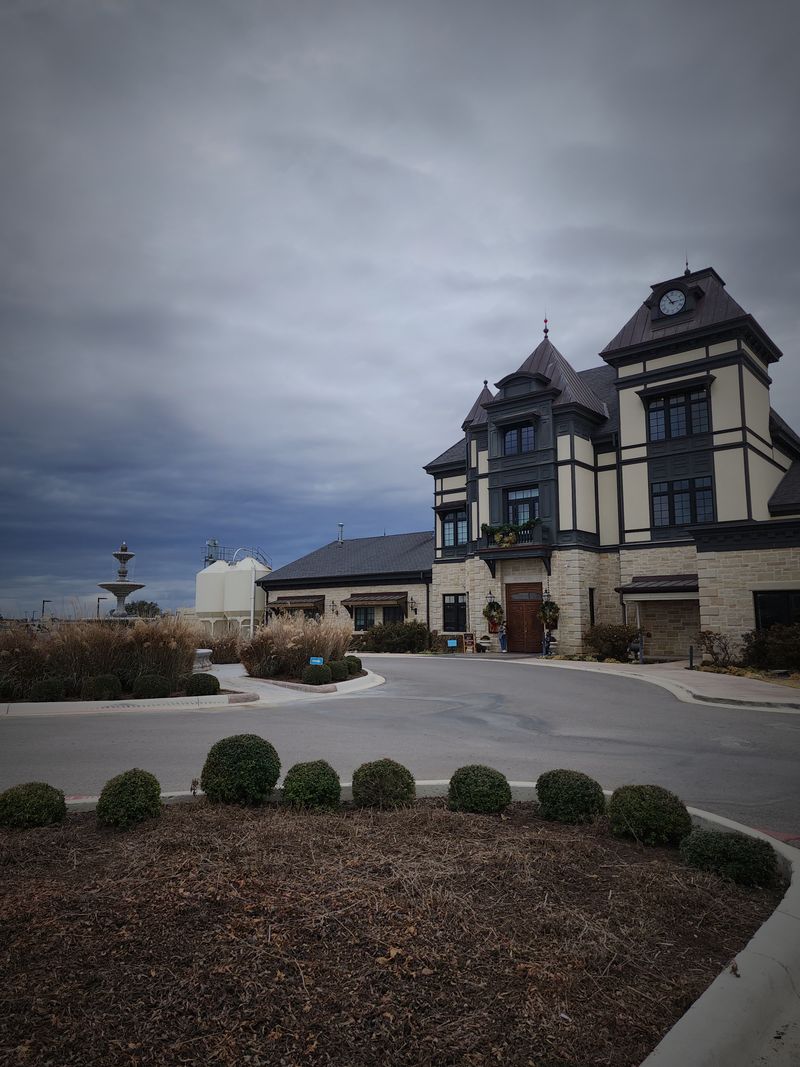
Fredericksburg feels refined and warm, with limestone storefronts, tidy porches, and a rhythm that invites you to slow down. German heritage shows in bakeries, beer gardens, and family names etched into history. You can pair a pretzel with a local Riesling and feel completely at home.
Wineries spread across the surrounding hills, making tastings a delicious day trip. Festivals and markets bring brass bands, heritage dances, and foods that taste like tradition. The National Museum of the Pacific War adds surprising depth to a small-town stroll.
Shops brim with antiques, linens, and imported treats, perfect for a lazy afternoon wander. Peach season is a sweet bonus, filling stands with fragrant fruit. It is a graceful blend of Texas charm and German soul, a place you leave well-fed, sun-kissed, and happily relaxed.
7. Amana Colonies, Iowa
The Amana Colonies whisper stories through brick cottages, tidy workshops, and communal kitchens turned restaurants. You walk quiet lanes where German Pietists once shared meals and labor, and the stillness feels restorative. Handmade goods and hearty foods keep traditions alive without fuss.
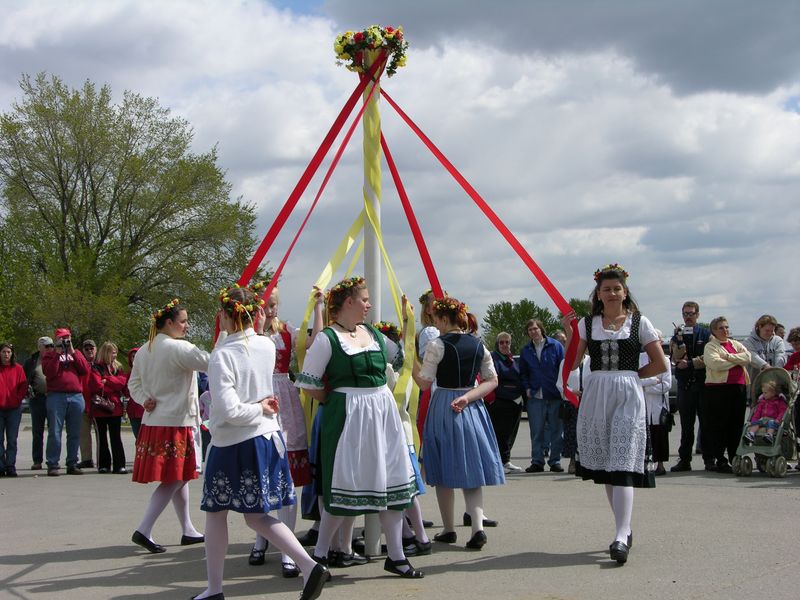
Stepping into a dining hall brings platters of roast, pickles, potatoes, and comforting sides. Craft shops showcase weaving, woodworking, and meticulous clockwork. Festivals highlight folk music, Maypole dances, and seasonal markets that welcome you like a neighbor.
Trails connect the seven villages, letting you bike between fields and historic facades. You will find schnitzel beside rhubarb pies, and shelves stacked with preserves. The vibe is humble and genuine, a living museum where German roots nourish daily life.
8. Hermann, Missouri
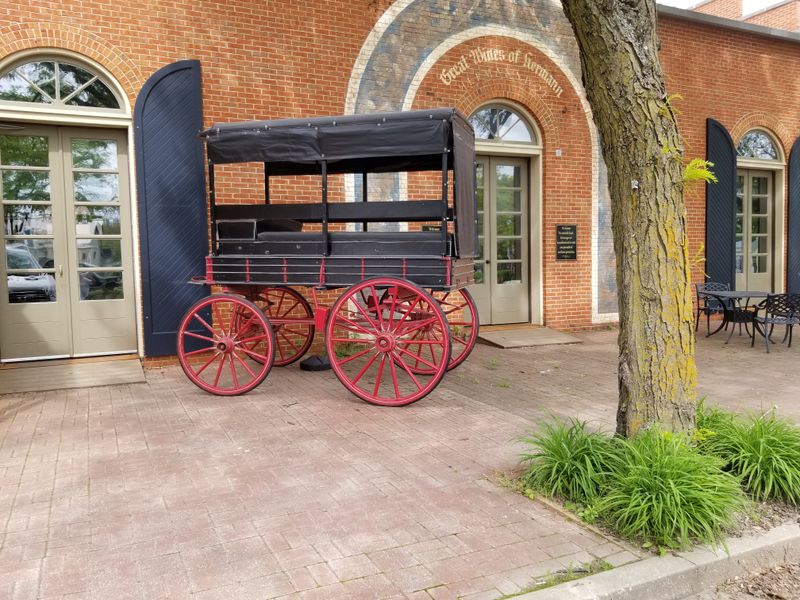
Hermann clings to bluffs above the Missouri River, its vineyards rolling like a green carpet. You wander past half-timbered storefronts and brick wine cellars that breathe cool, grapey air. Tasting rooms pour Norton and Riesling while accordion notes drift through courtyards.
Festivals fill the calendar, from Maifest to Oktoberfest, with parades, dances, and sausage sizzling on grills. History tours connect German settlers to resilient wine traditions that survived storms of time. It feels intimate, crafted, and proud of its roots.
Walk the riverfront, browse antique shops, and linger over pretzels with sharp mustard. As the sun sets, hills glow and patios come alive with conversation. Hermann is a gentle revelation, delivering old-world charm with Midwestern warmth.
9. Germantown, Tennessee
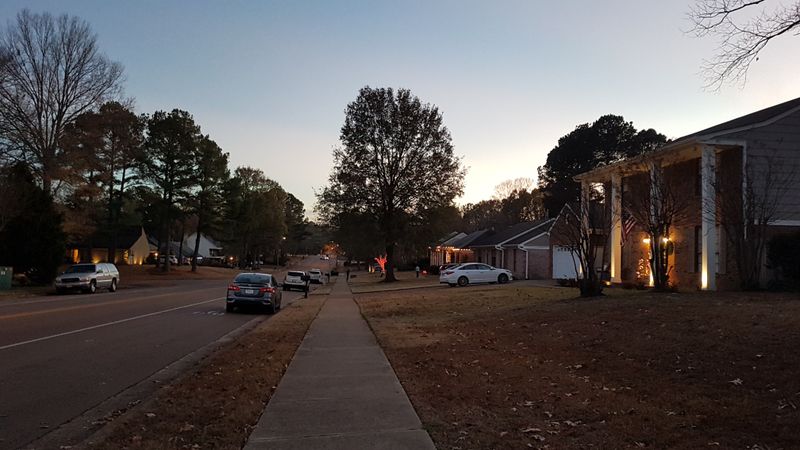
Germantown nods to its namesake with seasonal festivals, German fare, and a friendly community spirit. You can stroll tree-lined streets, then land at an event where bratwurst and beer meet bluegrass charm. It balances suburban ease with moments that feel distinctly European.
Oktoberfest brings vendors, music, and games for kids, and the vibe is neighborly rather than touristy. You might sample schnitzel, pick up baked goods, and chat with locals under string lights. Parks and greenways make it easy to extend your walk.
Historic buildings and churches provide texture, anchoring modern life in older stories. Boutiques and cafes round out a low-key day that still satisfies the craving for German flavors. You leave refreshed, reminded that culture flourishes in small, connective ways.
10. Biwabik, Minnesota
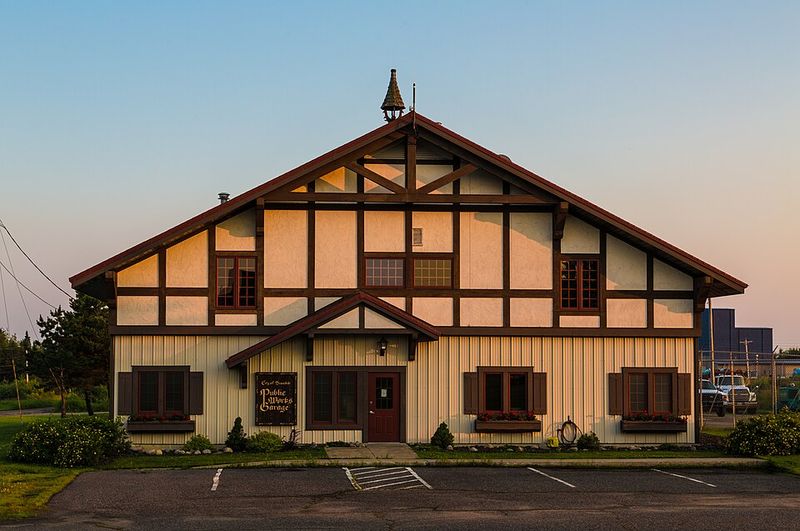
Biwabik surprises with Alpine flair on the Iron Range, tiny but spirited in its Bavarian touches. Facades show timber trim, and festival banners snap in the northern breeze. You will likely arrive for skiing or hiking and stay longer than planned.
The city hosts Bavarian Blast and winter celebrations that mix polka, sausages, and snowbound cheer. Locals welcome you warmly, offering hot cocoa or a stein depending on the temperature. It feels playful, not staged, with pride that runs deep.
Nearby trails weave through pines, and lakes mirror sky like polished glass. After outdoor time, bakeries and pubs provide cozy refuge and hearty plates. It is proof that German spirit thrives beautifully in small, northern corners.
11. Milwaukee, Wisconsin
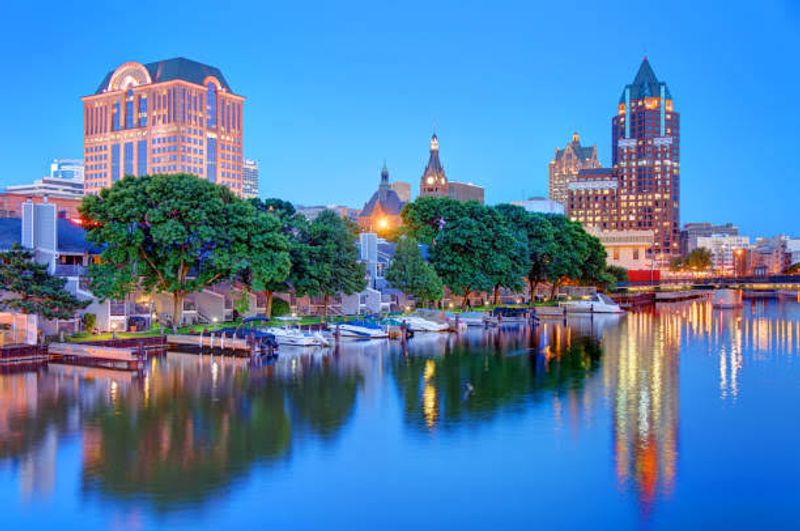
Milwaukee wears German heritage on its sleeve, from historic breweries to outdoor beer gardens buzzing all summer. You can trace immigrant stories through neighborhoods rich with brick detail and steeples. The lake breeze pairs wonderfully with a stein and polka beat.
German Fest lights up the lakefront with dancing, dachshund races, and serious pretzel action. Old World Third Street offers schnitzel, sausages, and nostalgia served with a wink. Museums and tours connect brewing history to modern craft scenes.
Bike trails hug Lake Michigan, making it easy to explore between bites and sips. Neighborhood beer gardens feel communal, with families, friends, and clinking glasses. Milwaukee blends urban energy with gemütlich comfort, and you feel welcome right away.
12. Pella, Iowa
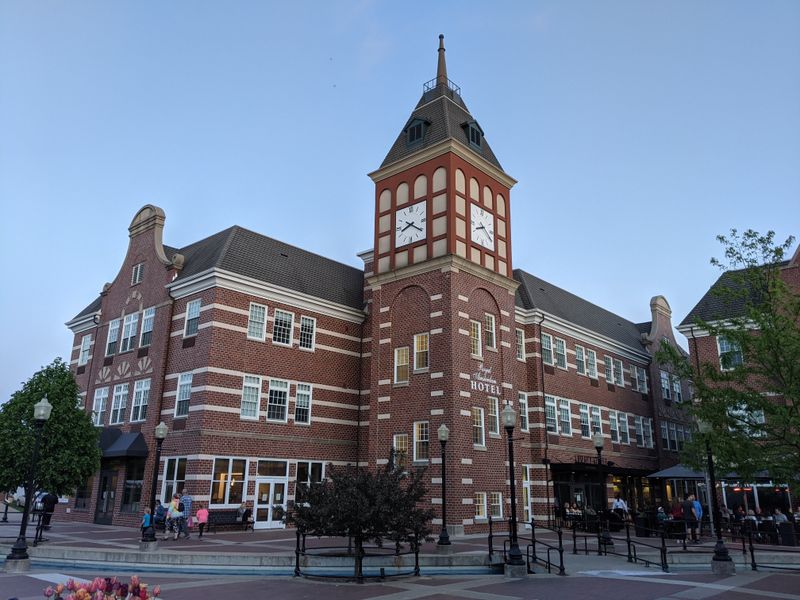
Pella leans Dutch yet carries a strong European vibe that scratches the same Bavarian itch. The town square pops with brick facades, tidy gables, and a soaring windmill that steals the show. Bakeries lure you with pastries and coffees perfect for lingering.
Tulip Time is the headline festival, where costumes, parades, and blooms turn streets into a technicolor postcard. You will spot German and broader European touches in foods, crafts, and music. It is cheerful, clean, and effortlessly walkable.
Beyond spring, lake parks and bike paths stretch out easy adventures. Shops stock imported treats, wooden toys, and delicate ceramics. The mix of old-world charm and small-town kindness makes Pella an easy yes.
13. Watertown, Wisconsin
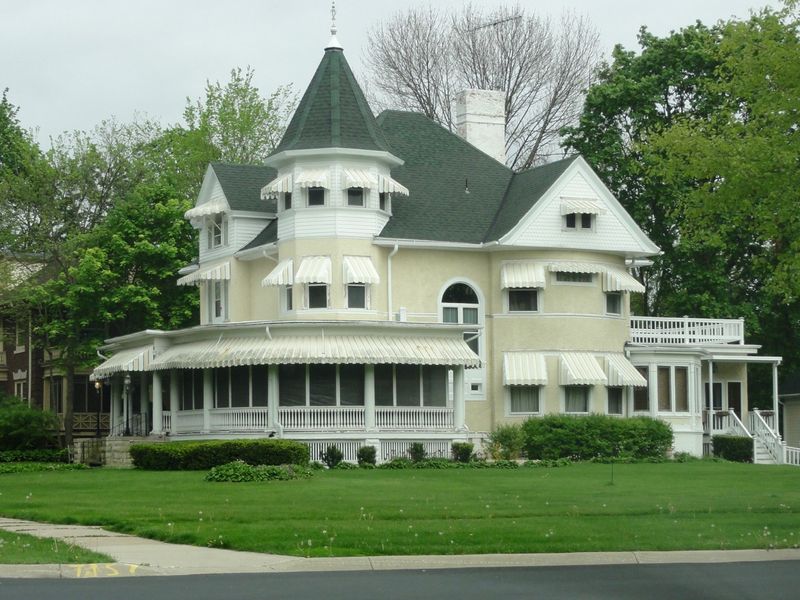
Watertown tells its story through sturdy brick buildings, steeples, and a downtown that still feels neighborly. German heritage shows up in parish festivals, food traditions, and names etched into cornerstones. You sense continuity as you stroll the riverfront and cross the old bridge.
Events bring polka bands, beer tents, and heaps of comfort food served by smiling volunteers. Bakeries offer kuchen, pretzels, and classic cookies that feel like family recipes. It is not flashy, just sincerely welcoming.
Antique shops, parks, and quiet neighborhoods invite slow exploration. Along the way, you pick up small delights and friendly conversations. Watertown proves culture thrives in everyday rhythms, not just big festivals.
14. Cedarburg, Wisconsin
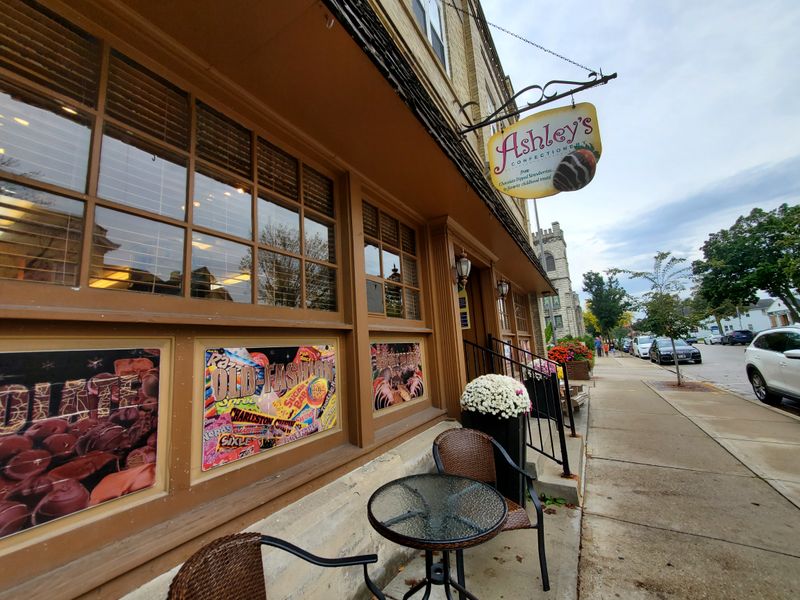
Cedarburg charms instantly with limestone mills, a covered bridge, and shop windows begging you to peek inside. The historic district concentrates everything lovely on walkable streets. You will find German flavors in bakeries and beer gardens tucked into courtyards.
Festivals are frequent, from Strawberry Fest to winter markets with warm drinks and carols. Live music echoes between stone walls while artists sell crafts under fluttering banners. It feels cozy yet lively, a balance that keeps you lingering.
Nearby trails and creeks add a nature break, perfect between tastings and browsing. Evenings bring soft light, clinking glasses, and relaxed conversation. Cedarburg wraps European texture around Midwestern warmth and does it beautifully.
15. St. Louis, Missouri
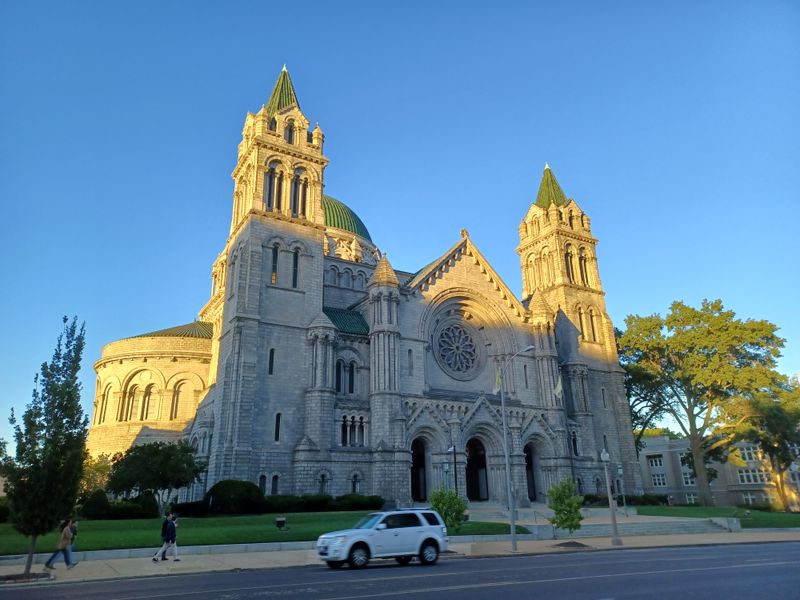
St. Louis carries deep German roots in its beer legacy, brick neighborhoods, and long-running festivals. You can spend an afternoon at a beer garden beneath shade trees, nibbling pretzels with sharp mustard. Historic breweries stand like cathedrals to craftsmanship and community.
Oktoberfest celebrations spill into markets and music-filled streets, especially around Soulard and Benton Park. Sausages, kraut, and steins create an instant sense of belonging. Museums and immigrant history tours add fascinating context to the flavors on your plate.
Parks, river views, and iconic architecture round out your wander. You will find cozy pubs, German bakeries, and modern restaurants riffing on tradition. St. Louis marries heritage and innovation, making each pint and parade feel fresh.



