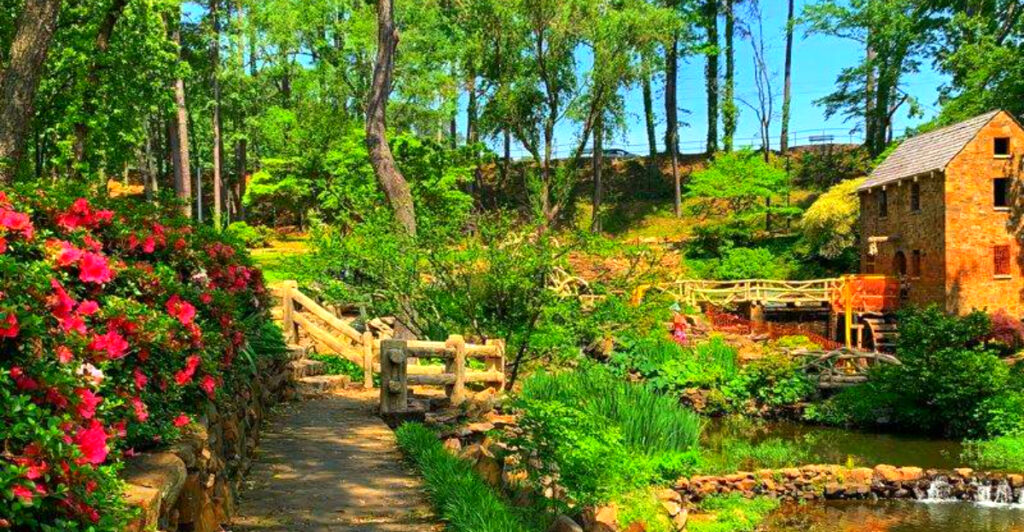
Tucked away in North Little Rock, this storybook-like park is home to one of Arkansas’s most iconic landmarks: a historic mill surrounded by stone bridges, a working waterwheel, and handcrafted structures. Built in the 1930s by sculptor Dionicio Rodriguez, the park blends art, history, and natural beauty in a surprisingly compact space.
Its ties to Arkansas heritage and a famous appearance in Gone with the Wind have helped make it one of the state’s most photographed and memorable attractions.
Where Exactly This Hidden Landmark Lives
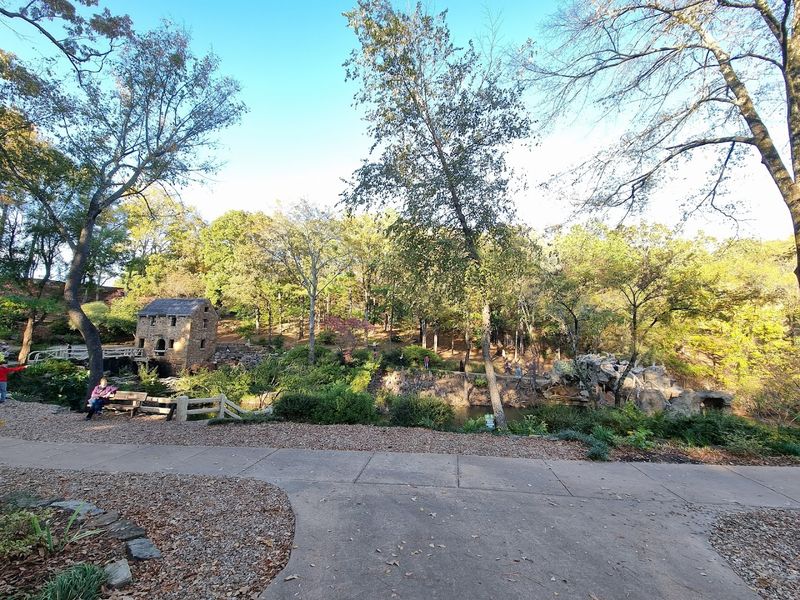
Most people drive past the neighborhood on Lakeshore Drive without ever suspecting what is tucked just behind the tree line. The Old Mill sits inside T.
R. Pugh Memorial Park at 3800 Lakeshore Dr, North Little Rock, AR 72116, right in the heart of a peaceful residential area.
The park is free to enter and open daily from 8:00 AM until 30 minutes after sunset, which means you can catch it in that golden late-afternoon light that makes every photo look professional. Parking is limited because the site is nestled between homes, so visiting on a weekday morning tends to give you more breathing room.
The address is easy to find with any navigation app, and the drive through the surrounding neighborhood is pleasant on its own. Once you arrive and see the stone archways and flowing water for the first time, the modest surroundings make the whole scene feel even more surprising and rewarding.
The Visionary Behind the Mill’s Creation
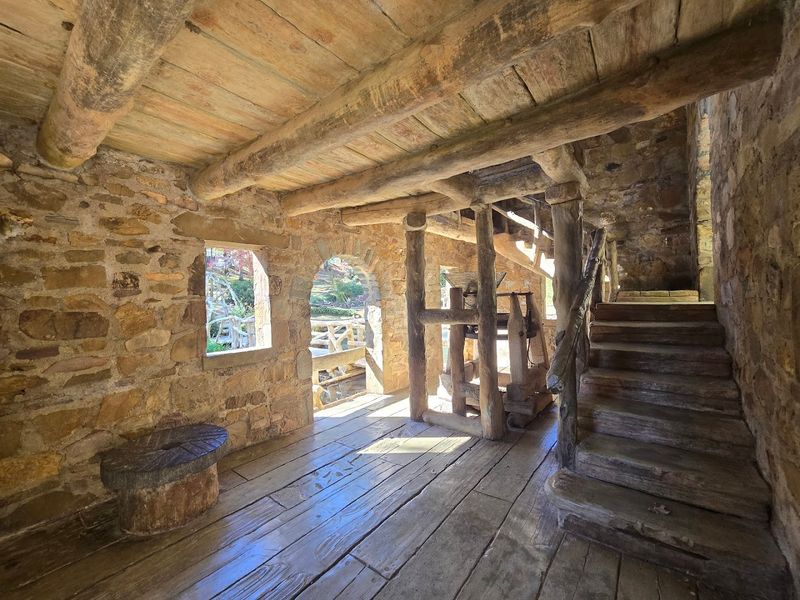
The whole project started with a real estate developer named Justin Matthews, who wanted something remarkable to draw attention to his Lakewood subdivision in the early 1930s. His idea was to build a tribute to Arkansas pioneers, something that looked authentically old and romantically rugged even though it was brand new.
Matthews hired architect Frank Carmean to design the structure, and together they envisioned a mill that would look as though it had been weathering Arkansas summers since the 1830s. Construction began in 1931, and the mill was officially dedicated on August 6, 1933.
What made the project extraordinary was not just the design concept but the artist brought in to execute it. The combination of a developer with a bold vision, an architect with a clear plan, and a sculptor with an almost supernatural talent for mimicking nature produced a landmark that has outlasted nearly every expectation anyone had for it at the time of its dedication.
The Sculptor Who Made Concrete Look Alive
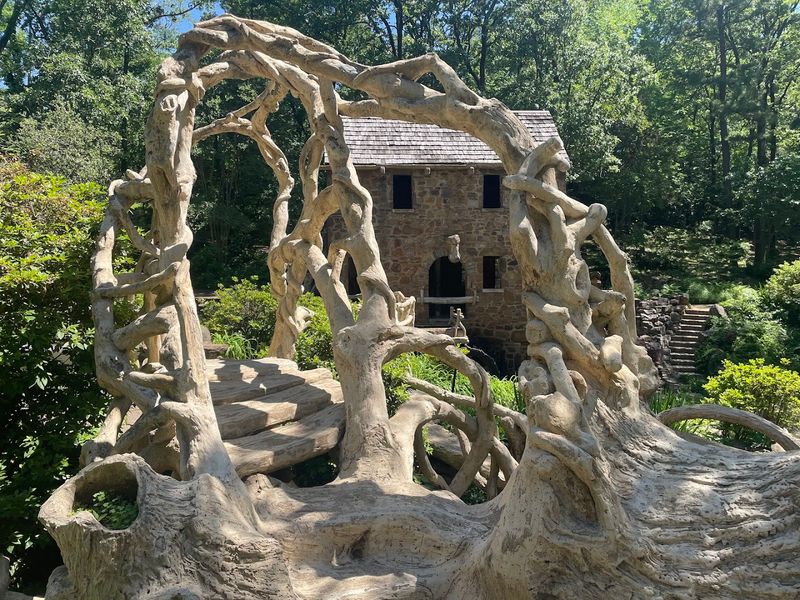
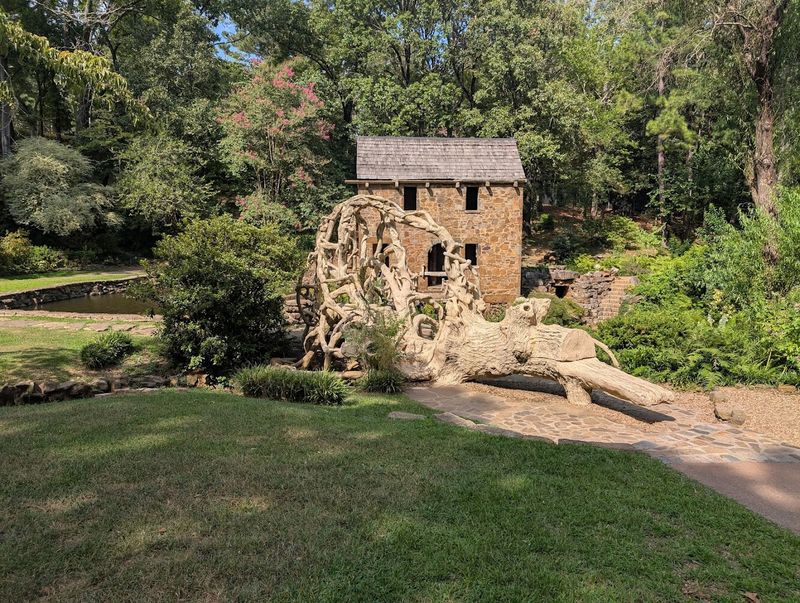
Dionicio Rodriguez was a Mexican sculptor with a gift so rare that his work has been compared to magic tricks in solid form. He specialized in a technique called faux bois, which is French for fake wood, and his method involved sculpting reinforced concrete until it looked indistinguishable from real timber, iron, and stone.
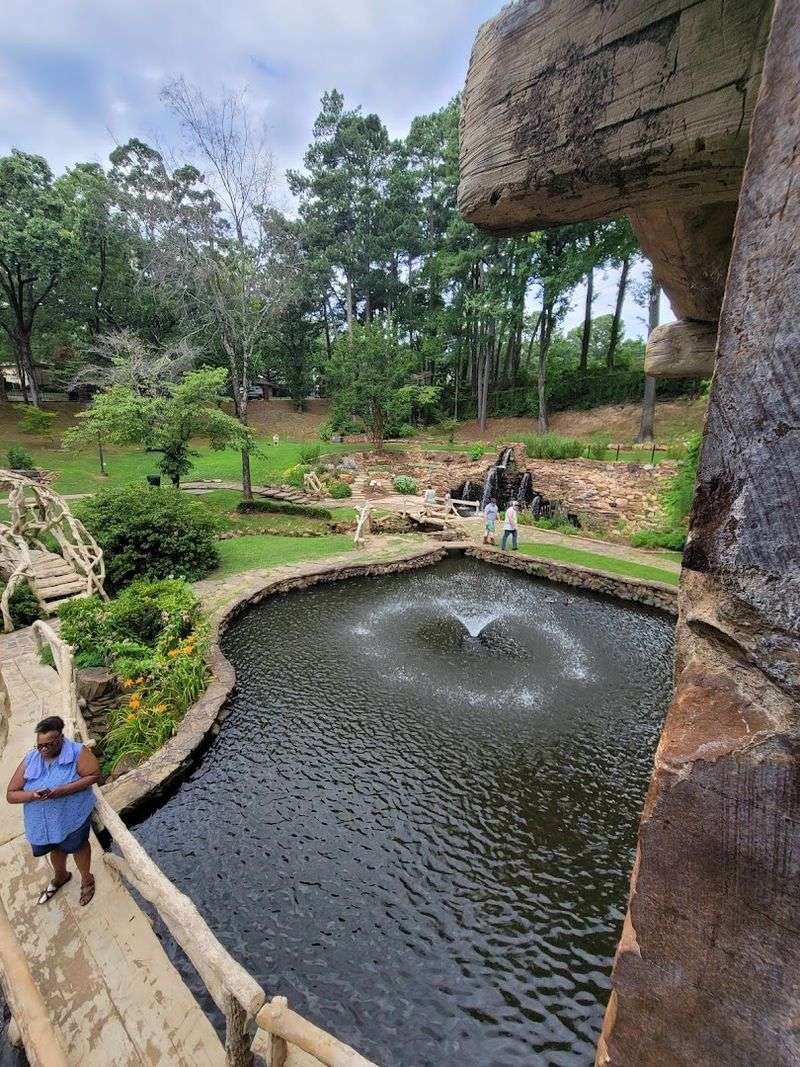
At The Old Mill, Rodriguez created the bridges, the rustic seating, decorative railings, and the centerpiece of the entire park: a 10,000-pound waterwheel made entirely from sculpted concrete. Every grain, knot, and weathered crack was shaped by hand, and the results are genuinely astonishing up close.
Rodriguez worked on the project from 1931 through its 1933 dedication, and his craftsmanship is the reason the mill looks so convincingly ancient. Visitors who touch the surfaces expecting rough wood are often startled to feel cold, smooth concrete instead.
That moment of surprise is one of the most memorable parts of any visit to this park.
A Mill That Never Actually Milled Anything
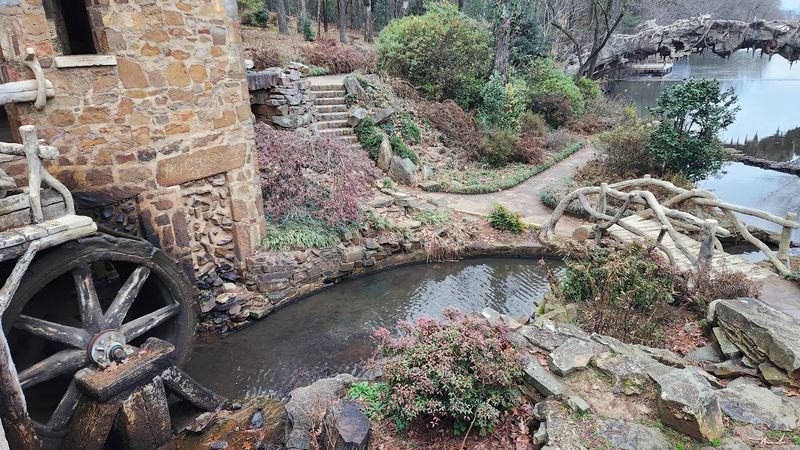
Here is a detail that surprises almost every visitor: despite looking exactly like a working grist mill from the 1830s, The Old Mill never actually ground a single grain of corn or wheat. It was always purely decorative, built to create a mood rather than produce flour.
That said, the designers did incorporate genuine historical artifacts to give the place real roots. An authentic 1828 grist mill from the Cagle family of Pope County, Arkansas, was incorporated into the structure, and mill rocks dating back to 1823 and 1840 are part of the site as well.
The park also features three hexagonal beams salvaged from an 1800s steamboat that once traveled the Arkansas River, along with two milestones from an 1830s military road. These real artifacts mixed with Rodriguez’s artful concrete creations blur the line between genuine history and theatrical recreation in a way that somehow makes the whole experience richer, not cheaper.
The Trail of Tears Connection Most Visitors Miss
Among the most sobering details hidden within this picturesque park are two milestones from an 1830s military road that passed through Arkansas. That road was laid out under the supervision of Jefferson Davis before he became a well-known political figure, and it served a deeply painful historical purpose.
The road was part of the route used during the forced relocation of the Cherokee and Choctaw tribes, a chapter of American history now known as the Trail of Tears. The milestones embedded in the park are physical remnants of that journey, quiet and easy to overlook amid all the beauty surrounding them.
Knowing this history changes how you experience the park. What looks like a charming decorative element suddenly carries real weight, and it transforms a casual stroll into something more thoughtful.
The Old Mill does not advertise this connection loudly, which means most visitors walk right past these stones without realizing they are touching a piece of one of the most significant and sorrowful stories in American history.
Gone With the Wind Filmed Right Here
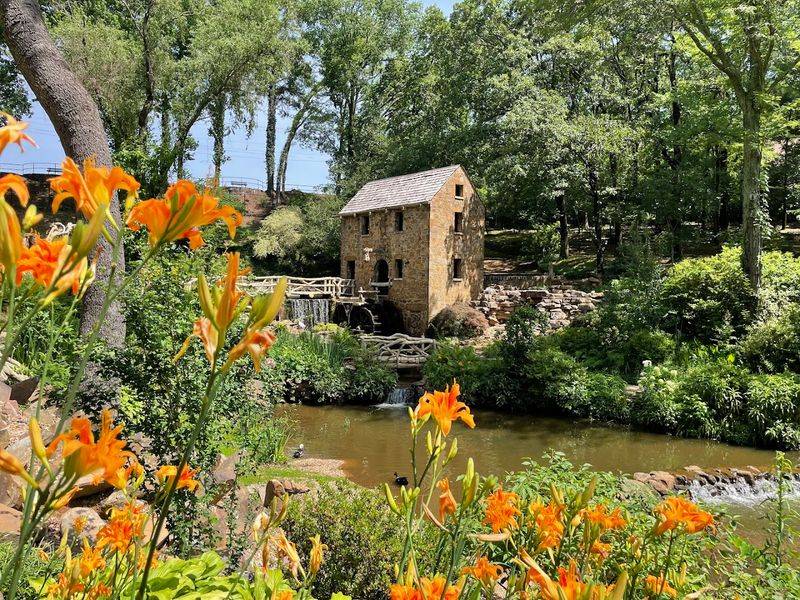
Of all the facts about this park, this one tends to get the loudest reaction: The Old Mill appeared in the opening credits of the 1939 film Gone With the Wind, one of the most celebrated movies in Hollywood history. More remarkably, it is believed to be the only remaining structure from that production still standing today.
The mill was chosen to establish the antebellum Southern atmosphere at the very start of the film, and its visual charm was convincing enough to serve as a backdrop for one of cinema’s most iconic opening sequences. That is a pretty impressive resume for a park in a North Little Rock neighborhood.
Film enthusiasts who visit often describe the experience as surreal, standing in a spot they recognize from a movie they have seen dozens of times. The park does not make a huge fuss about this connection with elaborate signage, but once you know it, every angle of the mill looks like a movie still waiting to be shot.
National Historic Recognition Well Deserved
In 1986, The Old Mill was officially listed on the National Register of Historic Places under site number 86003585, a recognition that formalized what most visitors already sense the moment they arrive: this place matters. The listing acknowledges both the architectural significance of the faux bois artistry and the cultural history embedded in the site’s artifacts.
Before that, on May 24, 1976, the mill and its surrounding grounds became an official North Little Rock city park, transferring its care to the city’s parks and recreation department. That transition helped ensure the site would be preserved and maintained for future generations rather than left to deteriorate or be redeveloped.
The combination of federal historic recognition and dedicated city stewardship has kept the park in remarkable condition for a structure approaching its centennial. Volunteers also play a meaningful role in its upkeep, tending the gardens and keeping the grounds tidy throughout the year, which is why the flowers are often still blooming well into October.
What the Grounds Actually Look and Feel Like
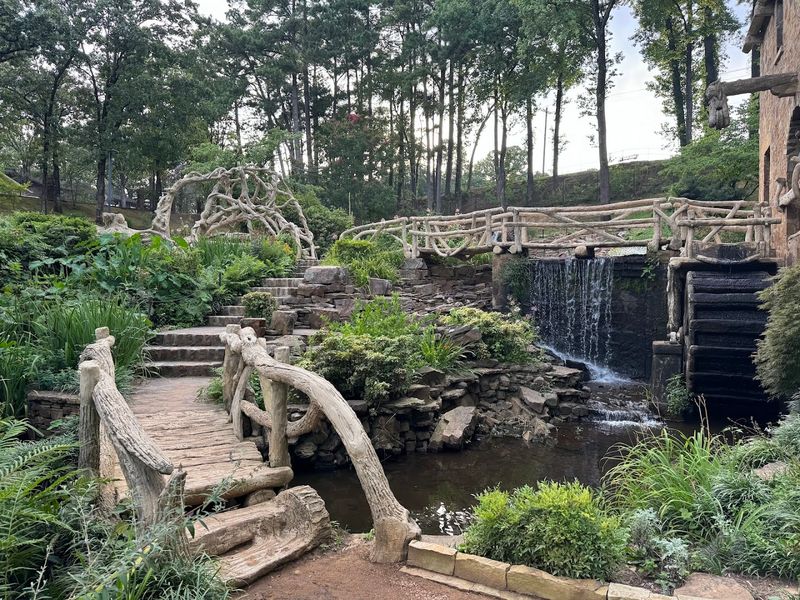
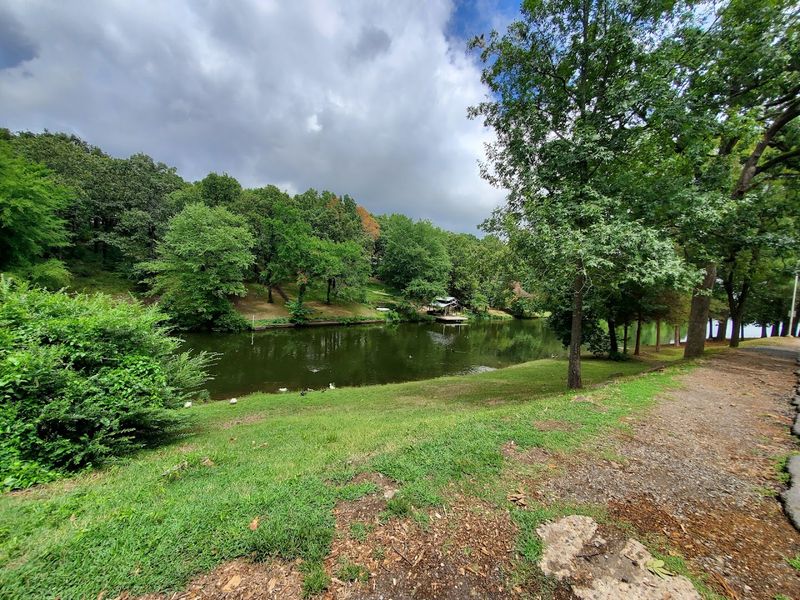
The park covers a compact area, and most visitors can walk the entire loop in 15 to 30 minutes, though those who linger over details tend to stretch that into a much longer visit. Winding paths made of uneven stone and gravel lead past small waterfalls, across arched bridges, and around a central pond where turtles and fish share the water with Muscovy ducks.
The landscaping is tended by master gardeners who keep the plantings lush and seasonally interesting. Daffodils pop up in spring, summer brings full green canopies, and even in fall and winter the park retains a quiet, moody charm that draws repeat visitors back to see how it changes.
Shade is plentiful in most areas, and there are plenty of rustic concrete benches and seats crafted by Rodriguez where you can sit and take everything in. The ground is not entirely stroller-friendly in every corner, so families with very young children should stick to the main paths and wear sturdy shoes.
The Ducks, Wildlife, and Surprising Park Rules
The Muscovy ducks at The Old Mill have a well-earned reputation for boldness. They patrol the paths with complete confidence, especially when they spot someone who looks like they might be carrying a snack.
Watching them waddle up to picnickers is one of the park’s most reliably entertaining free shows.
The park has clear rules in place to protect its wildlife, and those rules are part of what keeps the atmosphere so calm. Dogs are not permitted, which prevents the kind of chaos that can unsettle birds and other small animals.
Feeding the ducks bread is also discouraged, since bread is genuinely harmful to waterfowl despite being a popular tradition at parks everywhere.
Turtles are often spotted sunning themselves on rocks near the water’s edge, and fish are visible just beneath the surface in the clearer sections of the pond. The wildlife feels unhurried and unbothered, which contributes to the overall sense that this park operates on a slower, gentler schedule than the world outside its borders.
Why Photographers and Wedding Parties Keep Coming Back
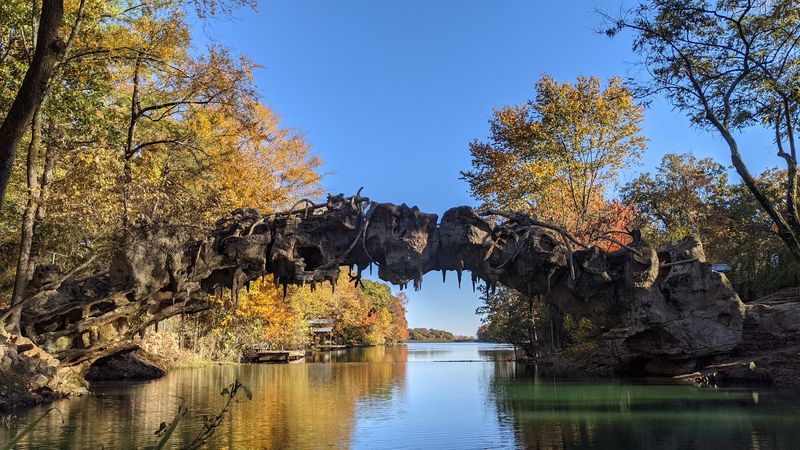
The Old Mill has become one of the most sought-after photography locations in all of Central Arkansas, and it is easy to understand why. Every corner of the park offers a naturally composed shot: arched bridges over water, the weathered mill facade, cascading small waterfalls, and the dramatic silhouette of the 10,000-pound waterwheel.
Wedding parties in particular have claimed this park as a favorite backdrop. The combination of romantic stonework, flowing water, and lush greenery creates an atmosphere that no studio set could convincingly replicate.
Engagement sessions, family portraits, and senior photos are common sights on weekend mornings.
Weekday visits are noticeably quieter, which makes them ideal for photographers who want the space without competition for the best angles. The light in the late afternoon filters beautifully through the tree canopy and catches the water’s surface in a way that makes even a phone camera produce surprisingly lovely results.
Visiting on a weekday morning or late afternoon tends to reward patience with near-empty backdrops.
Practical Tips for Getting the Most Out of Your Visit
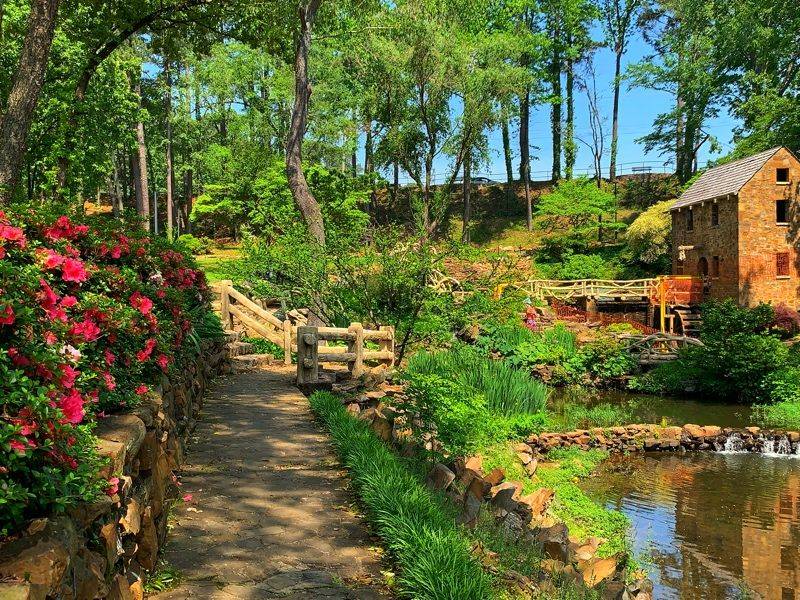
Admission is completely free, which makes The Old Mill one of the best no-cost outings in Arkansas. The park is open every day from 8:00 AM until 30 minutes after sunset, giving you a wide window to visit at whichever time suits your schedule or the light you are hoping to photograph.
Parking is the one genuine challenge. The lot is small and the surrounding streets are narrow residential roads, so arriving early on weekdays is the most reliable strategy for securing a spot without stress.
The phone number for the park is 501-791-8538 if you want to call ahead with any questions.
Wear comfortable, closed-toe shoes because the paths are made of uneven stone and gravel. Bring water, especially in summer when Arkansas heat is no joke.
A small picnic is a lovely idea, and the ducks will absolutely notice if you unpack anything edible. The whole experience, done at a leisurely pace, takes about an hour and leaves most visitors already planning their return trip.
Share this story