The 1980s were a wild decade for food. Neon colors, processed convenience, and some truly questionable flavor combinations ruled the kitchen.
Older generations grew up eating things that would make today’s foodies raise an eyebrow or two. From jiggly gelatin salads to canned mystery meat, these foods were not just tolerated, they were genuinely loved.
Jell-O Salad
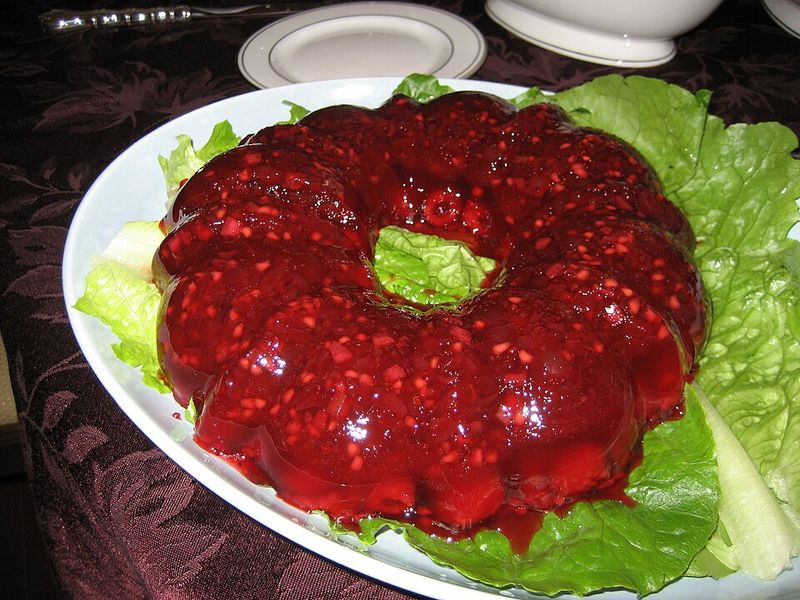
Nobody questioned the genius of Jell-O salad at a 1980s potluck. It just appeared on the table, wobbly and proud, and everyone helped themselves without a second thought.
The mix of sweet gelatin with carrots, marshmallows, or cottage cheese was completely normal back then.
Jell-O salad had dozens of regional variations. Some families swore by lime gelatin with cream cheese.
Others packed it with canned fruit and called it a side dish, a dessert, or sometimes both at once.
Church cookbooks from the era are full of Jell-O salad recipes with names like “Sunshine Mold” and “Holiday Delight.” These were not ironic titles. People genuinely named their dishes with that much enthusiasm.
Today it sounds wild, but back then, a perfectly molded Jell-O salad was a point of serious pride at any gathering worth attending.
Spam
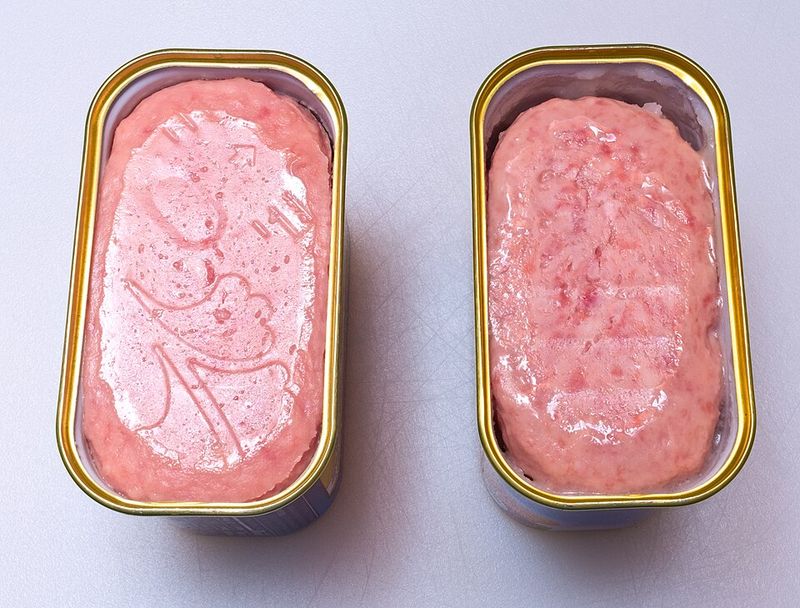
Spam gets a bad reputation today, but in the 1980s, it was a legitimate dinner hero. Hormel introduced it back in 1937, and by the time the decade of big hair rolled around, Spam had earned a permanent spot in millions of pantries across America.
The beauty of Spam was its flexibility. Fry it up with eggs for breakfast.
Slice it cold on a sandwich. Dice it into a casserole.
Bake it with a brown sugar glaze for a dinner that felt surprisingly fancy for a canned product.
I remember my aunt serving Spam slices with pineapple rings like it was a gourmet meal, and honestly, we all went back for seconds. Spam sold over 60 million cans per year during its peak popularity.
That is not a backup pantry item. That is a full-on food movement that deserves a little more respect than it gets.
Tang
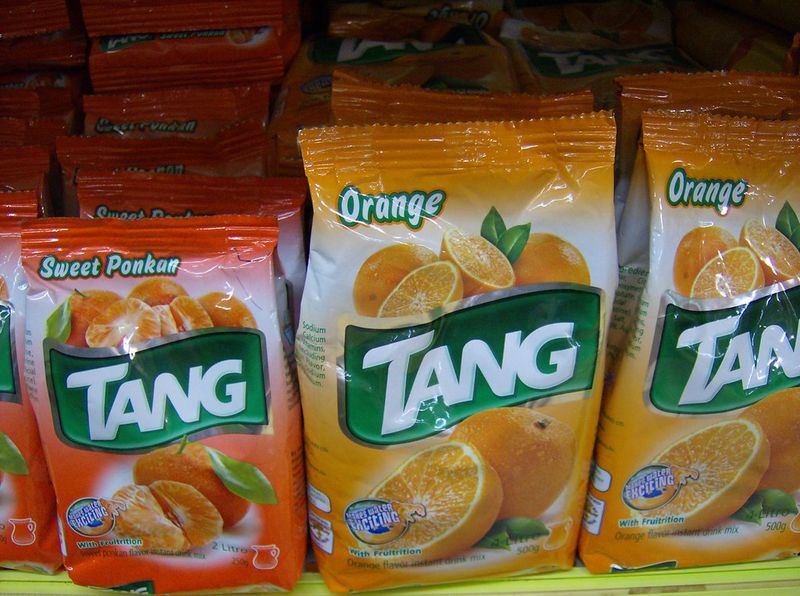
Tang was basically rocket fuel for kids in the 1980s, and NASA made sure everyone knew it. The powdered orange drink mix had been around since the late 1950s, but its association with space missions turned it into something almost mythological on breakfast tables nationwide.
Parents poured Tang because it was cheap, fast, and the kids would actually drink it. The bright orange color looked almost radioactive, which somehow made it more appealing to a generation obsessed with anything futuristic or space-related.
Technically, Tang was not invented for NASA. General Foods developed it first, and NASA just happened to use it on missions.
But once that connection stuck, Tang became the coolest drink in the galaxy, at least according to every cereal commercial from 1982. Few beverages have ever benefited more from a celebrity endorsement, especially when the celebrity is literally outer space.
Tang still sells globally today, proving the power of good branding.
Vienna Sausages
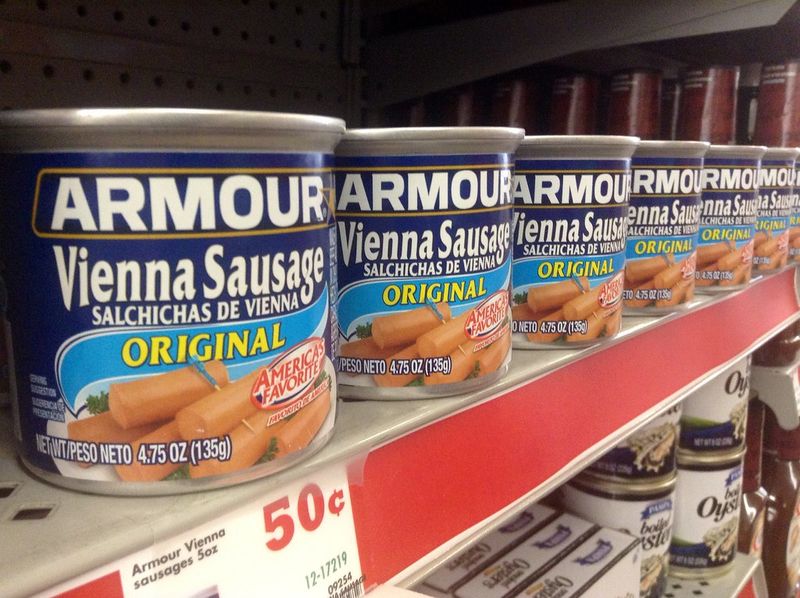
Canned Vienna sausages were the snack that required zero effort and zero apology. You popped the top, grabbed a fork or just used your fingers, and that was dinner.
Or a snack. Or honestly, whatever you needed it to be at that moment.
They were soft, salty, and slightly mysterious in texture, which did not stop anyone from eating them by the handful. Kids loved them because they were tiny and fun.
Adults loved them because they were cheap and shelf-stable for what felt like forever.
Vienna sausages were named after Vienna, Austria, though the canned American version has very little to do with authentic Austrian cuisine. The brand Armour was one of the biggest names on shelves during the 1980s.
These little guys were a staple in lunch boxes, camping trips, and late-night snack runs. Strange by today’s standards, sure, but back then they were completely unremarkable, which is exactly what made them great.
Cheez Whiz
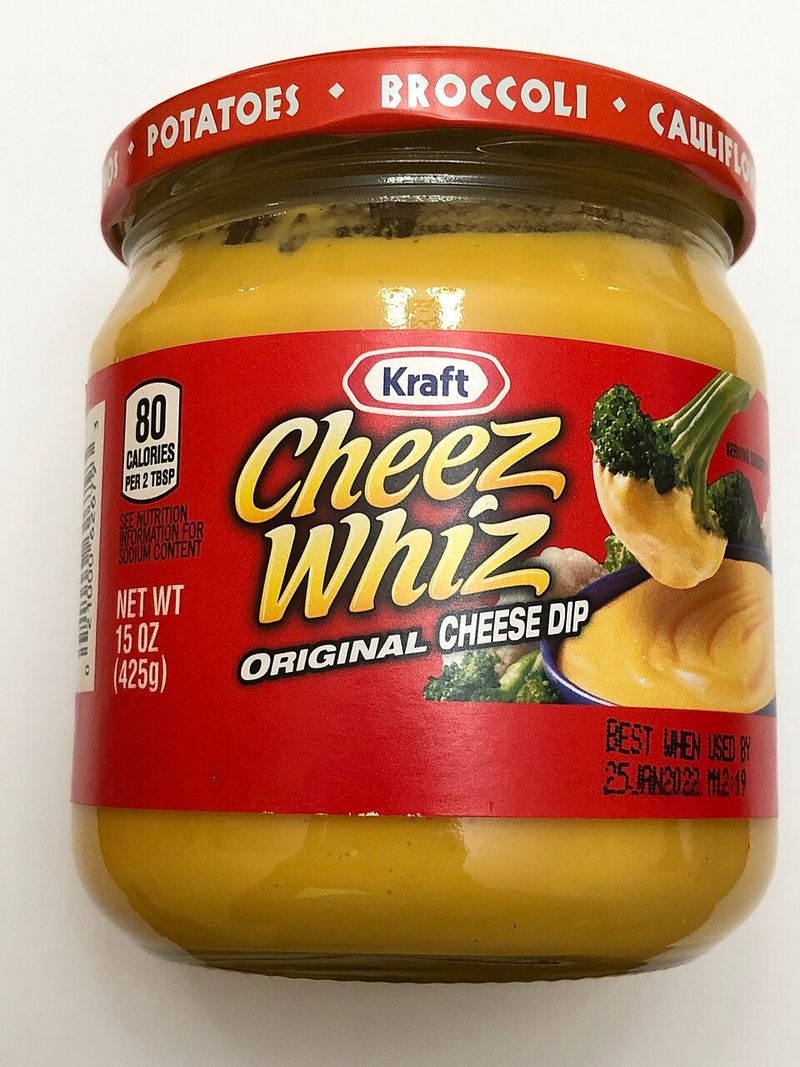
Cheez Whiz had the confidence of a food that knew exactly what it was and had zero shame about it. Bright orange, spreadable straight from the jar, and ready to go on absolutely anything, it was the ultimate shortcut for anyone who did not want to fuss with actual cheese.
Kraft introduced Cheez Whiz in 1952, originally as a quick fondue substitute. By the 1980s, it had become a kitchen staple that needed no explanation.
Crackers, hot dogs, nachos, pretzels, and party trays all got the Cheez Whiz treatment without hesitation.
What really sold people was the convenience factor. No slicing, no melting, no waiting.
Just open the jar and go. Philadelphia cheesesteak shops still use Cheez Whiz as a topping, which means the food world has quietly accepted its legitimacy.
Cheez Whiz was never pretending to be fine dining. It was just doing its delicious, processed, gloriously orange job every single day.
TV Dinners
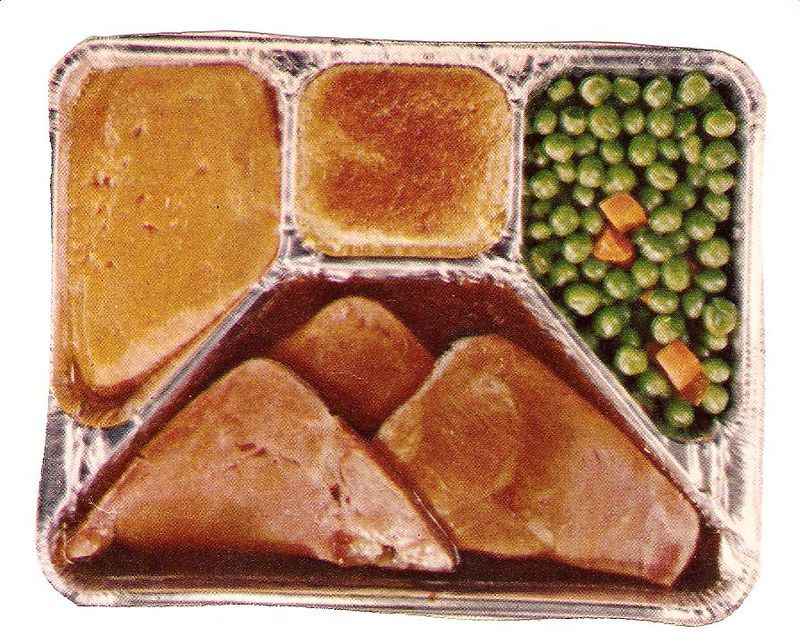
TV dinners were not just a meal. They were a whole lifestyle choice that said, “I have a microwave and I am not afraid to use it.” The 1980s were the golden era of frozen compartmentalized dinners, and families across America embraced them with genuine enthusiasm.
Swanson had been making TV dinners since the 1950s, but the microwave boom of the 1980s changed everything. Suddenly, a full meal with Salisbury steak, mashed potatoes, peas, and a little brownie square could be ready in minutes.
That felt like actual magic at the time.
Eating dinner in front of the TV on a folding tray was considered perfectly acceptable family behavior in the 1980s. No judgment, just convenience.
The divided tray design meant your peas never touched your potatoes, which was a feature some kids cared about deeply. TV dinners reflected a decade that valued speed, practicality, and the freedom to watch reruns of “Dallas” while eating Salisbury steak without apology.
Tab Soda
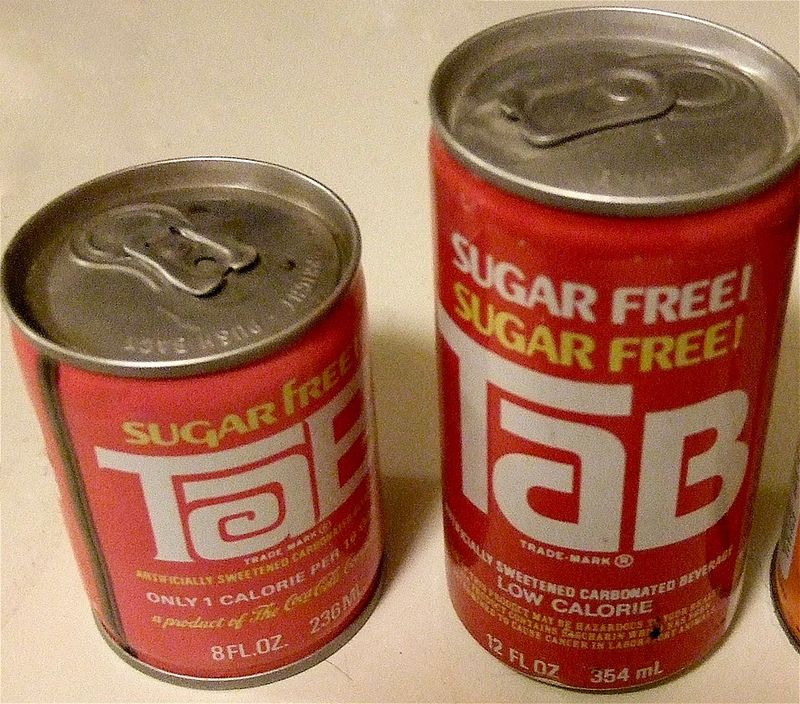
Tab was the diet soda that built a loyal army of fans before Diet Coke even existed. Coca-Cola introduced Tab in 1963, and by the 1980s it had developed a devoted following, particularly among women who loved its pink can and no-calorie promise.
The taste was polarizing. Tab used saccharin as its sweetener, which left a distinctive aftertaste that fans either loved or completely ignored.
Critics called it metallic. Fans called it refreshing.
Nobody was neutral about Tab, which is actually the mark of a great product.
When Diet Coke launched in 1982, Coca-Cola clearly expected Tab to fade out. Tab refused.
It kept selling for decades through sheer fan loyalty before finally being discontinued in 2020. The internet mourned loudly.
Tab was one of those rare products that built a genuine community around a can of soda, and that kind of brand loyalty is something most companies can only dream about achieving.
Cool Whip
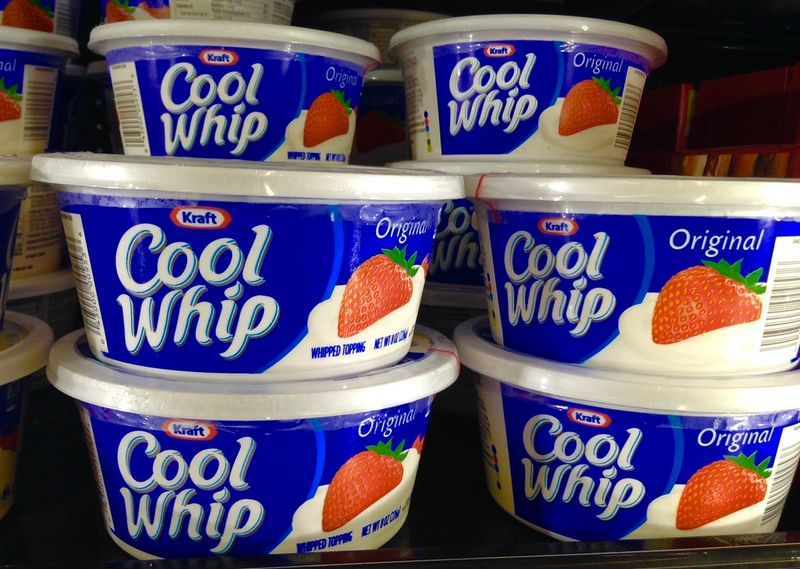
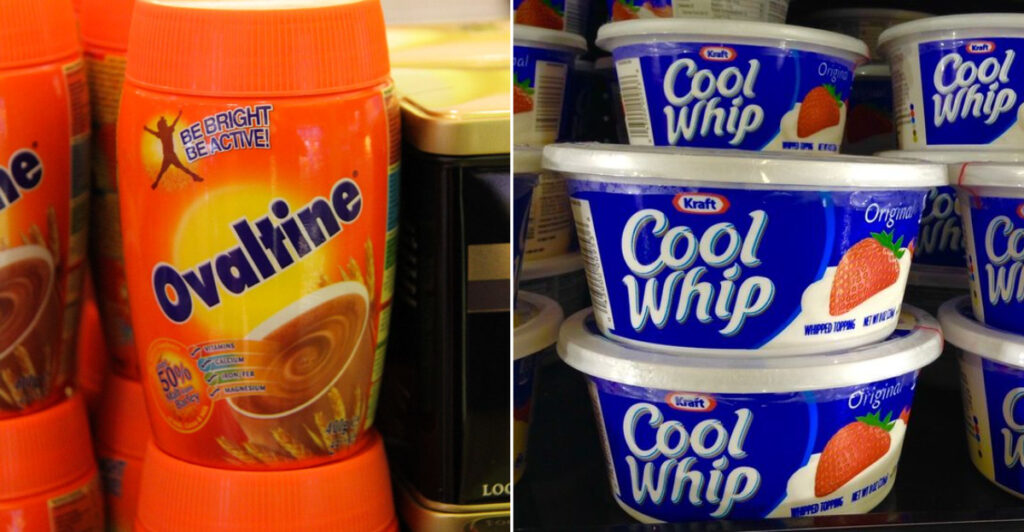
Cool Whip arrived at every 1980s dessert table like it owned the place, and honestly, it kind of did. Birds Eye introduced it in 1966, and by the 1980s, no pie, Jell-O salad, or holiday cake was considered complete without a generous cloud of the stuff on top.
The genius of Cool Whip was that it lived in the freezer until needed. No whipping, no cream, no effort.
Just thaw and spoon. For busy families juggling school schedules and work, that kind of convenience was genuinely valuable.
Cool Whip also had an almost supernatural ability to make mediocre desserts taste better. A sad store-bought pie became acceptable the moment Cool Whip appeared on top.
A bowl of canned fruit cocktail turned into something that felt vaguely fancy. It was the great equalizer of the dessert world.
Cool Whip is still sold today and still shows up at potlucks, proving that some things from the 1980s genuinely deserve to survive.
Snack Pack Pudding
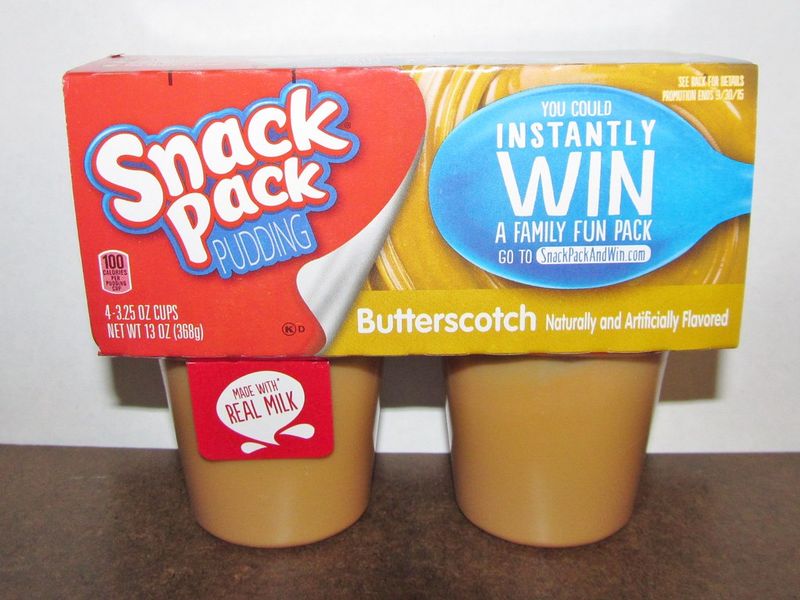
Few things in a 1980s lunch box sparked more excitement than spotting a Snack Pack pudding cup. Chocolate was the undisputed champion, but butterscotch had a passionate and slightly underrated fan base that deserves recognition here.
Hunt’s launched Snack Pack back in 1968 originally in small metal cans with a pull-tab top. By the 1980s, plastic cups had taken over, making them easier to pack and safer for kids who might cut themselves on metal edges.
The switch was practical and quietly revolutionary for school lunches everywhere.
The pudding itself was thick, sweet, and deeply satisfying in the way only processed chocolate pudding can be. No cooking required, no refrigeration needed until opened, and the serving size was perfectly calibrated for one very happy kid.
Snack Pack is still around today, but there is something about eating it in 1984 with a tiny plastic spoon during lunch that no modern pudding cup has ever quite managed to replicate.
Fruit Roll-Ups
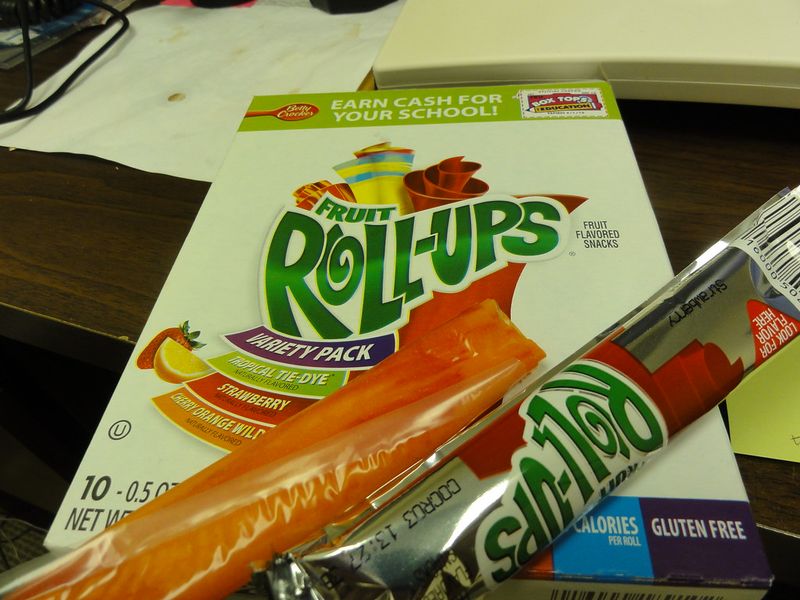
Fruit Roll-Ups were technically a fruit snack, but every kid in the 1980s knew they were really just candy with better PR. General Mills moved them into the Betty Crocker division in 1980, and the timing was perfect for a generation of snack-obsessed children who wanted something fun to eat and play with simultaneously.
Peeling back the cellophane and unrolling a perfectly flat sheet of sticky fruit leather was a ritual. Some kids rolled it back up and ate it in bites.
Others stretched it dramatically before consuming. A few tried to use it as a temporary tattoo, with mixed results.
The flavors were bright, the colors were vivid, and the sugar content was spectacular by any objective measure. Parents bought them because “fruit” was in the name.
Kids ate them because they were genuinely fun. Fruit Roll-Ups are still sold today in updated versions, but the originals from the 1980s hold a special place in the snack hall of fame.
Ovaltine
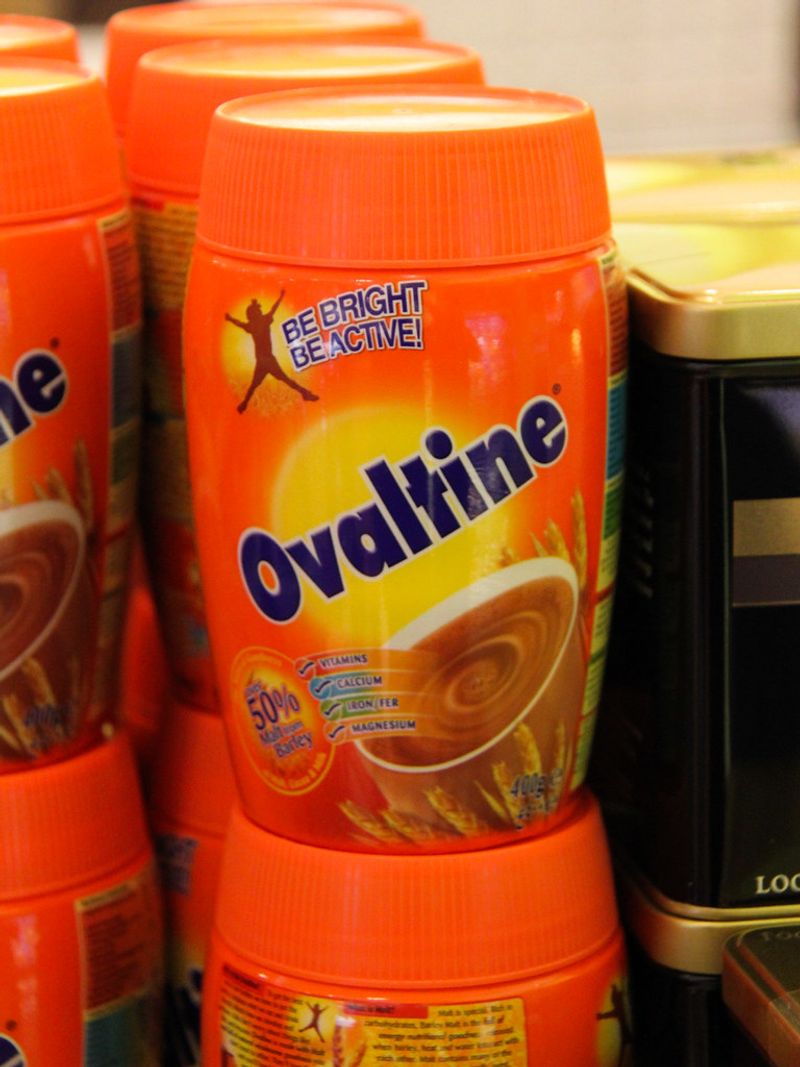
Ovaltine was the drink mix that made parents feel responsible and kids feel like they were getting away with something sweet before bed. The malted milk and cocoa combination had an old-fashioned warmth that felt cozy rather than flashy, which is exactly what made it different from every other 1980s food trend.
Ovaltine has been around since 1904, making it one of the oldest items on this list by a significant margin. By the 1980s, it carried a nostalgic reputation even then, the kind of drink that grandmothers recommended and mothers quietly agreed with.
Hot in winter, cold in summer, it worked both ways.
The brand got a massive cultural boost from the movie “A Christmas Story” in 1983, where a secret decoder ring turned out to be nothing more than an Ovaltine advertisement. That scene made Ovaltine both famous and gently mocked at the same time.
Somehow, the brand survived the joke and kept right on selling its malty, chocolatey powder to loyal fans for decades afterward.
Share this story