South America hides some of its most jaw-dropping towns in places most maps barely bother to label. Carved into canyon walls, perched above ancient gorges, and surrounded by mountains that seem to touch the clouds, these highland settlements have been quietly stunning visitors for centuries.
What makes them so special is not just the scenery but the layers of history, culture, and architecture stacked into every narrow street and stone staircase. From Peru’s impossibly deep Colca Canyon to Argentina’s rainbow-striped rock formations, each town on this list has its own personality and its own reason to visit.
Whether you are a history lover, an adventure seeker, or simply someone who appreciates a good view with a great story behind it, these 15 canyon towns will give you plenty to talk about long after you return home.
1. Cabanaconde, Peru
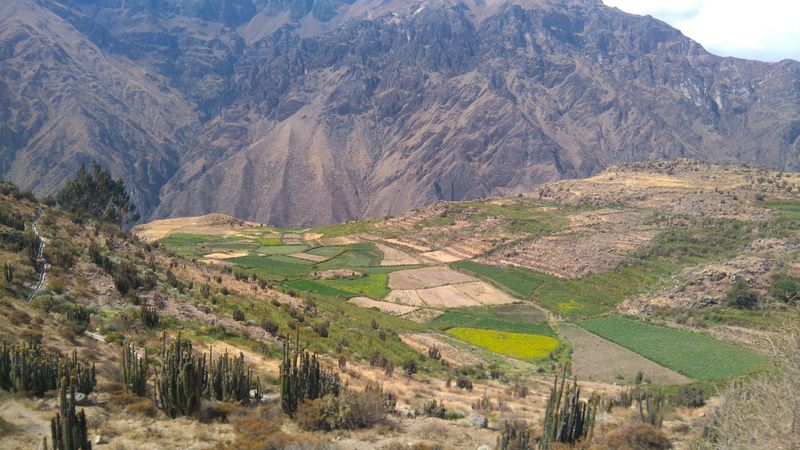
Forget every postcard you have ever seen, because Cabanaconde makes them all look like rough drafts. This small Andean village sits at around 11,000 feet above sea level, right on the rim of the Colca Canyon, which is widely considered one of the deepest canyons on the planet.
The town itself is compact and walkable, with stone-paved streets and adobe buildings that have barely changed in centuries. Local residents still wear traditional embroidered clothing, and the weekly market is a genuine community event rather than a tourist attraction.
Condors are a regular sight here, riding thermal currents above the canyon without much effort. The Cruz del Condor viewpoint is just a short distance away.
Cabanaconde is the kind of place that rewards anyone willing to make the journey.
2. Purmamarca, Argentina
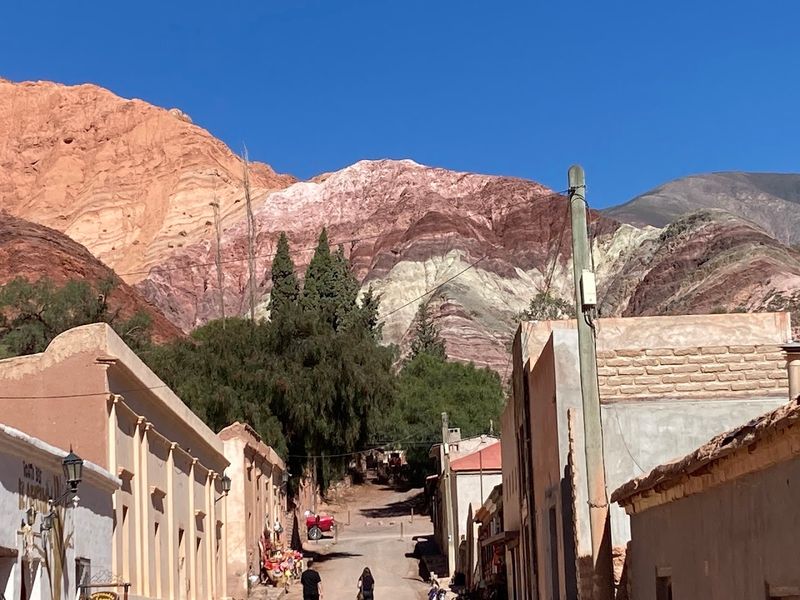
Right at the foot of a mountain that looks like it was painted by someone who could not decide on a favorite color, Purmamarca is one of Argentina’s most visually striking highland villages. The Hill of Seven Colors, with its layered bands of red, yellow, purple, and green rock, forms the backdrop for a town built almost entirely from adobe.
The central plaza is lined with craft stalls where artisans sell handwoven textiles, pottery, and carved wooden goods. The Church of Santa Rosa de Lima, built in 1648, is one of the oldest in the region and still holds regular services.
Purmamarca sits within the Quebrada de Humahuaca, a UNESCO World Heritage canyon corridor. The altitude sits around 7,200 feet, so take it easy on arrival and enjoy the view at a sensible pace.
3. Chivay, Peru
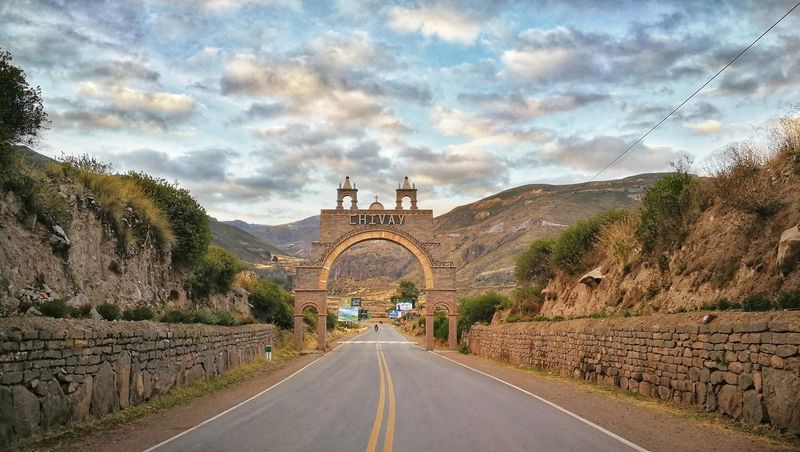
Chivay is the kind of town that does not oversell itself, which is exactly why it is worth your time. As the capital of the Caylloma district and the main hub of the Colca Canyon area, it functions as a practical base for canyon exploration while maintaining its own local character.
The central market is a daily affair where farmers from surrounding villages bring fresh produce, grains, and handmade goods. The town’s colonial church faces a plaza where locals gather in the evenings with a routine that has changed very little over generations.
La Calera hot baths, located just outside town, are fed by natural thermal springs and offer a genuinely relaxing experience after a long day of trekking. Chivay sits at about 11,500 feet, so the mountain air is crisp and the nights are genuinely cold.
4. Tilcara, Argentina
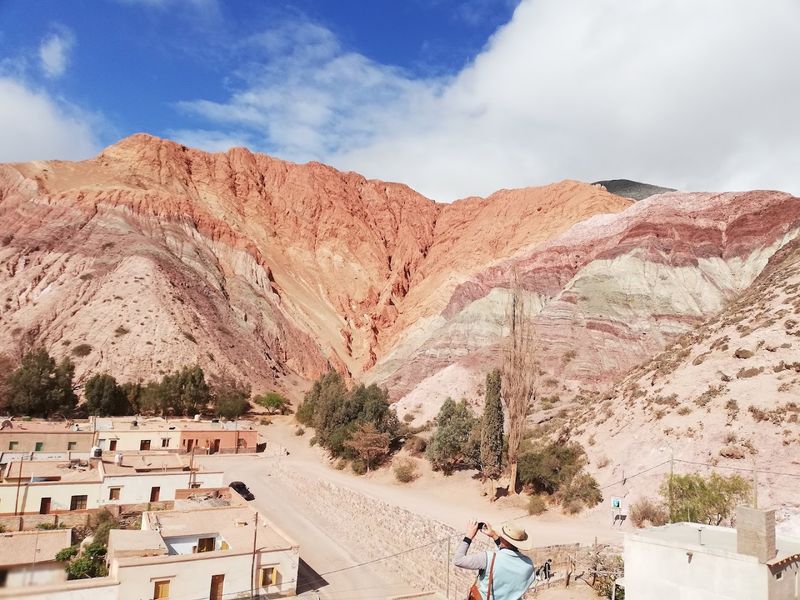
Ancient and alive at the same time, Tilcara manages to balance its pre-Columbian past with a thriving present-day arts community. The town sits inside the Quebrada de Humahuaca canyon system in Jujuy Province, and its location within this UNESCO-listed corridor gives it serious historical credentials.
The Pucara de Tilcara, a partially restored pre-Inca fortress on a hill just outside town, is one of the most visited archaeological sites in northwest Argentina. From the top, the canyon views stretch in every direction.
Tilcara’s streets are narrow and lined with adobe walls painted in earthy reds and yellows. Galleries, small museums, and craft workshops fill the town center.
The local food market is a reliable spot for regional dishes made with Andean grains and highland produce that have been staples in this area for centuries.
5. San Pedro de Atacama, Chile
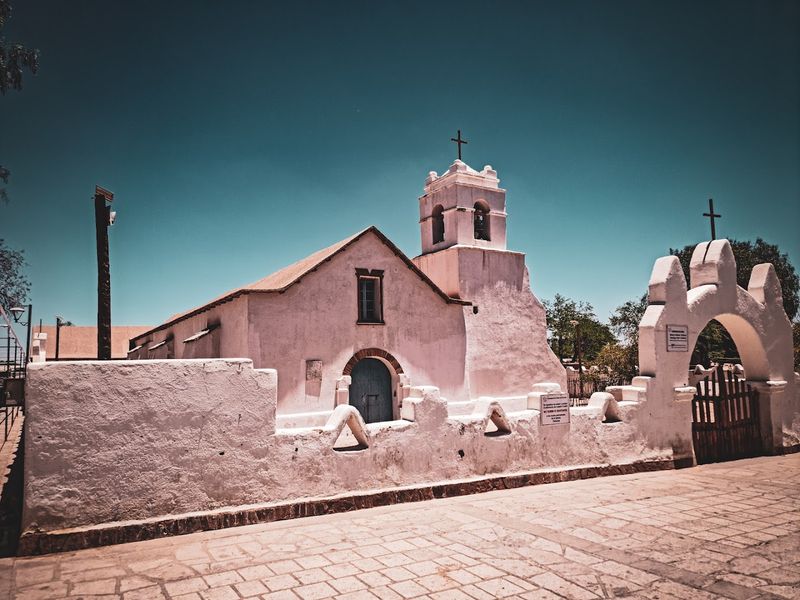
Sitting in one of the driest places on Earth and somehow thriving, San Pedro de Atacama is a genuinely unusual place to visit. This small oasis village in northern Chile serves as the main access point for the Atacama Desert, a high-altitude landscape of salt flats, geysers, and volcanic craters that looks more like another planet than a travel destination.
The town’s architecture is almost entirely adobe, with thick-walled buildings that keep interiors cool during the day and warm at night. The Pre-Inca Fortress of Quitor, built around the 12th century, sits just a few kilometers from the town center and is reachable by bicycle.
San Pedro’s main street is lined with tour operators, small restaurants, and craft shops. The local archaeological museum holds one of the most significant collections of Atacameno artifacts in Chile, making it a worthwhile stop before heading out to the desert.
6. Yanque, Peru
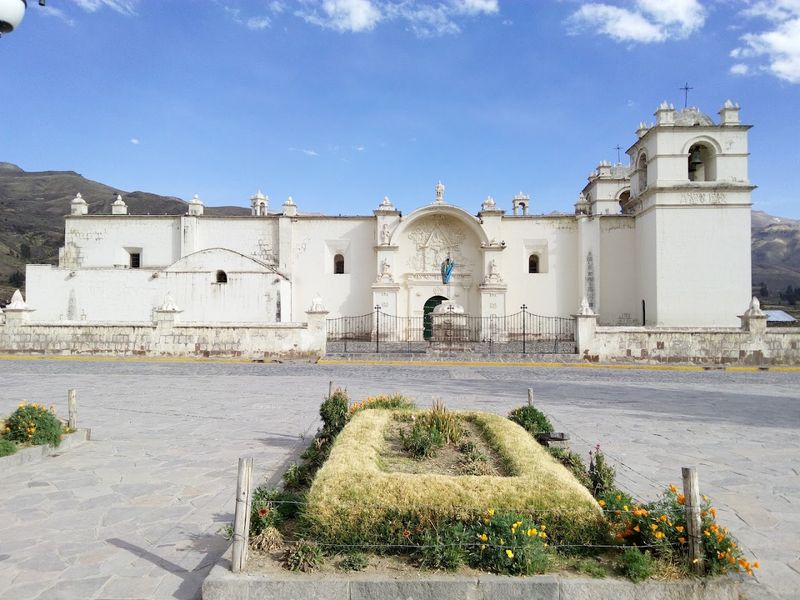
Yanque is the kind of village that quietly outshines its more famous neighbors. Located a short drive from Chivay along the Colca Canyon road, it sits at around 12,000 feet and offers views of terraced hillsides that have been farmed continuously for over a thousand years.
The Immaculate Conception Church, completed in the 18th century, is the town’s architectural centerpiece. Its elaborate carved stone facade is considered one of the finest examples of mestizo baroque style in the entire Colca region.
A colonial bridge near the village leads to natural hot springs that visitors can access year-round. Locals here still wear traditional embroidered clothing as everyday dress, not for tourism purposes.
The combination of genuine cultural preservation, dramatic canyon scenery, and accessible hot springs makes Yanque a practical and rewarding stop.
7. Tafí del Valle, Argentina
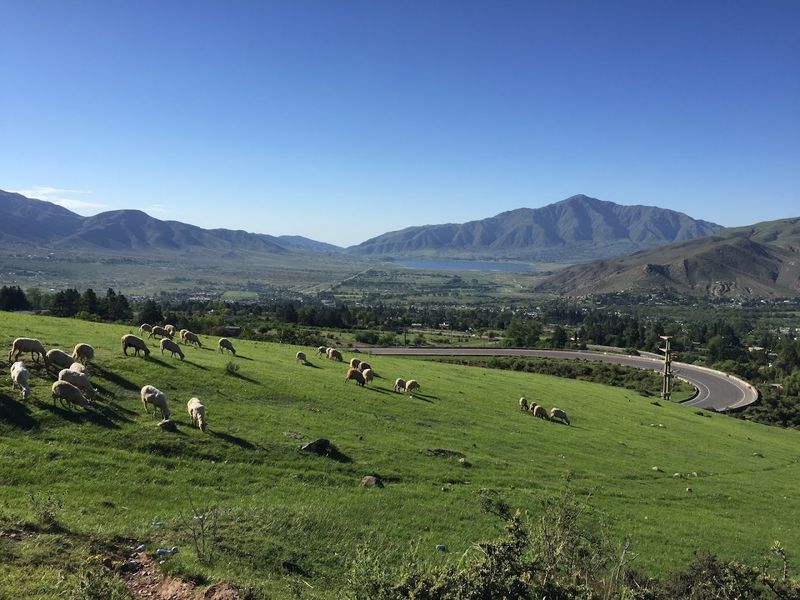
Most international travelers have never heard of Tafi del Valle, and that is genuinely their loss. Tucked into a high mountain valley in Tucuman Province at around 6,500 feet, this Argentine highland town offers canyon views, green landscapes, and colonial architecture without the crowds that follow more famous Andean destinations.
The area has been inhabited since pre-Columbian times, and a collection of ancient standing stones called menhirs can be found at a local archaeological park just outside town. Nobody is entirely sure of their original purpose, which makes them all the more interesting.
The town itself has a modest central plaza, a colonial chapel, and a handful of family-run guesthouses. The surrounding valleys are popular with hikers and mountain bikers.
Tafi del Valle is the kind of place that rewards travelers who prefer discovery over itinerary.
8. Sorata, Bolivia
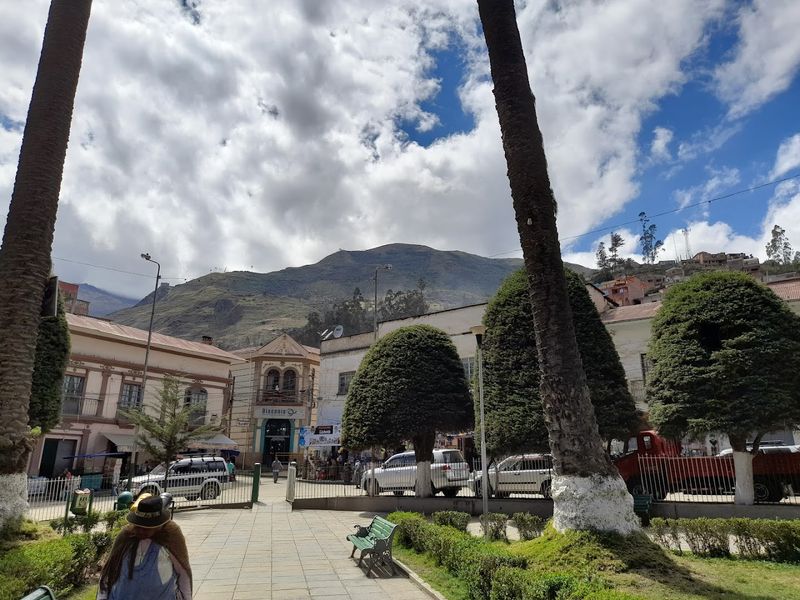
Bolivia keeps Sorata close to its chest, and it is easy to understand why. This small town in the La Paz Department sits at about 8,500 feet in a valley carved between towering Andean peaks, including the massive Illampu Mountain, which rises to over 20,000 feet and provides one of the most dramatic backdrops of any town on this list.
Sorata’s colonial architecture features whitewashed walls and terracotta rooftops arranged along cobbled streets that slope toward a central plaza shaded by old trees. The town has a long history as a trading hub connecting the highlands with the lowland tropics.
Hiking trails from Sorata lead into canyon valleys and toward glacier lakes that take several days to reach. The town serves as the starting point for some of Bolivia’s most challenging and rewarding multi-day treks, attracting serious hikers from around the world.
9. Arequipa, Peru
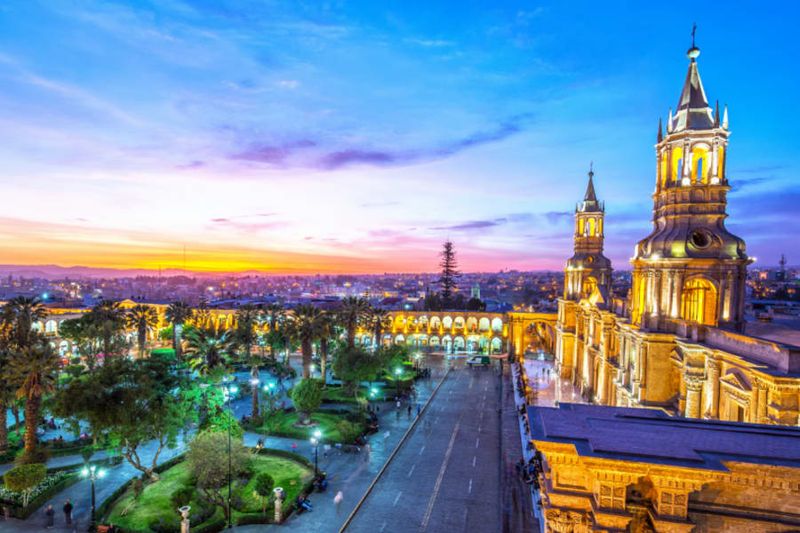
Built almost entirely from white volcanic sillar stone, Arequipa earned its nickname the White City fair and square. Peru’s second-largest city sits at around 7,600 feet in a highland basin surrounded by three volcanoes, including the cone-shaped El Misti, which keeps a permanent eye on everything below.
The Santa Catalina Monastery, founded in 1579, covers an entire city block and functions like a small town within the town. Its orange and blue-painted corridors, narrow streets, and open courtyards took decades to fully explore after it was opened to the public in 1970.
Arequipa’s Plaza de Armas is considered one of the most architecturally impressive central squares in all of Peru. The city also sits near the Colca and Cotahuasi canyons, giving it access to two of the deepest gorges in the world within a few hours’ drive.
10. Humahuaca, Argentina
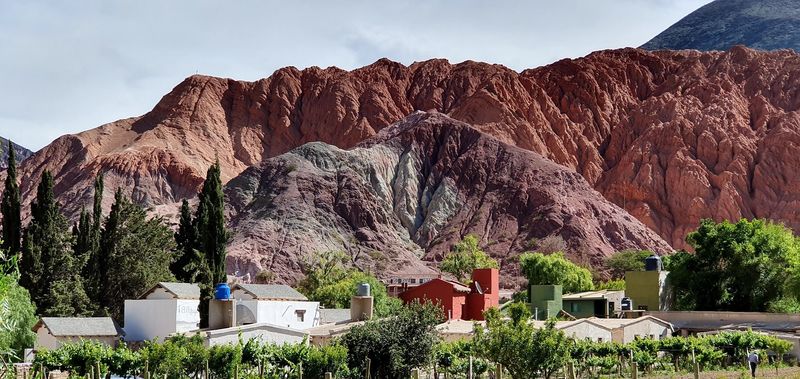
High in the Quebrada de Humahuaca at around 9,700 feet, the town of Humahuaca has been a crossroads of cultures for thousands of years. Its position along an ancient trade and pilgrimage route connecting the Andes with the lowlands made it strategically important long before European colonizers arrived.
The historic town center is compact and largely unchanged, with narrow cobbled streets, adobe buildings, and a central clock tower that features a mechanical figure of San Francisco Solano appearing on the hour. The local market sells everything from woven blankets to dried herbs used in traditional Andean medicine.
The canyon walls surrounding Humahuaca shift color depending on the time of day, moving through shades of red, orange, and purple. The whole Quebrada corridor is a UNESCO World Heritage Site, and Humahuaca is its most historically significant urban center.
11. Coroico, Bolivia
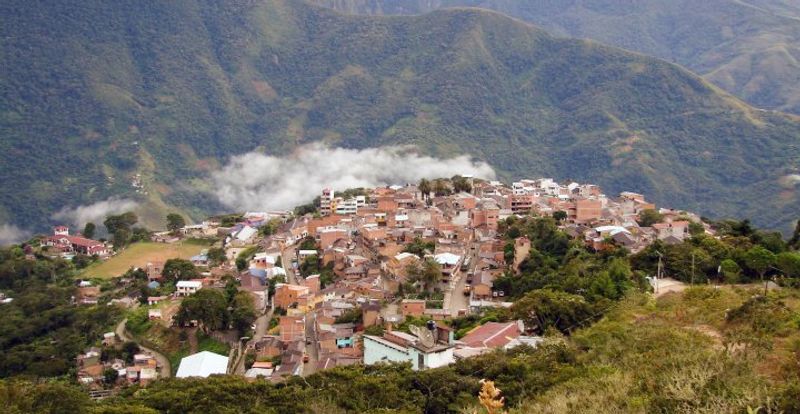
Coroico sits at a point where the high Andes begin their dramatic drop toward the Amazon lowlands, creating a landscape that shifts from rocky highland terrain to lush subtropical forest within just a few kilometers. The town perches on a ridge at around 5,900 feet in the Yungas region of Bolivia, offering views of deep canyon valleys on multiple sides.
Getting to Coroico traditionally meant traveling the North Yungas Road, a famously narrow mountain route carved into steep canyon walls that draws adventurous cyclists from around the world. A safer paved alternative now exists, but many visitors still choose the original route by bicycle.
The town itself is relaxed and small, with a central plaza, a colonial church, and a handful of family-run guesthouses. The surrounding countryside offers hiking trails through cloud forest and canyon terrain rarely explored by international tourists.
12. Mérida, Venezuela
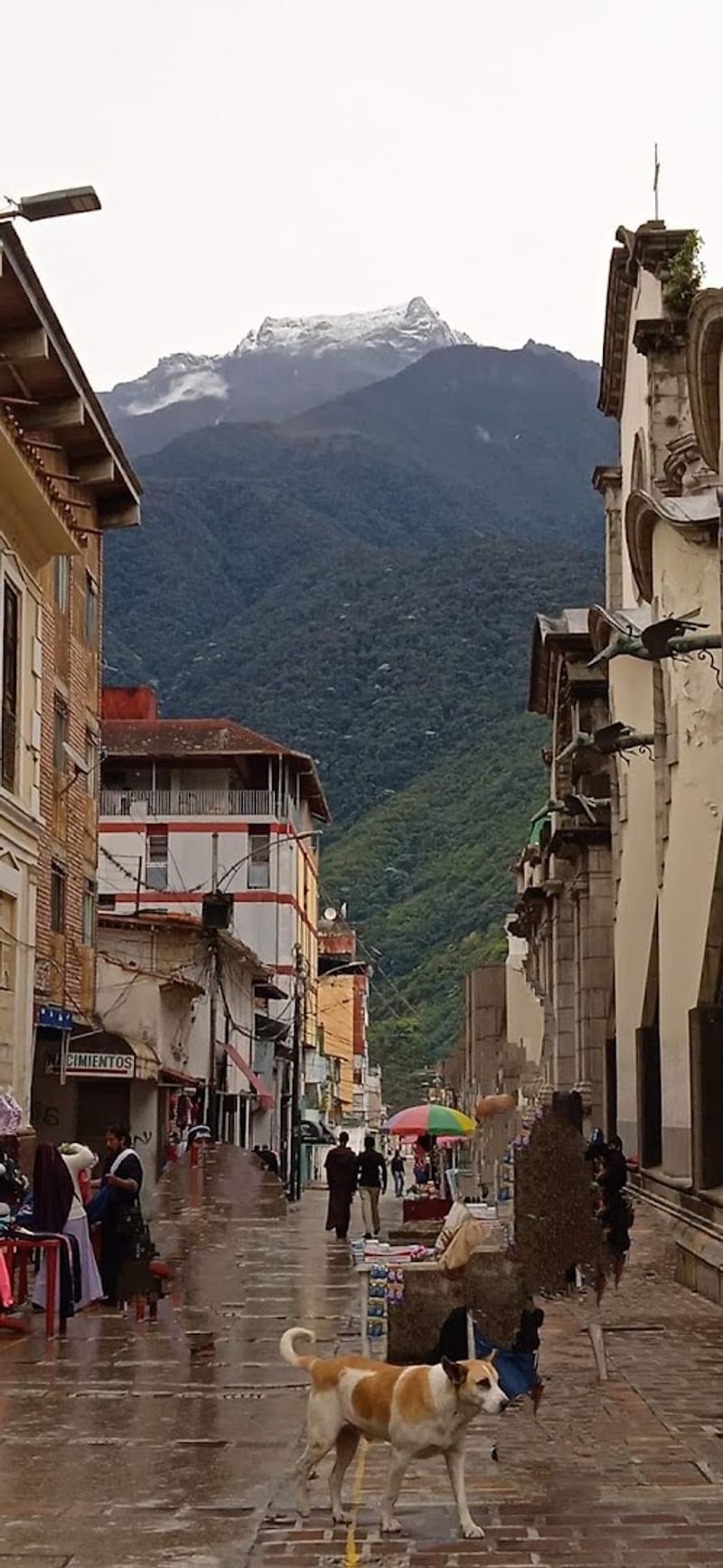
Venezuela’s highest city sits in a long narrow valley carved between two parallel Andean ridges, giving Merida a canyon-like setting that is unlike any other major city in the country. At around 5,400 feet above sea level, the city enjoys a cooler climate year-round compared to Venezuela’s coastal regions.
Merida is home to one of the longest and highest cable car systems ever built, connecting the city center to the Pico Espejo summit at over 15,600 feet. The cable car has been operational since 1960 and remains a major draw for visitors interested in high-altitude Andean scenery.
The city’s colonial center features a cathedral facing a well-maintained central plaza and several small museums covering regional history and indigenous culture. The surrounding highland valleys hold indigenous communities that have maintained traditional agricultural practices for centuries.
13. Capachica, Peru
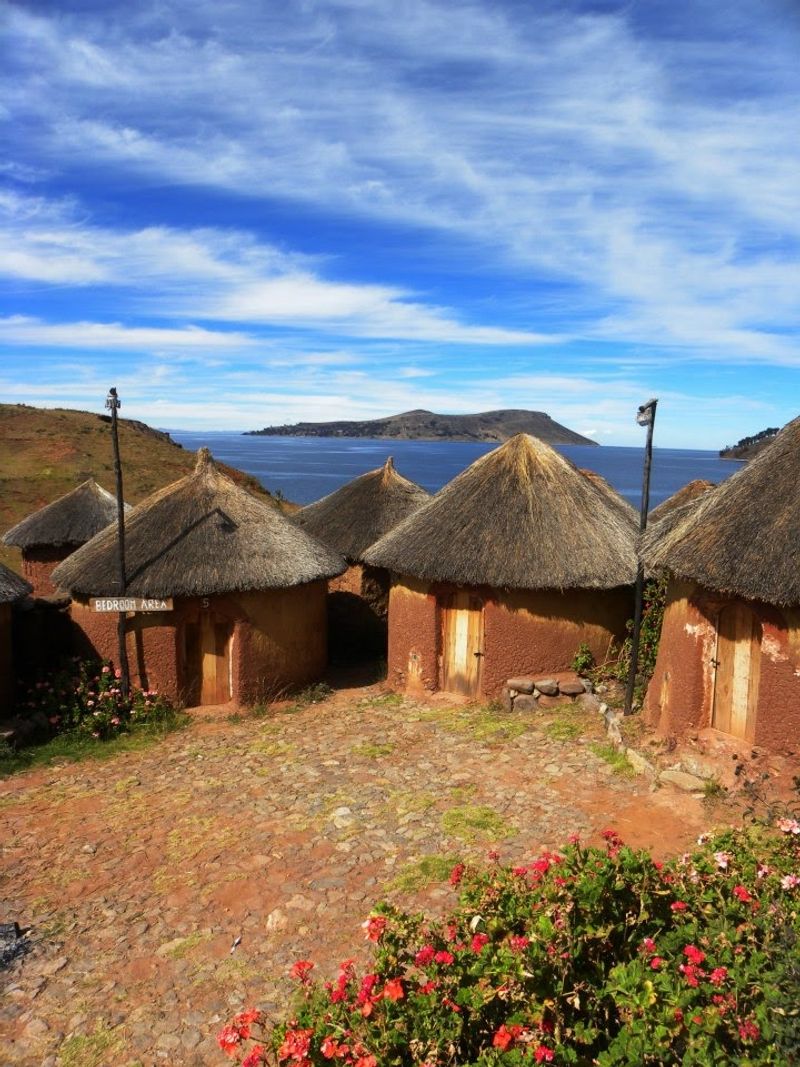
Most travelers rush past the Capachica Peninsula on their way to Lake Titicaca’s famous floating islands, which means this highland community gets to stay refreshingly uncrowded. The peninsula juts into the lake at around 12,500 feet above sea level and is surrounded by rolling highland terrain that drops sharply into the water on several sides.
The villages on the peninsula, including Capachica itself, have organized community-based tourism programs that allow visitors to stay with local families, learn traditional weaving techniques, and join farming activities. It is one of the more authentic rural experiences available in the Puno region.
The views from the higher ridges of the peninsula take in the vast blue expanse of Lake Titicaca alongside steep valley landscapes that stretch toward the Bolivian border. Capachica rewards travelers who slow down and pay attention to the details most people miss.
14. Iruya, Argentina
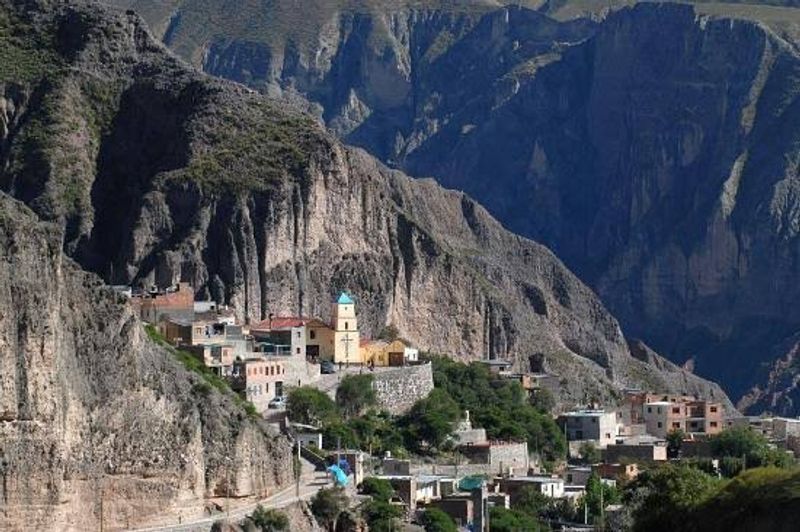
Reaching Iruya requires commitment. The only road in crosses a mountain pass at over 13,000 feet before dropping into a narrow canyon gorge where the village clings to the hillside like it is holding on for dear life.
That road is unpaved, winding, and not for the faint-hearted, but the reward at the end is extraordinary.
The village sits at around 9,200 feet in Salta Province and has fewer than 1,500 permanent residents. Its stone pathways, adobe homes, and whitewashed church create a setting that has barely changed in appearance since colonial times.
Iruya is completely surrounded by canyon walls and mountain ridges that make it feel genuinely isolated from the rest of Argentina. Hiking trails connect it to even smaller surrounding villages.
The local market, held on weekends, brings together communities from across the canyon for trading and socializing.
15. Villa de Leyva, Colombia
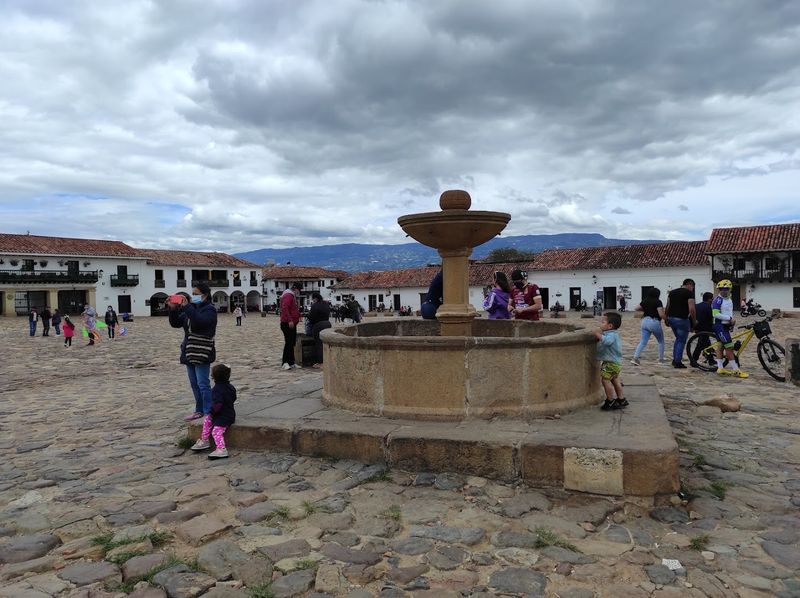
Villa de Leyva’s central plaza is one of the largest unpaved town squares in all of Colombia, and standing in the middle of it surrounded by whitewashed colonial buildings feels like a genuine step backward in time. The town was declared a National Monument in 1954, which has helped preserve its 16th-century layout almost entirely intact.
The surrounding landscape of Boyaca Department includes canyon ravines, arid highland valleys, and fossil-rich terrain that has produced some remarkable paleontological discoveries, including a massive plesiosaur skeleton found in the 1970s.
The town sits at around 7,000 feet and enjoys a dry, mild climate that makes it comfortable to explore year-round. The streets are paved entirely with cobblestones, and no modern signage is permitted on the historic facades.
Villa de Leyva proves that colonial history and dramatic natural scenery are not mutually exclusive.
Share this story