Squam Lake is more than a scenic stop in New Hampshire’s Lakes Region. Its quiet coves, pine-covered islands, and clear water became the backdrop for the Oscar-winning film On Golden Pond, turning the lake into one of the state’s most recognizable filming locations.
Visitors still come to see the spots featured in the movie, many of which can only be reached by boat. Between the film history, resident loon population, and stories tied to the production itself, Squam Lake offers a side of New Hampshire that feels far removed from the usual tourist crowds.
Where the Magic Happened: The Lake, Its Location, and Its Setting
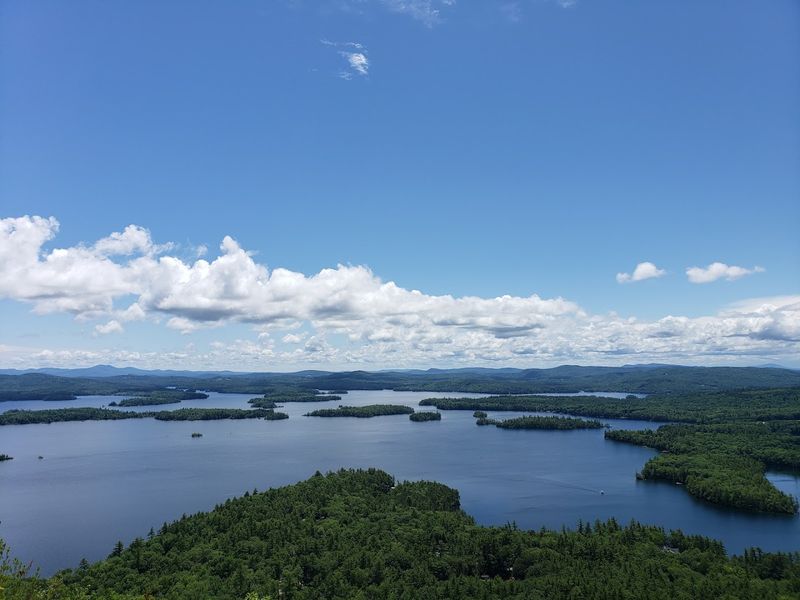
Squam Lake sits in Holderness, New Hampshire, in the heart of the Lakes Region of central New Hampshire, south of the White Mountains. The lake itself is technically two connected bodies of water, Big Squam and Little Squam Lakes, covering a combined 6,791 acres and making it New Hampshire’s second-largest lake entirely within the state.
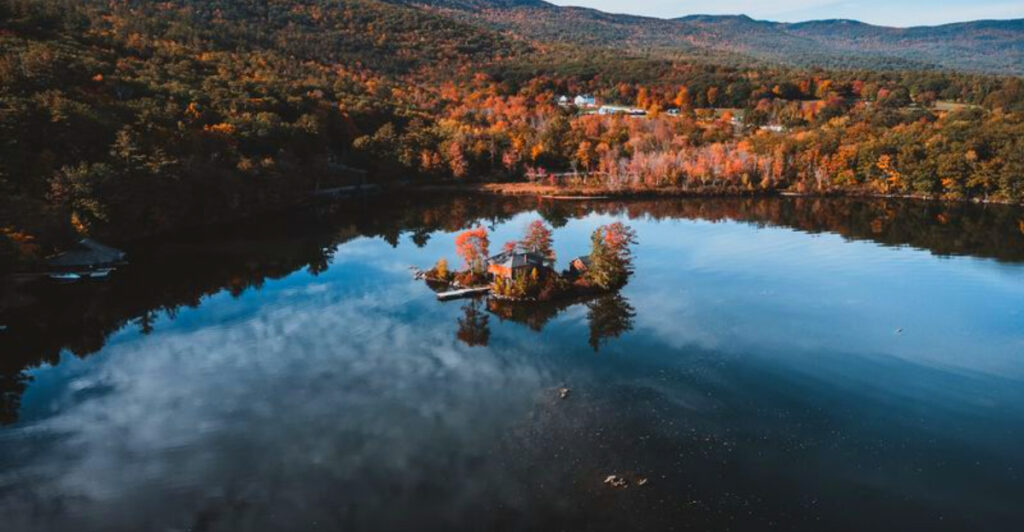
The lake drains into the Pemigewasset River and is fed by natural springs, which explains why its water stays so remarkably clear even in the heat of summer. With 29 to 30 named islands scattered across its surface, the landscape feels endlessly layered and exploreable.
Unlike its busier neighbor Lake Winnipesaukee just to the south, Squam has always kept a quieter personality. Fewer marinas, less boat traffic, and a shoreline still largely covered in mature trees give it a timeless quality that filmmakers and nature lovers alike find hard to resist.
The White Mountains peek over the northern horizon on a clear day, adding one more layer of drama to an already stunning scene.
The Film That Put Squam Lake on the Map
On Golden Pond arrived in theaters in 1981 and immediately captured the hearts of audiences across the country. The film starred Katharine Hepburn, Henry Fonda, and Jane Fonda, and followed an aging couple spending what might be their last summer at their beloved lakeside cottage.
Jane Fonda actually purchased the rights to the original stage play herself, specifically so her father Henry could play the lead role of Norman Thayer. The real-life tension and tenderness between Jane and her father mirrored the on-screen father-daughter relationship so closely that audiences felt the emotion was completely genuine, because much of it was.
Remarkably, Katharine Hepburn and Henry Fonda had never worked together before this film, yet their chemistry on screen felt like a lifetime of shared history. The movie won three Academy Awards, including Best Actor for Henry Fonda and Best Actress for Hepburn.
Squam Lake was not just a backdrop for this story; it was practically a character in its own right.
The Cottage That Became a Screen Icon
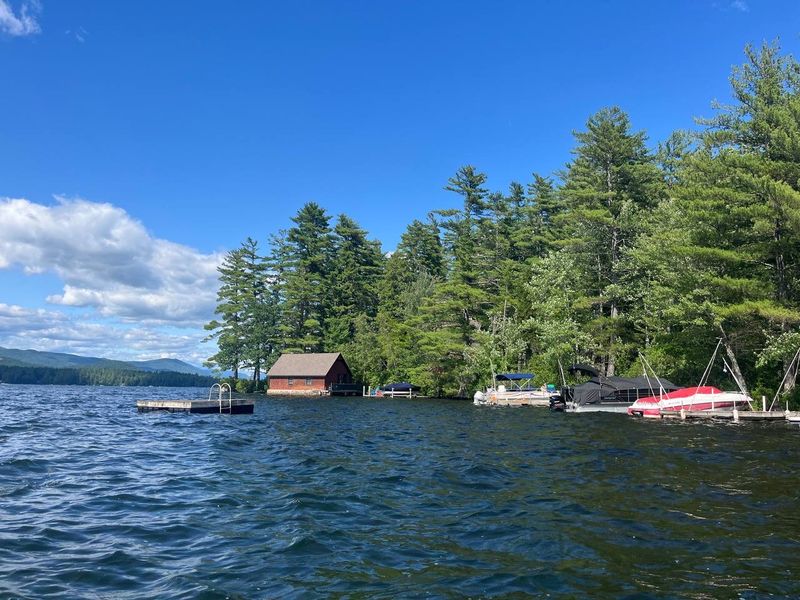
The lakeside home featured in On Golden Pond belonged to a New York physician who agreed to let the production company use it for filming. The house was not just borrowed as-is; the crew made significant modifications to the property to suit the story’s visual needs.
A gazebo and a small boathouse were actually relocated during production, and the production company was contractually required to return everything to its original condition once filming wrapped. The fact that the owners cared enough to insist on that says something about how much this place meant to the people who lived near it.
Today, the original cottage still stands on the shoreline and can be viewed from the water during a boat tour. You cannot step onto the property, but seeing it from the lake while imagining Katharine Hepburn walking down to that dock is a surprisingly moving experience.
The house looks almost exactly as it did on screen, which makes the moment feel genuinely cinematic.
Purgatory Cove and the Scene Everyone Remembers
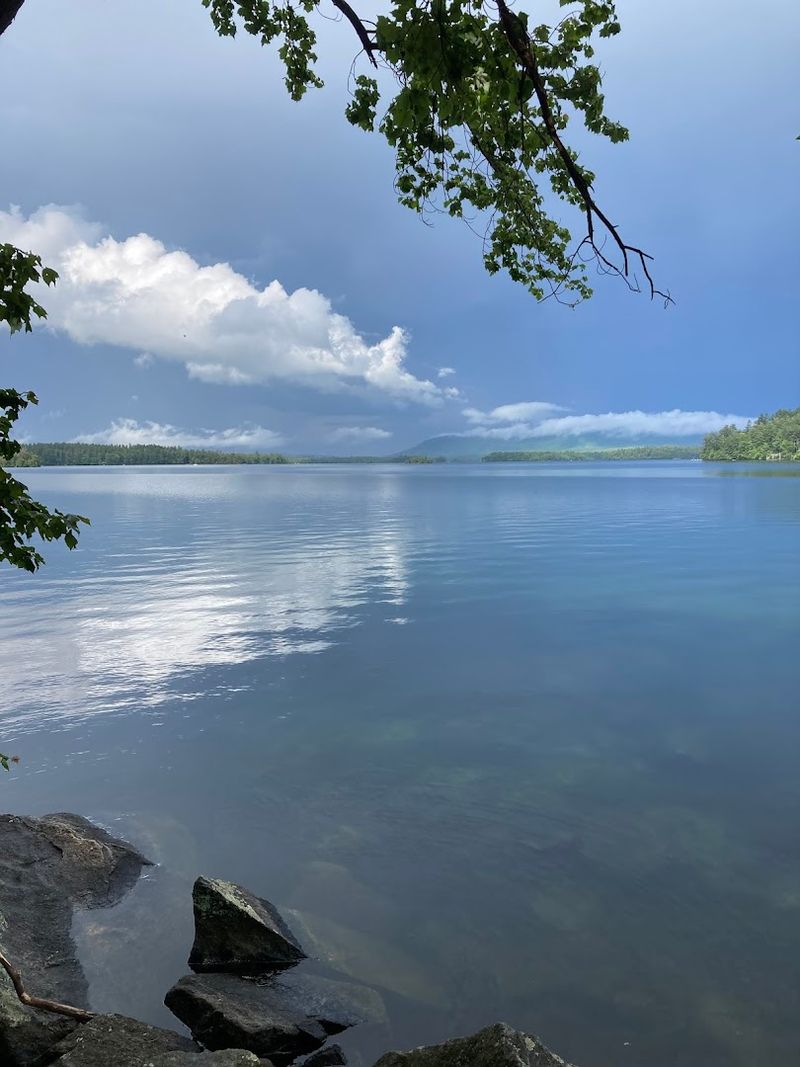
Not every famous film location has a name as dramatic as Purgatory Cove, but Squam Lake delivers. This particular inlet on the lake served as the filming site for one of the movie’s most memorable scenes, in which Norman Thayer gets knocked out of his boat while trying to navigate through rocky, unfamiliar waters.
The cove lives up to its ominous name in the best possible way. The water there feels darker and more enclosed than the open lake, with trees pressing close to the shoreline and the atmosphere shifting noticeably from the bright, open sections of Squam.
Boat tours that cover On Golden Pond filming locations typically include a stop near Purgatory Cove, and the guides who lead these tours tend to tell the story with genuine enthusiasm. The scene shot there required careful planning given the shallow, boulder-strewn bottom that makes this part of the lake tricky to navigate.
Knowing that detail makes the scene feel even more impressive when you watch the film again afterward.
The Thayer IV Boats: Classic Chris-Crafts on the Water
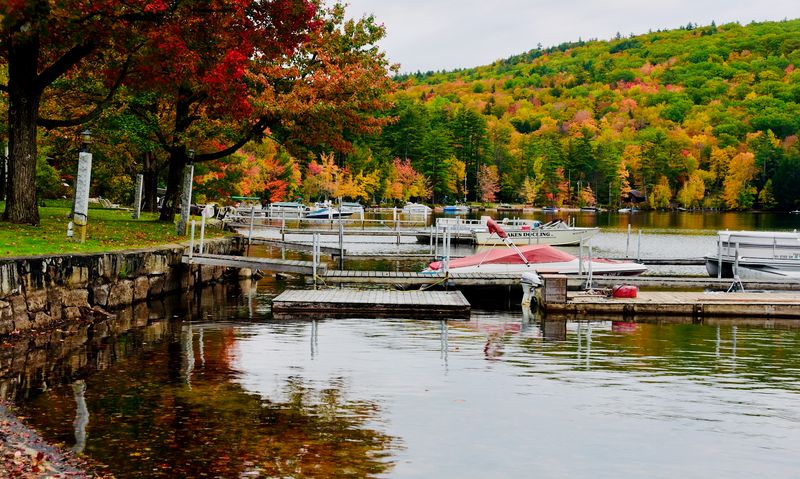
Few props from any film are as visually iconic as the wooden boat Norman Thayer pilots across the golden water in On Golden Pond. The production actually used three separate boats for filming, all bearing the name Thayer IV painted on the hull.
Two of the boats were authentic vintage Chris-Craft Sportsman models from 1950 and 1951, the kind of beautifully crafted wooden vessels that feel like rolling pieces of American craftsmanship. A third replica was constructed specifically for the crash scene to avoid damaging the originals.
Classic wooden boats like these are still a common and beloved sight on Squam Lake today. The lake’s quieter atmosphere and relatively light boat traffic make it one of the better places in New Hampshire to actually appreciate a vintage watercraft without fighting through a crowd of jet skis.
Seeing one of those mahogany-hulled beauties glide past a pine-covered island is the kind of sight that makes you want to stay on the water all afternoon.
Getting Out on the Water: Boat Tours and Beyond
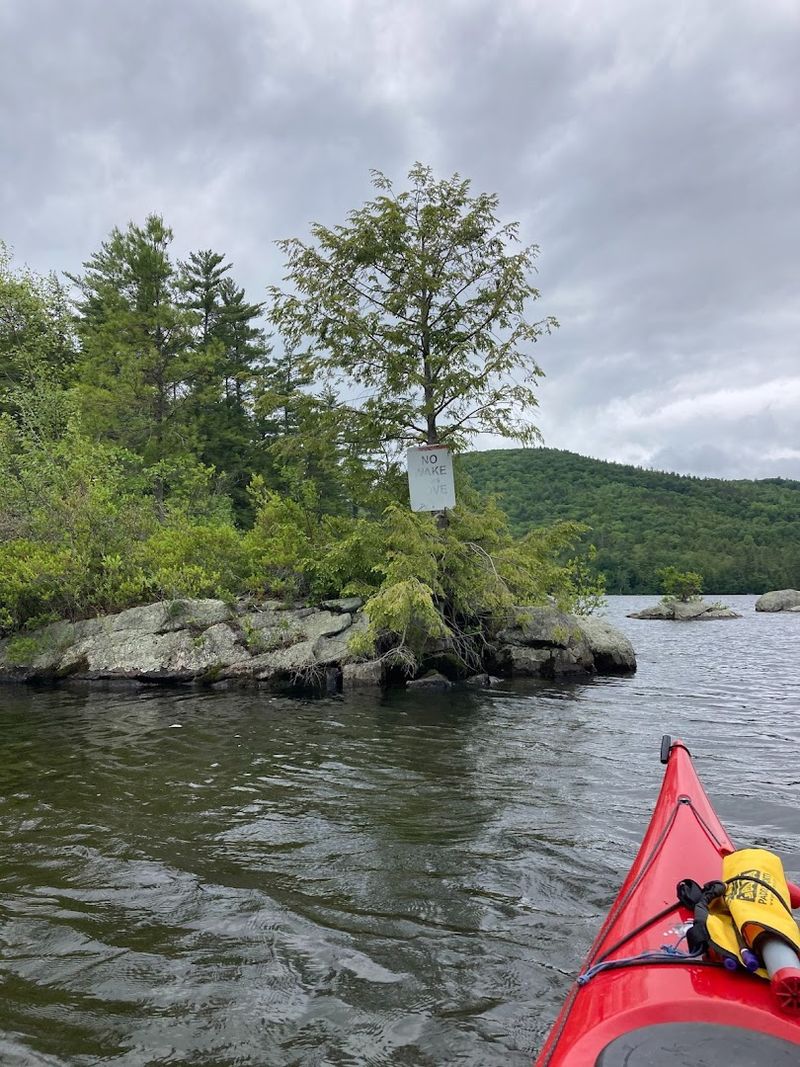
The best way to understand why filmmakers chose Squam Lake is to get out on the water yourself, and the good news is that you have several solid options for doing exactly that. The Science Center of New Hampshire in Holderness offers guided boat tours of the lake that specifically highlight On Golden Pond filming locations.
These tours cover the cottage, Purgatory Cove, and various other spots used during production, and the guides bring genuine knowledge and enthusiasm to every stop. Beyond the film history angle, the tours also cover the lake’s natural features, islands, and wildlife, so you get a well-rounded experience even if you have never seen the movie.
Kayaking and canoeing are also popular on Squam, and paddling quietly along the shoreline gives you a perspective that a motorized tour cannot fully replicate. The lake does have submerged boulders in certain areas, so if you bring your own boat, picking up a navigation map before heading out is strongly recommended.
The payoff for careful navigation is access to some genuinely remote and peaceful corners of the lake.
Rattlesnake Mountain: The View That Puts It All in Perspective
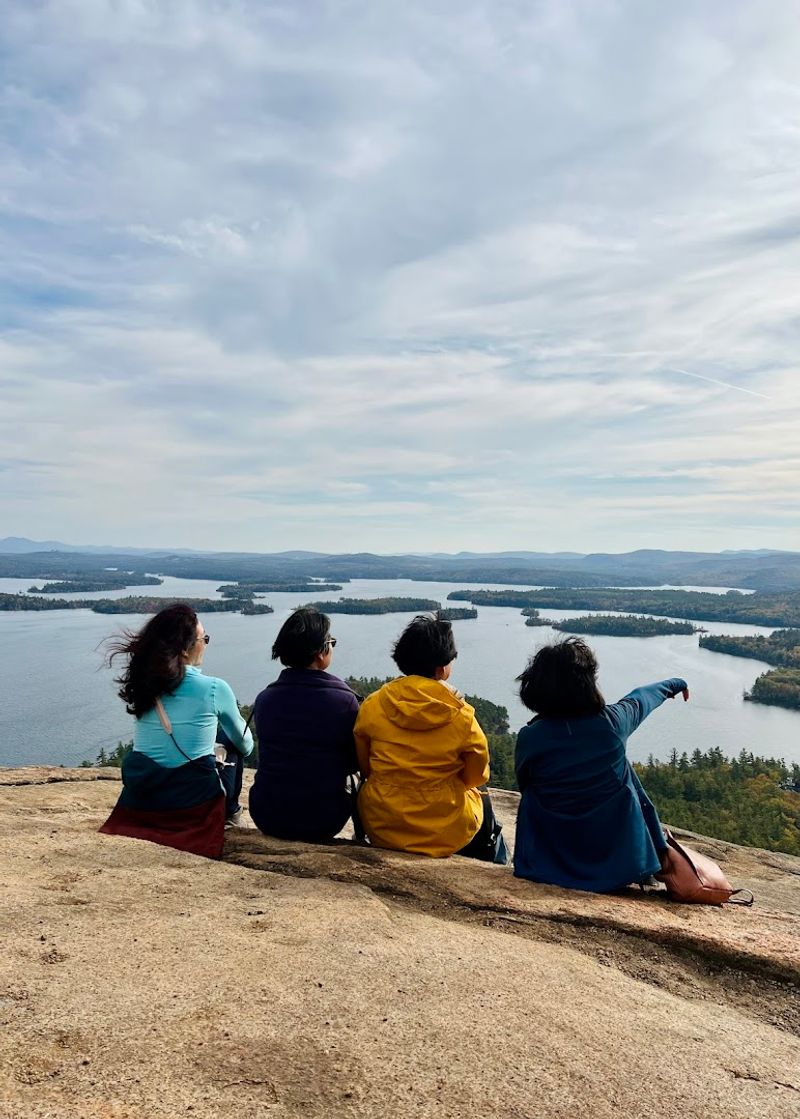
Sometimes the best way to appreciate a lake is to climb above it. Rattlesnake Mountain, accessible via Rattlesnake Trail West off Route 113 near Holderness, offers one of the most rewarding views of Squam Lake available to anyone willing to put in a modest amount of effort.
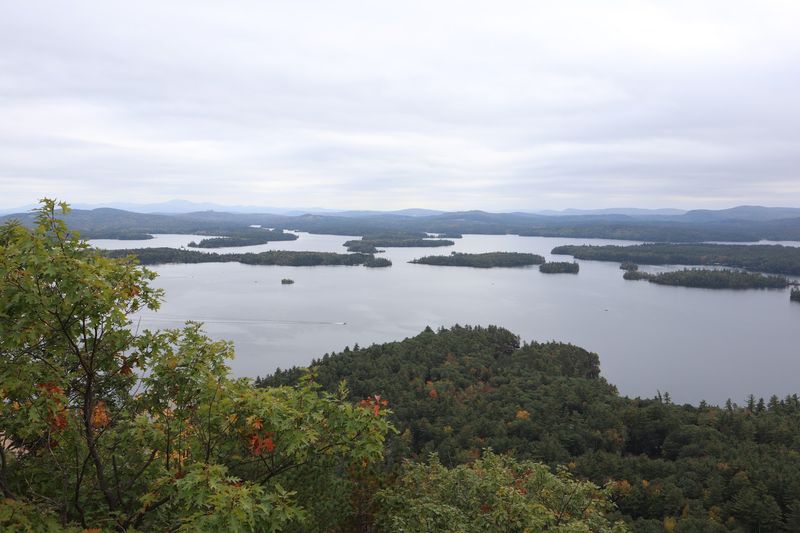
The hike itself is genuinely manageable, with a relatively gentle grade that makes it accessible to most fitness levels. The trail gains elevation steadily through mixed forest before opening up to a rocky summit ledge that reveals a sweeping panorama of the lake below, its islands scattered across the blue water like a handful of green confetti.
From up top, the scale of Squam Lake becomes immediately clear in a way that no map or photograph fully captures. You can see why this lake has inspired people for generations, and why a film crew looked at it and immediately knew they had found something special.
On a clear day, the White Mountains rise to the north, completing a view that is almost unreasonably beautiful for a hike this short.
The History Behind the Name: From Keeseenunknipee to Squam
Long before Hollywood arrived, Squam Lake carried a very different name. The Abenaki people originally called it Keeseenunknipee, a name that translates roughly to the goose lake in the highlands, which is both poetic and accurate given the lake’s elevation and birdlife.
Over time, European settlers shortened the Abenaki name Asquam down to Squam, which is the version that stuck and eventually became official. The original name is a reminder that this lake has been drawing people to its shores for far longer than any film or tourism campaign.
Understanding that history adds a layer of meaning to every visit. The lake was a meaningful place to the Abenaki long before it became a backdrop for a Hollywood production, and the natural qualities that made it sacred to them are the same ones that make it feel so compelling today.
Clear water, abundant wildlife, and a landscape that feels untouched are not accidents; they are the result of a place that has always been treated with a certain degree of care and reverence.
A Lake Less Traveled: Why Squam Stays Quietly Special
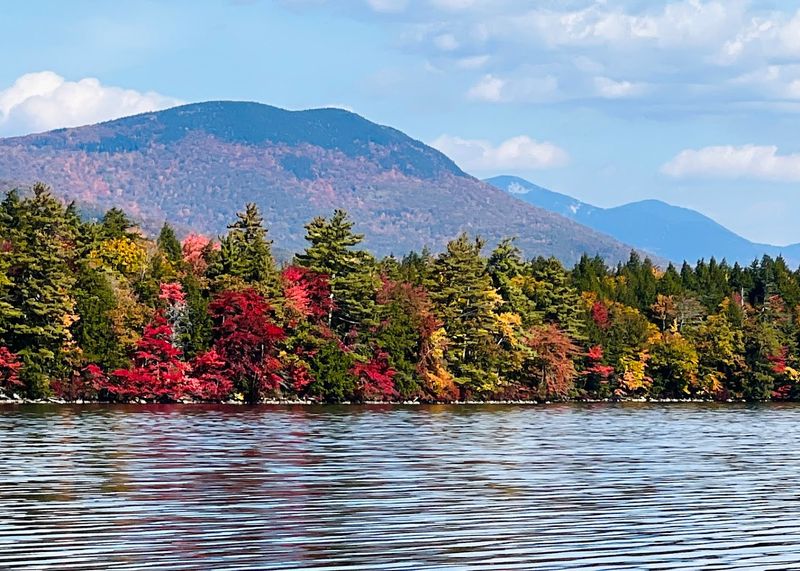
Part of what makes Squam Lake so appealing is exactly what it is not. It is not crowded with personal watercraft racing between marinas.
It is not lined with souvenir shops and fast food restaurants. The shoreline is still predominantly wooded, the pace of life around the lake feels unhurried, and the water stays clean enough that swimming in it feels like a genuine privilege.
Compared to Lake Winnipesaukee, which draws enormous summer crowds and heavy recreational boat traffic, Squam operates at a completely different frequency. That lower-key atmosphere is partly by design and partly a result of the lake’s natural characteristics, including its submerged boulders, which discourage casual speed boating and keep the reckless crowd elsewhere.
The result is a lake that rewards visitors who come prepared to slow down, look closely, and actually pay attention to where they are. Whether you are paddling past a heron standing motionless in the shallows or watching the evening light turn the water copper, Squam has a way of making you feel like the only person who knows about it, even when you know that is not quite true.
Planning Your Visit: What to Know Before You Go
A visit to Squam Lake rewards a little advance planning. The Science Center of New Hampshire in Holderness is a natural starting point, offering both the On Golden Pond boat tours and exhibits about the lake’s natural history.
The center is located on Route 25 in Holderness, and the staff there are genuinely helpful when it comes to pointing visitors toward the best experiences on and around the lake.
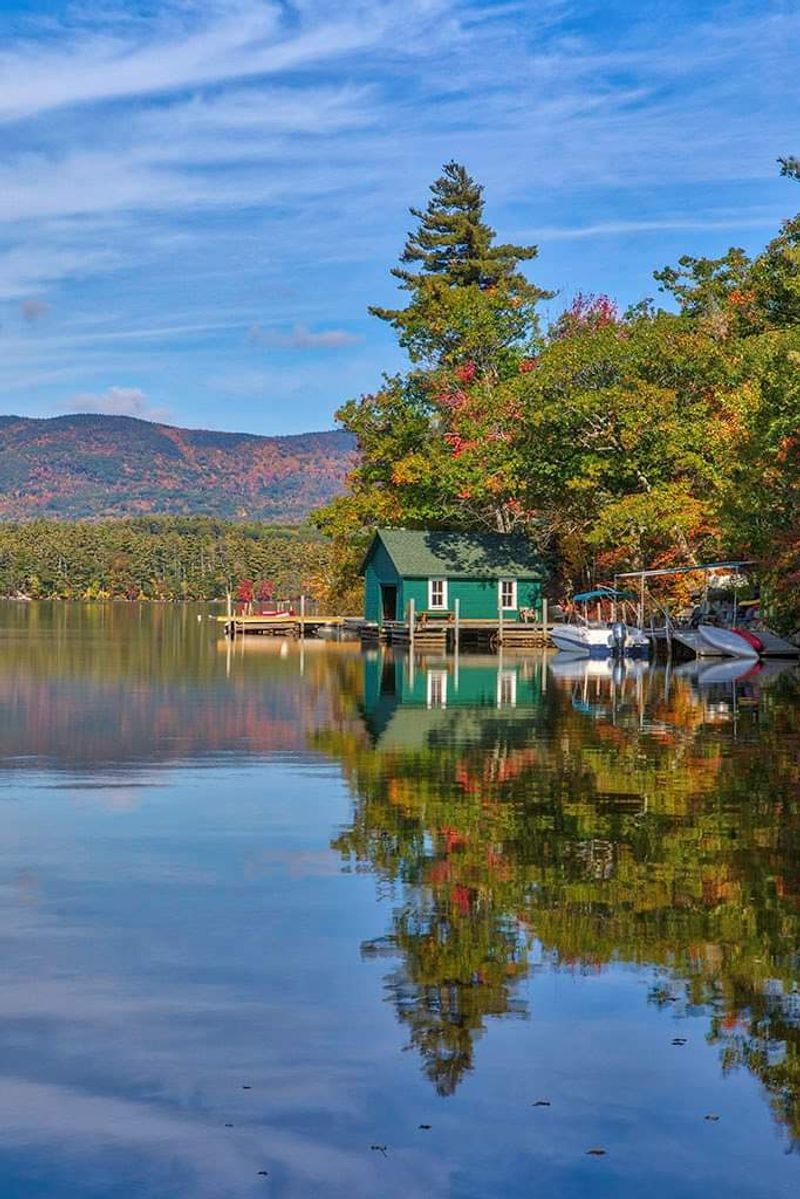
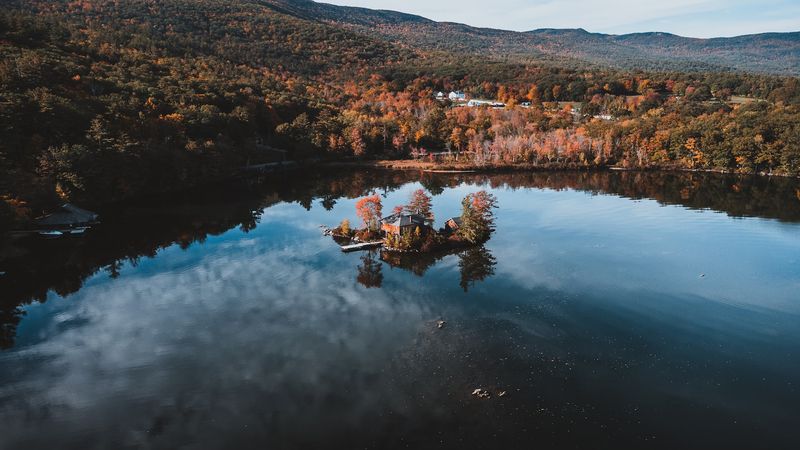
Summer is the most popular season, with warm temperatures making swimming, kayaking, and sailing all appealing options. Fall brings spectacular foliage that turns the surrounding hills into a mosaic of red, orange, and gold, and the lake reflects all of it beautifully.
Winter visitors who enjoy ice fishing will find Squam accommodating, though conditions vary year to year.
If you plan to bring your own boat, pick up a detailed navigation chart before launching. The submerged boulders that give the lake its wild character can cause real problems for boaters who do not know where they are.
Respect the lake, take your time, and Squam will give you a visit worth remembering long after you drive back home.
Share this story