 Unearth The Voyage
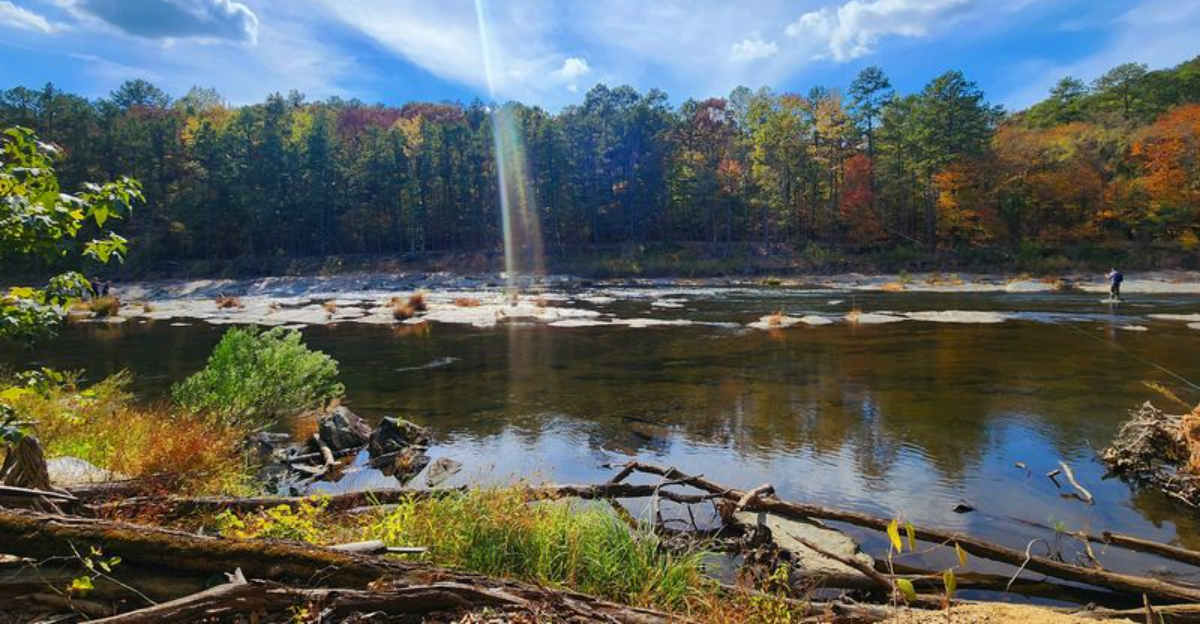
Tucked away in the far southeastern corner of Oklahoma, there is a small town that honestly has no business being this beautiful. Towering pine trees, a glittering lake, black bears roaming through state park trails, and a history that stretches back well over a century, all packed into one surprisingly compact destination.
I had driven past this part of the state more times than I care to admit without stopping, and that was a mistake I will not be repeating. From the moment I pulled off the highway and felt the air shift from flat plains heat to cool, piney forest freshness, I knew this place was something genuinely different.
This article covers everything worth knowing before your first visit, from the best outdoor adventures to the history hidden just east of town.
Welcome to Broken Bow, Oklahoma
Broken Bow sits at the heart of McCurtain County in southeastern Oklahoma, and the full address for the Broken Bow Chamber of Commerce is 113 W. Martin Luther King Jr. Drive, Broken Bow, OK 74728.
The town itself has a population of just over 4,000 people, but during peak travel seasons, visitors can easily outnumber locals.
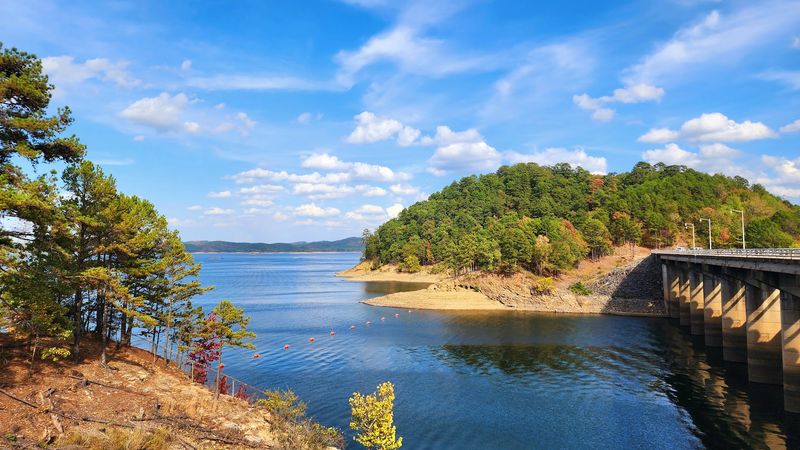
What makes this place so easy to fall for is how much variety it packs into such a small footprint. You have dense pine forests that feel more like Arkansas than the Oklahoma most people picture, a major lake, a state park, and a genuinely interesting cultural history all within a short drive of each other.
The surrounding Ouachita Mountains give the landscape an elevation and texture that surprises first-time visitors who expected flat prairies. The town itself is unpretentious and welcoming, with local shops and diners that feel lived-in rather than staged for tourists.
Broken Bow does not try too hard to impress you, which somehow makes it even more impressive.
Beavers Bend State Park: The Crown of the Forest
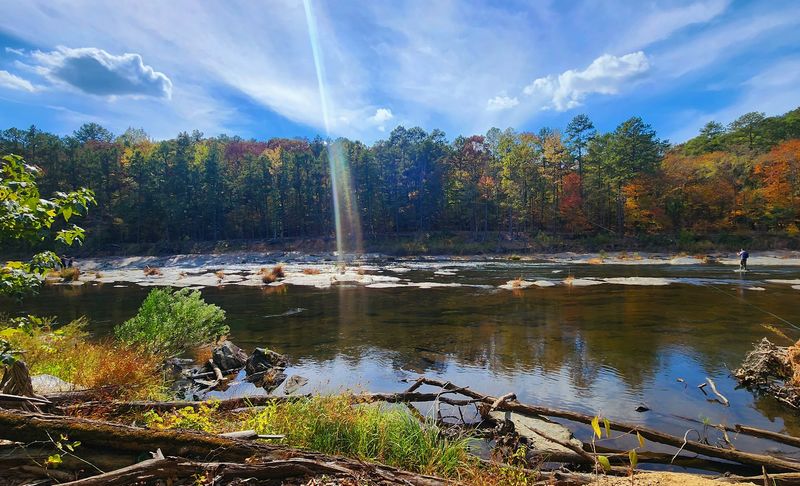
Just a few miles north of town, Beavers Bend State Park is the main reason most people make the trip to this corner of Oklahoma in the first place. The park covers over 1,300 acres of pine and hardwood forest threaded with hiking trails, fishing spots, and scenic overlooks that are genuinely hard to find anywhere else in the state.
The Mountain Fork River cuts right through the park, and its clear, cold water draws fly fishers from across the region. Trout are stocked regularly, and the river stretches long enough that you can usually find a quiet bend to yourself even on a busy weekend.
Wildlife sightings here are not rare at all. Black bears have been spotted on park trails, and bald eagles are a regular presence near the water, especially in cooler months.
The park also offers cabins, campgrounds, mini-golf, and paddleboat rentals, so it functions equally well for a solo hiking trip or a full family getaway. Every trail feels like it was designed to make you slow down and actually pay attention to the world around you.
Broken Bow Lake: Water, Bass, and Open Skies
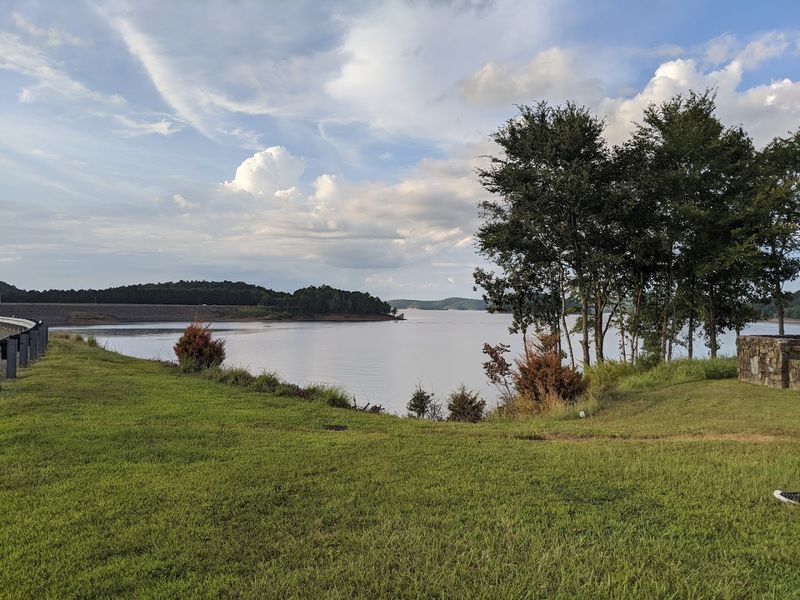
Broken Bow Lake is one of those places that earns its reputation the moment you see it. The lake stretches across roughly 14,000 acres and is fed by the Mountain Fork River, which gives the water a clarity that feels almost out of place for a reservoir of this size.
Largemouth bass are the trophy fish here, and anglers come specifically for the quality of the catch. The lake also holds white bass, crappie, and catfish, so there is something for every fishing style.
Boat ramps are well-maintained and spread around the shoreline, making access easy whether you have a full-sized bass boat or just a kayak.
Small sandy beaches dot the coves, and the islands scattered across the lake give it a geography that rewards exploration. On a calm morning, the reflection of the pine-covered hills on the surface of the water is the kind of view that makes you reach for your phone and then immediately put it away because no photo is going to do it justice.
Sunset here is a full event, not just a background detail.
The Forest Heritage Center Museum: Trees, Tools, and Local Life
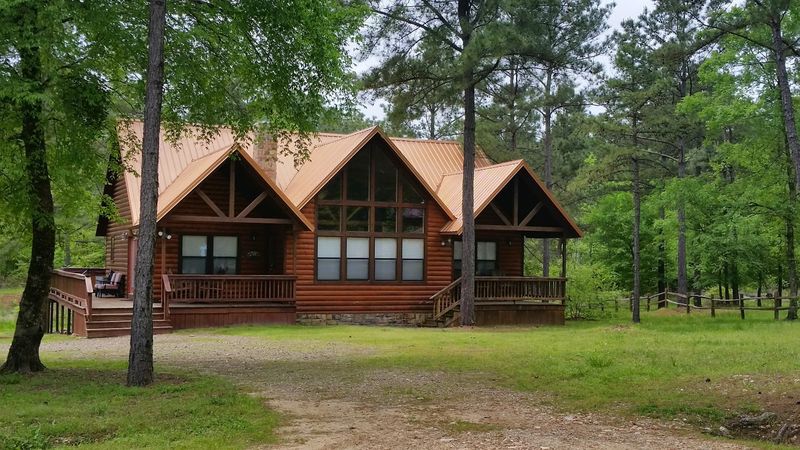
Most visitors to Beavers Bend walk right past the Forest Heritage Center Museum without a second glance, and that is genuinely their loss. The museum sits inside the state park and focuses on the role that the timber industry played in shaping this part of Oklahoma, from the earliest logging operations to modern forest management practices.
The exhibits are more engaging than you might expect from a forestry museum. Vintage equipment, historical photographs, and detailed displays walk you through how the land was cleared, how the lumber was transported, and how communities like Broken Bow grew up around the industry.
There is a satisfying weight to the history here that connects the landscape outside to the story inside.
The building itself is worth noting, constructed with exposed timber and designed to blend into the surrounding forest rather than compete with it. A short nature trail connects the museum to the broader park trail system, so you can pair a quick cultural stop with a longer walk through the trees.
Budget about 45 minutes and you will come away with a much richer understanding of why this forest exists the way it does today.
Gardner Mansion and Museum: History East of Town

About five miles east of Broken Bow, the Gardner Mansion and Museum stands as one of the most historically layered stops in the entire region. Built in 1884, the mansion was the home of Jefferson Gardner, who served as Chief of the Choctaw Nation, and the building has survived remarkably well for its age.
The museum inside holds a broad collection of Native American artifacts alongside pioneer-era items that tell the story of how two very different cultures shared and contested this land during the same period. The Choctaw Nation has deep roots throughout southeastern Oklahoma, and this site does a thoughtful job of presenting that history without flattening its complexity.
Guided tours are available and strongly recommended, because the context provided by the guides transforms what might otherwise feel like a room full of old objects into a genuinely moving account of resilience and change. The mansion is not heavily promoted on most travel lists, which means it rarely gets crowded.
That quiet makes the visit feel more personal, as if the history here is being shared with you specifically rather than broadcast to a tour group.
Hiking Trails Worth Every Step
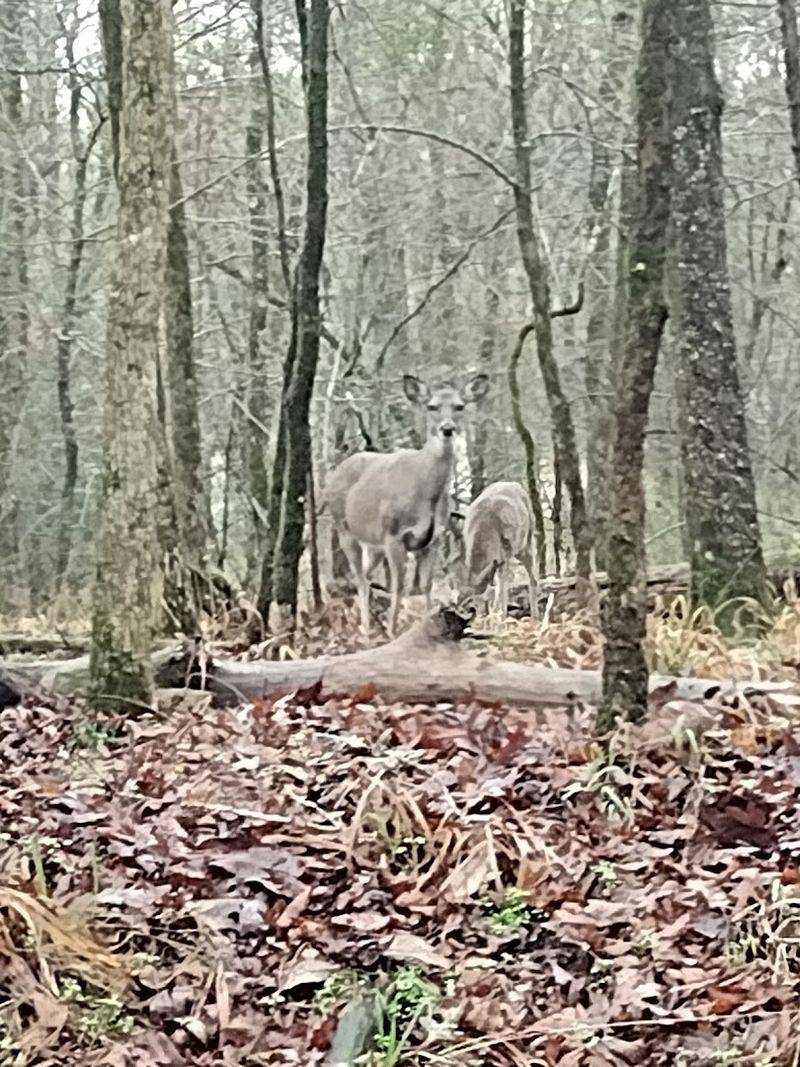
The trail network around Broken Bow is extensive enough to keep a dedicated hiker busy for several days without repeating a single path. Beavers Bend State Park anchors most of the options, with routes ranging from easy riverside walks to more demanding climbs that reward you with elevated views over the forest canopy.
The David L. Boren Hiking Trail is one of the longer options in the area, stretching deep into the Ouachita National Forest and offering a genuine backcountry feel without requiring expert-level fitness.
The forest floor along most trails is carpeted with pine needles, which gives every walk a soft, cushioned quality that flat-terrain hikers rarely experience.
Fall is a particularly good season for hiking here, when the hardwood trees mixed among the pines turn gold and red against the evergreen backdrop. Spring brings wildflowers along the lower trails near the river.
Even in summer, the forest canopy keeps temperatures noticeably cooler than the open Oklahoma plains just a few hours to the west, making a midday hike far more comfortable than you might expect.
Cabin Culture: How Broken Bow Became a Weekend Staple
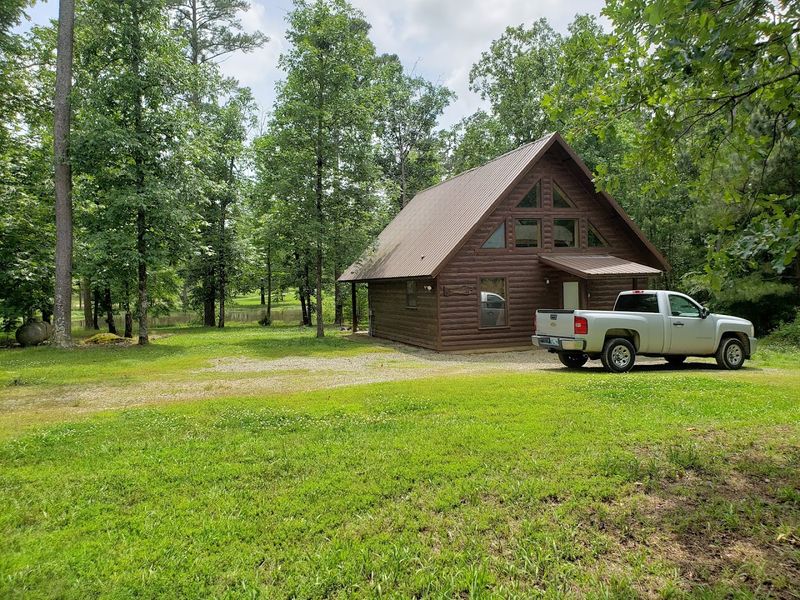
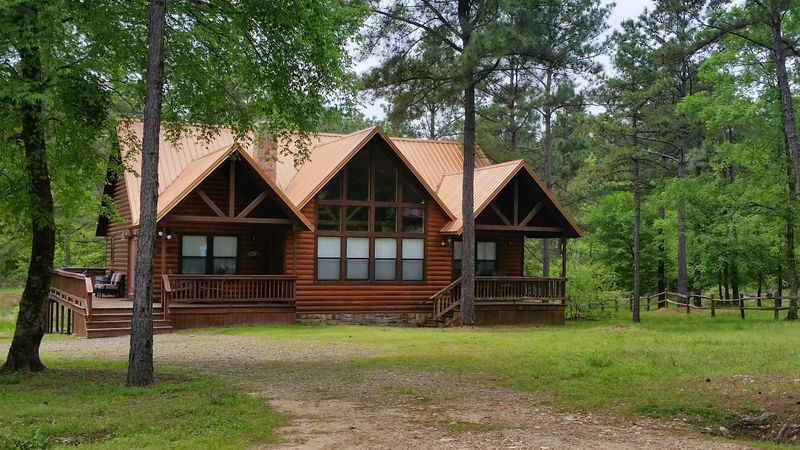
Over the past decade or so, Broken Bow has quietly become one of the most popular cabin rental destinations in the entire south-central United States. The forest around town is now dotted with hundreds of private cabin rentals, ranging from cozy one-room retreats to large multi-bedroom properties with hot tubs, fire pits, and full outdoor kitchens.
The cabin rental culture here has developed its own personality. Most properties are set back from the road and spaced far enough apart that you genuinely feel isolated, even when dozens of other guests are staying nearby.
The sound of the forest at night, owls, wind through the pines, the occasional distant creek, is part of what people come back for repeatedly.
Booking ahead is essential, especially for fall weekends and holiday periods when availability disappears weeks in advance. Many repeat visitors have specific cabins they return to year after year, which tells you something about how strongly this place gets under your skin.
A weekend in one of these rentals is less a vacation and more a full reset, the kind your nervous system did not know it needed until you are already halfway through it.
Planning Your Visit: Practical Tips for First-Timers
A few practical details can make the difference between a smooth trip and a frustrating one. Broken Bow is roughly a three-hour drive from Dallas and about two and a half hours from Oklahoma City, which puts it within easy weekend range for a large chunk of the south-central population.
Cell service is limited in parts of the forest, so downloading offline maps before you arrive is a smart move.
The town has a solid selection of local restaurants, grocery stores, and gas stations, but the options thin out quickly once you head deeper into the park or the forest roads. Stocking up on supplies before heading to your cabin saves a lot of backtracking.
The best months to visit are October through early November for fall color, and March through May for mild temperatures and wildflowers. Summer draws the biggest crowds, particularly around Broken Bow Lake, so if you prefer quieter trails and easier parking, a weekday visit in the shoulder seasons is the move.
Whatever time of year you choose, this corner of Oklahoma has a way of making you feel like you found something most people have not discovered yet, even though the secret has very much been out for a while.



