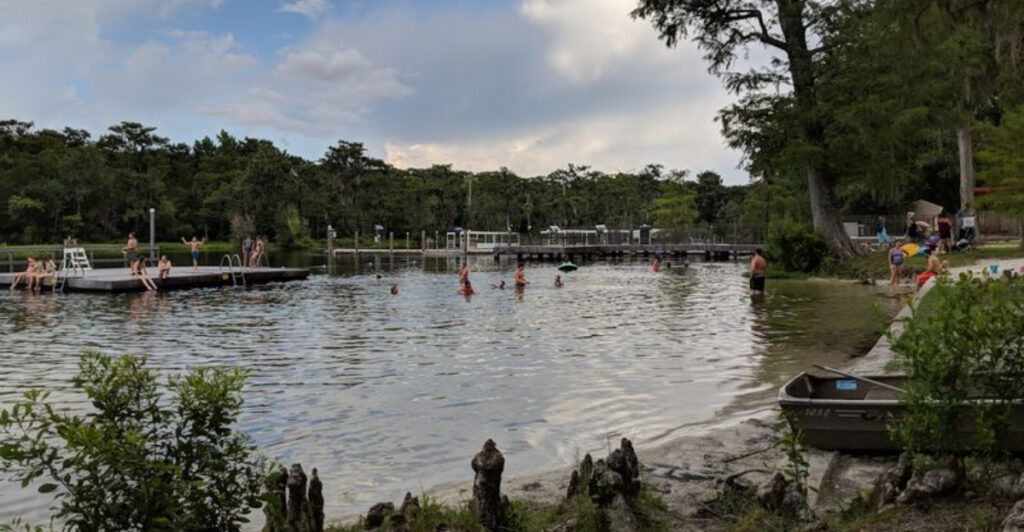
There is a place in Florida where the water is so clear and so blue that you can see straight down to the bottom, and that bottom is nearly 100 feet below the surface. Ancient mastodon bones have been pulled from these depths, alligators sun themselves on grassy banks, and somewhere inside the historic lodge, a root beer float is waiting with your name on it.
This park packs in natural history, wildlife, swimming, boat tours, and old-school Southern charm all in one visit. If you have never heard of it, you are about to wonder how it stayed off your radar for so long.
Where the Springs Meet the Story: Finding the Park
Edward Ball Wakulla Springs State Park sits at 465 Wakulla Park Drive, Wakulla Springs, tucked into the Florida Panhandle about 15 miles south of Tallahassee. Getting here is straightforward, and the drive through shaded rural roads already sets the mood before you even reach the gate.
The park covers more than 6,000 acres of protected land, making it one of the largest and most ecologically significant state parks in Florida. That size means the crowds thin out quickly once you step past the entrance.
Admission is affordable, parking is easy, and the staff at the gate are genuinely friendly. The park opens daily, but hours can shift seasonally, so a quick check of the Florida State Parks website before your visit saves you any surprises.
First-timers often say the park feels bigger and wilder than they expected.
One of the Deepest Freshwater Springs in the World
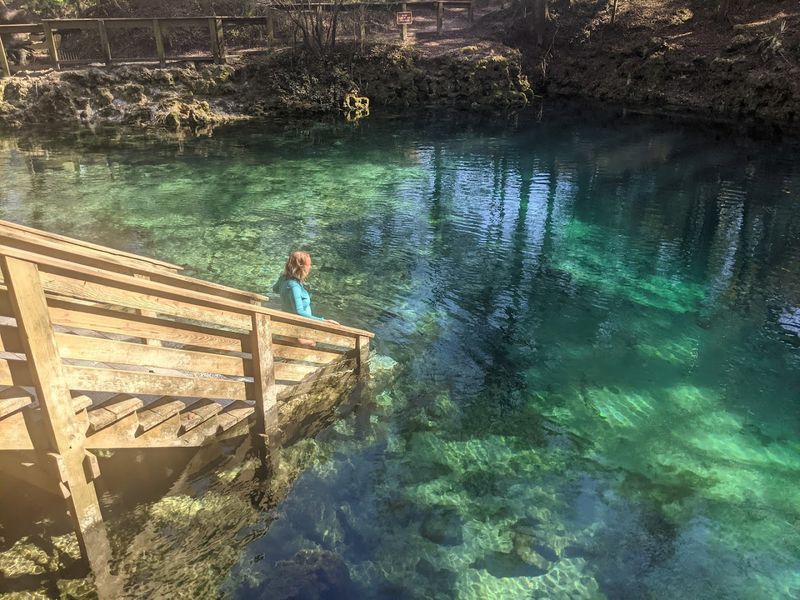
Wakulla Springs is not just deep, it is record-breakingly deep. At roughly 185 feet to the cave opening and over 300 feet into the underwater cave system, it is considered one of the deepest freshwater springs in the world, and the water that pours out of it is startlingly clear.
The spring pumps out an average of 400,000 gallons of water per minute, keeping the temperature a consistent 68 to 70 degrees Fahrenheit year-round. That coolness is a welcome relief in Florida summers and a brisk surprise in winter.
From the swimming area, you can look straight down and see the boil, the churning point where water pushes up from the aquifer below. It looks almost unreal, like something from a nature documentary.
Snorkeling here gives you a front-row seat to one of Florida’s most impressive geological features.
The Floridan Aquifer Connection
Wakulla Springs is classified as a first magnitude spring, which means it discharges at least 100 cubic feet of water per second. That water originates deep underground in the Floridan Aquifer, one of the most productive aquifer systems in the world.
Rainwater soaks through the porous limestone across a vast recharge area, sometimes traveling hundreds of miles underground before bubbling up here. The limestone filters the water as it moves, which explains why the spring is so remarkably clear even after heavy rain events nearby.
The Wakulla River, which flows north from the spring, is essentially the aquifer’s surface expression. Scientists have used the spring as a research site for decades, studying water chemistry, flow rates, and the health of the aquifer system.
What looks like a pretty swimming hole is actually a living laboratory for understanding Florida’s freshwater future.
Mastodon Bones and Ice Age Secrets
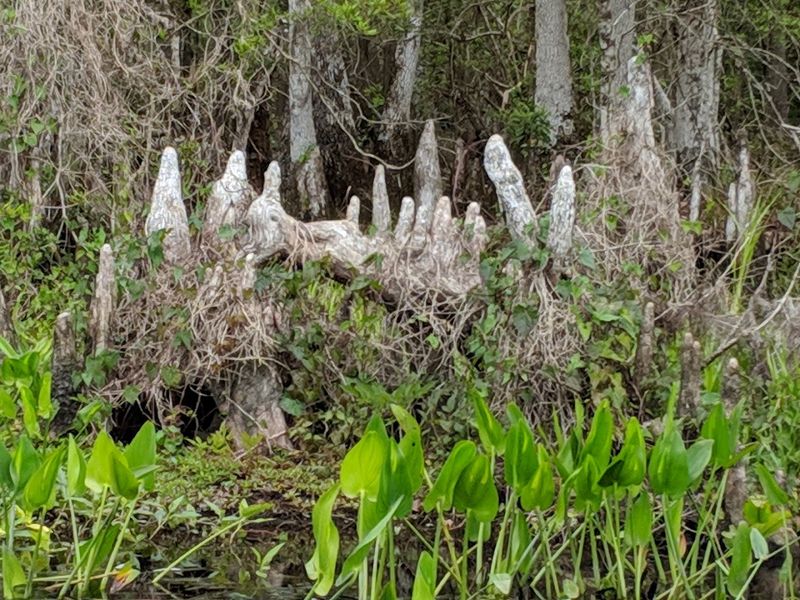
Long before tourists arrived, Wakulla Springs held secrets from the Ice Age. Paleontologists have recovered bones from mastodons, giant ground sloths, and other prehistoric creatures from the bottom of the spring, making it one of the most significant fossil sites in the southeastern United States.
These animals likely came to drink from the spring thousands of years ago, and their remains settled into the sediment where the cold, low-oxygen water helped preserve them. Some specimens recovered here are now housed in museum collections across the country.
The park interprets this history thoughtfully, and rangers can share the story during boat tours and guided programs. Standing at the edge of the spring and knowing that mastodon bones rest in the sediment below you changes how you look at the water.
It turns a swim into something that feels genuinely connected to deep time.
The Jungle Boat River Tour
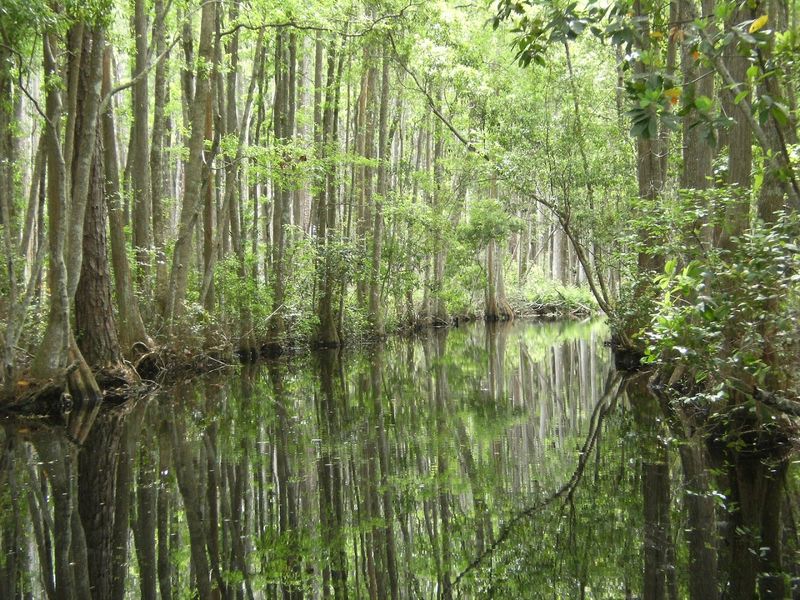
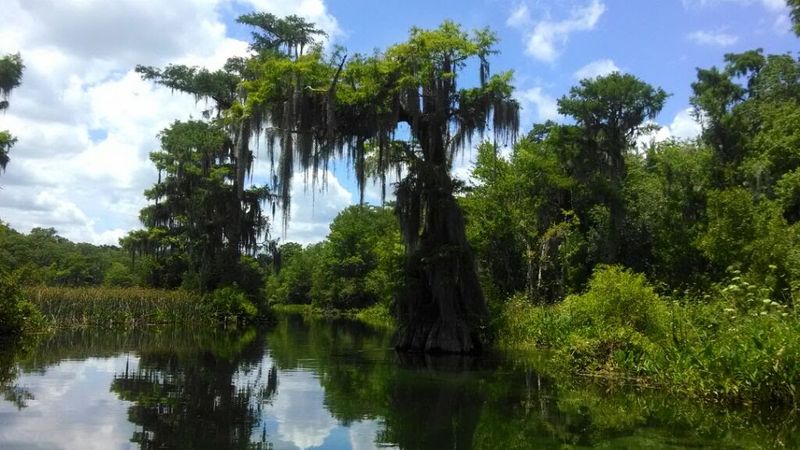
Beyond the spring basin, the Wakulla River opens into one of the most wildlife-rich waterways in Florida, and the jungle boat tour is the best way to experience it. The flat-bottomed boat heads downriver through a corridor of cypress trees draped in Spanish moss, and the scenery shifts quickly from open water to enclosed canopy.
Alligators are almost guaranteed sightings, lounging on banks or drifting near the surface with just their eyes above water. Anhingas, herons, ospreys, and wood storks appear regularly, and lucky visitors sometimes spot river otters or deer at the water’s edge.
The boat moves slowly, giving everyone time to watch and photograph the wildlife without rushing. Rangers point out animals and explain their behavior with genuine enthusiasm.
The river feels completely wild even though you are sitting on a comfortable tour boat, which is a combination that is hard to find anywhere else in Florida.
Swimming in a Spring That Stays 68 Degrees Year-Round
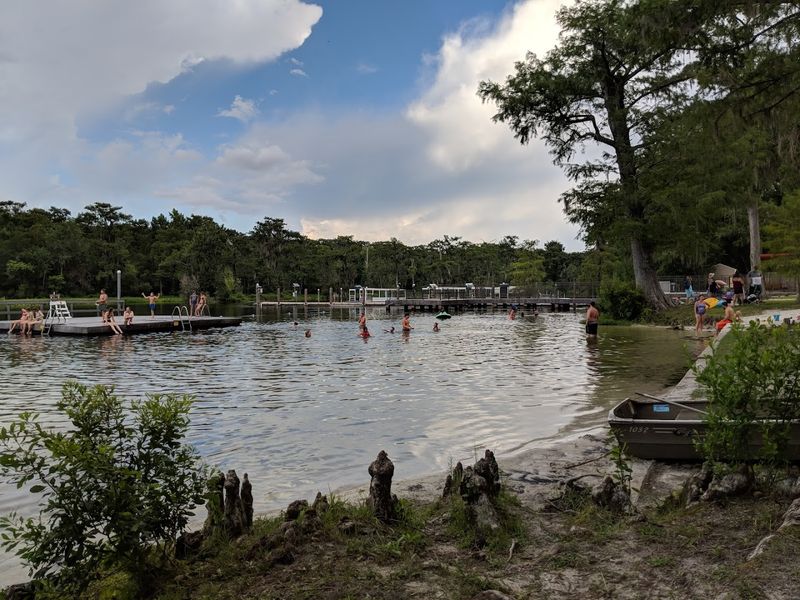
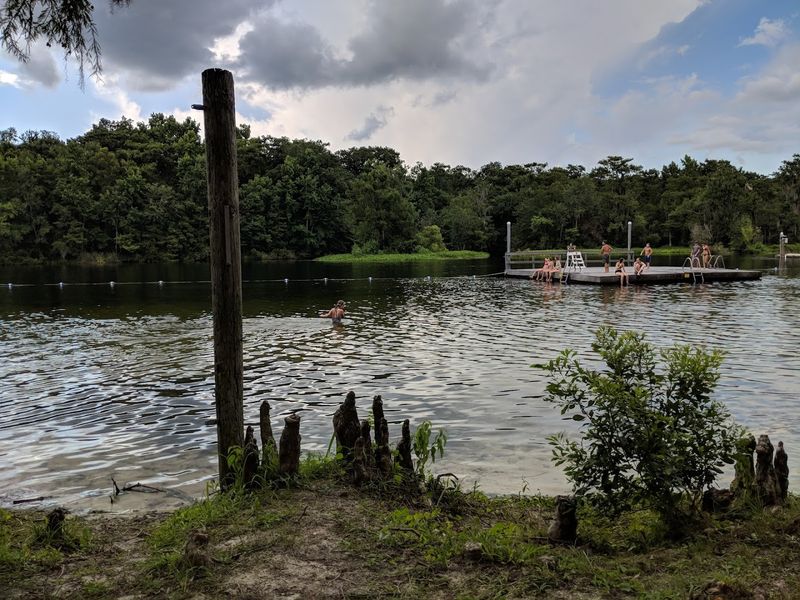
Not every natural swimming hole in Florida allows you to actually swim in it, which makes the designated swim area at Wakulla Springs feel like a genuine privilege. The water sits at a steady 68 to 70 degrees regardless of the season, which means it is refreshing in July and bracingly cold in January.
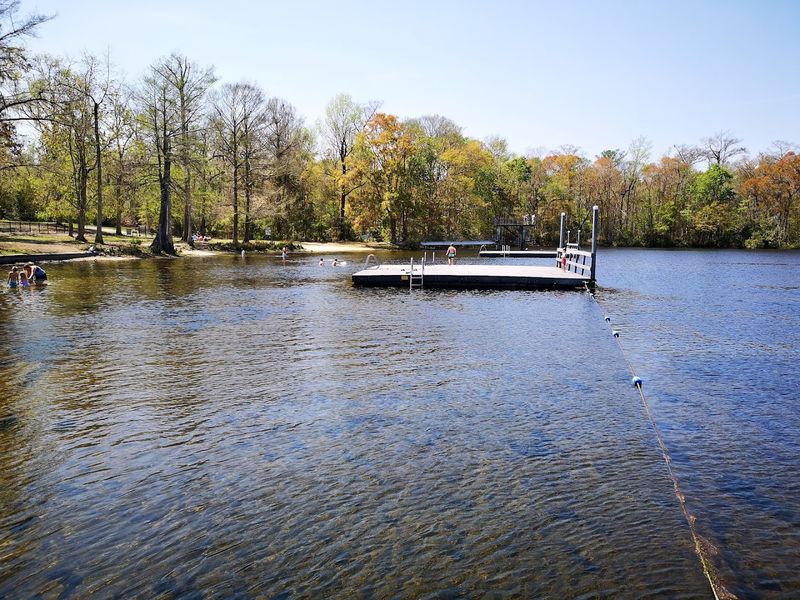
The swim area is supervised by lifeguards and includes a sandy bottom section near shore that transitions into deeper water. A wooden platform anchored in the spring gives swimmers a place to rest and jump from, and it is a favorite spot for kids and adults alike.
The water clarity here is unlike anything most swimmers have experienced. You can see your feet clearly even in the deepest part of the swim zone.
No murky river water, no salt, no waves, just clean, cool, impossibly clear water fed directly from the earth.
A Lodge That Time Remembered Kindly
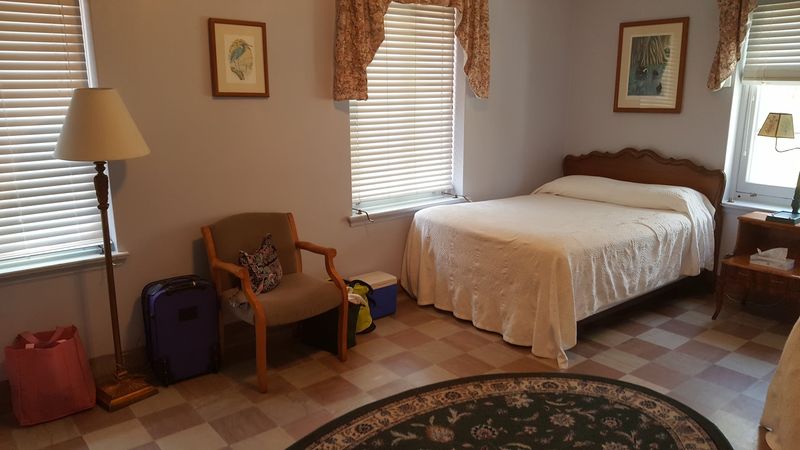
The Wakulla Springs Lodge is one of those rare places where history and hospitality share the same roof without either one suffering for it. Built in 1937 by financier Edward Ball, the lodge was designed in a Mediterranean Revival style with marble floors, hand-painted ceilings, and a fireplace in the main lobby that still anchors the room beautifully.
Ball was a powerful figure in Florida business and conservation, and his decision to protect the land around the spring rather than develop it commercially is the reason the park exists today. The lodge bears his name as a tribute to that legacy.
Staying overnight in the lodge puts you inside a piece of Florida history. The rooms are simple but well-maintained, and waking up steps away from the spring before the day crowds arrive is an experience that regular visitors return for again and again.
It is old Florida at its most authentic.
Wildlife Watching Beyond the River
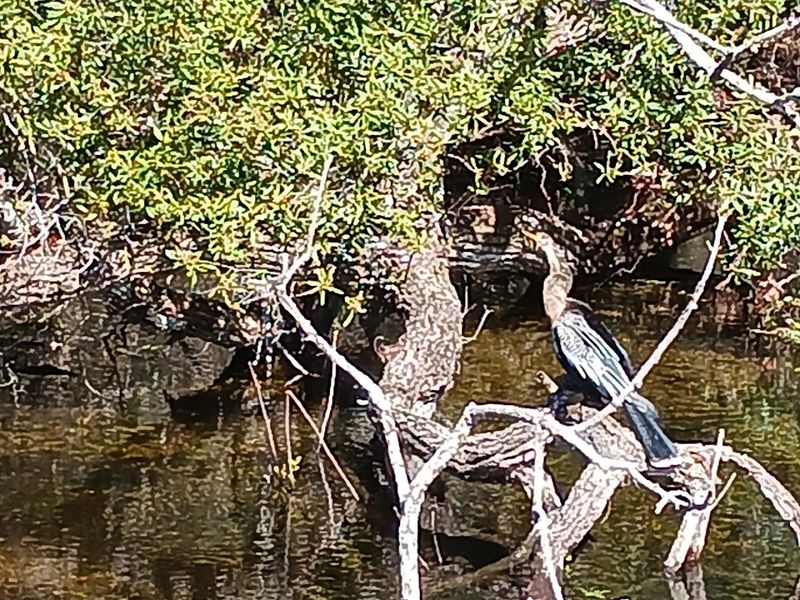
The wildlife at Wakulla Springs is not limited to what you see from the boat. The park’s 6,000-plus acres include upland forests, wetlands, and river habitats that support an extraordinary range of species.
Birdwatchers in particular find this park deeply rewarding.
The site is home to one of the largest concentrations of nesting anhingas in North America, and wood storks, sandhill cranes, and multiple species of herons and egrets are common sightings. During spring migration, the diversity spikes dramatically.
Walking the trails that wind through the upland areas gives you a completely different perspective than the boat tours. Gopher tortoises cross the sandy paths, white-tailed deer browse near the forest edge, and the tree canopy overhead is full of songbirds.
Bringing binoculars and a field guide turns a casual walk into a genuinely productive wildlife observation session that can easily fill a full morning.
Hiking the Nature Trails Through Old Florida Forest
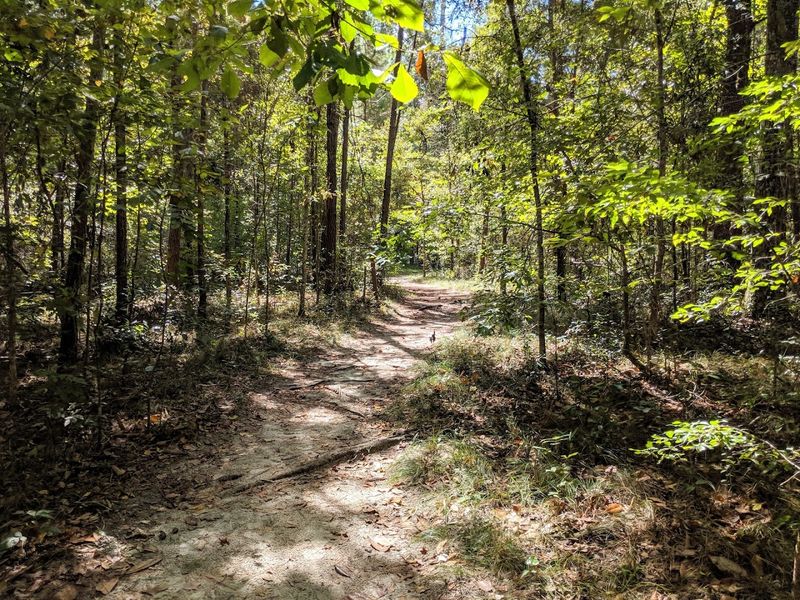
The park’s trail system does not get as much attention as the water activities, but it deserves its own spotlight. Several trails wind through the upland pine and hardwood forest that surrounds the spring, offering a quieter and more solitary experience than the busy swimming and boat areas.
The Sally Ward Spring Trail leads to a smaller secondary spring tucked into the forest, a genuinely lovely spot that most casual visitors never find. The trail surface is natural and mostly flat, making it accessible for a wide range of fitness levels.
Morning is the best time to walk, when the light filters through the canopy and the forest is still cool and active with birds. The trails are not long by hiking standards, but the density of life you encounter along them, from wildflowers to woodpeckers to the occasional fox squirrel, makes every step feel worth taking.
The Role of Edward Ball in Protecting the Springs
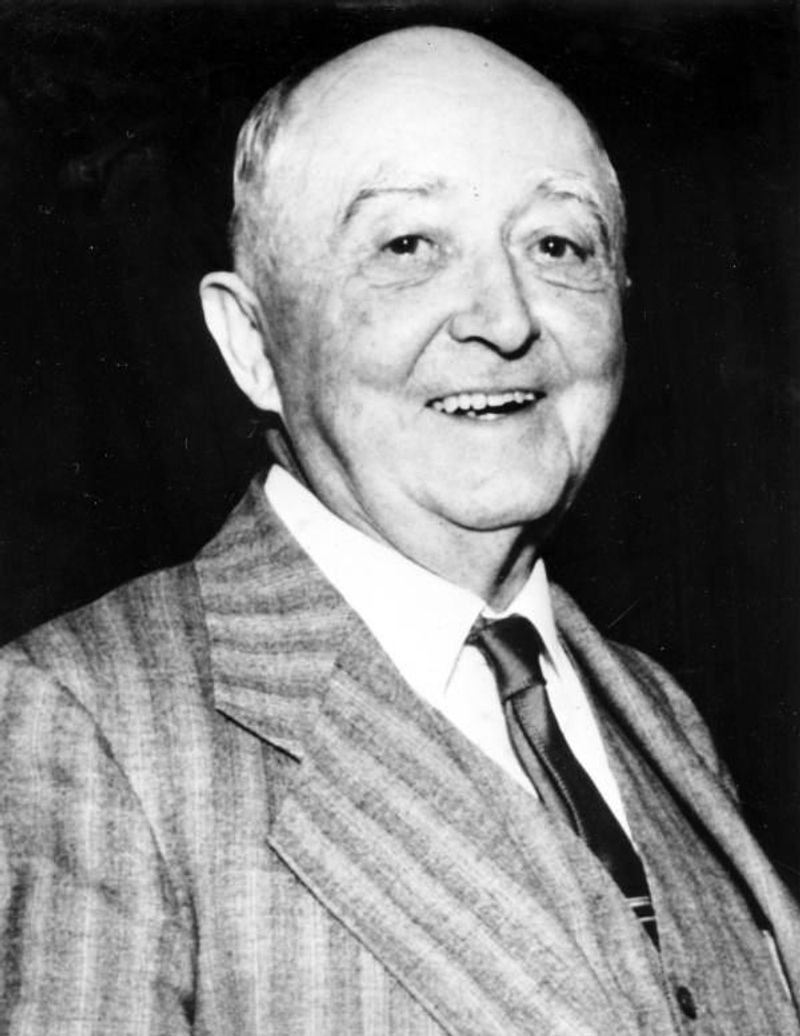
Edward Ball was one of the most influential figures in 20th-century Florida, and his decision to acquire and protect the land around Wakulla Springs shaped the park’s entire story. Ball was the brother-in-law of Alfred I. du Pont and managed the vast du Pont estate holdings in Florida for decades.
Rather than selling the spring property for resort development, which would have been enormously profitable, Ball chose to preserve it and opened it to the public for nature-based recreation. He built the lodge as a place where guests could enjoy the natural setting in comfort without destroying it.
After his passing, the property was transferred to the state of Florida and officially became a state park. The park bearing his name is a lasting reminder that individual decisions about land use can have consequences that stretch across generations.
His choice gave Florida one of its most treasured natural and historical sites.
Hollywood History: When Tarzan Swam Here
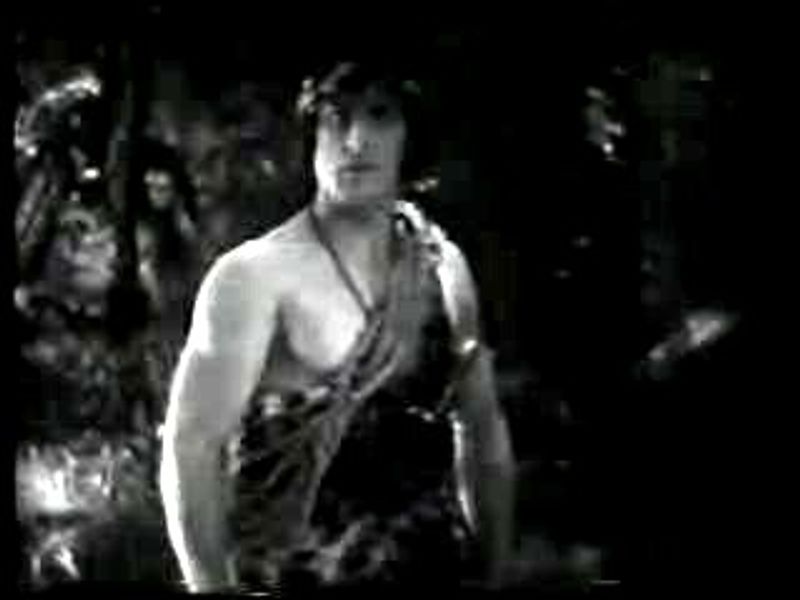
Wakulla Springs has a surprisingly glamorous past that most visitors do not know about until a ranger mentions it on the boat tour. The spring’s crystal-clear water and lush, jungle-like surroundings made it a favorite filming location for Hollywood productions in the mid-20th century.
Several Tarzan films were shot here in the 1930s and 1940s, with the spring standing in for exotic tropical locations. The underwater scenes in particular took advantage of the spring’s remarkable clarity, something that was nearly impossible to replicate on a studio set at the time.
The 1954 science fiction film “Creature from the Black Lagoon” also used Wakulla Springs for its underwater sequences, and the park is proud of that quirky piece of cinema history. Knowing that a classic movie monster once lurked in the same water where you are swimming adds a layer of playful intrigue to the whole visit.
Best Times to Visit and What to Expect
Timing your visit makes a real difference at Wakulla Springs. The park is open year-round, but spring and fall offer the most comfortable temperatures for outdoor activities.
Summer brings heat and humidity, though the spring water stays cool enough to make swimming genuinely refreshing even on the hottest days.
Weekdays are significantly less crowded than weekends, and arriving early in the morning gets you the best boat tour times and the most peaceful experience at the swim area. The lodge restaurant tends to fill up around midday, so an early lunch or a late arrival helps avoid the wait.
Winter visits have their own appeal. The cooler months bring migrating birds and a quiet atmosphere that feels almost meditative.
The lodge becomes especially cozy, and the lack of summer crowds means you can take your time at every stop without feeling rushed. Any season has something worth coming for.
A Place That Stays With You Long After You Leave
Some parks you visit once and check off a list. Wakulla Springs is not that kind of park.
The combination of world-class natural features, genuine history, wildlife, swimming, food, and a working historic lodge creates an experience that is layered enough to reward multiple visits.
Families with young children find the boat tours and swim area endlessly entertaining. History enthusiasts can spend hours in the lodge absorbing the architecture and stories.
Birders, hikers, and photographers each find their own reason to return.
The park also carries a quieter significance as a reminder of what Florida looked like before development consumed so much of its natural landscape. The spring still flows as it always has, the forest still stands, and the root beer floats are still waiting at the end of the day.
That combination of wild and welcoming is exactly what makes this place so hard to forget.
Share this story