 Unearth The Voyage
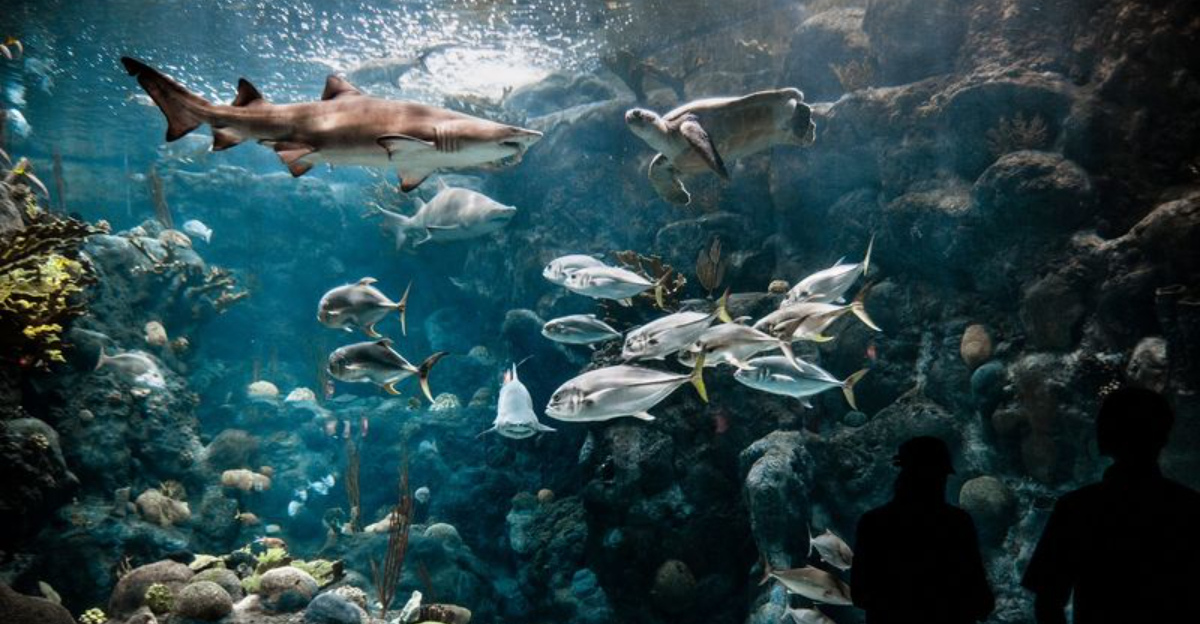
There is a place in Tampa where sharks glide overhead, stingrays brush your fingertips, and a sea turtle named Flip quietly steals every heart in the room. It sits right on the waterfront, steps away from cruise ships and the buzz of Channelside Drive, and it packs more Florida marine life into one building than most people see in a lifetime of beach trips.
Kids go wide-eyed, adults forget to check their phones, and even lifelong Floridians walk out having learned something new. Whether you have two hours or a full day to spare, this aquarium delivers a front-row seat to the underwater world that surrounds the Sunshine State, and you leave completely dry, which honestly feels like a bonus.
Where It All Begins: Address, Location, and First Impressions
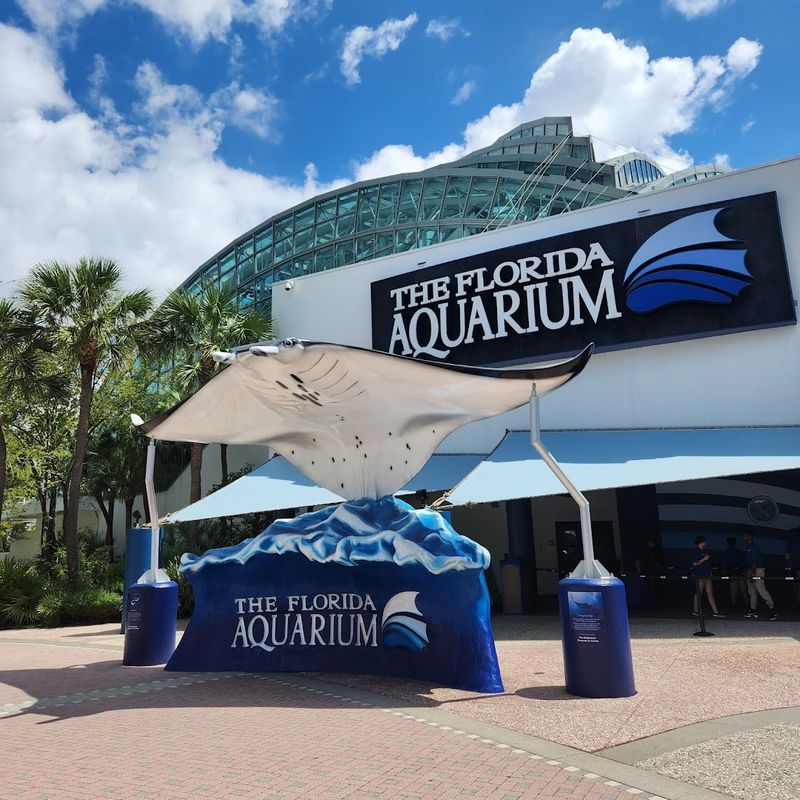
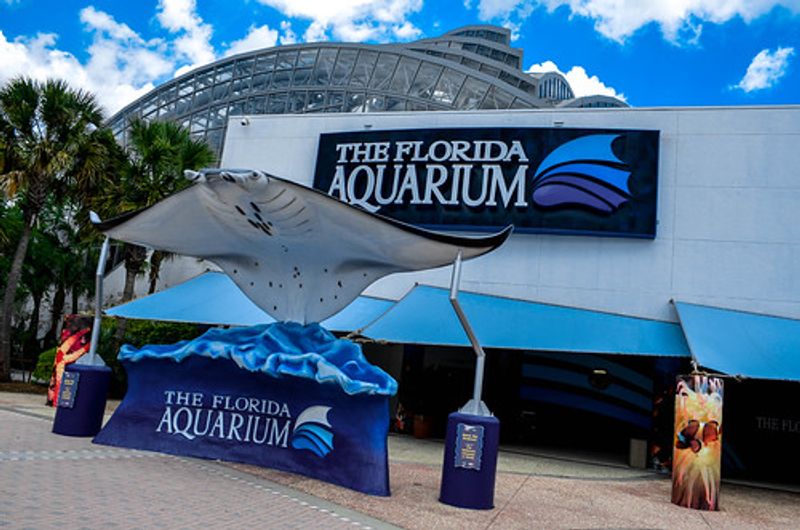
Right at 701 Channelside Dr, Tampa, The Florida Aquarium sits on the edge of the Garrison Channel with cruise ships occasionally docked just a short walk away. The building itself is hard to miss, with its wave-shaped glass roof that catches the Florida sun and signals that something exciting is happening inside.
Getting there is straightforward, and parking is available nearby, though the area can get busy on weekends due to its closeness to Sparkman Wharf and the port. Pre-purchasing tickets online is a smart move, since entry lines move quickly when you already have your pass ready on your phone.
The aquarium is open daily from 9 AM to 5 PM, which gives you a solid window to explore at your own pace.
A Living Story: The History Behind the Aquarium
The Florida Aquarium opened its doors in 1995 with a clear mission: to connect people with Florida’s native aquatic ecosystems in a way that felt personal and meaningful. From the start, the focus was on the state’s own backyard, from freshwater springs and wetlands to the coral reefs and open Gulf waters that define Florida’s coastline.
Over the decades, the aquarium has continued to grow, adding new exhibits, expanding its animal collection, and deepening its conservation programs. What started as a regional attraction has become a world-class facility that draws visitors from across the country and beyond.
The team behind the aquarium takes wildlife care seriously, and that commitment shows in how healthy and active the animals appear throughout every exhibit. This is not a place frozen in time.
It keeps evolving, and that energy makes every return visit feel like a fresh discovery rather than a repeat of the last one.
The Big Tank: 500,000 Gallons of Pure Awe
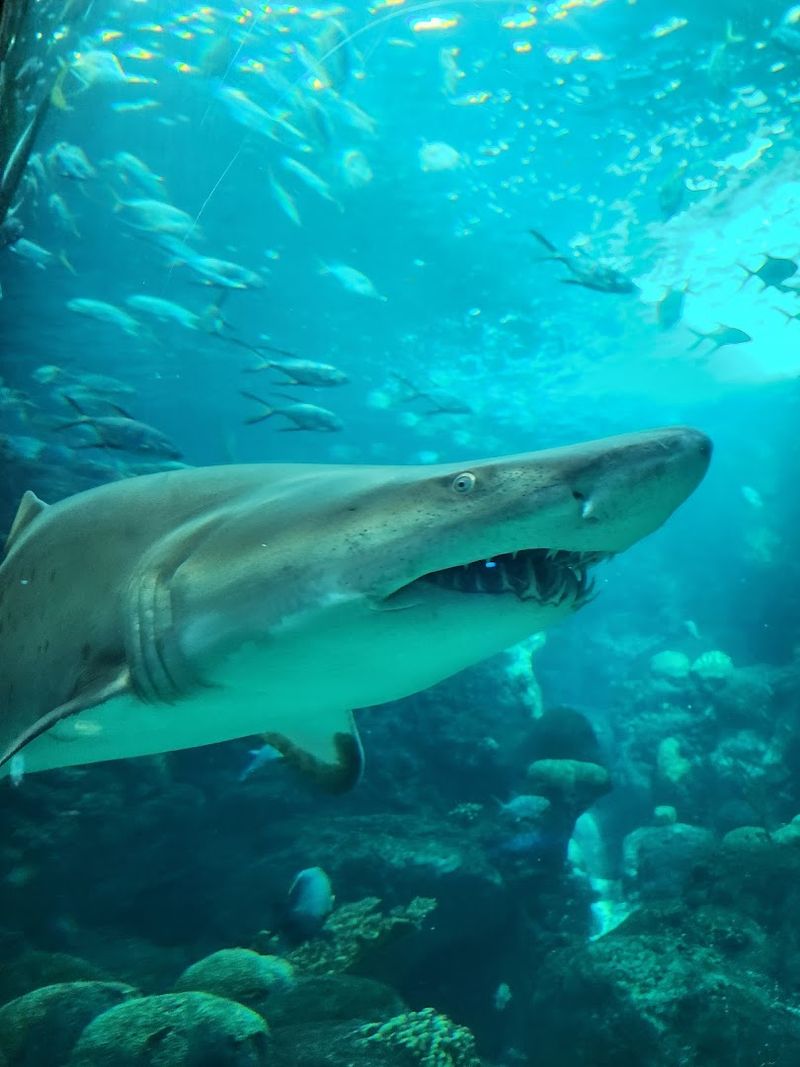
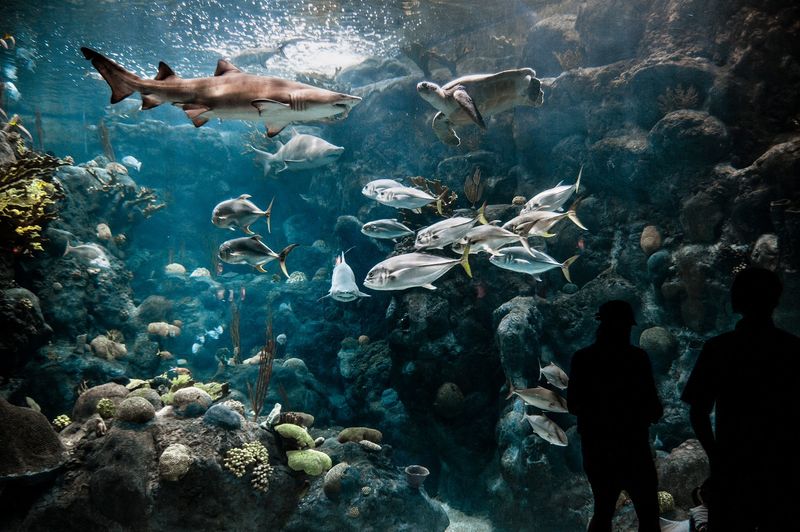
The centerpiece of the entire aquarium experience is the massive coral reef tank, holding roughly 500,000 gallons of water and home to over 2,000 fish. Sharks cruise through the water with unhurried confidence while colorful reef fish dart around coral formations that look almost too vivid to be real.
Standing in front of this tank, you get the full sense of scale that only a truly large exhibit can deliver. The glass gives you an unobstructed view from floor to nearly ceiling height, so both kids and adults can press close and watch the underwater world move around them without missing a thing.
The sharks are the crowd favorite here, and rightfully so. Watching them glide past just inches away, separated only by thick acrylic, is the kind of moment that makes people go quiet mid-sentence and just stare.
That reaction never really gets old, no matter how many times you visit.
Touch Tanks: Stingrays, Jellyfish, and Starfish Up Close
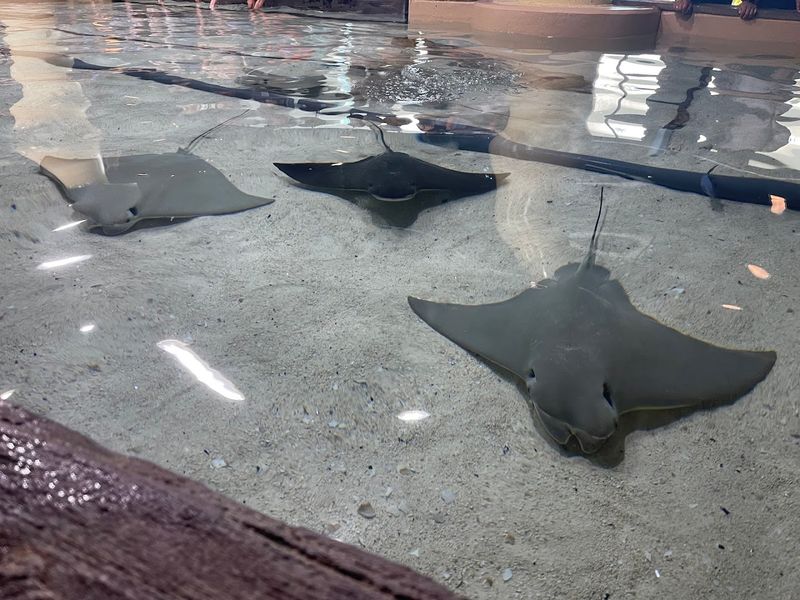
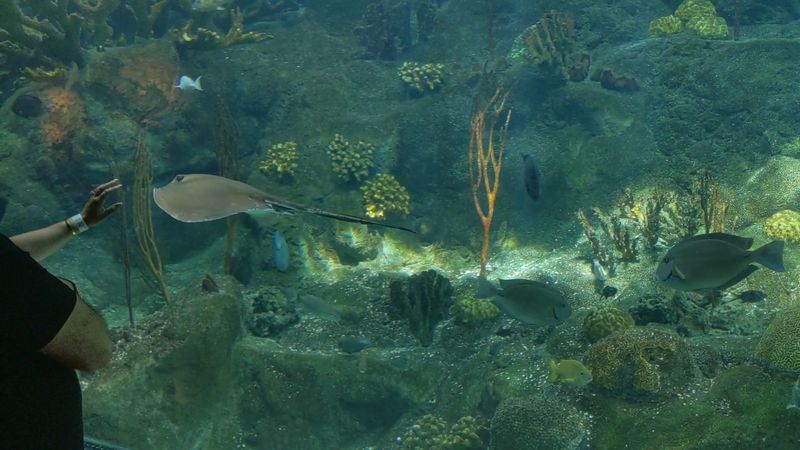
Few things at the aquarium spark as much genuine delight as the touch tanks, and there are three of them spread throughout the facility. Stingrays glide under your palm with a smooth, rubbery texture that surprises almost everyone the first time.
Jellyfish pulse gently near the surface, and starfish sit still enough to really examine up close.
Staff members stand nearby at each tank, ready to share facts about the animals and answer whatever questions come up. Their knowledge goes well beyond basic information.
They know individual animals by name and can tell you specific details about behavior, diet, and care that you would not find on any sign.
The stingray tank tends to draw the longest lines, especially with younger visitors, but the wait is always worth it. That moment of direct contact with a living marine animal changes how people think about ocean life in a way that no video or photograph ever quite manages.
Florida Wetlands Zone: Mangroves, Birds, and Native Fish
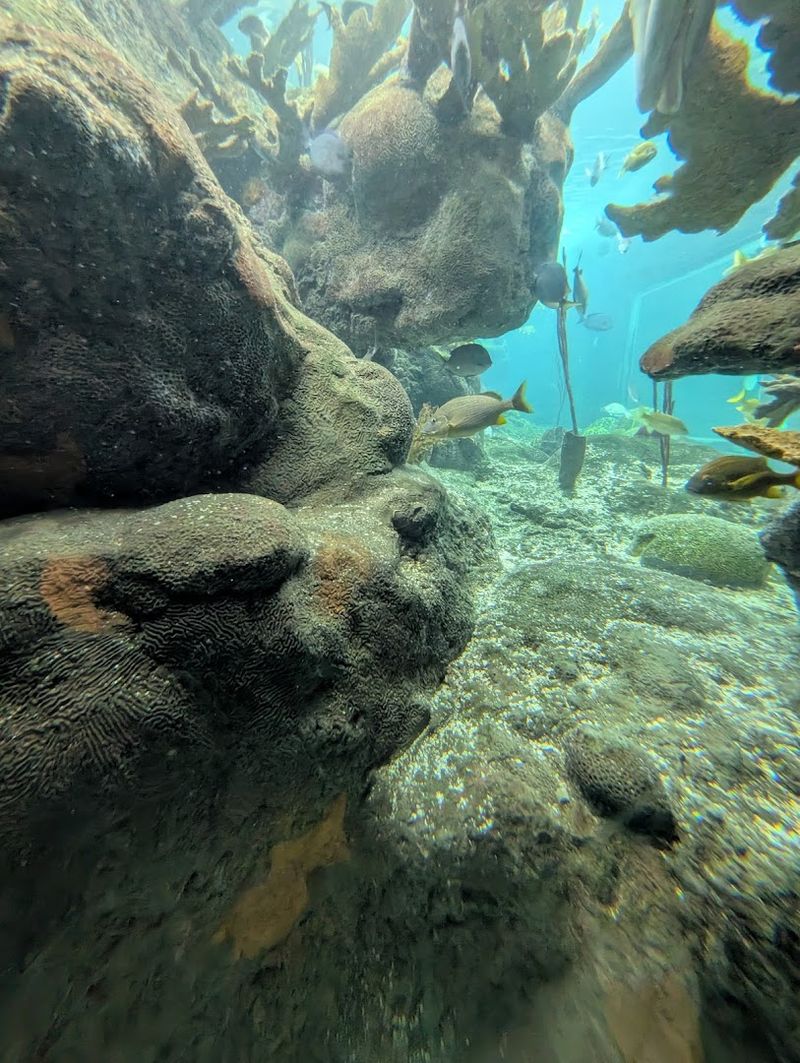
One of the most unexpectedly beautiful sections of the aquarium is the Florida wetlands zone, which recreates the coastal marsh environment that defines so much of the state’s natural landscape. The water table in this exhibit is cleverly elevated so you can actually see the tops of the mangrove roots above the surface while a clear plexiglass floor reveals spotted sea trout, redfish, and other native species swimming below.
Free-roaming birds add another layer of life to this area. Ducks, herons, and ibises move around naturally, unbothered by the visitors watching them from just a few feet away.
It feels less like a display and more like a real slice of Florida wilderness tucked inside a building.
Long-time Florida residents often say this is the section that teaches them the most, since the state’s wetlands are easy to overlook from a car window but absolutely fascinating when you are standing right in the middle of a scaled recreation of one.
Flip the Turtle and Other Animal Stars
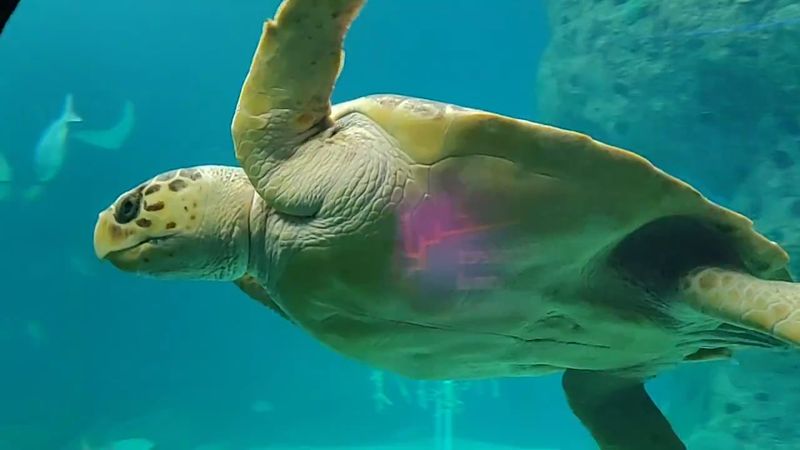
Flip the Turtle has become something of a celebrity at the aquarium, and it is easy to see why. Sea turtles have a calm, unhurried presence that draws people in, and watching Flip move through the water with those wide, steady flippers is genuinely calming in a way that is hard to describe without sounding overly dramatic.
Beyond Flip, the aquarium is home to an impressive cast of animal residents. An octopus makes appearances that feel almost theatrical given how cleverly it moves and hides.
Otters are another crowd favorite, playful and quick, always seeming to know when they have an audience.
Lemurs, which might surprise first-time visitors to an aquarium, have their own enclosure and add an unexpected highlight to the visit. The variety of species on display goes well beyond fish, and that range keeps the experience feeling layered and full, rather than one-note.
The Penguin Exhibit: A Fan Favorite Under Repair
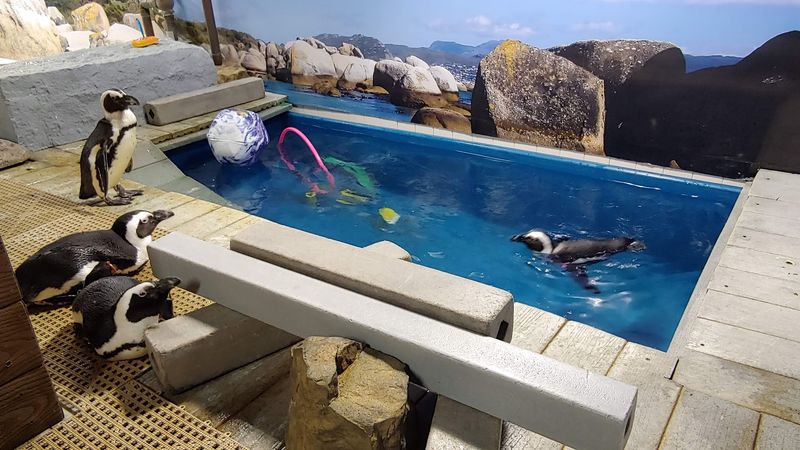
Penguins are one of the most talked-about attractions at the aquarium, and the facility does have a dedicated penguin exhibit that draws a lot of excitement. During certain periods, the exhibit has undergone repairs and updates, which means access can sometimes be limited depending on when you visit.
Staff members are upfront about the situation and often bring the penguins out for short appearances a few times throughout the day, so arriving early and asking about the schedule gives you the best chance of catching them. Missing the main exhibit is disappointing for some visitors, but those impromptu appearances often feel more personal than a standard display anyway.
Checking the aquarium’s website or calling ahead at 813-273-4000 before your visit is the easiest way to find out the current status of the penguin area. The aquarium is transparent about ongoing improvements, and knowing the schedule in advance helps you plan a visit that hits every highlight you are hoping to see.
Wild Dolphin Cruise: Spotting Pods on Tampa Bay
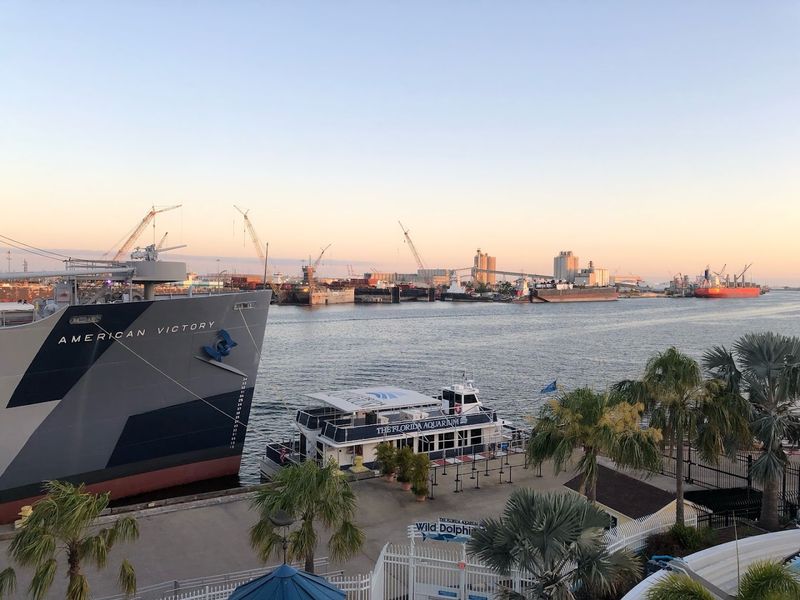
For an experience that takes you beyond the aquarium walls, the wild dolphin cruise is a standout add-on that many visitors consider the highlight of their entire day. The boat heads out onto Tampa Bay, where wild dolphin pods regularly appear close enough to the vessel that you can watch them surface, swim, and play without any barriers between you and them.
This is not a guaranteed sighting, since these are wild animals in their natural habitat, but the success rate is high enough that most groups come back buzzing with excitement. Seeing multiple pods in a single outing is not unusual, and the bay itself offers a beautiful backdrop of the Tampa skyline that makes the whole trip feel worth it regardless of the wildlife count.
The cruise is a separate ticket from general admission, so budgeting for it ahead of time is a good idea. Booking in advance is strongly recommended, especially on weekends, since spots fill up quickly during peak season.
Outdoor Play Area: Where the Younger Kids Recharge
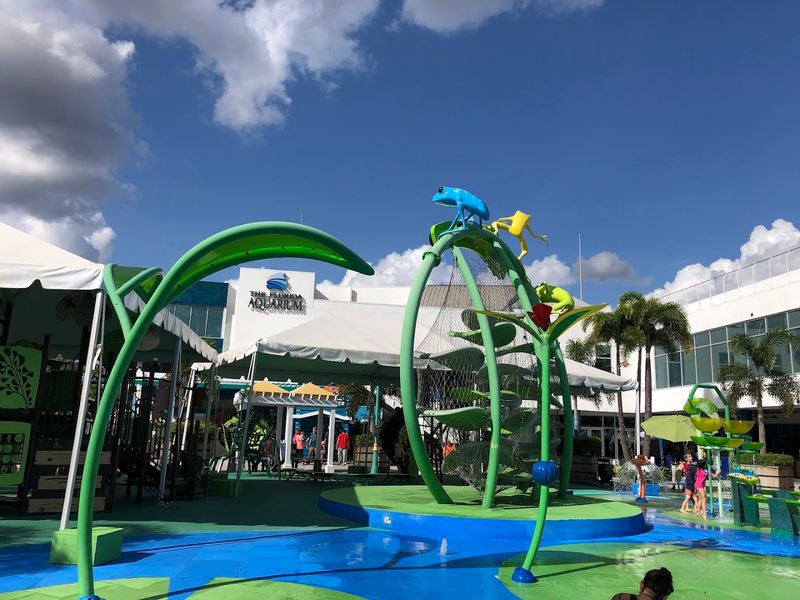
Not every child can sustain focus through two hours of exhibits, and the aquarium’s outdoor courtyard and water play area gives younger kids exactly the kind of reset they need. The splash zone lets little ones run through water jets and interactive features while adults take a breath, sit down, and enjoy the waterfront air.
The outdoor space is well-maintained and connects naturally to the flow of the aquarium visit, so it does not feel like an afterthought. It is a thoughtful addition that makes the overall experience more comfortable for families with toddlers and early elementary-age children who might hit a wall before the adults are ready to leave.
The courtyard also offers some pleasant views of the surrounding Channelside area, and on clear days the open sky and breeze off the water make it a genuinely enjoyable spot to pause. A few families end up spending a solid chunk of time out here, which is a good sign that the space earns its place.
Staff and Education: The People Who Make It Special
The staff at this aquarium consistently stand out as one of its strongest features, and that is not something you can say about every attraction. They are knowledgeable in a way that goes beyond memorized scripts.
Many of them know the individual animals by name and can share specific stories about each one that make the visit feel genuinely personal.
Education is woven into every part of the experience rather than confined to a single room or scheduled program. Handlers at the touch tanks, guides near the large reef exhibit, and staff in the bird and wetlands areas all engage naturally with visitors who show curiosity, without making anyone feel pressured to participate.
The passion these team members bring to their work is something visitors notice and remember long after the visit ends. It is the kind of staff energy that turns a good outing into a great one, and it is a big reason why so many families make this a repeat destination.
Practical Tips: Tickets, Timing, and Getting There
Adult tickets run around $46 to $55 depending on the day and season, with children’s prices not far behind at roughly $39 for kids over three. Buying tickets online in advance is the smartest move you can make, since it skips the entry line entirely and sometimes unlocks slightly lower prices through third-party sites.
Weekday mornings tend to be the calmest time to visit. School groups do arrive occasionally, which can make certain areas feel crowded for a stretch, but they spread out quickly and the energy settles.
Arriving at or shortly after opening at 9 AM gives you the best shot at an unhurried experience before the midday rush.
Parking is available near the aquarium but fills up fast on busy days, especially when cruise ships are in port. The Tampa streetcar trolley stops nearby, which is a convenient and stress-free alternative that drops you practically at the front door and skips the parking headache entirely.
A Full Day on Channelside: Pairing the Aquarium With Nearby Attractions

The aquarium’s location on Channelside Drive makes it an easy anchor for a full day out in Tampa. Sparkman Wharf is just steps away, offering outdoor dining and a lively waterfront atmosphere that pairs naturally with a morning or afternoon at the aquarium.
The USS Ybor, a decommissioned warship docked nearby, is another attraction that aquarium tickets actually provide a discount for, which is a nice bonus worth taking advantage of.
Watching cruise ships come and go from the port adds a casual, entertaining backdrop to the whole experience, especially if you time your visit around a departure or arrival. It is the kind of unexpected entertainment that makes the location feel more dynamic than a typical inland attraction.
Planning the aquarium as the centerpiece of a longer Channelside outing is the move that most repeat visitors recommend. Come hungry, eat before you get to the aquarium to avoid the steep food court prices, and save the afternoon for exploring the waterfront at your own pace.



