There is a museum in Pigeon Forge, Tennessee, where every single person who walks through the door gets handed a boarding pass with the name of a real passenger from one of history’s most talked-about maritime events. That boarding pass becomes your identity for the entire visit, and at the end, you find out whether your passenger made it home.
It is the kind of personal connection that turns a regular museum trip into something far more memorable. This attraction has been drawing history lovers, families, and curious travelers for years, and once you understand what makes it tick, it is easy to see why it keeps pulling people back.
The Boarding Pass That Changes Everything
Every guest receives a boarding pass at the start of their visit, and that small card carries more weight than it looks. Each pass is printed with the name and brief background of a real person who was aboard the RMS Titanic during its 1912 voyage.
From that moment on, you are no longer just a tourist flipping through exhibits. You carry a name, a story, and a question that hangs over the entire visit: did this person survive?
The answer is revealed at the end of the tour, where a full passenger manifest is displayed. For many people, that final discovery becomes the emotional centerpiece of the whole experience.
The boarding pass concept is one of the most consistently praised elements of this museum, and it works because it does something simple but powerful: it makes history personal. A name on a card turns a historical event into a human story that is genuinely hard to forget.
Artifacts Pulled From the Deep
The artifact collection at this museum is one of its strongest draws. Among the items on display are objects actually recovered from the wreck site, including a carpet square, a piece of wood from a stair railing, a playing card, and a waiter’s order pad.
These are not reproductions. They are physical remnants of the ship and the lives aboard it, and that distinction matters enormously when you are standing in front of them.
The smaller, more personal items tend to leave the biggest impression. A playing card or an order pad carries a quiet kind of weight that a large structural piece sometimes cannot.
These were everyday objects used by real people going about their routines, completely unaware of what was coming. The museum frames these artifacts with enough historical context to help guests understand what they are looking at, though some exhibits benefit from more detailed labeling than others throughout the collection.
The Grand Staircase Replica
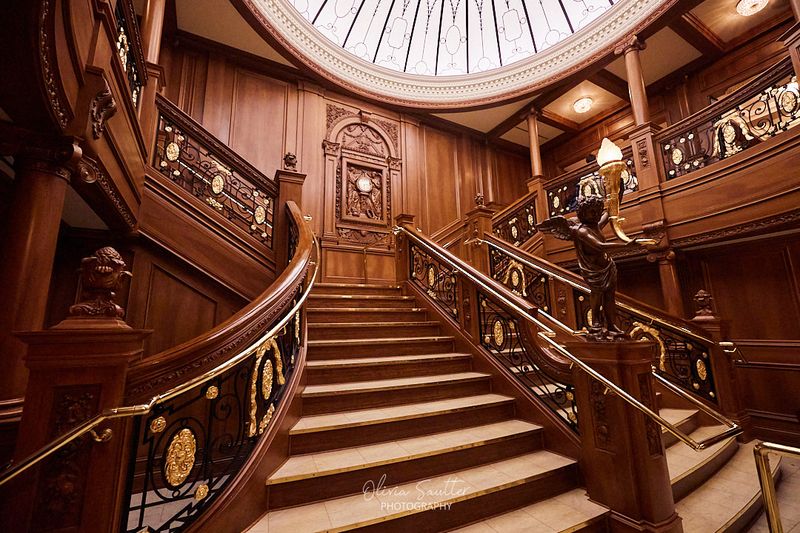
Few elements inside this museum generate as much reaction as the full-scale replica of the Grand Staircase. The recreation is detailed, ornate, and built to reflect the craftsmanship of the original first-class feature that appeared in historic photographs of the ship.
The staircase serves as a natural dividing point in the museum layout, connecting the lower exhibits to the upper level and giving guests a tangible sense of what first-class travel looked like in 1912.
It has become one of the most photographed spots in the entire attraction, and it is easy to understand why. The replica is not a simplified version built for atmosphere alone.
Genuine effort went into the woodwork and architectural details to make it as close to the original as possible. For anyone who has seen photographs of the original staircase, standing in front of this recreation brings a layer of recognition that adds real depth to the overall museum experience.
Touching the Iceberg Water
One of the most talked-about interactive features at the museum is the cold water tank that lets guests feel the approximate temperature of the North Atlantic water on the night the Titanic sank. The water is kept at around 28 degrees Fahrenheit.
Most people pull their hand out within seconds. That brief physical experience communicates something that no paragraph of text ever fully can: the reality of what survivors and those in the water faced while waiting for rescue.
It is a simple exhibit in concept, but it consistently earns a strong reaction because it bypasses intellectual understanding and goes straight to physical reality. History can sometimes feel distant when read from a plaque, but cold water at 28 degrees is immediate and undeniable.
This kind of interactive design is part of what sets the Titanic Museum Attraction apart from a standard display-case museum, and it is especially effective for younger visitors who are still building their connection to historical events.
Personal Stories of Real Passengers
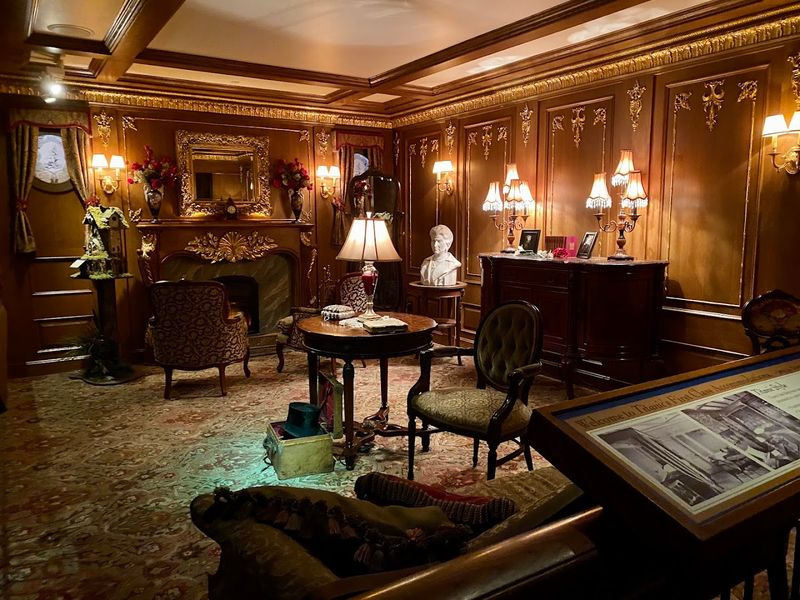
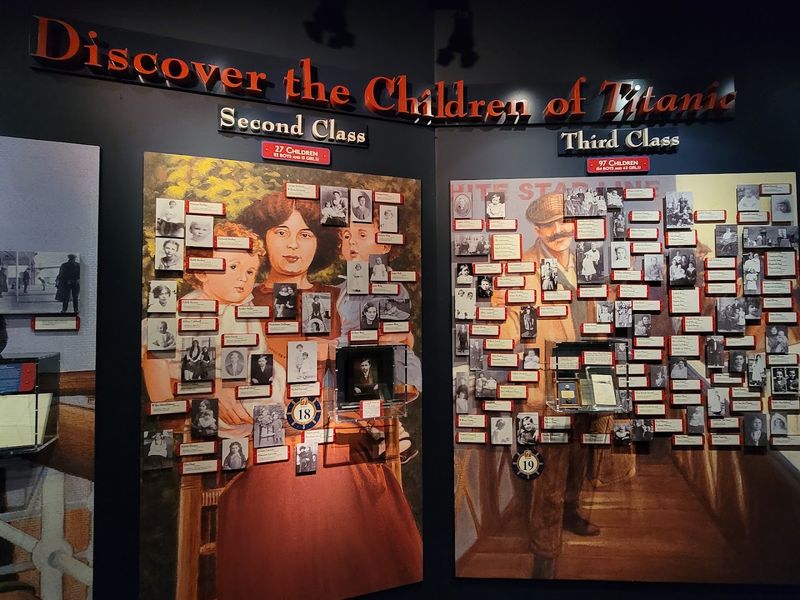
A significant portion of the museum is dedicated to the individual people who were aboard the Titanic, and these personal histories give the collection its emotional backbone. Exhibits cover passengers and crew from multiple classes, presenting their backgrounds, reasons for traveling, and ultimate fates.
Reading through these accounts shifts the focus away from the ship as a mechanical marvel and toward the human lives that were directly affected by its sinking. That shift is exactly what makes the museum’s approach work.
The boarding pass system ties directly into this section. By the time guests reach the passenger stories, they are already invested in at least one name.
That personal stake changes how you read the information on the walls. Instead of processing facts abstractly, you are actively searching for details relevant to the person on your card.
It is a clever design choice that keeps engagement high throughout the tour and makes the historical content feel immediately relevant rather than distant.
Two Floors of History to Explore
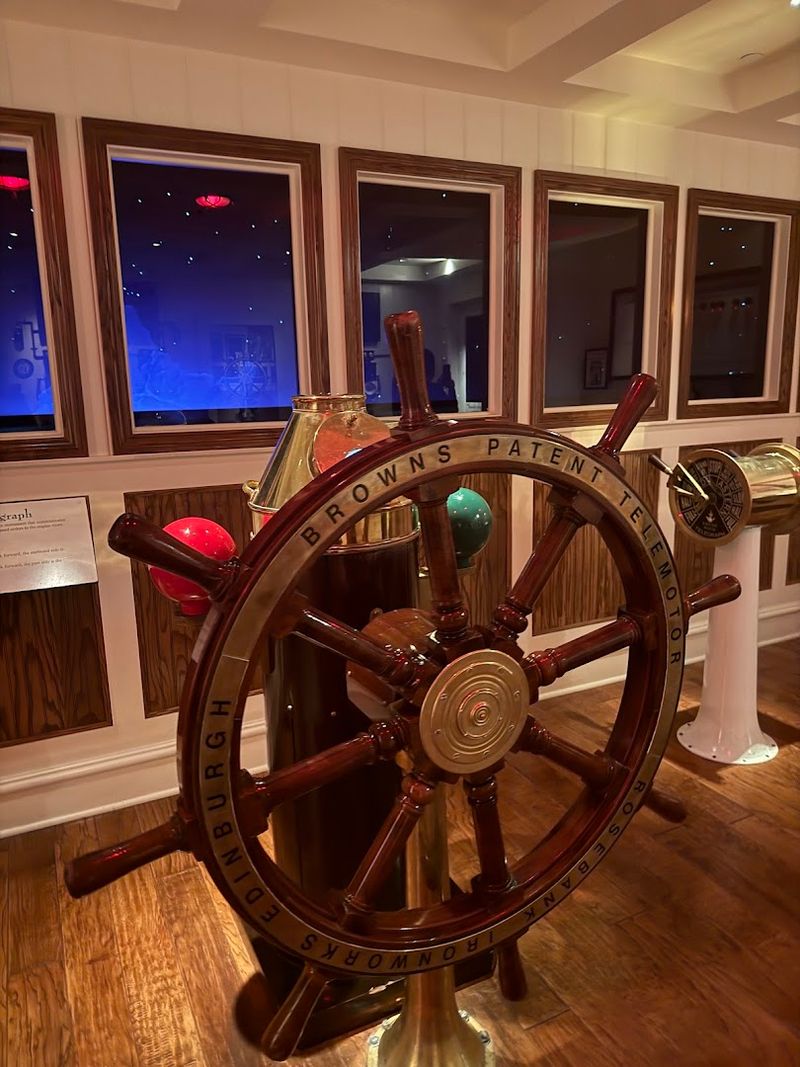
The museum spans two floors, and each level has a distinct character. The first floor covers the ship’s construction history and the story of its maiden voyage, setting the historical foundation for everything that follows.
The second floor tends to be more interactive, with hands-on exhibits and activities designed to engage guests of all ages. Families with children often find the upper level particularly effective at keeping younger visitors involved and curious.
Plan to spend at least ninety minutes to two hours to move through both floors at a comfortable pace. Rushing through shortchanges the experience significantly, especially for those who want to read the detailed text panels and spend time with the artifact displays.
The museum covers a lot of historical ground, and the two-floor structure gives the narrative room to develop properly rather than cramming everything into a single compressed walkthrough. Arriving early in the day tends to mean smaller crowds and more personal space at each exhibit.
Tips for Planning Your Visit
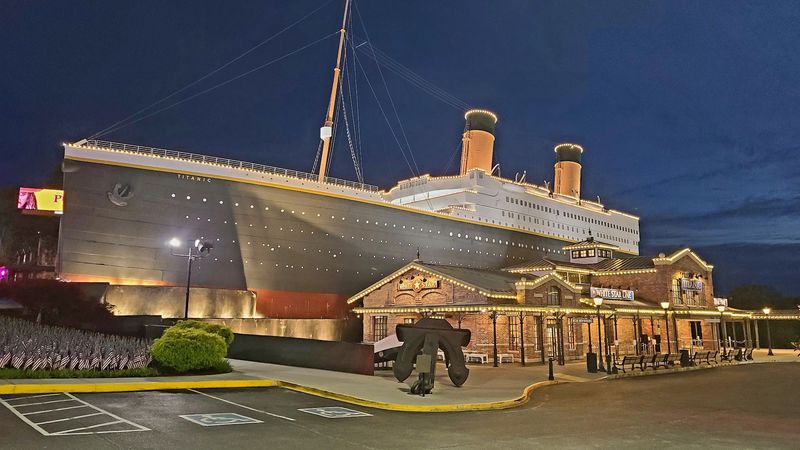
Getting the most out of a visit to the Titanic Museum Attraction comes down to a few practical decisions made before you arrive. Buying tickets online in advance is the single most useful step, as it secures your entry time and avoids the uncertainty of walk-up availability.
Arriving close to opening time at 9 AM tends to result in a less crowded experience, particularly on weekends when the museum draws its largest daily numbers. Midweek visits are generally quieter across the board.
Set aside at least two hours for the full tour, and more if you plan to linger over the text-heavy exhibits or participate in any interactive features. The museum is open every day from 9 AM to 9 PM, giving plenty of flexibility for different travel schedules.
Families with younger children should be aware that some sections involve detailed historical reading, so pairing those moments with the interactive exhibits helps maintain engagement across age groups throughout the visit.
Why This Museum Keeps Drawing People Back
The Titanic Museum Attraction in Pigeon Forge holds a 4.6-star rating across more than 24,000 reviews, which is a strong indicator of consistent quality over a long period of time. That kind of sustained feedback reflects something more than novelty.
What keeps people returning, and what drives so many first-time guests to recommend it, is the combination of genuine artifacts, personal storytelling, and interactive design. The museum does not rely on spectacle alone.
It builds a narrative that connects guests to real events and real people in a way that sticks long after the visit ends.
The boarding pass alone has turned countless casual visitors into people who leave with a genuine emotional investment in 1912 history. That is not easy to achieve, and it speaks to the care that went into designing this attraction.
Whether you are a lifelong Titanic enthusiast or someone who knows only the basics, this museum in Pigeon Forge delivers an experience that is genuinely difficult to walk away from unchanged.
Where the Ship Comes to Shore
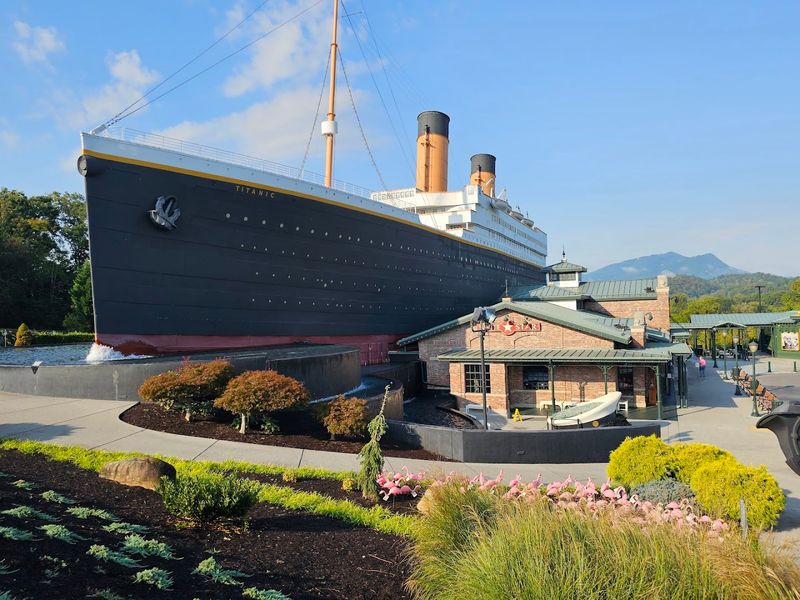
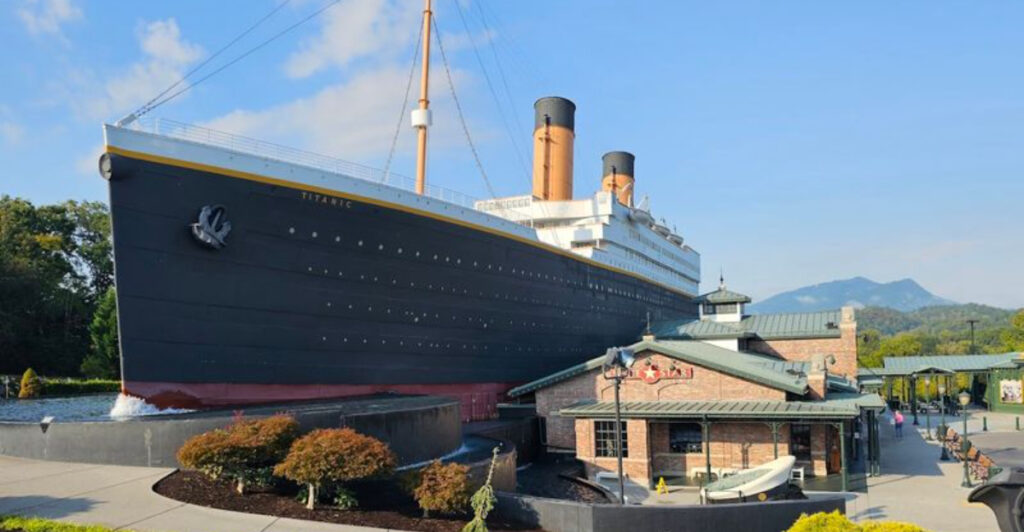
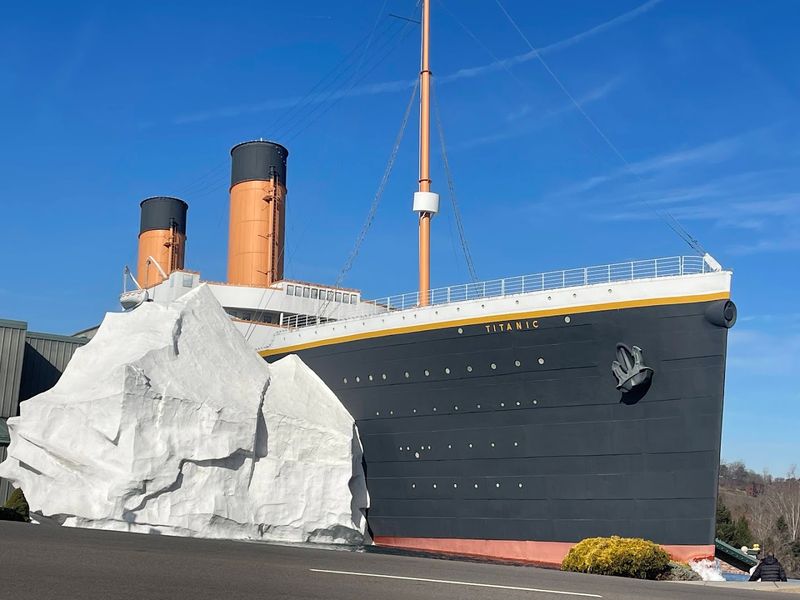
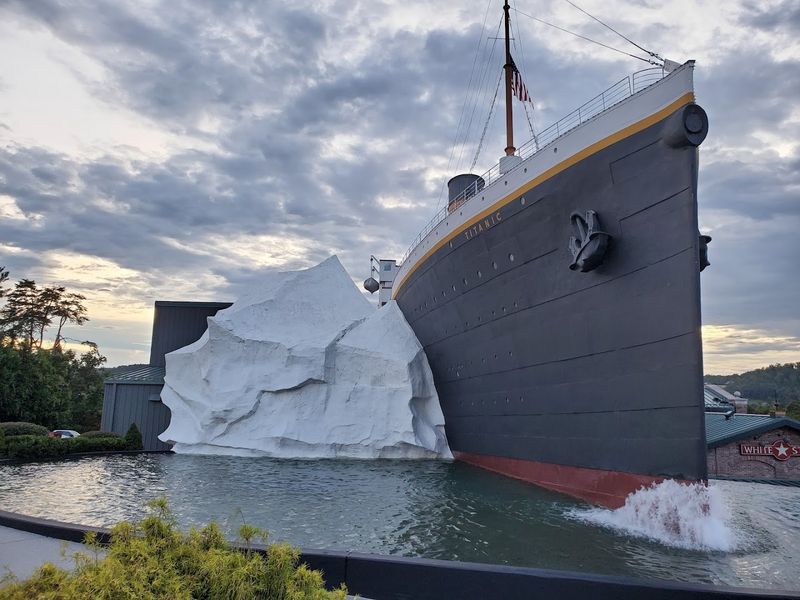
The building itself is the first thing that stops people in their tracks. The Titanic Museum Attraction sits at 2134 Parkway, Pigeon Forge, TN 37863, and its exterior is designed to look like the bow of the RMS Titanic cutting through the landscape.
The structure is enormous, unmistakable, and built to give you a sense of the ship’s actual scale before you ever step inside. It towers over the surrounding area and stands out clearly from the road.
What makes this detail matter is that the designers understood something important: the story of the Titanic begins before you even buy a ticket. The building communicates that this is not a typical roadside attraction.
The museum is open every day from 9 AM to 9 PM, making it accessible for both morning planners and those who prefer an afternoon outing. Buying tickets online in advance is strongly recommended to secure your preferred time slot.
Share this story