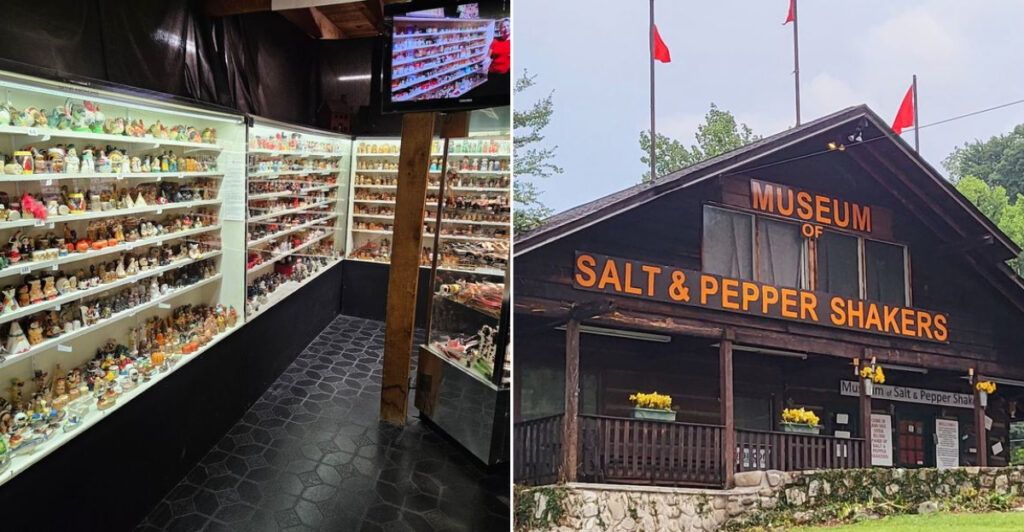
Most people visit Gatlinburg, Tennessee for the mountain views and theme park attractions, but tucked away in the Smoky Mountains is a museum unlike anything else in the country. It holds more than 20,000 sets of salt and pepper shakers, organized by theme, era, and material, spanning decades of design history and pop culture.
From first-class airline sets to quirky dinosaur pairs and everything in between, the collection covers ground that most museums would never even consider. The admission fee is just a few dollars, the staff is genuinely enthusiastic, and the whole experience tends to surprise even the most skeptical visitors.
Whether you collect shakers yourself or have never given them a second thought, this place has a way of pulling people in and holding their attention longer than expected.
More Than 20,000 Sets Under One Roof
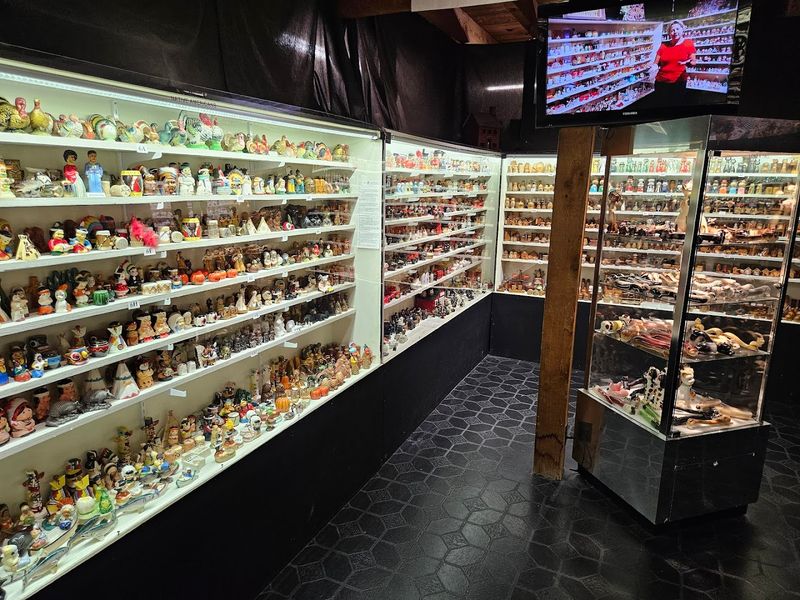
The number alone is enough to stop people mid-sentence: over 20,000 sets of salt and pepper shakers, all housed inside a single museum in a small Tennessee mountain town. That figure is not an estimate or a marketing stretch.
The collection has been carefully assembled and organized over many years, and it keeps growing.
Each set is displayed behind glass, which keeps the pieces protected while still allowing a clear view of every detail. The sheer volume of items means that no matter how long you spend inside, there is always something new to notice just a few steps away.
The collection spans a remarkable range of styles, from delicate porcelain pairs to bold plastic novelty sets that capture specific moments in pop culture history. The variety is so broad that it is genuinely difficult to predict what will appear around the next corner, which keeps the experience moving forward at a natural pace.
The Story Behind the Collection
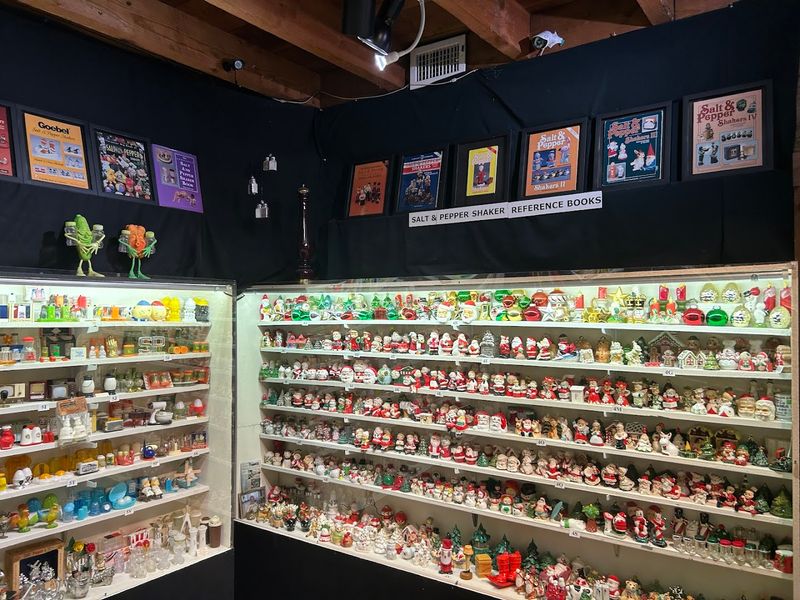
Every great collection starts somewhere, and the Salt and Pepper Shaker Museum traces its roots back to a single passionate collector whose dedication to the hobby grew into something far larger than a personal hobby. The museum was founded by Andrea Ludden, and the story of how the collection came together is told throughout the exhibit space.
Informational panels scattered through the museum explain not just the pieces themselves but also the broader history behind them, including how trade patterns and available materials shaped the designs produced in different eras. That historical context transforms what could be a simple display of objects into a genuine educational experience.
The museum pays tribute to the first collector and the vision that brought so many pieces together in one place. That backstory adds weight to the collection and gives each set a sense of purpose beyond decoration, making the whole experience feel more meaningful than a typical novelty stop.
How the Shakers Are Organized
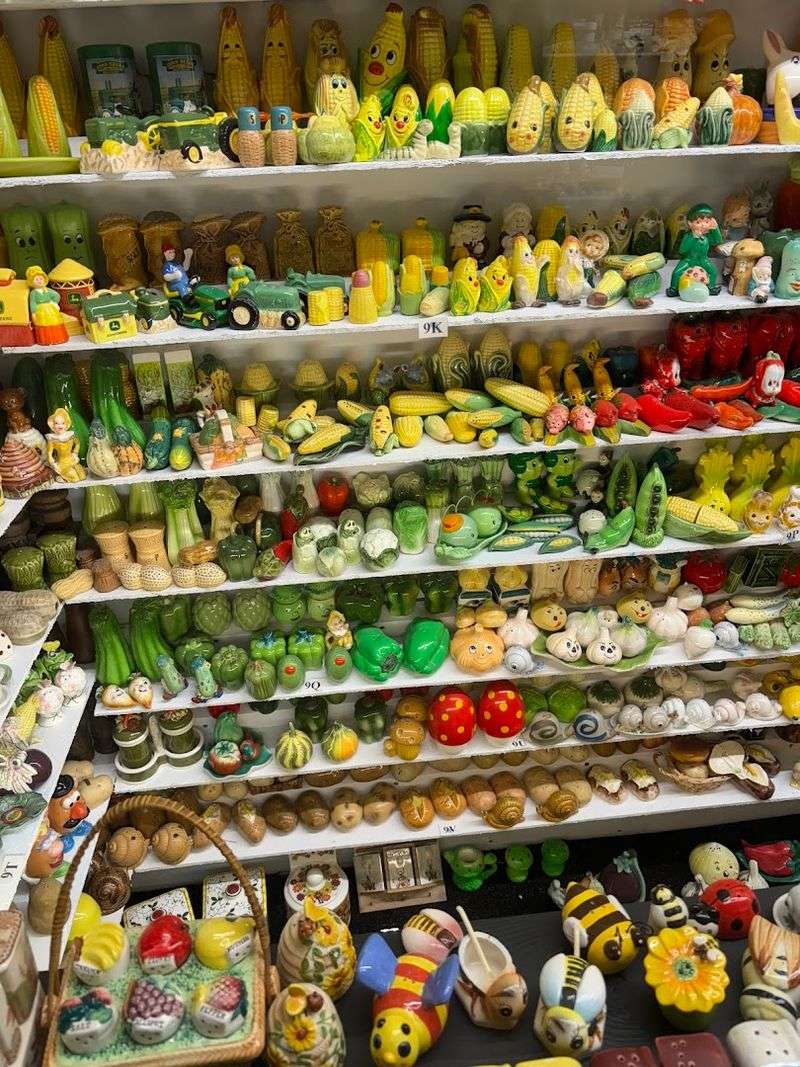
Walking through the museum without a system would be overwhelming given the sheer number of pieces on display. Fortunately, the collection is arranged into clear categories, which makes the experience manageable and genuinely enjoyable rather than chaotic.
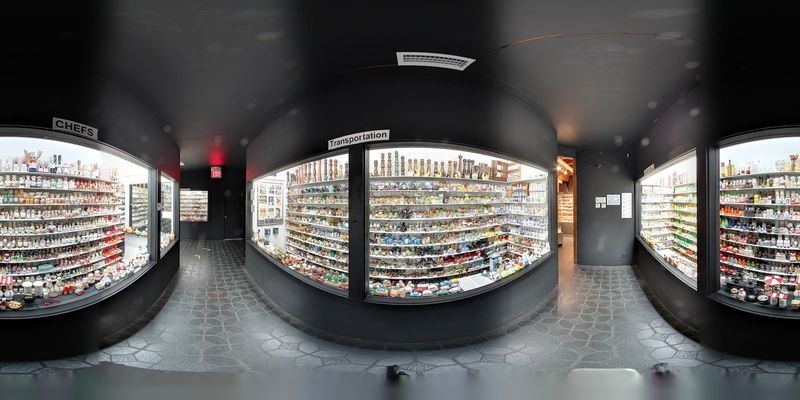
Sets are grouped by theme, so visitors move through sections dedicated to animals, holidays, pop culture, historical figures, transportation, food-shaped sets, and much more. That structure makes it easy to head straight to categories that interest you most or simply wander through them all in sequence.
The categorization also reveals surprising patterns. Seeing dozens of animal-themed sets side by side, for example, highlights how differently designers across different decades interpreted the same subject.
Some sections carry a nostalgic pull for people who recognize sets from childhood kitchens or relatives’ homes, while other sections feel completely unexpected and new. The layout rewards both quick visits and longer, more deliberate explorations of the entire space.
The Admission Fee That Surprises Everyone
For a museum holding more than 20,000 items, the admission price at the Salt and Pepper Shaker Museum is genuinely hard to believe. Entry costs just a few dollars per person, with prices hovering around three to four dollars depending on when you visit.
That low price point removes any hesitation about stopping in, even for people who are not sure they will find it interesting. At that cost, the worst-case outcome is spending twenty minutes inside and walking away with a funny story.
The best-case outcome, which seems to be the far more common result, is spending an hour or more completely absorbed in the collection.
There is also a practical bonus built into the admission structure: the entry fee can be applied toward a purchase in the gift shop at the end of the visit. That detail makes the stop feel even more worthwhile, essentially turning the admission into store credit for anyone planning to pick up a souvenir anyway.
Shakers From Around the World
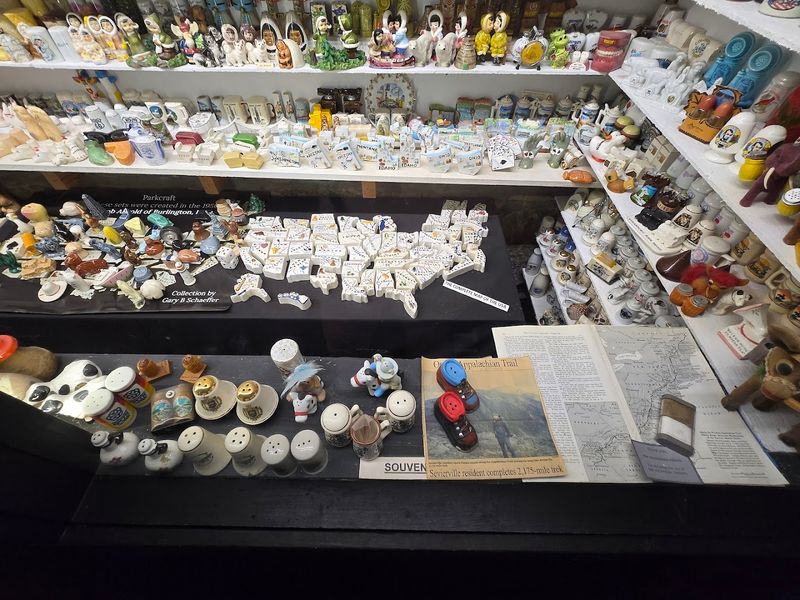
One of the most striking aspects of the collection is its global reach. The museum holds sets from countries across Europe, Asia, and beyond, reflecting how salt and pepper shakers became a universal household item adapted through countless regional design traditions.
Pieces from different countries carry distinct visual identities. Certain European sets reflect formal, decorative traditions, while sets from other regions lean into bold shapes, bright colors, or materials that were locally available at the time of production.
Seeing them side by side creates a quiet but clear picture of how culture influences everyday objects.
Old first-class airline shakers are among the more unexpected international items in the collection. Those pieces connect the museum to a specific era of commercial travel when even table accessories carried a sense of occasion.
That kind of unexpected historical detail is exactly what makes browsing the collection feel rewarding rather than repetitive, even after the first hour of exploring.
Pop Culture and Novelty Sets That Steal the Show
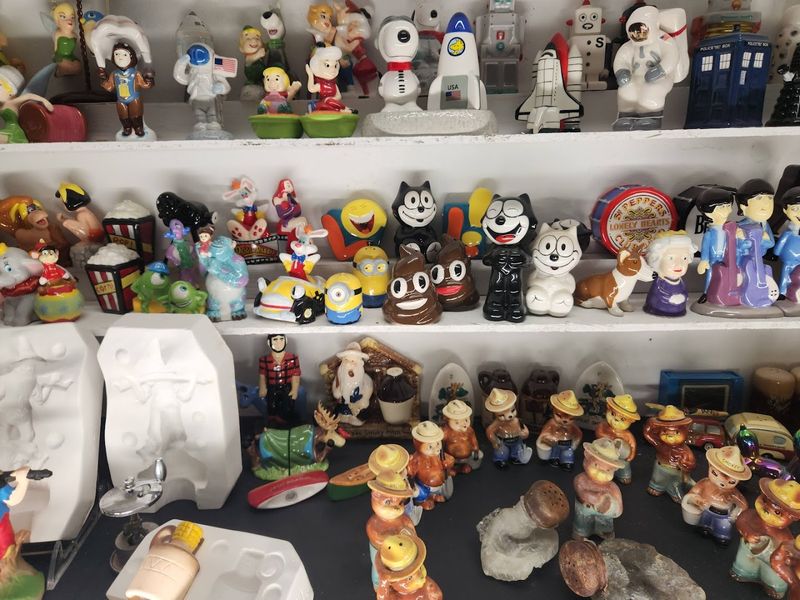
Among the thousands of sets on display, the novelty and pop culture pieces tend to draw the most reactions from visitors. Push mowers, dancing figures, dinosaurs, tombstones, beer cans, and even toilets have all found their way into the collection, each pair sitting neatly behind glass with the same dignity as any fine porcelain set.
Those quirky pieces reflect a long tradition of novelty manufacturing in the United States and abroad, where designers leaned into humor, current events, and everyday objects to create sets that felt fun rather than formal. Collecting them became its own subculture, with certain rare or unusual designs becoming highly sought after over the decades.
The Ohio Turnpike set is one example that tends to catch people off guard. The fact that something as specific as a highway could inspire a salt and pepper shaker design says something about just how creative and wide-ranging the world of shaker collecting actually is, and the museum captures that range beautifully.
Historical Pieces That Tell a Bigger Story
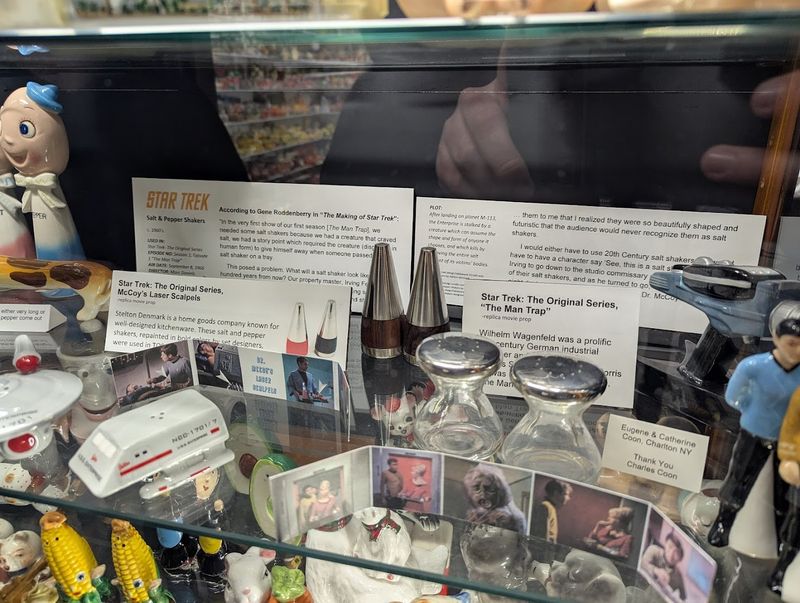
Beyond the novelty items, the museum holds a significant number of historically meaningful pieces that connect the collection to broader moments in manufacturing and trade history. Informational text throughout the exhibit explains how global events, material availability, and shifting trade relationships influenced what kinds of shakers were produced and when.
Sets made from early plastics, hand-painted ceramics, pressed glass, and fine silver each reflect the resources and technologies available during their respective eras. That material variety turns the collection into an unexpected record of industrial history, where each set quietly documents something about the time and place it came from.
Historical figures also appear throughout the collection. Abraham Lincoln and Mary Todd shakers are among the recognizable names represented, bringing a layer of American history into an exhibit that might otherwise seem entirely focused on design and novelty.
That mix of the serious and the playful is part of what gives the museum its distinctive character and keeps the experience consistently engaging throughout.
A Stop That Works for All Ages
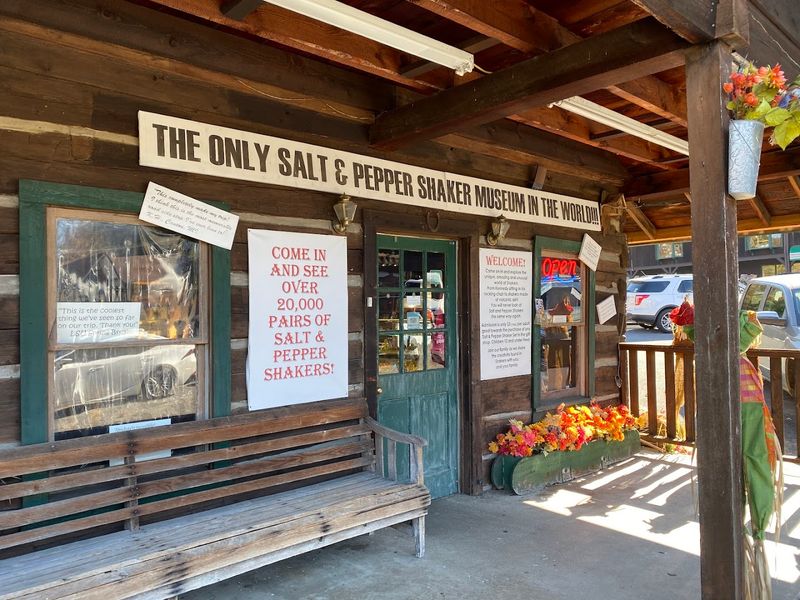
The museum has a broad appeal that cuts across age groups in a way that not every attraction manages to pull off. Young children respond to the colorful shapes and animal figures, while older visitors often find themselves recognizing sets from childhood homes or family kitchens, which brings its own kind of quiet enjoyment.
Teenagers and adults who come in skeptical tend to leave with a changed perspective. The combination of unusual designs, historical context, and sheer volume of items creates an experience that holds attention regardless of prior interest in the subject.
The low admission cost also removes the pressure that sometimes comes with higher-priced attractions, allowing everyone to relax and enjoy the visit at their own pace.
The compact size of the museum works in its favor for mixed groups. A visit can run anywhere from thirty minutes to a couple of hours depending on how closely you look at each display, which makes it easy to fit into a busy Gatlinburg itinerary without disrupting the rest of the day.
Tips for Getting the Most Out of Your Visit
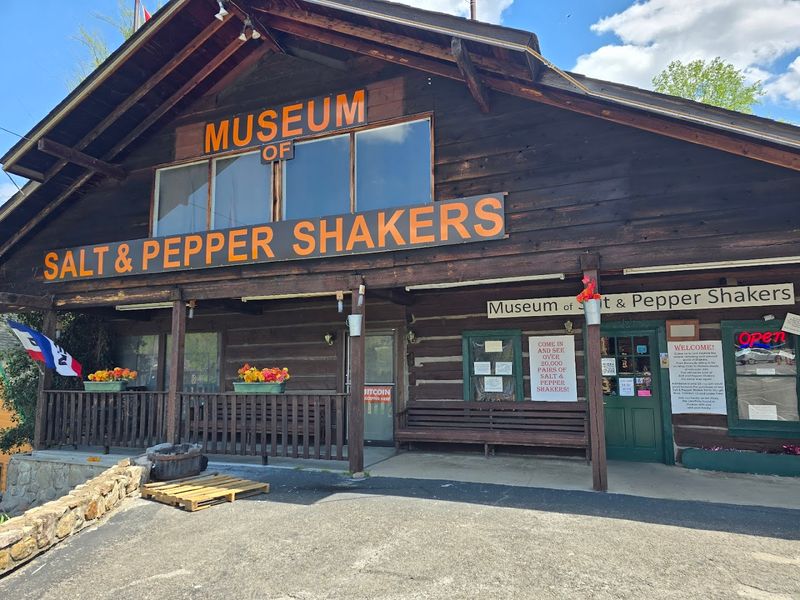
A few practical details can make the visit even smoother. The museum is open Thursday through Saturday from 10 AM to 4 PM, on Sundays from 10 AM to 2 PM, and also Monday through Wednesday from 10 AM to 4 PM, so there is flexibility across the week for planning a stop.
Arriving earlier in the day tends to mean a quieter experience, which makes it easier to move through the displays at your own pace without navigating around larger groups. The space is not enormous, so a crowd of even a moderate size can make certain sections feel a bit congested.
Bringing cash is a smart move, and keeping the admission credit system in mind before you enter helps with planning. If you already know you want to pick up a set in the gift shop, the entry fee essentially pays for itself.
A scavenger hunt experience has also been in development, which could add another layer of fun to future visits for those traveling with younger companions.
Why Collectors Make Special Trips Here
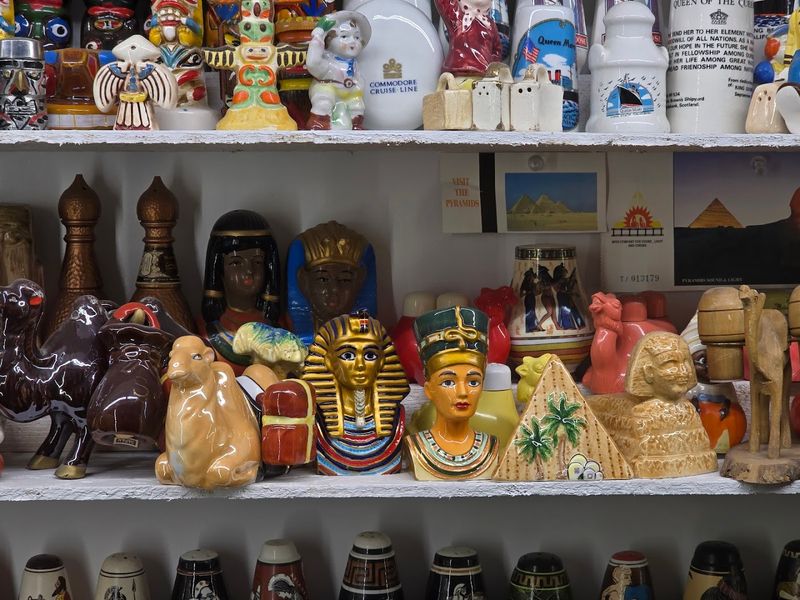
For people who already collect salt and pepper shakers, this museum holds a particular kind of appeal. Finding a set here that matches one already sitting on a shelf at home creates an unexpected connection between a personal collection and a nationally recognized exhibit, which is a rewarding experience for any collector.
Rare and unusual designs that are difficult to find elsewhere show up throughout the collection, giving serious collectors a reference point for pieces they may have been searching for or simply never seen before. The museum also provides context about manufacturing origins and historical periods that can help collectors better understand and value their own sets.
The gift shop’s inventory of around 2,200 sets for sale is an added draw for collectors who want to leave with something new. The selection leans toward harder-to-find designs rather than mass-market items, which means the gift shop functions as a genuine resource rather than just a standard souvenir counter attached to a tourist attraction.
How It Fits Into a Gatlinburg Trip
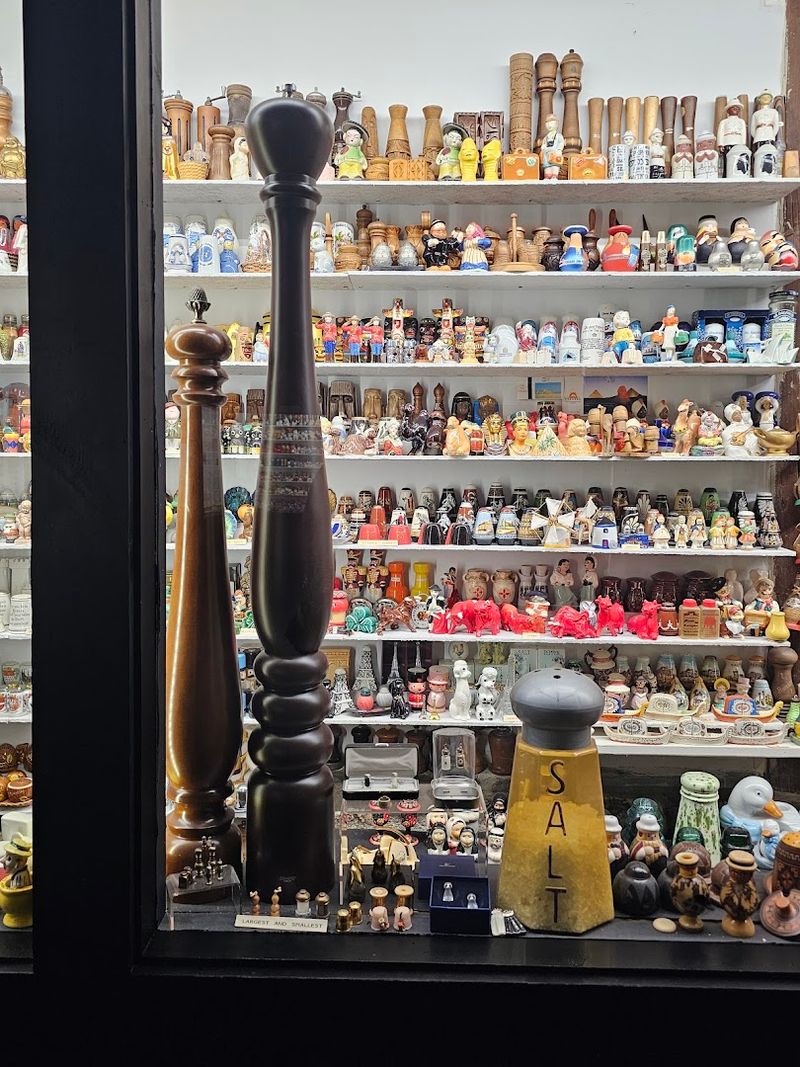
Gatlinburg is already packed with things to do, from the Great Smoky Mountains National Park to the busy strip of shops, rides, and entertainment venues that run through the center of town. Adding the Salt and Pepper Shaker Museum to the itinerary requires almost no extra effort, and the payoff is a stop that genuinely stands out from the more typical attractions.
The museum works well as a mid-morning or early afternoon stop, fitting neatly between outdoor activities and evening plans without demanding too much time. Its location at 461 Brookside Village Way puts it within easy reach of several popular breakfast spots, making it a natural next destination after a morning meal in the area.
For visitors who have been to Gatlinburg multiple times and feel like they have already covered the main attractions, this museum offers something genuinely different. It is not trying to compete with roller coasters or mountain hikes, and that focused, unhurried quality is exactly what makes it a worthwhile addition to any return trip.
A One-of-a-Kind Museum Worth the Stop
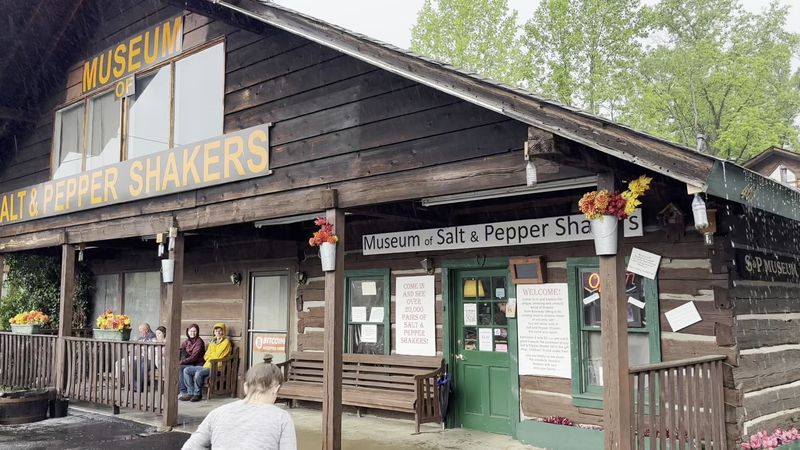
There may not be another museum quite like this one anywhere in the country, and possibly the world. That kind of singularity is rare, and it gives the Salt and Pepper Shaker Museum a legitimate claim to being one of the most distinctive cultural stops in the entire Southeast.
The combination of a massive collection, a low admission price, knowledgeable staff, and a gift shop stocked with thousands of sets for sale creates an experience that delivers genuine value at every level. The museum does not need flashy technology or elaborate staging to hold attention, because the collection itself is interesting enough to carry the entire visit.
Gatlinburg has no shortage of places competing for tourist dollars, but this museum earns its place on any list of must-see stops through sheer originality. A few dollars, an open mind, and an hour or two of free time are all it takes to walk away with a completely new appreciation for one of the most overlooked objects in everyday kitchen history.
Where It All Lives: Address and Location
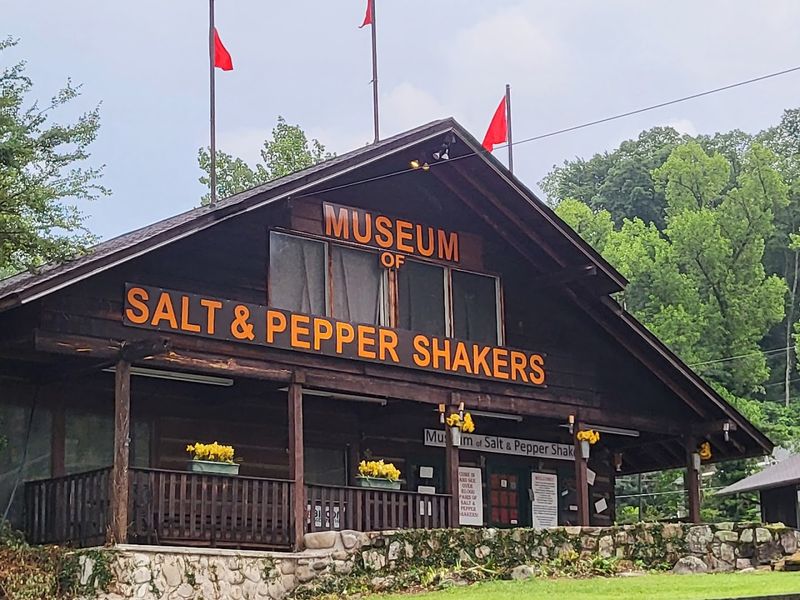
Right in the heart of the Smoky Mountains, the Salt and Pepper Shaker Museum sits at 461 Brookside Village Way, Gatlinburg, TN 37738. The building is modest from the outside, the kind of place you might walk past without a second glance, but that understated exterior is part of the charm.
Gatlinburg itself is known for its busy strip of attractions and mountain scenery, but this museum occupies a quieter corner of town. It is close enough to the main tourist areas to be convenient, yet far enough off the main drag to feel like a genuine discovery rather than a tourist trap.
The museum operates Monday through Saturday from 10 AM to 4 PM and on Sundays from 10 AM to 2 PM. Those hours make it an easy add-on to a full day of exploring the area, and the compact location means no long drives or complicated directions to navigate.
Share this story