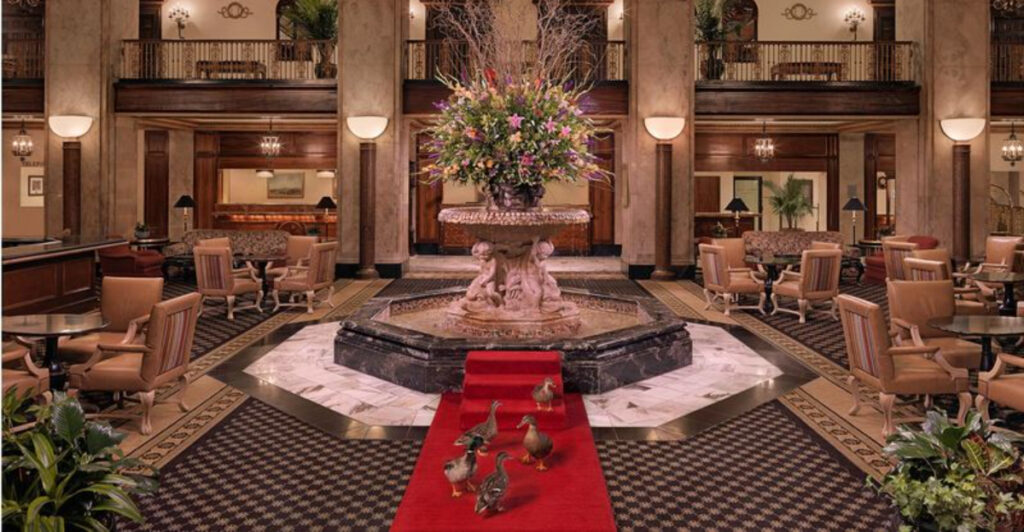
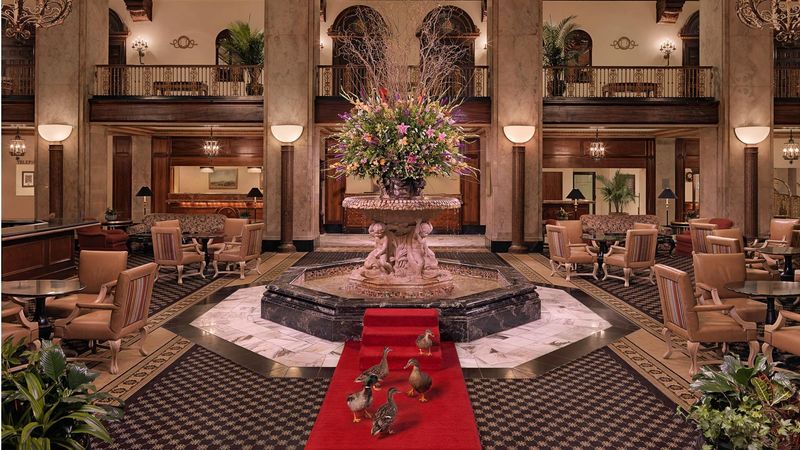
There is a hotel in downtown Memphis where five mallard ducks are treated better than most hotel guests. Every single day, twice a day, they ride a private elevator, waddle down a red carpet to the sound of a marching band tune, and take their place in a marble fountain while a crowd of hundreds watches in complete amazement.
This is not a theme park attraction or a tourist gimmick. It is a nearly century-old tradition at one of the most storied hotels in the American South, and it has been happening without interruption since 1933.
The hotel itself is a landmark, a 13-story downtown institution that has hosted presidents, celebrities, and curious travelers from all over the world. Before getting to the ducks, though, the building itself deserves some serious attention.
The Duck Tradition That Started as a Joke
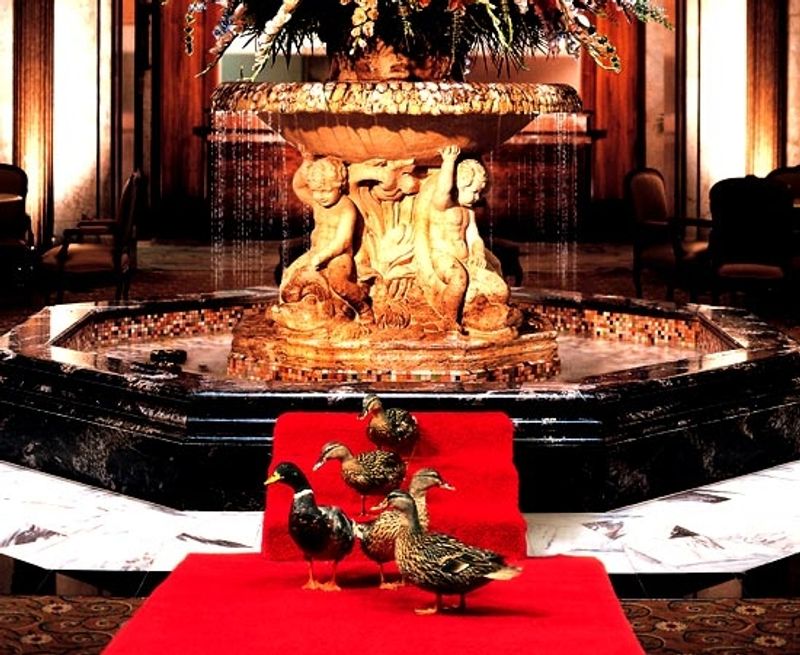
Back in 1933, general manager Frank Schutt returned from a hunting trip and, in a moment of mischief, released live duck decoys into the hotel lobby fountain. What was meant as a prank landed so well with guests that the ducks simply stayed.
The tradition was formalized in 1940 when a bellman named Edward Pembroke, who had a background as a circus animal trainer, taught the ducks to march and personally served as Duckmaster for 50 years. That is not a typo.
One man guided the duck parade for half a century.
Today, five North American mallards make the twice-daily march at 11 a.m. and 5 p.m., waddling down a red carpet to the tune of John Philip Sousa’s “King Cotton March” while a crowd of several hundred people gathers to watch. The whole ceremony is free to attend, no hotel stay required.
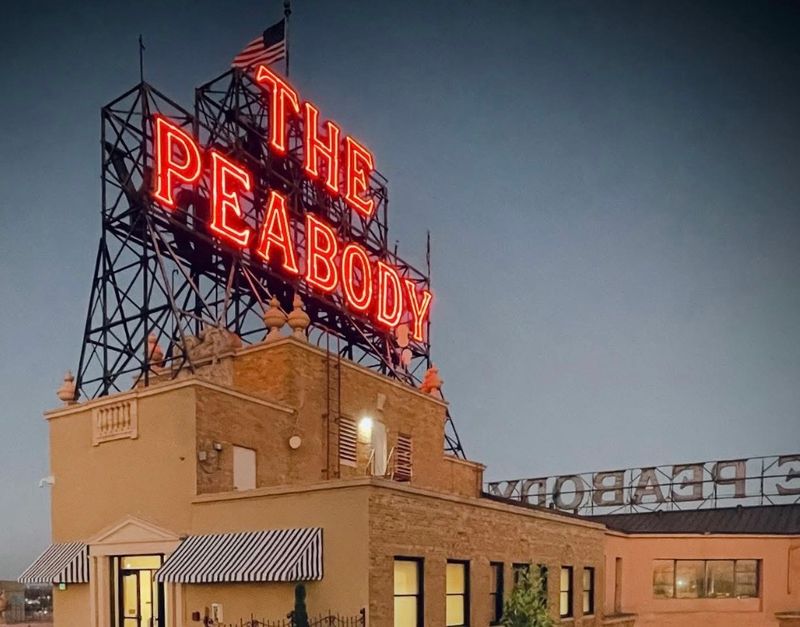
The $200,000 Rooftop Duck Palace
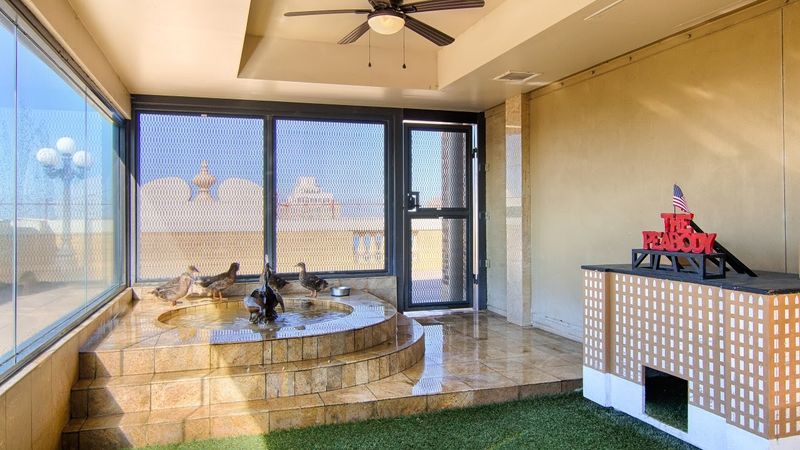
When the hotel says the ducks live well, that is not an understatement. The rooftop home built for the five resident mallards reportedly cost around $200,000 to construct, making it one of the most expensive animal accommodations in the country.
The ducks spend their nights and off-hours in this custom rooftop enclosure, which is designed specifically to meet their needs and keep them comfortable above the Memphis skyline. The setup includes everything required for the ducks to live a healthy and stress-free life between their twice-daily appearances downstairs.
Each group of ducks serves a rotation of about three months before being retired to a farm and replaced with a new set of mallards. This practice keeps the birds from becoming overly stressed by the daily public attention and ensures the tradition continues responsibly.
The whole operation is taken seriously at every level of the hotel.
Meet the Duckmaster
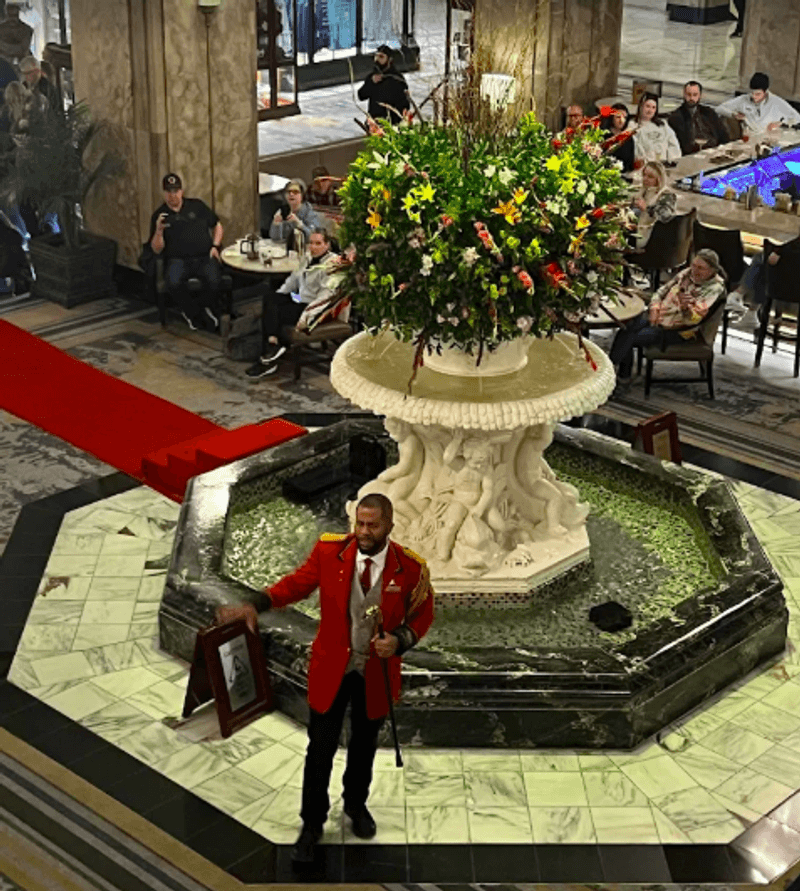
The role of Duckmaster is one of the more unusual job titles in American hospitality, and the person holding it carries a lot of responsibility. The Duckmaster oversees the daily march, manages the ducks’ wellbeing, and serves as the public face of the entire tradition for every guest who shows up to watch.
The current Duckmaster, Kenon, has become a standout figure at the hotel. He leads the ceremony with genuine energy and takes real time with guests, particularly with children, in a way that goes well beyond just moving ducks from point A to point B.
A historic tour of the hotel led by the Duckmaster runs at $15 per adult and covers over 150 years of hotel history, Memphis lore, and behind-the-scenes details about the duck tradition itself. Guests consistently describe it as one of the most worthwhile ways to spend time at the property.
A Lobby That Earns Its Reputation
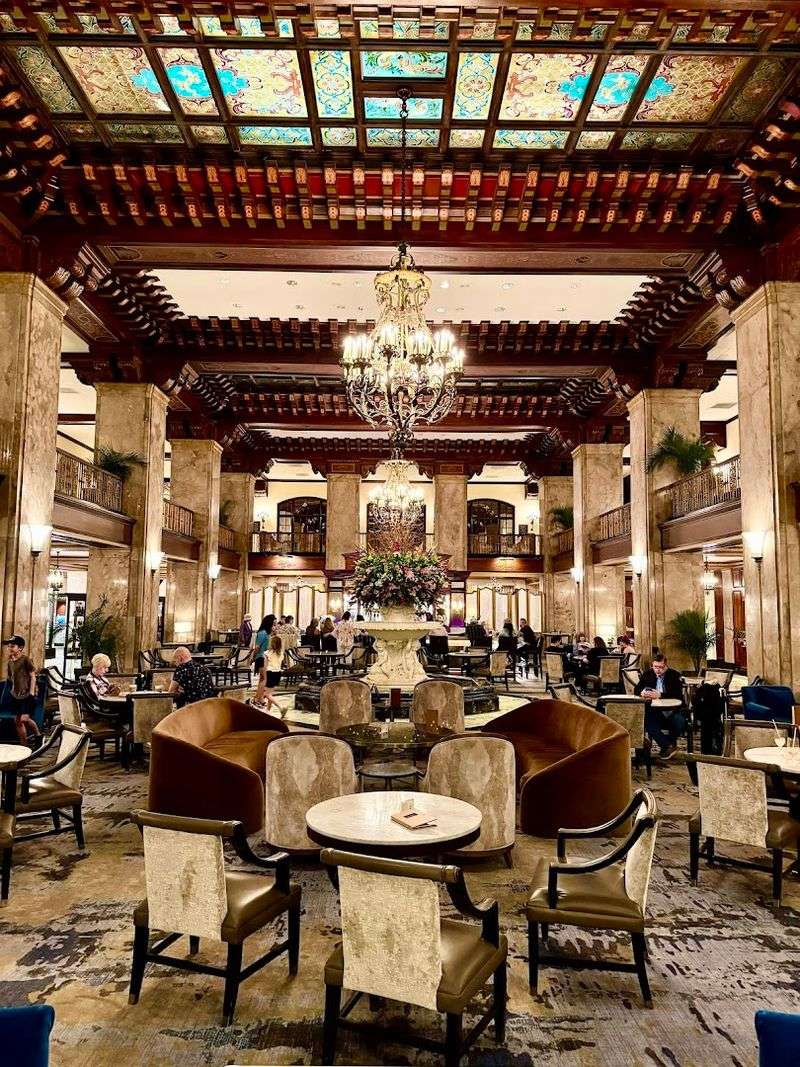
The lobby at The Peabody Memphis is the kind of space that makes people stop walking and just look up. Marble columns frame a central fountain that serves as both the starting and ending point of the famous duck march, and the overall design reflects the classical architecture of the early twentieth century.
Even on days when the ducks are resting upstairs, the lobby draws a steady crowd. Guests gather at the lobby bar, browse the gift shops, or simply sit and take in the surroundings.
The craftsmanship throughout the space, from the carved details to the inlaid flooring, reflects the kind of construction that simply does not happen anymore.
The lobby also functions as a social hub for downtown Memphis. Non-hotel guests regularly walk in to experience the space, watch the duck march, or grab a seat at the bar, and the hotel openly welcomes that kind of foot traffic.
Rooms Built for Comfort With a Historic Twist
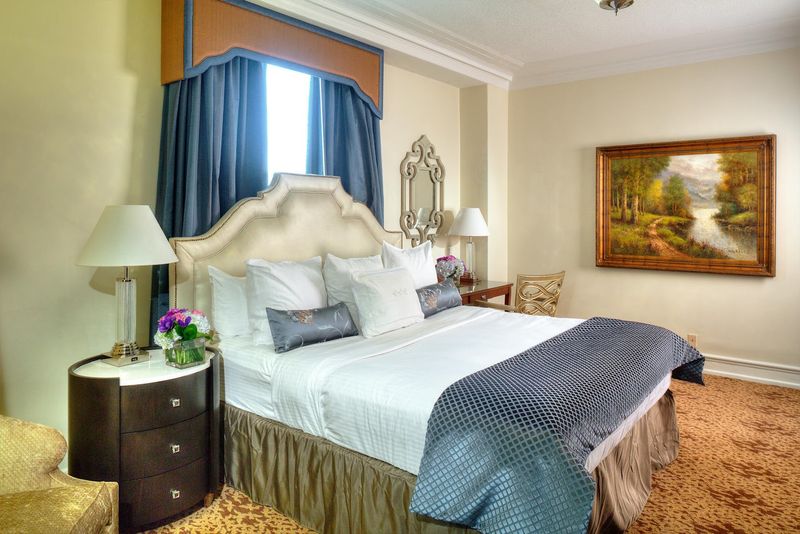
The guest rooms at The Peabody Memphis feature contemporary decor with bold color choices that contrast nicely against the building’s historic bones. Flat-screen TVs, Wi-Fi, and updated furnishings bring the rooms into the modern era while the architecture itself keeps one foot firmly in the past.
Room sizes vary, and some of the standard rooms include bathrooms that reflect the original layout of the building, which can run on the smaller side. The hotel is listed on the historic register, which means certain structural elements are preserved rather than changed, and that includes some of the original bathroom configurations.
For guests who want more space, upgraded room options and specialty suites are available. Higher floors offer city views that are particularly striking at night, with the downtown Memphis grid spread out below.
Rooms on upper floors facing the river can also catch glimpses of the Mississippi.
The Specialty Suites Worth Knowing About
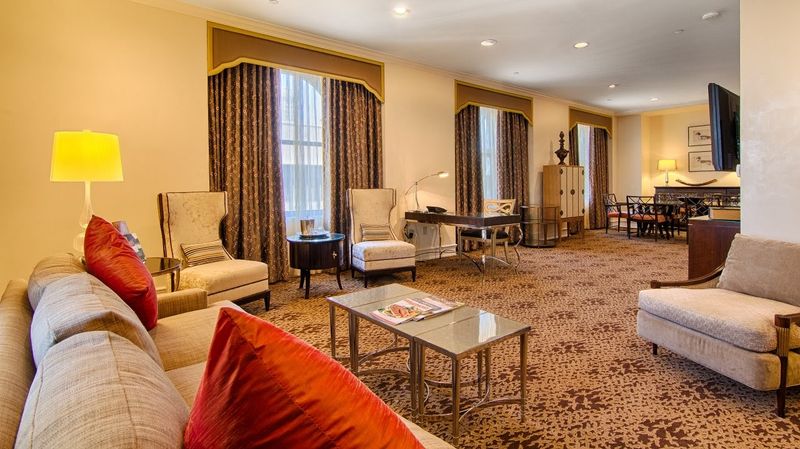
Beyond the standard room categories, The Peabody Memphis offers a collection of specialty suites that push the experience into genuinely memorable territory. The Romeo and Juliet Suite is one of the most talked-about options, featuring a spiral staircase that connects two levels of the suite into a single dramatic living space.
Some suites include a fireplace, while others come with a wet bar, giving guests options depending on the type of stay they have in mind. These rooms are popular for anniversary trips, special occasions, and anyone who simply wants a hotel experience that goes beyond a standard booking.
The suites are also a smart choice for longer stays, as the added living space makes the room feel less like a temporary stop and more like a private residence. Given the building’s historic character, the architecture in these rooms often adds an extra layer of personality that standard hotel suites rarely match.
Dining Options That Cover a Lot of Ground
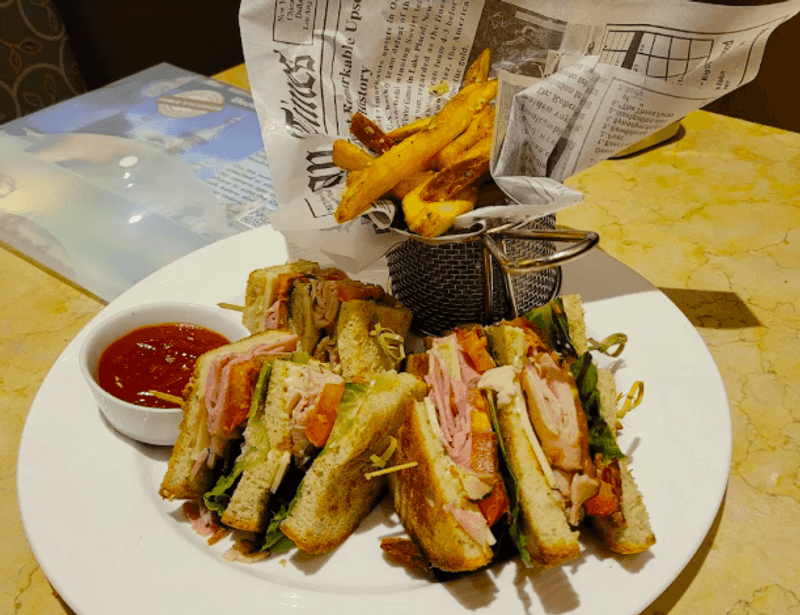
The dining program at The Peabody Memphis is broad enough to satisfy very different types of guests. Chez Philippe is the hotel’s refined French restaurant, offering a multi-course experience in a formal setting with a menu that changes to reflect seasonal ingredients and culinary creativity.
Capriccio Grill serves as the Italian steakhouse option, with a menu built around grilled proteins, pasta, and a more relaxed atmosphere than the French dining room upstairs. The lobby bar anchors the social side of the food and beverage program and stays busy throughout the day and into the evening.
Sunday brunch and afternoon tea are both offered at the hotel on a regular basis, adding two more reasons to visit even without an overnight stay. Room service is available with a presentation style that guests consistently highlight, including tablecloths, flowers, and decorative plates delivered directly to the room.
A Spa, Pool, and Fitness Setup Worth Mentioning
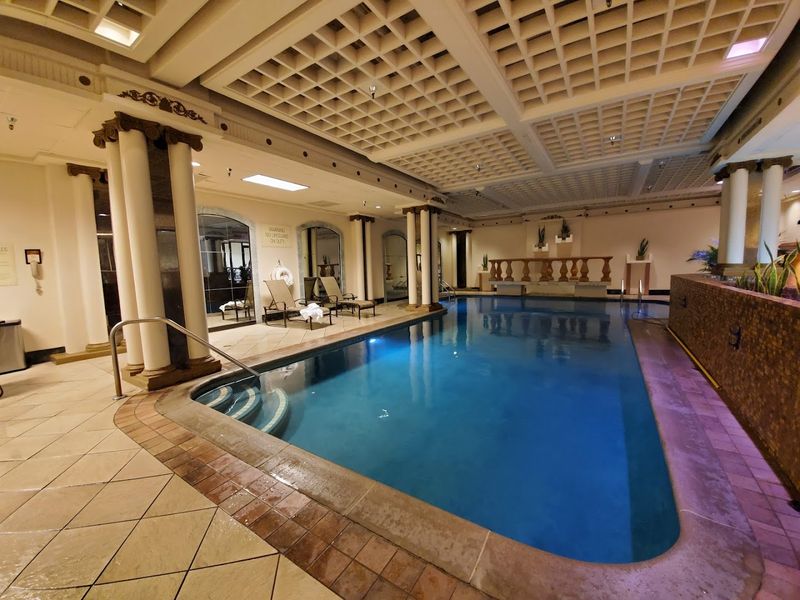
Beyond the duck drama and dining, The Peabody Memphis runs a full amenity package that covers the practical side of a hotel stay. The indoor pool gives guests a year-round swimming option regardless of Memphis weather, which can swing between muggy summers and cool winters without much warning.
The spa offers a range of treatments for guests looking to add a wellness component to their visit. A fitness center is available for those who prefer to keep up with their regular workout routine while traveling, and the equipment is maintained to a standard that matches the overall quality of the property.
Hot tub access rounds out the relaxation options, and the combination of pool, spa, and fitness center gives the hotel a resort-style feel despite being located in the middle of a busy urban downtown. For a conference or multi-night stay, these amenities make a meaningful difference in the overall experience.
The Hotel’s Place in Memphis History
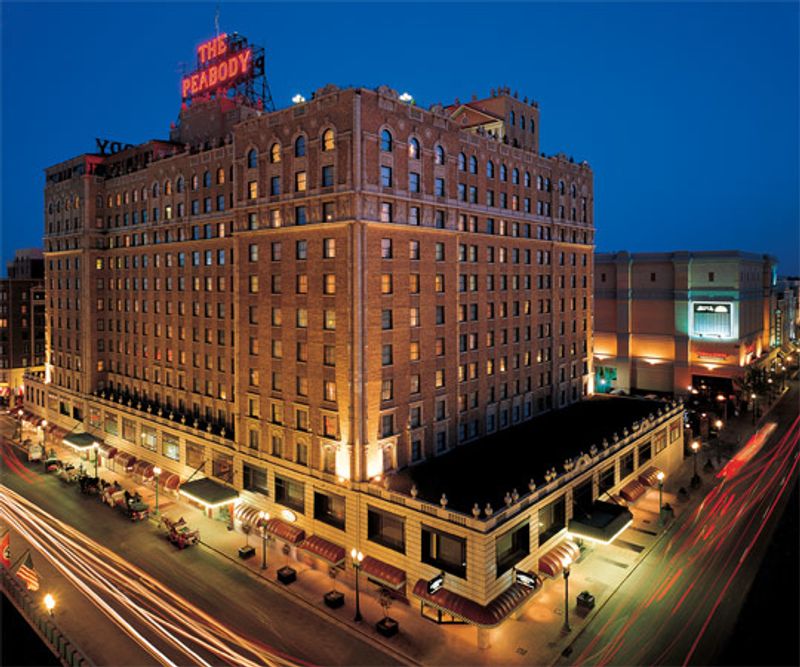
The Peabody Memphis carries a nickname that has followed it for decades: the South’s Grand Hotel. That title was not self-assigned.
It reflects the hotel’s long-standing role as a gathering place for political figures, business leaders, artists, and everyday travelers passing through one of America’s most culturally significant cities.
The building’s place on the historic register is a formal acknowledgment of that legacy. The hotel has been operating continuously through major chapters of American history, and its physical structure still reflects the design priorities of an era when landmark hotels were meant to anchor their cities, not just serve their guests.
Memphis itself is a city built on music, commerce, and the Mississippi River, and The Peabody has been connected to all three threads throughout its existence. The hotel’s longevity in a city with such a rich and complicated history adds a layer of context that newer properties simply cannot replicate.
Tips for Watching the Duck March
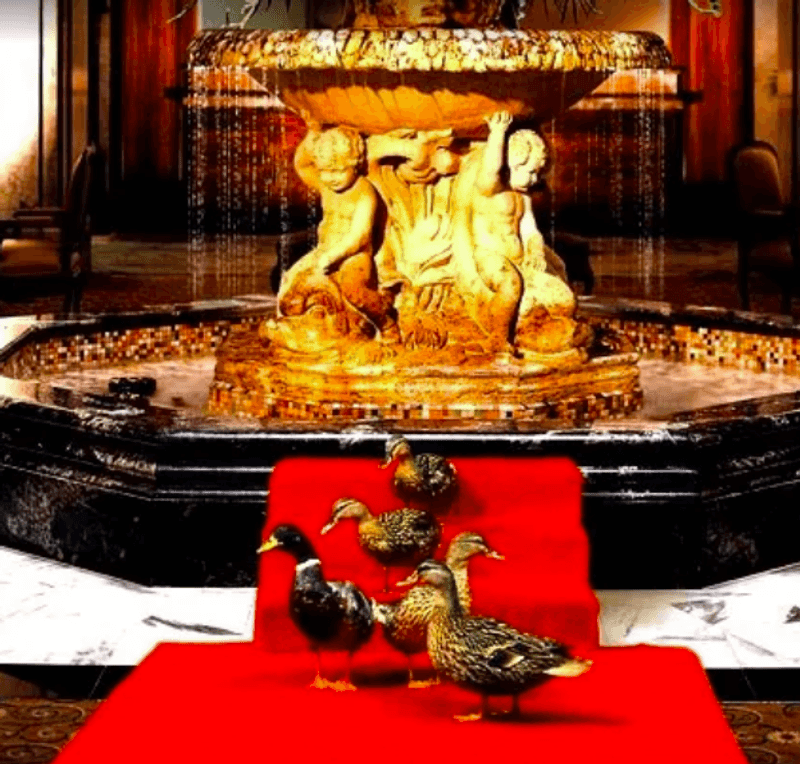
The duck march happens twice daily, at 11 a.m. when the ducks descend from the rooftop to the lobby fountain, and again at 5 p.m. when they make the return trip. Both ceremonies are free to attend and open to the public, which means the lobby fills up quickly on busy days.
Arriving at least 30 minutes before either march is the standard advice for anyone who wants a good viewing position. The lobby gets crowded fast, and latecomers often find themselves watching from a distance or struggling to see over the heads of the people who arrived early.
The 5 p.m. march tends to draw a slightly larger crowd because it aligns with the end of the typical tourist afternoon. The 11 a.m. march is a solid option for guests who want a bit more breathing room.
Either way, the whole ceremony lasts only a few minutes, so the early arrival is worth it.
Events, Conferences, and the Business Side
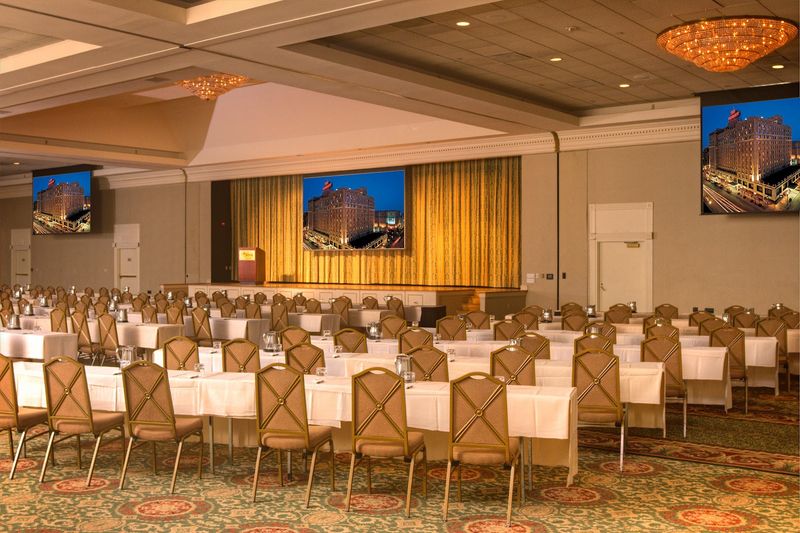
The Peabody Memphis is not just a leisure destination. The hotel carries a significant events and conference business, with abundant meeting and ballroom space that has made it one of the preferred venues for large gatherings in the Memphis metro area.
Corporate conferences, weddings, galas, and professional association meetings all take place at the hotel on a regular basis. The combination of historic architecture and modern event infrastructure gives planners a venue that photographs well and functions efficiently at the same time.
The business center adds practical support for guests traveling for work, and the hotel’s central downtown location makes it easy for attendees to find the property without complicated logistics. For travelers attending a work event at the hotel, the duck march and lobby bar provide a memorable backdrop that most conference hotels simply cannot offer.
The property manages to be a serious business venue and a full-blown tourist attraction simultaneously.
Why the Peabody Stays Relevant After All These Years
A lot of historic hotels lean on their past as a selling point without giving guests much reason to return. The Peabody Memphis takes a different approach by keeping the traditions alive in a way that feels genuine rather than manufactured, and by consistently updating the experience around those traditions.
The duck march has never been replaced by a digital display or a staged performance. The ducks are real, the Duckmaster is a real person with real enthusiasm, and the crowd that gathers twice a day includes everyone from toddlers to retirees, all reacting with the same level of delight.
The hotel’s ability to function as a luxury property, a historic landmark, a dining destination, and a free public attraction all at once is genuinely rare. Memphis has plenty of things to see, but very few of them can claim a 90-year-old tradition, a $200,000 duck palace, and a marble lobby that still earns its keep every single day.
Where History Checks In Every Day
The Peabody Memphis stands at 149 Union Ave, Memphis, TN 38103, right in the heart of downtown, about half a mile from the legendary Beale Street music corridor. The 13-story building has been a fixture of the Memphis skyline since it first opened, and its presence on Union Avenue feels less like a hotel and more like a civic monument.
The lobby alone stops people in their tracks. Marble columns rise toward an ornate ceiling, and the overall architecture speaks to an era when grand hotels were built to impress for generations, not just for the current travel season.
The location puts guests within easy walking distance of the Mississippi River, Beale Street, and a long list of downtown dining and cultural spots. The hotel is listed on the historic register, which means much of its original structure and layout has been carefully preserved rather than renovated beyond recognition.
Share this story