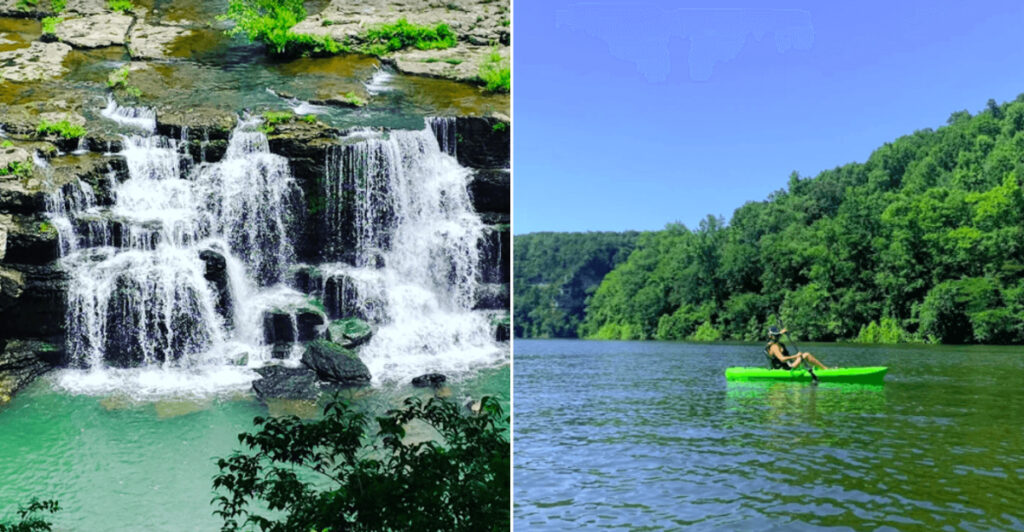
Tennessee has no shortage of beautiful outdoor spots, but there is one place in the Upper Cumberland region that keeps pulling people back, and it is not hard to understand why. A dramatic waterfall roars where three rivers meet, rapids churn through rocky gorges, and kayakers paddle stretches of water that look almost too good to be real.
The park sits on the edge of a canyon carved out over thousands of years, and whether you show up with a kayak, a pair of hiking boots, or just a camera, you will find something worth the drive. This feature takes a close look at every corner of this Tennessee gem, from its most challenging trails to its most relaxing river views, so keep reading to find out what makes this park one of the most talked-about natural destinations in the state.
The Story Behind the Falls
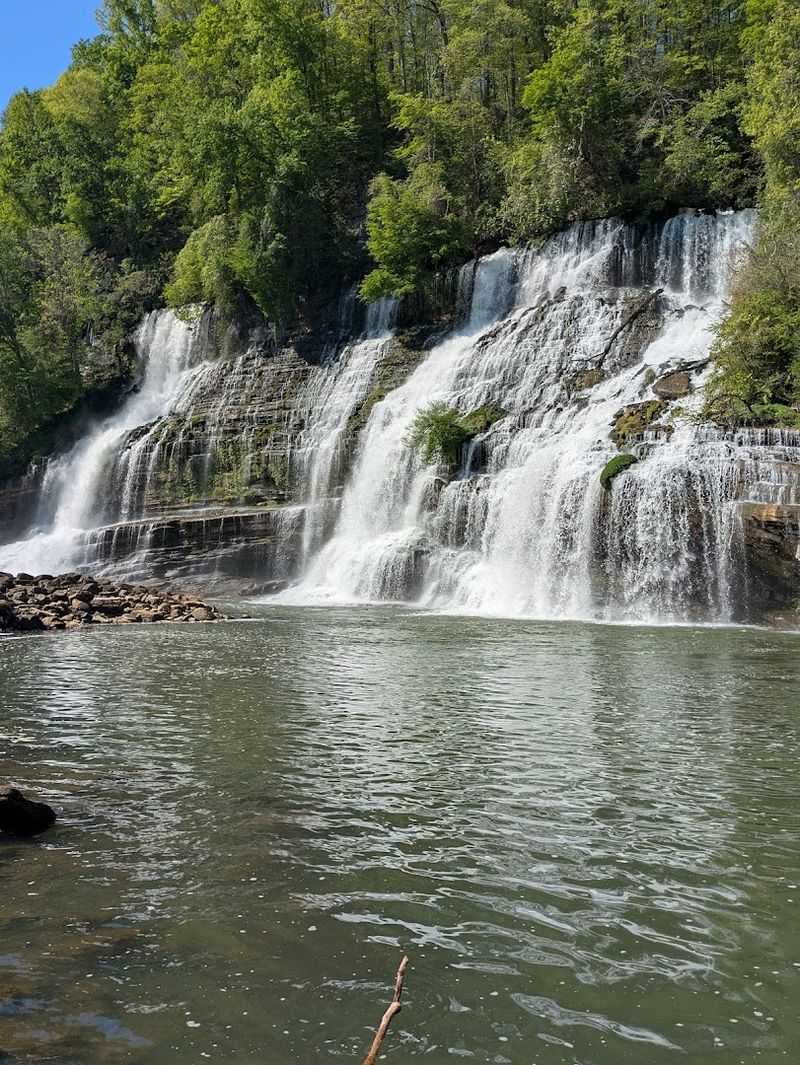
Great Falls did not just appear on a map one day. The waterfall has been shaping the landscape of this part of Tennessee for thousands of years, and the human history layered around it is just as rich as the geology beneath it.
An old cotton mill once operated near the falls, taking advantage of the powerful water flow to run its machinery. The ruins of that mill are still visible today and add a quiet, weathered character to the gorge area that makes the setting feel like more than just a pretty backdrop.
The falls themselves drop dramatically into the gorge below, and the sheer force of the water has carved the surrounding rock into shapes that no human hand could replicate. The history of this site, from Indigenous use of the river corridor to industrial-era milling, gives the waterfall a layered story that goes well beyond what most state parks can offer.
Great Falls Up Close
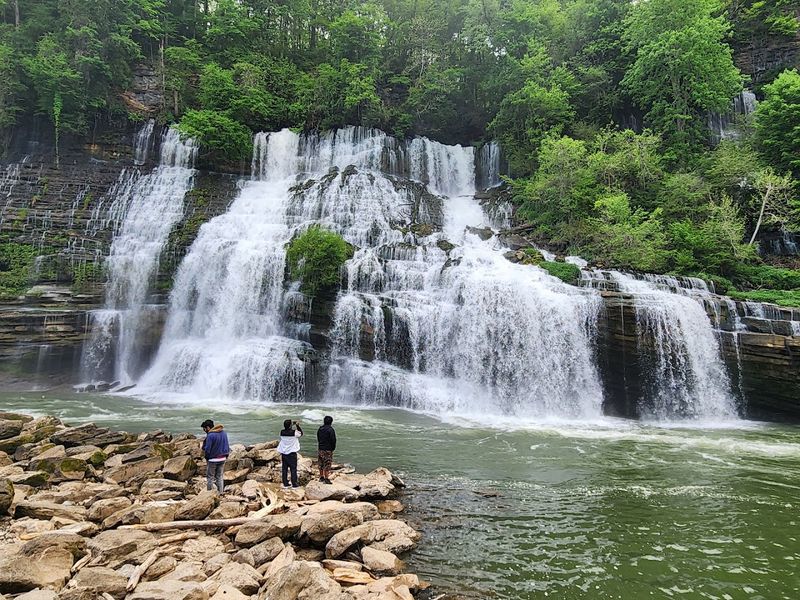
Great Falls is the centerpiece of Rock Island State Park, and it earns that title without any argument. The waterfall is wide, powerful, and visible from an overlook near the parking lot, which means you do not have to hike a single step to get a solid look at it.
For a closer experience, there is a steep gravel walkway leading down toward the base. The path requires some effort, and a few rocks need to be navigated along the way, but the payoff at the bottom is significant.
The scale of the falls becomes much more apparent once you are standing near the water level.
The trail on the visitor center side also leads to a canyon area and smaller cascade features. Natural springs run across the stairway leading down, so shoes will likely get wet.
Grip matters here, as the rocks stay slick, but the views from the bottom make the careful footing completely worth the effort.
Twin Falls and the Downstream Trail
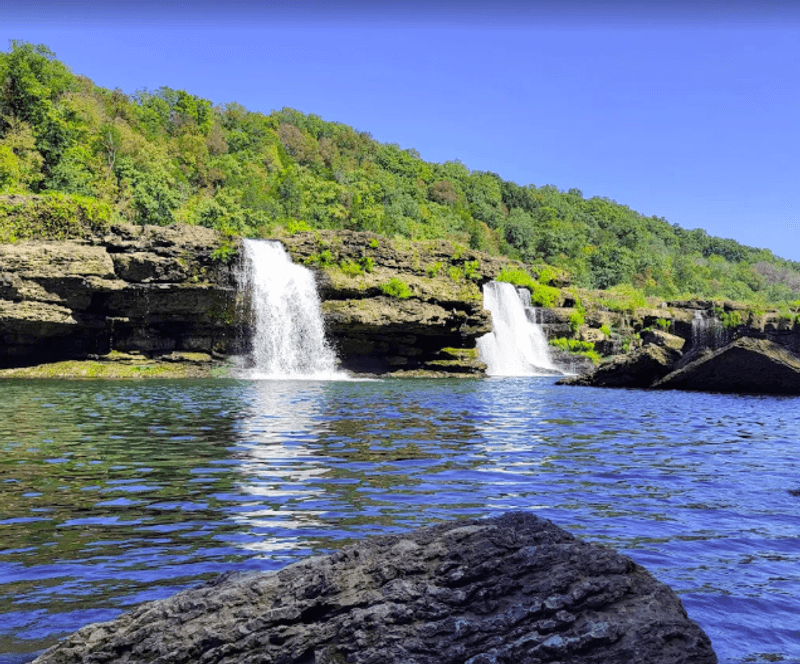
Twin Falls offers a different kind of waterfall experience compared to Great Falls. Rather than one massive drop, Twin Falls presents a series of cascades and spill-offs that continue as you hike downstream along the gorge wall, creating a trail that keeps delivering new views around every bend.
The Downstream Trail at Twin Falls is one of the most popular hikes in the park. There are two shallow water crossings along the route, but stepping stones are in place to help hikers keep their feet mostly dry.
The trail ends with a small loop before returning along the same path.
Twin Falls is best appreciated from the river level rather than from the overlook, which means committing to a short hike rather than a parking lot view. The Collins River Trail nearby offers an easier 2.6-mile option through forested terrain with minimal elevation change, making it a solid choice for hikers who prefer a relaxed pace through the trees.
Kayaking the Confluence
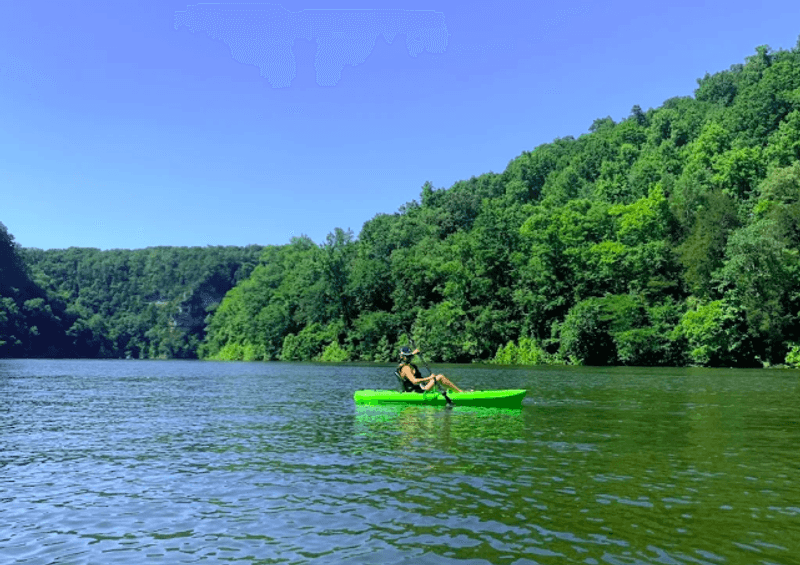
Three rivers colliding in one spot creates a paddling situation that is hard to find anywhere else in Tennessee. The Caney Fork, the Collins River, and the Rocky River all meet near Rock Island State Park, and that confluence produces a range of water conditions that appeal to paddlers at different skill levels.
The Caney Fork side of the park offers calmer stretches of water with broad river views and tree-lined banks that make for a peaceful float. On the other end of the spectrum, areas closer to the falls and gorge produce faster-moving water with more technical challenges for experienced kayakers.
The park does not have an on-site kayak rental facility, so paddlers need to bring their own equipment. Launch points along the river corridor give access to multiple stretches of water, and the surrounding scenery of canyon walls and forested ridgelines makes this one of the more visually rewarding paddling routes in the Upper Cumberland region.
The Blue Hole Trail Challenge
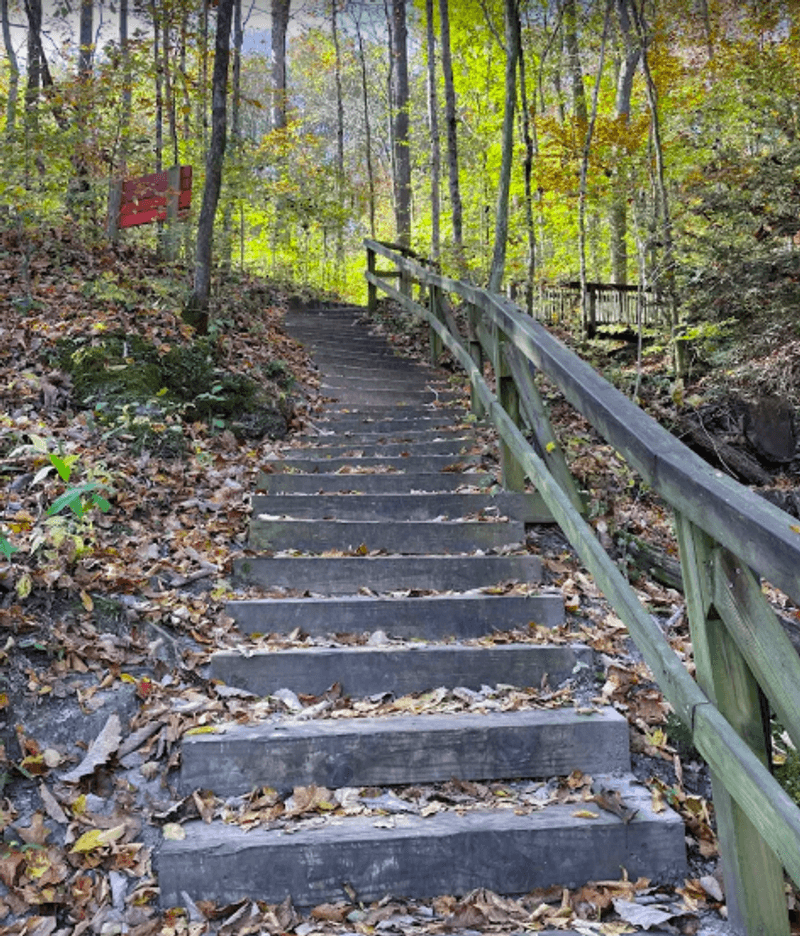
Of all the trails at Rock Island State Park, the Blue Hole Trail has developed a reputation that is equal parts thrilling and demanding. The route involves stairs that function more like a ladder in certain sections, and there is a stretch where hikers must grip a cable to cross slippery rock surfaces.
The payoff at the bottom is a deep, clear pool fed by the surrounding waterway, tucked into a rocky alcove that feels genuinely off the beaten path. Early morning visits tend to offer the most solitude, with the trail quiet and the light filtering through the tree canopy at a low angle.
The hike back up is where most people feel the burn, as the elevation gain is concentrated and the terrain stays uneven throughout. Solid footwear with good grip is not optional here, it is essential.
Still, the Blue Hole consistently ranks as one of the most memorable experiences the park has to offer, and for good reason.
Old Mill Gorge and What Waits at the Bottom
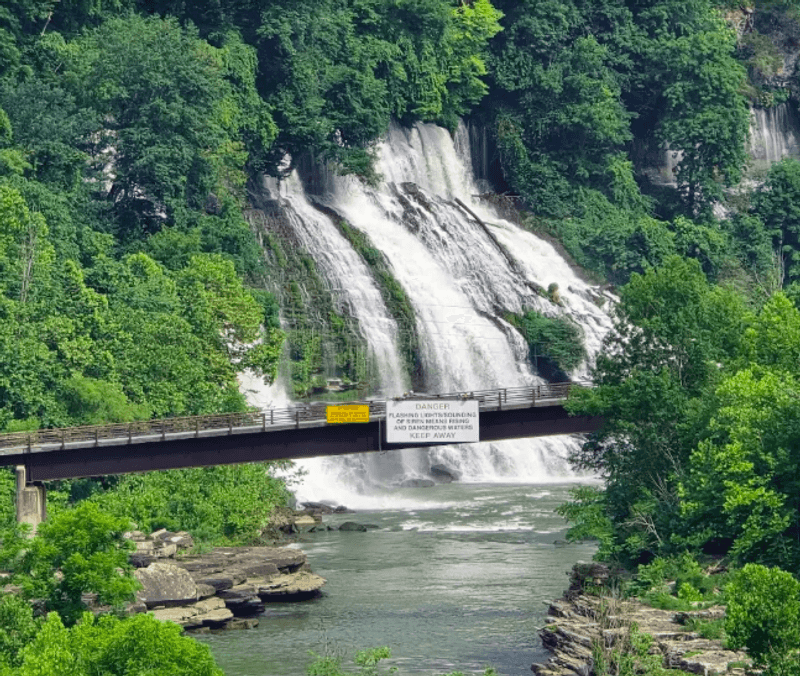
The Old Mill Gorge hike takes a different approach than the other trails at Rock Island. Rather than building to a single dramatic feature, the route delivers a full gorge experience with layered rock walls, cascading water, and a bottom section that opens up into a space that feels almost cathedral-like in its scale.
The descent into the gorge is the kind of hike that makes your legs remember the next day, but the scenery along the way keeps the effort from feeling like a chore. The old mill ruins add a historical texture to the gorge that most purely natural trails cannot match.
At the bottom, the combination of moving water, canyon walls, and the remnants of a working industrial past creates a setting that is genuinely unlike anything else in the park. Hikers who have done multiple trails at Rock Island frequently point to Old Mill Gorge as the highlight of their visit, and the trail earns that distinction without overpromising.
Camping, Cabins, and Overnight Options
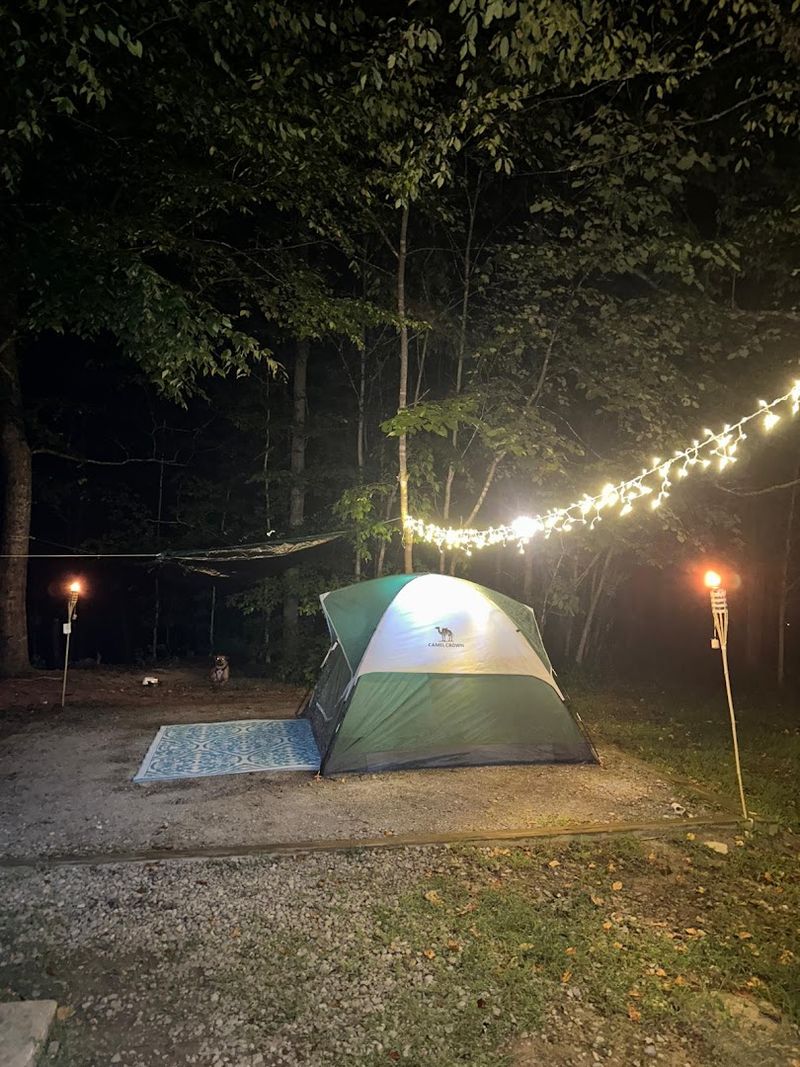
Rock Island State Park offers more than just a day trip. The campground includes RV sites with wooded surroundings, and the sites are close enough together to create a communal atmosphere while still feeling tucked into the forest.
Stairs connect some areas of the campground to fire pits and picnic tables, so footing at night requires some attention.
The cabins at the park are a step up in comfort and are available year-round, which makes Rock Island a viable destination even in the colder months when the crowds thin out and the park takes on a quieter character. Pet-friendly cabin options are available for those traveling with dogs.
Cleanliness standards in the cabins have been a point of ongoing attention from park management, and flooring replacements across the cabin inventory have been part of recent improvement efforts. Booking in advance is a smart move, particularly for spring and summer weekends when the park draws its largest crowds from across the region.
Swimming Beach and Picnic Areas
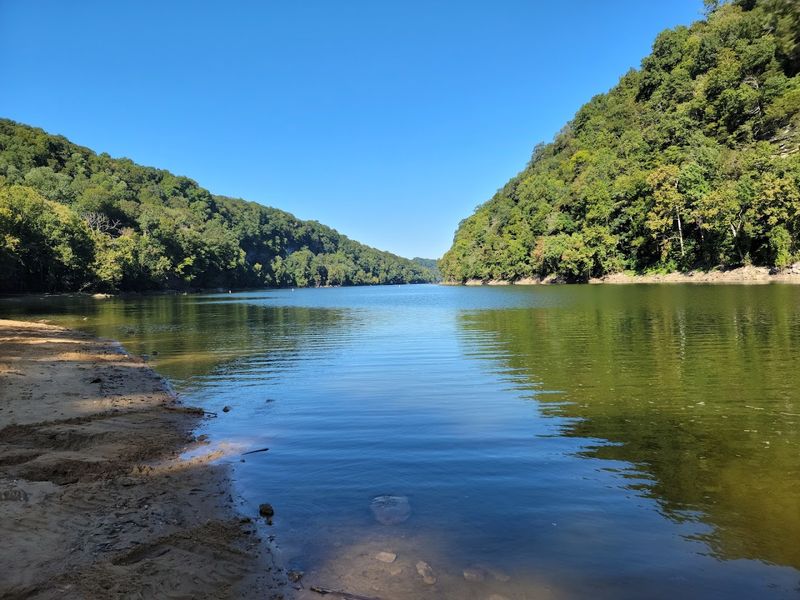
Not every visitor to Rock Island State Park comes for the intense hikes or the whitewater paddling. The park also maintains a swimming beach along the Caney Fork River that draws families looking for a straightforward warm-weather outing without the technical demands of the gorge trails.
Picnic areas are scattered throughout the park, with pavilions available for reservation. Grills are positioned near the pavilion areas, making the park a practical choice for group gatherings and family reunions that want a natural setting without sacrificing basic amenities.
Restrooms are located near the parking areas and beach, which matters more than people usually admit when planning a full day outside.
The beach side of the park contrasts sharply with the dramatic falls and gorge areas, offering calm water and flat terrain. Having both extremes within the same park boundary is part of what makes Rock Island so versatile and worth the drive for a wide range of outdoor enthusiasts.
The Caney Fork River View
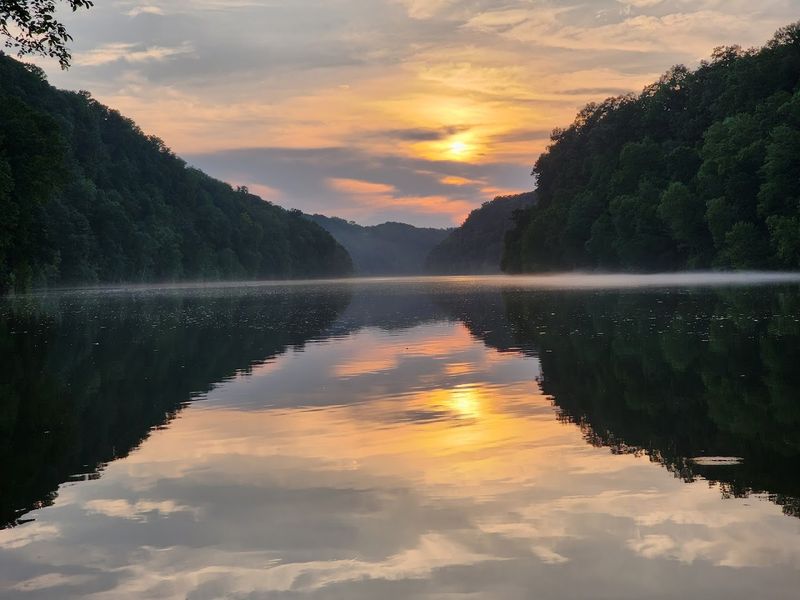
The Caney Fork River runs along one side of the park and delivers a completely different atmosphere compared to the thundering falls on the opposite end. Wide, calm, and framed by forested ridgelines, the river corridor on this side of the park has a quieter energy that balances out the high-intensity features elsewhere.
Fishing is a popular activity along the Caney Fork, and the river supports a variety of species that attract anglers throughout the year. The flat water stretches also make this side of the park more accessible for stand-up paddleboarding and casual floating, giving paddlers who are not looking for whitewater a solid alternative.
The contrast between the roaring falls and the calm river is one of the most distinctive qualities of Rock Island. Within a short walk or drive, the park transitions from canyon drama to riverside calm, and that range of experiences within a compact footprint is something that larger, more spread-out parks rarely manage to deliver so efficiently.
Trail Safety and What to Wear
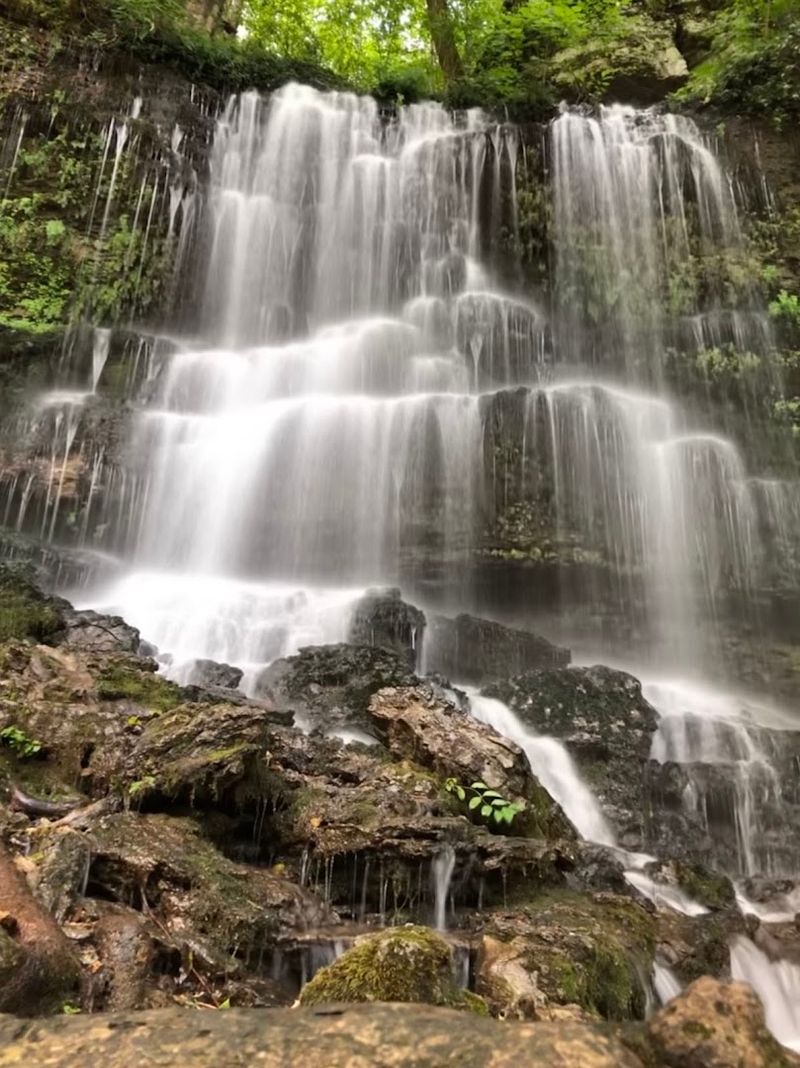
Rock Island State Park is beautiful, but it does not coddle its visitors. The rocks near the falls and along the gorge trails stay wet and slippery throughout the year, and that is not a condition that changes with the season.
Footwear with solid grip is the single most important piece of gear to bring.
Several trails involve water crossings, wet staircases with natural springs running over them, and sections of exposed rock that require careful foot placement. Sandals and flip-flops are a poor choice for anything beyond the parking lot overlook.
Water shoes or trail shoes with aggressive tread perform significantly better in these conditions.
Trail signage at Rock Island has been a mixed experience depending on the route. The Great Falls trail has had documented issues with unmarked splits, so downloading a trail map before heading out is a practical step.
The visitor center staff can provide current information on trail conditions, and that stop is worth making before committing to a longer route.
Best Times to Visit and Final Thoughts
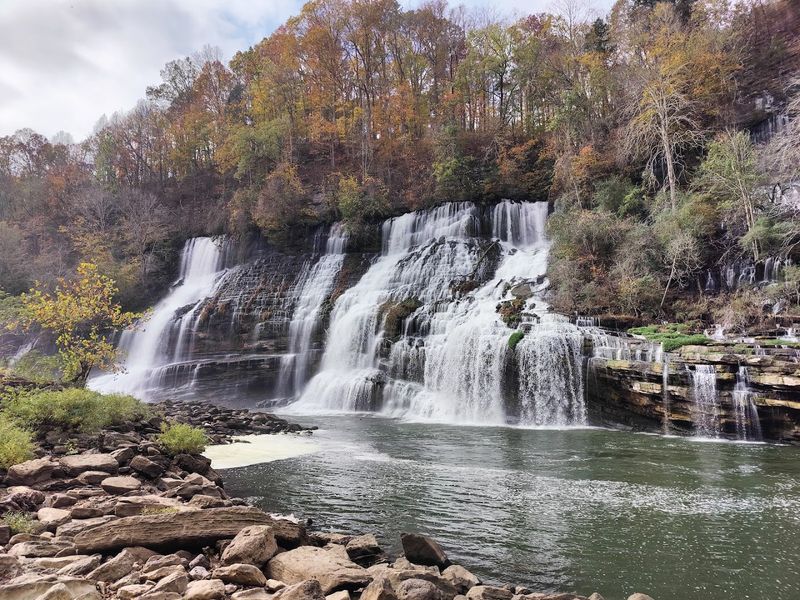
Spring and early summer bring the highest water levels to Rock Island, which means the falls are at their most dramatic and the rapids along the river corridor are most active for paddlers. Fall visits offer a completely different reward, with the surrounding forest shifting through a range of colors that frame the gorge walls in a way that photographs rarely capture fully.
November visits tend to be quieter, with shorter lines at popular overlooks and a more relaxed pace throughout the park. Winter is possible thanks to the year-round cabins, and the bare trees actually improve long-distance views into the gorge from certain trail sections.
Rock Island State Park covers a compact footprint, but it packs in enough variety to fill multiple days without repeating the same experience twice. The combination of waterfalls, river access, hiking trails at multiple difficulty levels, and overnight accommodations makes it one of the most well-rounded state parks in Tennessee, and a destination worth planning around rather than just passing through.
Where the Park Actually Is
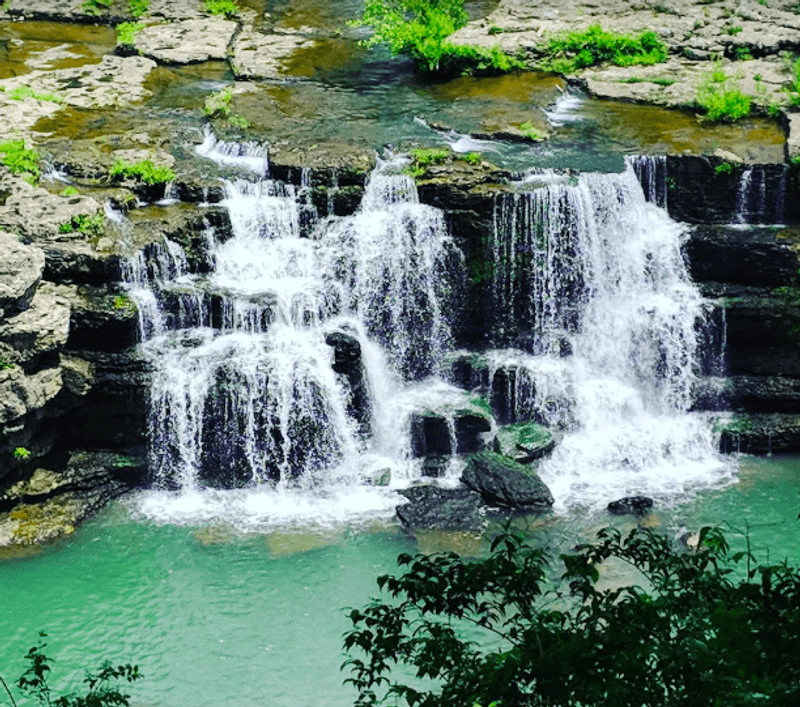
Rock Island State Park sits at 82 Beach Rd, Rock Island, TN 38581, tucked into the Upper Cumberland area of Tennessee where the Caney Fork River, the Collins River, and the Rocky River all come together in one dramatic meeting point.
The park is free to enter, which already puts it ahead of a lot of outdoor destinations in the region. A visitor center near the entrance is stocked with trail maps, park history, and helpful staff who can point you toward the right trail for your fitness level.
There is also a coffee shop and a gas station just before the park entrance, so you can fuel up before a long day on the trails. Ample parking is available near the main overlooks, meaning even those who cannot hike long distances can still catch a stunning view from just a short walk away.
Share this story