 Unearth The Voyage
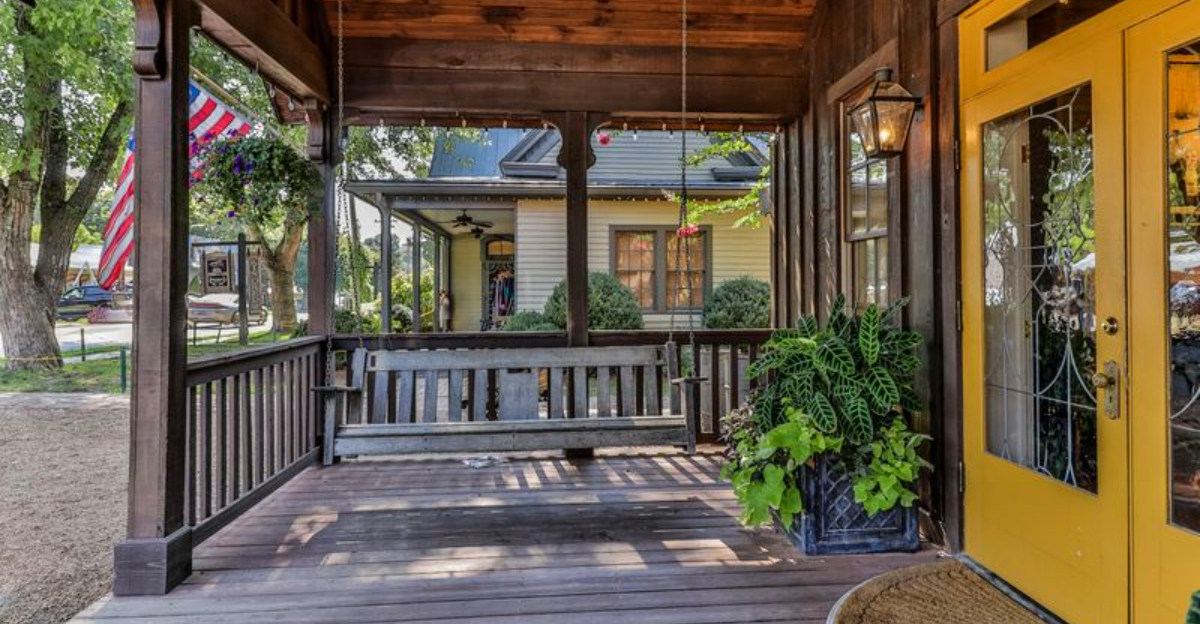
Tucked away in the rolling hills of Williamson County, Leiper’s Fork is a tiny Tennessee village that looks like it wandered straight out of the 1800s. With just 650 residents spread across 1,100 acres, this unincorporated community near Franklin offers a rare escape from modern hustle and bustle.
Whether you’re craving handmade crafts, live bluegrass music, or a quiet afternoon on a front porch, Leiper’s Fork delivers old-fashioned charm without feeling like a tourist trap.
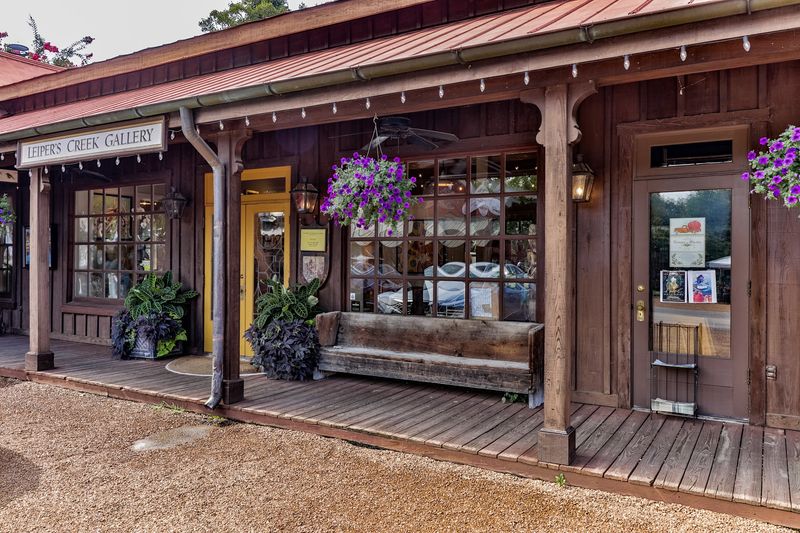
Walking down the main stretch of Leiper’s Fork feels like stepping onto a movie set designed to capture small-town America at its finest. The village center consists of a handful of weathered buildings that date back more than a century, each one telling stories through creaky floorboards and hand-painted signs.
There’s no chain store in sight, just family-owned shops and galleries that have been passed down through generations. Most structures feature wide front porches with rocking chairs, inviting visitors to sit a spell and watch the world slow down.
The architecture reflects a simpler era when communities gathered on main street for news, gossip, and genuine human connection. Original brick facades and wooden awnings have been lovingly preserved, maintaining authenticity without sacrificing functionality.
Local business owners take pride in keeping the village’s historic character intact, even as they adapt to serve modern visitors. You’ll find antique stores next to art galleries, country stores beside cafes, all coexisting in perfect harmony.
The village center remains the beating heart of Leiper’s Fork, where neighbors still know each other by name and strangers quickly become friends over sweet tea and conversation.
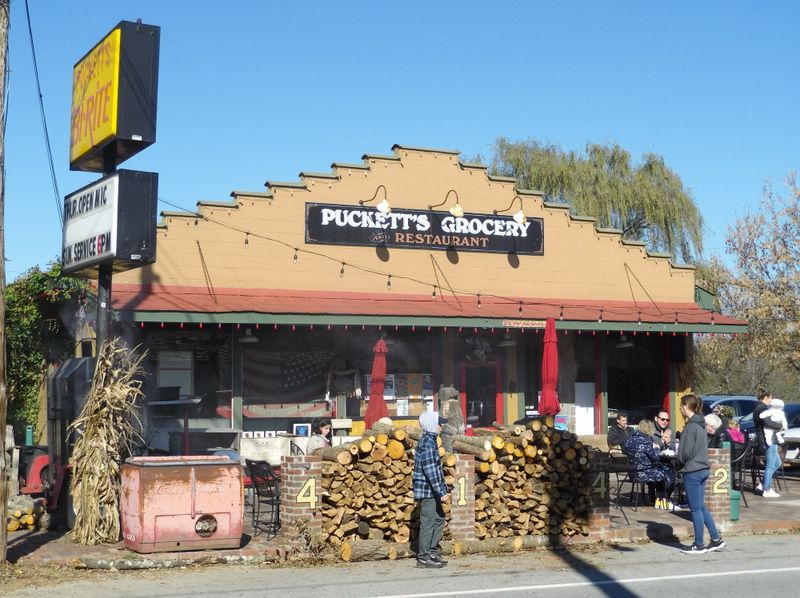
Since 1953, Puckett’s has served as the social hub where locals gather for breakfast biscuits, lunchtime gossip, and evening concerts. The building itself looks like it hasn’t changed much in seventy years, with vintage signage and a wraparound porch that invites lingering.
Inside, you’ll discover a quirky mix of grocery store and down-home restaurant, where shelves of canned goods share space with dining tables. The menu celebrates Southern comfort food done right—think pulled pork, fried catfish, and banana pudding that’ll make you want to hug your grandmother.
Live music happens several nights a week, featuring bluegrass, country, and Americana artists who perform in an intimate setting that feels more like a living room than a concert venue. Famous musicians have been known to drop in unannounced, grabbing a guitar and joining the fun.
What makes Puckett’s special isn’t just the food or music, but the atmosphere of genuine hospitality that permeates every corner. Servers know the regulars’ orders by heart, and tourists are welcomed like long-lost cousins returning home.
The restaurant embodies everything Leiper’s Fork represents: unpretentious, authentic, and refreshingly real in a world that often feels overly polished.
Breakfast at Country Boy feels like visiting your favorite aunt’s kitchen, if your aunt happened to cook for the entire neighborhood. The small restaurant serves massive portions of home-cooked Southern breakfast that’ll fuel you through an entire day of exploring.
Regulars claim the biscuits and gravy could convert even the strictest health-food enthusiast into a devoted carb lover. The dining room maintains a no-frills aesthetic with mismatched chairs, checkered tablecloths, and walls decorated with local memorabilia and vintage advertisements.
There’s nothing fancy about the place, which is precisely its appeal. Conversations flow freely between tables, with strangers offering restaurant recommendations and locals sharing tales about the village’s colorful history.
Service comes with a side of Southern sass and genuine warmth, delivered by waitresses who’ve probably worked there longer than some customers have been alive. The menu hasn’t changed much over the years because, as the saying goes, you don’t fix what isn’t broken.
Country Boy represents the kind of establishment that cities have lost to corporate chains—a place where food tastes like love and effort, not mass production. Cash is preferred, and patience is required during weekend rushes, but nobody seems to mind the wait.
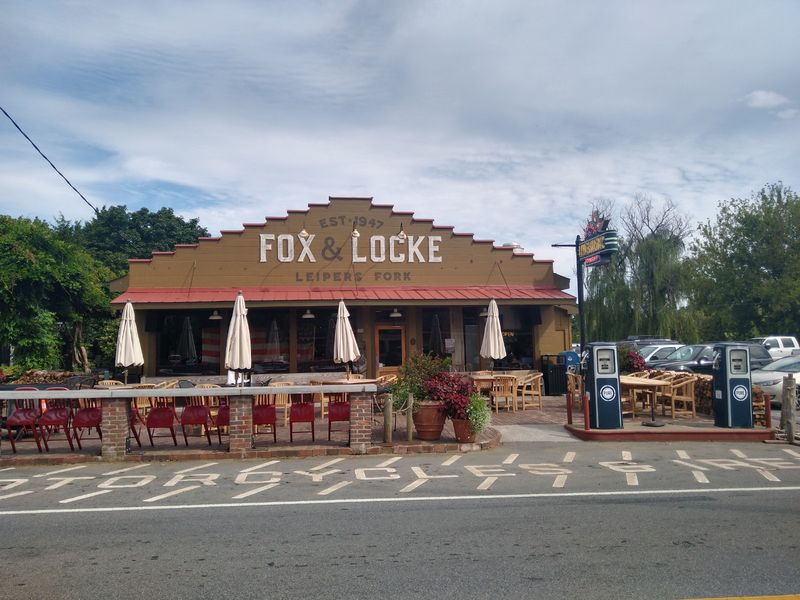
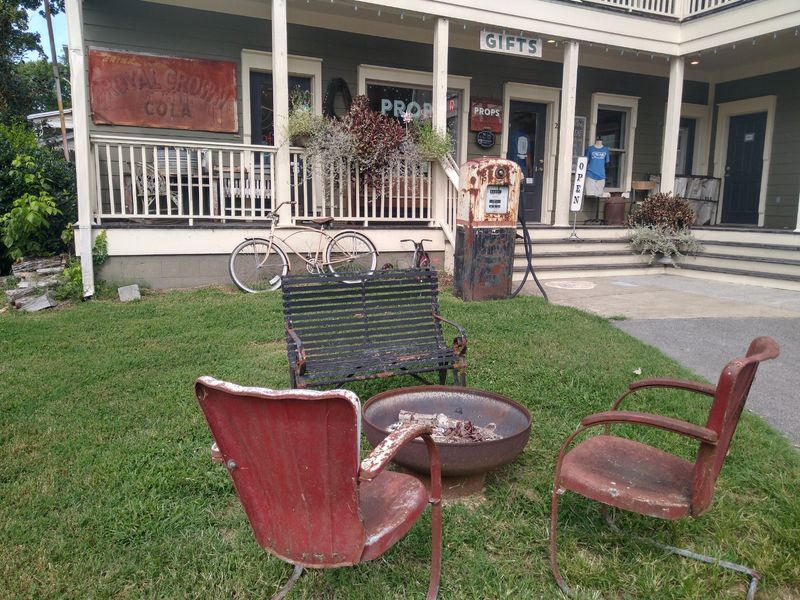
Stepping into Fox and Locke transports you to an era when general stores served as one-stop shops for everything a household might need. The shelves overflow with an eclectic mix of vintage-inspired goods, from old-fashioned candy jars to handcrafted soaps and locally made preserves.
Every corner reveals another treasure, whether it’s reproduction tin signs, weathered wooden crates, or quirky kitchen gadgets that your great-grandmother would recognize. The store specializes in American-made products and artisan goods that celebrate traditional craftsmanship.
You’ll find hand-forged ironwork alongside hand-poured candles, woven baskets next to embroidered linens. The owners curate their inventory with obvious care, selecting items that reflect the village’s commitment to quality and authenticity over mass-produced convenience.
Beyond shopping, Fox and Locke functions as a gathering place where visitors can chat with knowledgeable staff about local history and hidden gems worth discovering. The store’s atmosphere encourages browsing without pressure, allowing customers to explore at their own pace while soaking in the nostalgic ambiance.
Many visitors leave with armfuls of gifts and souvenirs, but also with a renewed appreciation for the simple pleasure of shopping in a store where personality trumps efficiency.
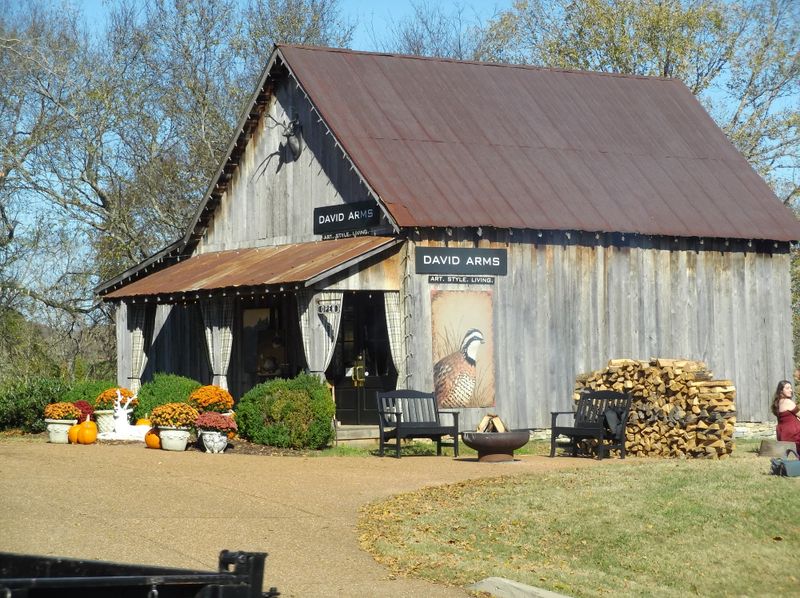
Leiper’s Fork has quietly become a haven for artists seeking inspiration away from urban chaos and commercial pressure. Several galleries dot the village, each showcasing works by local and regional artists who draw inspiration from Tennessee’s natural beauty and rural heritage.
You’ll encounter everything from landscape paintings capturing the area’s rolling hills to sculptures crafted from reclaimed barn wood and metal. Many artists maintain working studios where visitors can watch the creative process unfold in real-time.
This transparency creates meaningful connections between creators and collectors, transforming art purchasing from a transaction into a personal experience. Gallery owners are typically artists themselves, passionate about their craft and eager to discuss techniques, inspiration, and the stories behind individual pieces.
The art scene here rejects pretension in favor of accessibility, welcoming everyone from serious collectors to curious tourists just beginning to appreciate original artwork. Prices range from affordable prints to investment-worthy originals, ensuring that everyone can take home a piece of Leiper’s Fork’s creative spirit.
Monthly gallery crawls and special events bring the community together, celebrating local talent while introducing visitors to the village’s vibrant artistic community. The galleries prove that world-class art doesn’t require a big-city address.
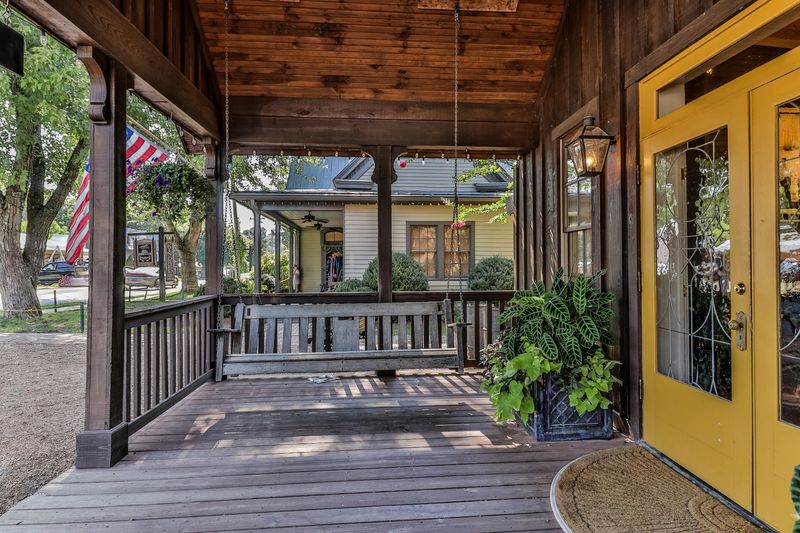
French country elegance meets Southern charm at Serenite Maison, a boutique that feels more like wandering through a sophisticated friend’s beautifully decorated home. The shop specializes in European-inspired home furnishings, linens, and decorative accessories that bring Old World refinement to Tennessee living.
Distressed furniture pieces, crystal chandeliers, and vintage French textiles create an atmosphere of curated elegance without stuffiness. Owner-selected merchandise reflects a keen eye for timeless design that transcends fleeting trends.
You’ll discover hand-embroidered pillows from France, Italian ceramics, Belgian linens, and reproduction antiques that look like they’ve been treasured for generations. The store’s layout encourages exploration, with vignettes arranged to inspire decorating ideas and showcase how pieces work together in real living spaces.
What sets Serenite Maison apart is the personal service and design expertise offered to every customer, whether they’re furnishing an entire home or seeking a single accent piece. The staff provides thoughtful guidance without pressure, understanding that creating a beautiful home is a journey, not a race.
Many visitors describe the shopping experience as therapeutic, a chance to slow down and appreciate beauty in everyday objects. The boutique proves that Leiper’s Fork’s charm extends beyond rustic country style to embrace refined sophistication.
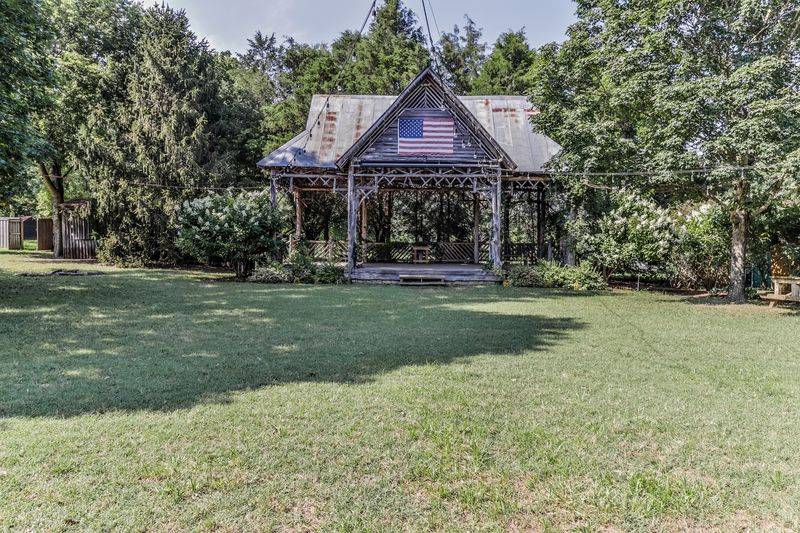
Music flows through Leiper’s Fork like water through a creek, natural and constant, shaping the village’s identity as much as its historic buildings. Any given week brings multiple opportunities to hear live performances, from impromptu jam sessions on front porches to scheduled concerts in restaurants and venues.
The music style leans heavily toward bluegrass, country, and Americana, genres that feel perfectly at home in this rural setting. Local musicians treat performances as community gatherings rather than commercial entertainment, creating an intimate atmosphere where audiences sit close enough to see calluses on guitar-picking fingers.
Famous Nashville artists often escape to Leiper’s Fork for low-key gigs where they can connect with music lovers in a pressure-free environment. These surprise appearances create legendary stories that locals love sharing with newcomers.
The village’s musical tradition runs deep, with multi-generational families passing down instruments and songs like precious heirlooms. Children grow up hearing live music as a normal part of community life, not a special occasion requiring tickets and parking fees.
This organic integration of music into daily existence creates a cultural richness that money can’t buy. Whether you’re a serious music enthusiast or just appreciate good tunes, Leiper’s Fork’s soundtrack will leave you humming long after you’ve returned home.
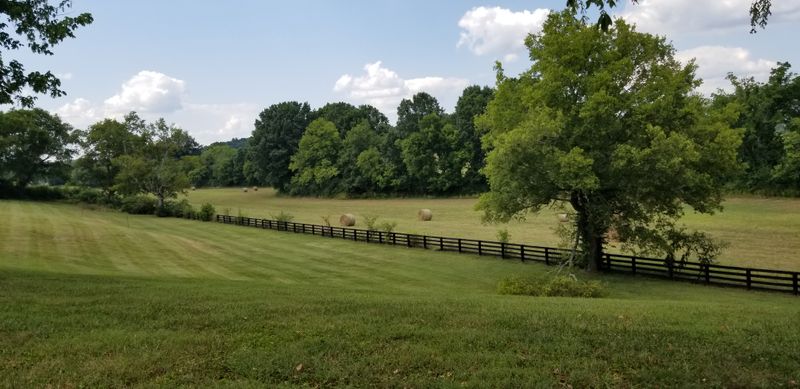
Getting to Leiper’s Fork requires navigating winding country roads that curve through some of Tennessee’s most picturesque countryside. These routes aren’t shortcuts or convenient highways—they’re scenic journeys that demand slowing down and appreciating the landscape.
Rolling hills dotted with cattle and horses stretch toward tree-lined horizons, while split-rail fences and weathered barns provide constant reminders of the area’s agricultural heritage. During different seasons, the roads transform into ever-changing galleries of natural beauty.
Spring brings explosions of wildflowers and fresh green pastures, summer offers deep shade under ancient oak trees, autumn paints the hillsides in fiery oranges and reds, and winter reveals the landscape’s bones through bare branches. Each curve presents a new vista worth photographing, though many visitors simply soak in the views without digital mediation.
The roads themselves feel like time machines, largely unchanged from decades past when rural life moved at a slower, more deliberate pace. You’ll share the pavement with farm trucks, horse trailers, and the occasional tractor, all traveling at speeds that encourage observation rather than urgency.
These scenic routes serve as decompression chambers, gradually separating visitors from modern stress before delivering them to the village proper. The journey becomes part of the destination.
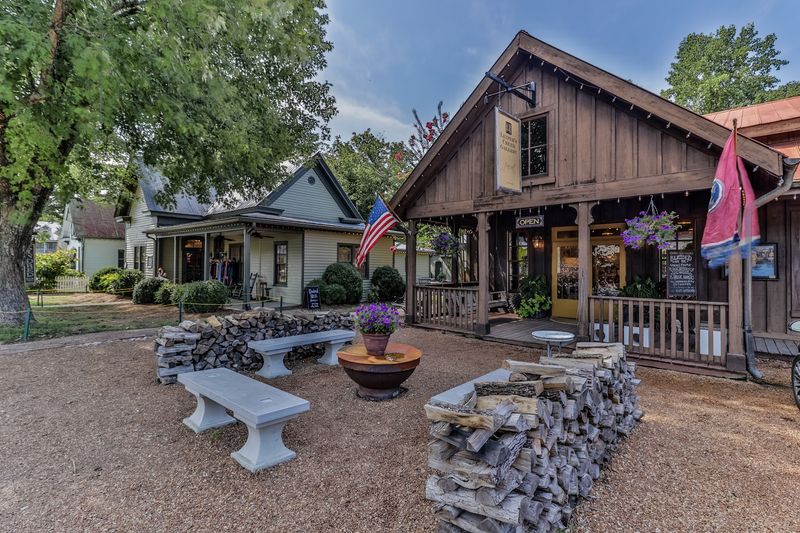
Treasure hunters find paradise in Leiper’s Fork’s antique shops, where every shelf and corner holds potential discoveries from America’s past. The village attracts dealers who specialize in authentic pieces rather than reproduction knockoffs, ensuring that browsers encounter genuine history with proper provenance.
From Depression-era glassware to mid-century furniture, the inventory spans decades of American design and craftsmanship. Serious collectors appreciate the knowledge and integrity of local dealers who can discuss the history and significance of their merchandise with scholarly enthusiasm.
These aren’t just shopkeepers moving inventory—they’re passionate historians who’ve spent years developing expertise in their specialties. Conversations about a single piece can stretch into fascinating explorations of regional history, manufacturing techniques, and cultural trends.
Even casual visitors enjoy browsing through carefully curated collections that tell stories about how previous generations lived, worked, and decorated their homes. Prices range from affordable collectibles to investment-quality antiques, accommodating various budgets and collecting goals.
The shops themselves occupy historic buildings that add authenticity to the shopping experience, with creaky floors and vintage fixtures complementing the merchandise. Many dealers know each other and can direct customers to other shops carrying specific items, creating a cooperative rather than competitive atmosphere that benefits everyone who visits.
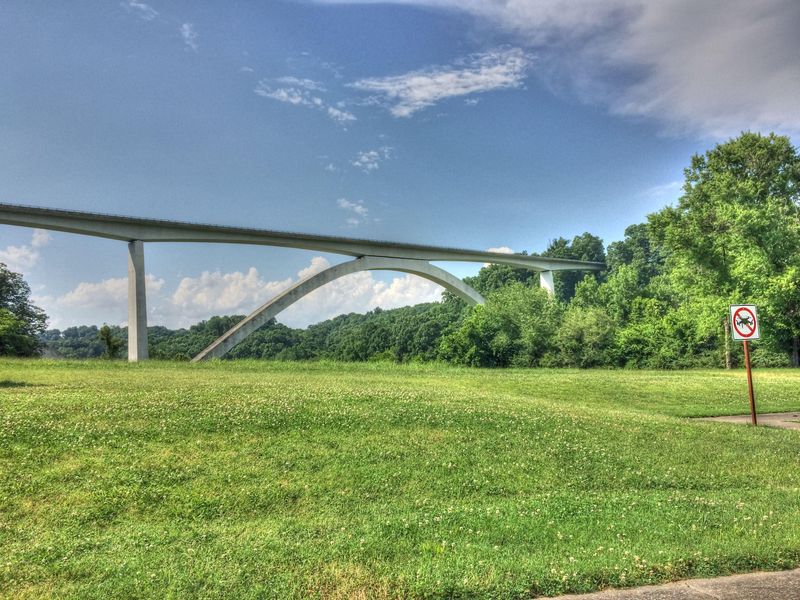
Beyond the village center, Leiper’s Fork’s surrounding countryside offers abundant opportunities for outdoor enthusiasts to connect with nature. The area’s gently rolling terrain provides ideal conditions for horseback riding, with several local stables offering guided trail rides through forests and pastures.
These excursions reveal the landscape from perspectives that cars can’t access, following paths that wind through creek beds and over hillsides. Hikers discover numerous trails ranging from easy nature walks to more challenging routes that reward effort with panoramic views of the Tennessee countryside.
The relatively undeveloped landscape supports diverse wildlife, making it common to spot deer, wild turkeys, and various bird species during outdoor adventures. Spring and fall offer particularly pleasant conditions, with moderate temperatures and stunning seasonal displays.
Cyclists appreciate the area’s quiet back roads, which provide challenging climbs and exhilarating descents without heavy traffic. The same scenic routes that charm motorists become even more immersive when experienced at bicycle speed, where riders can hear birdsong and smell honeysuckle blooming along fence rows.
Local outfitters can provide equipment and guidance for those unfamiliar with the area. The outdoor opportunities complement the village’s historic attractions, offering active alternatives to shopping and dining while maintaining the same emphasis on unplugged, authentic experiences.
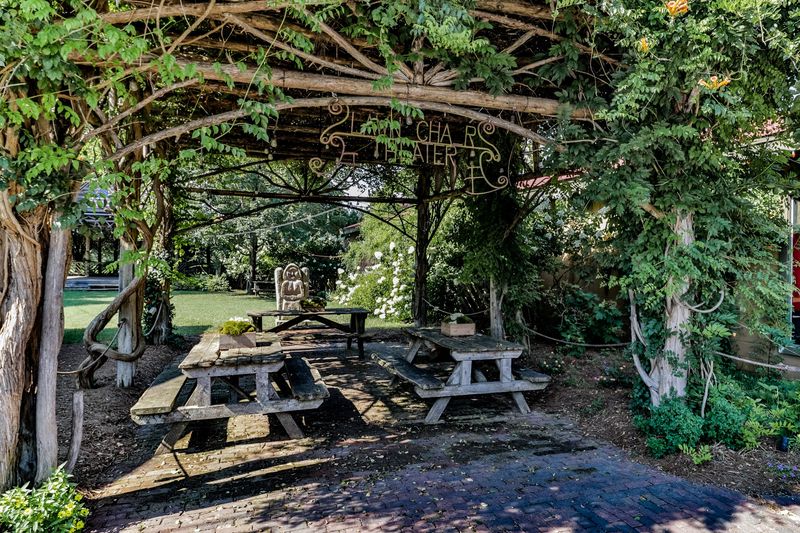
Throughout the year, Leiper’s Fork hosts festivals and events that bring the community together while welcoming visitors to experience authentic rural celebrations. These gatherings aren’t corporate-sponsored productions with paid entertainers and manufactured fun—they’re grassroots events organized by locals who genuinely want to share their community’s culture and hospitality.
The atmosphere feels more like a family reunion than a tourist attraction. Annual events include art shows, music festivals, holiday celebrations, and seasonal gatherings that reflect the agricultural calendar and regional traditions.
Vendors typically come from within the community or surrounding areas, selling handmade crafts, local produce, and home-cooked foods. Entertainment features local musicians, storytellers, and performers who donate their talents to support community causes and preserve cultural heritage.
What makes these events special is their human scale and lack of commercialization. You won’t find corporate booths or aggressive marketing, just neighbors sharing what they love with anyone interested enough to show up.
Children run freely while adults catch up on news and gossip, creating a safe, welcoming environment that feels increasingly rare in modern America. Visitors often comment that attending a Leiper’s Fork event feels like being temporarily adopted by a large, friendly family.
Check local calendars before visiting, as these gatherings provide wonderful opportunities to experience the village at its most vibrant.
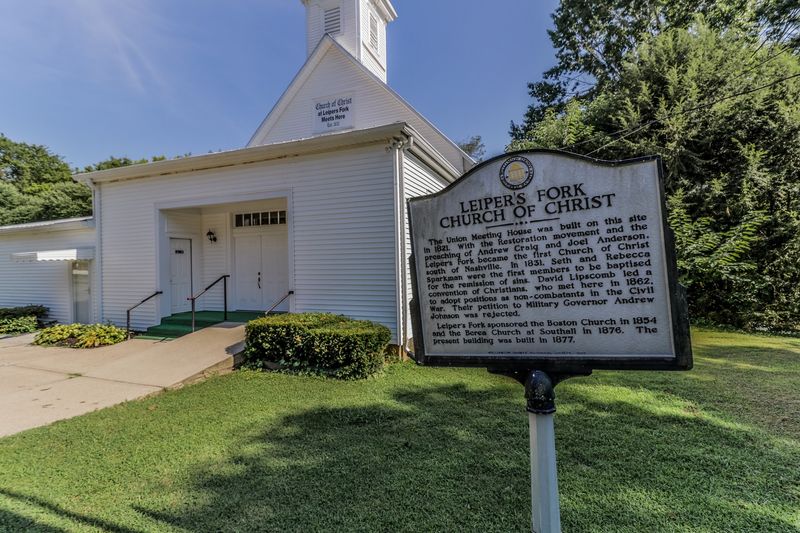
Several historic churches anchor Leiper’s Fork’s spiritual life, their steeples rising above the treetops as landmarks visible for miles across the countryside. These congregations trace their roots back to the village’s earliest days, when circuit-riding preachers brought religion to isolated rural communities.
The buildings themselves showcase classic American church architecture—white clapboard siding, tall windows, simple bell towers—that photographs beautifully against Tennessee’s green hills. Many churches still hold regular services using traditional hymns and worship styles that connect modern congregations with centuries of faith practice.
The denominations represented reflect the village’s diverse religious heritage, from Methodist to Baptist to non-denominational fellowships. Visitors are typically welcome to attend services, experiencing Southern church culture with its emphasis on community, music, and fellowship meals.
Beyond their religious function, these churches serve as community centers hosting fish fries, potluck dinners, and charitable events that bring neighbors together regardless of denominational affiliation. The cemeteries surrounding many churches contain generations of local families, their weathered headstones telling stories about the area’s settlement and development.
History buffs can spend hours wandering these grounds, deciphering old inscriptions and imagining the lives of pioneers who built this community. The churches remind visitors that Leiper’s Fork’s sense of timelessness isn’t just aesthetic—it’s rooted in enduring institutions and values.
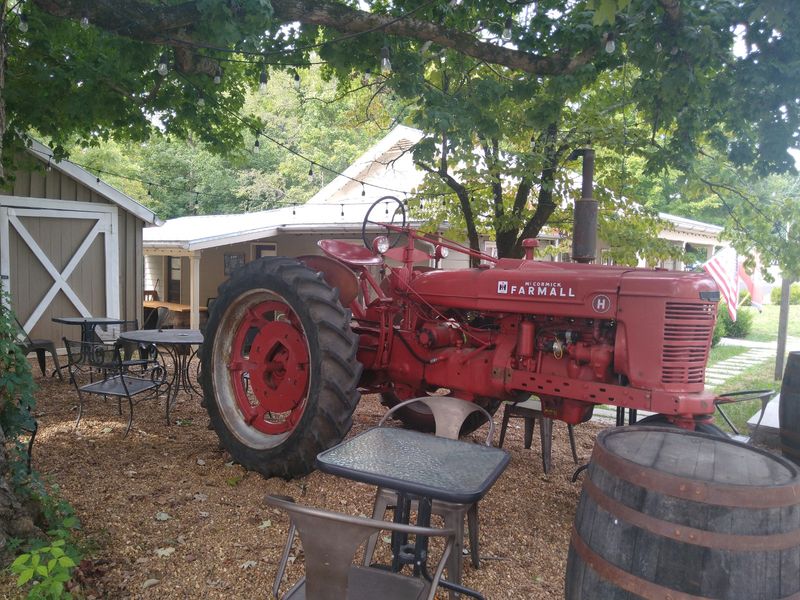
Agriculture remains the economic and cultural foundation of Leiper’s Fork, with working farms surrounding the village and continuing traditions established by pioneer settlers. Cattle and horse farms dominate the landscape, their well-maintained fences and barns demonstrating that this isn’t a preserved historic site but a living, functioning rural community.
Farmers still rise before dawn to tend animals, mend fences, and manage the endless tasks required to maintain productive land. Many farms have remained in the same families for generations, passed down through inheritance along with accumulated knowledge about local soil, weather patterns, and best practices.
This continuity creates deep connections between people and place, fostering a stewardship mentality that prioritizes long-term sustainability over short-term profit. Visitors can observe this agricultural heritage simply by driving the area’s roads, watching cattle graze and horses run in expansive pastures.
Some farms offer agritourism experiences, allowing visitors to participate in seasonal activities like hayrides, pumpkin picking, or Christmas tree cutting. These opportunities provide city dwellers with hands-on connections to food production and rural life, educational experiences that feel increasingly important as society becomes more urbanized.
The farms also supply local restaurants and stores with fresh produce, eggs, honey, and meat, creating a farm-to-table economy that benefits both producers and consumers while reducing environmental impact.
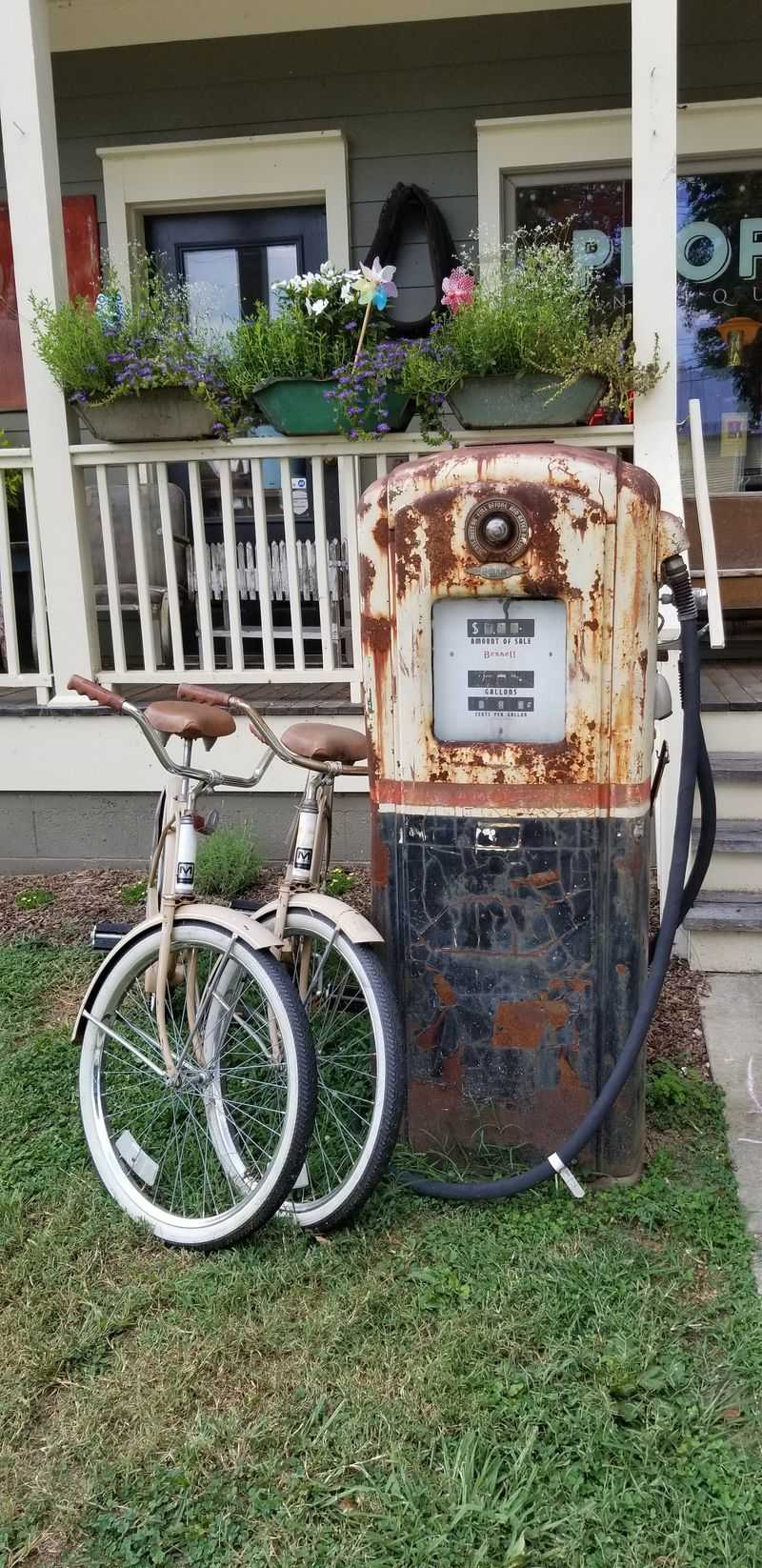
Perhaps Leiper’s Fork’s greatest attraction isn’t something you can photograph or purchase—it’s the intangible quality of time moving differently here. The village operates on a rhythm dictated by seasons, weather, and human relationships rather than corporate schedules and digital notifications.
Conversations happen face-to-face on front porches, not through screens and keyboards. People make eye contact, wave at passing cars, and pause to chat with neighbors about nothing particularly important.
This slower pace initially disorients visitors accustomed to urban efficiency and instant gratification. Restaurants don’t rush diners to free up tables, stores close when owners feel like closing, and nobody seems stressed about productivity metrics or quarterly earnings.
The lack of chain stores, traffic lights, and commercial development means there’s simply less visual and mental noise competing for attention. After a few hours, most visitors find themselves unconsciously adopting the local tempo—walking slower, breathing deeper, noticing details previously overlooked in their hurry to get somewhere.
The village becomes a reset button for overstimulated nervous systems, offering permission to simply exist without constantly doing. Many people discover that the step back in time they came to observe becomes a step back into themselves, reconnecting with aspects of life that modern culture often crowds out.
That’s the real magic here.
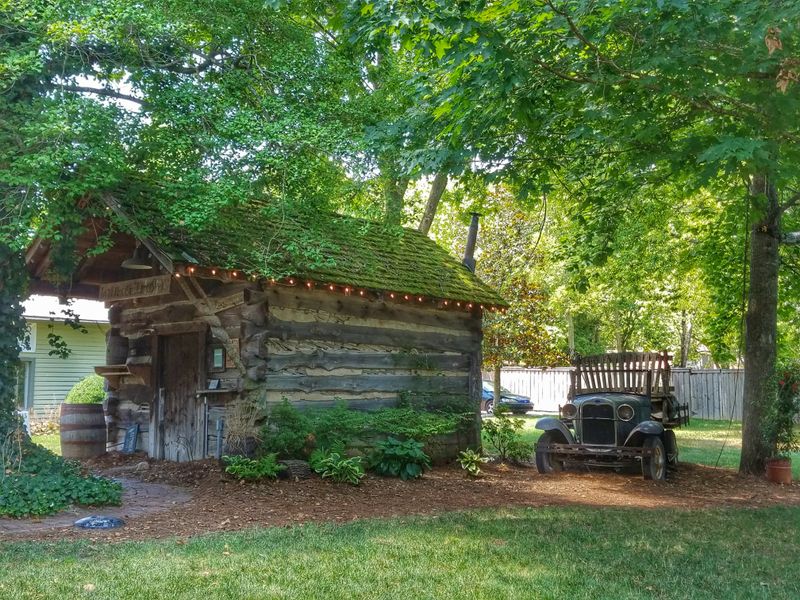
What keeps Leiper’s Fork from becoming another tourist trap or suburban development isn’t luck—it’s the deliberate commitment of residents to preserve the village’s authentic character. Local zoning protections and community standards discourage chain stores, excessive commercial development, and architectural styles that clash with historic buildings.
This isn’t about creating a theme park version of the past, but about maintaining a living community that honors its heritage while serving modern residents. Property owners who renovate historic buildings typically work to preserve original features rather than gutting interiors for modern convenience.
New construction respects the scale and style of existing structures, ensuring that additions blend harmoniously rather than dominating the landscape. These efforts require sacrifice—sometimes choosing character over convenience, history over profit—but residents believe the results justify the compromises.
Community organizations actively work to document local history, preserve stories from older residents, and educate newcomers about the village’s significance. This cultural stewardship ensures that Leiper’s Fork’s identity isn’t lost to generational turnover or real estate pressure.
Visitors benefit from these preservation efforts, experiencing a place that feels genuine because it is genuine. The village demonstrates that progress and preservation aren’t mutually exclusive—communities can evolve while retaining the essential qualities that make them special and worth protecting for future generations.



