 Unearth The Voyage
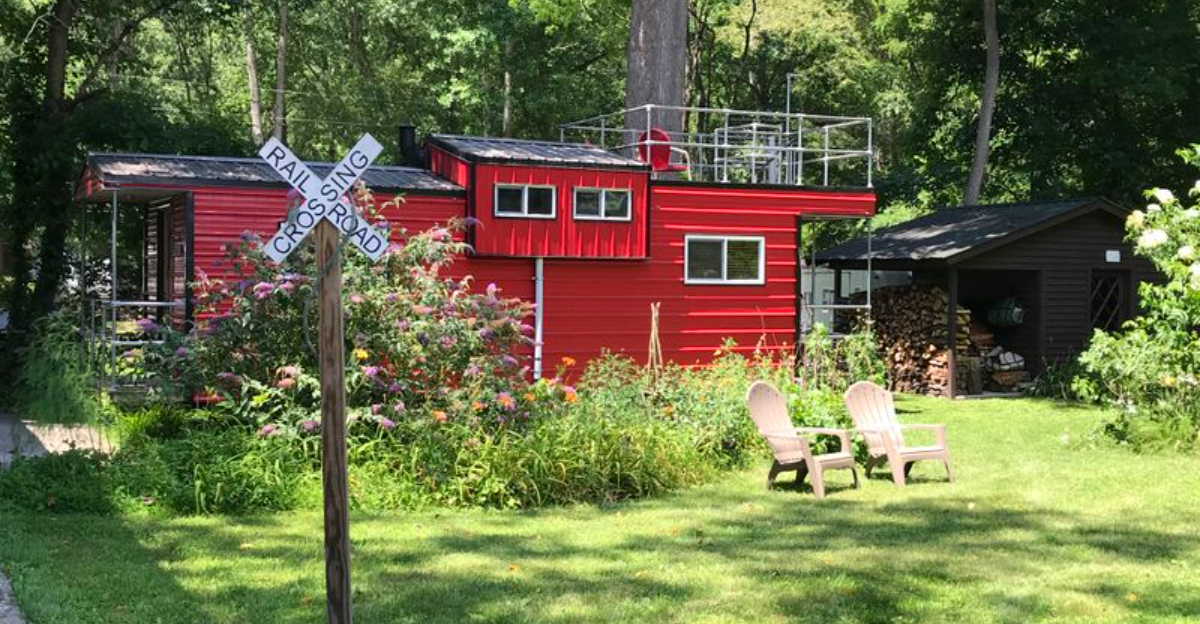
Tucked along the edge of the Great Smoky Mountains, Townsend, Tennessee feels like a gentle whisper compared to its louder neighbors. You arrive expecting a small town and discover a countryside village where time slows and nature leads.
The quiet roads, family storefronts, and river mist create a mood that feels surprisingly European. If you crave calm, this is where you come to breathe and feel at home.
1. It Sits in a Wide, Open Valley Surrounded by Mountains
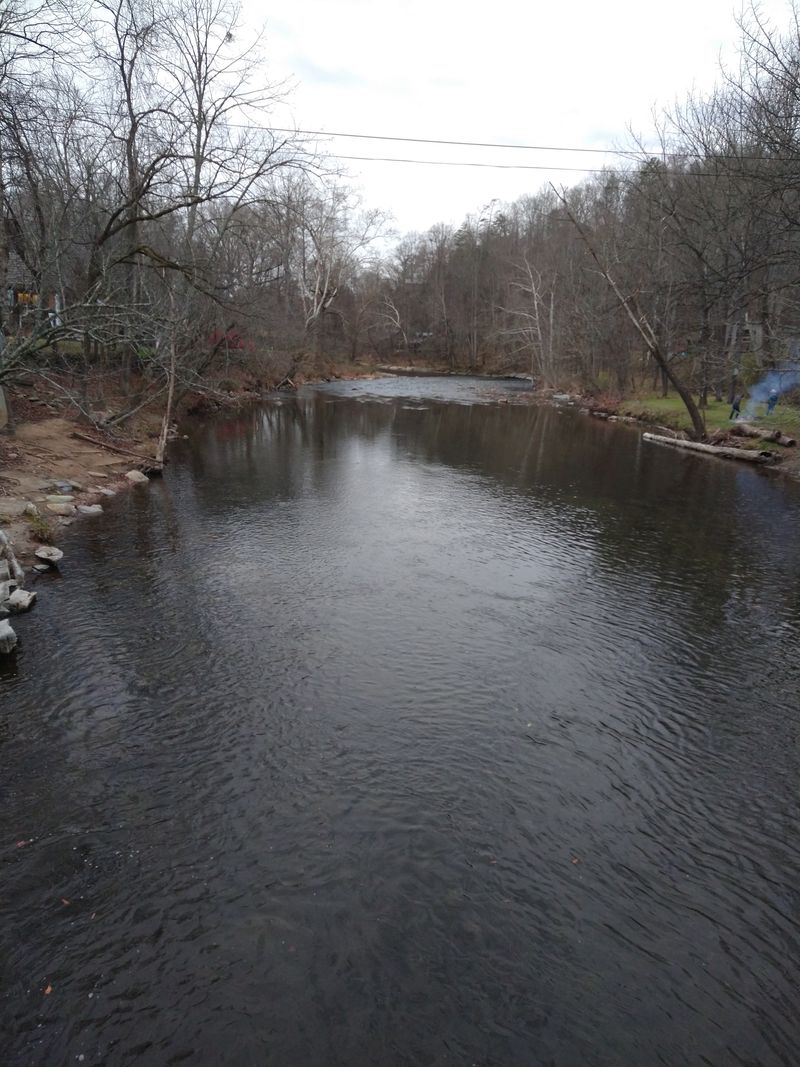
Townsend stretches across a broad valley, where rolling fields meet the soft blue silhouette of the Smokies. You look up and see layered ridgelines, the kind that make a village feel cradled and safe.
The openness invites long breaths, slow walks, and quiet moments with a camera.
It mirrors the pastoral calm of rural Switzerland or Austria, where life tucks beneath tall peaks and mornings begin with dew on grass. Even the light feels generous here, pooling over barns and tree lines.
The sky seems to widen your thoughts.
Stand near a pasture and you will hear only wind and birds. The mountains ring the valley like patient guardians, keeping the chaos of elsewhere at bay.
It is easy to imagine a slower rhythm, one that honors seasons, chores, and conversations on porches. Townsend’s landscape does more than look beautiful.
It sets the tone for everything.
2. Traffic Is Minimal by Design
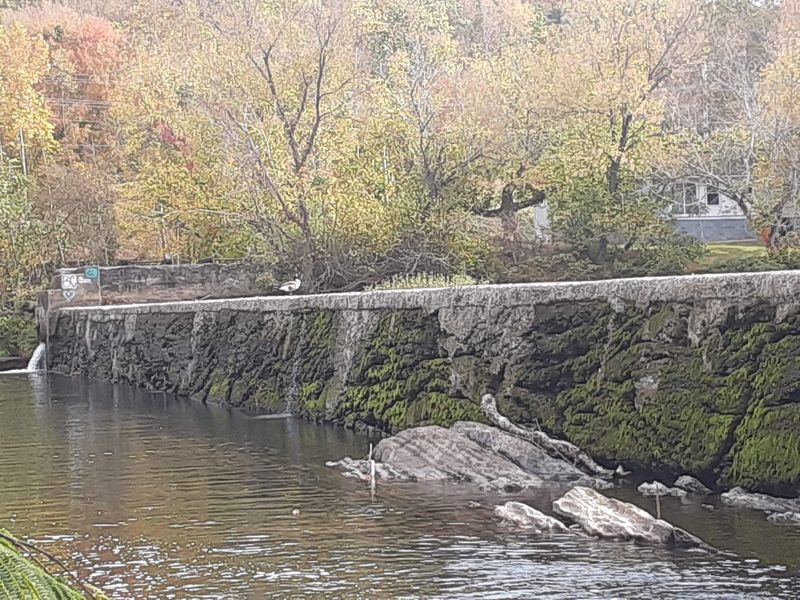
Driving through Townsend is refreshingly simple. You glide along two-lane roads without jockeying for position or watching for endless stoplights.
There is no sensory overload, just open lanes, trees, and storefronts that feel human in scale.
That quiet is intentional. The town resisted sprawling development, so there are no neon corridors or gridlocked highways.
You experience a kind of calm you might expect in a small Alpine village, where the approach itself signals you are entering a gentler pace.
Because traffic is light, you notice things. The wooden signs, the river flashes, the mountain light shifting across the day.
Even in peak seasons, you can still get around without stress. Locals appreciate it, and visitors quickly understand.
Townsend is not designed for rush. It is designed for arrival, the kind that settles your shoulders and clears your thoughts before you even park.
3. The Architecture Is Rustic and Traditional
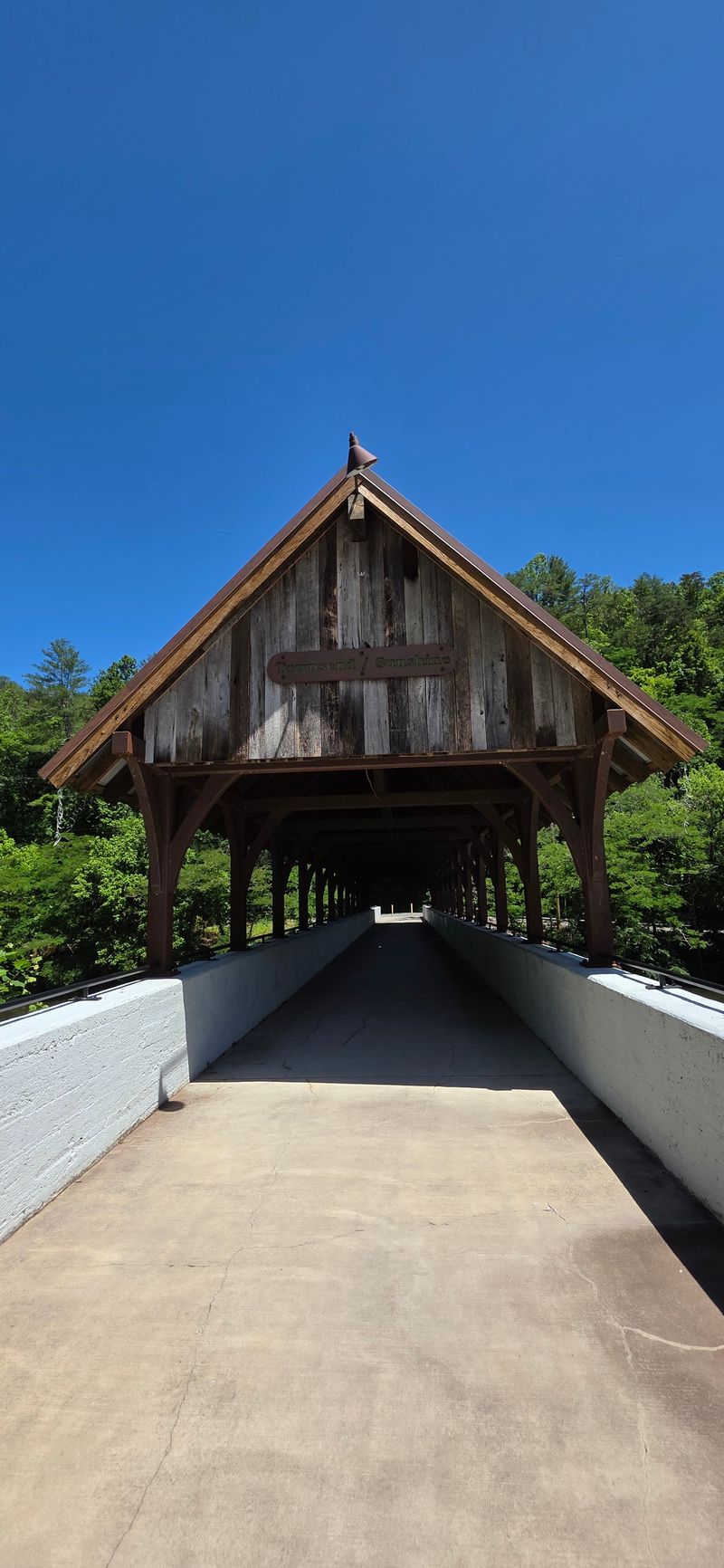
Look closely at the buildings and you will see wood, stone, metal roofs, and porches meant for lingering. Inns tuck into the landscape rather than shouting above it.
Many cabins feel like cottages, with peaked roofs and textures that blend into the trees.
The style is more heritage than trend. It nods to the logging and railroad past, while echoing European countryside forms that favor function and warmth.
Window boxes, timber posts, and stacked stone suggest homes built for weather and family life.
Inside, you often find hearths, natural finishes, and cozy rooms that invite reading during a misty afternoon. The aesthetic does not try to impress with flash.
It quietly says stay awhile. As you wander, you notice how the architecture mirrors the land’s softness.
It is rustic in the best way, that lived-in beauty where history, craft, and comfort meet in everyday details.
4. Life Revolves Around the Seasons
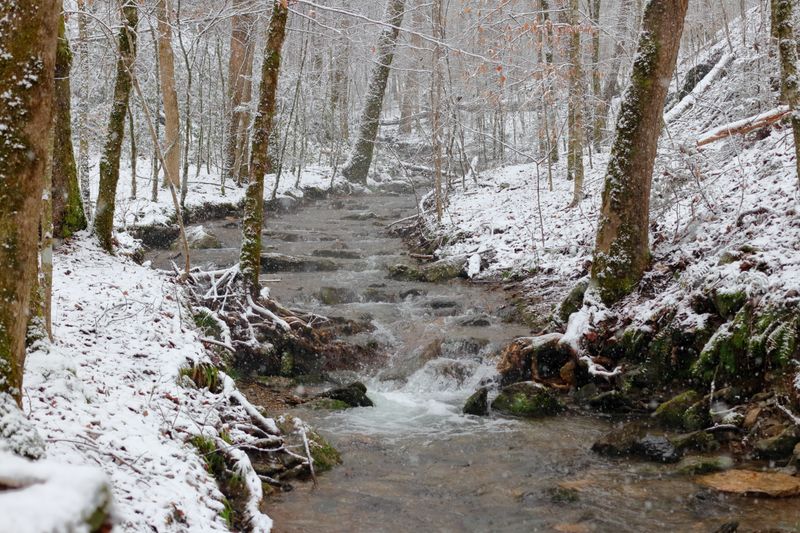
In spring, wildflowers brighten meadows and creek banks, and the valley smells like rain and new growth. Summer brings lush greens and long daylight, when the river becomes part of daily life.
You plan picnics, shaded walks, and early morning drives to catch soft light.
Autumn is the showstopper, with gold and amber sweeping the hillsides. The town feels like a festival of color, yet still remarkably peaceful.
Winter arrives quietly, with frosted fields and slow evenings that invite warm drinks and conversation.
Because the landscape leads, life follows. You start to measure time by blooms, leaf change, and the hush of snowfall.
That seasonal rhythm mirrors European rural traditions where harvests, holidays, and weather guide decisions. In Townsend, the calendar is not a chore list.
It is a companion. Spend a year here, even just in visits, and you will feel the cadence settle into you.
5. It Borders a National Park Instead of a City
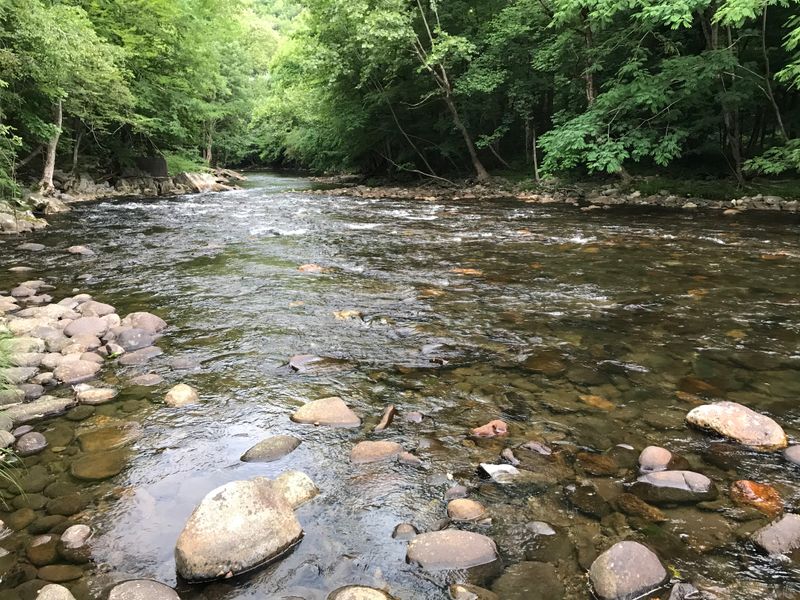
Townsend sits at the doorstep of Great Smoky Mountains National Park, and that geography shapes everything. Instead of urban spillover, you meet forests, trailheads, and historic landscapes.
The town feels held by protected land rather than pressed by development.
This adjacency gives an old-world sense of boundary. It is similar to European countryside regions where villages meet national parks or preserves.
The nights are darker, the mornings quieter, and the air freer of constant traffic hum.
You can step from a cozy inn to a river path or scenic drive within minutes. That nearness breeds respect.
Locals talk about stewardship as a daily habit, not a slogan. The absence of sprawl is not an accident.
It is a choice that preserves the town’s identity, protects habitats, and keeps that feeling you came for intact. Townsend thrives by being next to wildness, not next to noise.
6. The Pace of Life Is Intentionally Slow
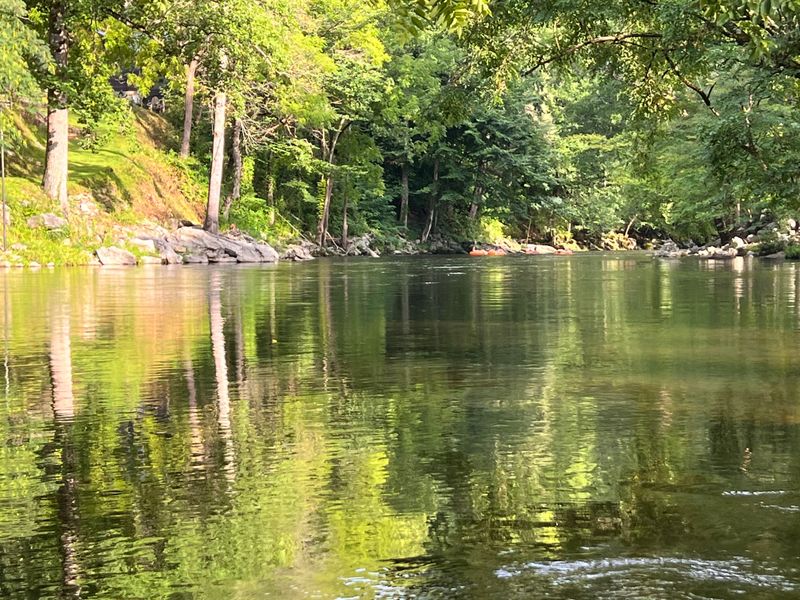
Evenings in Townsend end softly. Shops close early, dinner wraps up without rush, and the sky gets its quiet time.
You will not find the scramble that keeps you darting from one plan to the next.
The slow pace is more than convenience. It is a cultural choice, an agreement that life’s quality improves when you leave space around the edges.
The hush lets you hear creek water, wind in trees, and your own thoughts shifting into a gentler gear.
That rhythm echoes European village life, where mornings are unhurried and nights belong to rest. You learn to plan by daylight, conversations, and weather.
Once you settle into it, you will not miss the constant buzz. You will notice your shoulders drop, your breathing steady, and your curiosity return.
Townsend invites you to live like that, if only for a weekend. Slow is not lack.
It is fullness.
7. Family-Owned Businesses Dominate
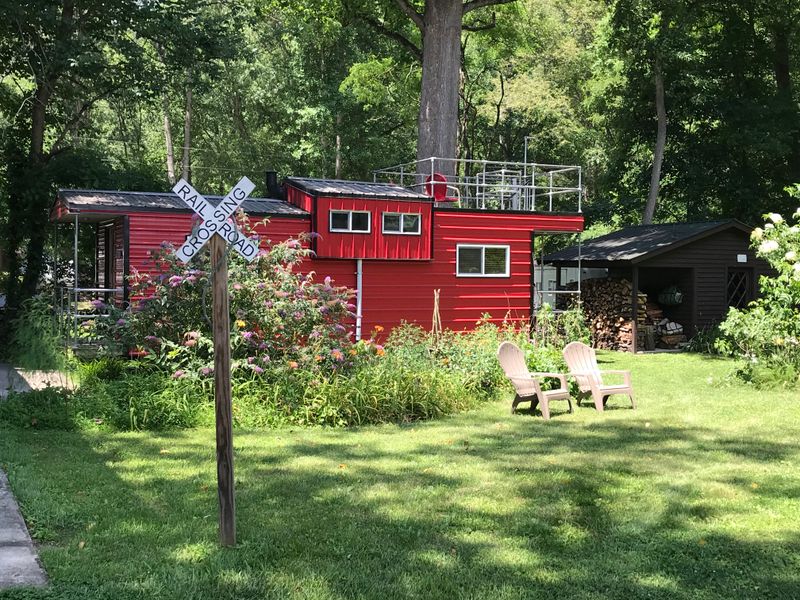
Walk into a cafe or inn and you will likely meet the owner, not a manager on rotation. Stories flow with the coffee, and recommendations come from lived experience.
The businesses feel personal because they are.
Generations keep recipes, renovate cabins, and maintain traditions that locals cherish. It mirrors rural Europe, where family-run establishments pass knowledge and pride across decades.
The result is service that feels like hospitality rather than transaction.
When you buy a handmade item or book a room, you see where your money goes. It stays in town, supporting neighbors and preserving the very atmosphere you came for.
That loop of care is powerful. You become part of it the moment you step inside a small shop and someone remembers your name.
In Townsend, doing business often feels like joining a conversation that started long before you arrived and will continue kindly after you leave.
8. The Community Is Small and Tight-Knit
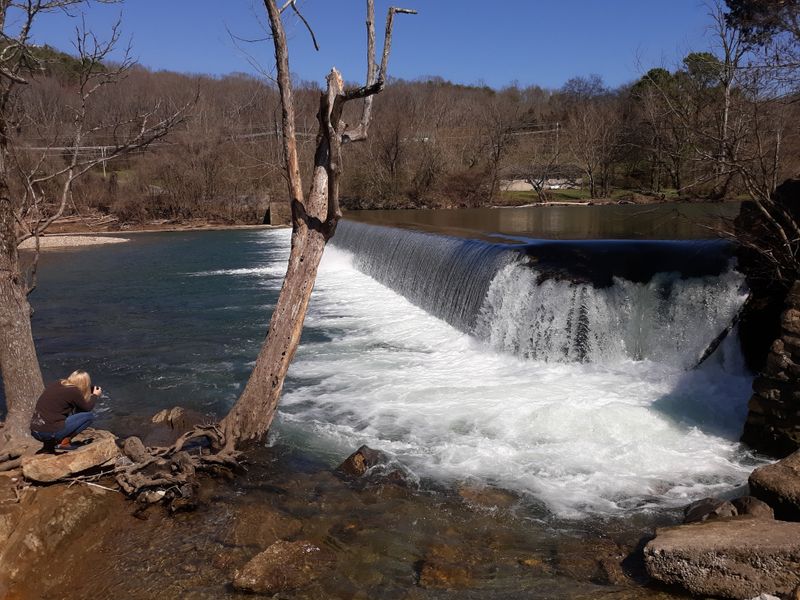
With a population under 600, Townsend keeps relationships close. People greet each other by name, ask about family, and notice when someone is new to town.
As a visitor, you feel less like a customer and more like a guest.
Community shows up in small gestures. A wave from a porch, a tip about a quiet overlook, a recommendation for the best river spot at sunrise.
These exchanges build a sense of belonging you cannot fake.
The tight-knit vibe mirrors small European villages, where shared history and everyday routines stitch people together. It does not mean everyone is the same.
It means people show up for each other. Spend a couple of days here and you will find yourself waving too, without thinking.
That feeling lingers when you leave. It is proof that a place can be beautiful not just for its scenery, but for its welcome.
9. Farms and Pastures Are Still Active
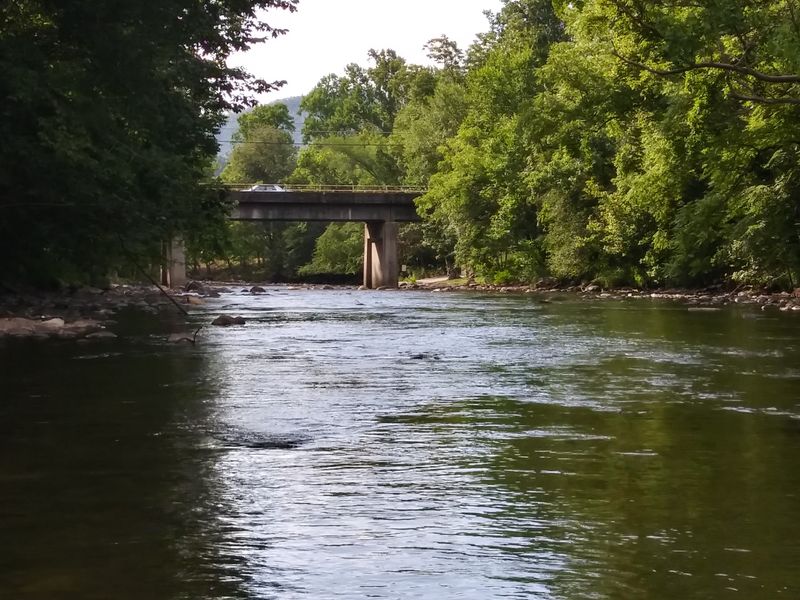
Beyond the main road, you will find fields edged with split-rail fences and weathered barns. Cattle graze, hay bales dot the land, and tractors hum at a steady, unhurried pace.
Agriculture is not a museum here. It is daily life.
That working landscape gives the town an authenticity you can feel. It echoes European countryside villages where farms anchor communities and seasons guide the work.
The presence of pastureland keeps broad views open and the skyline honest.
As you drive, give yourself time to pull over safely and take in the quiet. Watch the light move across grass, then lift to the mountains beyond.
The simplicity is gorgeous. It also nourishes the local economy and culture.
You are not looking at staged scenery. You are witnessing a living rhythm that keeps Townsend grounded, connected, and wonderfully unpretentious, even as visitors come to admire what residents carefully tend.
10. There’s No Nightlife – And That’s the Point
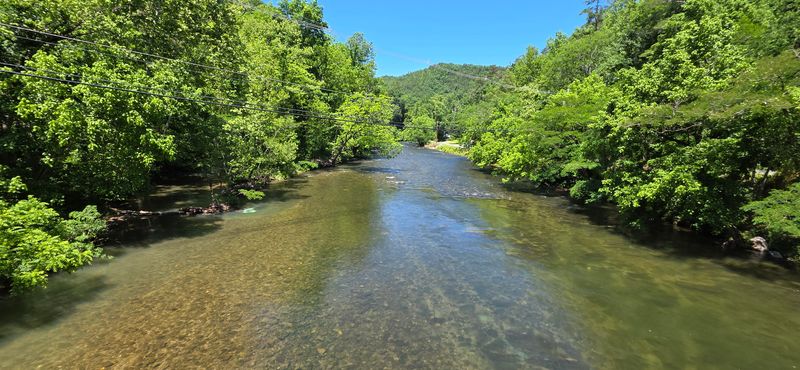
When the sun slips behind the ridges, Townsend grows still. There are no clubs, few late hours, and minimal glow on the horizon.
Nights are for conversations, stargazing, and sleep that feels earned.
The absence of nightlife is intentional and refreshing. It brings a calm you might find in a French or Italian countryside town, where evenings belong to family tables and quiet lanes.
You come to appreciate the hush as a luxury.
This is not a place to chase last call. It is a place to listen for owls and river murmurs.
You will wake early without effort, ready for trails, overlooks, and good coffee. If you need noise, other towns can provide it.
Townsend offers something rarer: darkness and silence that restore you, night after night, until your thoughts feel clear again.
11. Nature Is Part of Daily Life
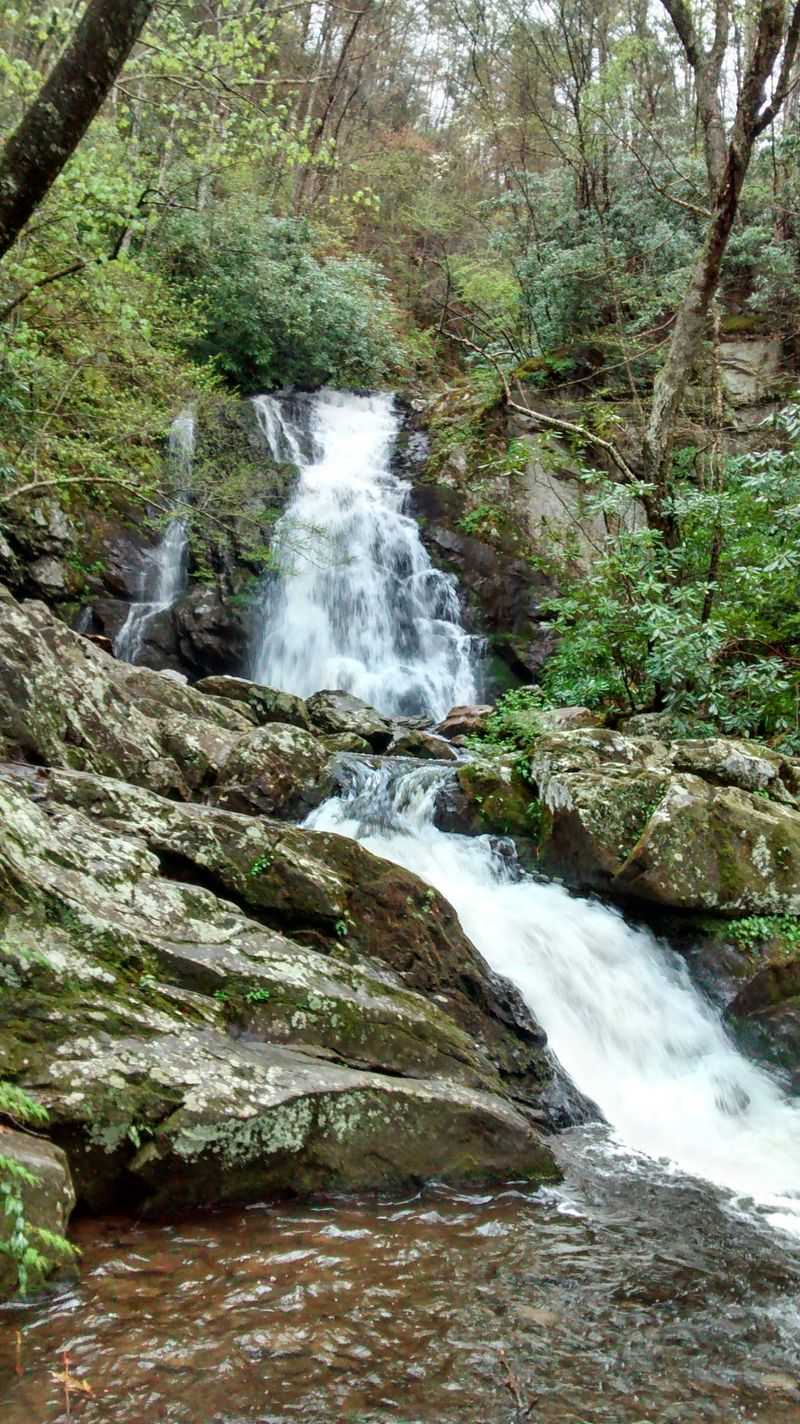
Here, nature is not a backdrop. It steps into the foreground every hour.
You will see deer at the edge of fields, hear woodpeckers tapping, and notice mist lifting from pastures as the sun warms the valley.
Daily life bends to these rhythms. People time errands around weather windows and step outside to feel the day before planning it.
That living relationship with the land feels deeply European, where countryside towns treat nature as neighbor, not novelty.
Bring binoculars, a sketchbook, or simply patience. Watch clouds drag shadows across the hills.
Count bird calls while the coffee cools. The slower you move, the more you notice.
And the more you notice, the more the town reveals its quiet magic: a soft, steady pulse of wind, water, wildlife, and light guiding everything from mood to schedule.
12. The Little River Runs Through Town
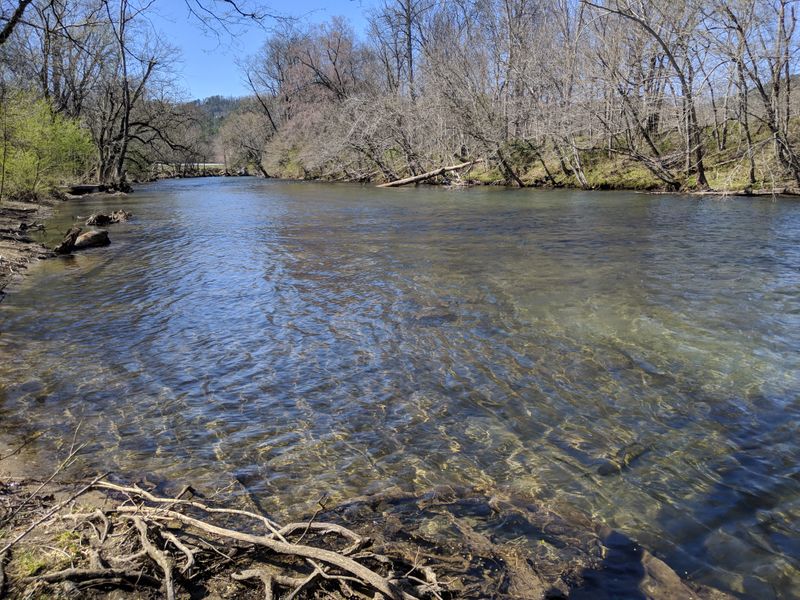
The Little River threads along Townsend like a calming heartbeat. Clear water glides over smooth stones, and the sound follows you from bridges to back porches.
On warm days, families wade, anglers cast, and everyone moves a little slower.
Rivers like this shape towns across Europe, and the feeling here is similar. The water offers orientation, leisure, and a gentle soundtrack.
It invites you to sit, watch, and let time lengthen.
Early mornings are best. Mist hangs low, kingfishers flash by, and the river mirrors the sky until a breeze ruffles it.
You will leave with that sound in your memory, the hush of moving water becoming part of your own pace. The river does not demand attention.
It earns it, one soft current at a time, every day.
13. The Town Has Preserved Its Identity on Purpose
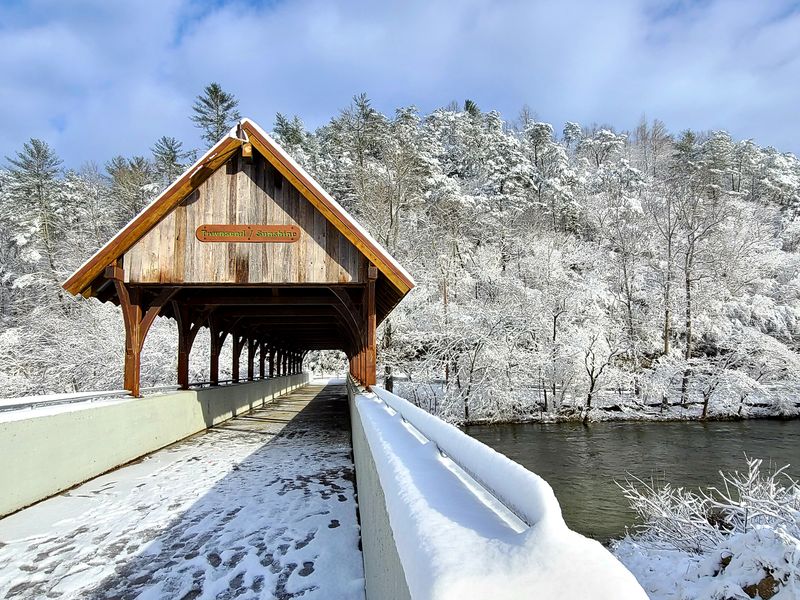
Townsend could have chased growth at any cost. Instead, it chose to protect its landscape, history, and small-business fabric.
You feel that decision in the way views stay open and storefronts feel personal.
Preservation is not about freezing time. It is about guidance.
The community steers toward choices that keep the town’s character intact while welcoming visitors respectfully. That approach mirrors many European villages that guard heritage and place with care.
Spend time at local museums, talk with longtime residents, and you will hear the same theme. Townsend knows who it is.
That clarity gives it strength. It keeps the valley from becoming another neon corridor and makes your visit more meaningful.
You are not walking through a set. You are stepping into a living community that decided, together, to remain itself.
14. Even the Roads Feel Old-World
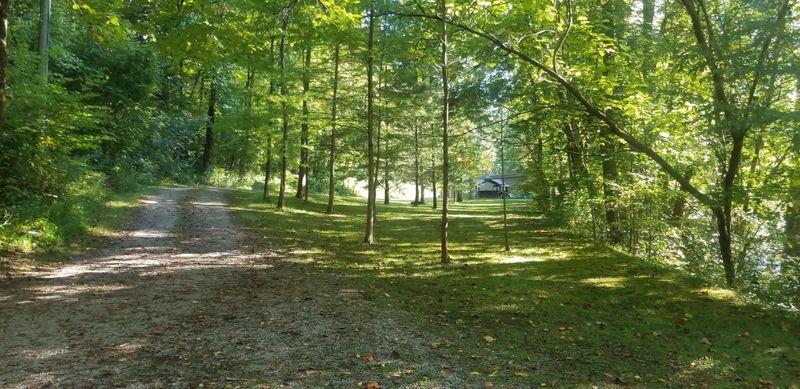
Two-lane roads curl through meadows, pastures, and stands of hardwoods, offering views that unfold rather than explode. You roll down the window and smell grass, river air, and pine.
The drive becomes part of the visit, not just a way to get somewhere.
There are no sweeping interchanges or billboard canyons here. The scale stays human, and the scenery stays generous.
It recalls rural England or Germany, where lanes follow land, and every curve reveals a new composition.
Take your time. Pull into a turnout, let a local pass, and enjoy the long sightlines to blue ridges.
When you arrive, you feel unrushed, like the road prepared you for the place. That is old-world travel in a modern moment, and Townsend holds onto it carefully, one gentle bend at a time.
15. Silence Is One of Its Defining Features
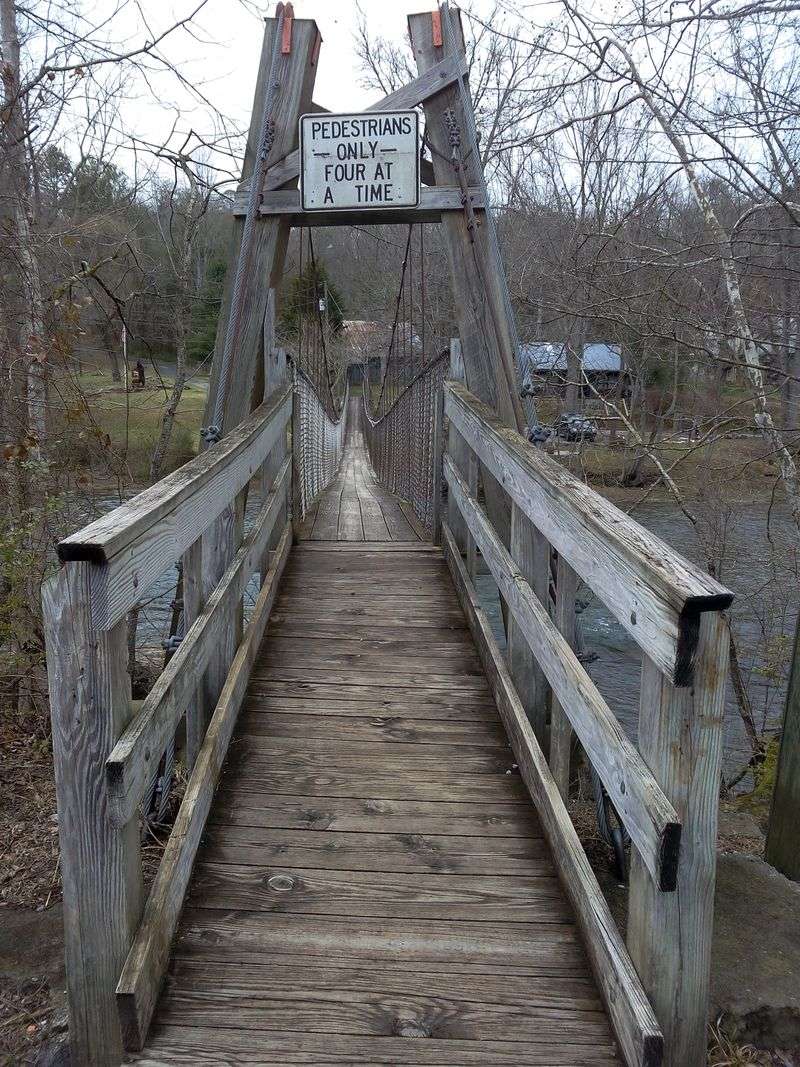
Silence is not empty here. It is textured with wind, water, and birdsong.
You notice how rare that is the moment you step outside before dawn and hear almost nothing mechanical.
The quiet lets you think clearly, read longer, and feel your shoulders unclench. Nights fall dark and soft.
Mornings arrive with a hush that makes the first cup of coffee taste better. It is the kind of silence you might seek on a faraway countryside retreat.
In Townsend, you find it close to home. The stillness becomes a companion that steadies your day.
You will miss it when you return to noise, but you will know where to find it again. Come back, breathe deep, and listen.
The mountains will hold the quiet for you, patiently, until you do.



