 Unearth The Voyage
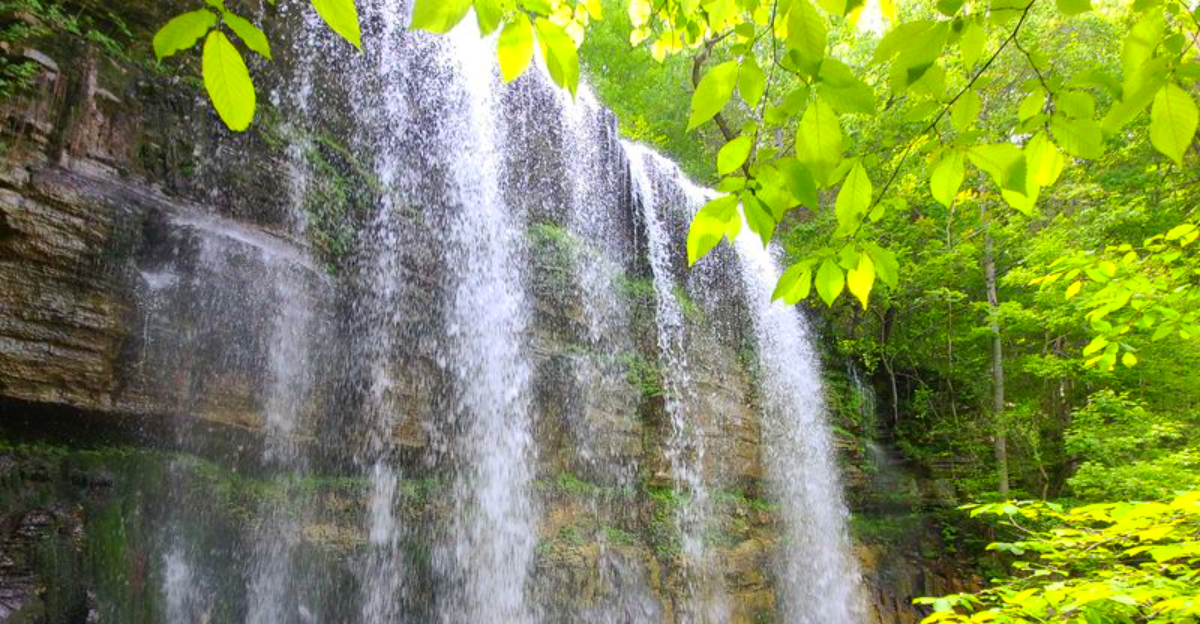
If you crave a hike that rewards every step with jaw dropping scenery, Virgin Falls State Natural Area delivers. Picture an underground river bursting from a cave, plunging 110 feet, then vanishing into the earth again.
Along the way, you will weave past lush forests, hidden caves, and multiple cascading falls. Grab your boots and curiosity, because this place feels like a secret carved into Tennessee limestone.
Virgin Falls: the disappearing waterfall
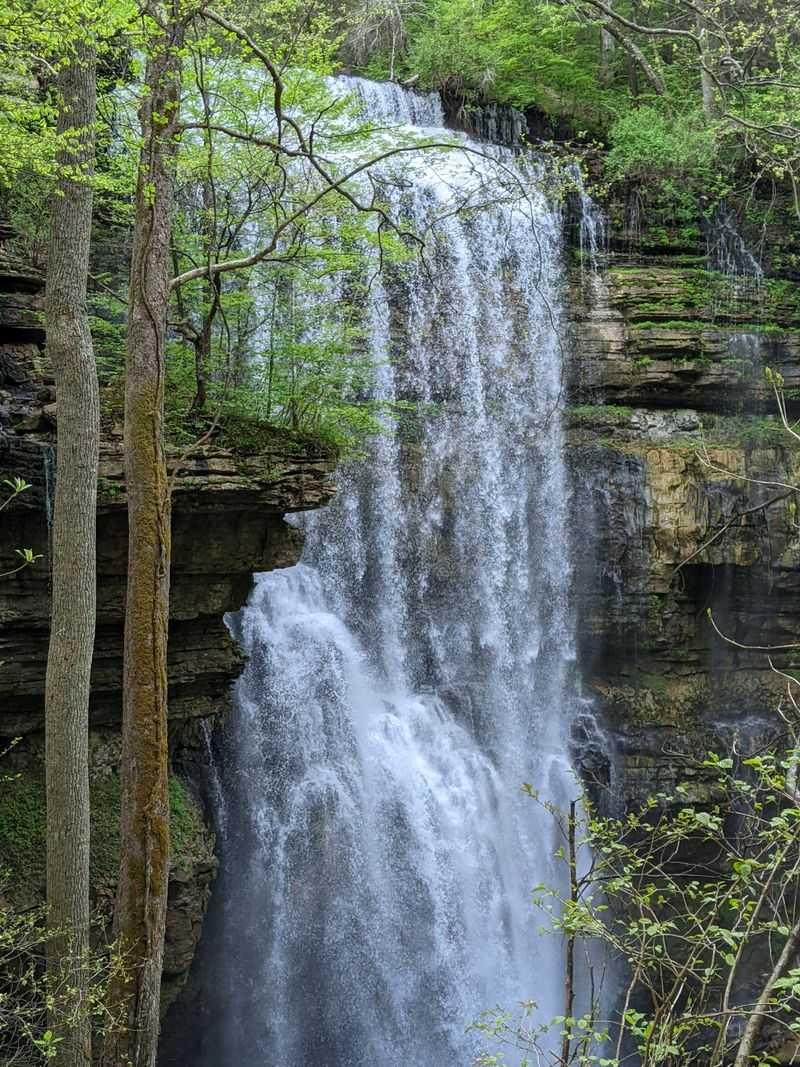
Virgin Falls is pure Tennessee magic. Water surges from a cave, leaps 110 feet into a misty amphitheater, then disappears into a sink below.
You hear the roar before you see the veil of white water.
Stand at the overlook and feel cool spray on your face. Follow the path down to the base for a close look at the plunge pool and swirling sink.
Keep right near the hole and mind your footing.
The flow changes with seasons, but the wonder stays constant. It is the kind of sight that anchors a whole adventure.
Trail length and difficulty
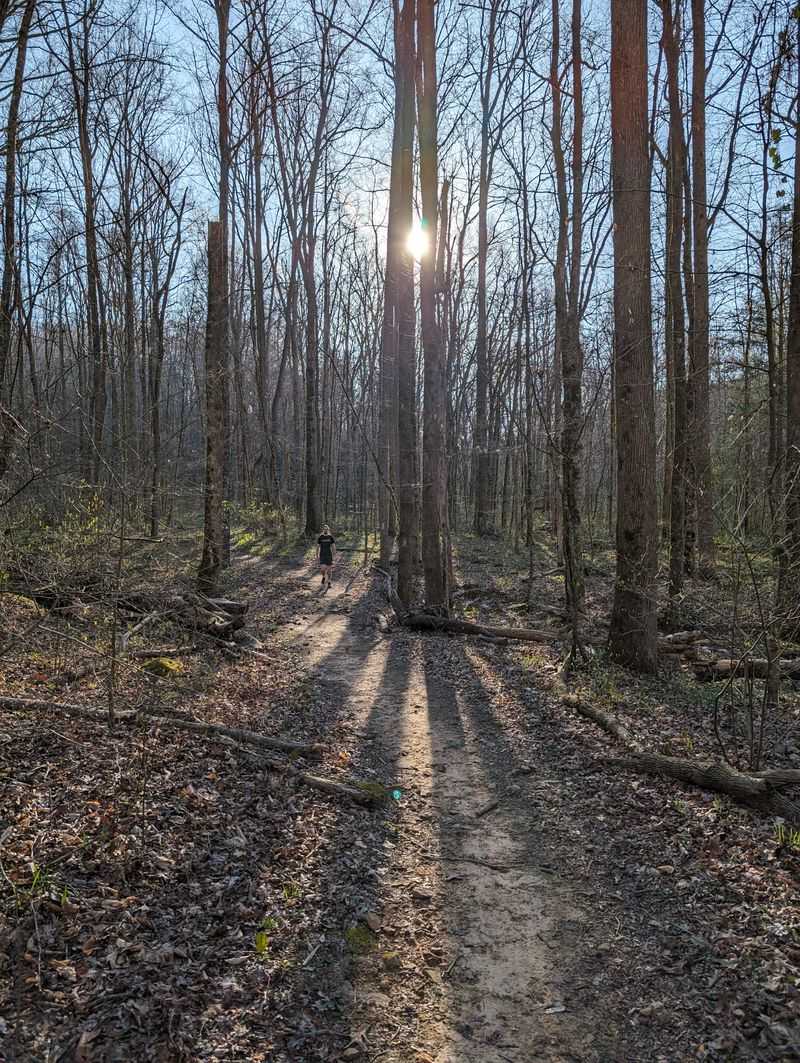
Expect a strenuous effort. The route totals about nine miles round trip with roughly 900 feet of elevation change and plenty of rocks and roots.
Downhill outbound means you will pay it back climbing out.
Trekking poles help on slick steps and steep grades. Plan five to seven hours depending on pace, photos, and lunch at the falls.
Start early, especially in warmer months.
Hydration matters more than you think. Carry more water than feels necessary and a salty snack or two.
This trail tests legs yet rewards persistence from the first creek crossing to the last ridge climb.
Big Laurel Falls, Sheep Cave Falls, and more
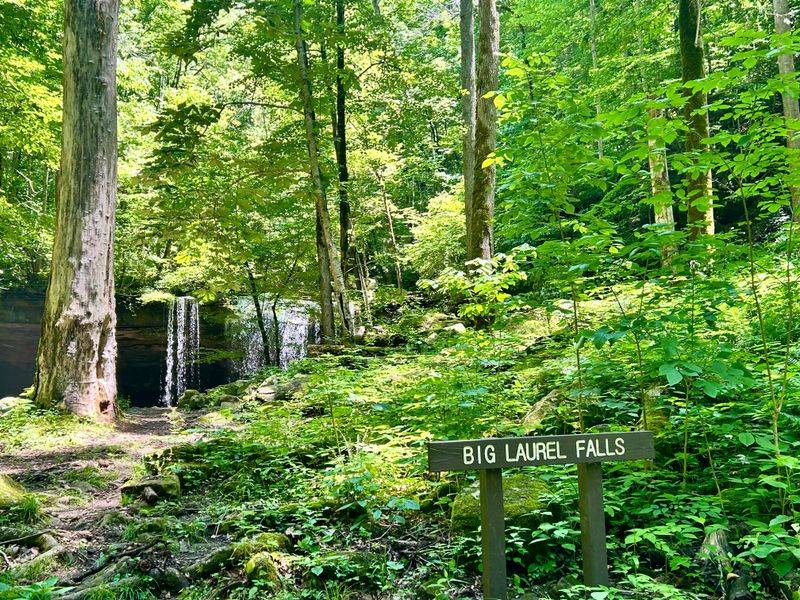
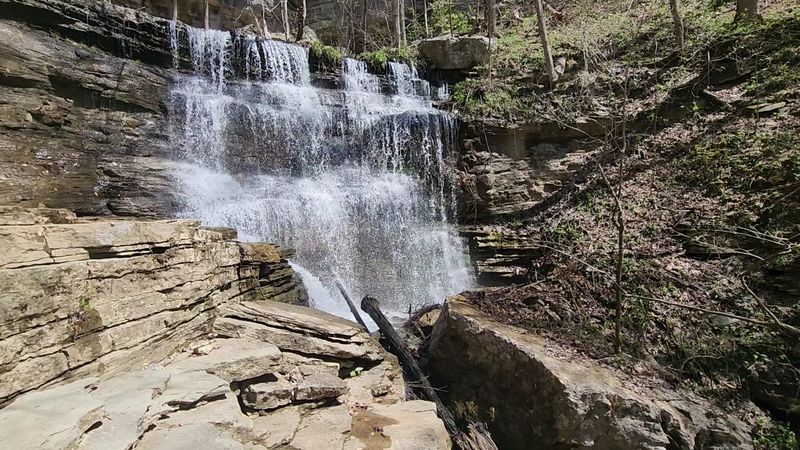
The main show is only part of the story. Big Laurel Falls tumbles from a rock house, offering shade and a cool rest stop.
Sheep Cave Falls pours into a rugged pocket, especially lively after rain.
Big Branch Falls adds another surprise as you approach the gorge. Each cascade has its own mood and soundtrack, from gentle trickles to urgent chutes.
Keep your camera handy.
These stops break the hike into chapters. Short side paths lead to better angles, but watch slick rock.
You will finish feeling like you visited a whole family of falls.
Karst caves, sinks, and the Plateau
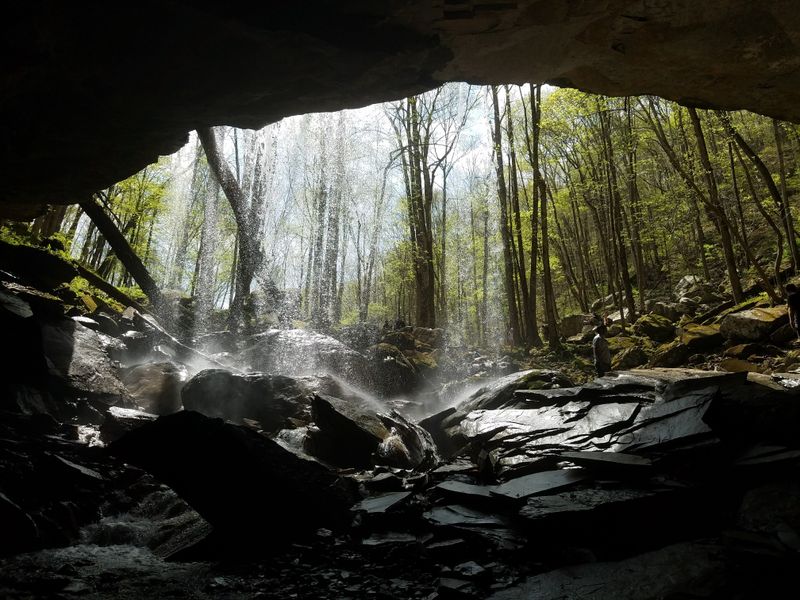
Virgin Falls sits in classic Cumberland Plateau karst. Water travels underground through limestone, reappears dramatically, then disappears again into sinks.
You can see the source cave above the falls and the sink below.
Along the trail, look for Sheep Cave Sink and other depressions that hint at complex plumbing beneath your feet. These features shape streams, cliffs, and lush pockets of forest.
They also create surprises after storms.
Stay on marked paths around openings. Karst is beautiful yet fragile.
The landscape tells a hidden water story you can both hear and feel as you hike.
Forests, flowers, and seasonal color
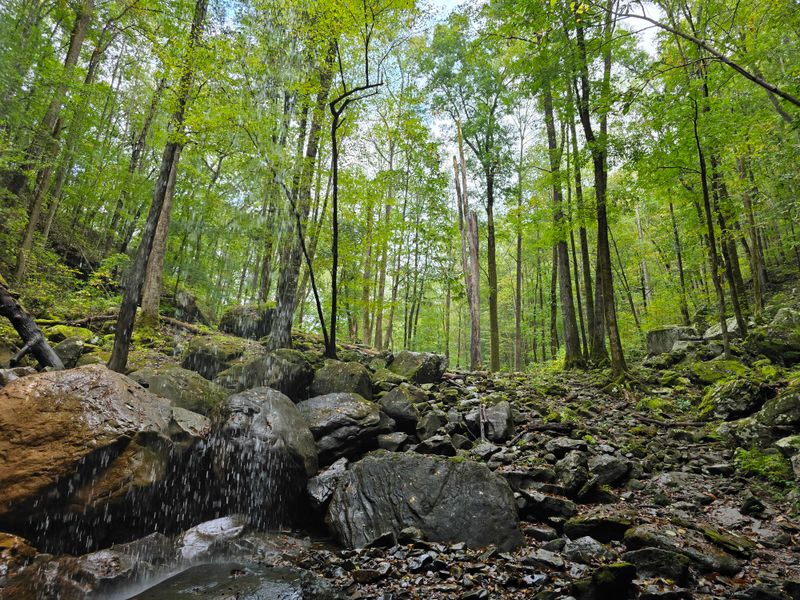
The trail threads upland oak hickory stands and dips into moist, mixed mesophytic forests. Tulip poplar towers overhead while maples and beeches soften the understory.
Spring wildflowers paint the ground with trillium, phlox, and violets.
In summer, deep greens and shaded creek corridors offer pockets of cool air. By fall, the canopy glows with golds and reds that make every overlook pop.
Winter reveals limestone bones and clearer views.
Pause to notice textures and smells. Crunchy leaves, damp moss, and a hint of cedar make the walk immersive.
Every season brings fresh character to familiar bends.
Camping and permits
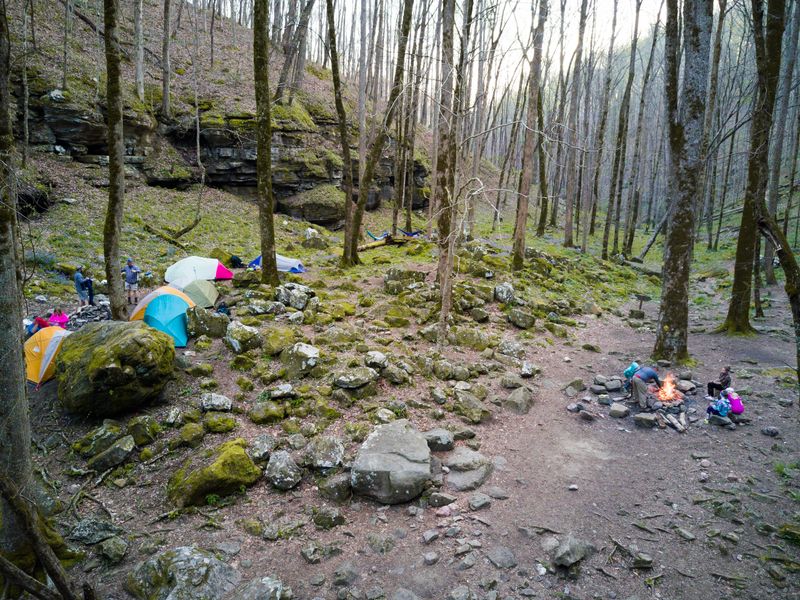
Backpacking here feels like a mini expedition. Designated campsites sit off the main trail, spaced for quiet nights.
You will need an online reservation to secure a spot.
No camping is allowed above Virgin Falls, protecting fragile ground and views. Choose durable surfaces, keep food secure, and leave no trace.
A small morning walk to the falls is a perfect reward.
Water sources exist but treat everything. A lightweight filter and extra fuel help in colder months.
Sleep under hardwoods, wake to creek music, and pack out every scrap you packed in.
Getting there and parking
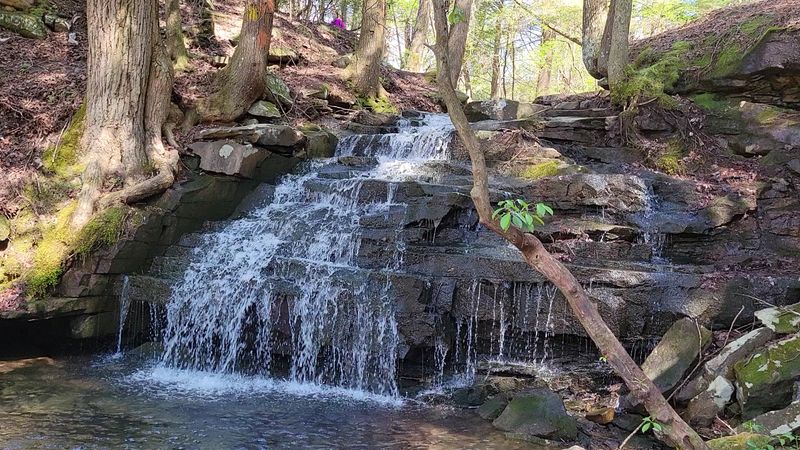
The trailhead sits on Scotts Gulf Road east of Sparta. The final approach includes some unpaved sections, so drive slowly and watch for washboards after rain.
Cell service can be spotty near the lot.
Arrive early on weekends and holidays. Parking fills quickly when waterfalls are running strong.
A kiosk map helps you orient before stepping off.
Set navigation to Virgin Falls trailhead parking, not just the falls name. That small tweak saves confusion on backroads.
Share your plan with someone, then hit the path with confidence.
Cave closures and bat protection
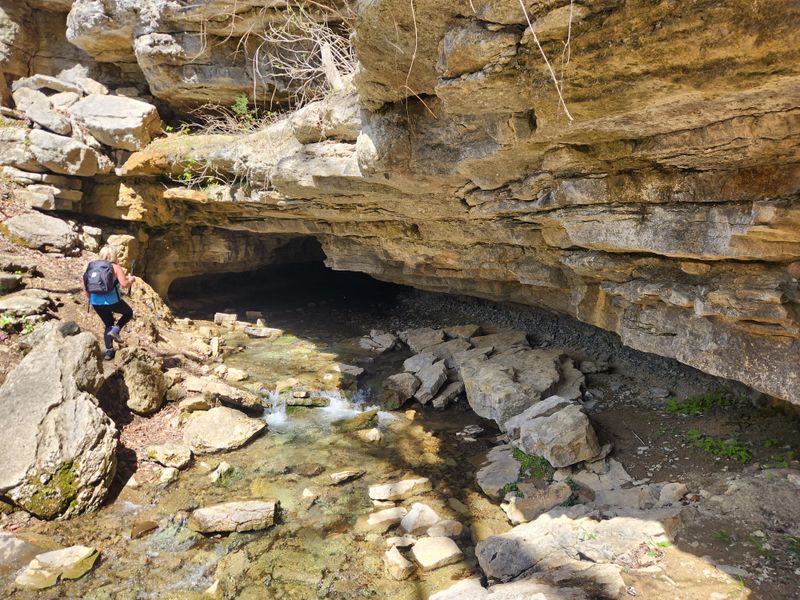
All caves in the area are closed to protect bats from white nose syndrome. You can view entrances but should not enter.
The restriction helps vulnerable colonies recover.
It might feel tempting to explore, especially on hot days. Choose photos at the mouth and move along.
The more we respect closures, the healthier this ecosystem remains.
Look up official notices before your trip. Rules can update as conditions change.
Conservation here is not abstract it is visible, practical, and worth supporting with every step.
Trail conditions and safety
The path can turn muddy and slick after rain. Limestone grows slippery under a thin film of water and leaves.
Good boots with traction make a noticeable difference.
Carry a small first aid kit, headlamp, and extra layers. Tell someone your itinerary and expected return time.
Signal fades fast as you drop into gullies.
Watch for poison ivy along edges and stay on tread to avoid erosion. Step carefully on wet rock and roots.
When in doubt, slow down, breathe, and choose the stable option every time.
Best seasons to visit
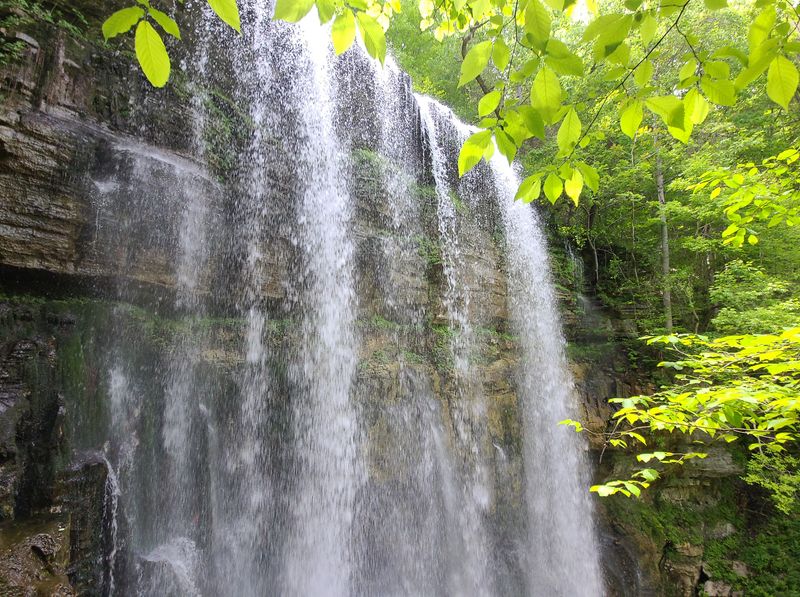
You can hike here year round, and each season brings a different mood. Spring is prime for wildflowers and strong flows after rain.
Fall delivers cooler temperatures and foliage that frames every waterfall.
Summer offers shade but also humidity. Start early and bring extra water.
Winter clears the leaves, opening views across the gorge and revealing geological structure.
For photogenic volume, aim for the day or two after steady rainfall. Trails will be messy, but the waterfalls will sing.
Pick your window, then let the forecast guide your gear and timing.
Wildlife and respectful encounters
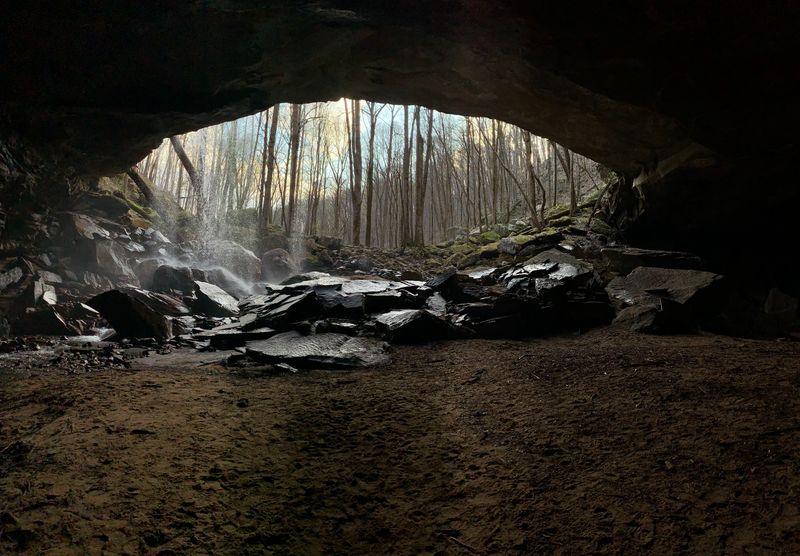
Deer, turkeys, and a chorus of birds call this place home. You might catch movement at dawn or hear wingbeats near creeks.
Keep a respectful distance and let wildlife keep its space.
Do not feed animals. It changes behavior and can harm them.
Pack snacks for you and secure them when camping.
Listen for woodpeckers and watch for salamanders in damp pockets. A lightweight pair of binoculars adds a lot without weighing you down.
Observing quietly turns the hike into a living field guide.
Packing list and preparation
Prepare like it is a full day outside. Bring two liters of water minimum, a filter, calorie dense food, and a rain shell.
Headlamp and basic first aid should live in your pack.
Add trekking poles, traction boots, and dry socks. Map or offline GPS helps at junctions and side trips.
Sun protection matters even in forest shade.
Tell someone your plan and cutoff time. If the clock runs long, turn back with energy to spare.
Smart preparation lets the scenery, not logistics, define your day.
Welch Overlook and side trips
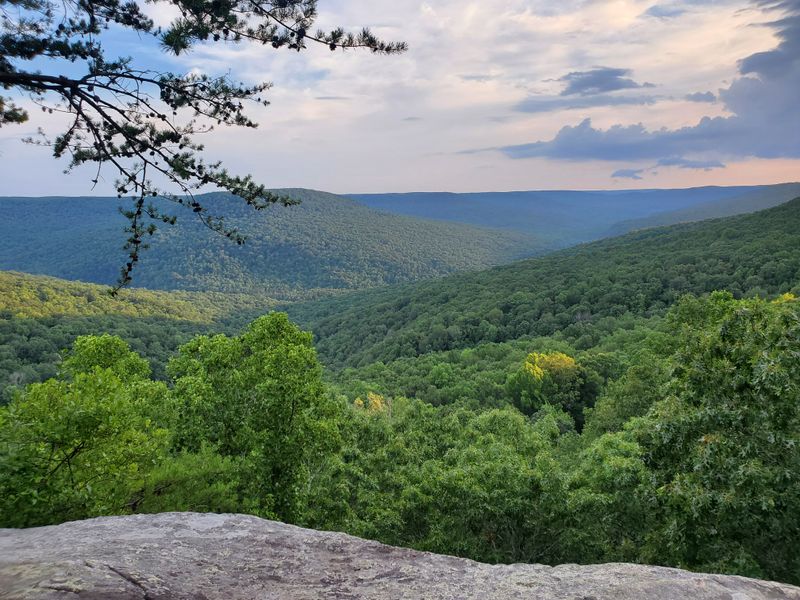
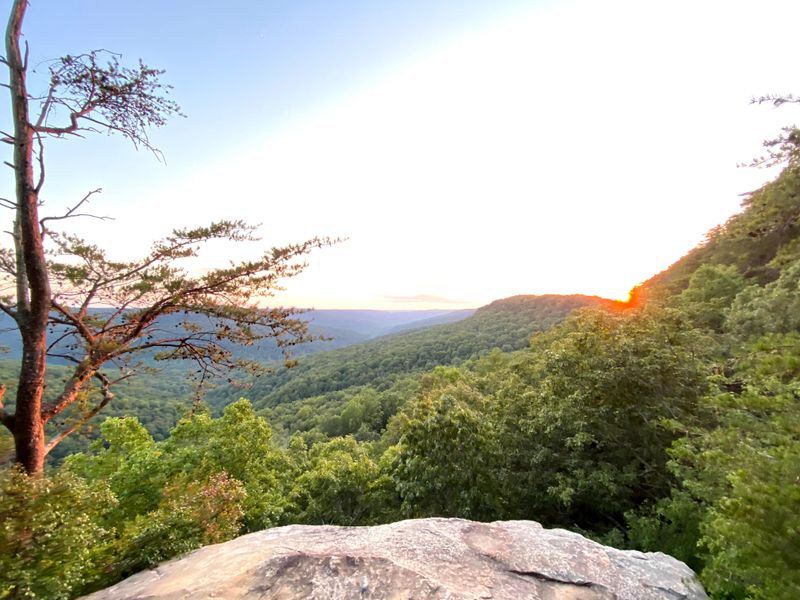
Leave a little time for Welch Overlook. The spur leads to a wide view over layered ridges and green valleys.
It is a perfect place to snack and breathe.
Other short side options include creek access points and angles on smaller falls. Each detour adds character to the day without massive mileage.
Just watch your turnaround time.
Whether backpacking or day hiking, side trips make the loop feel bigger than the map suggests. They also spread out crowds and offer quiet minutes between highlights.



