
For years, Texas was the undisputed king of relocation, drawing millions of Americans chasing opportunity, affordability, and wide-open space. But 2026 migration data tells a different story.
New movers are spreading out across the country, from mountain towns to coastal cities, in search of lower costs, better jobs, and a lifestyle upgrade. Here are the 10 states pulling in the most new residents right now, and what is actually driving people to pack up and go.
1. Idaho
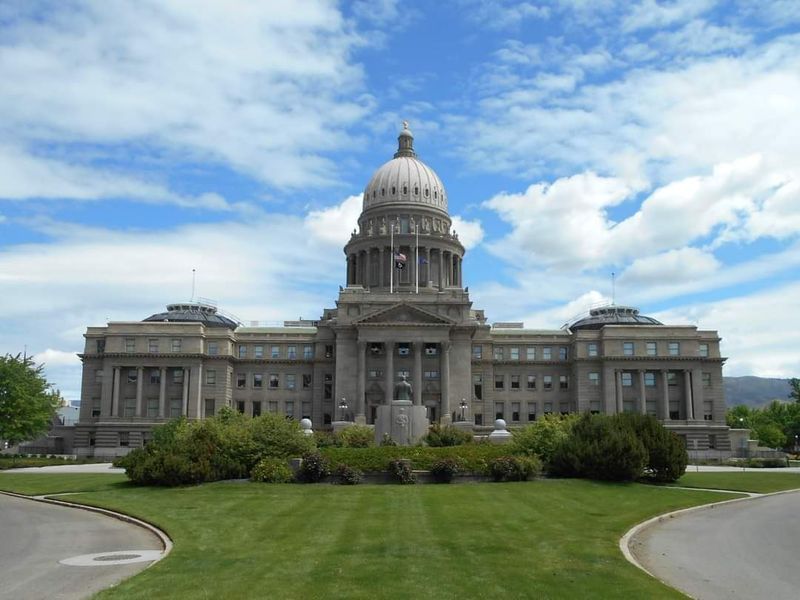
Idaho just quietly stole the crown. According to 2026 moving reports, Idaho now ranks number one in inbound move ratios, meaning more people are arriving than leaving by a significant margin.
That is a remarkable shift for a state most people once associated only with potatoes.
So what is the draw? Lower population density plays a huge role.
People burned out on crowded cities are finding Idaho refreshing, uncrowded, and surprisingly livable. Outdoor enthusiasts absolutely love it here, with hiking, skiing, and river activities practically outside the front door.
Boise has evolved into a real city with a solid job market, good restaurants, and a growing tech scene. Housing is still more affordable than coastal states, though prices have climbed with demand.
Idaho is not a hidden gem anymore, but it still delivers what people are desperately searching for: space, nature, and room to breathe.
2. North Carolina
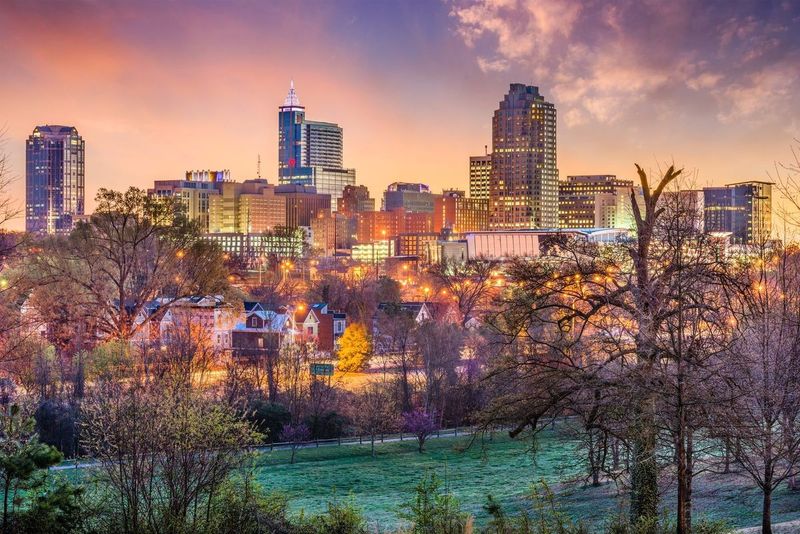
Ask anyone who moved to Raleigh or Charlotte in the last two years and they will probably say the same thing: they had no idea North Carolina was this good. The state has quietly built one of the most balanced lifestyles in the entire country, mixing affordable housing with a genuinely strong economy.
Tech and finance companies have been planting roots here for years. Research Triangle Park near Raleigh is a powerhouse employment hub, drawing workers who used to commute in San Francisco or New York.
Charlotte, meanwhile, has become a serious banking and finance center with a skyline to match.
The climate is mild enough to enjoy four real seasons without brutal winters. Cost of living sits comfortably below the national average in most areas.
Add in good schools and a friendly culture, and North Carolina starts looking less like a compromise and more like a smart upgrade.
3. South Carolina
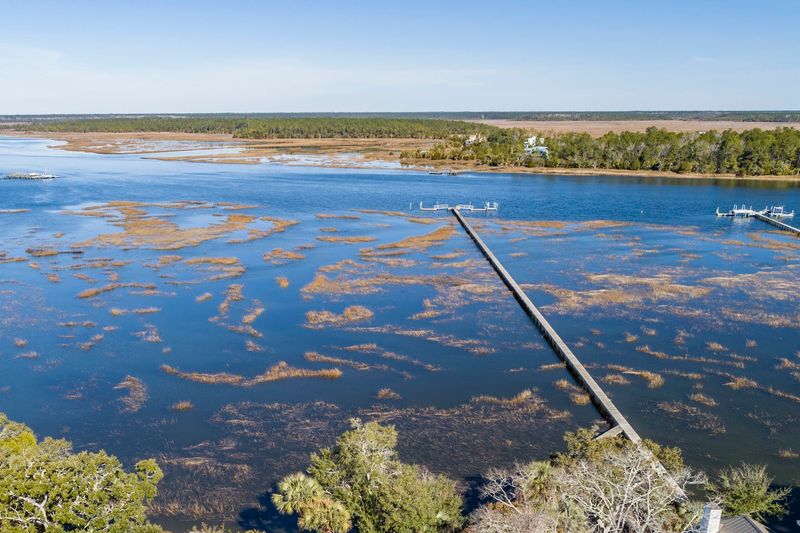
Charleston has a way of making people forget they were ever considering anywhere else. South Carolina offers coastal living, historic charm, and a price tag that Florida simply cannot match right now.
That combination is proving irresistible to relocating families and retirees alike.
Property taxes here rank among the lowest in the nation. New residents coming from the Northeast or California are practically doing double takes at home prices.
Greenville, located in the Upstate region, has emerged as a booming inland option with a revitalized downtown and growing manufacturing jobs.
The lifestyle is relaxed but not stagnant. South Carolina has invested in infrastructure, healthcare, and education over the past decade.
Summers are hot and humid, so that is worth knowing upfront, but mild winters more than compensate. For people who want a coastal lifestyle without financial stress, South Carolina is currently one of the sharpest moves on the board.
4. Tennessee

No state income tax. Say that out loud and watch people start researching Nashville real estate immediately.
Tennessee has been riding a massive relocation wave, and the financial incentive is only part of the story. The state has personality, energy, and more going on than most people expect.
Nashville is the obvious magnet, drawing musicians, entrepreneurs, healthcare workers, and remote professionals all at once. The city has expanded rapidly, with new neighborhoods, restaurants, and employers arriving every year.
Memphis offers a grittier, more affordable alternative with its own rich cultural identity.
Smaller cities like Knoxville and Chattanooga have also caught relocation attention, offering outdoor access, low costs, and genuine community feel. Tennessee sits in a geographic sweet spot, close to major metro areas but far enough to feel like an escape.
People moving here are not just chasing a tax break. They are finding a lifestyle that actually sticks.
5. Arkansas

Arkansas keeps showing up in migration data, and a lot of people are still surprised by that. It is one of the most affordable states in the entire country, and in 2025 and 2026, that affordability has become a serious competitive advantage as costs rise nearly everywhere else.
The Ozark region alone is worth the move for outdoor lovers. Crystal clear rivers, mountain biking trails, and a genuinely peaceful pace of life have attracted remote workers who realized they no longer need to pay big-city rent to do their jobs.
Bentonville has become a surprisingly hip small city, fueled by Walmart headquarters and a world-class cycling and arts scene.
Housing prices remain low compared to national averages, and the state has been actively investing in broadband and economic development. Arkansas is not flashy, and that is actually the point.
For people tired of hype and high costs, it delivers something increasingly rare: genuine value.
6. Florida
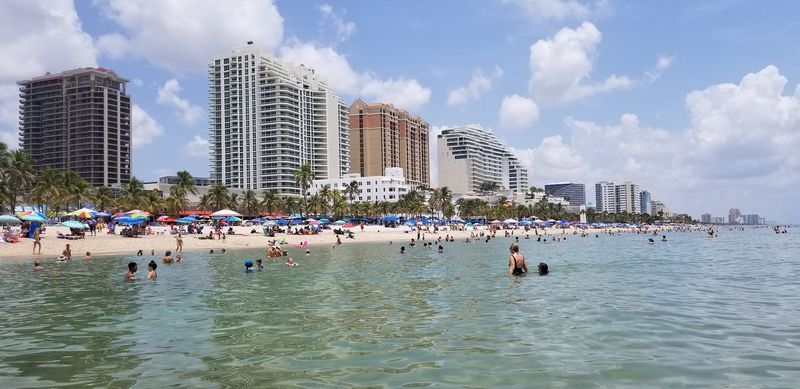
Florida is still pulling people in, just not quite at the same pace it was a few years ago. The sunshine, the zero income tax, and the year-round warmth remain powerful draws, but new challenges are slowing the rush.
Home insurance costs have skyrocketed, and housing prices in popular areas have climbed well beyond what many movers expected.
That said, Florida still ranks among the top states for total new residents in 2026. People are just being pickier about where they land.
Smaller cities like Ocala, Lakeland, and Cape Coral are absorbing newcomers who cannot afford Miami or Tampa anymore.
Retirees remain a dominant force in Florida migration, and the lifestyle perks are hard to argue with. Warm winters, beaches, and no state tax on retirement income make it hard to walk away.
Florida is not losing its appeal, it is just becoming a more calculated choice than it used to be.
7. Alabama
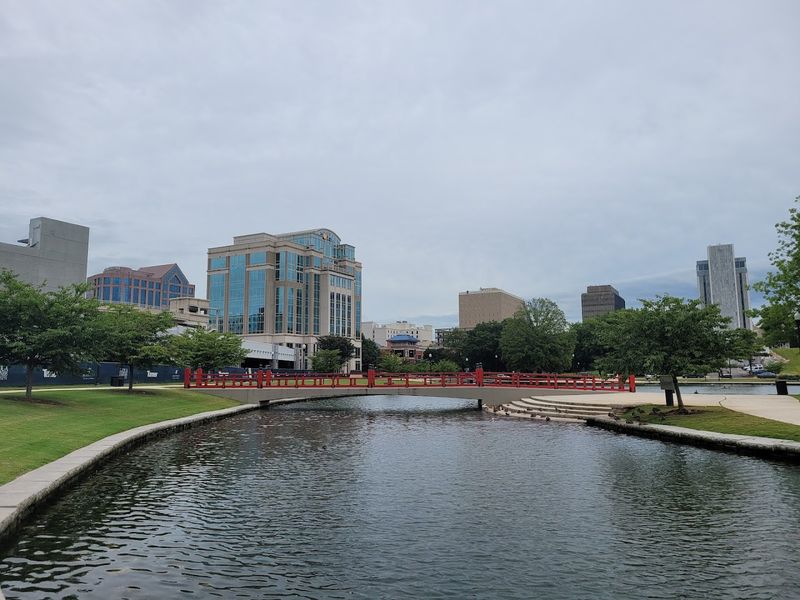
Alabama does not get the headlines, and honestly, current residents seem fine with that. The state offers one of the lowest costs of living in the country without the overcrowding that has started to affect more popular migration destinations.
People moving here are often pleasantly surprised by what they find.
Huntsville has emerged as a genuine tech and aerospace hub, drawing engineers, scientists, and defense contractors from across the country. NASA and major defense contractors have major presences there, giving the city a skilled workforce and an economy that punches well above its weight.
Birmingham has also been quietly reinventing itself with a growing food scene and healthcare sector.
Life moves at a slower pace in Alabama, and for many movers, that is exactly the appeal. Neighborhoods are uncrowded, traffic is manageable, and neighbors still wave from the porch.
For remote workers and retirees seeking quiet without sacrifice, Alabama is genuinely worth a serious look.
8. Montana

Remote work changed everything for Montana. Before laptops became the office, living in Big Sky Country was a romantic idea that most people could not afford to act on.
Now, with location-independent jobs, a growing number of Americans are making the move and not looking back.
The scenery is genuinely stunning in a way that photographs cannot fully capture. Glacier National Park, the Beartooth Highway, and miles of undeveloped wilderness give Montana a scale that feels almost unreal.
People moving here talk about a mental shift that happens within weeks of arrival, less stress, more presence, more connection to the outdoors.
Missoula and Bozeman have grown significantly, bringing coffee shops, yoga studios, and coworking spaces alongside the ranches and rivers. Housing prices have risen sharply in those cities due to demand, so buyers need to move fast and plan carefully.
Montana rewards people who come prepared and stay flexible.
9. Maine
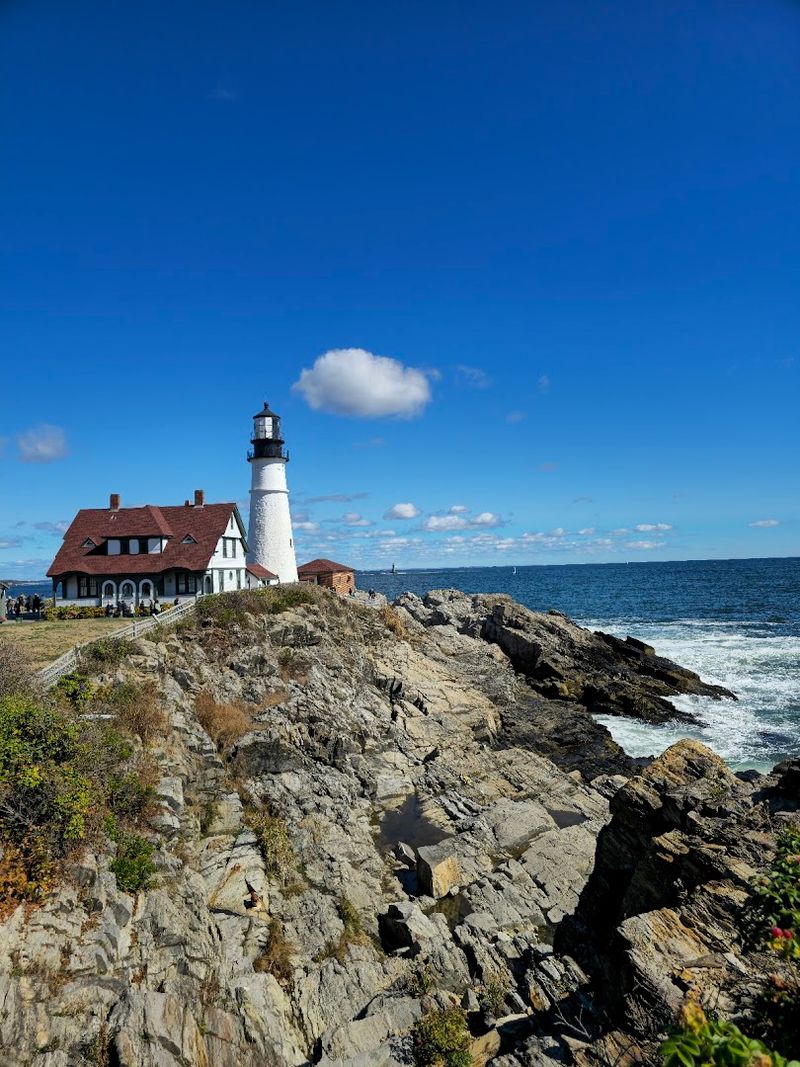
Maine used to be a place people visited for lobster and fall foliage, then went home. That is changing fast.
Remote workers have discovered that Maine offers something most states cannot replicate: genuine peace, extraordinary natural beauty, and a cost of living that still makes sense outside the major cities.
Portland, Maine has become a surprisingly vibrant food and arts destination, drawing younger residents who want culture without the chaos of a major metro. The city regularly appears on best-places-to-live lists, and its restaurant scene has earned national recognition.
Beyond Portland, small coastal and inland towns are seeing steady newcomer interest.
Winters are cold and long, so that is not a minor detail to overlook. But people who embrace the season find skiing, snowshoeing, and a cozy indoor culture that makes it worthwhile.
Maine is not for everyone, but for the right person, it feels like finding exactly the life they were looking for all along.
10. Texas
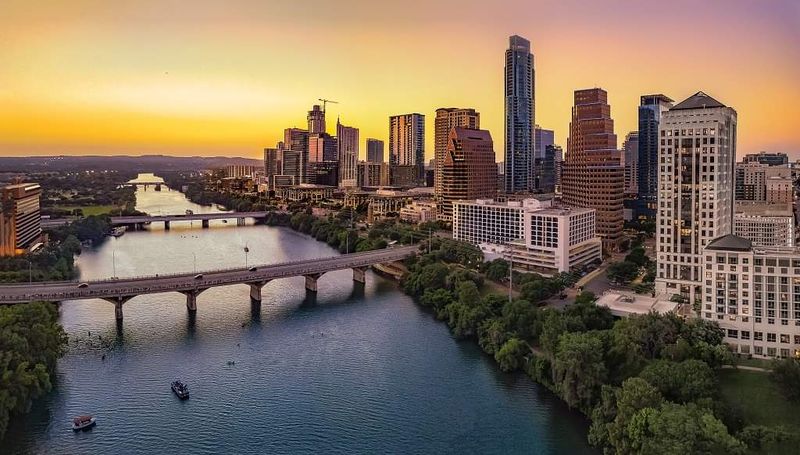
Yes, Texas is still on the list. Despite dropping in migration rankings to somewhere between 15th and 20th place in several 2026 reports, the Lone Star State continues to add more total new residents than almost anywhere else.
The sheer size of the state means even a slower growth rate translates to enormous numbers of actual people.
The job market remains one of the strongest in the country. Austin, Dallas, Houston, and San Antonio all maintain robust economies across tech, energy, healthcare, and finance.
No state income tax still matters, and Texas businesses continue to attract corporate relocations from higher-tax states.
What changed is the competition. States that once seemed like afterthoughts now offer comparable jobs and lower housing costs without the traffic and heat.
Texas has not fallen off, it just has real rivals now. For many movers, Texas is still the answer, just no longer the only one worth considering.
Share this story