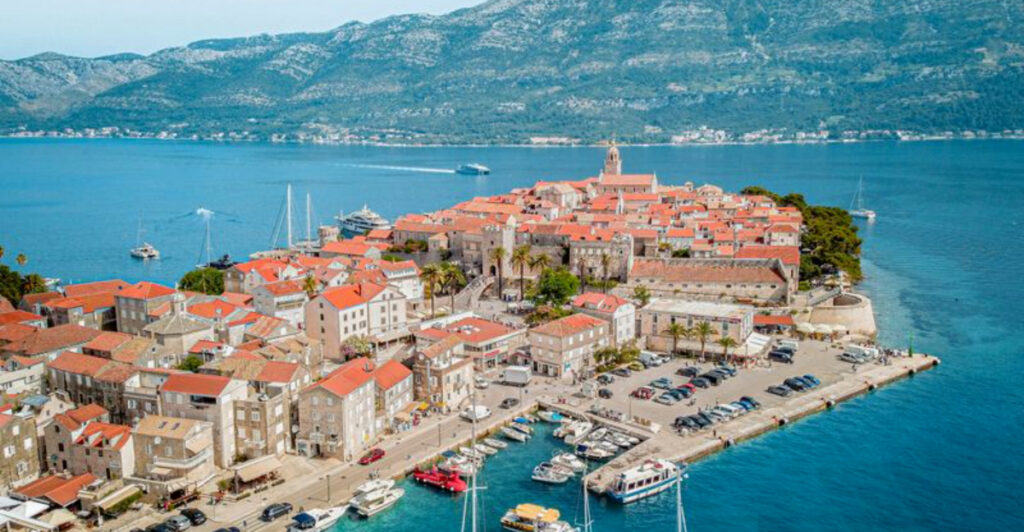
Europe’s islands offer some of the most breathtaking escapes on the planet, blending ancient history, stunning coastlines, and vibrant cultures. Whether you crave sun-soaked beaches, mountain hikes, or charming villages, these island gems deliver unforgettable experiences. Travel experts have spoken, and their top picks promise adventure, relaxation, and memories that will last a lifetime.
Páros, Greece
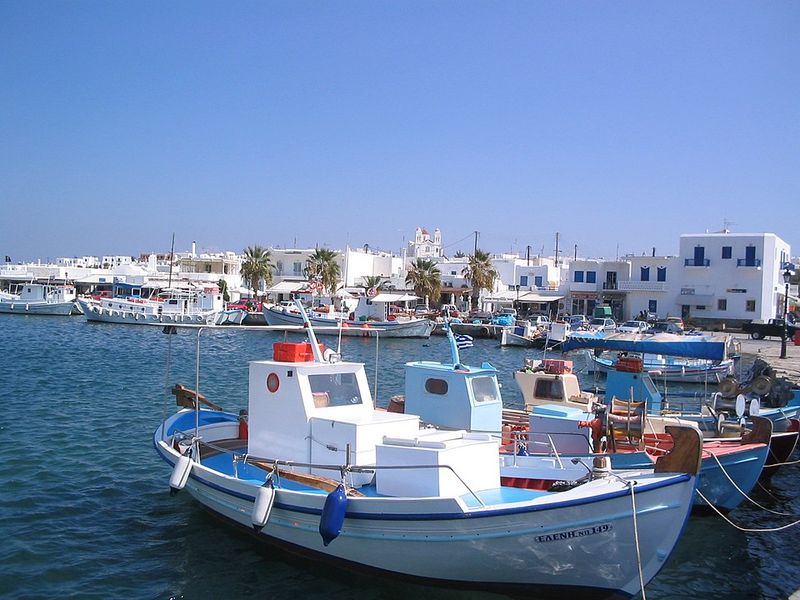
Crowned as the top European island in the 2025 Travel + Leisure World’s Best Awards, Páros captivates visitors with its perfect balance of tradition and beauty. Seafood lovers rejoice here, where tavernas serve the day’s catch beside whitewashed villages draped in bougainvillea. The island’s charm lies in its variety—you can wander cobbled lanes in Naoussa one morning and lounge on Golden Beach by afternoon.
Kolymbithres Beach offers unique granite formations that create natural pools, while renting an ATV unlocks secluded coves most tourists never find. Fresh octopus and grilled fish become nightly rituals.
Plan your visit between May and June or during September when the Aegean stays warm but the summer crowds have thinned. This timing gives you authentic island life without the August frenzy.
Ischia, Italy
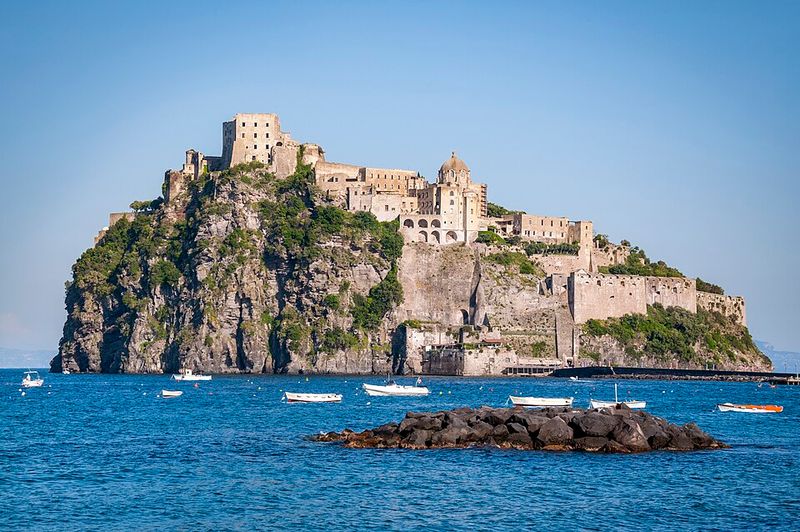
Volcanic energy pulses beneath Ischia’s surface, creating natural hot springs that have drawn wellness seekers for centuries. This Italian gem ranks high among travel experts for delivering relaxation without the tourist circus that plagues some Mediterranean spots. The Aragonese Castle rises dramatically from the sea, telling stories that span a thousand years.
Negombo and Poseidon Gardens transform thermal bathing into an art form, with multiple pools set among tropical gardens. Hiking Monte Epomeo rewards climbers with panoramic views across the Bay of Naples. Vineyards cascade down hillsides, producing wines enriched by mineral-rich volcanic soil.
Late spring through early fall brings ideal conditions, with gardens in full bloom and thermal waters at their most inviting. The island’s slower pace feels like a secret Italy forgot to commercialize.
Hvar & the Dalmatian Islands, Croatia
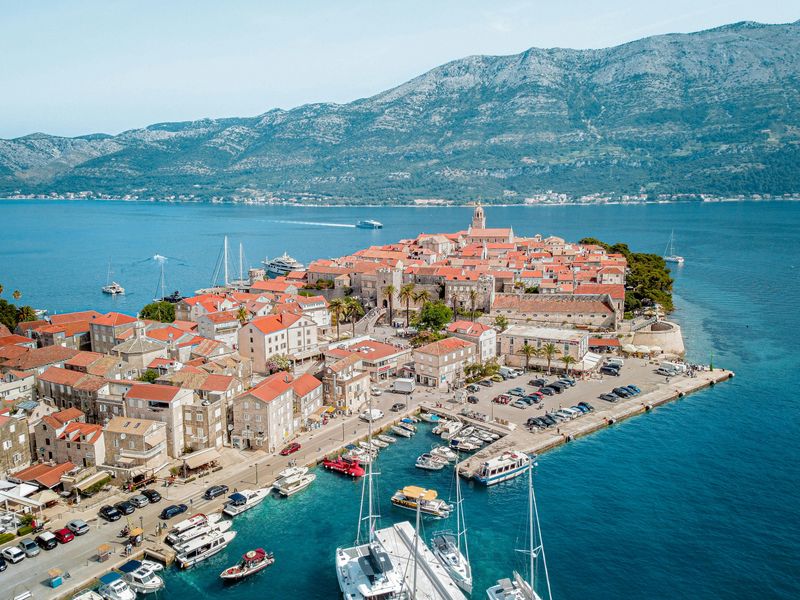
Lavender-scented breezes greet visitors to Hvar, where ancient stone streets lead to some of the Adriatic’s best nightlife. Reader polls consistently celebrate this Croatian paradise for blending cultural depth with natural beauty. The fortress climb through Hvar Town rewards you with sunset views that photographers dream about.
Day trips to the Pakleni Islands reveal hidden beaches accessible only by boat, where turquoise water rivals anything in the Caribbean. Venture to quieter neighbors like Vis or Korčula, and stone villages transport you back centuries. Cobbled lanes wind past family-owned konobas serving fresh seafood and local wine.
June through September delivers peak weather, though shoulder months offer charm without the crowds. Crystal-clear seas and historic towns create memories that linger long after you’ve left.
Madeira, Portugal
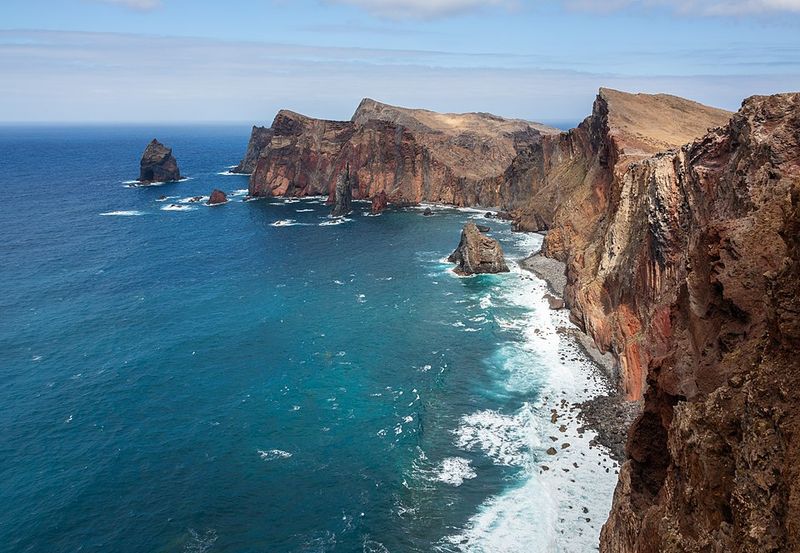
Nicknamed the “Pearl of the Atlantic,” Madeira rises from the ocean like a floating garden. Experts praise its year-round mild climate and dramatic landscapes that shift from coastal cliffs to interior canyons within minutes. Funchal serves as your base, where cable cars ascend to botanical gardens bursting with exotic blooms.
Levada trails—ancient irrigation channels—guide hikers through tunnels and waterfalls into Madeira’s misty heart. The island’s fortified wine carries centuries of tradition in every glass, best sampled in historic lodges. Mountain roads twist through villages where time moves differently.
April through June or early fall provides ideal hiking conditions without summer’s peak crowds. The island’s volcanic origins created microclimates, meaning sunshine often hides just around the next ridge. Nature lovers find paradise here, where green dominates every view.
Mallorca, Spain
Beyond its reputation as a party island, Mallorca reveals layers of sophistication and natural wonder. The Serra de Tramuntana mountains earned UNESCO World Heritage status for landscapes that have inspired artists for generations. Palma’s cathedral dominates the skyline, a Gothic masterpiece reflecting in the harbor.
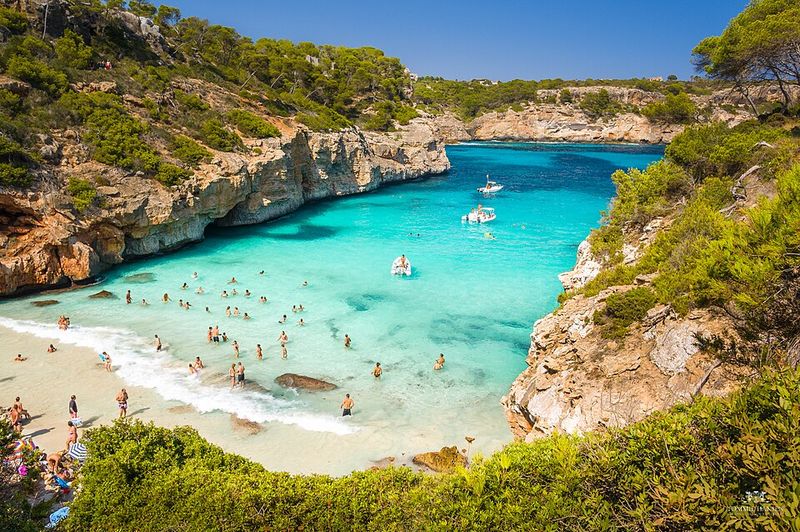
Driving to Sa Calobra tests your nerve with hairpin turns but rewards with jaw-dropping coastal views. The village of Deià clings to hillsides where olive groves meet the sea. Hidden coves dot the coastline, many reachable only by foot or boat, offering private slices of Mediterranean bliss.
May through June or September brings warm seas without July’s tourist avalanche. Golden beaches transition to mountain villages within a short drive, giving you multiple islands in one experience.
Crete, Greece
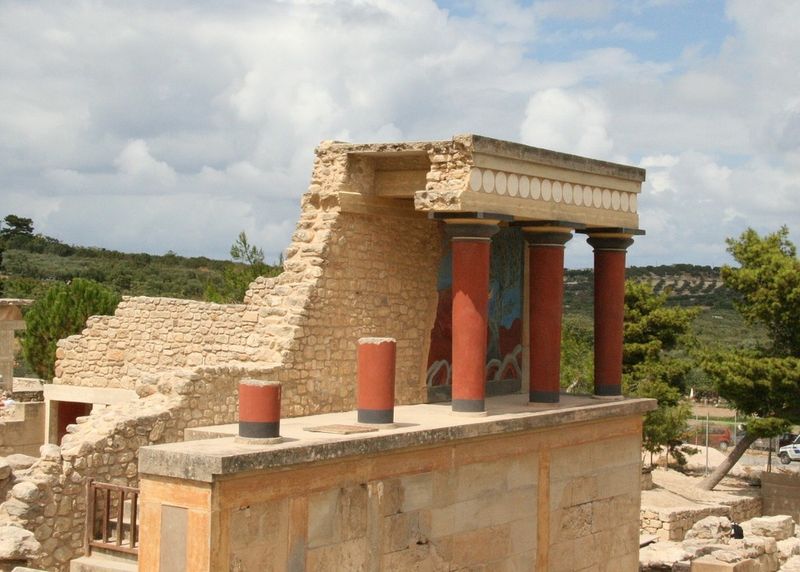
Europe’s southernmost point offers more than beaches—Crete delivers a crash course in civilization itself. Minoan palaces at Knossos predate classical Greece, their frescoes still vibrant after millennia. Heraklion’s archaeological museum ranks among the world’s finest, telling stories that shaped Western culture.
Samaria Gorge challenges hikers with a 16-kilometer descent through towering rock walls, while Elafonissi Beach dazzles with pink-tinged sand. Cretan cuisine stands apart from mainland Greek food, featuring wild greens, mountain cheeses, and olive oil so fresh it tastes like liquid sunshine. Villages in the White Mountains preserve traditions unchanged for generations.
Visit during May, June, or September to avoid scorching heat and enjoy comfortable exploration. The island’s size means you’ll need time—Crete rewards those who linger.
Milos, Greece
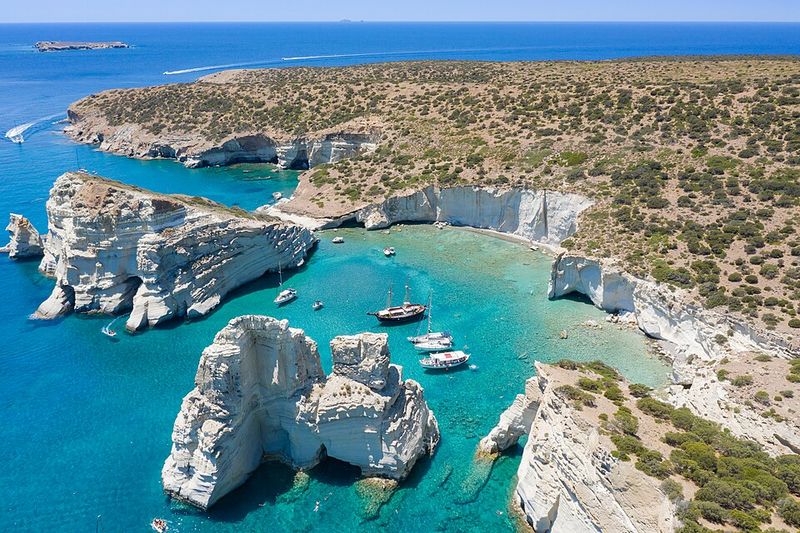
Volcanic forces sculpted Milos into something otherworldly, creating beaches that don’t look quite real. Sarakiniko’s white rock formations resemble a lunar surface where the Aegean laps against smooth stone. This Cycladic gem flies under the radar compared to Santorini, which means you’ll share its wonders with fewer crowds.
Kleftiko’s sea caves demand a boat tour, where pirates once hid and turquoise water glows in hidden grottoes. Plaka village perches on a hilltop, its sunset views rivaling anywhere in Greece. Colorful fishing villages dot the coast, each with tavernas serving whatever the boats brought in that morning.
June through September offers calm seas essential for boat trips and photography-perfect light. Milos rewards explorers willing to venture beyond Greece’s more famous islands with quiet charm and dramatic beauty.
Azores, Portugal
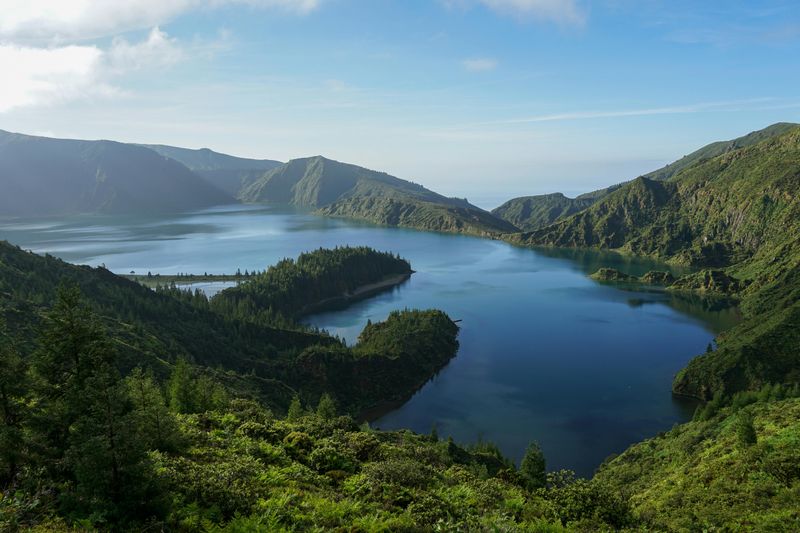
Nine volcanic islands rise from the Atlantic, so remote they feel like Europe’s best-kept secret. São Miguel captivates experts with crater lakes that shift between blue and green depending on the light. Furnas valley steams with geothermal activity, where locals cook cozido stew underground using volcanic heat.
Whale watching here ranks among the world’s best, with multiple species migrating past the islands year-round. Hot springs hidden in forests offer natural bathing experiences far from any resort. Tea plantations—Europe’s only ones—cascade down hillsides in neat green rows.
May through September provides the most stable weather, though Atlantic conditions can shift quickly. Hiking trails cross volcanic landscapes where hydrangeas bloom in explosions of blue and purple. The Azores deliver adventure for those seeking nature in its rawest form.
Sardinia, Italy
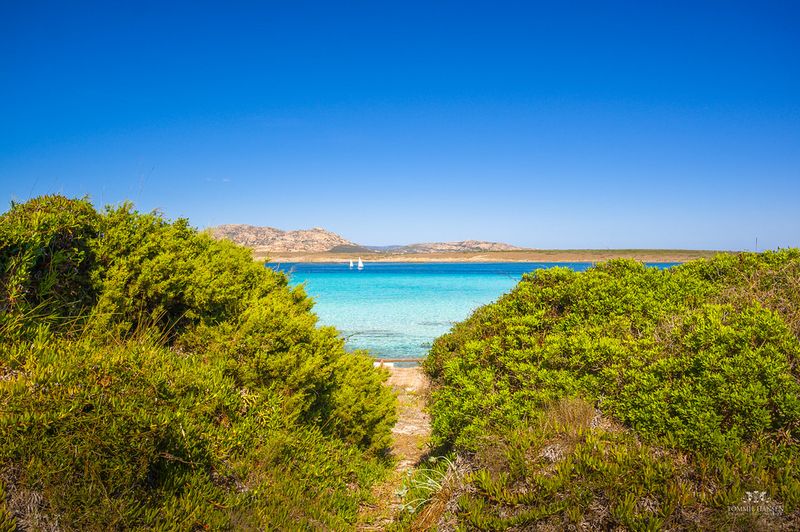
Sardinia’s beaches compete with tropical destinations, their turquoise clarity making you question if you’re still in Europe. Costa Smeralda draws the yacht crowd, but venture inland to Barbagia and you’ll discover a culture fiercely distinct from mainland Italy. Stone towers called nuraghe dot the landscape, Bronze Age mysteries still puzzling archaeologists.
La Pelosa Beach near Stintino photographs like a Caribbean postcard, while the rugged interior preserves traditions of shepherding and cheese-making. Porceddu—roast suckling pig—and pecorino cheese taste like nowhere else. Coastal roads wind past cove after cove, each more tempting than the last.
June through September suits beach lovers, while spring or early autumn brings comfortable temperatures for exploring villages and hiking. Sardinia’s size means diverse experiences await around every bend.
Corsica, France
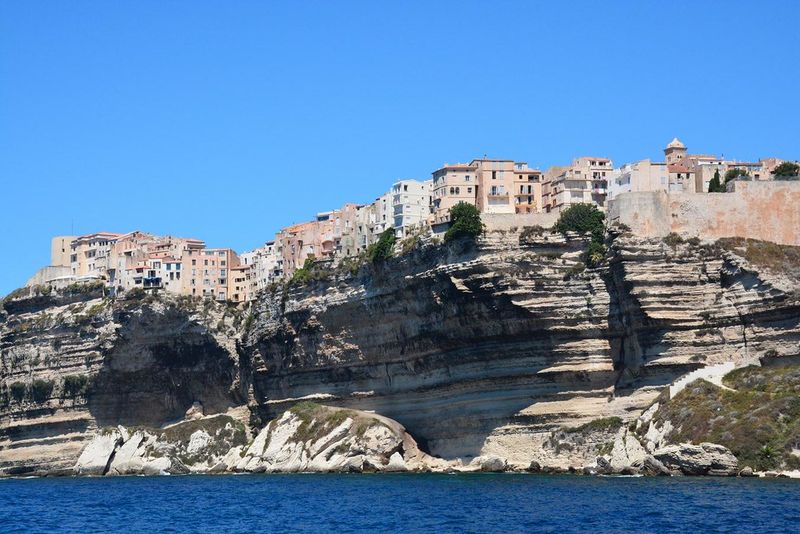
Nicknamed “Island of Beauty,” Corsica earns its title through sheer diversity—mountains, forests, and coastline compressed into one spectacular package. The GR20 trail challenges serious hikers with Europe’s toughest long-distance route, crossing granite peaks and deep valleys. Bonifacio’s cliffs drop dramatically into the sea, its medieval citadel perched on limestone edges that seem to defy gravity.
Coastal roads reveal hidden beaches accessible only to those willing to hike or boat in. Corsican cuisine blends French technique with Italian soul, featuring chestnut flour, wild boar, and local wines that reflect the island’s fierce independence.
Late spring through early fall offers optimal conditions—spring brings wildflowers carpeting the hills, while autumn delivers quieter shores and perfect hiking weather. Corsica demands exploration beyond the beaches to truly understand its magic.
Share this story