When it comes to coffee, the biggest consumers aren’t always the largest countries—they’re the ones where coffee is woven into everyday life. Experts measure this using per-capita consumption, which shows how much coffee each person drinks on average.
Recent global data shows that Northern and Western Europe dominate coffee culture, with several countries consuming multiple cups per person daily. From Nordic traditions to café-heavy cultures, these nations have turned coffee into a daily ritual.
Luxembourg
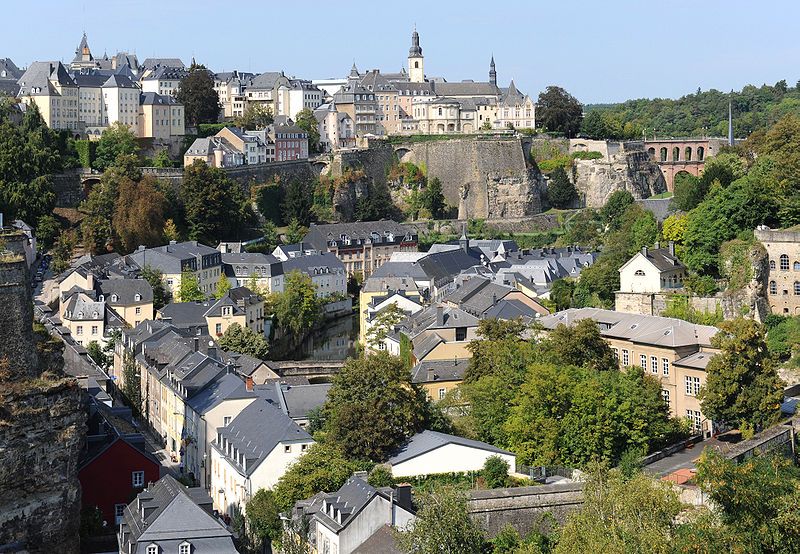
Tiny but mighty, Luxembourg quietly holds the title of the world’s top coffee-consuming country—clocking in at over five cups per person per day. That’s a staggering number for a nation smaller than Rhode Island.
Yet somehow, this little powerhouse keeps the espresso machines running at full speed.
A huge part of the story is Luxembourg’s massive cross-border workforce. Hundreds of thousands of commuters pour in from France, Belgium, and Germany every single day, grabbing coffee along the way.
Their consumption gets counted in Luxembourg’s numbers, which definitely inflates the stats a bit.
Still, you can’t pin it all on the commuters. Luxembourg has a genuinely strong café culture, fueled by high incomes and a love of good living.
Specialty coffee shops and cozy neighborhood cafés are easy to find across the country. Locals take their coffee seriously, pairing it with pastries or simply savoring a quiet moment before the workday kicks off.
Whether it’s a quick espresso at the counter or a long afternoon cappuccino, coffee here isn’t just a habit—it’s a lifestyle choice that reflects the country’s cosmopolitan, high-quality-of-life identity.
Finland
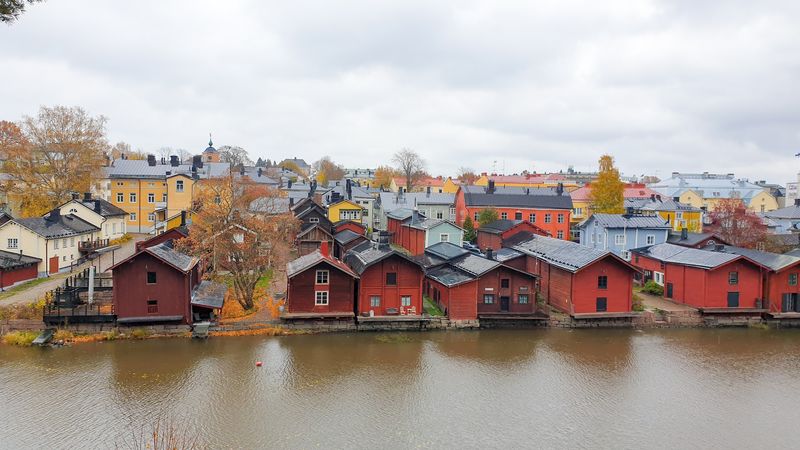
Finns don’t mess around when it comes to coffee. With around 12 kilograms consumed per person each year, Finland has held the crown as one of the world’s most coffee-obsessed nations for decades.
That works out to roughly four or five cups a day for the average adult—before lunch.
Coffee culture in Finland is deeply practical. It’s not about fancy lattes or Instagram-worthy latte art; it’s about strong, simple, black filter coffee that gets you through long winters and even longer workdays.
Light roasts are surprisingly popular here, which might shock espresso lovers from southern Europe.
There’s also a social dimension that makes Finnish coffee unique. “Kahvitauko,” or coffee break, is practically a protected institution in Finnish workplaces. Skipping it would be considered almost rude.
Coffee is shared at funerals, weddings, and everything in between—it’s the social glue of Finnish life. Even the Finnish church has been known to serve coffee after services.
When a culture builds coffee breaks into its legal working conditions and religious gatherings, you know you’re dealing with a nation that takes its brew very, very seriously.
Sweden
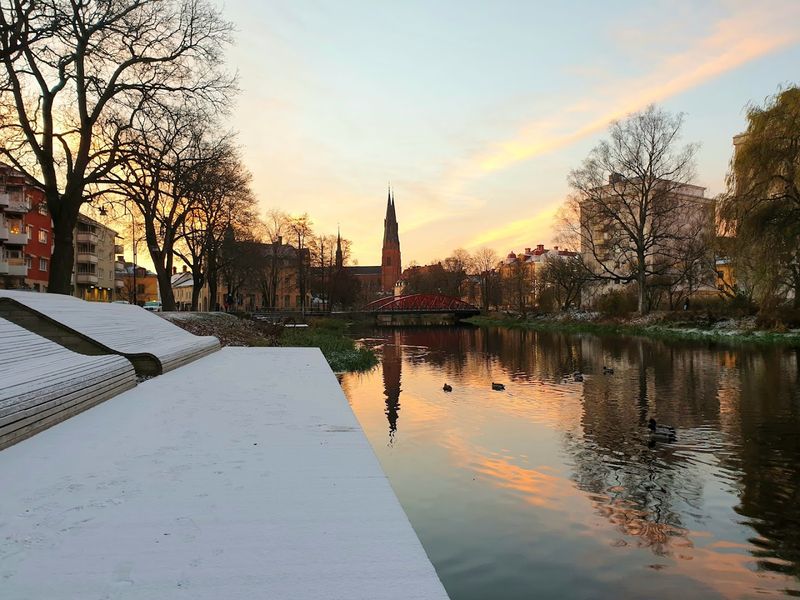
Sweden gave the world a beautiful word: “fika.” It means taking a deliberate break to enjoy coffee and a pastry—and it happens at least twice a day for most Swedes. It’s not just a coffee break; it’s a cultural institution that companies, schools, and families all take part in.
Swedes consume roughly 8 to 9 kilograms of coffee per person annually, placing them consistently among the top coffee nations on Earth. Filter coffee remains king, though specialty coffee shops have exploded in cities like Stockholm and Gothenburg over the past decade.
Swedish baristas are now winning international competitions, proving the country’s coffee game has seriously leveled up.
What makes fika so powerful is its emphasis on slowing down. In a fast-paced world, Swedes have built a cultural rule that says: stop, sit, and share something warm with someone.
That philosophy keeps coffee consumption high not because people are chugging it mindlessly, but because every cup carries meaning. Whether it’s a quick office fika at 10 a.m. or a relaxed weekend ritual with homemade cardamom buns, Sweden’s coffee culture is as warm and inviting as the drink itself.
Norway
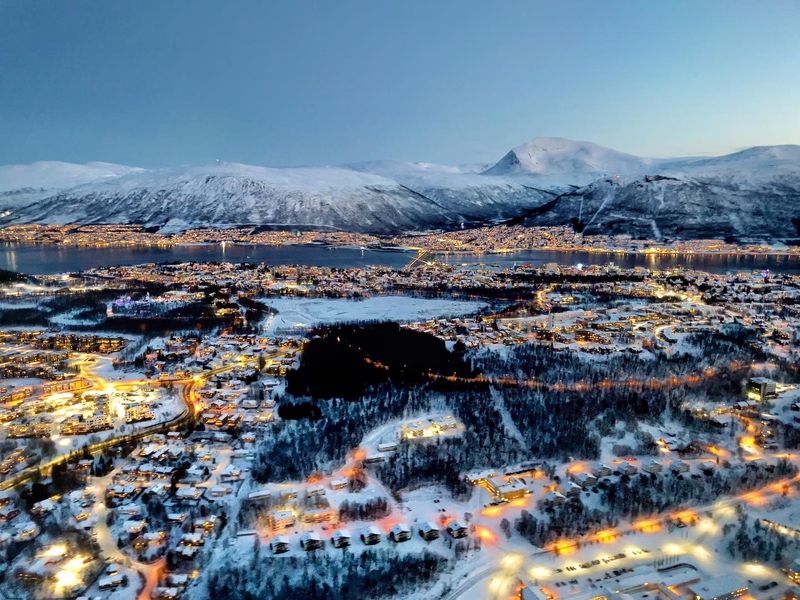
Norway consumes around 9 to 10 kilograms of coffee per person each year, and honestly, given the weather, nobody can blame them. When temperatures regularly dip well below freezing and the sun barely shows up for months at a time, a hot cup of coffee isn’t just comforting—it’s practically survival gear.
Norwegian coffee culture leans heavily toward filter coffee, often brewed strong and drunk black. There’s no fuss, no frills—just good, honest coffee.
However, Norway also has a thriving specialty coffee scene, with Oslo earning a reputation as one of Europe’s top cities for third-wave coffee. Roasters like Tim Wendelboe have put Norwegian coffee on the global map.
Coffee in Norway bridges generations. Grandparents brew it on the stovetop; young professionals hunt down single-origin pour-overs at hip urban cafés.
It shows up at every social occasion—from casual visits to formal gatherings. Norwegians also tend to drink coffee later in the day compared to other nations, often enjoying a cup after dinner without any concern about sleep.
That relaxed relationship with caffeine says a lot about how deeply embedded coffee is in the Norwegian way of life.
Denmark
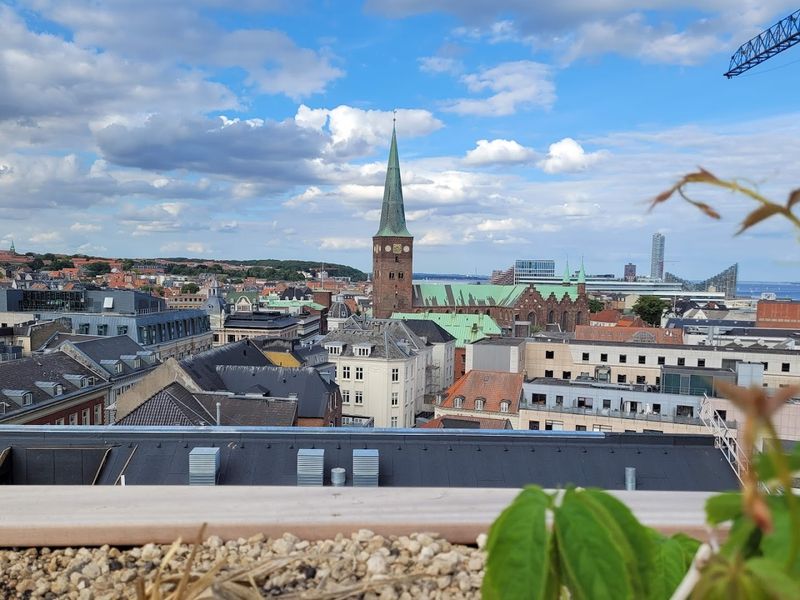
“Hygge” is Denmark’s gift to the world—a concept built around coziness, warmth, and togetherness. And at the center of nearly every hygge moment?
A steaming cup of coffee. It’s almost impossible to separate the two in Danish culture.
Denmark consumes around 8 kilograms of coffee per person annually. Filter coffee has long dominated, but the specialty coffee movement has taken hold in Copenhagen, which now boasts some of Europe’s most respected roasters and cafés.
The city’s coffee scene is quietly world-class, drawing enthusiasts from across the continent.
What makes Danish coffee culture stand out is how effortlessly it blends into daily life. It’s not performative or trendy—it’s just there, as natural as breathing.
Morning coffee is sacred. Afternoon coffee with a friend is expected.
Evening coffee by candlelight is peak hygge. Danes don’t need a special occasion to brew a pot; any quiet moment qualifies.
The result is a population that drinks coffee consistently, joyfully, and without apology. There’s something genuinely lovely about a culture that has built its entire concept of happiness around the simple act of sitting down with a warm drink and good company.
Switzerland
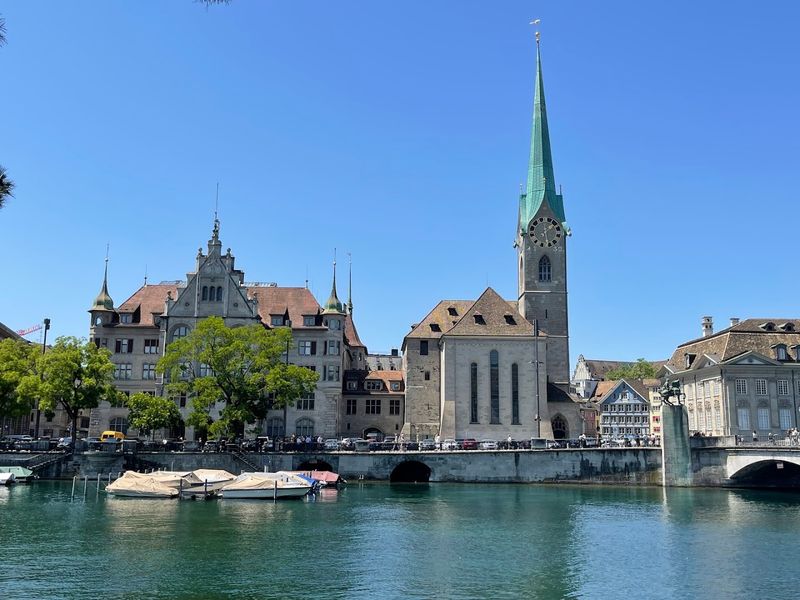
Switzerland is famous for chocolate and watches, but its coffee culture deserves equal billing. Nestled between Italy, France, and Germany, Switzerland has absorbed coffee influences from all three neighbors—and the result is a wonderfully diverse coffee scene that suits every kind of drinker.
Per-capita consumption sits at around 7 to 8 kilograms annually. Espresso-style drinks dominate in the Italian-speaking south, while filter and French press styles are more common in German and French-speaking regions.
This regional variety makes Swiss coffee culture genuinely fascinating to explore. Nespresso, one of the most recognizable coffee brands on the planet, was invented in Switzerland—which feels very on-brand for a country obsessed with precision and quality.
Swiss cafés tend to be elegant and unhurried. Sitting down for a coffee here isn’t a five-minute transaction; it’s a proper pause in the day.
Business meetings often start with coffee, social visits revolve around it, and hotel breakfasts take it very seriously. The Swiss also spend more per capita on coffee than almost any other nation, reflecting both their high incomes and their genuine appreciation for quality.
In Switzerland, a good cup of coffee is simply part of living well.
Netherlands
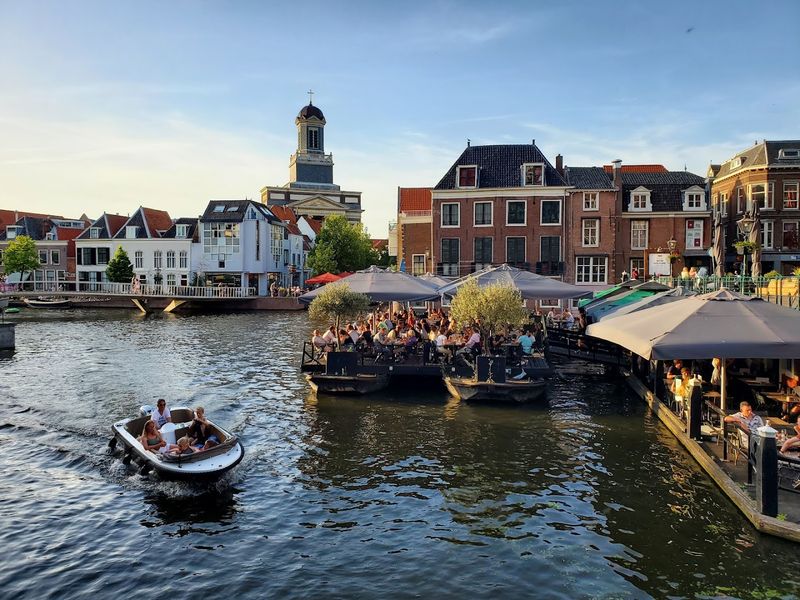
The Dutch have been serious about coffee since the 1600s, when they were among the first Europeans to commercially cultivate and trade coffee beans. That’s over four centuries of coffee enthusiasm—and it shows.
The Netherlands consistently ranks among the world’s top coffee-consuming nations, with around 8 kilograms per person per year.
Dutch coffee culture is notably home-focused. Unlike southern European countries where café culture dominates, many Dutch people brew their coffee at home and drink it throughout the workday.
A cup of coffee offered to a guest is considered basic hospitality, and refusing one is mildly scandalous. Office coffee machines are well-stocked, and the afternoon coffee break is non-negotiable.
Amsterdam has also developed a strong specialty coffee scene in recent years, with independent roasters and third-wave cafés drawing coffee tourists from around Europe. Traditional “koffie verkeerd”—a Dutch-style latte—remains a beloved classic alongside modern espresso drinks.
Coffee in the Netherlands is rarely flashy or complicated; it’s reliable, consistent, and comforting. That steady, no-nonsense approach to coffee consumption might explain why the Dutch have maintained their top-tier ranking for so long.
Sometimes the most devoted coffee cultures are the quietest ones.
Germany
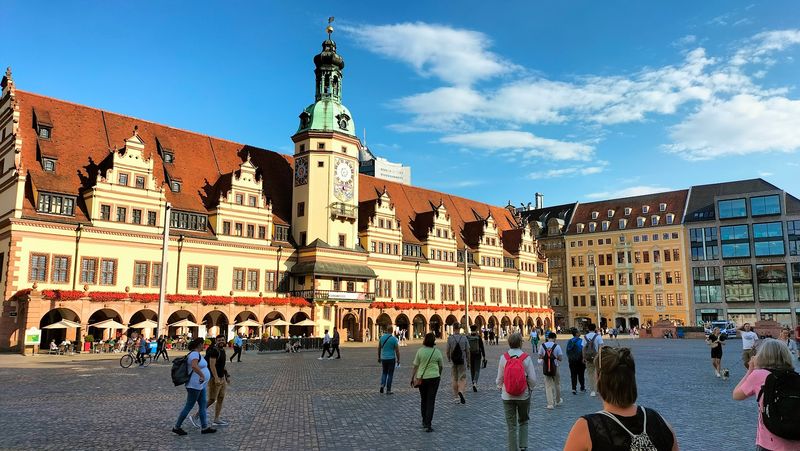
Germany drinks a lot of coffee—and with over 84 million people, even modest per-capita numbers translate into enormous total consumption. Coffee has been Germany’s most popular beverage for years, consistently beating out beer (which might surprise a few people).
Around 7 to 8 kilograms per person annually keeps Germany firmly in the global top ten.
Filter coffee is the traditional choice, brewed at home and consumed steadily throughout the day. But Germany’s café scene has evolved dramatically.
Berlin in particular has become a hub for specialty coffee, with world-class roasters and a generation of coffee-obsessed young professionals driving demand for higher-quality brews. The city’s café culture rivals any in Europe.
There’s also a rich tradition of “Kaffee und Kuchen”—coffee and cake—enjoyed on Sunday afternoons. This beloved ritual sees families gathering around the table for coffee paired with homemade or bakery-bought cakes, a tradition that dates back centuries.
It’s the German equivalent of British afternoon tea, and it’s very much alive today. Germany proves that you don’t need a single defining coffee philosophy to rank among the world’s biggest consumers—consistency, habit, and a genuine love of the drink are more than enough.
Greece
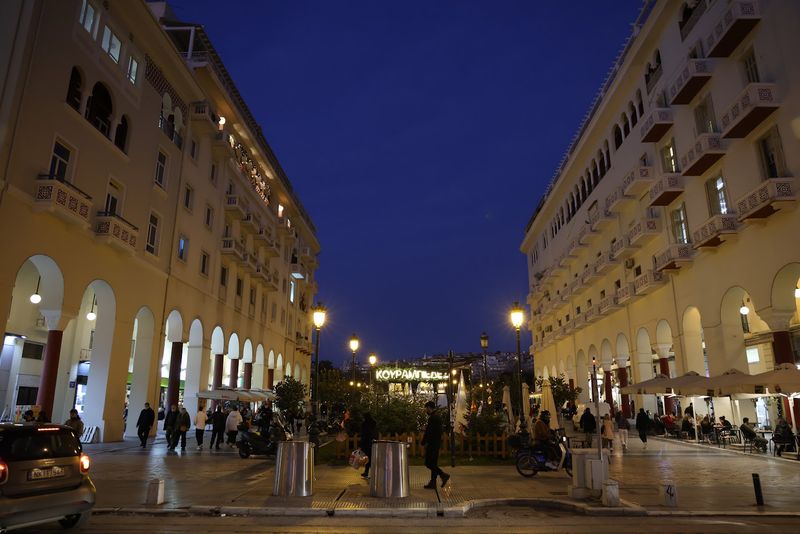
Greece takes a completely different approach to coffee than its northern European counterparts—and it’s all the more interesting for it. While Scandinavians gulp hot filter coffee to survive the cold, Greeks stretch a single iced coffee over several leisurely hours in a sun-drenched café.
The pace is different, but the passion is identical.
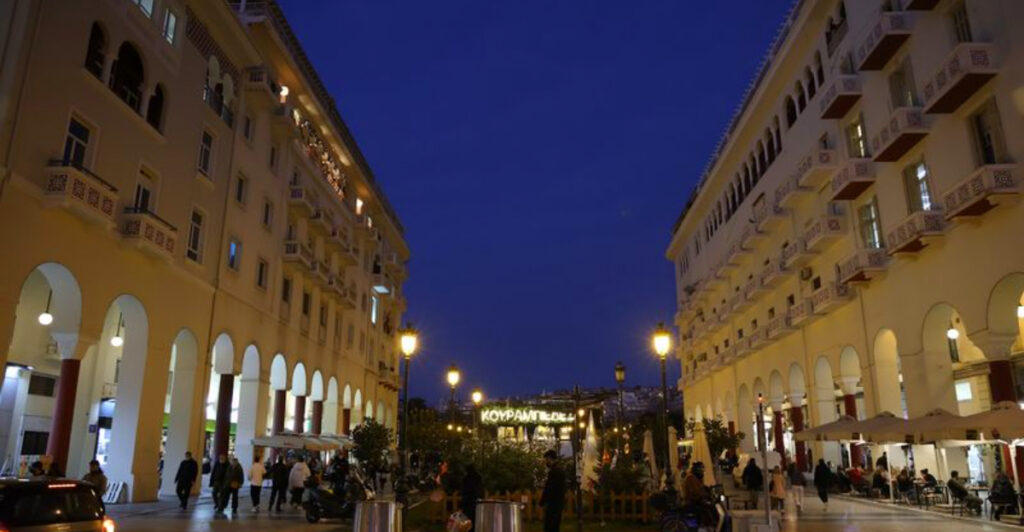
The frappé—a frothy, iced instant coffee drink invented in Thessaloniki in 1957—is basically a national symbol. Then came the freddo espresso and freddo cappuccino, cold espresso-based drinks that have taken over Greek café menus and inspired coffee trends across Europe.
Greece didn’t just adopt coffee culture; it innovated it.
Per-capita consumption in Greece sits around 5 to 6 kilograms annually, which is impressive given that much of it is consumed slowly over long social sessions rather than in rapid-fire morning routines. Greek cafés are social spaces first and coffee shops second.
Friends meet for a freddo and end up staying for two hours—nobody rushes, nobody judges. That relaxed, social approach to coffee drinking is something northern Europe could genuinely learn from.
In Greece, coffee isn’t fuel; it’s a reason to stop and connect with people you love.
Austria
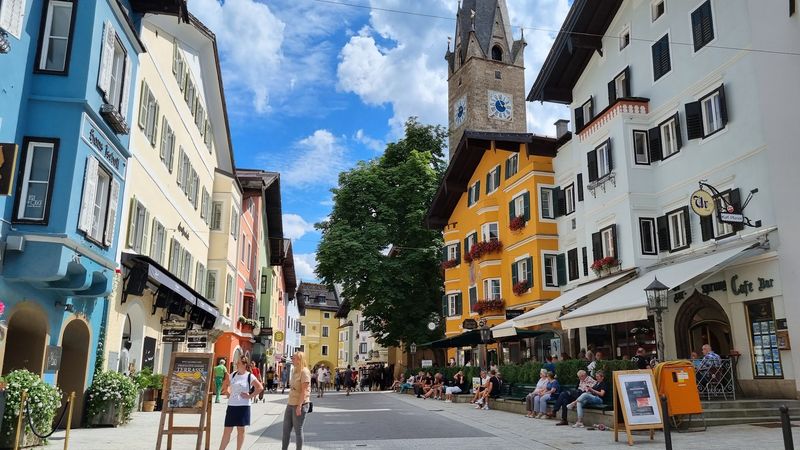
Walking into a traditional Viennese coffeehouse feels like stepping into a different century—and that’s entirely the point. Vienna’s coffeehouse culture is so historically significant that UNESCO added it to its list of Intangible Cultural Heritage.
These aren’t just places to drink coffee; they’re living monuments to intellectual and social life.
Austria’s coffee traditions are wonderfully specific. The “Melange”—a Viennese-style coffee with steamed milk—is as iconic as the city itself.
Then there’s the “Einspanner,” black coffee topped with whipped cream, and the “Verlängerter,” an Americano-style option for those who prefer a lighter touch. Ordering coffee in Vienna is practically an art form, with dozens of recognized varieties on most menus.
Per-capita consumption sits around 7 kilograms annually, supported by a culture where spending an entire afternoon in a café with a single coffee, a newspaper, and a slice of Sachertorte is not only acceptable—it’s celebrated. Austrian coffeehouses have historically been gathering places for writers, artists, and politicians.
Sigmund Freud was a regular. Today, that tradition of lingering, thinking, and conversing over coffee remains beautifully intact.
Austria doesn’t just drink coffee; it has built an entire civilization around the ritual of enjoying it slowly.
Share this story