 Unearth The Voyage
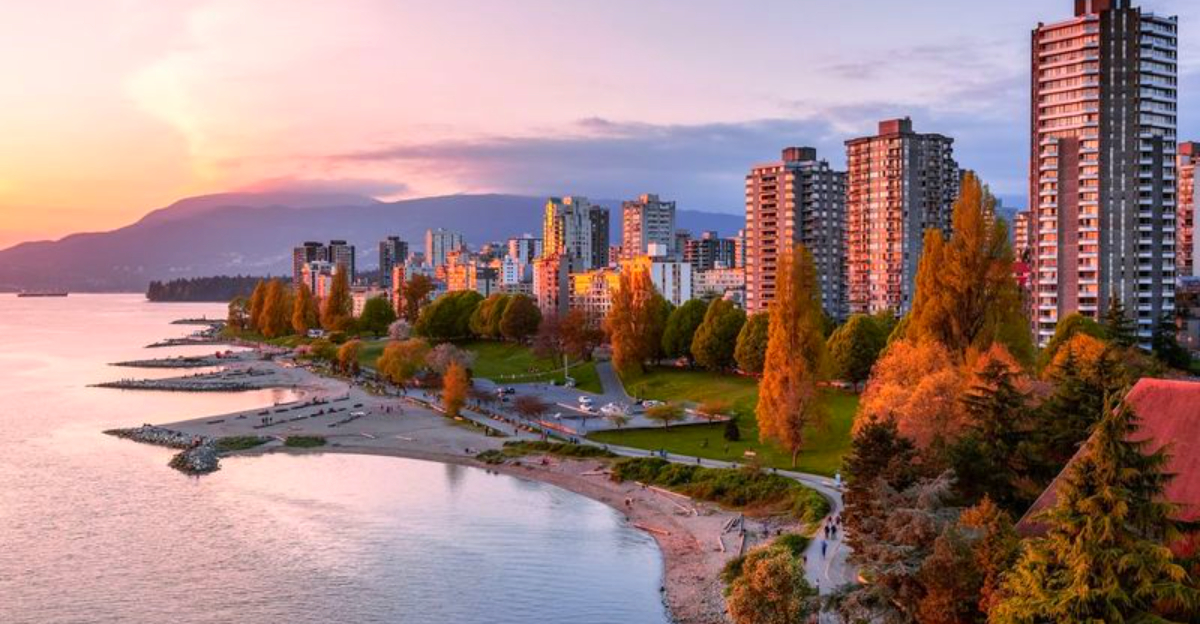
Every year, experts analyze cities across the globe to find those that offer the highest quality of life — balancing safety, healthcare, infrastructure, environment, culture, and education. The latest Global Liveability Index — widely regarded as one of the most authoritative rankings — shows a renewed top tier of cities where life is safest, healthiest, and most comfortable for residents and long-term visitors alike.
Here’s a closer look at the 10 most livable cities in the world in the newest ranking and what makes each one special.
Copenhagen, Denmark
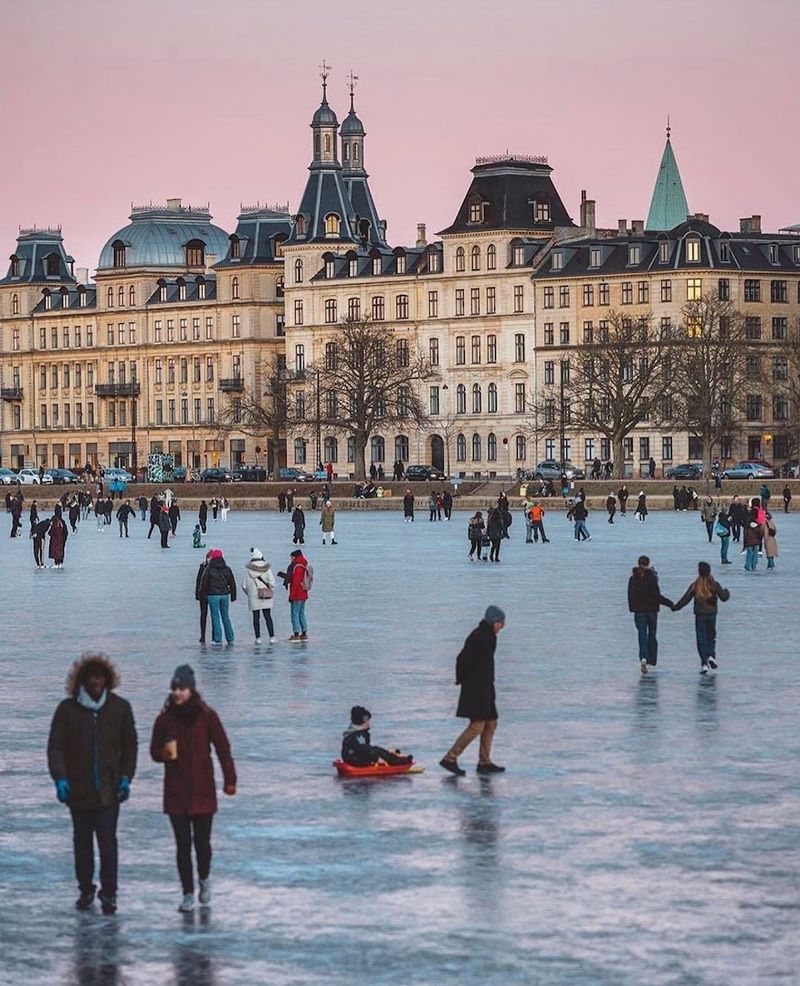
Ask a Copenhagener how they get to work, and there’s a good chance the answer is “by bike.” Copenhagen topped the latest Global Liveability Index with near-perfect scores across stability, healthcare, education, infrastructure, and culture — a sweep that very few cities have ever pulled off.
The city’s cycling infrastructure is legendary. Over 390 miles of dedicated bike lanes crisscross the city, making two wheels faster than four on most commutes.
Clean streets, punctual trains, and a healthcare system that leaves almost no one behind all contribute to a daily rhythm that feels genuinely good.
Copenhagen is also one of the world’s greenest capitals, with ambitious goals to become carbon-neutral. Local markets, world-renowned restaurants, and a buzzing arts scene add cultural richness to what is already an exceptionally well-run city.
For anyone wondering what a truly balanced urban life looks like, Copenhagen is the answer right now.
Vienna, Austria
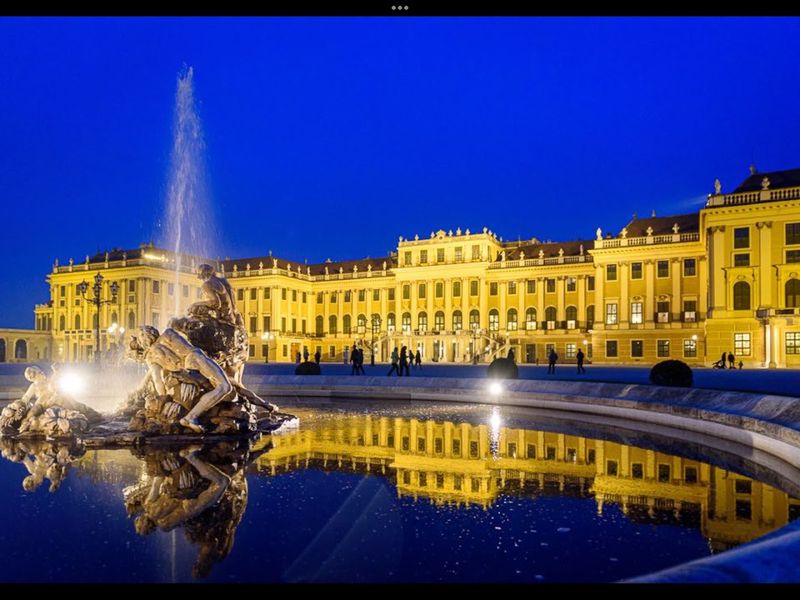
There’s a reason Vienna has spent years trading the top spot with other elite cities — this place simply refuses to slip. Grand coffee houses, sweeping baroque architecture, and one of the world’s most efficient public transit networks make everyday life feel almost cinematic here.
Vienna’s healthcare system is accessible and high-quality, meaning residents rarely have to worry about finding good medical care. The city’s parks — including the massive Prater with its famous giant Ferris wheel — give locals plenty of room to breathe, walk, and relax without ever leaving city limits.
Culture runs deep in Vienna’s DNA. From the Vienna Philharmonic to cutting-edge contemporary art galleries, there is always something to engage the curious mind.
Affordability, relative to the extraordinary quality of services on offer, keeps Vienna competitive even against newer rivals climbing the rankings. It is a city that somehow manages to feel both timeless and completely modern at the same time.
Zurich, Switzerland
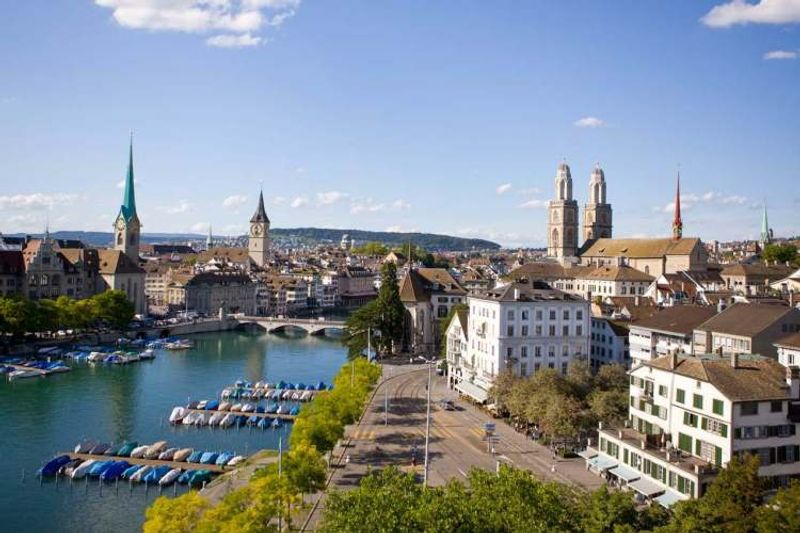
Switzerland’s largest city sits beside a glittering lake with the Alps visible on the horizon — and somehow, the infrastructure is even more impressive than the view. Zurich consistently earns top marks for public safety, healthcare quality, and an education system that produces some of Europe’s most skilled graduates.
Getting around Zurich is almost effortless. Trams, trains, and buses run with clockwork precision, covering nearly every corner of the city.
Residents joke that if a Zurich tram is two minutes late, something must be seriously wrong — and they are not entirely joking.
Work-life balance is taken seriously here. The city borders some of Switzerland’s best hiking and skiing terrain, meaning a weekend adventure in the Alps is genuinely just an hour away.
World-class restaurants, thriving neighborhoods, and a financial district that draws global talent all add layers to Zurich’s appeal. It is expensive — no sugarcoating that — but residents consistently say the quality of life justifies every franc spent.
Melbourne, Australia
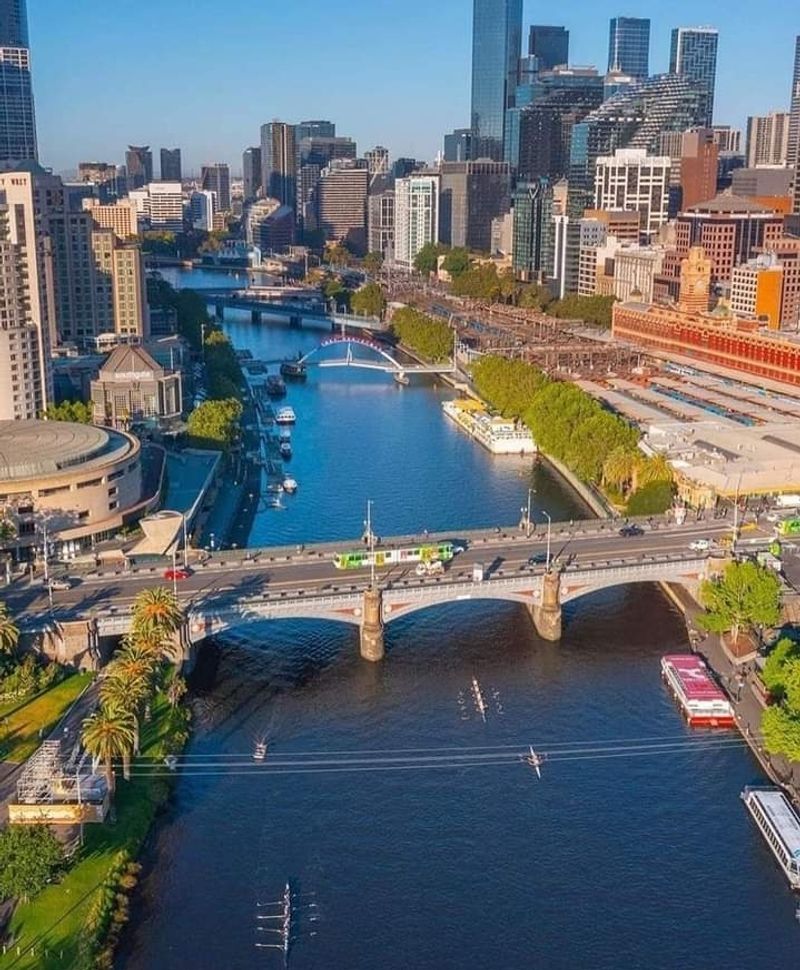
Walk down any laneway in Melbourne and you might stumble across a world-class coffee shop, a hidden art gallery, or a pop-up food market — sometimes all three on the same block. Melbourne has long been celebrated as Australia’s cultural capital, and its ranking near the top of global livability lists confirms that reputation with hard data.
Healthcare and education scores are outstanding here. The city is home to several of Australia’s top-ranked universities, and its public hospital network is among the best-resourced in the Southern Hemisphere.
Multicultural neighborhoods bring extraordinary food diversity, with cuisine from dozens of countries available within a short tram ride.
Green spaces are woven throughout the city, from the Royal Botanic Gardens to sprawling suburban parks that families genuinely use every weekend. Melbourne’s extensive tram network — the largest in the world outside of Europe — makes car-free living surprisingly easy.
Add a thriving live music scene and a sports culture that borders on religion, and Melbourne becomes one of those rare cities that has something real to offer almost everyone.
Geneva, Switzerland
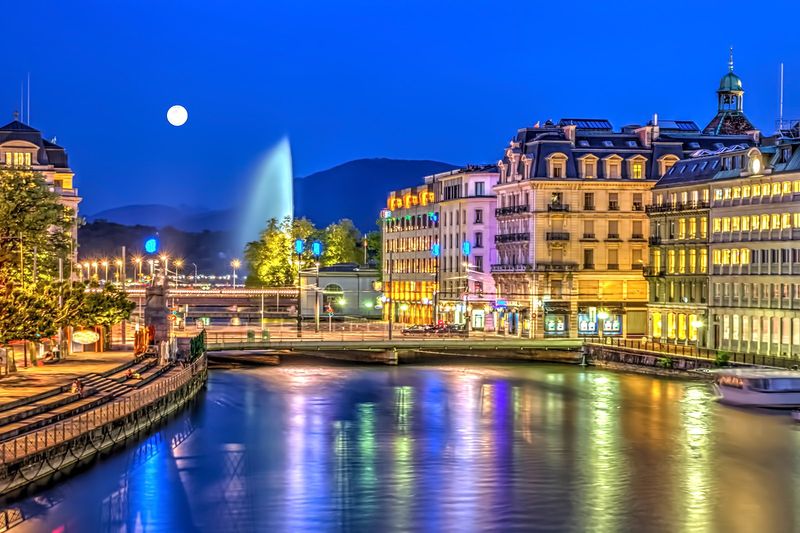
That famous jet of water shooting 140 meters into the air above Lake Geneva is a fitting symbol for this city — everything here reaches for exceptional. Geneva is home to the United Nations European headquarters, the Red Cross, and hundreds of international organizations, giving it a cosmopolitan energy unlike almost any other city its size.
Healthcare infrastructure here is world-class, and the clean environment consistently scores among the highest of any major city globally. The lake itself is pristine enough for swimming in summer, and Mont Blanc is visible on clear days, serving as a daily reminder that extraordinary nature is never far away.
Geneva’s multicultural makeup — with over 40 percent of residents holding foreign nationality — creates a social atmosphere that feels genuinely open and internationally minded. Career opportunities, particularly in diplomacy, finance, and global health, attract highly educated professionals from around the world.
The cost of living is undeniably high, but residents tend to measure that against services, safety, and scenery that are simply hard to match anywhere else on the planet.
Sydney, Australia
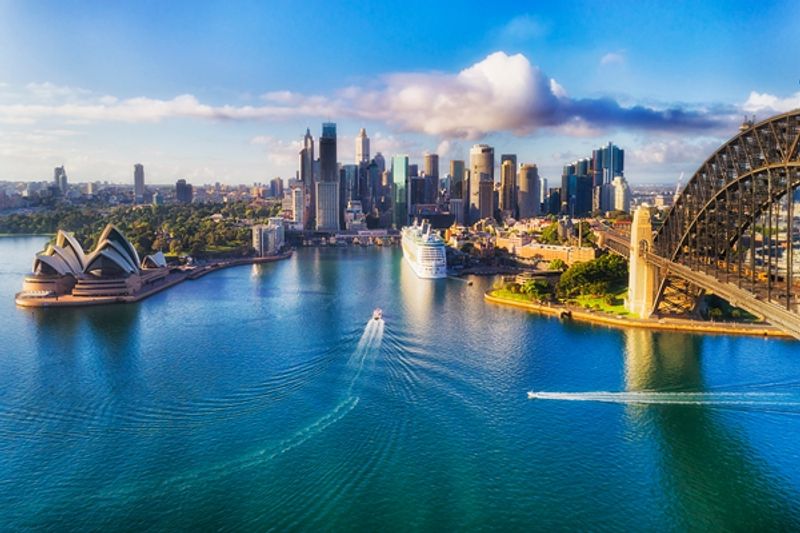
Few cities on Earth can claim a harbor as dramatic as Sydney’s — and fewer still can match the combination of natural beauty and urban quality that makes this city so consistently appealing. The Opera House and Harbour Bridge are not just tourist postcards; they are the backdrop to daily life for millions of lucky residents.
Sydney scores strongly in culture, environment, and education, three categories that directly shape how enjoyable everyday life actually feels. World-class beaches like Bondi and Manly are accessible by public transport, meaning a morning swim before work is a completely realistic lifestyle choice — not just a vacation fantasy.
The job market is robust, particularly in finance, tech, and healthcare, drawing skilled workers from across Australia and beyond. Public services are well-funded and generally reliable, and the city’s neighborhoods range from buzzing inner-city precincts to leafy suburbs perfect for raising a family.
Sydney is not the cheapest city on this list, but residents consistently rank their happiness and satisfaction among the highest of any major city globally, which tells its own story.
Osaka, Japan
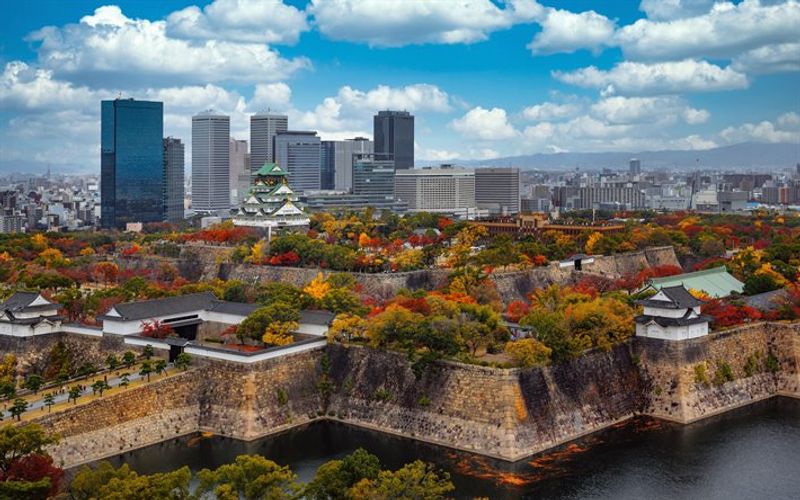
Locals in Osaka have a saying — “kuidaore” — which roughly translates to “eat until you drop.” Food culture here is not just a hobby; it is practically a civic identity. But Osaka’s appeal on the Global Liveability Index goes far deeper than its legendary street food scene.
Healthcare infrastructure in Osaka is exceptional, with modern hospitals, short wait times, and a system that handles both routine and complex medical needs with impressive efficiency. Public safety is extraordinary — Osaka consistently ranks among the safest large cities anywhere in the world, a fact that expats and long-term residents cite as one of the biggest quality-of-life benefits.
The transit network is a genuine marvel. Trains, subways, and buses connect every corner of the city with near-perfect reliability, making car ownership largely unnecessary.
Traditional temples and modern shopping districts exist side by side, creating a city that never feels boring. Economic stability and a strong job market in manufacturing, technology, and tourism round out a profile that makes Osaka one of Asia’s most complete and livable urban environments for families and professionals alike.
Auckland, New Zealand
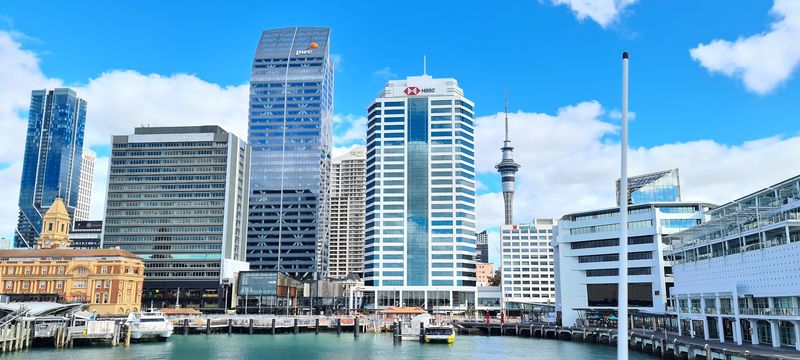
Auckland sits on a narrow strip of land between two harbors, meaning the ocean is never more than a short drive away in any direction — a geographical quirk that shapes the entire lifestyle of the city. Mild temperatures year-round make outdoor living a genuine daily habit rather than a seasonal luxury.
Community services in Auckland are strong, and the public education system draws consistent praise for quality and accessibility. The city’s parks and reserves are extensive, with walking and hiking trails that connect urban neighborhoods to volcanic cones, coastal cliffs, and native forest within the city boundaries itself.
Auckland’s population is one of the most diverse in the world, with large Pacific Islander, Asian, and Maori communities contributing to a cultural richness that makes the city feel vibrant and layered. Public safety scores remain high, and the overall pace of life strikes a balance between productive and relaxed that many residents describe as genuinely hard to replicate elsewhere.
Housing costs have risen significantly in recent years, but for those who can manage it, Auckland consistently delivers a quality of life that justifies its place in the global top ten.
Adelaide, Australia
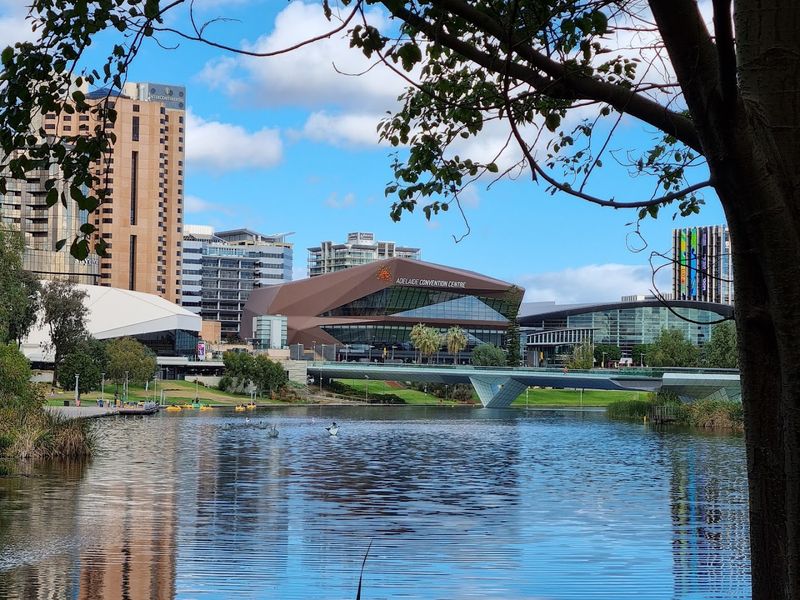
Quietly confident — that is the best way to describe Adelaide’s personality. While Sydney and Melbourne grab international headlines, Adelaide has been steadily building one of the most comfortable and well-balanced urban lifestyles in the entire Southern Hemisphere, and the global rankings are finally catching up.
Cost of living here is noticeably more manageable than Australia’s larger cities, yet the quality of public services, healthcare, and education remains exceptionally high. That combination is genuinely rare and is a major reason why retirees, young families, and skilled professionals keep choosing Adelaide over flashier alternatives.
The food and wine scene has exploded in recent years, driven by proximity to the Barossa Valley and McLaren Vale wine regions. World-class restaurants sit alongside relaxed neighborhood cafes, creating a culinary culture that punches well above the city’s population size.
Adelaide’s coastline adds scenic beauty to everyday life, and the city’s famous ring of parklands — which completely encircle the CBD — gives residents an unusually generous amount of green space. For anyone seeking quality without the chaos, Adelaide makes an extraordinarily compelling case for itself.
Vancouver, Canada
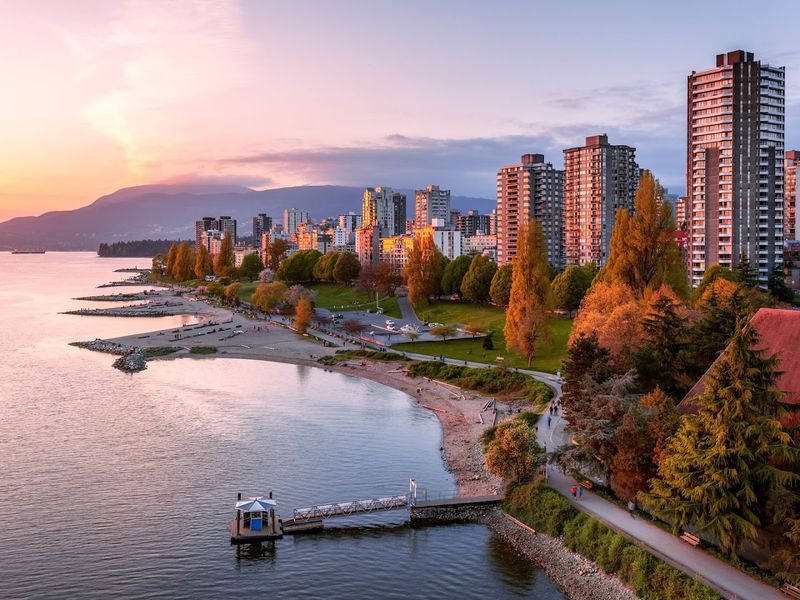
Stand anywhere near Vancouver’s waterfront on a clear day and you will see something genuinely unusual for a major city — a dense urban skyline with snow-capped mountains rising directly behind it. That visual alone captures something essential about why Vancouver keeps appearing near the top of global livability rankings.
Environmental quality scores are among the highest of any North American city, driven by clean air, abundant green space, and a population that takes outdoor recreation seriously. Stanley Park — a 1,000-acre forest sitting right at the edge of downtown — is not just a park; it is a statement about what urban planners can achieve when nature is treated as infrastructure.
Vancouver’s cosmopolitan character comes from one of Canada’s most diverse populations, with thriving Chinese, South Asian, Japanese, and Korean communities shaping food, culture, and neighborhood life in distinct and wonderful ways. Public services are reliable, the healthcare system is strong, and the city’s film and tech industries keep the job market dynamic.
Housing costs remain the city’s most significant challenge, but Vancouver’s combination of natural beauty, urban culture, and civic quality continues to make it one of the world’s most desirable places to call home.



