 Unearth The Voyage
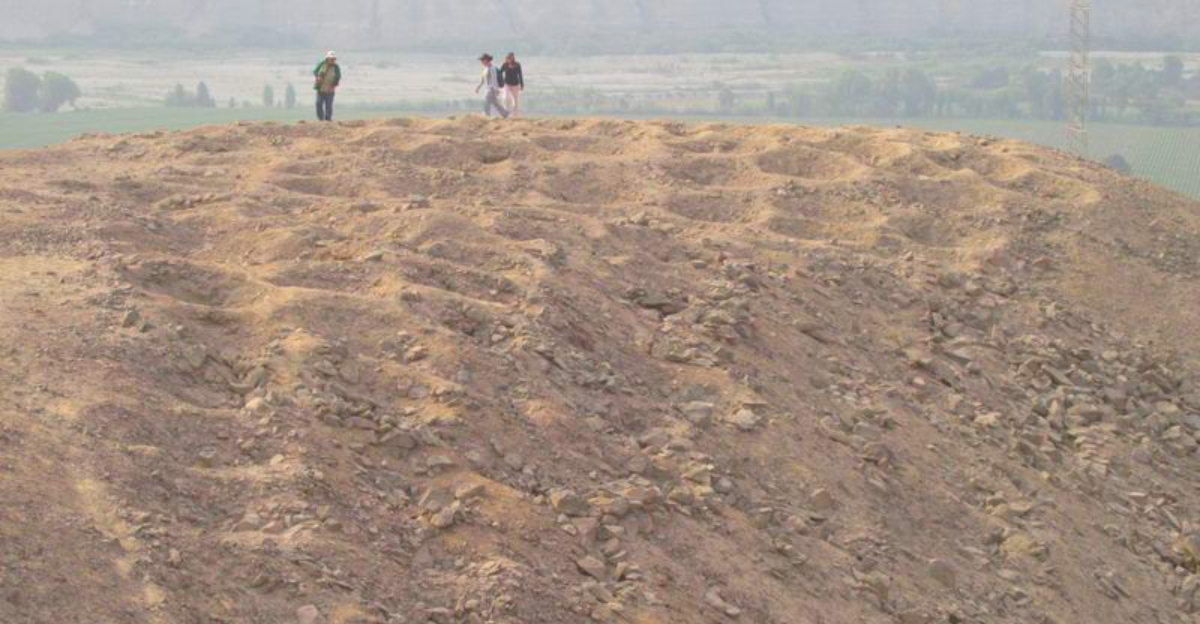
For more than a century, archaeologists have debated the purpose of thousands of evenly spaced pits carved into a hillside near Cusco, Peru, known as the Band of Holes. First documented in the early 20th century, the site contains an estimated 6,000 to 7,000 shallow depressions arranged in long, deliberate rows.
Early theories suggested they were tombs, storage pits, or ritual features, but none fully explained their scale or organization. Recent archaeological research now points to a more practical explanation tied to Inca-era administration and economics.
Evidence suggests the pits were likely used to record, measure, or manage agricultural goods and labor within the Inca state’s highly structured system of trade and taxation.
1. A Mountainside Covered in Thousands of Holes
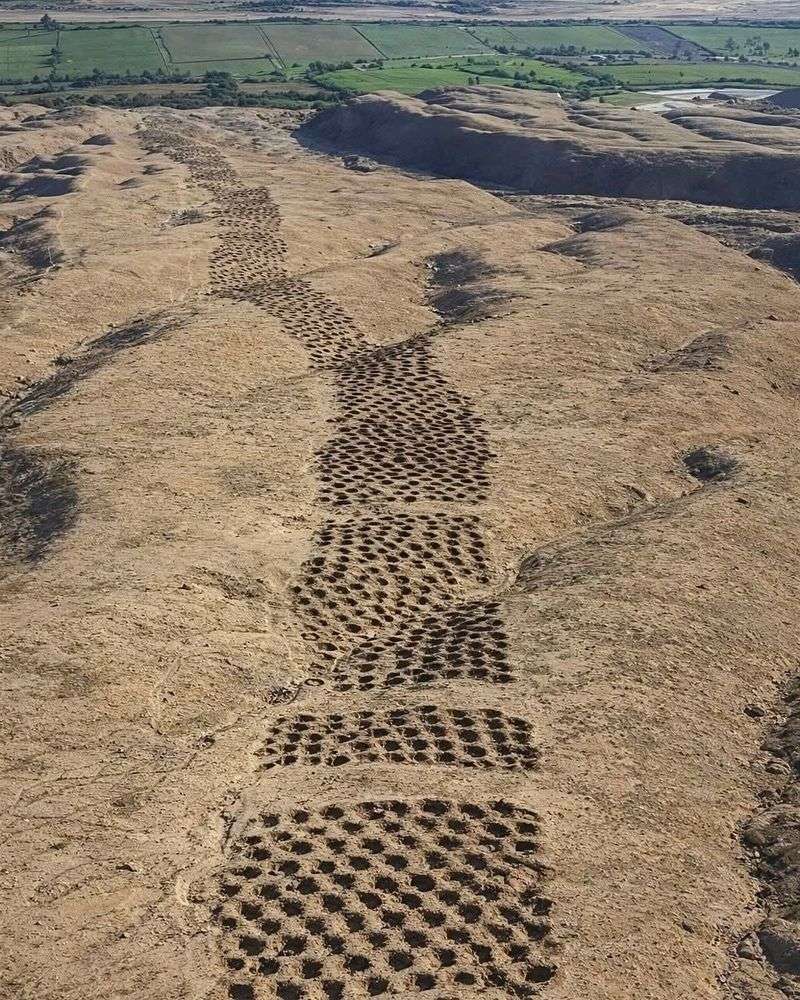
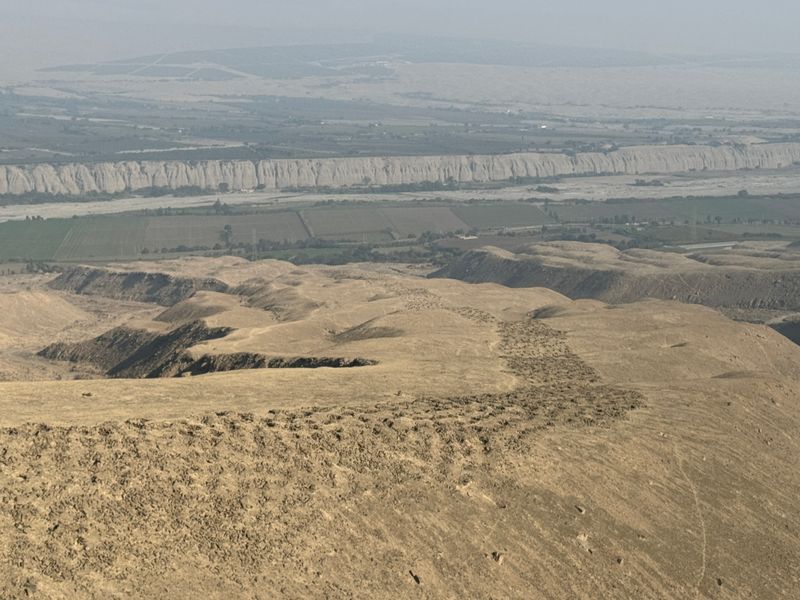
The site, known as the Band of Holes, stretches nearly 1 mile along the edges of the Pisco Valley in southern Peru. Carved into Mount Sierpe, it contains over 5,000 man-made pits, all carefully arranged along the slope.
From above, the landscape looks like someone punched thousands of divots into the earth with remarkable precision. Each depression sits in a deliberate pattern that runs for over a kilometer.
Visitors to the region often describe the scene as otherworldly. The sheer number of holes creates a visual spectacle unlike anything else found in South America.
Scientists believe the entire project would have required tremendous coordination and labor.
Local legends have swirled around the site for generations. Some stories claim the holes were made by ancient gods, while others suggest they served ceremonial purposes.
The truth, as researchers now believe, may be far more practical and equally impressive.
2. A Mystery That Stumped Researchers for Over 100 Years
Since its discovery, scholars have debated the purpose of these holes with passionate intensity. Were they gardens, water reservoirs, agricultural tools, or something else entirely?
For decades, no explanation fully made sense to the scientific community.
Early theories ranged from the plausible to the bizarre. Some archaeologists suggested they were ancient burial sites, while others thought they might have been defensive fortifications.
A few fringe researchers even proposed extraterrestrial involvement, though mainstream science dismissed such claims.
The problem was that none of the conventional explanations fit all the evidence. The holes were too shallow for graves and poorly positioned for water collection.
Their uniform size and spacing suggested purpose, but what kind remained frustratingly unclear.
Generation after generation of archaeologists examined the site, each hoping to be the one who finally solved the puzzle. The Band of Holes became one of Peru’s most enduring archaeological enigmas.
3. A Breakthrough from the University of Sydney
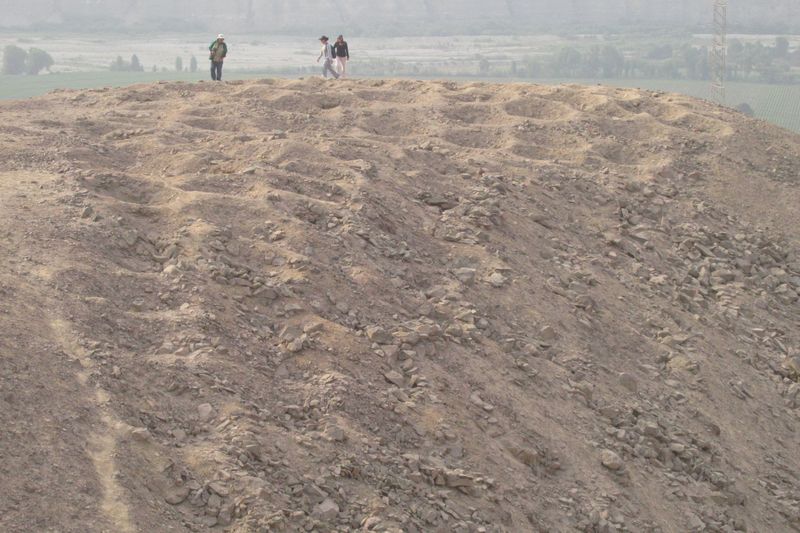
Archaeologists from the University of Sydney, led by Dr. Jacob Bongers, believe they have finally cracked the code. Using modern technology and new analytical methods, they uncovered patterns that suggest a far more complex function than anyone had previously imagined.
Dr. Bongers and his team spent years carefully documenting every aspect of the site. They employed cutting-edge techniques that earlier researchers simply didn’t have access to.
Their interdisciplinary approach combined archaeology, anthropology, and data science.
The breakthrough came when they stopped looking at individual holes and started examining the site as a whole system. By stepping back and viewing the bigger picture, patterns emerged that had been invisible to previous generations of scholars.
This discovery represents a significant moment in Andean archaeology. The research team published their findings in peer-reviewed journals, sparking excitement throughout the academic community.
Their work demonstrates how new technology can solve old mysteries.
4. Drone Mapping Revealed Hidden Numerical Patterns
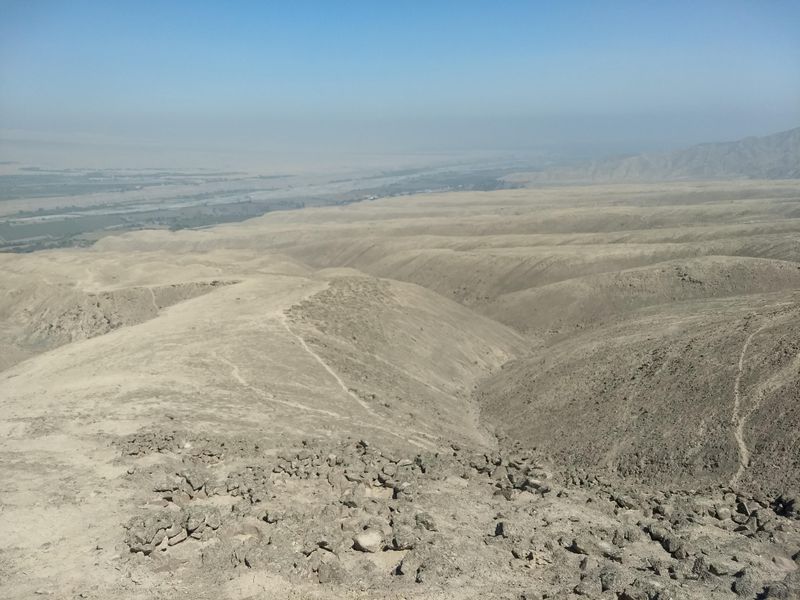
By mapping the terrain with drones, researchers identified repeating numerical sequences in how the holes were positioned. These patterns strongly suggest intentional design rather than random excavation by ancient peoples.
The drone technology allowed scientists to create detailed three-dimensional models of the entire site. From ground level, the patterns were nearly impossible to detect.
But from the air, mathematical relationships between hole clusters became strikingly obvious.
Specific numbers kept appearing in the arrangements. Groups of holes repeated in sets that matched known Andean counting systems.
The spacing between clusters also followed predictable intervals that couldn’t be coincidental.
This aerial perspective transformed the investigation completely. What looked like chaos from the ground revealed itself as organized information from above.
The ancient builders had created a system meant to be read as a whole, not examined pit by pit.
5. The Holes May Have Been Part of an Accounting System
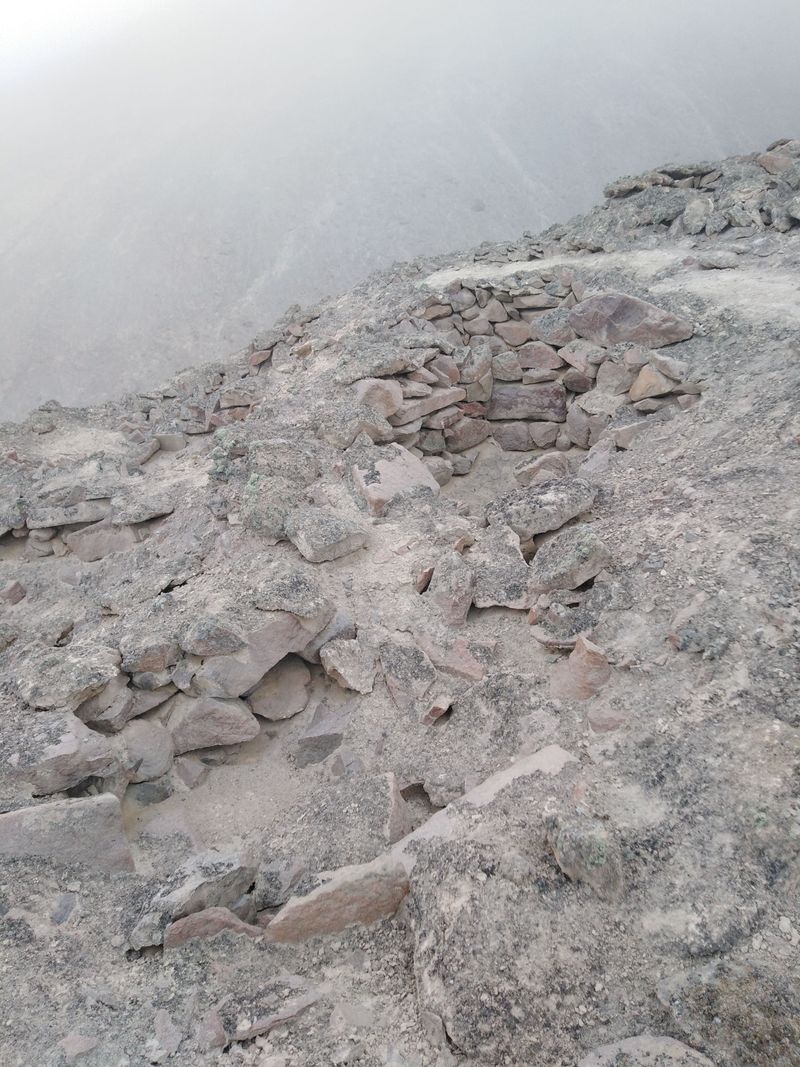
The team now believes the pits functioned as an indigenous accounting and trade system, possibly dating back to the 14th century, before the rise of the Inca Empire. This would make it one of the earliest known record-keeping systems in the Americas.
Think of it like a giant three-dimensional spreadsheet carved into a mountain. Each hole might have represented a quantity of goods, a transaction, or a debt owed between trading partners.
The physical arrangement allowed multiple people to read and verify the information simultaneously.
Such systems were crucial in societies without written language. Physical markers and spatial arrangements served the same functions that ledgers and receipts do today.
The permanence of carved pits meant records couldn’t be easily altered or disputed.
This discovery challenges assumptions about pre-Columbian societies. It shows sophisticated economic thinking existed long before European contact.
Complex trade networks required complex tracking methods, and Mount Sierpe provided exactly that.
6. A Landscape That Mirrors Inca Khipu
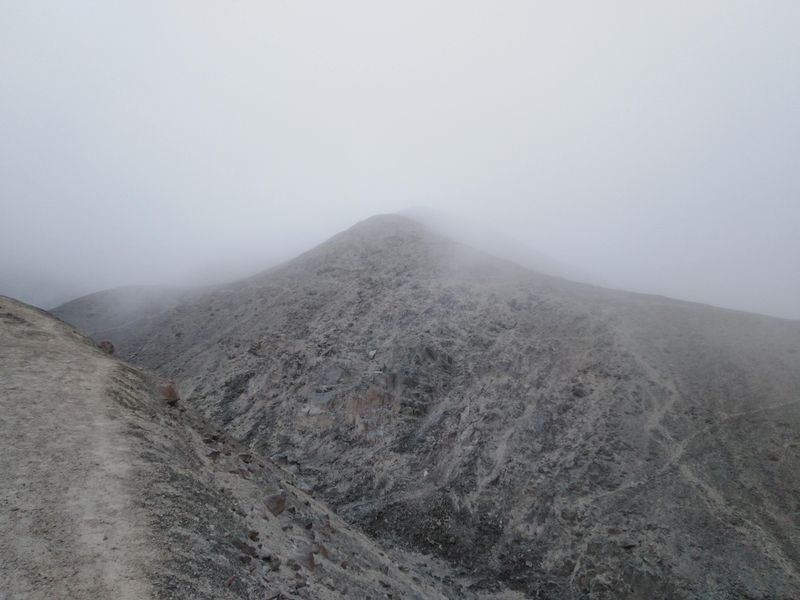
Even more intriguing, Mount Sierpe’s layout resembles a khipu, the Inca system of knotted strings used for record-keeping. At least one khipu has been found in the same valley, strengthening the connection between these two information systems.
Khipus used different colored strings, knot types, and positions to encode numerical and possibly narrative information. The Band of Holes appears to work on similar principles, but expressed through landscape rather than textiles.
Both systems relied on position and quantity to convey meaning.
Scholars have long known that Andean peoples were masters of alternative literacy. They encoded complex information without alphabetic writing.
The holes might represent an earlier or parallel tradition that eventually evolved into the more portable khipu format.
Finding an actual khipu nearby isn’t coincidental. It suggests cultural continuity in how people organized and stored information across generations.
The landscape itself became a text that communities could read and update over time.
7. Each Hole Was Carefully Constructed
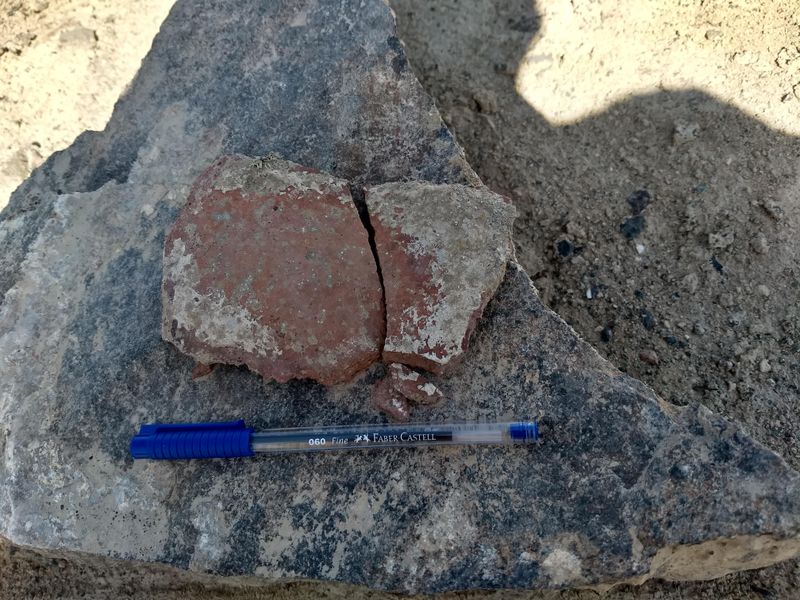
The pits are surprisingly uniform in their dimensions and construction. Width measurements range from 3 to 6 feet, while depth extends between 1.5 and 3 feet.
This consistency suggests standardized use rather than casual digging by different groups.
Creating thousands of holes to exact specifications required planning and oversight. Someone had to establish the standards and ensure workers followed them.
The uniformity indicates a centralized authority or shared cultural understanding about proper construction.
Examination of the pit walls reveals careful excavation techniques. The sides were smoothed and shaped, not just hacked out roughly.
Some pits show evidence of being lined with stones or clay to reinforce the walls and prevent collapse.
The labor investment was substantial. Each hole took hours to dig properly, meaning the entire project represented thousands of work hours.
Communities committed significant resources to creating and maintaining this system, proving its importance to their economy and society.
8. Ancient Crops Were Found Inside the Pits
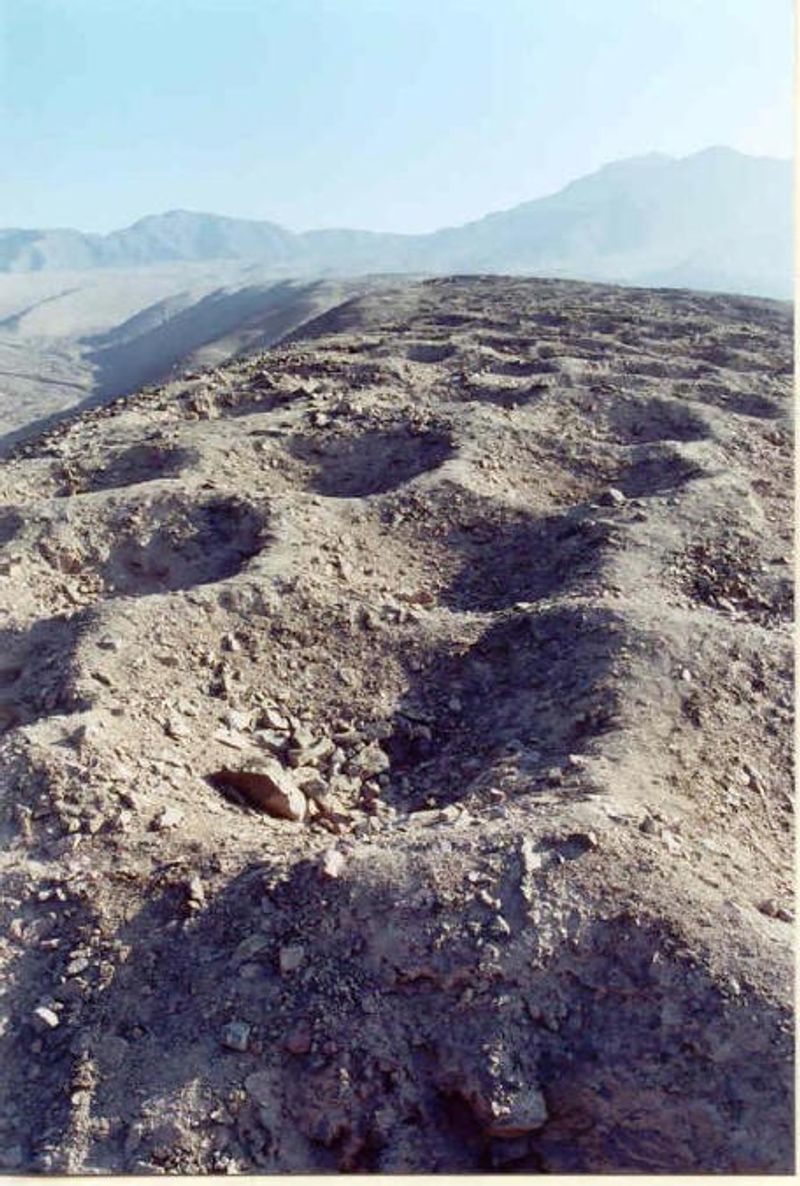
Soil analysis revealed traces of ancient corn pollen, a staple Andean crop, along with reeds used for basket-making. Researchers also identified remnants of gourds, amaranth, cotton, chili peppers, and other crops that were essential to daily life.
These botanical discoveries provided crucial evidence about how the holes were actually used. The variety of plant materials suggests diverse agricultural products passed through the site.
Each crop type might have been tracked in different sections or marked by different hole patterns.
Corn held special importance in Andean cultures, serving as both food and ceremonial offering. Finding corn pollen throughout the site indicates large quantities moved through regularly.
The presence of cotton and chili peppers shows the system tracked more than just basic foodstuffs.
Basket reeds are particularly interesting because they suggest the containers used to transport and store goods. Items weren’t dumped directly into holes but were likely placed in woven vessels first.
This added another layer of organization to the accounting system.
9. The Holes Likely Served as Storage Units
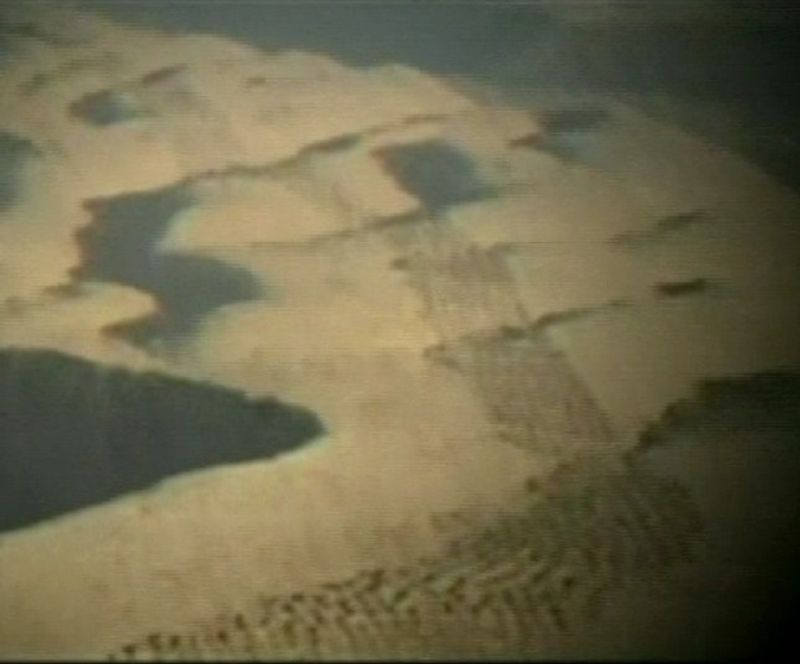
Researchers believe goods were transported to the site and stored in the pits using baskets or plant-fiber bundles, which were periodically replaced. This would allow large quantities of produce to be tracked and redistributed efficiently across the region.
The system probably worked like an ancient warehouse combined with a public ledger. Farmers and traders brought goods to Mount Sierpe, where they were counted, recorded through pit placement, and stored temporarily.
The visible arrangement meant everyone could verify quantities without needing to read written records.
Periodic replacement of baskets makes sense because plant fibers deteriorate over time. Fresh containers would maintain the integrity of stored goods while the permanent holes maintained the accounting record.
The holes outlasted the perishable materials they once contained.
This dual function of storage and record-keeping was ingenious. A single physical system served multiple purposes, reducing the need for separate tracking mechanisms.
Communities could manage complex exchanges without developing written language.
10. A Pre-Inca Marketplace?
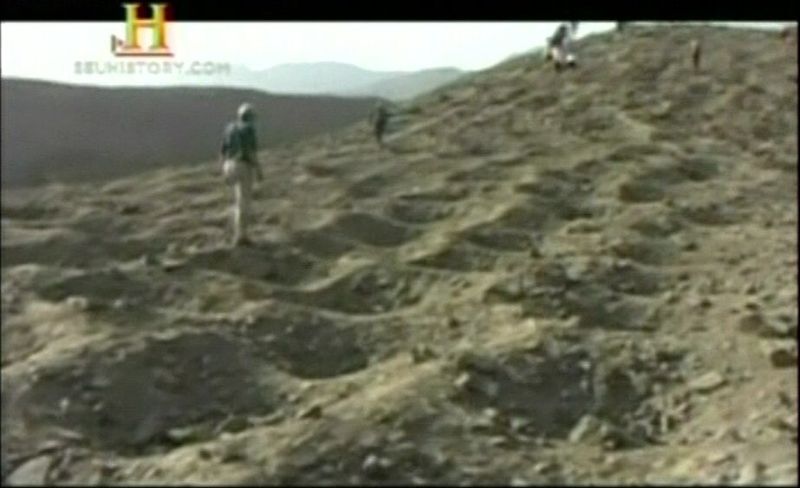
Dr. Bongers suggests the site may have functioned as a communal trading hub or bazaar before the Incas consolidated power. At the time, the surrounding population may have reached 100,000 people, including farmers, fishers, and mobile traders from across the region.
Imagine a bustling center where coastal fishing communities met highland farmers to exchange goods. The holes provided a neutral, transparent system for conducting business.
No single group controlled the accounting, making it trustworthy for all participants.
A population of 100,000 represents a significant economic force requiring sophisticated organization. Multiple communities speaking different languages needed common methods for trade.
The Band of Holes might have served as that universal interface where diverse groups could interact fairly.
The marketplace theory explains why the site sits between different ecological zones. Its position allowed people from various environments to meet and exchange their specialized products.
Geography and economics combined to create this remarkable system.
11. A Social Technology That Connected Communities

Rather than just storage, Bongers describes the holes as a form of social technology. This physical system helped connect people, manage resources, and coordinate trade long before written records existed in the region.
Social technology refers to tools that organize human relationships and interactions. Money, contracts, and calendars are all examples.
The Band of Holes served similar functions by creating shared understanding and trust between groups who might otherwise struggle to cooperate.
Building and maintaining the site required collaboration across communities. This shared investment created bonds and mutual obligations.
The system didn’t just track goods but also reinforced social networks and collective identity among participants.
This perspective shifts how we view ancient societies. They weren’t primitive or simple just because they lacked writing.
Instead, they developed alternative technologies perfectly suited to their needs and environment. The holes represent sophisticated problem-solving that modern people can appreciate and learn from.
12. Still One of the Andes’ Greatest Mysteries
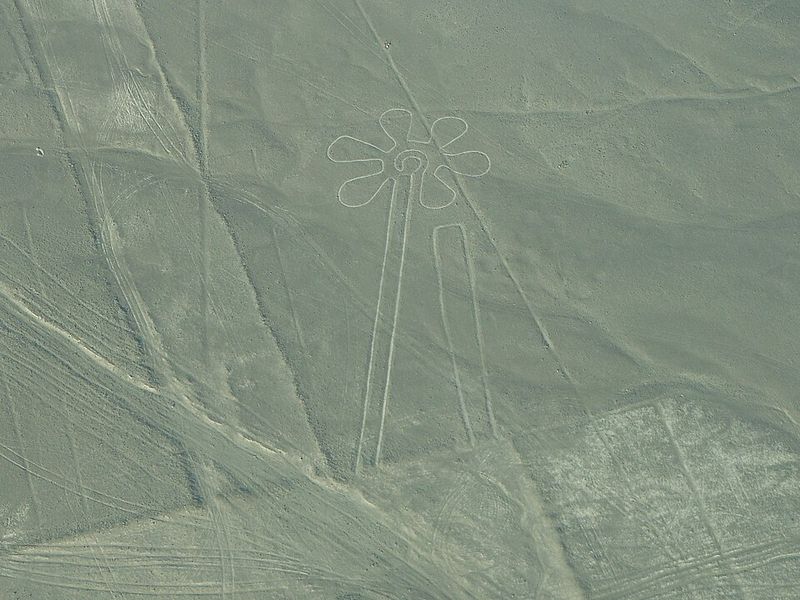
Despite the breakthrough, questions remain unanswered. Why does this type of site exist only here?
Was Mount Sierpe a kind of landscape khipu carved into the earth itself? Researchers say they are closer than ever to understanding the site, but its full story is still unfolding.
The uniqueness of the Band of Holes puzzles archaeologists. If the system worked so well, why didn’t other communities adopt it?
Perhaps environmental conditions, population density, or cultural factors made it practical only in this specific location. Or maybe similar sites existed elsewhere but haven’t been discovered yet.
Future research will likely reveal more details about who built the system and exactly how it operated. Advanced dating techniques might pinpoint construction periods.
Computer modeling could test different theories about information encoding and retrieval.
What remains certain is that our ancestors were far more creative and capable than often assumed. The Band of Holes stands as a testament to human ingenuity and adaptability across cultures and time periods.



