The United States is home to some of the most stunning wildlife on the planet, but not every creature you encounter in the wild is friendly. From the swamps of Florida to the mountains of Alaska, certain animals can pose a serious threat to humans.
Knowing which animals to watch out for and how to stay safe can make a real difference when you are spending time outdoors. Here is a look at 12 of the most dangerous wild animals found across the country.
1. American Alligator
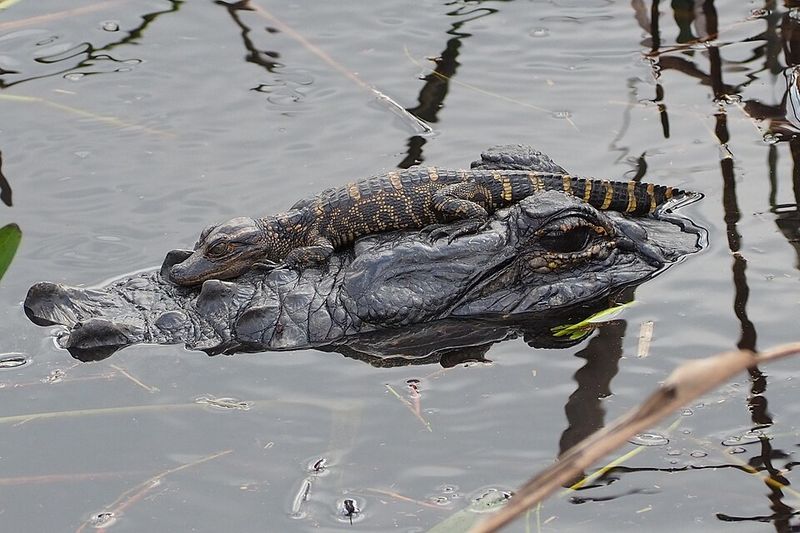
Few creatures command respect quite like the American alligator. Found primarily in the swamps, rivers, and lakes of Florida, Louisiana, and Georgia, these powerful reptiles can grow up to 14 feet long and weigh over 1,000 pounds.
They are ambush predators, meaning they wait patiently before striking with explosive speed.
Alligators are responsible for dozens of attacks on humans each year, with Florida recording the highest number. Most attacks happen when people swim in freshwater areas at dawn or dusk, which is when alligators are most active.
Never feed a wild alligator because it teaches the animal to associate humans with food, making it far more dangerous.
If you spot one, keep a safe distance of at least 60 feet. Alligators can run surprisingly fast on land for short bursts, reaching up to 11 mph.
Stay alert near any body of water in the Southeast.
2. Grizzly Bear
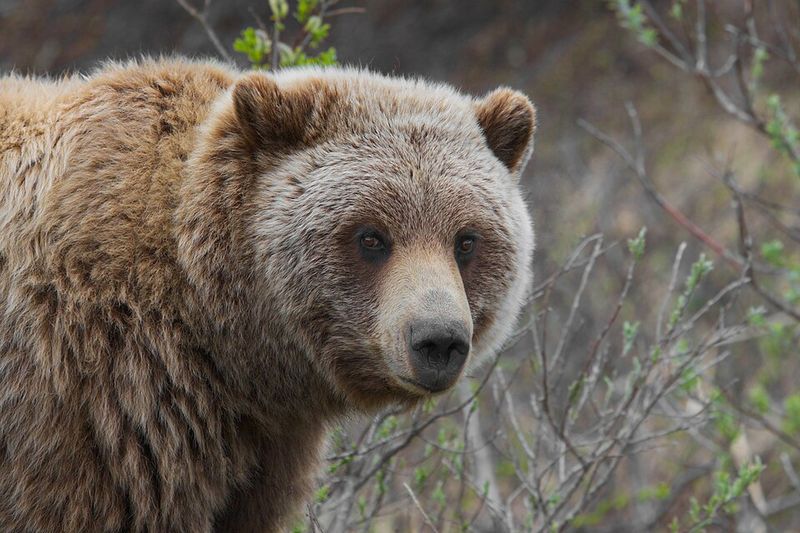
Standing up to 8 feet tall and weighing over 700 pounds, the grizzly bear is one of North America’s most formidable predators. Found across Alaska, Montana, Wyoming, Idaho, and Washington, these bears are not naturally aggressive, but they become extremely dangerous when surprised, when a mother is protecting her cubs, or when they are guarding a food source.
Grizzly attacks, while not common, can be deadly. Hikers in grizzly country are strongly advised to travel in groups, make noise on the trail, and carry bear spray, which has proven highly effective at stopping charges.
If a grizzly does attack, experts recommend playing dead by lying flat on your stomach with your hands clasped behind your neck.
Yellowstone National Park sees the most grizzly encounters each year. Respecting their space and storing food properly are the best ways to avoid a dangerous confrontation in the wild.
3. Black Bear
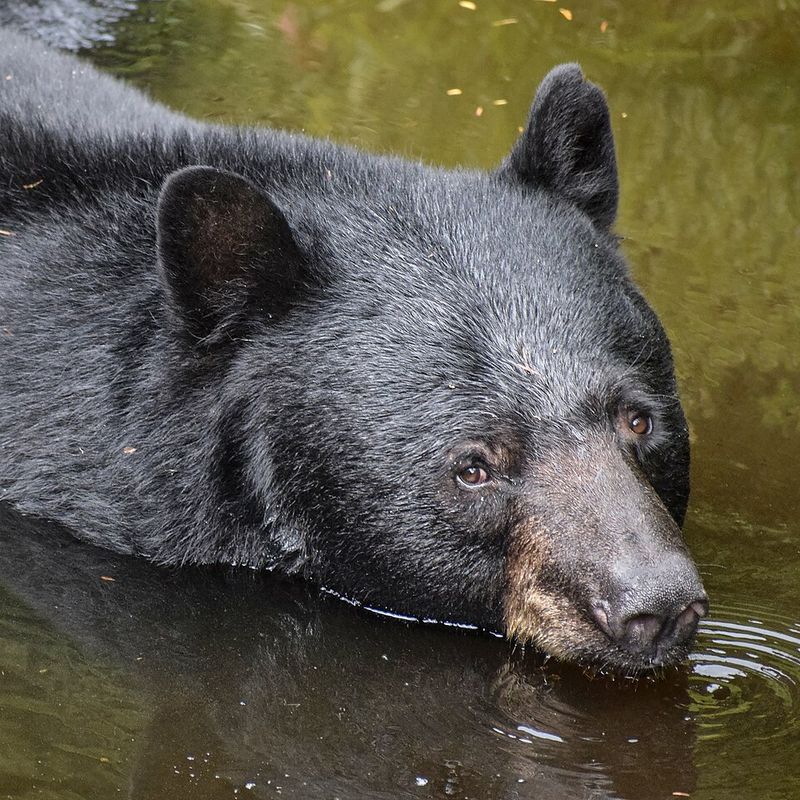
Black bears are the most widespread bear species in the United States, living in forests from Maine to California and from Alaska down to parts of Florida. They might look less intimidating than grizzlies, but do not let that fool you.
Black bears are strong, fast, and unpredictable, especially when they have become comfortable around humans.
Unlike grizzlies, a black bear that attacks a person is usually predatory rather than defensive, meaning it sees you as potential prey. In that situation, you should fight back aggressively rather than play dead.
Aim for the nose and eyes if attacked.
Black bears are attracted to campsites by food smells, so always use bear-proof containers and never leave food in your tent. Over 750,000 black bears live in the U.S., and encounters are becoming more frequent as human development pushes deeper into their habitat.
Awareness is your best protection.
4. Mountain Lion (Cougar)
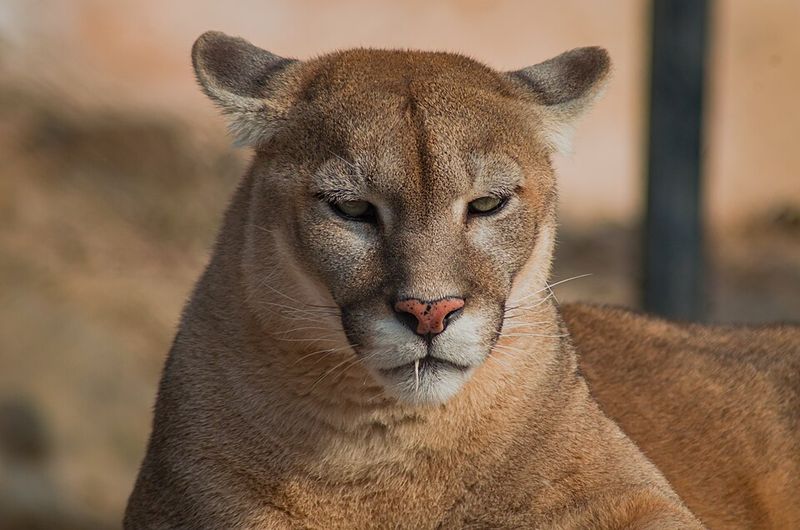
Silent, swift, and stealthy, the mountain lion is a master predator that rarely announces its presence before striking. Also known as the cougar or puma, this large cat can be found across the western United States and in a small population in southern Florida.
Adults can weigh up to 220 pounds and are capable of leaping 40 feet horizontally.
Mountain lion attacks on humans are rare but have been increasing as their habitat shrinks and people spend more time in their territory. Children and solo joggers are most vulnerable because movement can trigger the cat’s prey instinct.
If you encounter one, do not run. Make yourself look as large as possible, maintain eye contact, and back away slowly.
Fighting back is recommended if attacked, as mountain lions can be driven off when their prey resists. Hiking in groups and keeping children close are simple but effective safety measures in cougar country.
5. Moose
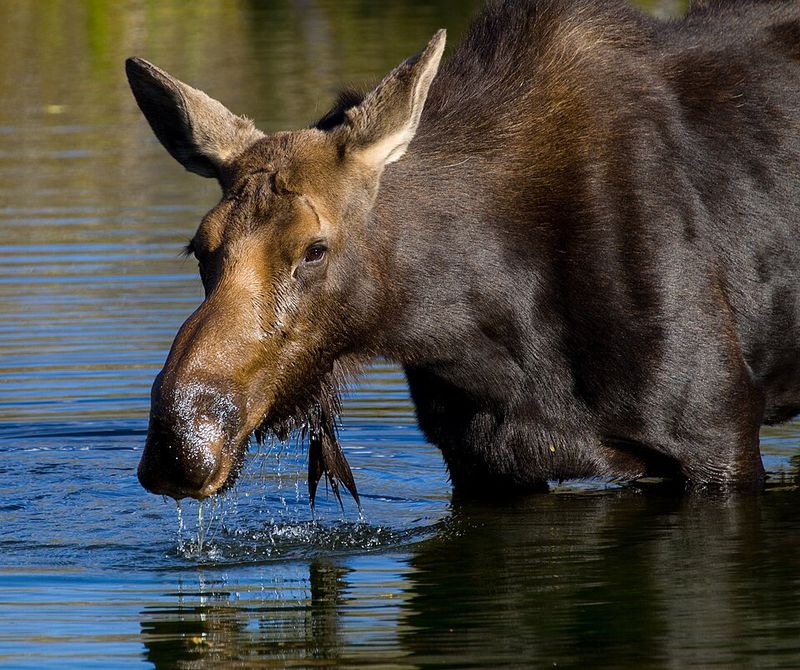
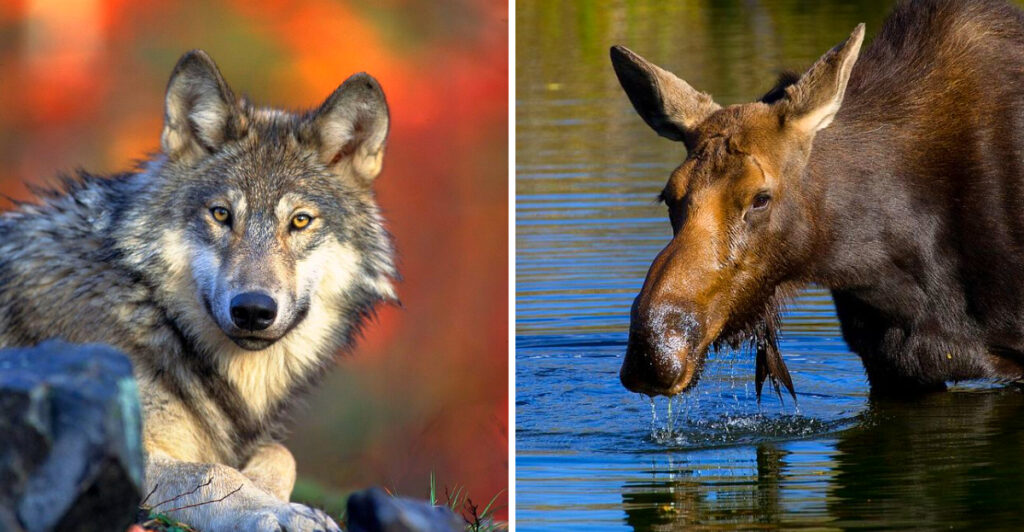
Moose might look slow and awkward, but they are actually one of the most dangerous animals in North America, injuring more people each year than bears. Found in Alaska, Maine, Montana, Wyoming, Idaho, and Minnesota, a full-grown bull moose can stand 6.5 feet at the shoulder and weigh up to 1,500 pounds.
That is a lot of animal moving at up to 35 mph.
Moose are not predators, but they are highly territorial and easily agitated, especially mothers with calves and bulls during the fall rut. They charge when they feel threatened, using their sharp hooves to stomp and kick with devastating force.
Warning signs include pinned-back ears, raised hackles on the neck, and a lowered head.
If a moose charges, run and put a large solid object like a tree or car between you and the animal. Unlike bears, moose usually stop chasing once they feel the threat has moved away.
6. American Bison
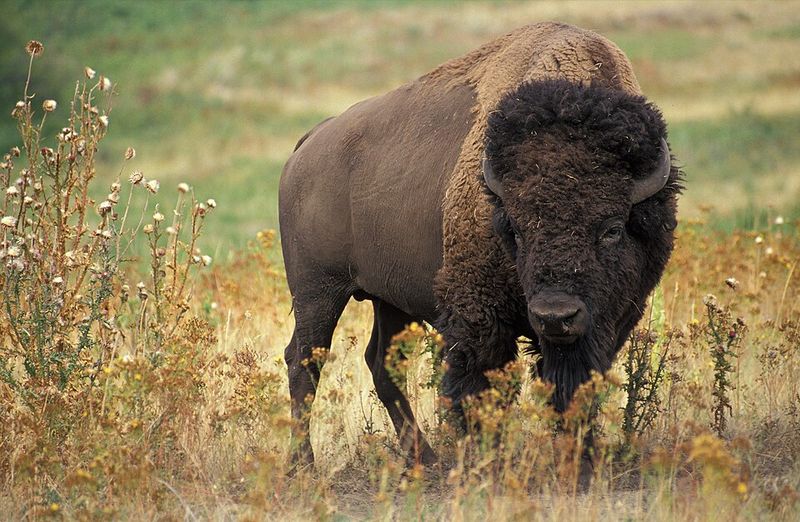
Weighing up to 2,000 pounds and capable of running 35 mph, the American bison is the largest land animal in North America and far more dangerous than most visitors to Yellowstone realize. Every year, bison injure more people in Yellowstone National Park than any other animal, and almost every incident happens because a tourist got too close for a photo.
Bison may appear calm and slow-moving, but they can pivot and charge in an instant with almost no warning. Their sheer mass means even a glancing blow can send a person flying.
The National Park Service recommends staying at least 25 yards away from bison at all times, which is roughly the length of two school buses.
Never approach a bison herd, especially during calving season in spring when mothers are highly protective. If a bison charges, seek shelter in a vehicle or behind a solid barrier immediately.
Respect their space without exception.
7. Timber Rattlesnake
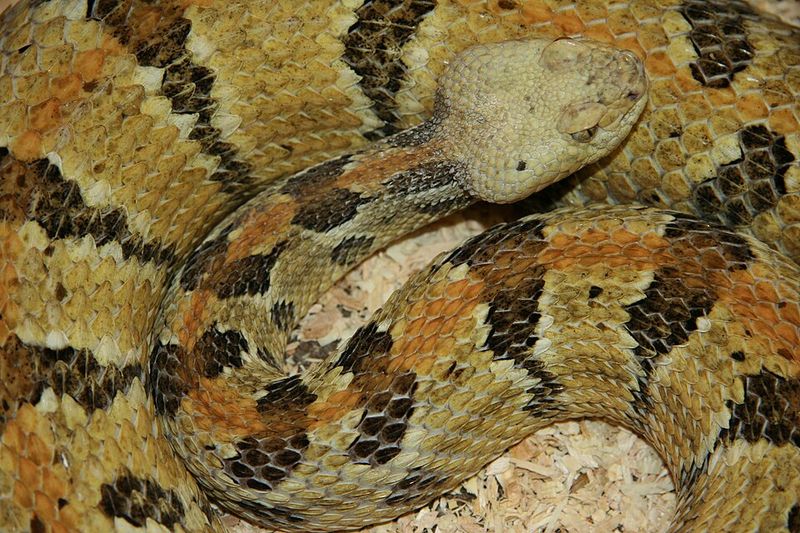
The timber rattlesnake is one of the most venomous snakes in North America and has one of the widest distributions of any rattlesnake in the eastern United States. Stretching from New England down through the Appalachian Mountains and into the Midwest, this snake is a patient ambush predator that often sits motionless for days waiting for prey to pass by.
Its venom is a potent mix of hemotoxins that break down blood cells and tissue, and a bite left untreated can be fatal. The good news is that timber rattlesnakes are generally not aggressive.
Most bites happen when people accidentally step on or reach near one without noticing it. Wearing thick boots and watching where you place your hands and feet in wooded areas dramatically reduces your risk.
If bitten, stay calm, immobilize the affected limb, and get to a hospital as quickly as possible. Never try to suck out the venom or apply a tourniquet.
8. Western Diamondback Rattlesnake
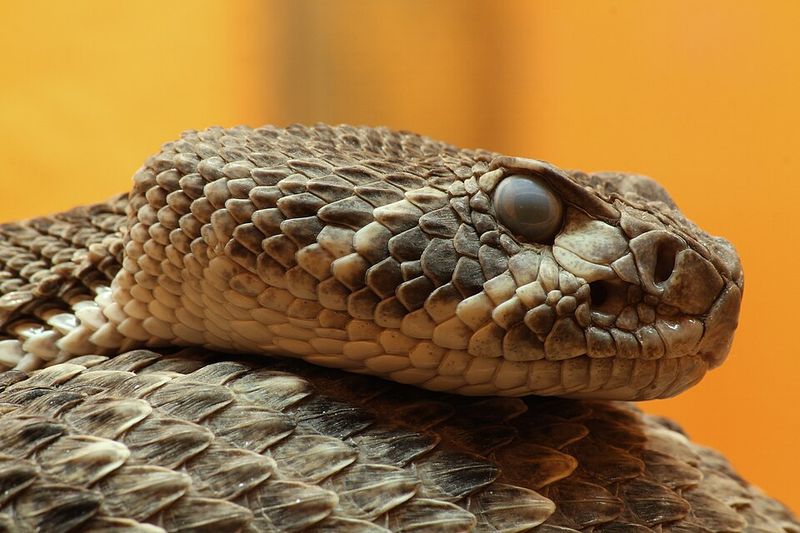
Responsible for more snakebite fatalities in the United States than any other species, the western diamondback rattlesnake is a serious threat across the Southwest. Common in Arizona, Texas, New Mexico, and Oklahoma, this snake thrives in desert terrain, rocky hillsides, and brushy scrubland.
Adults typically reach 4 to 5 feet in length, though some exceed 7 feet.
The western diamondback is known for standing its ground rather than retreating. When threatened, it coils, rattles loudly, and strikes with remarkable speed and accuracy.
Its venom causes severe tissue damage, internal bleeding, and can be fatal without prompt medical treatment. Texas alone records hundreds of bites each year.
Hikers in rattlesnake territory should always watch where they step and never reach into rock crevices or under logs without looking first. Wearing snake-proof gaiters adds an extra layer of protection.
If you hear a rattle, freeze, locate the snake, and back away slowly without sudden movements.
9. Cottonmouth (Water Moccasin)
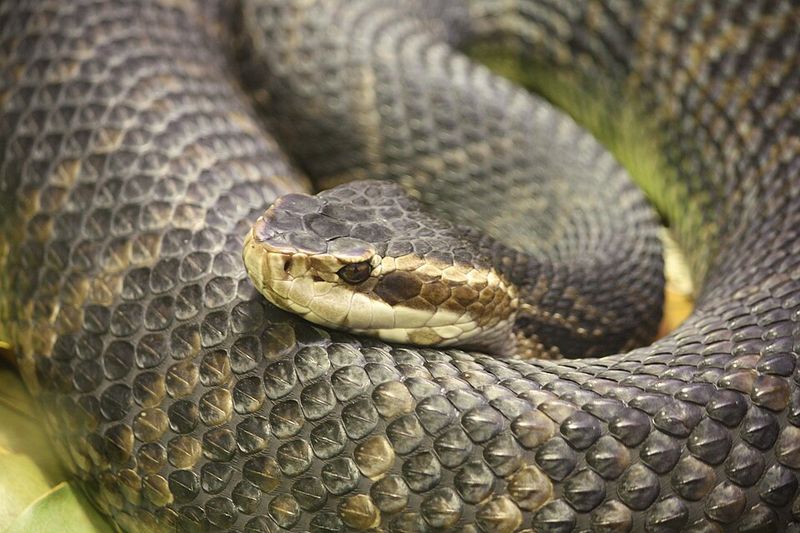
Named for the striking white interior of its mouth, the cottonmouth is the only venomous water snake in North America and a genuine hazard for anyone wading or swimming in the freshwater wetlands of the Southeast. Found across states including Florida, Georgia, Alabama, Mississippi, and the Carolinas, this thick-bodied snake is often encountered near ponds, rivers, swamps, and drainage ditches.
Unlike many snakes that flee when approached, cottonmouths are known for holding their ground and displaying their namesake white mouth as a warning. Their venom is hemotoxic, causing severe tissue destruction and potentially requiring amputation if treatment is delayed.
Bites most often happen when people accidentally step on or reach near the snake in or around water.
Always scan the ground and water carefully before stepping in marshy areas. Wearing waterproof boots and using a walking stick to probe ahead can help prevent accidental encounters.
Keep dogs on leashes near wetland areas as well.
10. Shark (Bull, Tiger, and Great White)
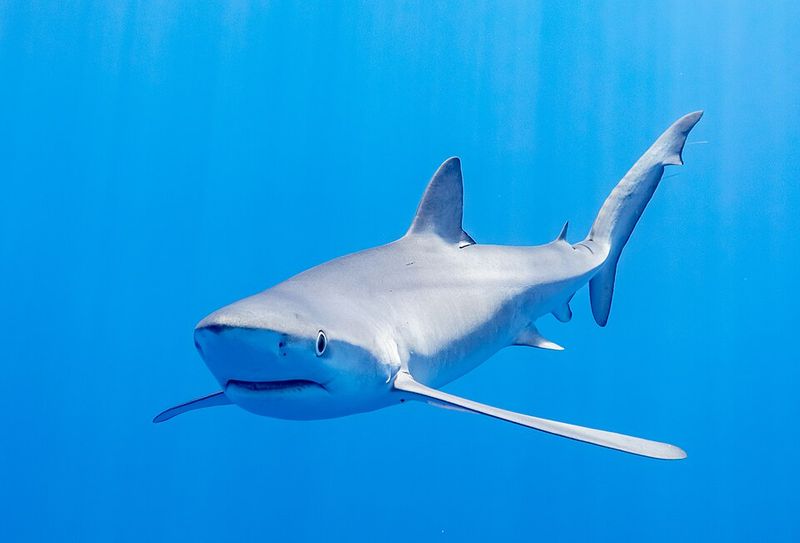
Of the roughly 500 shark species in the world, three stand out as the most dangerous to humans in U.S. waters: the bull shark, the tiger shark, and the great white shark. Together, these species account for the overwhelming majority of serious and fatal shark attacks recorded along the Atlantic, Pacific, and Gulf coasts each year.
Bull sharks are especially concerning because they can survive in both salt and fresh water, meaning they have been found miles up rivers. Great whites are responsible for the most recorded attacks worldwide, while tiger sharks are known for being less selective about what they bite.
Florida consistently leads the nation in shark attacks, followed by Hawaii and California.
To reduce your risk, avoid swimming at dawn or dusk, stay out of the water when bleeding, and avoid wearing shiny jewelry that can resemble fish scales. Staying close to shore and swimming in groups also helps lower the odds of an encounter.
11. Wolf (Gray Wolf)
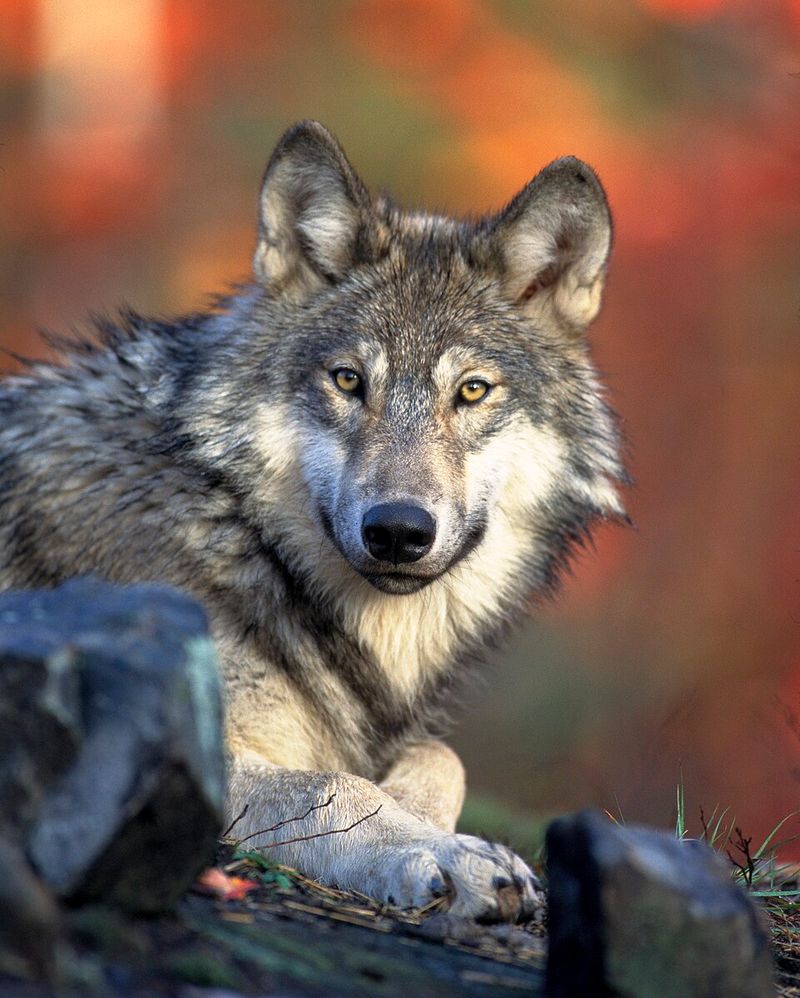
Gray wolves were nearly wiped out across the lower 48 states by the mid-20th century, but thanks to reintroduction programs, they have made a strong comeback in the Northern Rockies, Great Lakes region, and parts of the Pacific Northwest. While wolf attacks on humans are extremely rare, they are not unheard of, and the risk increases when wolves lose their fear of people due to habituation.
Wolves are highly intelligent pack hunters capable of taking down animals as large as elk and bison. A pack working together is a formidable force, and lone hikers in wolf territory should stay aware of their surroundings.
Never approach a wolf or attempt to feed one under any circumstances.
If a wolf approaches you, stand tall, make noise, and back away slowly. Do not run, as this can trigger a chase response.
Traveling in groups and keeping pets leashed are smart precautions in areas where wolf populations are active.
12. Feral Hog (Wild Boar)
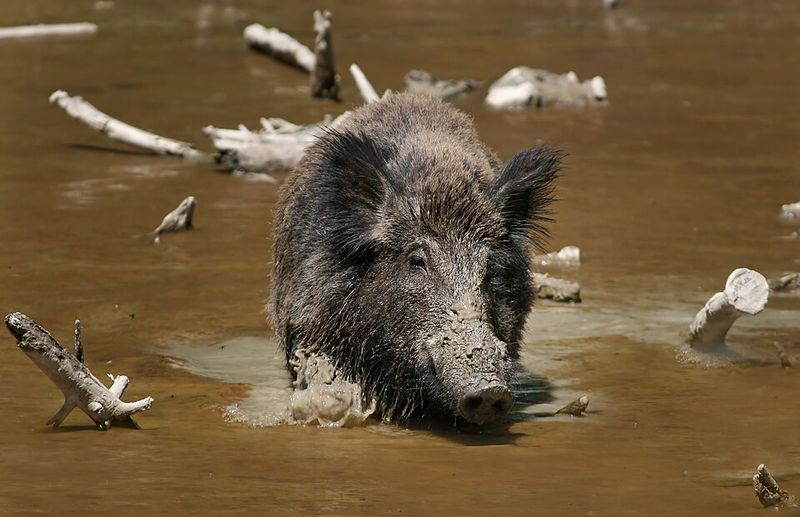
With a population estimated at over 6 million across the United States, feral hogs have become one of the most widespread and destructive invasive species in the country. Concentrated heavily in Texas, Florida, and Georgia, these animals are the descendants of escaped domestic pigs and imported European wild boar.
They can weigh up to 400 pounds and are equipped with sharp, curved tusks that can cause serious injuries.
Feral hogs are aggressive when cornered, injured, or protecting their young. They have been known to charge humans, hunters, and dogs without much provocation.
Attacks, while not everyday occurrences, can result in deep lacerations and broken bones. They also carry diseases like brucellosis and leptospirosis that can be transmitted to humans and pets.
If you encounter a feral hog, back away calmly and avoid getting between a sow and her piglets. Making loud noise often causes them to flee.
Farmers and hikers in rural areas of the South should always stay alert.
Share this story