Not all airports are created equal, and new data proves it in a big way. A recent study ranked American airports by their stress levels, using delay rates, cancellation rates, and diversion rates to build a full picture of what travelers actually experience.
Some airports topped the charts for all the wrong reasons, while others quietly earned gold stars for keeping things smooth. Whether you fly often or just a few times a year, knowing which airports to brace yourself for can seriously change how you plan your next trip.
Aspen-Pitkin County Airport, Colorado

With a perfect stress score of 100 out of 100, Aspen-Pitkin County Airport basically wrote the book on travel anxiety. No other airport in America hit that ceiling, which tells you everything you need to know before booking a flight here.
The numbers back it up hard. A 29.20% delay rate is already rough, but a 4.67% diversion rate puts it in a league of its own.
Those diversions happen because flying into mountain terrain during winter is genuinely tricky, not just inconvenient.
I once had a friend get rerouted from Aspen twice in one week. She started packing snacks like she was prepping for a wilderness expedition.
Honestly, smart move. If you must fly through Aspen, build in extra buffer days, stay flexible, and treat every on-time departure as a small miracle worth celebrating.
North Central West Virginia Airport, West Virginia
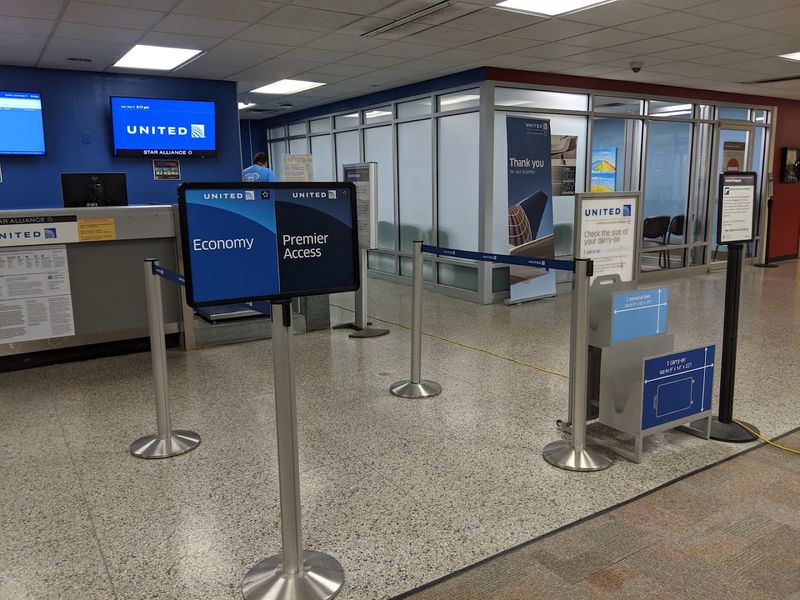
Forty-four point fifty-nine percent. That is the delay rate at North Central West Virginia Airport, and it is the highest delay percentage among all the top 10 most stressful airports in this study.
That single number earned it second place on the national stress ranking.
The cancellation rate was a relatively manageable 2.32%, and diversions barely registered at 0.52%. So the airport is not sending flights wildly off course.
It is just keeping you waiting, a lot.
There is something uniquely draining about sitting at a gate, watching your departure time tick later and later with no explanation. North Central West Virginia has turned that experience into something of a signature move.
Travelers heading through here should download a good podcast, charge every device they own, and mentally commit to the possibility that “on time” is more of a suggestion than a promise.
Hagerstown Regional Airport, Maryland
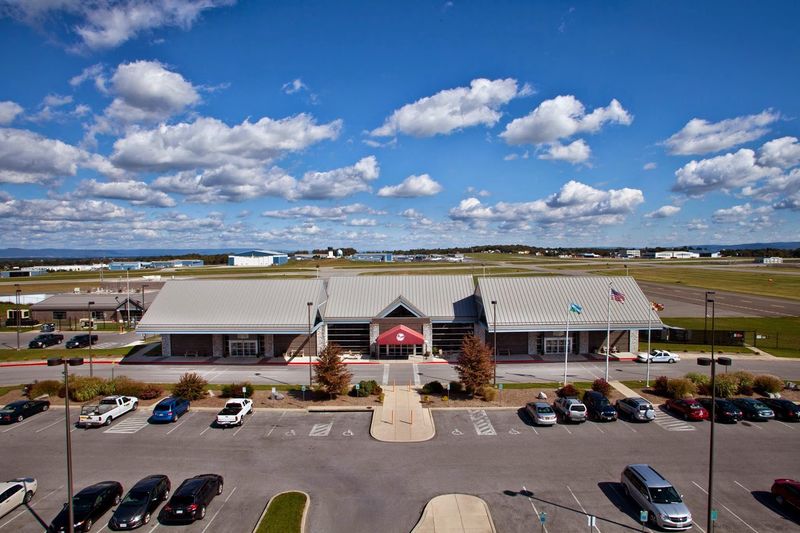
Here is a myth worth busting: small airports are not automatically stress-free. Hagerstown Regional Airport ranked third nationally with an index score of 90.73, proving that size means nothing when delays are stacking up.
The delay rate here hit 43.95%, which is staggering for a regional facility. On the bright side, cancellations came in at just 1.87%, and the diversion rate was a clean 0.00%.
No flights got rerouted, which is genuinely good news.
Still, nearly half of all flights running late is enough to ruin even the most carefully planned travel day. Smaller airports often have fewer resources to absorb disruptions quickly, which means one delayed inbound aircraft can throw off the entire afternoon schedule.
If Hagerstown is in your travel plans, pad your connections generously and keep your expectations grounded, much like the flights apparently are.
Concord-Padgett Regional Airport, North Carolina
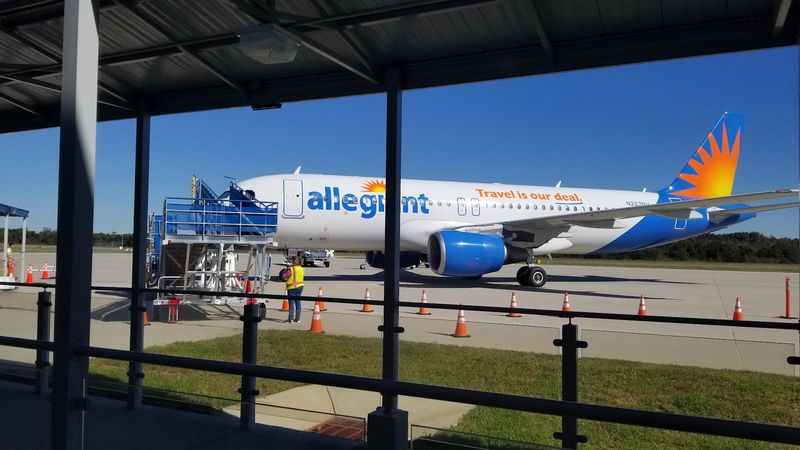
Concord-Padgett Regional Airport landed fourth on the stress list with an index score of 79.33, and delays were almost entirely responsible for putting it there. The cancellation rate was just 0.79%, and diversions were nonexistent in the data.
But that 40.13% delay rate? That is the culprit.
Four out of every ten flights running late is not a quirk or an outlier. That is a pattern travelers need to plan around.
The practical takeaway here is pretty straightforward: check your flight status before you even leave the house. Do not book a tight connection at a downstream airport thinking you will make it.
Concord-Padgett is not a hub, which means fewer backup options when things go sideways. Treat every departure time as a rough estimate rather than a firm commitment, and you will save yourself a lot of unnecessary frustration at the gate.
Eugene F. Kranz Toledo Express Airport, Ohio
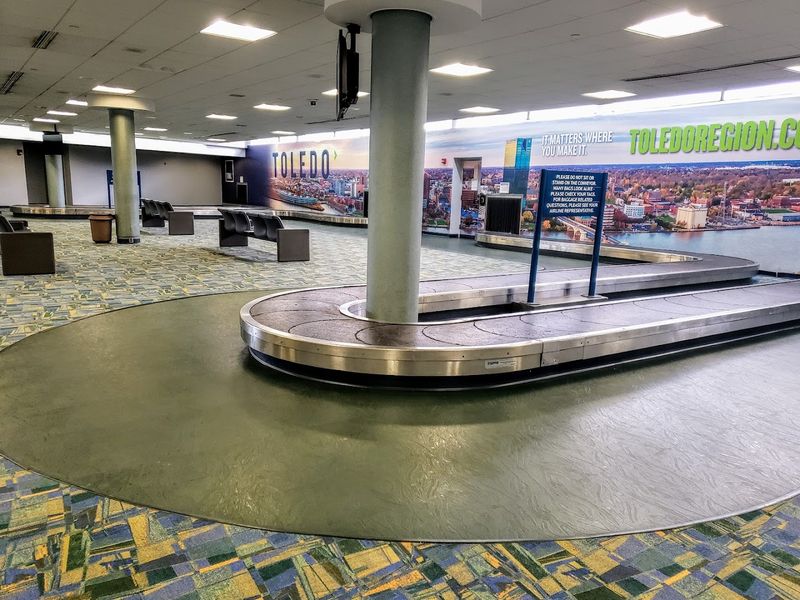
Named after NASA flight director Gene Kranz of Apollo 13 fame, Toledo Express Airport carries a legacy of staying cool under pressure. The airport itself, though, is having a harder time living up to that reputation.
A 35.39% delay rate pushed it to fifth place on the national stress ranking, earning an index score of 71.14. Cancellations were minimal at 0.57%, and diversions barely registered at 0.29%, so flights are mostly completing their journeys.
They are just doing it late.
This is the kind of airport where you will probably reach your destination, but your schedule might not survive the trip. The lesson here is simple: do not book a dinner reservation the same evening you fly through Toledo.
Give yourself breathing room. Gene Kranz famously said failure is not an option, but at Toledo Express, a delayed departure clearly is on the table.
Houghton County Memorial Airport, Michigan
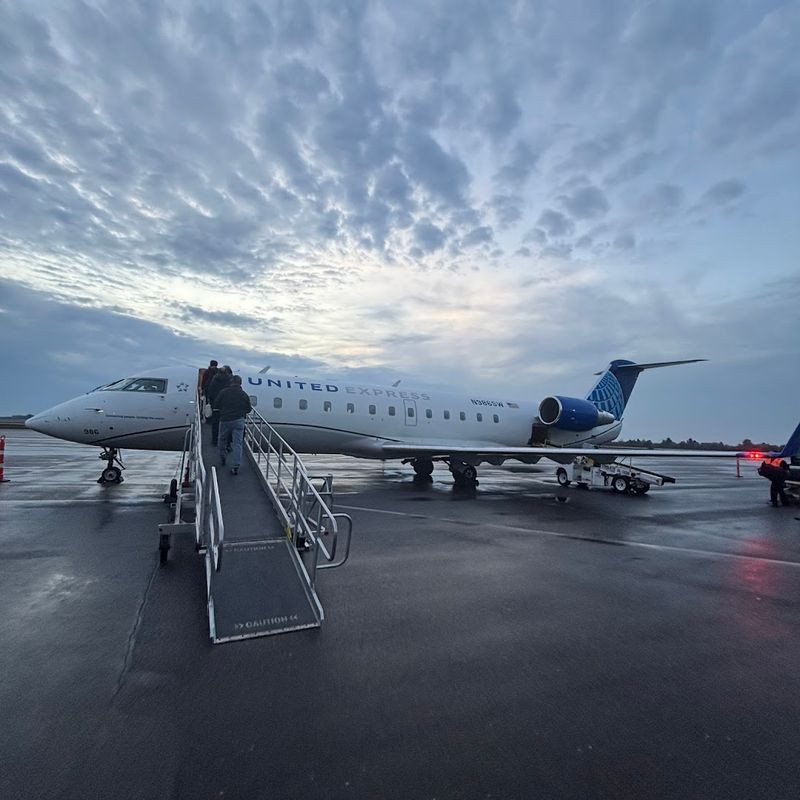
Way up in Michigan’s Upper Peninsula, Houghton County Memorial Airport sits in one of the most geographically remote corners of the Midwest. That remoteness has consequences when flights go wrong.
The airport ranked sixth with an index score of 67.52. Its delay rate of 24.46% was actually lower than several airports ranked above it, but a 3.88% cancellation rate and a 1.09% diversion rate pushed the overall stress score higher.
It is a reminder that cancellations hurt more than delays at small regional airports.
When a flight gets cancelled at a major hub, you can usually rebook within hours. At Houghton County, your next available option might not show up until the following day.
Winter weather in the Upper Peninsula is no joke, and the limited route network means disruptions ripple harder here than almost anywhere else on this list. Pack accordingly.
Watertown International Airport, New York
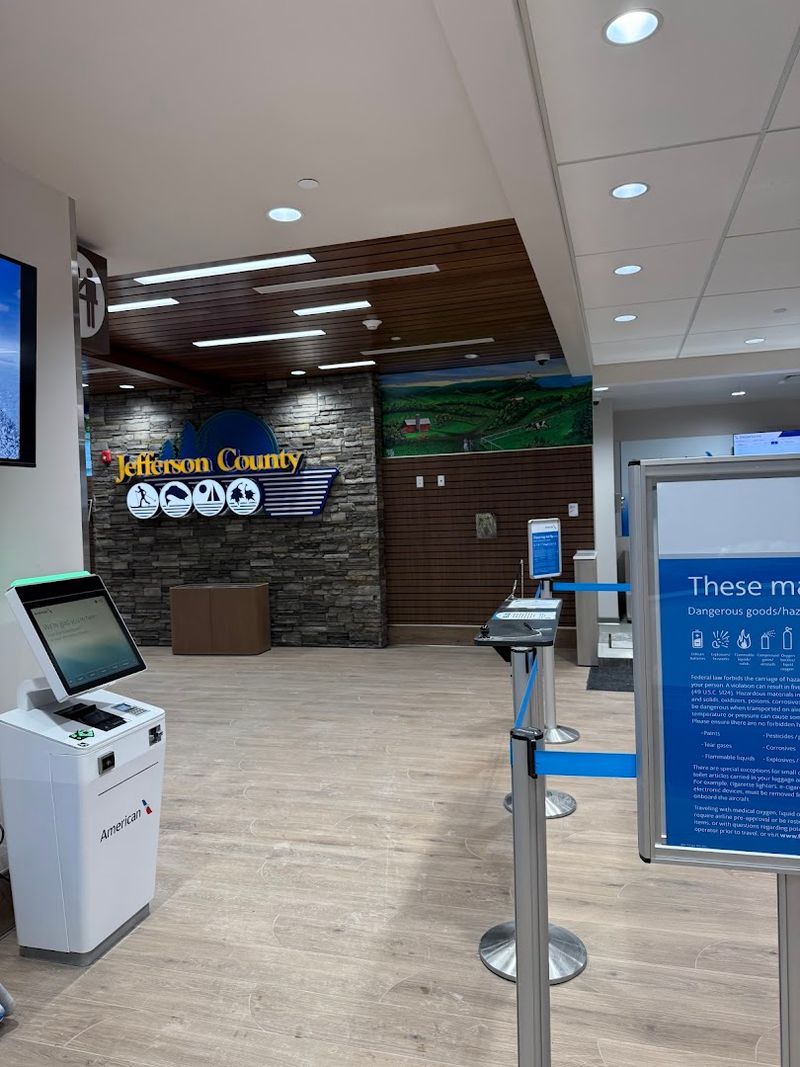
Do not let the name fool you. Watertown International Airport in upstate New York is not exactly a global travel hub, but it did manage to rank seventh on the national stress list with an index score of 67.35.
What makes Watertown’s case interesting is that its delay rate was just 17.10%, notably lower than most airports in the top 10. The real issue was a 4.54% diversion rate, one of the highest in the entire ranking.
Flights leaving Watertown were frequently getting sent somewhere else entirely.
A diversion is arguably more disruptive than a delay. You end up in the wrong city, scrambling for ground transportation or a hotel, with no guarantee of a quick fix.
Watertown’s geography and weather patterns likely contribute to this pattern. If you are flying through here, have a backup plan ready, just in case your plane decides to take a scenic detour.
Ronald Reagan Washington National Airport, Virginia
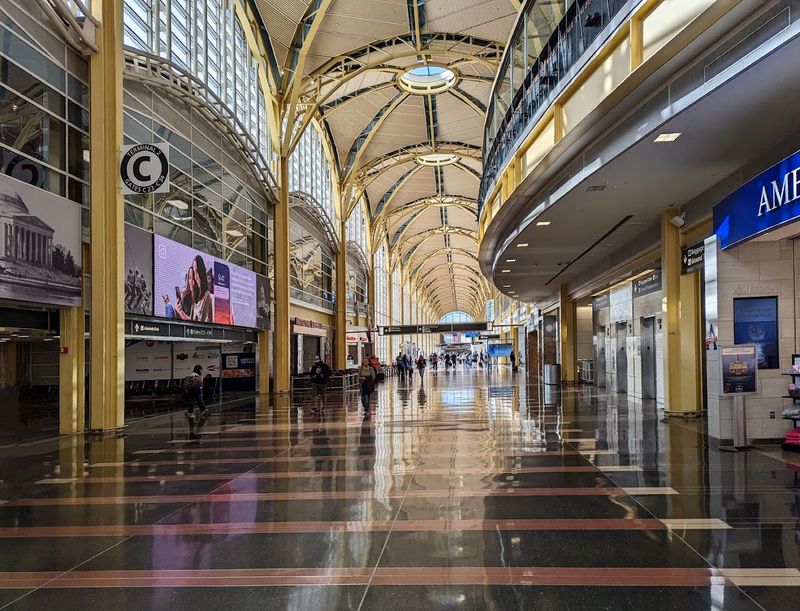
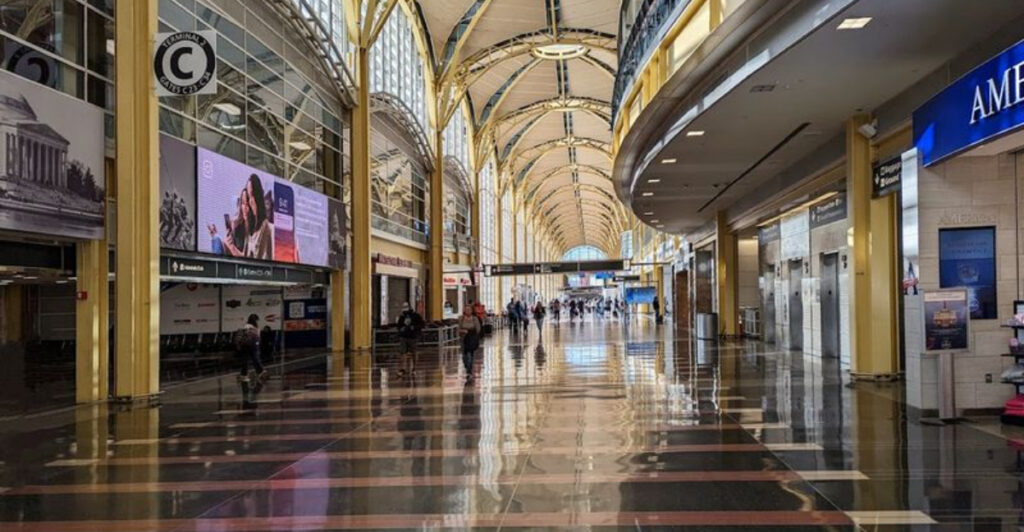
Unlike every other airport in the top 10, Ronald Reagan Washington National is a major airport. It handles millions of passengers annually, sits right next to the nation’s capital, and operates in one of the most congested airspaces in the entire country.
Its index score of 67.24 placed it eighth, driven by a 25.63% delay rate, a 4.02% cancellation rate, and a 0.56% diversion rate. None of those numbers are shocking on their own, but combined with the sheer volume of travelers passing through, disruptions here hit differently.
A delayed flight at Reagan National during rush hour is not just an inconvenience. It triggers a chain reaction across dozens of connecting routes nationwide.
Business travelers especially feel this one. Reagan National is a power airport in a power city, and it operates with about as much chill as a congressional hearing.
Build in extra time every single time.
Lea County Regional Airport, New Mexico
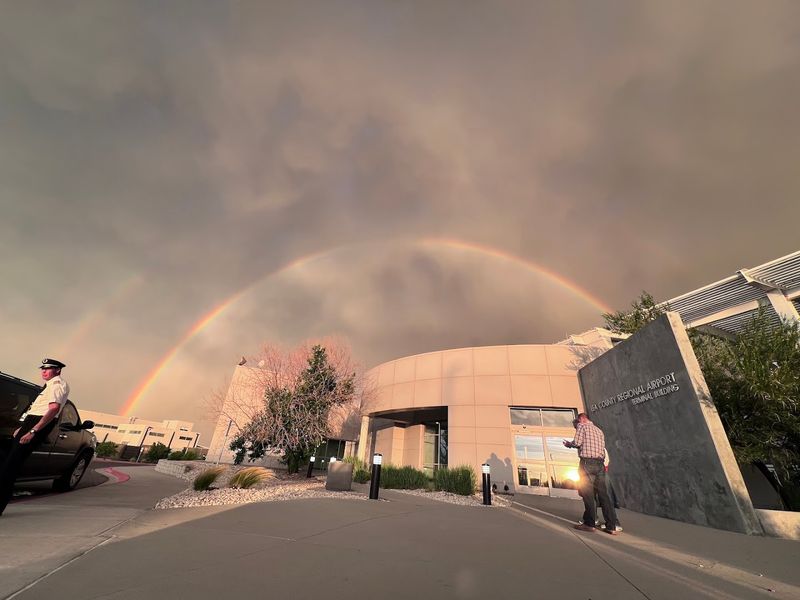
Out in the high desert of southeastern New Mexico, Lea County Regional Airport earned ninth place on the stress ranking with an index score of 66.93. The surrounding landscape may be wide open and calm, but the flight data tells a different story.
A 27.69% delay rate was the main driver of its ranking, with a 2.40% cancellation rate adding fuel to the fire. Diversions were relatively low at 0.90%, so flights mostly stay on their intended routes.
Getting there on time, though, is the challenge.
For anyone relying on Lea County to catch a connecting flight elsewhere, the math gets stressful fast. Regional airports in less-populated areas often have just one or two daily departures per route.
Miss your window because of a delay, and the next flight might not be until tomorrow. Always check the schedule carefully and give yourself a generous runway, pun fully intended.
Sioux Gateway Airport, Iowa
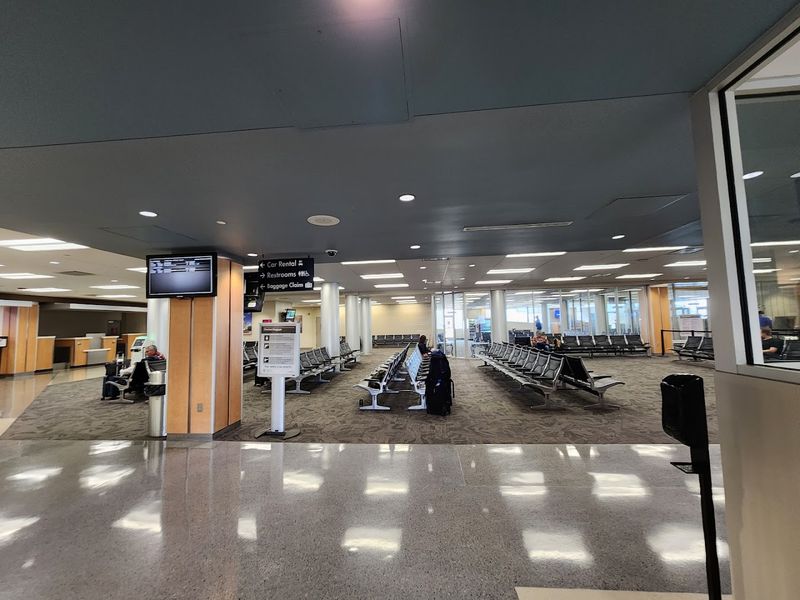
Sioux Gateway Airport rounds out the top 10 most stressful airports with an index score of 66.31. No single stat here jumps off the page, but the combination of a 27.06% delay rate, a 1.87% cancellation rate, and a 1.35% diversion rate added up to enough stress to crack the top 10.
That is actually what makes Sioux Gateway a useful case study. It was not the worst at any one category.
It was consistently mediocre across all three, and that consistency added up.
Regional airports like this one create a particular kind of travel stress that has nothing to do with crowds or security lines. When a flight is cancelled or diverted, your options are limited.
There is no alternate carrier leaving in 45 minutes. You are waiting, rebooking, and hoping.
For frequent flyers who rely on small Midwestern airports, building flexibility into every itinerary is not optional. It is survival.
Cedar City Regional Airport, Utah
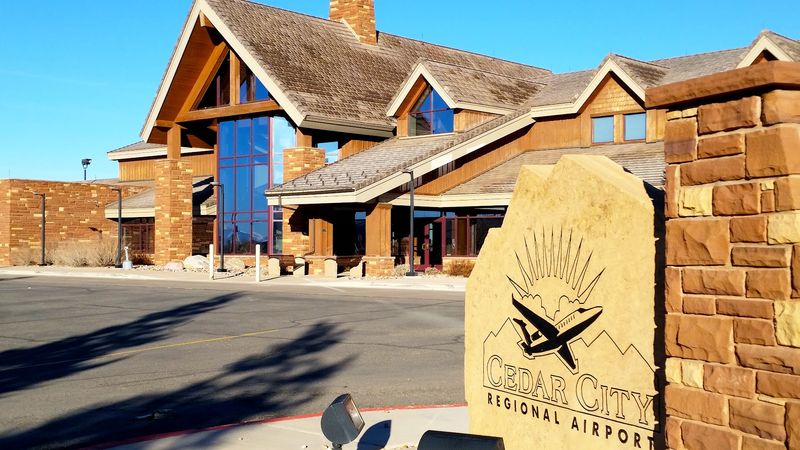
Good news finally. Cedar City Regional Airport in southern Utah is one of the three least stressful airports in America, and the numbers make a compelling case for booking a flight here without reaching for the antacids.
With an index score of just 12.59, Cedar City recorded a 5.57% delay rate, a 0.52% cancellation rate, and a 0.00% diversion rate. That last number is particularly satisfying.
Zero diversions means every flight that left Cedar City actually went where it was supposed to go.
Situated near Zion and Bryce Canyon, Cedar City is a gateway to some of Utah’s most stunning national parks. The fact that you can get there with minimal travel drama makes it even more appealing.
Not every low-stress airport sits in the middle of nowhere with nothing to offer. Cedar City is proof that a smooth flight can be the start of an incredible adventure.
Magic Valley Regional Airport, Idaho
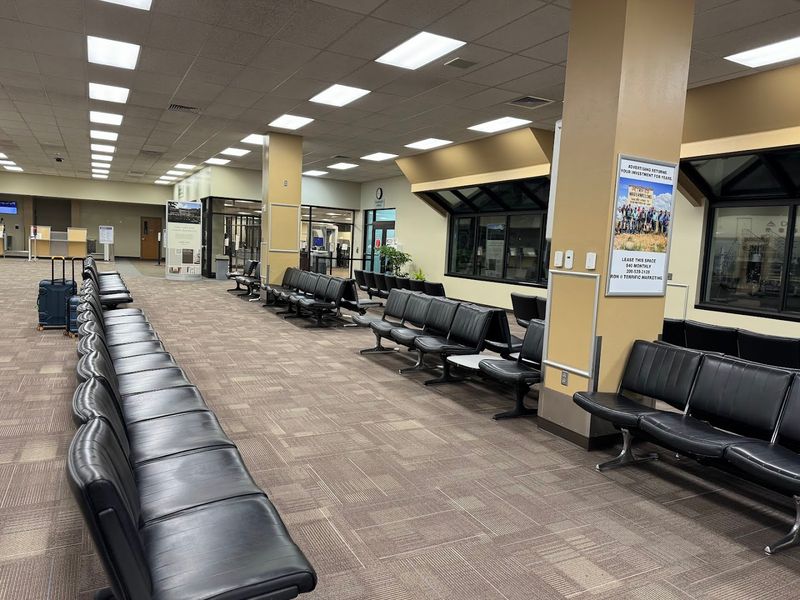
Magic Valley Regional Airport in Twin Falls, Idaho, earned second place among America’s least stressful airports, and the name honestly feels appropriate. A 5.10% delay rate and a spotless 0.00% for both cancellations and diversions?
That is practically airport magic.
Its index score of 9.70 reflects a level of operational consistency that most airports on this list could only dream about. Flights depart, flights arrive, and nobody ends up stranded in the wrong state.
Simple, effective, stress-free.
Smaller airports sometimes get dismissed as inconvenient because they serve fewer routes. But for travelers who value predictability over variety, Magic Valley makes a strong argument.
Fewer flights means more focus on running each one well. If your travel plans happen to route through southern Idaho, lean into it.
You might actually enjoy the airport experience for once, which, let us be honest, is not something most of us get to say very often.
Elko Regional Airport, Nevada
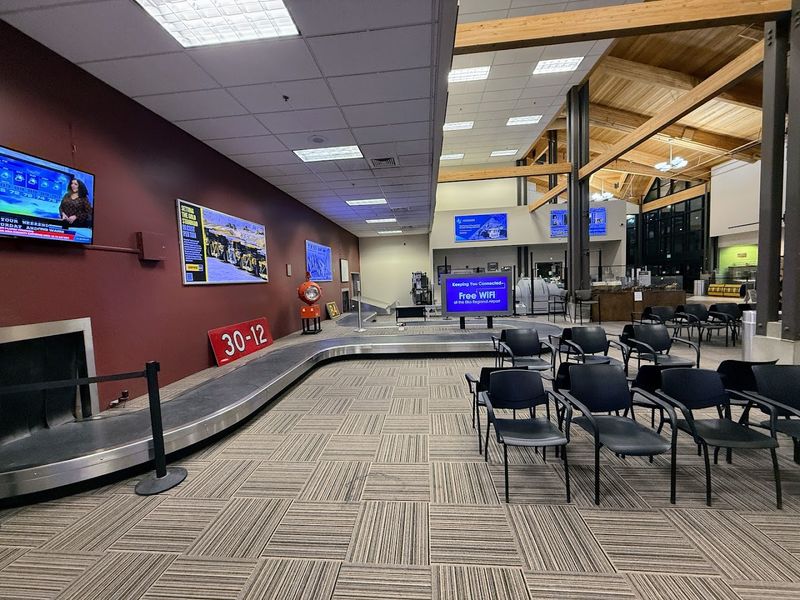
America’s least stressful airport is not in a major city. It is not a gleaming hub with a dozen concourses.
It is Elko Regional Airport in northeastern Nevada, sitting quietly in the high desert with an index score of 9.66 and absolutely no drama attached.
A 3.31% delay rate was the lowest in the entire study. Add a 0.22% cancellation rate and a 0.44% diversion rate, and you have the closest thing to a perfect airport disruption record that this data produced.
No airport can promise a perfect experience every single time. Weather happens, mechanical issues happen, and life is unpredictable.
But based on this data, Elko Regional Airport has built a reputation for reliability that most airports would genuinely envy. If you ever find yourself flying through Elko, take a moment to appreciate the calm.
In the world of air travel, this kind of peace is genuinely rare.
Share this story