 Unearth The Voyage
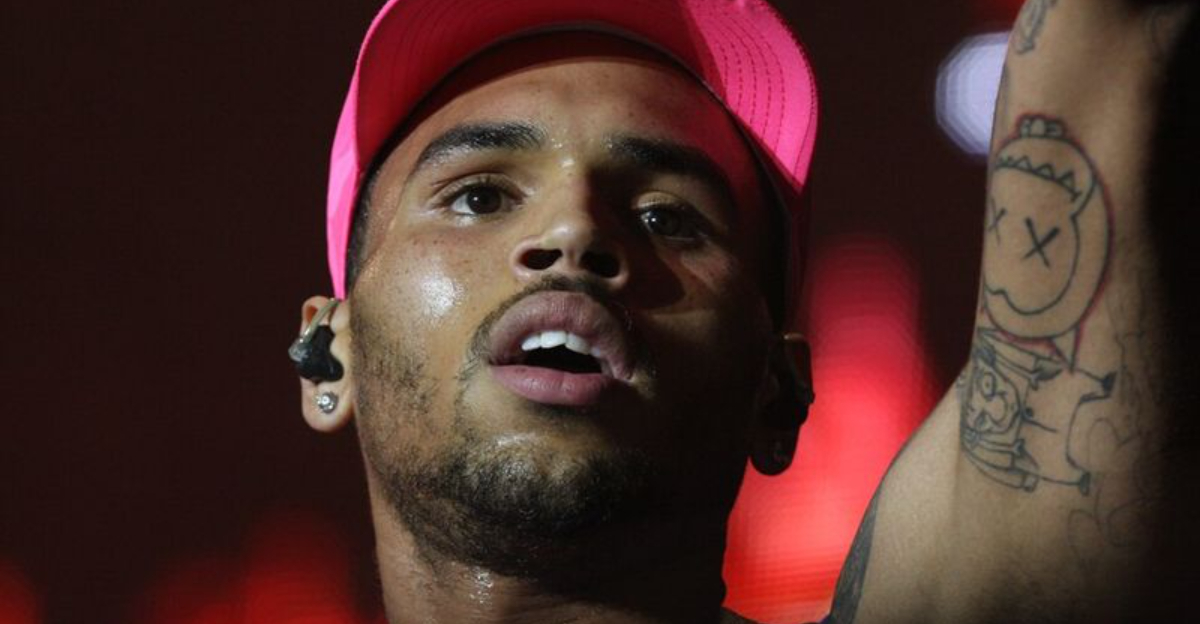
Some musicians are loved by millions and hated by just as many. Whether it is their music, their personality, or their choices off the stage, certain artists have a special talent for splitting audiences right down the middle.
These 13 musicians have sparked more debates, arguments, and passionate opinions than almost anyone else in music history. Get ready to see some familiar names that might surprise you.
1. Kanye West
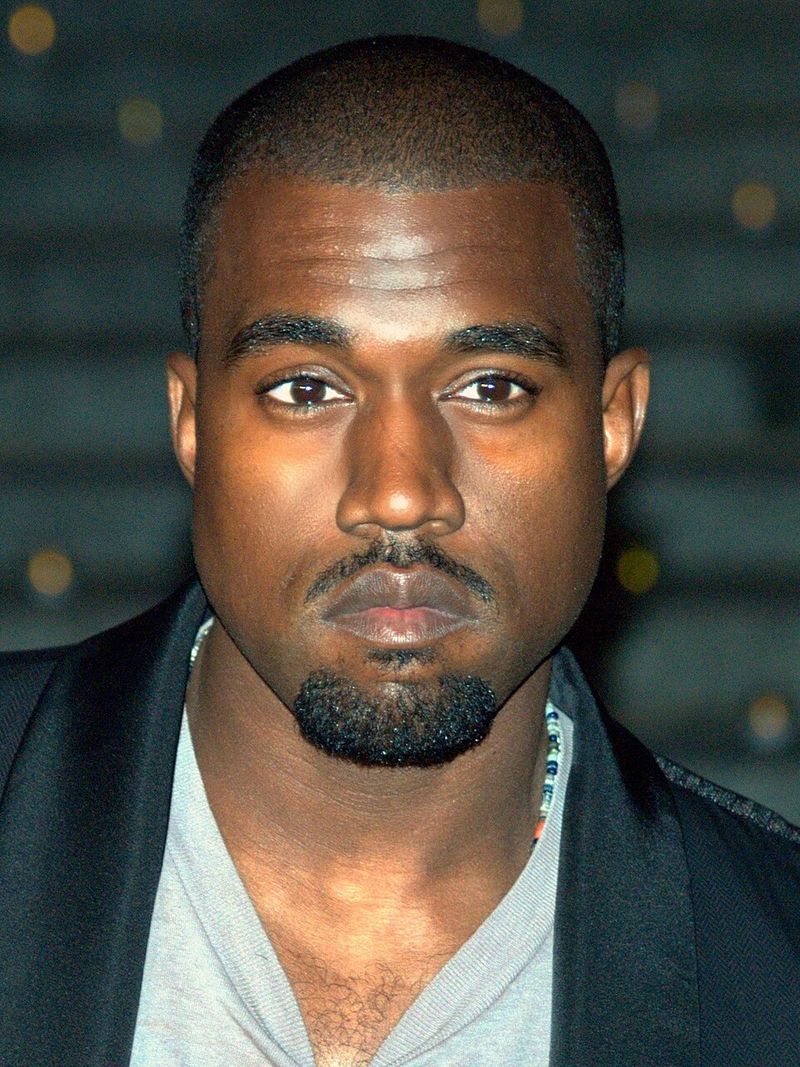
Few artists in modern music history have sparked as much debate as Kanye West. In the 2000s, he changed hip-hop forever with albums like “The College Dropout” and “My Beautiful Dark Twisted Fantasy,” earning widespread critical praise and numerous Grammy Awards.
His production style was groundbreaking, blending soul samples with orchestral arrangements in ways nobody had heard before. Fans credit him with pushing music forward in ways that few artists ever manage to achieve.
But outside the studio, Kanye has made headlines for erratic public behavior, controversial political statements, and social media outbursts that many find deeply troubling. His antisemitic comments in 2022 caused major brands to cut ties with him entirely.
Supporters argue his genius outweighs his flaws, while critics believe his actions are simply unforgivable. He remains one of the most complicated figures in music today.
2. Madonna
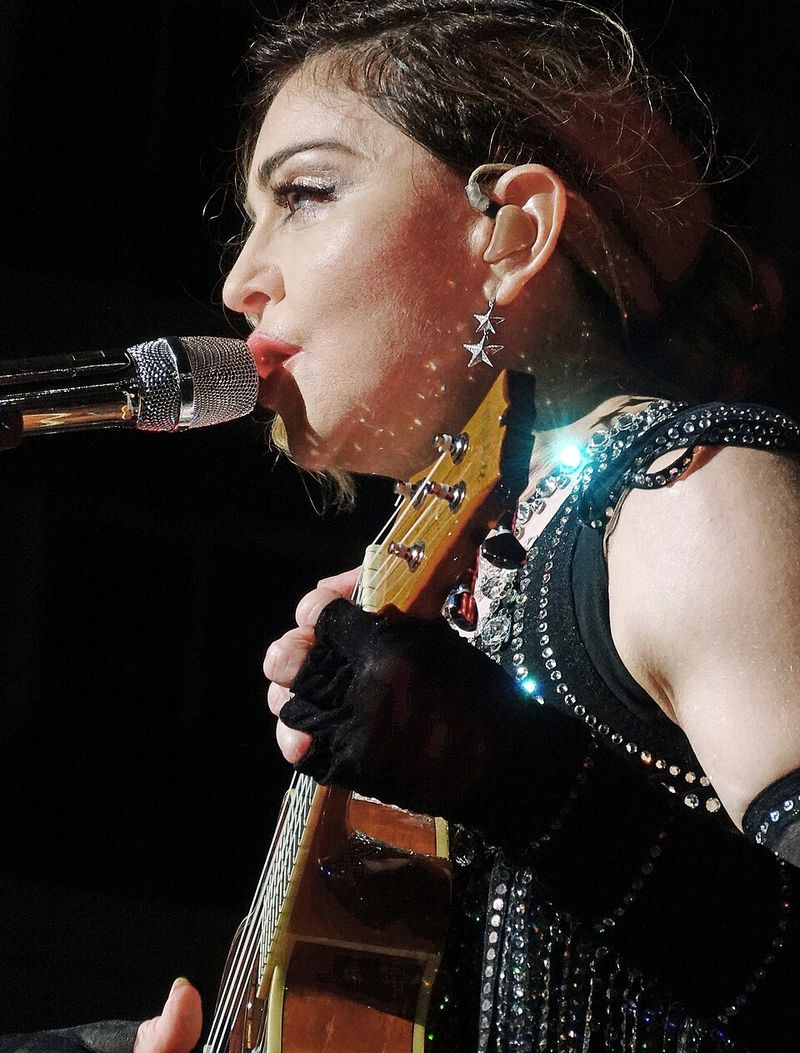
Madonna did not just make music. She rewrote the rules of what a pop star could be.
Starting in the early 1980s, she used fashion, religion, and sexuality as tools to challenge what audiences were comfortable with, and it worked brilliantly for decades.
Songs like “Like a Prayer” and “Material Girl” became cultural landmarks, and her ability to reinvent herself kept her relevant long after many peers faded away. Few artists have matched her consistency across four decades of mainstream success.
Still, her provocative style has always drawn strong criticism. Some fans see her as a fearless trailblazer who opened doors for countless female artists.
Others view her boundary-pushing as attention-seeking or inappropriate. More recently, her appearance and public behavior have invited even more commentary.
Whether you admire her or not, ignoring her massive impact on pop culture is simply impossible.
3. Justin Bieber

Justin Bieber’s story is one of the most dramatic in pop music. Discovered at 13 through YouTube videos, he became a global phenomenon almost overnight.
His early fanbase, known as “Beliebers,” was one of the most dedicated and vocal groups in music history.
As he grew older, though, his public image took serious hits. Arrests, reckless behavior, and feuds with neighbors made him tabloid fodder throughout his early twenties.
Many fans who grew up with him felt genuinely let down by the person he seemed to be becoming.
His later albums, especially “Changes” and “Justice,” showed real artistic growth and earned him renewed respect from critics. Many listeners believe his personal faith journey helped him mature significantly.
Others still struggle to separate the music from the messy years in between. His name alone can start a passionate argument in almost any room.
4. Nickelback
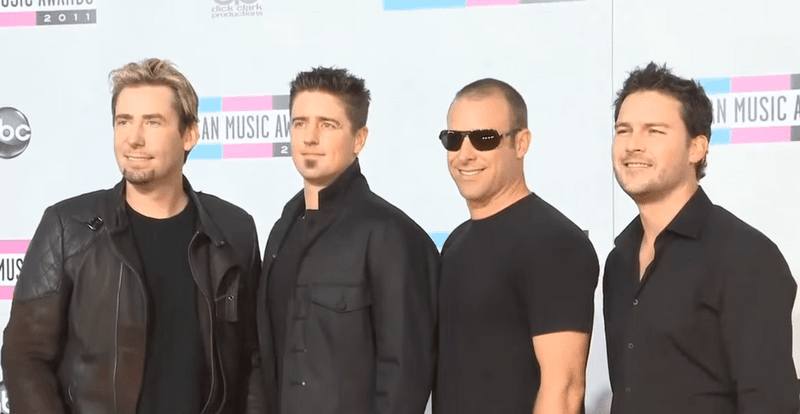
No band in rock history has been mocked quite as consistently as Nickelback. The Canadian group became a genuine internet punching bag in the early 2000s, with jokes about their music spreading across social media faster than almost any meme at the time.
Here is the thing though: the numbers tell a very different story. Nickelback has sold over 50 million albums worldwide, making them one of the best-selling rock acts of all time.
Songs like “How You Remind Me” and “Photograph” dominated radio for years and remain recognizable to almost anyone who lived through that era.
Music critics and online communities have long dismissed them as generic or formulaic. Yet their loyal fanbase shows up in massive numbers every single tour.
Their story raises a fascinating question about the gap between critical opinion and genuine public popularity. Loving or hating Nickelback has almost become a personality trait for music fans.
5. Eminem
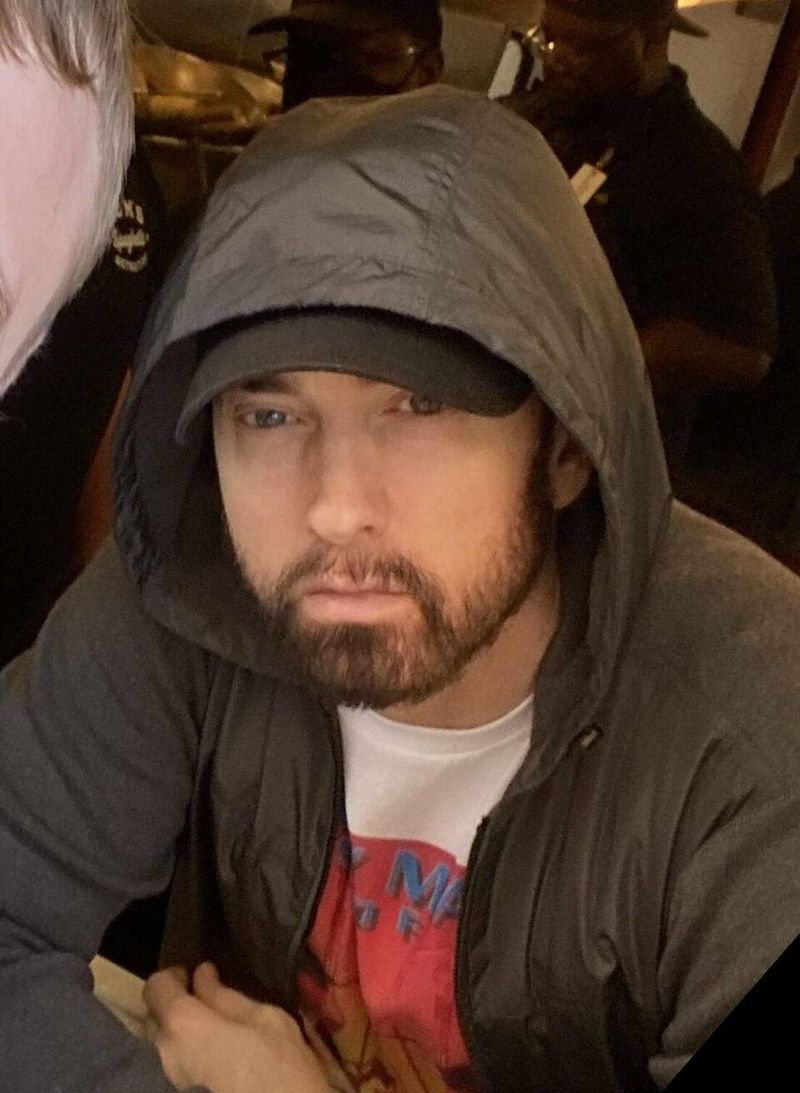
When Eminem burst onto the scene in the late 1990s, he was unlike anything mainstream hip-hop had produced before. His technical rapping ability, wordplay, and storytelling on albums like “The Slim Shady LP” and “The Marshall Mathers LP” earned him comparisons to the greatest lyricists of all time.
His raw honesty about his troubled childhood, his struggles with addiction, and his complicated relationships gave his music a depth that resonated with millions of listeners around the world. Many fans credit him with saving their lives through his words.
At the same time, his lyrics have frequently targeted women, LGBTQ+ communities, and celebrities in ways that many people find genuinely harmful. Critics argue his shock-value content crosses important lines regardless of artistic intent.
Defenders say his work represents free expression at its most unfiltered. Few artists generate as much heated debate about where art ends and responsibility begins.
6. Taylor Swift
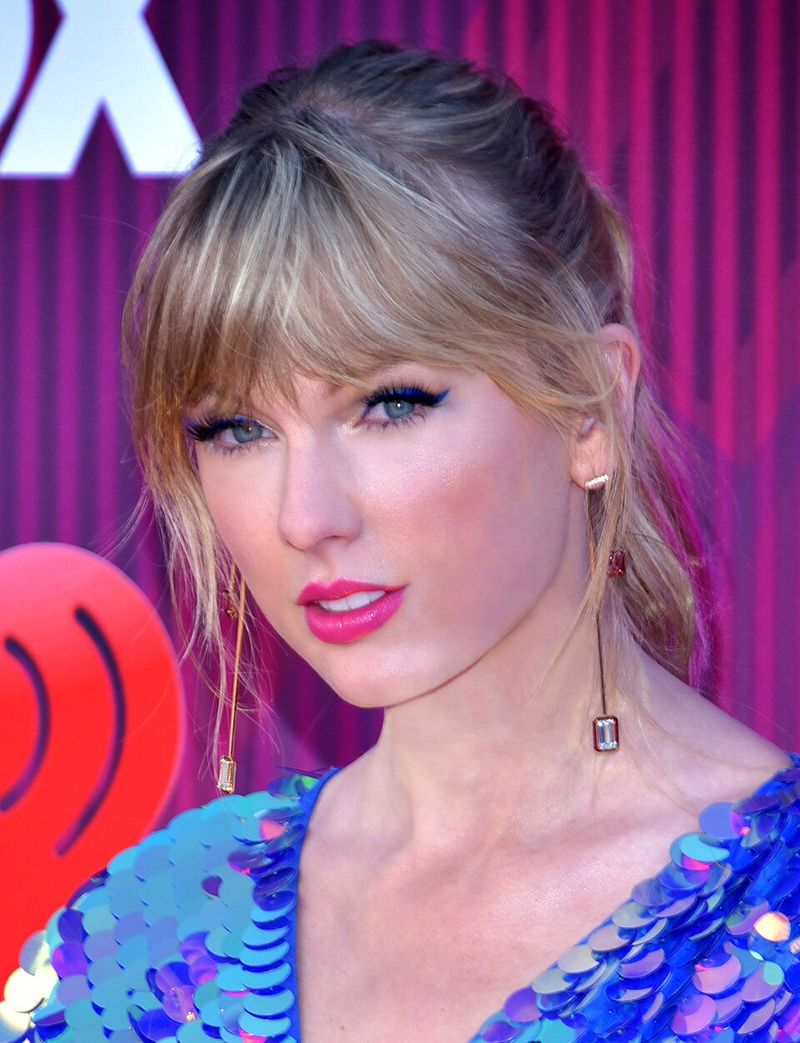
Taylor Swift is currently one of the biggest entertainers on the planet. Her Eras Tour became a global cultural event, breaking concert revenue records and even influencing local economies in cities where she performed.
Her fanbase, known as Swifties, is famously dedicated and organized.
Her songwriting has earned genuine respect from critics and fellow musicians alike. She has successfully shifted between country, pop, and indie folk without losing her core audience, which is a remarkably rare achievement in modern music.
Despite all of this, strong opinions against her are equally common. Some listeners find her media presence exhausting and feel her fan culture has become aggressive toward anyone who expresses mild criticism.
Others question whether her constant public reinventions are authentic or carefully calculated. Her high-profile relationships and feuds with other celebrities also keep her in constant conversation.
Few artists today inspire such strong feelings in both directions simultaneously.
7. Miley Cyrus

Miley Cyrus grew up on television as Hannah Montana, and millions of kids around the world adored her wholesome image. That made her transformation into a provocative, boundary-pushing performer all the more jarring for many fans and parents when it happened around 2013.
Her performance at the 2013 MTV Video Music Awards became one of the most talked-about moments in awards show history, drawing both fascination and outrage in equal measure. She seemed to be deliberately dismantling her Disney past, one controversial move at a time.
What followed was a career full of reinventions: psychedelic pop, country roots, and classic rock influences all showed up at different points. Her 2023 hit “Flowers” became one of the fastest songs ever to reach one billion streams on Spotify.
Some see her as a genuinely fearless artist. Others still struggle to look past the shock tactics of her earlier phase.
8. Drake
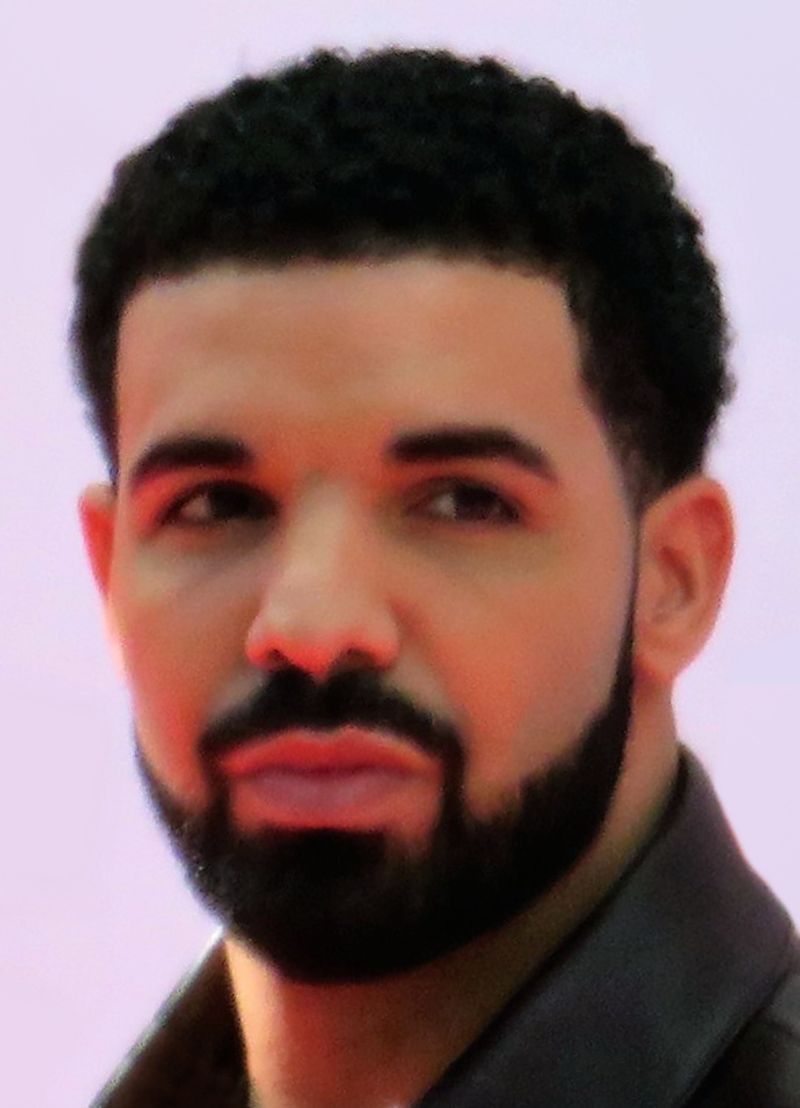
Drake has dominated charts in a way that few artists in any genre have managed. Since the early 2010s, he has broken streaming records, Billboard milestones, and cultural conversations with a consistency that is genuinely hard to argue against.
The numbers behind his career are staggering.
His blend of rap and R&B helped define the sound of an entire decade of popular music. Songs like “God’s Plan,” “One Dance,” and “Hotline Bling” became unavoidable cultural touchstones that connected with audiences across age groups and backgrounds.
But criticism of Drake runs deep among music fans and fellow artists. Many accuse him of emotional repetition, recycling the same themes of wealth and heartbreak without evolving meaningfully as a lyricist.
His high-profile beef with Kendrick Lamar in 2024 exposed serious questions about his authenticity that his supporters and critics debated loudly for months. Loving Drake and rolling your eyes at him often happen at the same time.
9. Bono (U2)
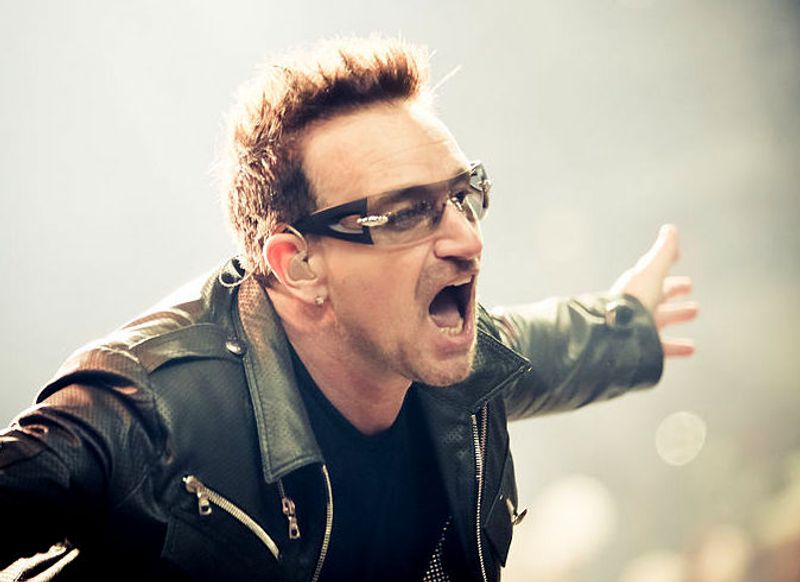
U2 built one of the most successful careers in rock history, and Bono has long been recognized as one of music’s most passionate voices. Songs like “One,” “Where the Streets Have No Name,” and “With or Without You” are considered genuine classics by millions of listeners worldwide.
His humanitarian work is extensive and well-documented. He has campaigned for African debt relief, HIV/AIDS awareness, and poverty reduction, working alongside world leaders and international organizations for decades.
Many fans see him as proof that musicians can use their platform for meaningful global change.
Yet Bono is also one of the most eye-roll-inducing figures in popular music for a significant portion of the public. Critics argue his self-righteous tone makes his activism feel performative rather than genuine.
The infamous decision to automatically add U2’s 2014 album to every iTunes library without consent did not help his reputation for reading the room. Admiration and irritation coexist constantly around him.
10. Chris Brown
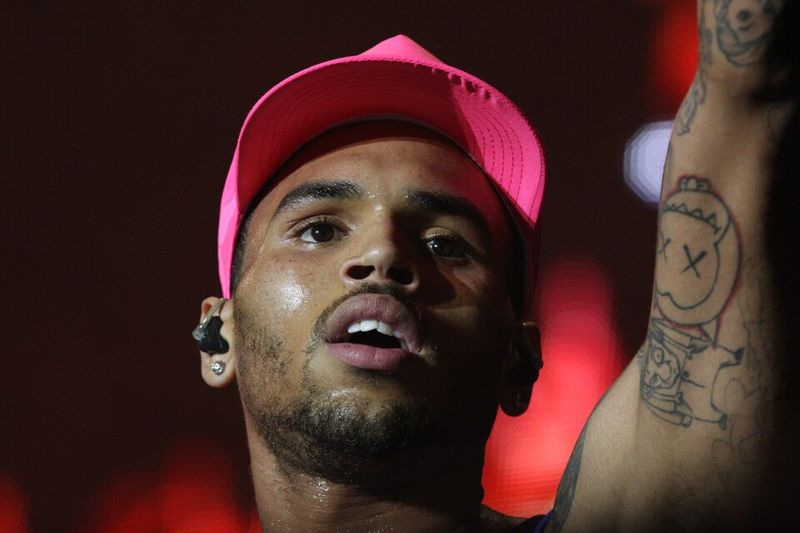
Chris Brown arrived in 2005 as one of the most naturally talented young performers the music industry had seen in years. His dancing ability drew immediate comparisons to Michael Jackson, and his voice carried a smoothness that made his early R&B hits nearly impossible to resist.
Then came February 2009. His physical assault on then-girlfriend Rihanna before the Grammy Awards became one of the most discussed celebrity controversies of the decade.
The details were disturbing, and public reaction was swift and largely damning.
What followed has been a career defined by that single event and the ongoing debate around it. His music continued selling, his tours continued selling out, and his streaming numbers remained high.
Supporters argue that people deserve second chances and that his talent is undeniable. Critics believe continued support for him sends a harmful message about accountability.
The divide around Chris Brown has never fully closed.
11. Billie Eilish

Billie Eilish became a household name at an age when most teenagers are still figuring out high school. Releasing “Ocean Eyes” at 13 and “Bad Guy” at 17, she built a devoted fanbase drawn to her raw emotional honesty and her refusal to conform to typical pop star expectations.
Her Grammy wins, including Album of the Year for “When We All Fall Asleep, Where Do We Go?”, made her the youngest artist to sweep the four major Grammy categories in a single night. That record alone speaks to how seriously the industry took her talent from very early on.
Still, not everyone is a fan. Some listeners find her breathy vocal style and dark aesthetic more manufactured than authentic.
Others have criticized the intense behavior of some of her online supporters. As she has evolved her image and sound, reactions have remained divided.
She is undeniably original, but originality does not always mean universal appeal.
12. Kid Rock

Kid Rock built his early career on a genuinely unique blend of rock, rap, and country that earned him a devoted following throughout the late 1990s and early 2000s. Albums like “Devil Without a Cause” sold over 10 million copies in the United States alone, proving his crossover appeal was real and significant.
His music connected with working-class audiences who felt underrepresented in mainstream rock. That authenticity, whether real or crafted, gave him a loyal base that has stuck with him through decades of shifting musical trends and cultural moments.
In recent years, his outspoken conservative political views and public statements on social issues have made him a deeply divisive figure well beyond music. Supporters see him as a straight-talking everyman who says what others are afraid to.
Critics view his statements as inflammatory and harmful. He has leaned fully into his controversial image, making the divide around him wider than ever before.
13. Courtney Love

Courtney Love has occupied a complicated space in rock history since the early 1990s. As the frontwoman of Hole and the widow of Nirvana’s Kurt Cobain, she has always existed at the center of multiple powerful narratives simultaneously, making it nearly impossible to discuss her work without other stories entering the conversation.
Hole’s 1994 album “Live Through This” is genuinely considered one of the strongest rock records of its decade by critics who have revisited it seriously. Her raw, confrontational performance style influenced a generation of female rock musicians who came after her.
But her personal life, public meltdowns, legal troubles, and controversial statements have consistently overshadowed her musical contributions in mainstream conversation. Supporters argue she has never received fair credit because of persistent double standards applied to difficult women in rock.
Critics point to a long pattern of self-destructive behavior. Either way, few figures in music history remain as genuinely unresolved as Courtney Love.



