Some movies make you laugh once, but the truly great comedies keep delivering the jokes no matter how many times you watch them. From absurd slapstick to razor-sharp satire, the funniest films ever made share one thing in common: they feel just as fresh today as they did on opening night.
Whether you grew up with these classics or are discovering them for the first time, this list covers the comedies that have genuinely stood the test of time.
1. Airplane! (1980)
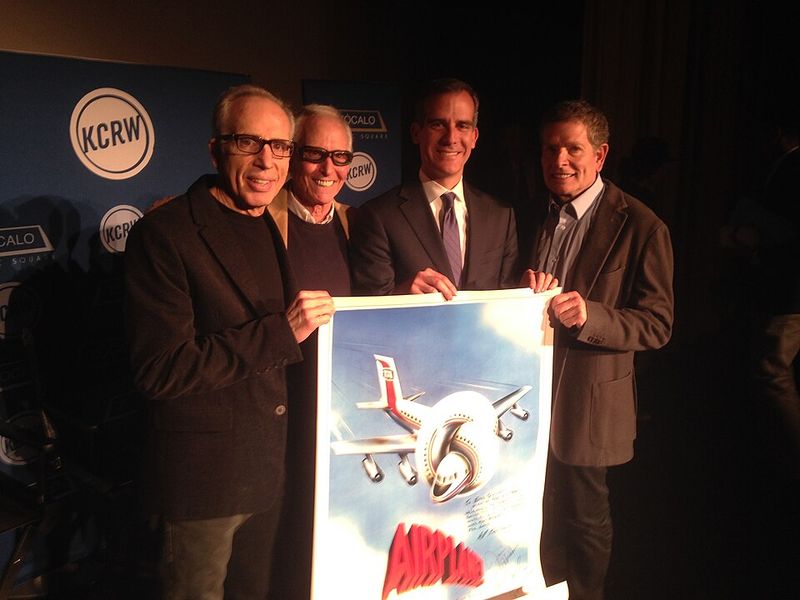
No other comedy in history has packed more jokes into 88 minutes than Airplane! Directors Jerry Zucker, Jim Abrahams, and David Zucker basically invented a new style of rapid-fire spoof comedy that nobody has fully matched since.
The film parodies disaster movies of the 1970s, and every single scene is loaded with visual gags, wordplay, and background jokes you might miss on the first watch.
What makes it remarkable is how layered the humor is. Kids catch the slapstick, while adults pick up on the sharper references.
Leslie Nielsen delivers his deadpan lines with such perfect seriousness that it somehow makes everything funnier.
Fun fact: the film was rejected by several studios before becoming one of the highest-grossing comedies of its year. Rewatching it today, the jokes still land with the same punch they did over four decades ago.
2. Monty Python and the Holy Grail (1975)
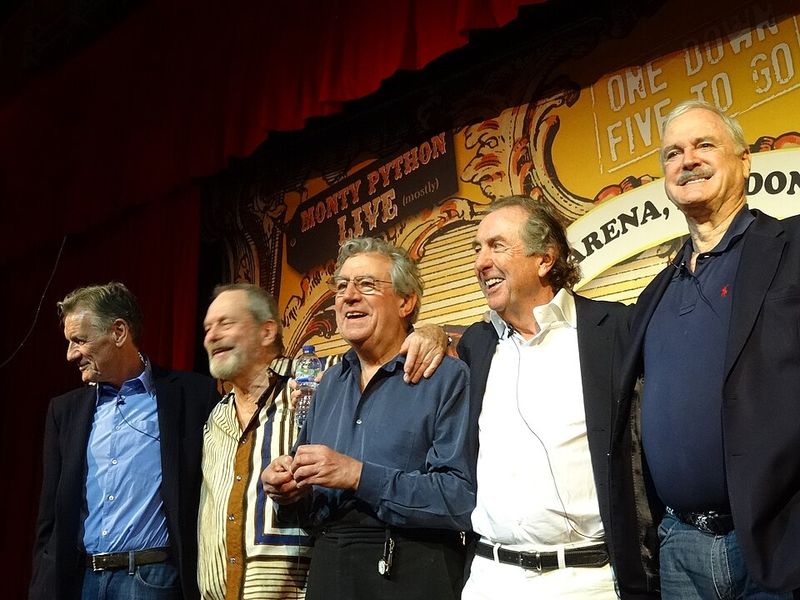
Quotable does not even begin to cover it. Monty Python and the Holy Grail has given the world phrases like “It’s just a flesh wound” and “We are the knights who say Ni!” that people still repeat today without always knowing where they came from.
Made on a shoestring budget by the British comedy troupe Monty Python, the film turned its limitations into running gags.
The story loosely follows King Arthur and his knights on a ridiculous quest, but the plot is really just an excuse for sketch after sketch of brilliantly absurd humor. Nothing is taken seriously, and that commitment to silliness is exactly what makes it work.
For a film made in 1975, it feels surprisingly modern. The self-aware humor and willingness to break the fourth wall were way ahead of their time, and audiences still discover it fresh every year.
3. Blazing Saddles (1974)
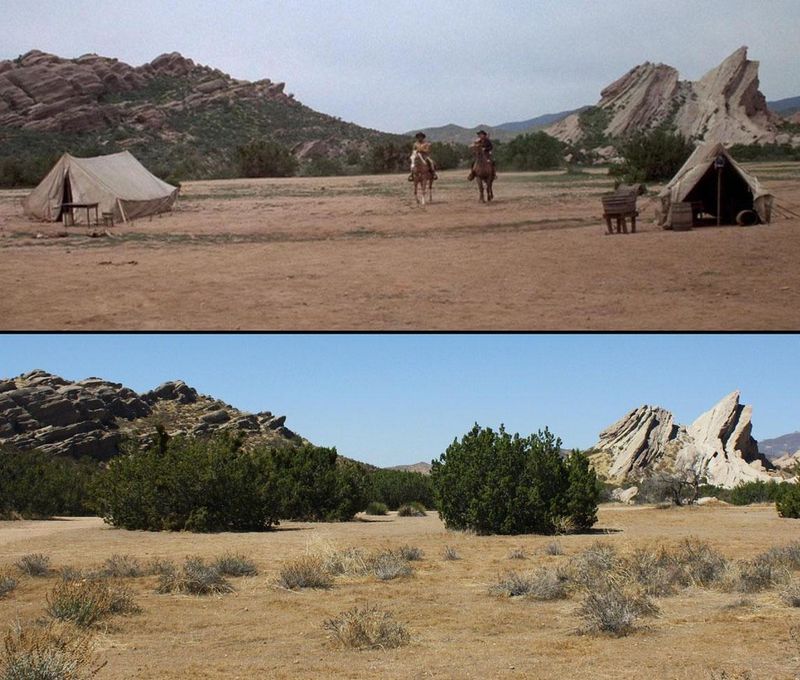
Mel Brooks made a lot of funny movies, but Blazing Saddles might be his most daring. Released in 1974, it used the Western genre to deliver a blistering satire on racism in America, and it did so with jokes that were both hilarious and genuinely pointed.
The film was controversial then and remains a conversation starter today.
Cleavon Little stars as a Black sheriff appointed to a bigoted frontier town, and his performance is sharp, charming, and completely essential to why the film works. The humor never lets the villains off the hook, which gives the comedy real moral weight beneath all the absurdity.
Brooks himself has said he wanted to make a film that attacked racism by making racists look ridiculous. Whether you are watching for the laughs or the commentary, Blazing Saddles delivers both in a way very few comedies ever have.
4. The Big Lebowski (1998)
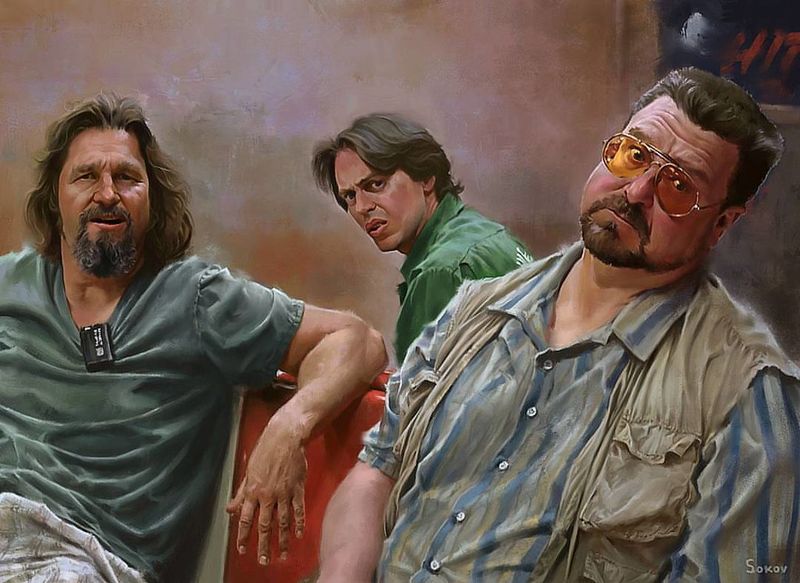
When The Big Lebowski came out in 1998, critics were mixed and box office returns were modest. Then something interesting happened: people kept watching it.
Word spread, quotes multiplied, and within a few years it had become one of the most beloved cult comedies ever made. The Coen Brothers wrote a shaggy, meandering mystery around a case of mistaken identity involving a very laid-back man called The Dude.
Jeff Bridges plays Jeffrey Lebowski with such relaxed, genuine ease that it feels less like acting and more like a documentary. The supporting cast, including John Goodman and Steve Buscemi, adds layers of absurdity that reward repeat viewings endlessly.
There is even an annual festival called Lebowski Fest where fans dress as characters and bowl. Not many comedies inspire that kind of devotion.
The film somehow gets funnier the older you get, which is a rare and wonderful quality.
5. Dumb and Dumber (1994)

There is a real craft to being this stupid on screen. Jim Carrey and Jeff Daniels commit so completely to their roles as Lloyd and Harry, two spectacularly clueless friends on a cross-country road trip, that you cannot help but root for them even as they cause disaster after disaster.
The Farrelly Brothers directed with an enthusiasm for physical comedy that felt totally fresh in 1994.
What separates Dumb and Dumber from lesser slapstick films is the genuine chemistry between Carrey and Daniels. Their friendship feels real, which makes all the ridiculous situations they stumble into somehow more endearing than mean-spirited.
The film was made on a budget of around 17 million dollars and earned over 247 million worldwide, proving that audiences were hungry for pure, uncomplicated silliness done right. Even the smallest throwaway gags in this film are carefully timed and executed with obvious care.
6. This Is Spinal Tap (1984)
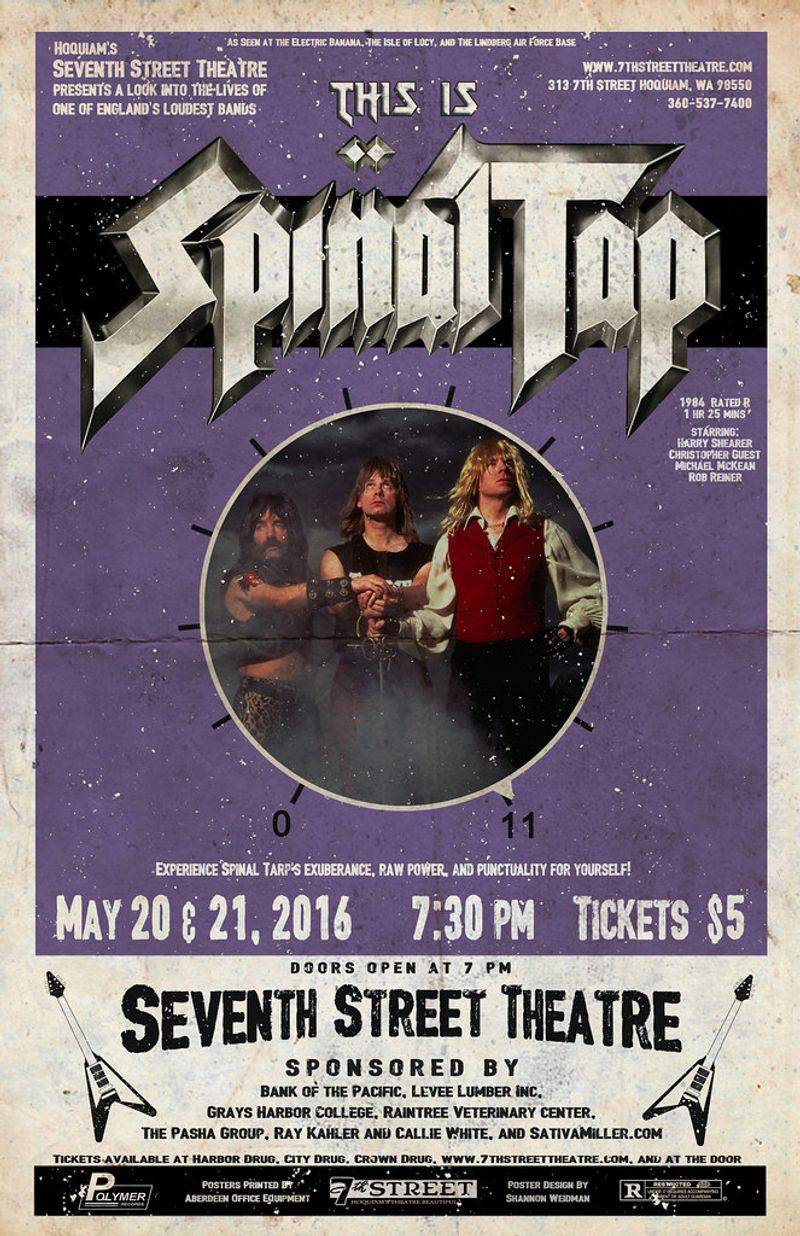
Rob Reiner’s mockumentary about a fictional British heavy metal band named Spinal Tap is so convincing that real musicians have mistaken it for an actual documentary. That is perhaps the greatest compliment a comedy can receive.
Released in 1984, the film follows the band’s disastrous American tour with a straight face, letting the absurdity build naturally rather than winking at the audience.
Christopher Guest, Michael McKean, and Harry Shearer wrote their own characters and even performed the original songs themselves. The result is a film that feels lived-in and real, which makes every mishap funnier by contrast.
The famous scene where an amp goes to eleven has entered the cultural vocabulary permanently.
Musicians love this film because it nails the specific, ridiculous culture of rock stardom with uncomfortable accuracy. Everyone else loves it because it is just brilliantly constructed comedy from start to finish.
7. Groundhog Day (1993)
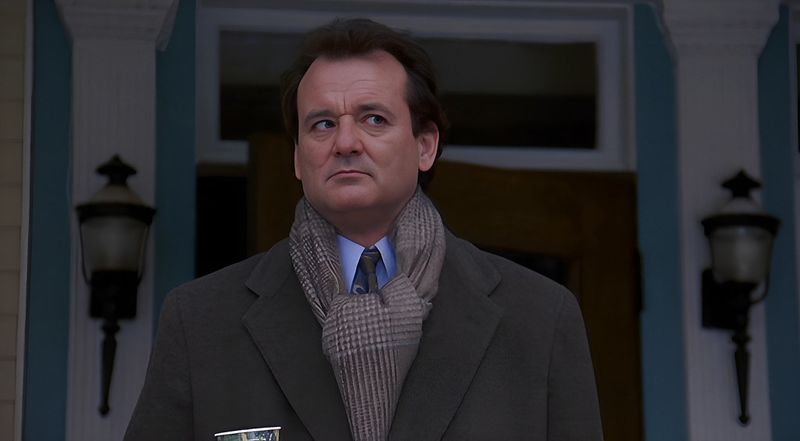
Bill Murray waking up to Sonny and Bono’s “I Got You Babe” every single morning in Punxsutawney, Pennsylvania is one of the most iconic setups in comedy history. Harold Ramis directed Groundhog Day with a clever balance between laugh-out-loud comedy and something genuinely thoughtful about how people change and grow.
Murray plays a cynical TV weatherman trapped in a time loop, forced to relive the same day over and over. What starts as a comedy concept slowly becomes something richer, exploring what it means to become a better person when nobody is watching or keeping score.
The film works on multiple levels simultaneously, which is why it appeals to such a wide range of viewers. Children enjoy the slapstick and repetition, while adults find real emotional depth underneath.
Groundhog Day has been analyzed by philosophers, theologians, and film critics, which is not bad for a movie about a talking groundhog.
8. Dr. Strangelove (1964)
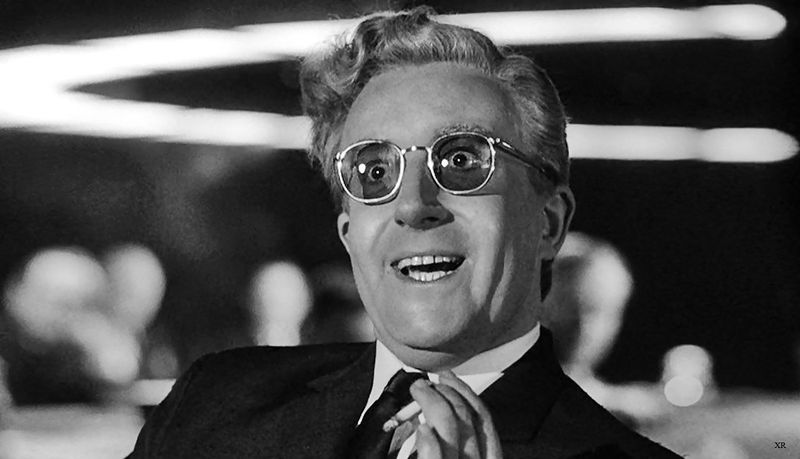
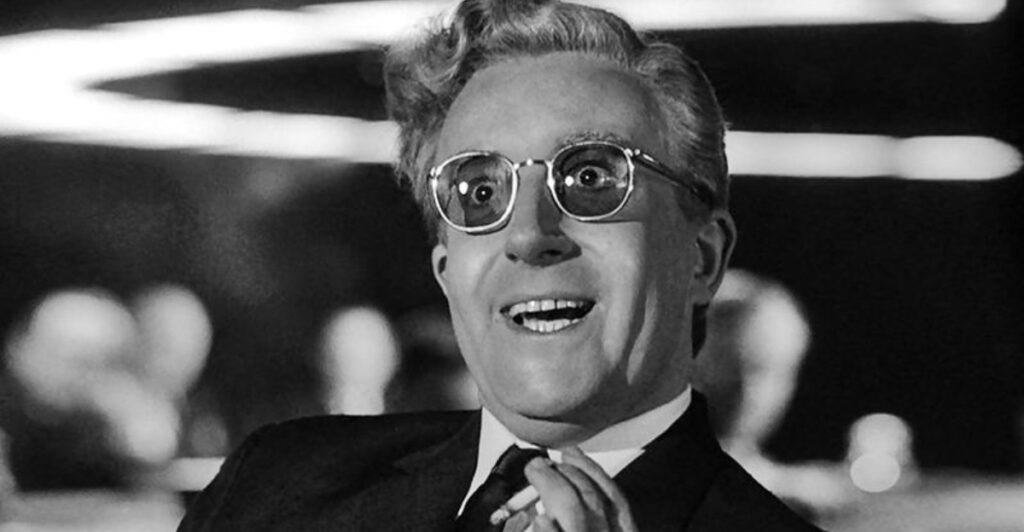
Stanley Kubrick made a film about nuclear annihilation and somehow made it one of the funniest comedies ever committed to film. Dr. Strangelove or: How I Learned to Stop Worrying and Love the Bomb was released in 1964 during the height of Cold War tension, and it treated the very real possibility of global destruction as the darkest of farces.
Peter Sellers plays three separate characters, each hilarious in completely different ways, and his performance as the wheelchair-bound ex-Nazi scientist Dr. Strangelove is one of cinema’s great comedic achievements. The film works because Kubrick played everything completely straight, trusting the absurdity of the situation to generate the laughs.
Watching it today, the satire on military logic and political incompetence feels as sharp as ever. Some jokes age poorly over decades, but Kubrick’s targets here are timeless enough that Dr. Strangelove remains genuinely funny and genuinely unsettling at the same time.
9. Anchorman: The Legend of Ron Burgundy (2004)
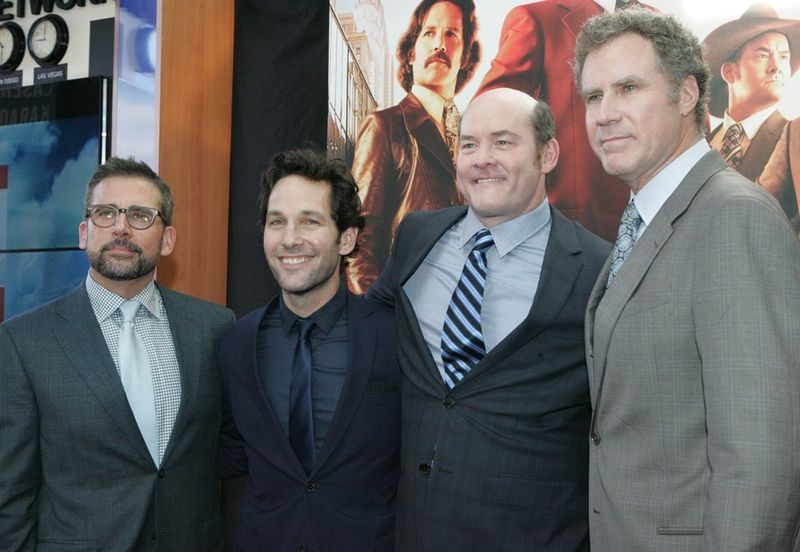
Ron Burgundy is arguably the most quotable comedy character of the 2000s. Will Ferrell created a character so committed to his own magnificence that every line he delivers becomes funnier simply because Ron believes it so deeply.
Adam McKay directed the film with a loose, improvisational energy that gives the whole thing a chaotic warmth.
Set in the 1970s San Diego news world, Anchorman skewers male ego and workplace sexism with jokes that somehow manage to be both broad and surprisingly smart. The ensemble cast, including Steve Carell, Paul Rudd, and David Koechner, is perfectly matched, with each actor carving out a distinct comedic lane.
The film flopped slightly in its initial theatrical run before home video turned it into a phenomenon. Lines like “I’m kind of a big deal” and “Stay classy, San Diego” are still used in everyday conversation, which tells you everything about its lasting cultural footprint.
10. Superbad (2007)

Superbad captures the specific agony and hilarity of being a teenager trying desperately to seem cooler than you are. Written by Seth Rogen and Evan Goldberg when they were actually teenagers, the script has an authenticity that most teen comedies completely miss.
Jonah Hill and Michael Cera play best friends facing the end of high school with equal parts panic and excitement.
The film is raunchy but never mean. Underneath all the jokes about parties and popularity, there is a genuinely touching story about two friends who are scared of growing apart.
That emotional honesty is what elevates Superbad above typical gross-out comedy territory.
Christopher Mintz-Plasse’s debut as McLovin became an instant cultural touchstone, and the film’s soundtrack perfectly captures the nostalgic ache of late adolescence. For anyone who survived high school feeling like they did not quite fit in, Superbad feels like watching your own memories played back with better jokes.
11. Borat (2006)
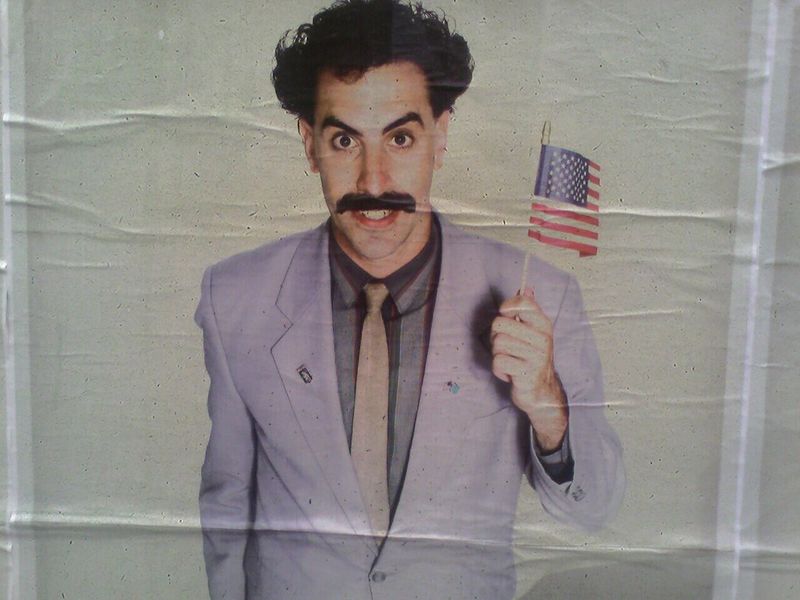
Sacha Baron Cohen created something genuinely unprecedented with Borat. By playing a fictional Kazakhstani journalist interviewing real, unsuspecting Americans, Cohen exposed social prejudices and cultural assumptions in a way that no scripted comedy could have achieved.
The film was shocking, wildly funny, and deeply uncomfortable, often all three at once.
The genius of Borat is how it uses its naive protagonist to hold a mirror up to its subjects. The joke is rarely on Borat himself; it is on the people around him who reveal their own biases without realizing they are being filmed.
That makes the humor feel purposeful rather than cheap.
Released in 2006, the film earned over 260 million dollars on a budget of around 18 million, making it one of the most profitable comedies ever made. Baron Cohen’s commitment to the character under genuinely unpredictable circumstances remains one of the most impressive performances in modern comedy history.
12. The Hangover (2009)
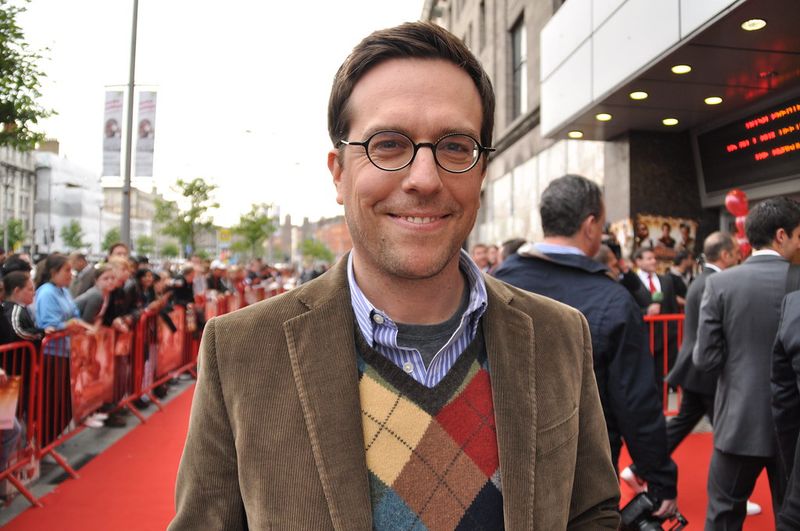
Almost nobody predicted that The Hangover would become the highest-grossing R-rated comedy of all time when it was released in 2009. Director Todd Phillips built the film around a simple but brilliantly executed concept: three guys waking up in Las Vegas with no memory of the previous night and a missing groom to find.
The mystery format gave the comedy a momentum that kept audiences hooked from start to finish.
Bradley Cooper, Ed Helms, and Zach Galifianakis formed a trio with incredible comedic chemistry. Galifianakis in particular introduced Alan, a character so strange and sincere that he became one of the decade’s most beloved comedy creations.
The film earned over 467 million dollars worldwide and launched a franchise, though the original remains the clear standout. Watching it today, the pacing and escalating chaos still feel remarkably well-constructed, proof that a strong comedic premise executed with confidence never really gets old.
13. Young Frankenstein (1974)
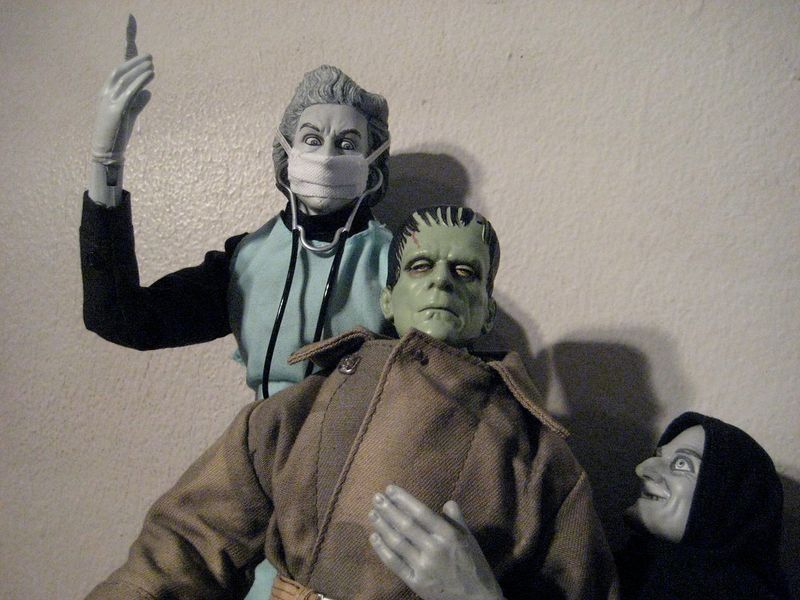
Mel Brooks appears twice on this list, and Young Frankenstein earns its place for completely different reasons than Blazing Saddles. Where Blazing Saddles is anarchic and confrontational, Young Frankenstein is a love letter.
Brooks genuinely adored the classic Universal monster movies, and that affection shows in every beautifully composed black-and-white frame.
Gene Wilder co-wrote the script and delivers one of the greatest comedic performances ever recorded on film. His Dr. Frederick Frankenstein is manic, earnest, and completely believable even while doing utterly ridiculous things.
Teri Garr, Cloris Leachman, and Madeline Kahn round out a supporting cast that is simply flawless.
The film was shot using actual equipment from the original 1931 Frankenstein production, which gives it an authentic visual quality no modern production could fake. Young Frankenstein works as both a parody and a genuine horror comedy, and that dual success is what makes it Brooks’s most technically accomplished film.
14. Some Like It Hot (1959)
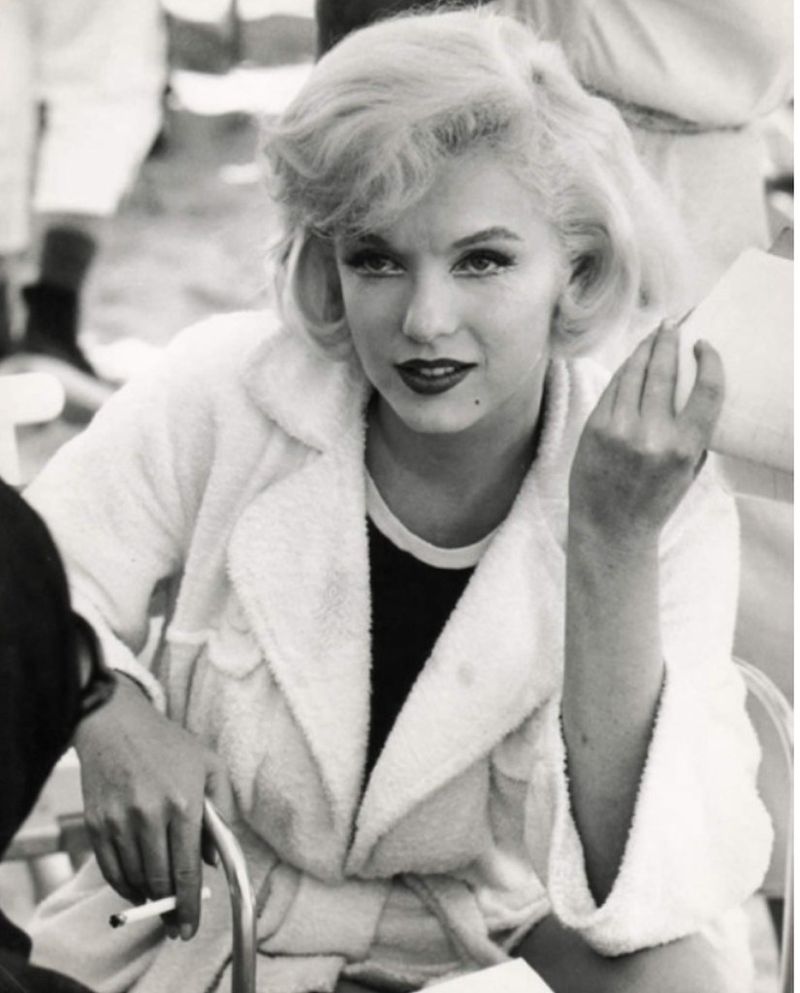
Billy Wilder’s Some Like It Hot was voted the greatest comedy film of all time by the American Film Institute, and after watching it, the argument is hard to dispute. Released in 1959, the film follows two jazz musicians who witness a mob murder and disguise themselves as women to escape.
What follows is a masterclass in comedic timing, character, and escalating chaos.
Tony Curtis and Jack Lemmon are extraordinary together, and Marilyn Monroe delivers what many consider her finest comedic performance as the endearingly naive Sugar Kane. The script by Wilder and I.A.L.
Diamond is airtight, with every scene building naturally toward the next.
The film was made in black and white against studio wishes, and Wilder was absolutely right. The monochrome look gives it a timeless quality that color might have undermined.
Sixty-plus years later, Some Like It Hot remains as funny and charming as the day it was released.
Share this story