 Unearth The Voyage
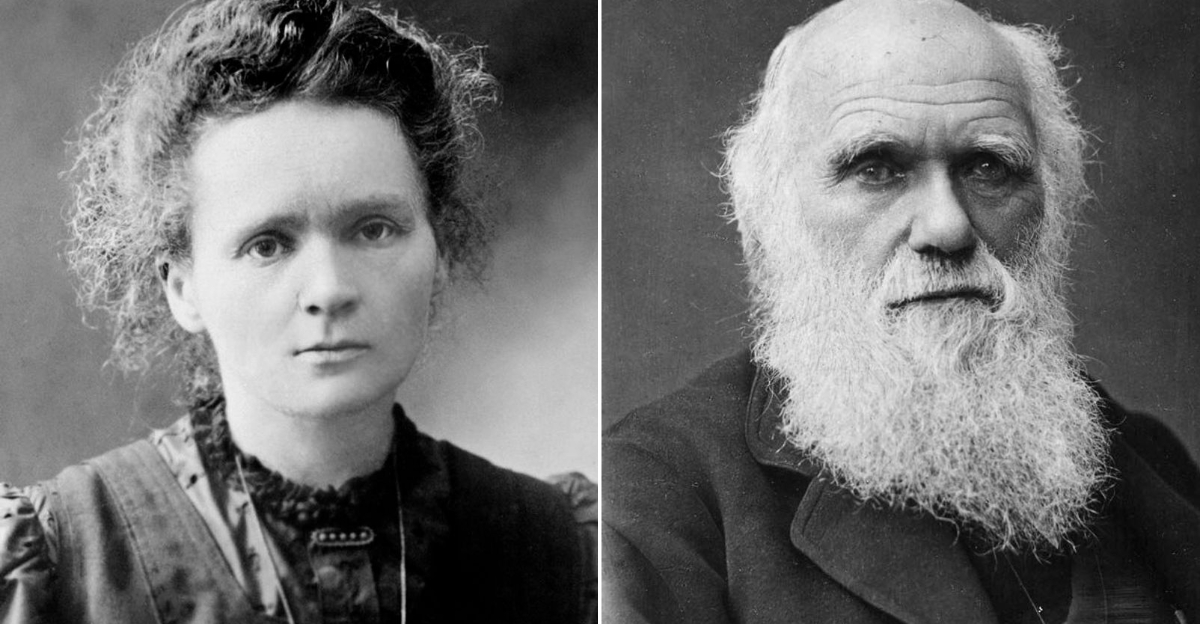
Some people leave a mark so deep that centuries later, the world still runs on their ideas. From ancient philosophers to modern scientists, a handful of individuals reshaped how we think, govern, pray, and live.
Their stories are not just history lessons locked in dusty textbooks. Their fingerprints are on your daily life right now, and once you see it, you cannot unsee it.
Jesus Christ
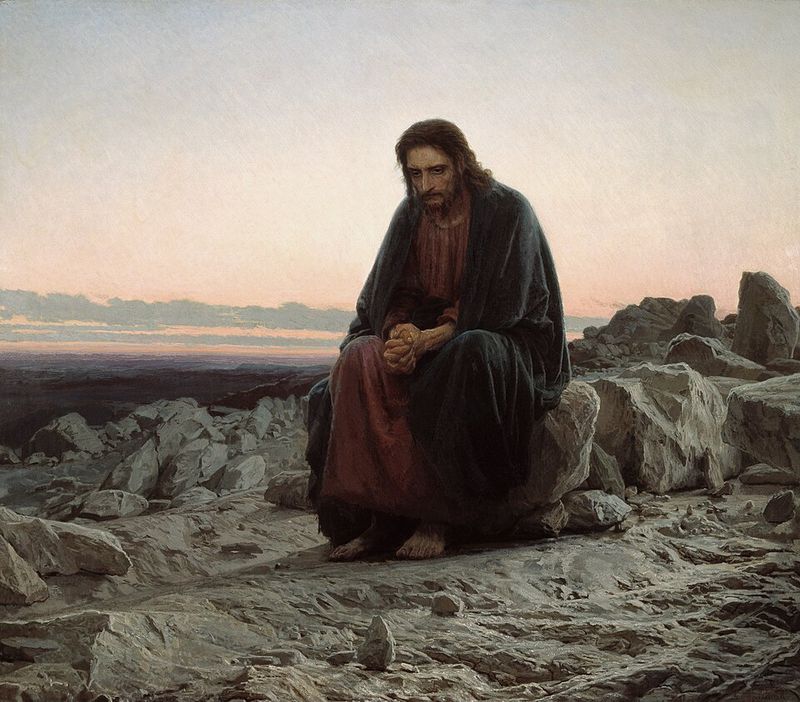
No single life story has been retold more times, in more languages, on more continents than that of Jesus of Nazareth. Born in a manger, executed on a cross, and celebrated by over two billion people today, his biography is genuinely hard to top.
Christianity, the world’s largest religion, grew directly from his teachings.
His core messages, love your neighbor, forgive your enemies, care for the poor, quietly rewired Western civilization’s moral code. Laws protecting the vulnerable, hospitals built for the sick, and charitable organizations feeding millions all trace their DNA back to these ideas.
I once visited a centuries-old cathedral and realized the architecture itself was basically a giant sermon in stone.
Art, literature, music, and philosophy all bear his unmistakable influence. Whether or not you follow the faith, you live in a world that his teachings helped build.
That is a legacy most rulers only dream about.
Muhammad
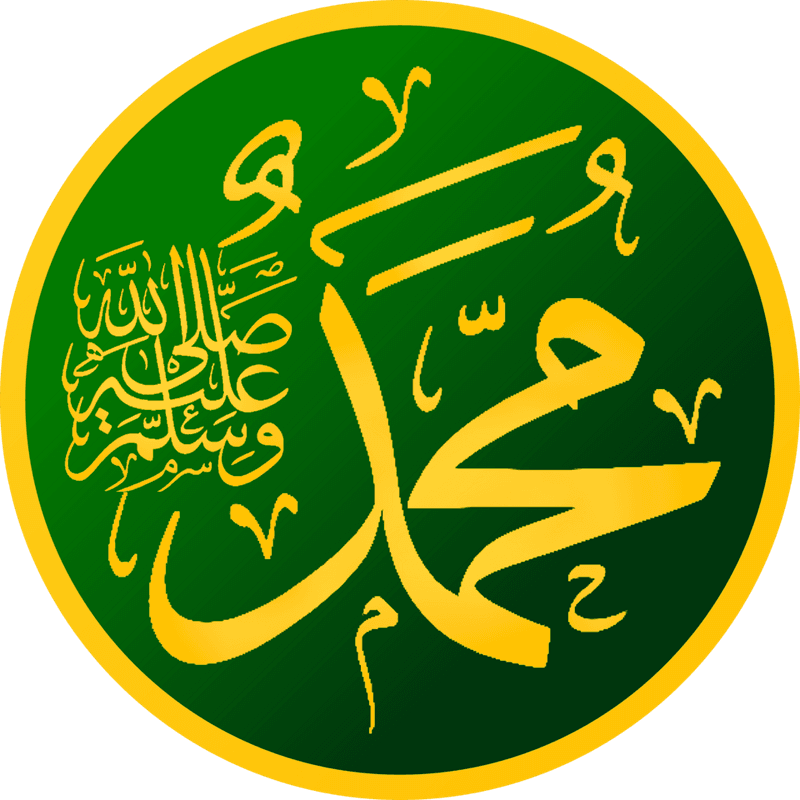
Around 610 CE, a merchant in Arabia began receiving revelations that would eventually unite warring tribes, birth a global religion, and reshape half the known world. Muhammad’s influence spread faster than almost any idea in human history.
Within a century of his death, Islam stretched from Spain to Central Asia.
The religion he founded now has nearly two billion followers worldwide. Beyond prayer and faith, Islamic civilization preserved Greek philosophy during Europe’s Dark Ages, advanced mathematics, astronomy, and medicine, and gave us algebra.
Yes, algebra. You can thank Muhammad’s civilization for that homework headache.
Islamic law, art, architecture, and scholarship continue shaping daily life across dozens of countries. The call to prayer echoes five times a day in cities from Lagos to Jakarta.
His teachings on charity, justice, and community remain central to how millions of people organize their lives, families, and societies every single day.
Gautama Buddha
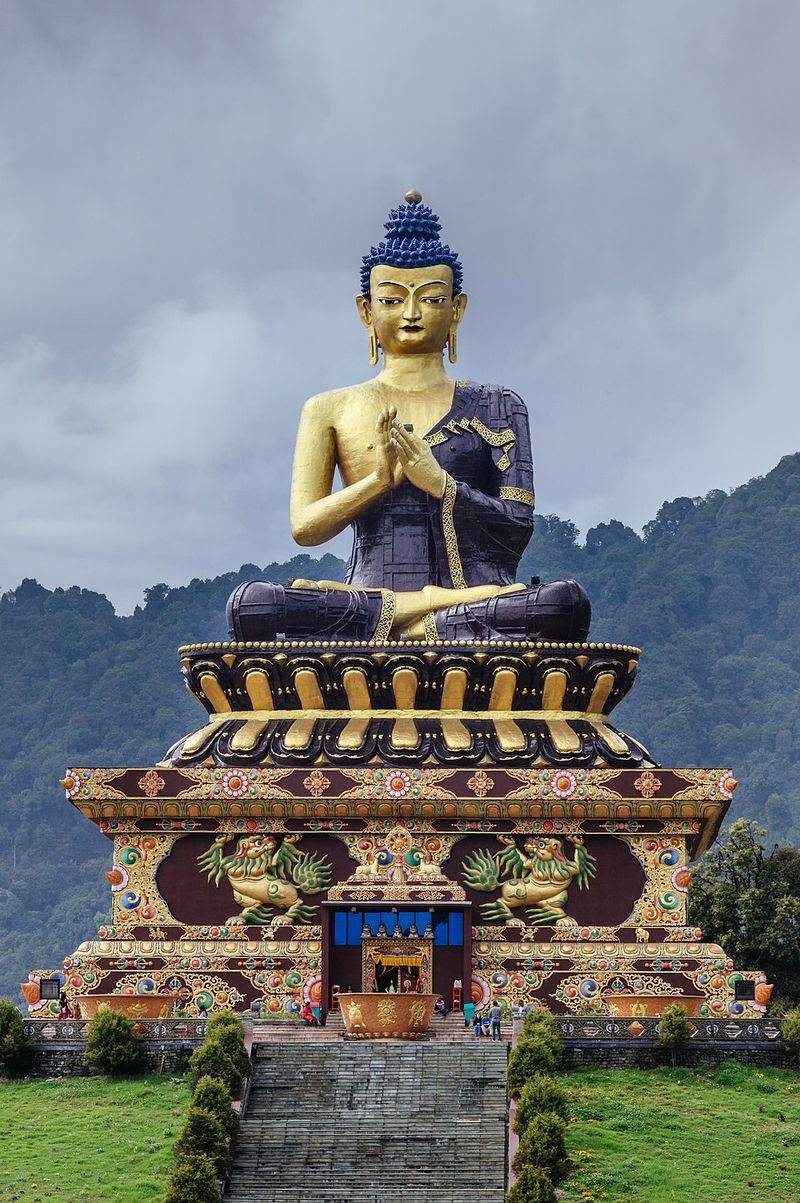
Siddhartha Gautama gave up a palace, a throne, and every luxury imaginable to sit under a tree and figure out why humans suffer. That is either the most dramatic career change in history or the most dedicated research project ever attempted.
Spoiler: he figured some things out.
His core teachings, that suffering comes from craving and that freedom comes through mindful living, spread across Asia and eventually the entire world. Buddhism shaped art, governance, and daily ethics across India, China, Japan, Korea, and Southeast Asia for thousands of years.
The influence is genuinely enormous.
Today, mindfulness apps on your phone owe a significant debt to Buddhist meditation practices. Therapists use concepts rooted in Buddhist philosophy to help patients manage anxiety and pain.
The Buddha’s insight that the mind needs training just like a muscle does feels surprisingly modern. Sometimes the oldest wisdom turns out to be the most useful.
Confucius
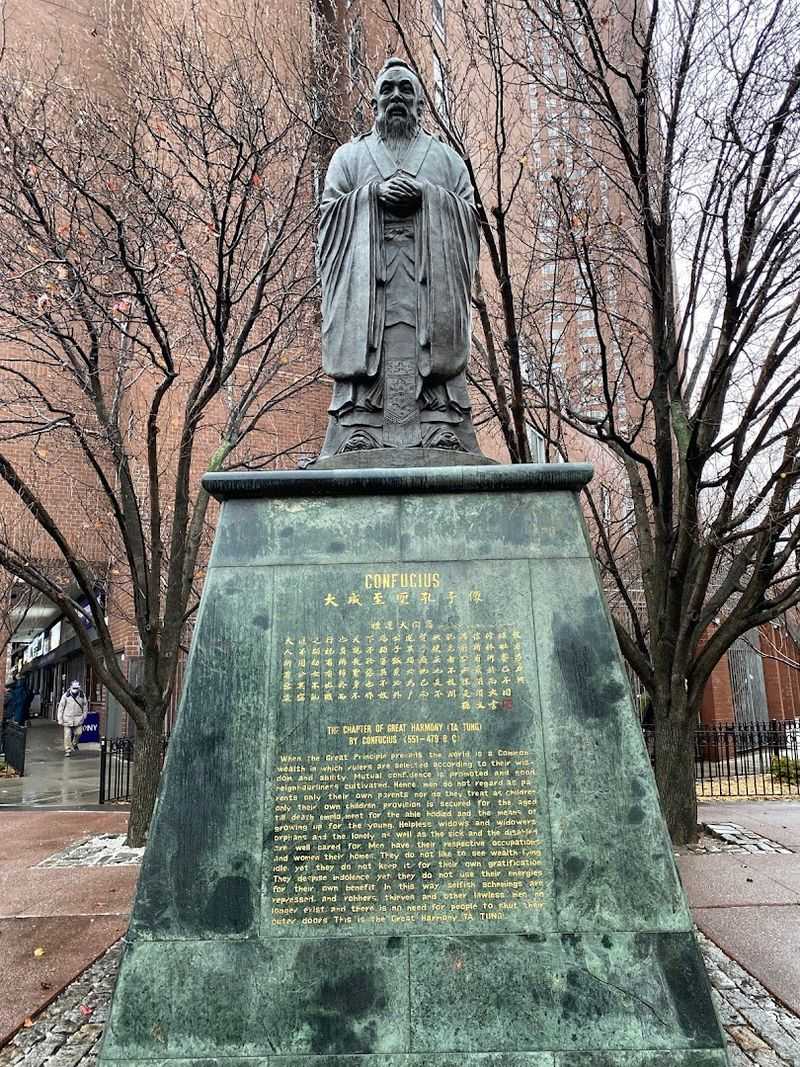
Confucius once said, “It does not matter how slowly you go as long as you do not stop.” Considering he died thinking his life’s work had failed, that quote hits a little differently. His ideas were rejected by rulers during his lifetime but became the official philosophy of Chinese civilization for over two thousand years.
His emphasis on education, family loyalty, respect for elders, and ethical leadership shaped East Asian societies in ways that are still visible today. Civil service exams, used in China for over a millennium, were built directly on Confucian principles.
Many modern East Asian education systems still carry his fingerprints.
Korea, Japan, Vietnam, and Singapore all developed cultural norms deeply influenced by Confucian thought. The idea that a good society starts with good individuals, and good individuals start with good families, sounds almost obvious now.
That is because Confucius made it obvious. He basically wrote the social rulebook for a quarter of humanity.
Julius Caesar
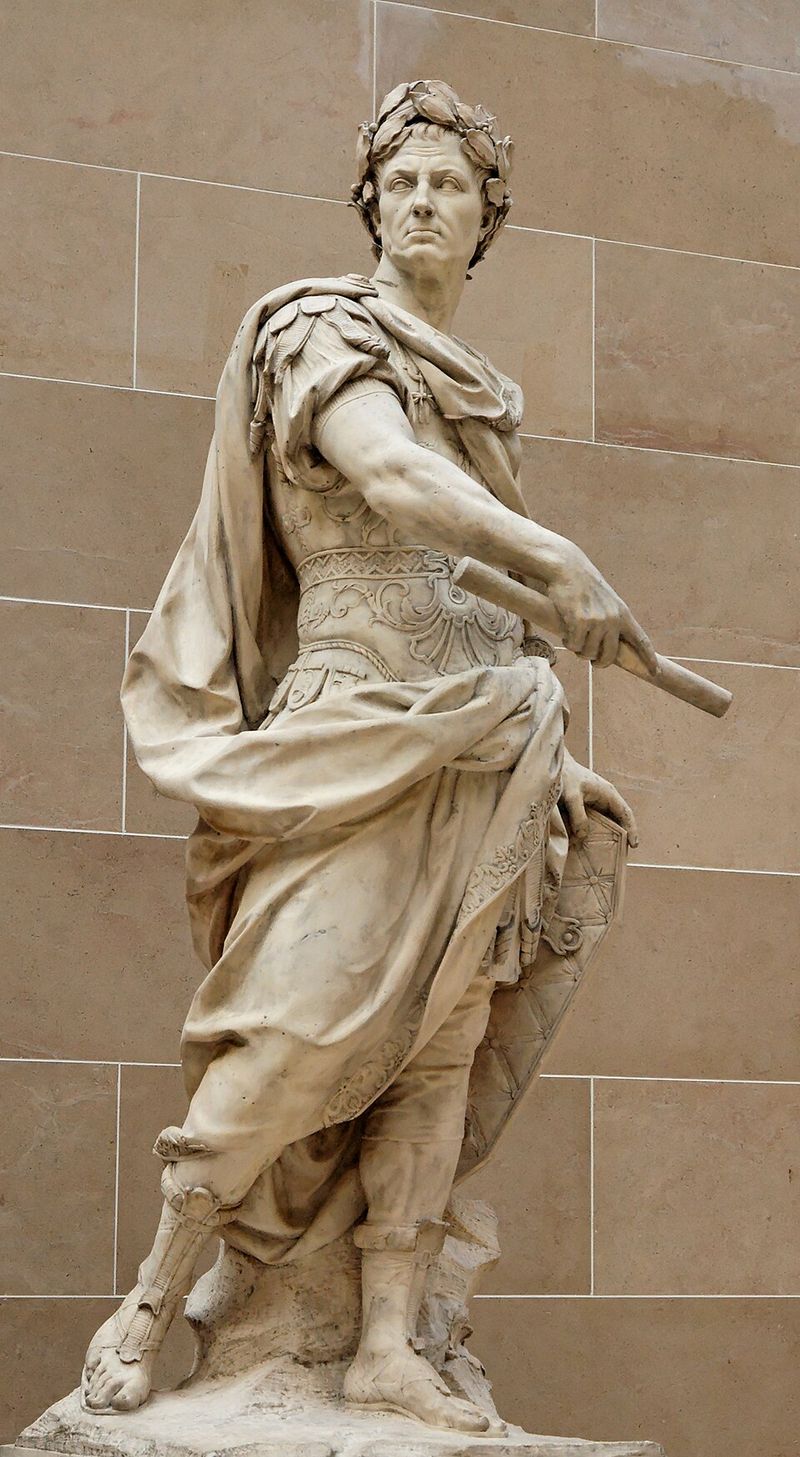
Julius Caesar was the kind of man who conquered an entire region, wrote bestselling war memoirs about it, then came home and rewrote the political rules of the most powerful civilization on Earth. Modest, he was not.
Effective, absolutely.
His military campaigns in Gaul added vast territory to Rome. His crossing of the Rubicon river kicked off a civil war that ended the Roman Republic and launched the era of emperors.
Even his assassination, stabbed 23 times by senators who feared his power, became one of history’s most dramatic political events. Shakespeare later made sure nobody forgot it.
The word “Caesar” became a title. Tsar, Kaiser, and even the month of July all carry his name forward through time.
Modern political discussions about concentrated power, propaganda, and the fragility of democratic institutions still reference his story. He is basically the original cautionary tale about what happens when one person grabs too much control.
Johannes Gutenberg
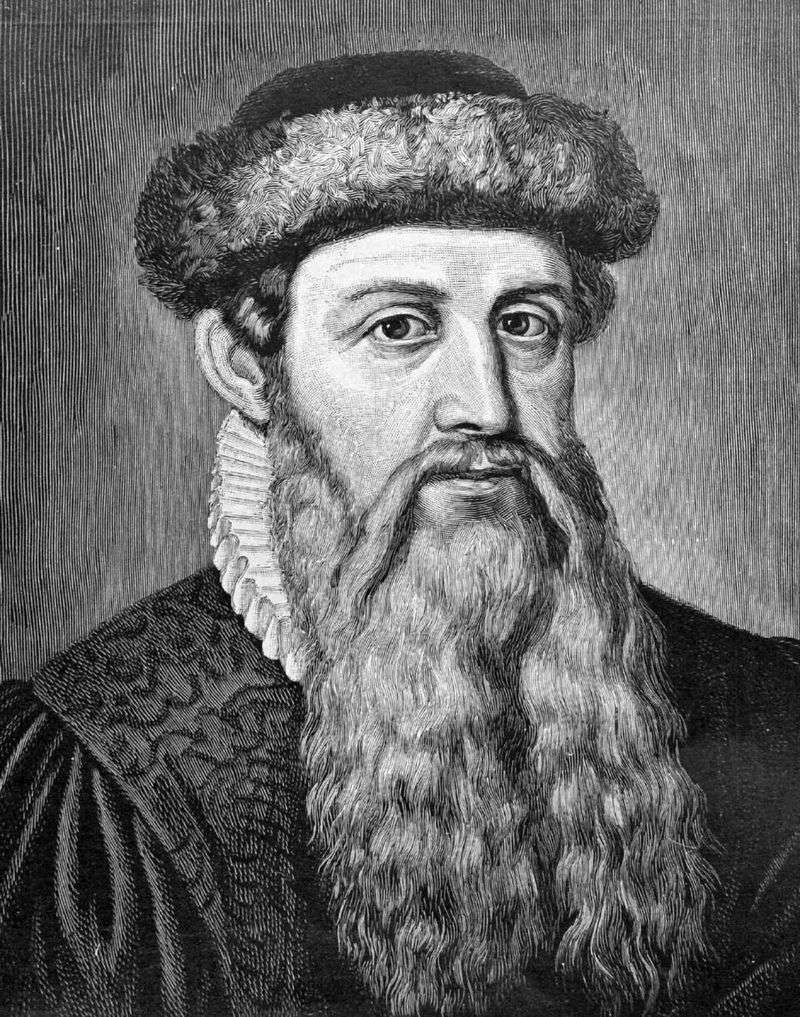
Before Gutenberg, copying a book meant hiring a monk and waiting years. After Gutenberg, books went from luxury items to something ordinary people could actually own.
That shift was basically the internet of the 1400s, and it changed everything.
His mechanical printing press, developed around 1440, made the Gutenberg Bible one of the first mass-produced books in Europe. Within decades, printing shops spread across the continent.
Ideas that once took generations to circulate now moved in months. The Protestant Reformation, the Scientific Revolution, and the spread of literacy all got a massive boost from his invention.
Every newspaper, textbook, novel, and political pamphlet that shaped modern civilization passed through Gutenberg’s conceptual doorway. The information age you live in right now has its roots planted firmly in a German workshop in the 15th century.
Without Gutenberg, the world’s knowledge stays locked in monastery libraries. With him, knowledge becomes everyone’s business.
Literally.
Isaac Newton
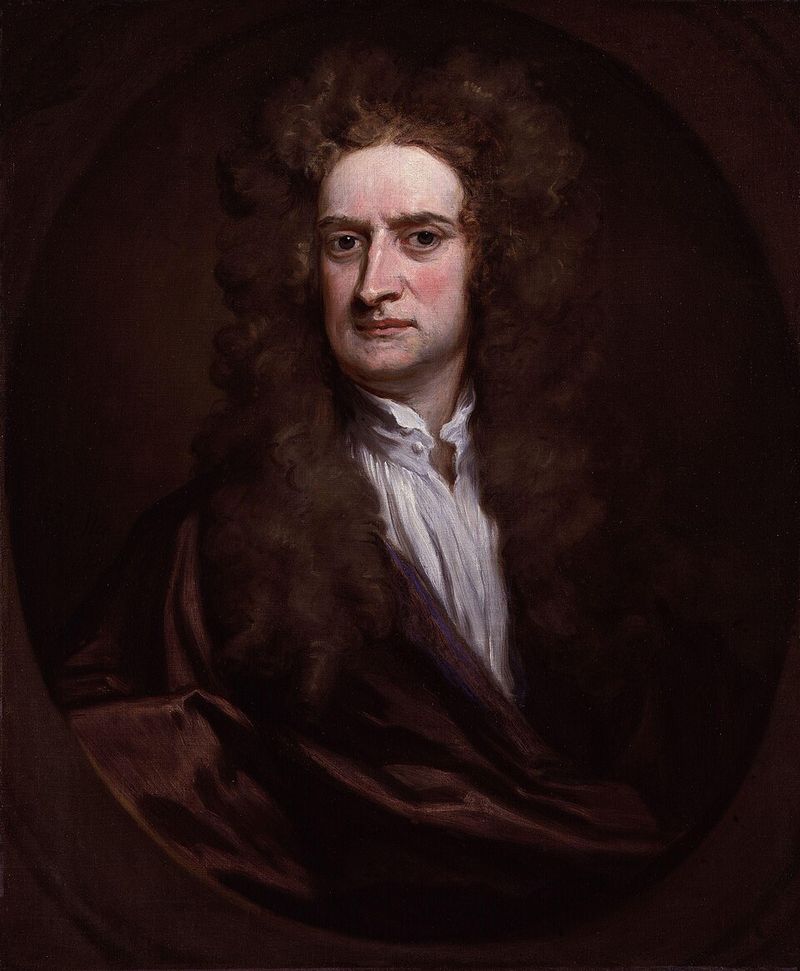
The apple story might be slightly exaggerated, but Newton’s actual achievements need zero embellishment. In roughly 18 months during a plague lockdown, he invented calculus, developed his theory of gravity, and made major advances in optics.
Most scientists spend entire careers hoping for one of those breakthroughs.
His 1687 masterwork, Principia Mathematica, laid out the laws of motion and universal gravitation that engineers still use today. Bridges, rockets, satellites, and roller coasters all depend on Newtonian mechanics.
When NASA calculates a spacecraft’s trajectory, Newton’s equations are doing the heavy lifting.
He also showed that white light contains all the colors of the rainbow by passing it through a prism. That discovery alone reshaped physics and astronomy.
Newton essentially handed humanity a reliable instruction manual for how the physical universe operates. The fact that he was also notoriously difficult to get along with just makes the whole story more interesting.
Genius, apparently, has a complicated personality.
Charles Darwin
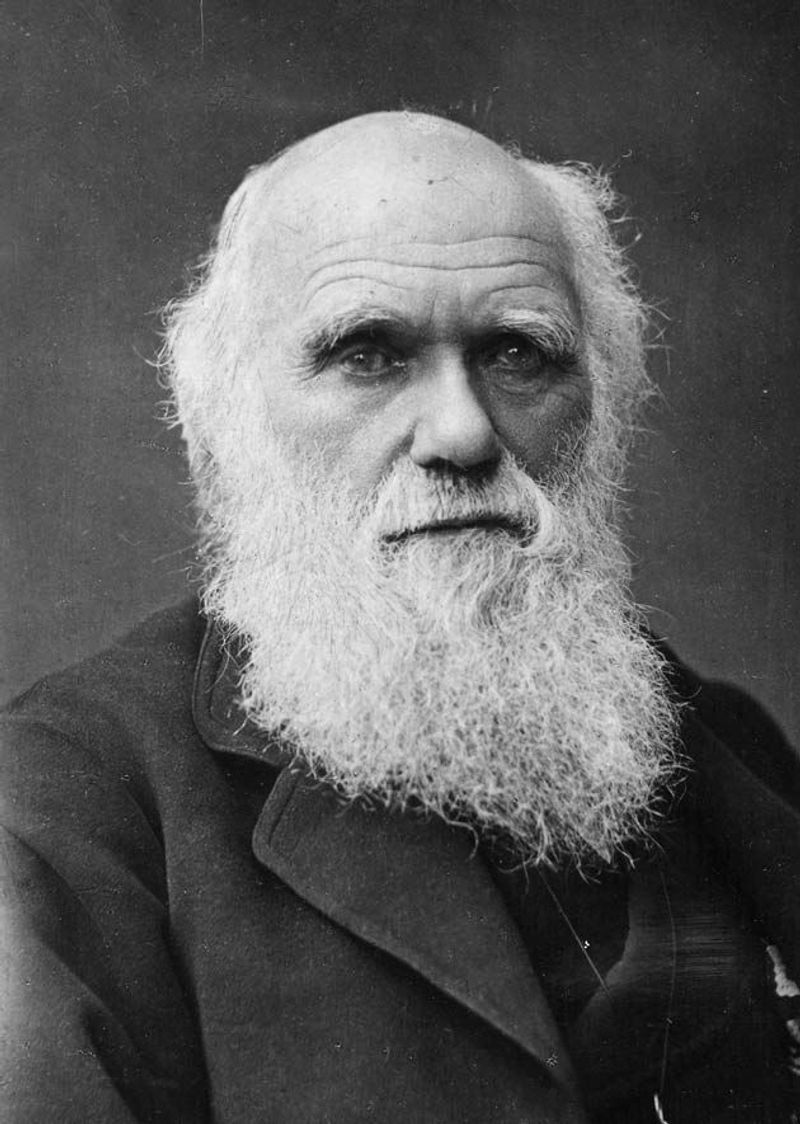
Darwin spent five years sailing around the world on the HMS Beagle, collecting specimens and scribbling observations, then spent another twenty years making absolutely sure he was right before publishing his findings. That level of patience is almost as impressive as the theory itself.
On the Origin of Species, published in 1859, proposed that all living things evolve through natural selection. Organisms with helpful traits survive and reproduce.
Those without them fade away. Simple in principle, revolutionary in practice.
It reframed every single question biology had ever asked.
Modern medicine depends on evolutionary theory to understand how bacteria develop antibiotic resistance. Geneticists use it to decode the human genome.
Conservationists apply it when protecting endangered species. Agriculture relies on it for crop development.
Darwin did not just explain the past. He handed scientists the most powerful tool for understanding living systems going forward.
Not bad for a guy who originally studied to become a country parson.
Marie Curie
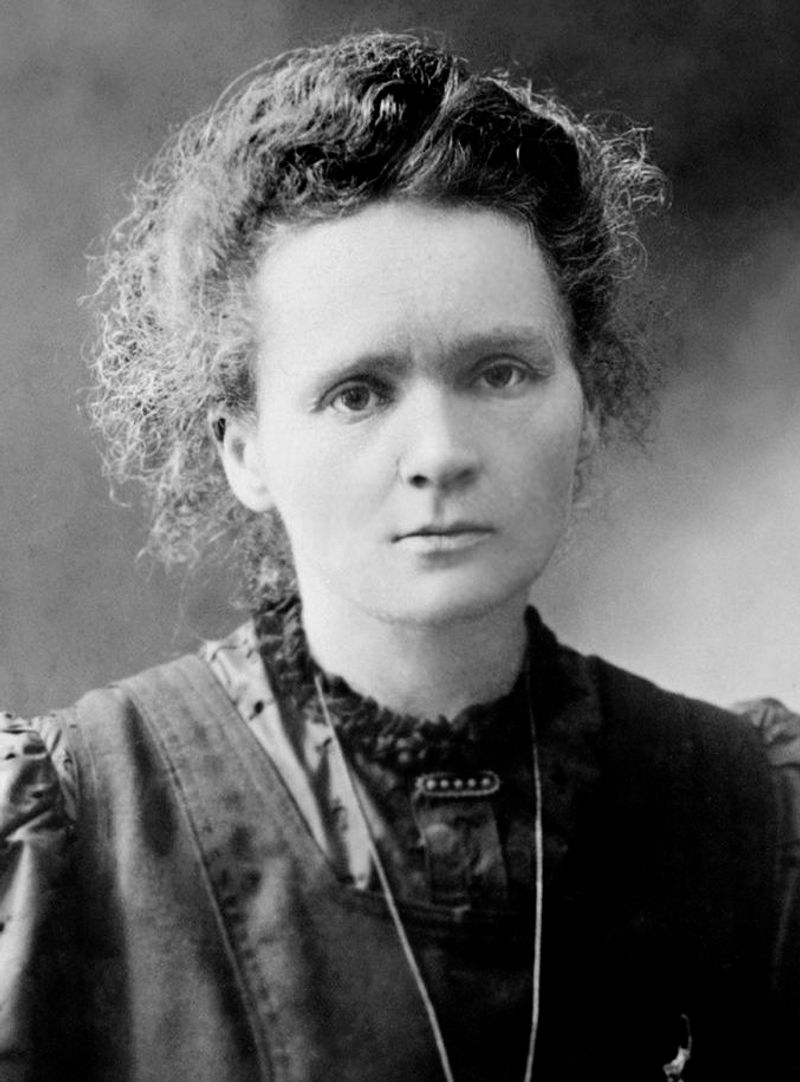
Marie Curie worked in a leaky shed, with equipment she could barely afford, in a field that largely did not want her there because she was a woman. She won two Nobel Prizes anyway.
In two different sciences. That is the kind of plot twist that makes history genuinely satisfying.
Her research on radioactivity, a term she actually coined, transformed both physics and chemistry. She discovered two new elements, polonium and radium, and her work opened entirely new chapters in scientific understanding.
During World War I, she developed mobile X-ray units, nicknamed “petites Curies,” to help treat wounded soldiers on the front lines.
Today, her discoveries underpin cancer radiation therapy, nuclear medicine, and medical imaging technologies used in hospitals worldwide. She broke barriers so thoroughly that the cracks she made are still letting other scientists through.
I find it genuinely wild that someone so transformative had to fight so hard just to be taken seriously. The world almost missed her.
Albert Einstein
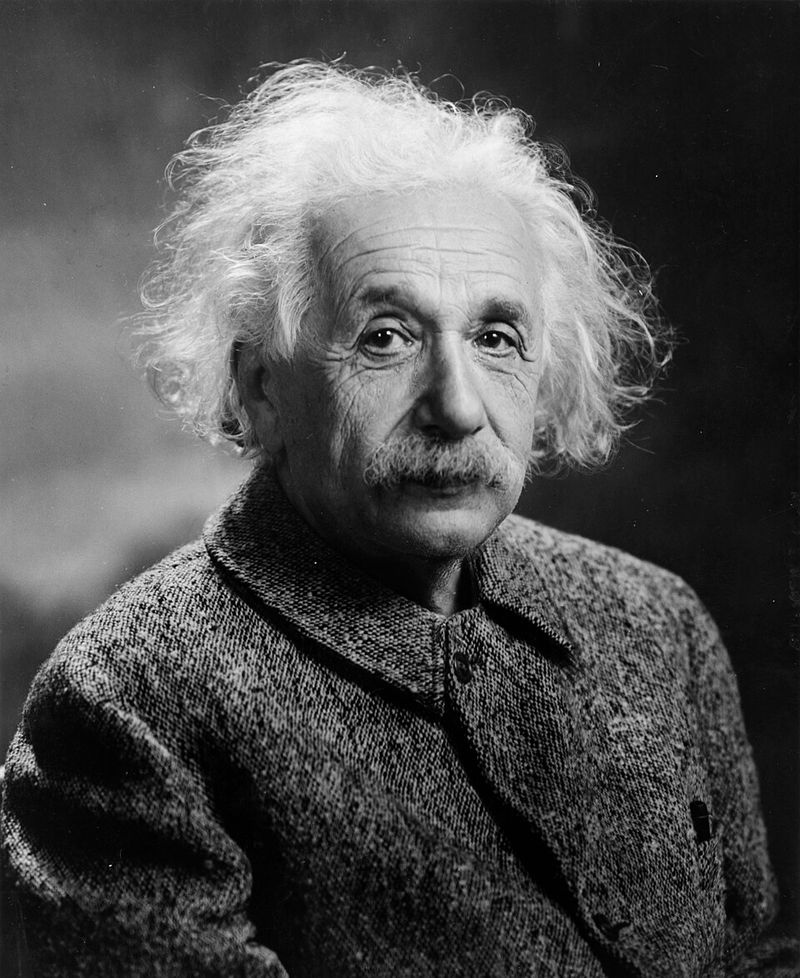
Albert Einstein published four groundbreaking papers in a single year, 1905, while working as a patent clerk. Not a professor.
Not a researcher at a prestigious lab. A patent clerk.
His bosses had no idea they were sitting next to the most important physicist of the 20th century.
Special relativity showed that time and space are not fixed constants but flexible depending on speed. General relativity revealed that gravity is actually the curvature of spacetime caused by mass.
His famous equation, E=mc2, showed that matter and energy are interchangeable, which eventually led to nuclear technology. He won the Nobel Prize in 1921 for explaining the photoelectric effect, which became the foundation of quantum mechanics.
GPS satellites require Einstein’s relativistic corrections to give you accurate directions. Lasers, solar panels, and fiber optic cables all connect back to his work on light and energy.
The next time your phone navigates you somewhere, Einstein quietly deserves a little credit. He earned it in a leaky patent office.
Mahatma Gandhi
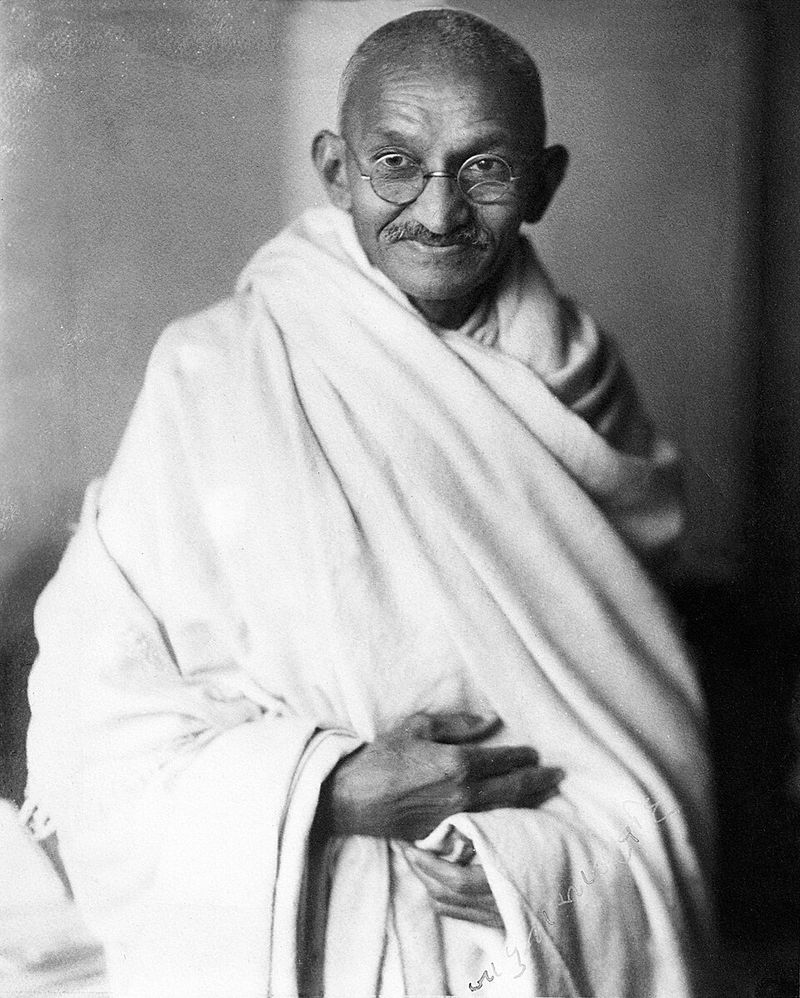
Gandhi proved that you can topple an empire without firing a single shot. That sounds like wishful thinking until you look at the actual historical record.
Britain controlled India for nearly 200 years. Gandhi organized nonviolent resistance, and within decades, India was free.
His strategy of satyagraha, truth-force or soul-force, used peaceful protest, civil disobedience, and hunger strikes as political weapons. The Salt March of 1930, where he walked 240 miles to the sea to protest a British salt tax, became one of history’s most iconic acts of defiance.
It worked.
Martin Luther King Jr. studied Gandhi’s methods directly. Nelson Mandela drew from his playbook.
Protest movements across the 20th and 21st centuries have referenced his approach when organizing for rights and freedom. The idea that moral authority can outmatch military power is not naive.
Gandhi made it a documented, repeatable strategy. The pen is mightier than the sword, but Gandhi proved the march is mightier than both.
Martin Luther King Jr.
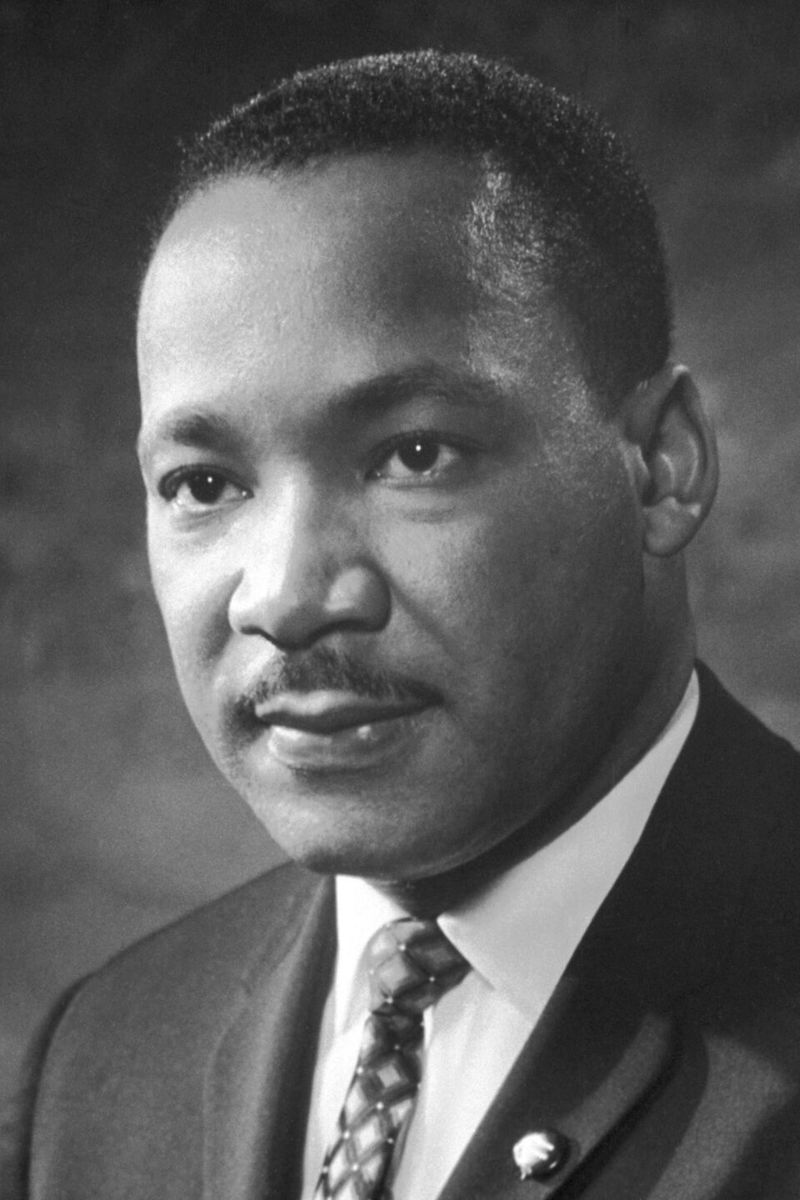
On August 28, 1963, Martin Luther King Jr. stood before 250,000 people and delivered a speech so powerful that people who were not even alive yet know its lines by heart. “I have a dream” is not just a quote. It is a turning point in American history compressed into four words.
King led the U.S. civil rights movement through boycotts, marches, and moral persuasion at a time when doing so put his life at genuine risk. The Montgomery Bus Boycott lasted 381 days and ended bus segregation.
The Civil Rights Act of 1964 and the Voting Rights Act of 1965 followed years of organized pressure he helped lead.
His methods, rooted in nonviolent resistance inspired by Gandhi, became a global template for protest movements fighting injustice. Human rights campaigns on every continent have borrowed his language and strategy.
He was assassinated in 1968 at just 39 years old, which makes what he accomplished in that short time even more staggering to consider.
Leonardo da Vinci
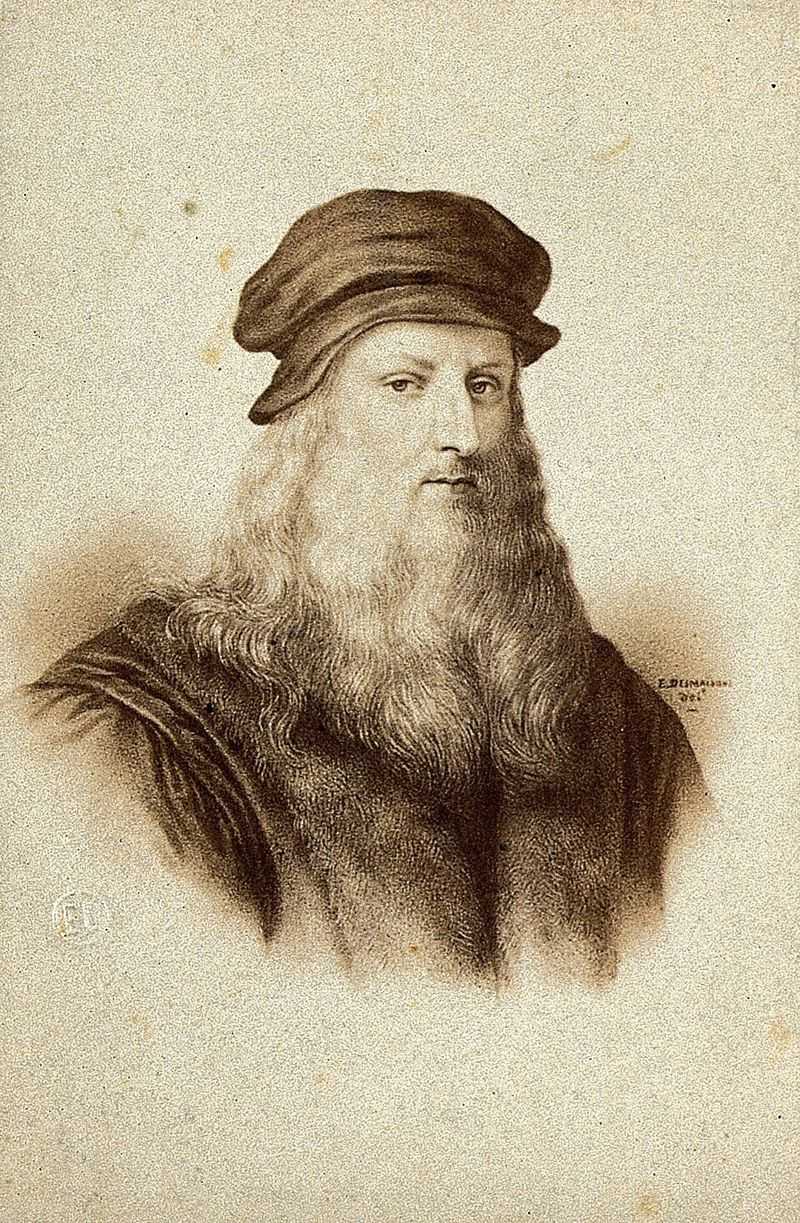
Leonardo da Vinci sketched designs for a helicopter, a solar power concentrator, and an armored vehicle in the 1480s. He also painted two of the most famous artworks in human history.
He was, in short, aggressively overqualified for any single job title.
The Mona Lisa and The Last Supper alone would have secured his legacy for centuries. But his private notebooks reveal a mind that refused to stop at painting.
He dissected over 30 human bodies to understand anatomy. He studied birds to design flying machines.
He mapped rivers and designed urban water systems. His curiosity had no off switch.
Leonardo defined the Renaissance ideal that art and science are not opposites but partners. Modern innovators, designers, engineers, and entrepreneurs still invoke his name when describing creative problem-solving that crosses disciplines.
He was basically a one-man research department operating five centuries ahead of schedule. The world caught up to some of his ideas only recently.
Others are still waiting.
Alan Turing
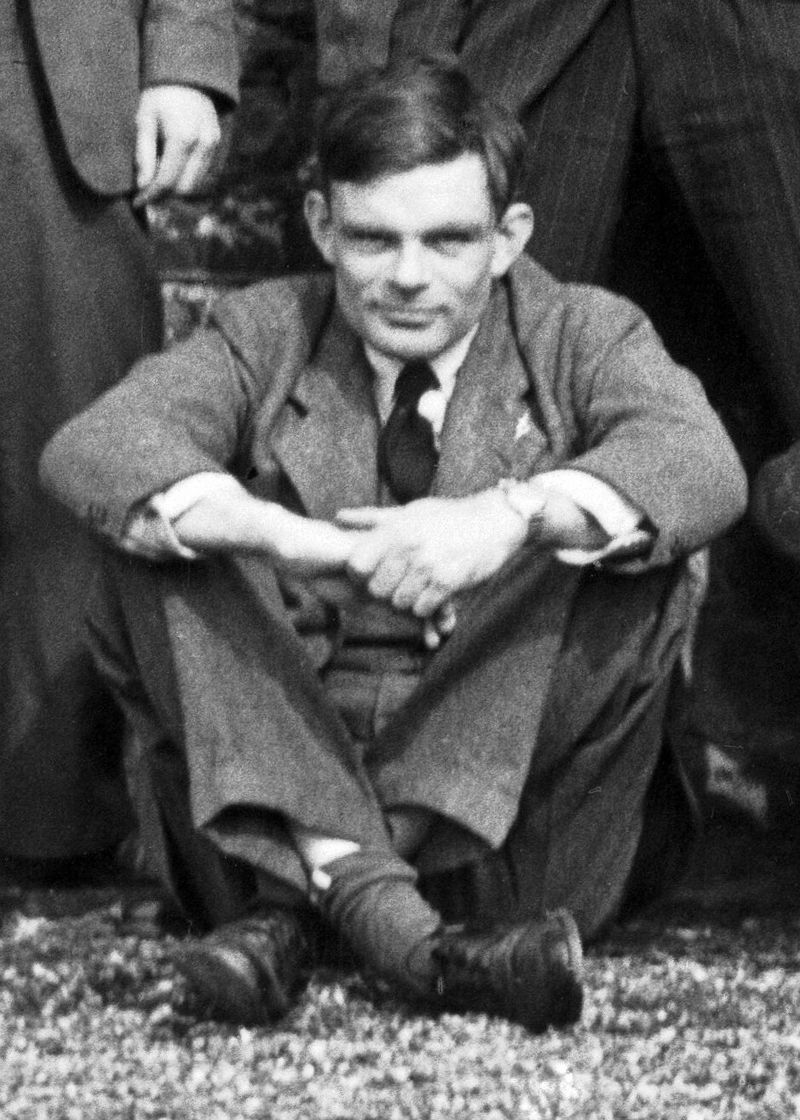
Alan Turing cracked the Nazi Enigma code during World War II, an achievement historians credit with shortening the war by potentially two years and saving millions of lives. He did this using a machine he designed himself.
Then, after the war, the British government prosecuted him for being gay. History has some genuinely infuriating chapters.
Beyond codebreaking, Turing asked a question that changed everything: can machines think? His 1950 paper introducing what we now call the Turing Test laid the philosophical groundwork for artificial intelligence.
His earlier theoretical work on the “universal computing machine” became the conceptual blueprint for every computer ever built.
Every smartphone, laptop, streaming service, and AI assistant you use today traces its intellectual ancestry back to Turing’s ideas. He was pardoned posthumously by the British government in 2013, sixty years after his death.
His face now appears on the British 50-pound note. Recognition arrived late, but at least it arrived.
The machines he made possible are everywhere now.



