 Unearth The Voyage
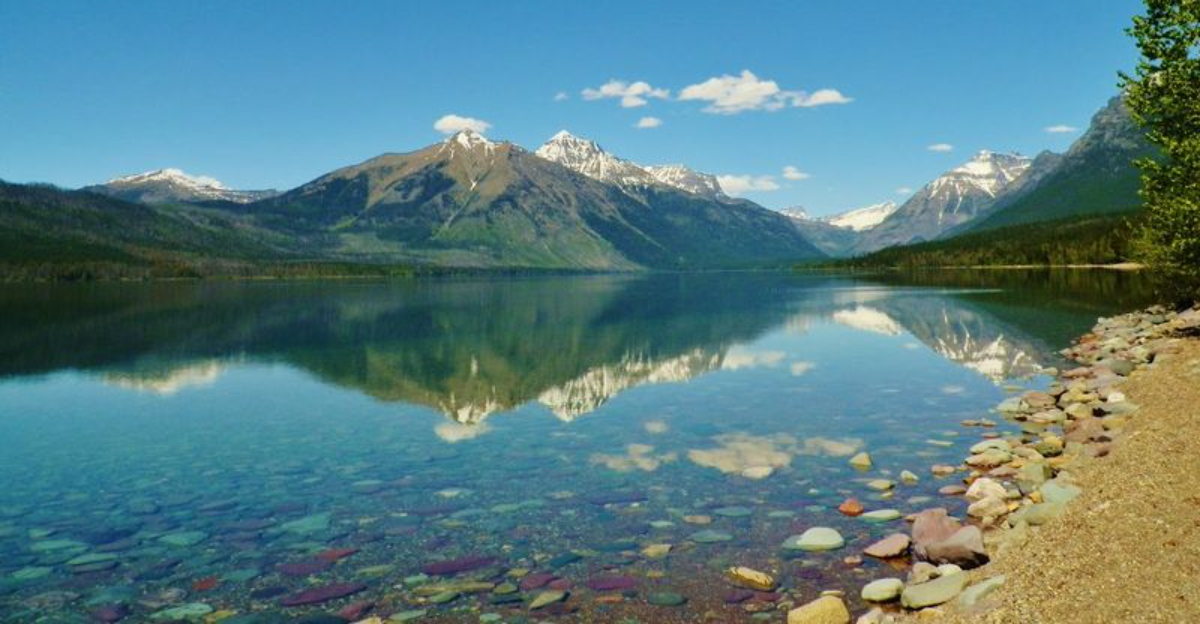
America is packed with stunning lakes, and each one has its own personality. From volcanic craters in Oregon to misty cypress swamps in Texas, the variety is almost unbelievable.
I have personally visited a handful of these, and every single time, the view made me stop in my tracks. Whether you are a hiker, a road tripper, or just someone who loves a good view, this list has a lake calling your name.
Crater Lake, Oregon
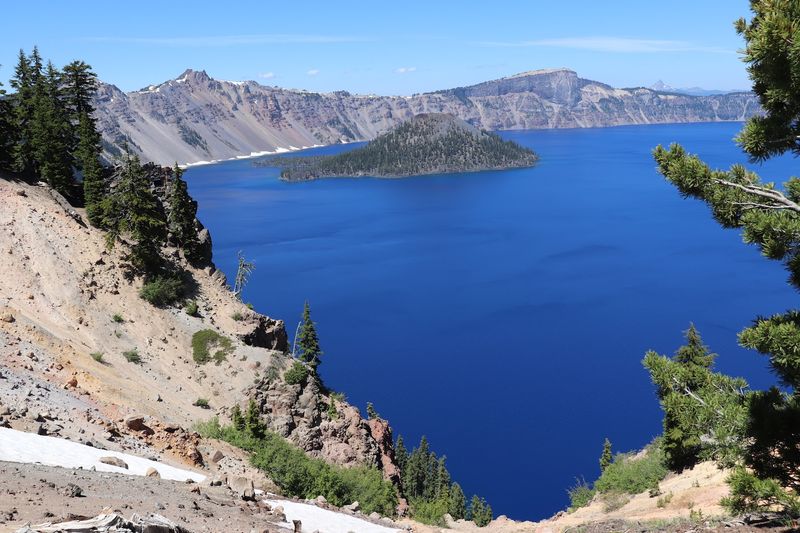
No lake in America earns the word “blue” quite like Crater Lake. Formed around 7,700 years ago when Mount Mazama erupted and collapsed in on itself, this Oregon gem is the deepest lake in the entire country at 1,943 feet.
That depth, combined with the fact that no rivers feed into it, keeps the water almost impossibly clear.
The caldera walls rise steeply around the water, making you feel like you are peering into the earth from the edge. There are no murky tributaries dumping sediment here.
Just pure rain and snowmelt sitting in a volcanic bowl for thousands of years.
Wizard Island pokes out of the center like nature decided to add one final dramatic touch. Rim Drive circles the entire caldera and offers viewpoints that will genuinely make your jaw drop.
First-timers often go completely silent at their first glimpse. That reaction is completely justified.
Lake Tahoe, California-Nevada
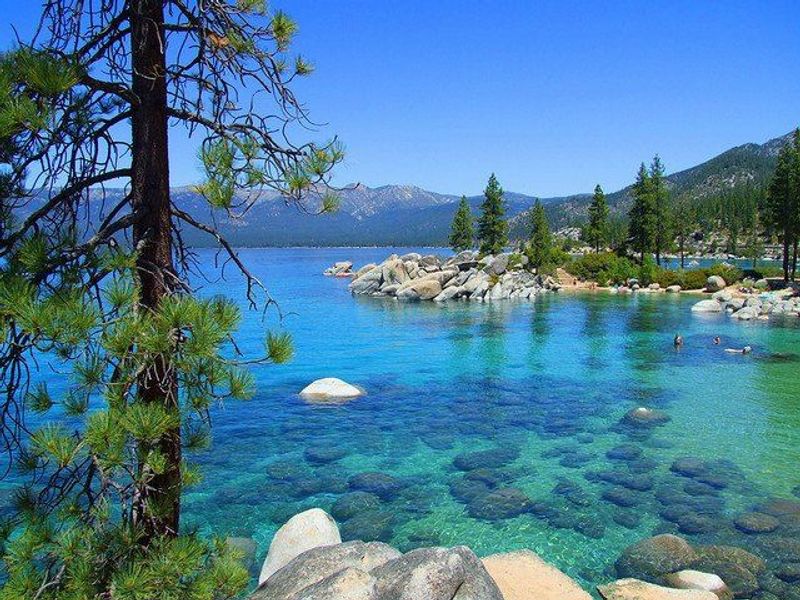
Lake Tahoe has the kind of beauty that makes you check if your camera lens is actually clean. Straddling California and Nevada, it is the largest alpine lake in North America, and it wears that title with zero humility.
The water shifts from turquoise in the shallows to deep cobalt farther out, and the granite boulders along the shore look like they were placed by a very talented art director.
My first visit was in summer, and I genuinely could not believe the water clarity. You can see the rocky bottom in spots that are 30 feet deep.
That is not a typo.
Snow-capped peaks ring the lake year-round, which means every season delivers a slightly different version of spectacular. Winter brings skiers; summer brings paddleboarders.
The lake itself never really changes, though. It just sits there being absurdly beautiful while the rest of us try to keep up.
Yellowstone Lake, Wyoming
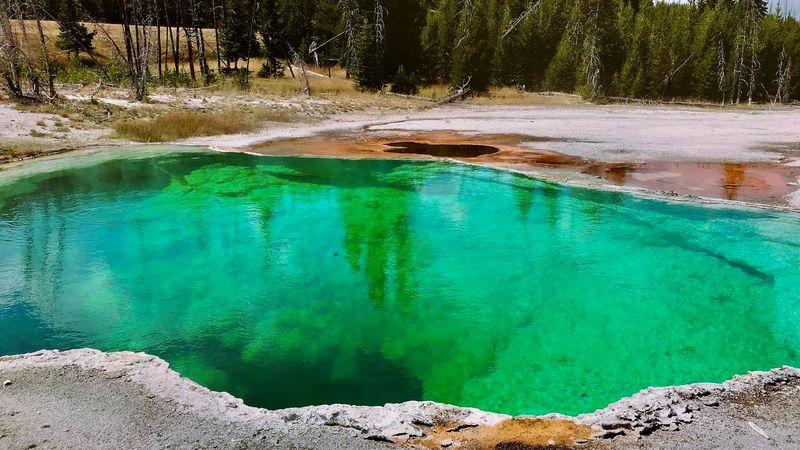
Sitting at 7,733 feet above sea level inside Yellowstone National Park, Yellowstone Lake is not messing around. It is the largest high-elevation lake in North America above 7,000 feet, which is already an impressive resume line.
But the real showstopper is the setting: geothermal vents along the shore, bison wandering the banks, and open water stretching toward a mountain backdrop.
Steam sometimes rises off the water from underwater hydrothermal features, which gives the whole place a slightly otherworldly vibe. You are essentially floating above a supervolcano, which is either thrilling or mildly terrifying depending on your perspective.
Wildlife sightings here are genuinely frequent. Bald eagles, ospreys, and river otters all call this lake home.
The sheer scale of the water combined with that wild, untouched atmosphere makes Yellowstone Lake one of the most unique spots on this entire list. It is beautiful in a way that also reminds you nature is very much in charge.
Lake Superior, Minnesota-Wisconsin-Michigan
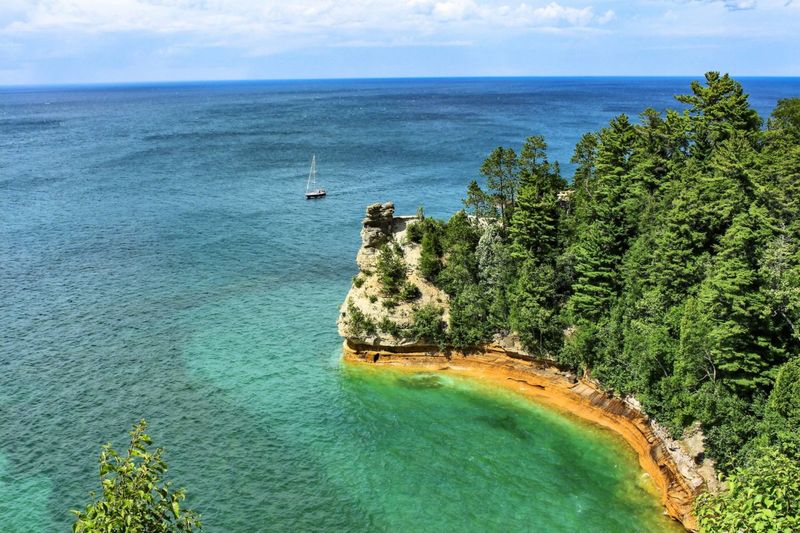
Lake Superior does not look like a lake. It looks like an ocean that lost its saltshaker and never bothered to find it.
Covering over 31,700 square miles, it is the largest of the Great Lakes and one of the largest freshwater bodies on the entire planet. The scale alone is enough to make you feel very, very small.
What sets it apart visually is the rugged drama of its shoreline. Sea caves carved into sandstone cliffs, pebble beaches, and stretches of wild coastline that go on forever give it a raw, cinematic quality.
Pictured Rocks National Lakeshore along the Michigan stretch is particularly jaw-dropping.
The light here changes constantly. One hour it is sparkling and serene; the next, storm clouds roll in and the waves turn serious.
Locals will tell you the lake has moods, and they are not wrong. Superior earns every syllable of its name.
Jenny Lake, Wyoming
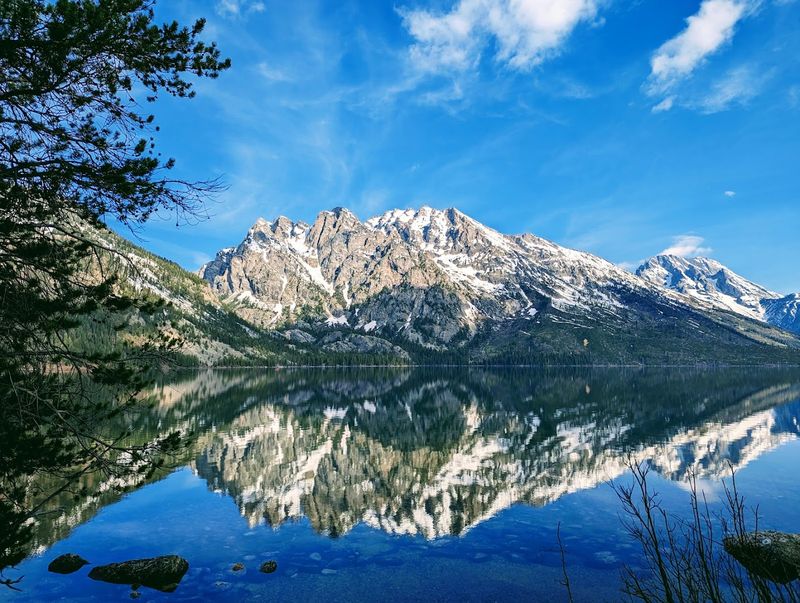
Size is not everything, and Jenny Lake is living proof. Tucked at the base of the Teton Range inside Grand Teton National Park, this glacially carved gem punches so far above its weight class it is almost unfair to the bigger lakes.
The mountain walls rise so sharply behind the water that the whole scene looks like a painting someone forgot to tell was real.
The views toward Cascade Canyon are the kind that end up as phone wallpapers for years. A short ferry ride across the lake drops you at the trailhead, and suddenly you are hiking into one of the most dramatic canyons in Wyoming.
Even the loop trail around the lake, which is easy enough for most fitness levels, delivers constant mountain reflections and forested shoreline views. Jenny Lake proves that a lake does not need to be massive to leave a massive impression.
Quality over quantity, every single time.
Diablo Lake, Washington
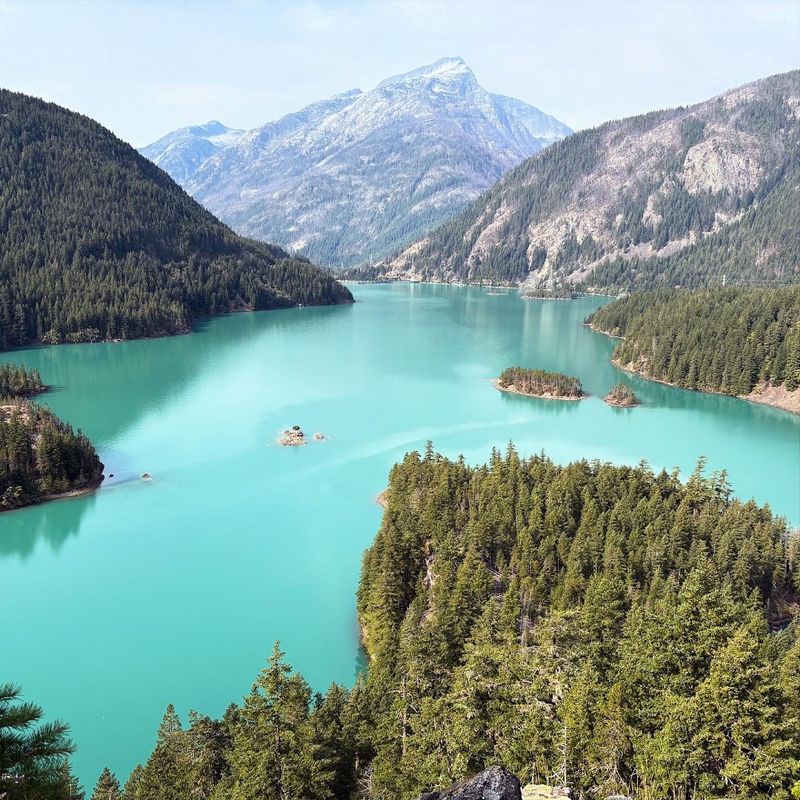
That color is not a filter. Diablo Lake in the North Cascades of Washington genuinely looks like someone poured a vat of turquoise paint into a mountain valley and called it a day.
The electric blue-green hue comes from glacial rock flour suspended in the water, which scatters light in a way that produces that almost artificial-looking shade.
The overlook off Highway 20 is one of the most reliably stunning roadside pullouts in the entire Pacific Northwest. You do not even have to hike to get the full effect, though the trails around the lake are absolutely worth the effort if you have time.
The surrounding North Cascades peaks frame the water perfectly, adding depth and drama to an already over-the-top scene. Diablo Lake is also part of the Ross Lake National Recreation Area, so the whole corridor is wild and largely undeveloped.
It is one of those places where the reality is actually better than the photos, which is saying a lot.
Flathead Lake, Montana
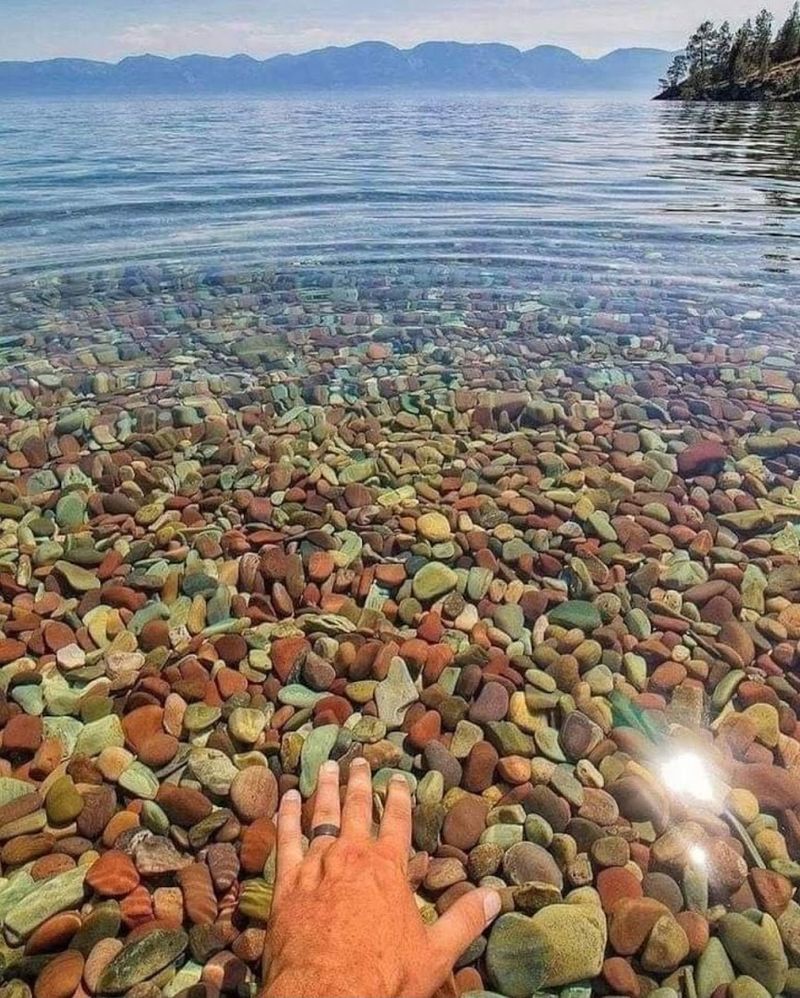
Flathead Lake is the quietly confident one on this list. No volcanic drama, no neon-colored water, just a massive, pristine lake sitting in western Montana doing exactly what a great lake should do.
Montana Fish, Wildlife and Parks recognizes it as the largest natural freshwater lake by surface area in the western United States, which is a title it holds with understated grace.
The water clarity here is remarkable. On calm days, you can see the bottom in depths that would surprise you.
Wild Horse Island, sitting in the middle of the lake, is home to bighorn sheep and bald eagles, which is a combination that feels almost too Montana to be real.
Cherry orchards line parts of the eastern shore, which means late summer visits come with a bonus snack opportunity. The Mission Mountains form the backdrop to the east, adding that classic Big Sky drama.
Flathead Lake rewards visitors who seek it out rather than stumble upon it accidentally.
Lake McDonald, Montana
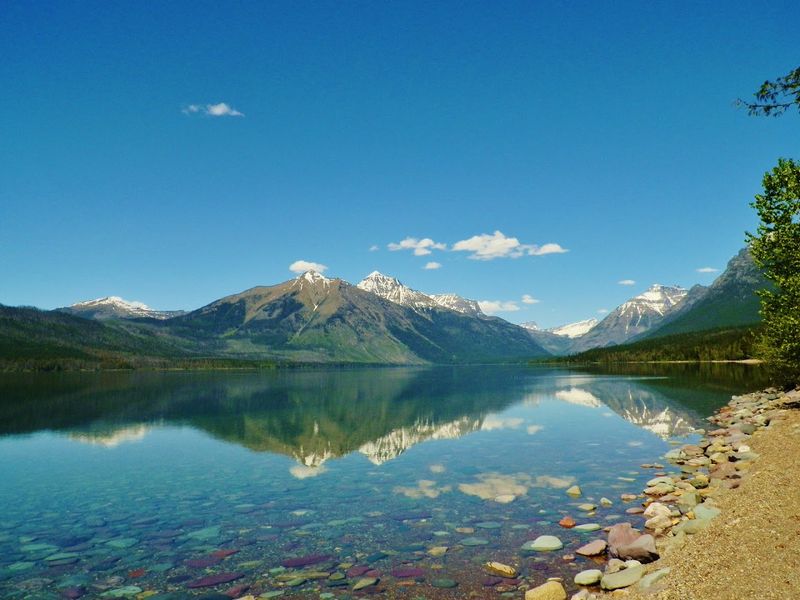
Lake McDonald is Glacier National Park showing off, and honestly, good for it. The largest lake in the park stretches nearly ten miles through a glacially carved valley, with peaks rising dramatically on all sides.
It is the kind of place that makes you wonder why you ever spent vacation time anywhere else.
The famous colored stones along the shoreline deserve their reputation. Reds, greens, blues, and purples sit under the clear water like a natural mosaic.
Reaching in to grab one and then watching the color fade as it dries is a rite of passage for first-time visitors.
On calm mornings, the reflections on the water are almost perfectly mirrored, doubling the mountain scenery in a way that feels excessive but wonderful. The Going-to-the-Sun Road begins near the lake, so many visitors get their first look at McDonald right before one of the most scenic drives in the country.
Starting strong is always a good strategy.
Lake Powell, Utah-Arizona
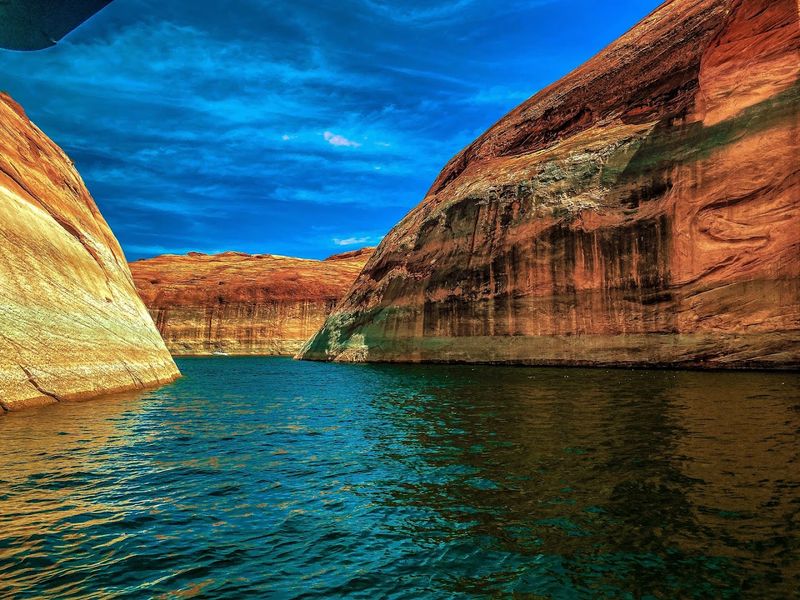
Lake Powell plays by completely different rules than every other lake on this list. Forget alpine meadows and pine forests.
Here, deep blue water winds through towering red-rock canyons in the middle of the Utah-Arizona desert, creating a color combination that looks like two separate postcards stapled together.
Glen Canyon National Recreation Area holds the lake, and the scenery along its 2,000 miles of shoreline is relentlessly dramatic. Slot canyons branch off the main body of water, narrow passages that can only be reached by boat.
That alone makes Lake Powell feel like an adventure rather than just a destination.
Rainbow Bridge, one of the largest natural bridges in the world, sits near the lake and is accessible by water. The sandstone walls glow warm orange and red as the sun moves across the sky, and the contrast with the cool blue water below never gets old.
Lake Powell is proof that beauty does not need snow to be spectacular.
Lake Chelan, Washington
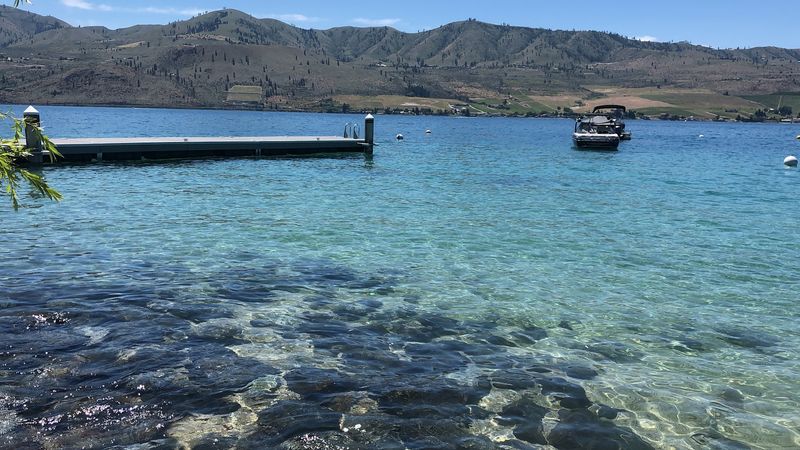
Lake Chelan has a shape that most lakes can only dream about. Long, narrow, and dramatically deep, it stretches 55 miles into the Cascade Mountains with steep slopes rising on either side.
The result is something closer to a Norwegian fjord than a typical American lake, which is a comparison Washington locals have embraced with pride.
At its deepest point, the lake drops to 1,486 feet, making it the third deepest lake in the United States. That depth keeps the water a rich, saturated blue that photographs absurdly well.
The town of Chelan at the southern end offers wineries, restaurants, and easy lake access, making it a full weekend destination.
The northern end of the lake, accessible only by ferry or floatplane, leads to the tiny community of Stehekin, surrounded by national park wilderness. That ferry ride through the canyon is itself worth the trip.
Lake Chelan rewards those willing to go the full length.
Priest Lake, Idaho
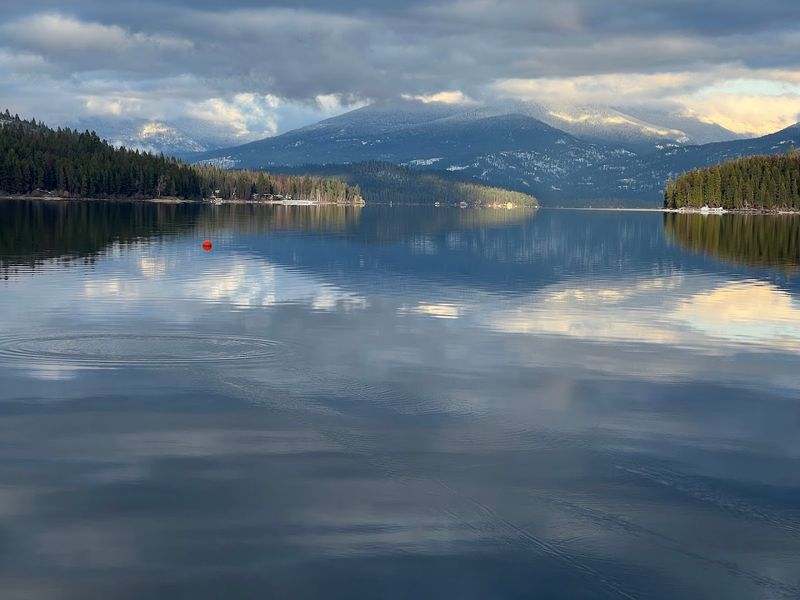
Priest Lake is the kind of place people visit once and then spend the next decade trying to get back to. Tucked below the Selkirk Mountains in northern Idaho, this 19-mile-long lake is surrounded by dense northern forest and feels genuinely remote even on a busy summer weekend.
The crowds that swamp more famous lakes simply have not found this one yet. Keep that between us.
The water is exceptionally clear and cool, and the shoreline is mostly undeveloped, which means the views are dominated by trees and mountains rather than boat docks and condos. Idaho Parks and Recreation notes the lake reaches depths of around 300 feet, giving it that rich, dark blue color in the deeper sections.
Upper Priest Lake, a smaller and even more secluded body of water connected by a thoroughfare, adds another layer of wilderness charm. Wildlife sightings, including osprey, loons, and the occasional moose, are common.
Priest Lake is quiet, pristine, and very much worth the detour.
Bear Lake, Rocky Mountain National Park, Colorado
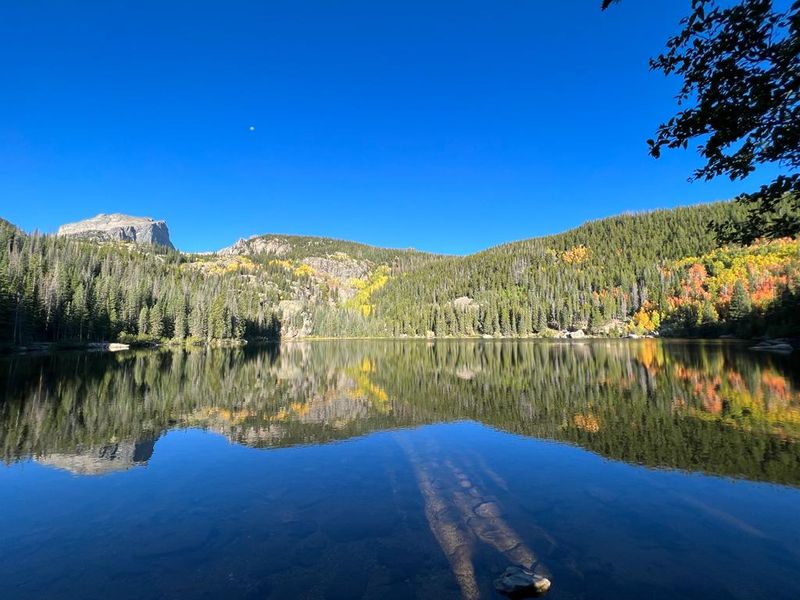
Bear Lake is the overachiever of short hikes. The loop around this alpine lake inside Rocky Mountain National Park takes less than an hour, covers under a mile, and somehow delivers more photogenic moments per step than most full-day trails.
Sitting at 9,475 feet, the lake is framed by Hallett Peak and Flattop Mountain, which loom over the water in a way that makes every photo look professionally composed.
The reflections on calm mornings are the stuff of screensavers. Patches of snow linger on the peaks well into summer, adding that extra alpine drama that Colorado does so well.
The trailhead is accessible by shuttle from Estes Park, which means you do not even have to stress about parking.
Bear Lake also serves as the launching point for longer hikes into the park’s backcountry, so it works equally well as a destination and as a starting line. Short on time or long on ambition, Bear Lake has you covered either way.
Lake George, New York
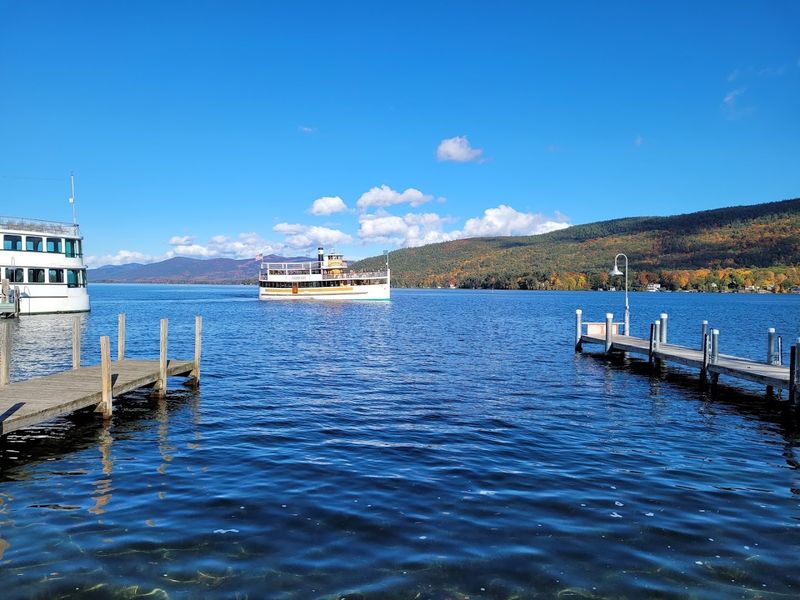
Lake George has been charming visitors since before the United States was officially a country, and it has absolutely no plans to stop. Called the “Queen of American Lakes” by Thomas Jefferson, this 32-mile-long Adirondack gem sits in upstate New York with a quiet confidence that comes from centuries of well-earned admiration.
The history here runs as deep as the water.
The lake is dotted with around 170 islands, many of which are accessible by boat and available for camping. That island-hopping setup gives Lake George a playful, exploratory quality that keeps repeat visitors coming back.
The surrounding Adirondack peaks turn spectacular shades of orange and red in fall, making autumn arguably the best time to visit.
The village of Lake George at the southern end offers the full vacation package: boat tours, restaurants, and a lively lakefront scene. It is a classic American summer destination that manages to feel timeless without feeling tired.
Some things stay popular for very good reasons.
Caddo Lake, Texas-Louisiana
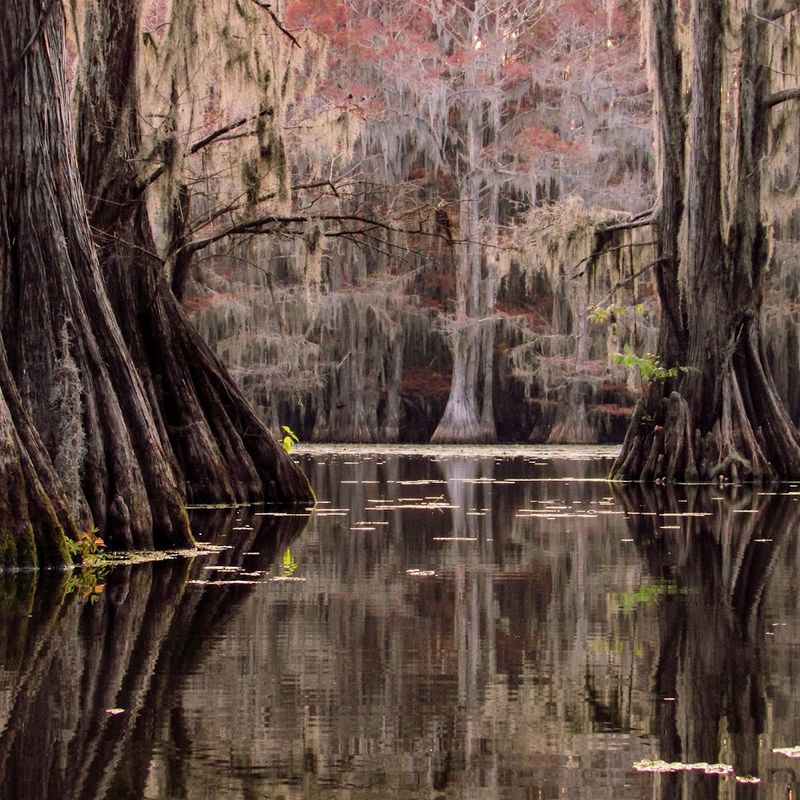
Caddo Lake operates on a completely different definition of beautiful. Forget clear blue water and mountain reflections.
Here, ancient bald cypress trees draped in Spanish moss rise out of still, dark water while bayou channels wind quietly between them. It is moody, mysterious, and unlike anything else in the American South.
Texas Parks and Wildlife highlights the cypress groves and wetland ecosystem as defining features of the lake, which straddles the Texas-Louisiana border. The labyrinth of waterways means the best way to experience Caddo is by canoe or kayak, threading through narrow passages where the tree canopy closes overhead.
Wildlife here is extraordinary. Great blue herons, alligators, and dozens of fish species call Caddo home.
The lake has a Ramsar designation as a wetland of international importance, which is a fancy way of saying even the global scientific community thinks it is special. Caddo Lake is not the prettiest lake in the conventional sense.
It is something better: unforgettable.
Lake Santeetlah, North Carolina
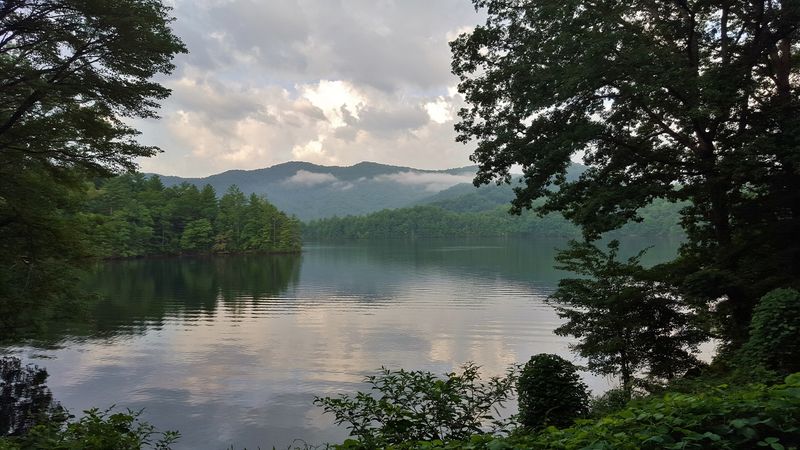
Lake Santeetlah is the best-kept secret in the Appalachians, and I am slightly conflicted about putting it on a public list. Tucked inside Nantahala National Forest in western North Carolina, this pristine lake sits at around 1,900 feet and is wrapped on nearly all sides by forested mountain ridges.
The lack of heavy development is the whole point.
Local tourism sources describe the lake as one of the cleanest and most scenic in the region, with over 76 miles of shoreline hugging the mountain contours. The water reflects the surrounding forest in deep greens and blues depending on the light and the season.
Nearby Robbinsville is a tiny mountain town that serves as a base, and the surrounding roads through Nantahala are genuinely spectacular for scenic drives or motorcycle routes. Lake Santeetlah does not have the fame of Tahoe or the drama of Crater Lake.
What it has is quiet perfection, which is honestly harder to find. Seek it out before everyone else does.



