Some views are so good they make you forget to take a photo because you’re too busy just standing there with your jaw dropped. America’s state parks are hiding some of the most spectacular ocean panoramas on the planet, from volcanic black-sand shores in Hawaii to wild Atlantic barrier islands in Maryland.
Whether you’re a hardcore hiker, a casual beach-goer, or someone who just really loves staring at water, these parks deliver. Pack your sunscreen, charge your camera, and get ready for the ultimate coastal road trip checklist.
Ecola State Park, Oregon
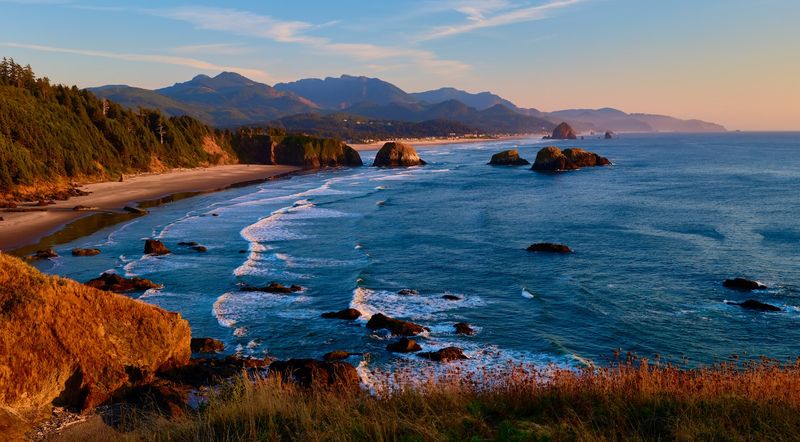
Standing on Ecola’s grassy bluffs above Cannon Beach, you get the kind of Pacific view that makes Oregon’s coast famous worldwide. The forested trail leading to the overlook feels like walking through a movie set, except the scenery is completely real.
Oregon State Parks literally describes it as offering “breathtaking views of the Pacific Ocean,” and that is not marketing fluff.
The viewpoints here frame Haystack Rock perfectly in the distance, giving every photo a natural focal point. Wildlife spotters love it too, since sea lions and seabirds frequently hang out on the offshore rocks below.
First-time visitors often underestimate how dramatic the drop from bluff to shoreline actually is.
Parking fills up fast on summer weekends, so arriving early is genuinely smart advice, not just a polite suggestion. Wear layers because coastal Oregon has its own weather opinions.
Ecola earns its top-of-the-list spot without breaking a sweat.
Oswald West State Park, Oregon
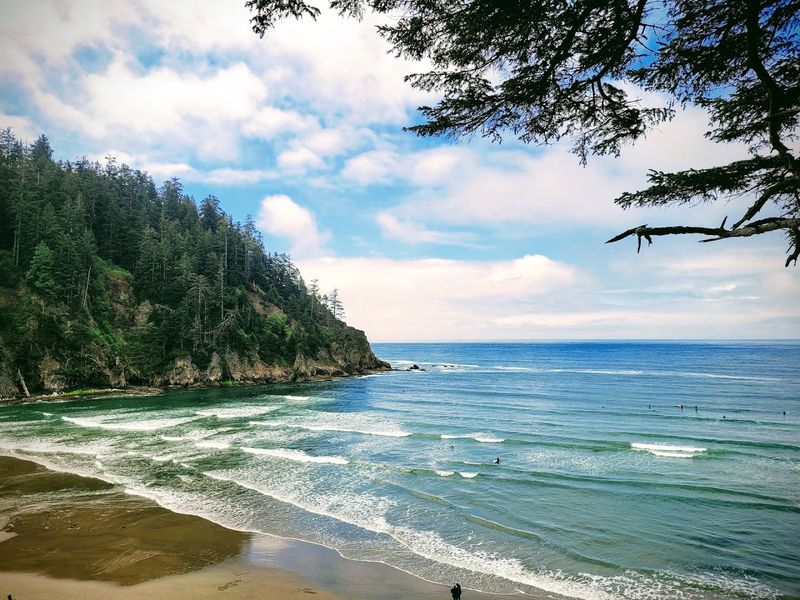
Oswald West is the park that surfers discovered decades ago and have been quietly hoping the rest of us would ignore. Spoiler: the secret is out, but the park is still far less crowded than most coastal destinations its quality deserves.
Four miles of rugged coastline stretch through old-growth forest, and every trail rewards you with views that feel genuinely earned.
Short Sand Beach sits tucked in a cove below towering headlands, and the walk down to it through ancient spruce trees is half the fun. The Pacific here is moody and powerful, which makes it thrilling to watch from the bluff trails even when swimming is off the table.
Surfers brave the break while hikers admire from above.
No vehicle camping exists here, which keeps the crowds manageable and the atmosphere peaceful. Bring a daypack, solid footwear, and a willingness to share the trail with fellow ocean enthusiasts.
Oswald West rewards effort every single time.
Shore Acres State Park, Oregon
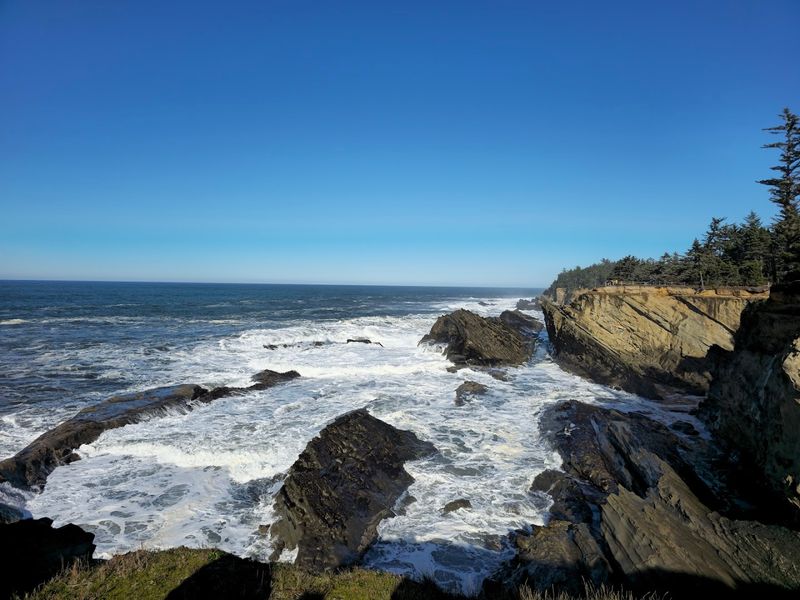
Shore Acres is the park that convinces people Oregon’s coast is one of the most underrated coastlines in the entire country. The sandstone cliffs here drop sharply to a wave-battered shoreline that puts on a spectacular show during winter storms.
Watching thirty-foot waves explode against the rocks from a safe cliffside viewpoint is an experience that sticks with you.
What makes Shore Acres genuinely quirky is its formal garden sitting right next to all that wild ocean drama. A manicured rose garden and a Japanese pond garden somehow coexist peacefully with crashing surf below.
It is an odd combination that absolutely works.
The park was once the private estate of timber baron Louis Simpson, which explains the fancy garden situation. Storm-watching season from November through February draws dedicated fans who plan their visits around big swell forecasts.
Shore Acres delivers cinematic coastal scenery year-round, but winter visits hit differently.
Cape Disappointment State Park, Washington

Despite the name, Cape Disappointment is one of the most impressive coastal parks in the Pacific Northwest, and the irony is not lost on anyone who visits. The park sits at the dramatic point where the Columbia River collides with the Pacific Ocean, creating a stretch of coastline that is genuinely wild and historically significant.
Lewis and Clark camped here in 1805, which tells you this spot has been impressive for a while.
North Head Lighthouse perches on a windswept headland with views that stretch far out over the open Pacific. The Cape Disappointment Lighthouse, one of the oldest on the West Coast, adds a second iconic landmark to the scenery.
Trails connect the two lighthouses through forest and along dramatic blufftops.
The park also houses a Lewis and Clark Interpretive Center built right into the cliff face. Waves at the river mouth create dangerous but spectacular churning water visible from the headlands above.
Disappointing? Not even close.
Sonoma Coast State Park, California
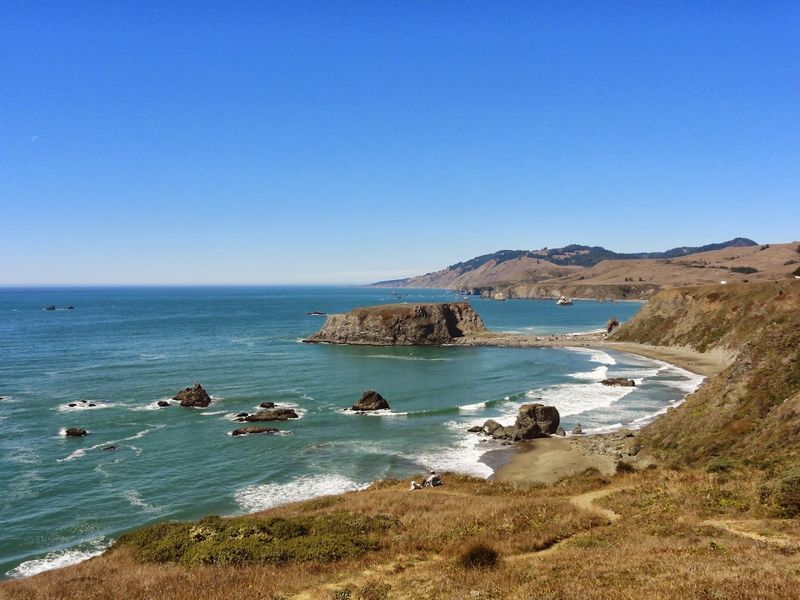
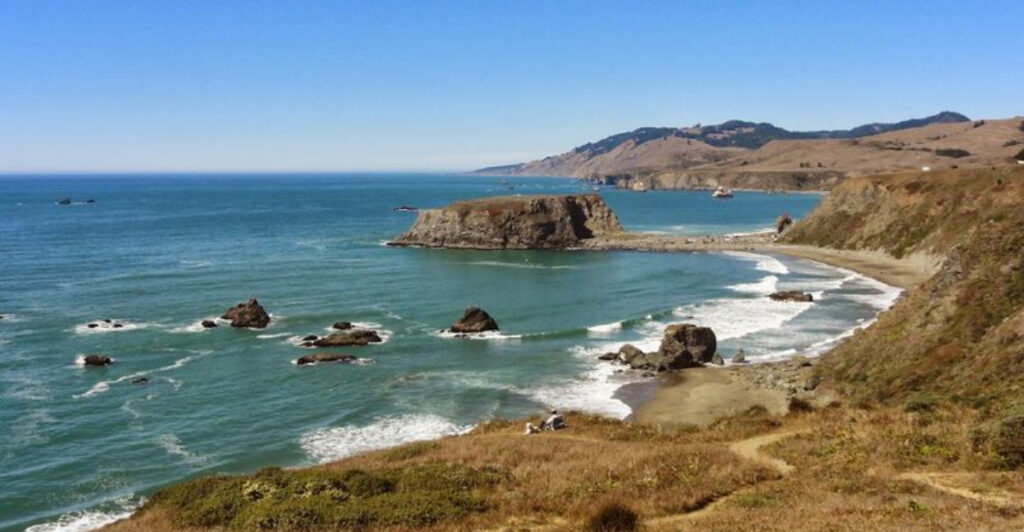
Sonoma Coast is Northern California’s coastal drama at full volume. Rugged headlands, hidden coves, tide pools, and crashing surf stretch across seventeen miles of some of the most photogenic coastline in the state.
California State Parks calls it one of the best whale-watching spots in California during winter, and that fact alone tells you how commanding the ocean views are here.
Goat Rock Beach sits at the mouth of the Russian River and draws crowds for its resident harbor seal colony. The seals haul out on the sand completely unbothered by human admirers watching from a respectful distance.
It is one of those wildlife encounters that feels almost too easy.
Rip currents here are serious business, so wading and swimming require real caution regardless of how inviting the water looks. Stick to the bluff trails for the best panoramic views without the risk.
Sonoma Coast rewards the patient visitor with something new around every bend.
Hearst San Simeon State Park, California
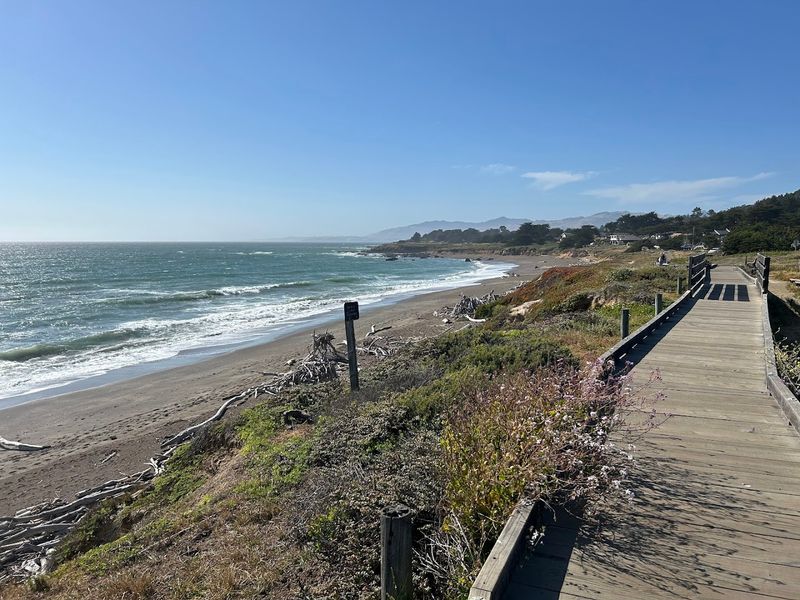
Most people visit San Simeon to tour the famous Hearst Castle up on the hill, but the state park right along the coast is equally worth your attention. Wide coastal bluffs offer long, unobstructed views of the Pacific that stretch to the horizon without a single obstruction.
The official park description highlights its coastal bluffs and promontories, and standing on them confirms that the description is accurate.
The Piedras Blancas elephant seal rookery sits just a few miles north and is technically part of the broader coastal experience here. Thousands of enormous elephant seals loll around on the beach below the highway pullouts, making for one of the strangest and most entertaining wildlife spectacles anywhere on the California coast.
The blufftop trail connects several viewpoints along a relatively flat path, making it accessible for most fitness levels. Sunsets here are reliably spectacular because of the wide western exposure.
Hearst San Simeon punches well above its fame level.
MacKerricher State Park, California
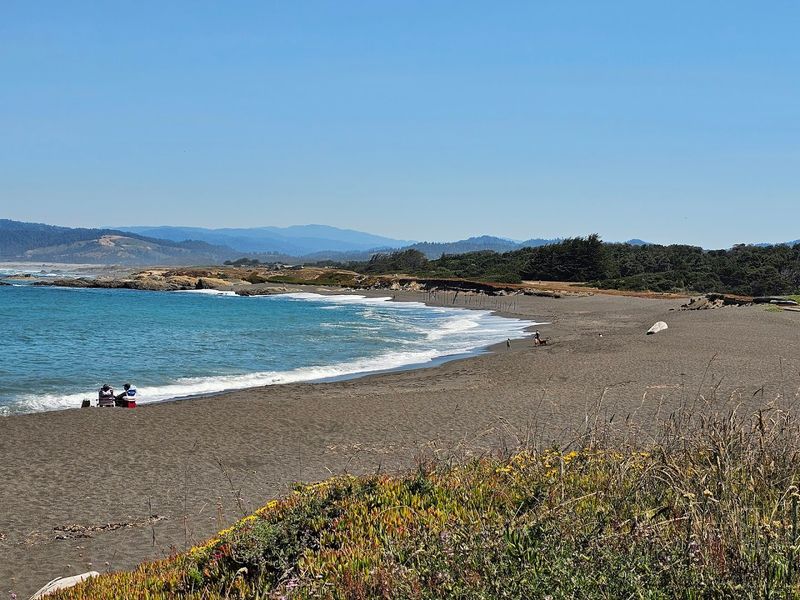
MacKerricher sits on the Mendocino Coast and quietly delivers more variety per square mile than parks twice its size. Beaches, dunes, wetlands, headlands, tidal pools, and whale-watching lookouts all show up within a single park boundary.
That kind of ecological diversity is rare, and it gives the place a wilder, less manicured feel than most California coastal parks.
The Haul Road trail runs along the blufftop for about three miles and offers consistent Pacific views the entire way. Harbor seals hang out at the southern end near the seal watching area, and gray whales pass offshore during migration season.
The combination of wildlife and scenery keeps things interesting at every turn.
Lake Cleone, a freshwater lake tucked right next to the ocean dunes, attracts migratory birds and adds an unexpected layer to the park’s appeal. Camping here fills up fast in summer, so reservations are essential.
MacKerricher is a hidden gem that outdoor enthusiasts genuinely love.
Point Dume State Beach, California
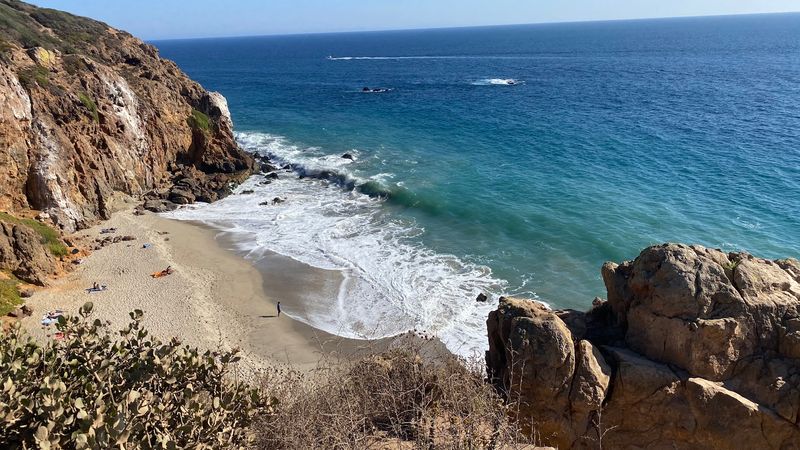
Point Dume is the kind of place that makes Malibu residents feel smug about their zip code, and honestly, fair enough. The rocky headland rises above the Pacific and delivers a commanding view of Santa Monica Bay that stretches from the Palos Verdes Peninsula to the Santa Monica Mountains.
California State Parks also flags it as a prime gray whale migration viewing spot, which confirms how wide open the ocean perspective really is.
The trail to the top of the point is short but steep, rewarding climbers with one of the best coastal overlooks in Southern California. Rocky coves sit below the cliffs, accessible at low tide for tide pool exploration.
Sea caves carved into the base of the headland add a geological bonus.
Parking fills by mid-morning on weekends, so arriving early is not optional if you want a spot. The beach below the point offers calmer water than many Malibu spots.
Point Dume earns its reputation every single visit.
Bahia Honda State Park, Florida
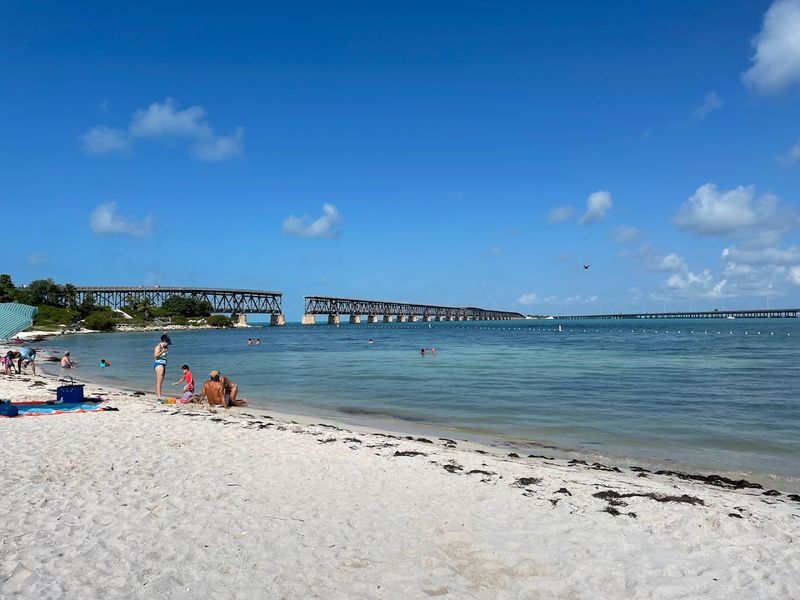
Bahia Honda is the Florida Keys at their most spectacular, which is saying something given the competition. The park sits on a natural deep-water island in the middle Keys, surrounded by turquoise Atlantic on one side and Gulf of Mexico waters on the other.
That double-ocean situation gives it a genuine edge-of-the-world quality that flat Florida rarely delivers.
The Old Bahia Honda Bridge trail is the park’s signature experience. Walking the old railroad bridge above the water gives you a sky-high view of the surrounding channels and reef that is genuinely hard to match anywhere in the state.
The bridge was built in 1912 as part of Henry Flagler’s famous Overseas Railroad.
Snorkeling at Sandspur Beach reveals a colorful reef just offshore, making the underwater view almost as impressive as the aerial one. Camping here books out months in advance, which tells you everything about its popularity.
Bahia Honda is a Florida Keys must-do, not just a nice-to-have.
Anastasia State Park, Florida
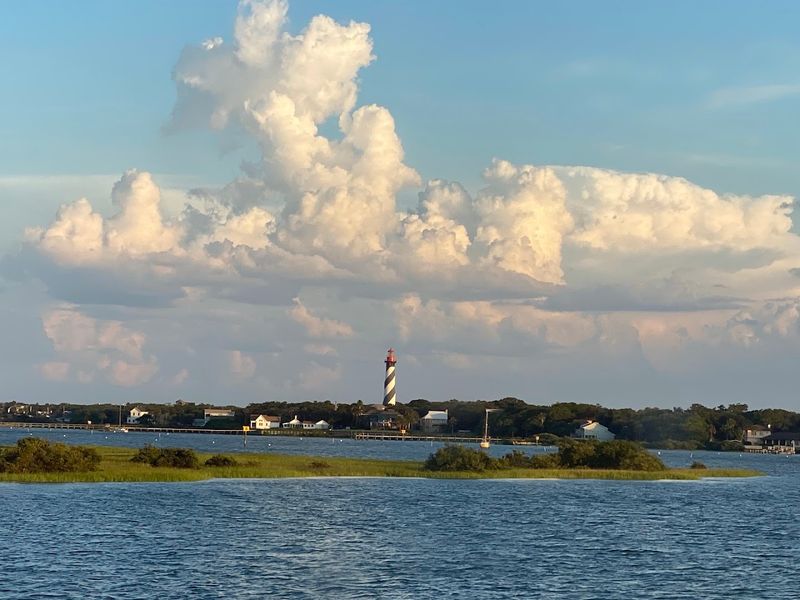
Anastasia State Park sits right next to St. Augustine, the oldest European-established city in the United States, which means history and beach scenery come bundled together here. The park covers 1,600 acres of Atlantic shoreline, dunes, marshes, and maritime hammock forest, making it far more layered than a typical Florida beach stop.
Florida State Parks describes it as pristine shoreline, and that description holds up.
The beach itself is wide, white, and backed by dunes that provide a natural buffer from the parking area, so you actually feel like you have escaped the city. Surf fishing is popular along the shore, and the inlet at the northern end draws kayakers exploring the tidal creeks.
Birdwatching in the maritime hammock rewards patient visitors with warblers and raptors.
St. Augustine Lighthouse is visible from the beach on clear days, adding a historic landmark to the ocean view. The campground fills quickly in spring and fall.
Anastasia is one of Florida’s most well-rounded coastal parks.
Dr. Julian G. Bruce St. George Island State Park, Florida
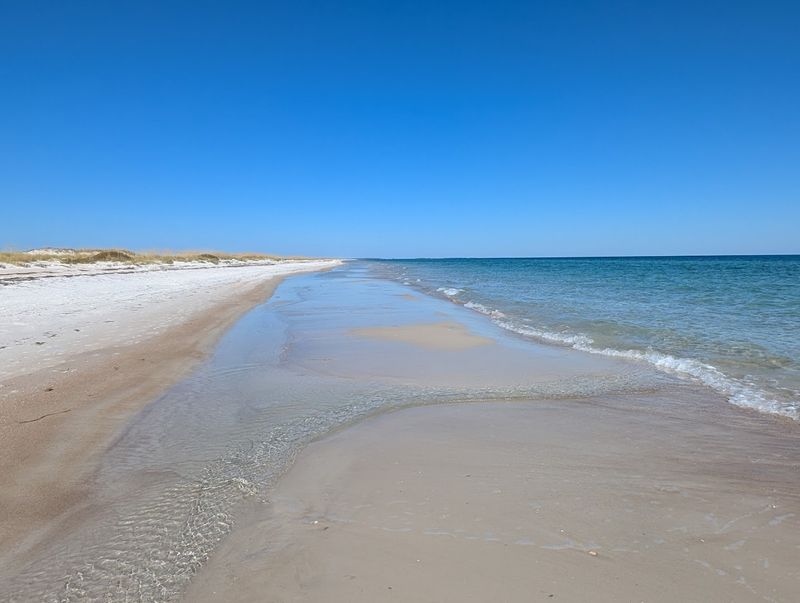
St. George Island State Park occupies the eastern end of a Gulf Coast barrier island where development simply does not exist, and that absence is the entire point. Nine miles of undeveloped white sand beach face the Gulf of Mexico with nothing blocking the view in either direction.
Florida State Parks calls it a favorite for spectacular sunsets, and the western exposure over open Gulf water makes that claim completely believable.
The lack of crowds and commercial development gives this park a raw, unhurried quality that is increasingly hard to find in Florida. Shorebirds nest along the beach, loggerhead sea turtles come ashore to nest in summer, and ospreys patrol the shoreline constantly.
Wildlife activity fills in the entertainment gaps between wave-watching sessions.
Paddling in the shallow bay behind the island offers a calmer alternative to the open Gulf beach. Primitive camping on the eastern tip puts you genuinely off the grid.
St. George Island delivers solitude and scenery in equal measure.
Waiananapanapa State Park, Hawaii
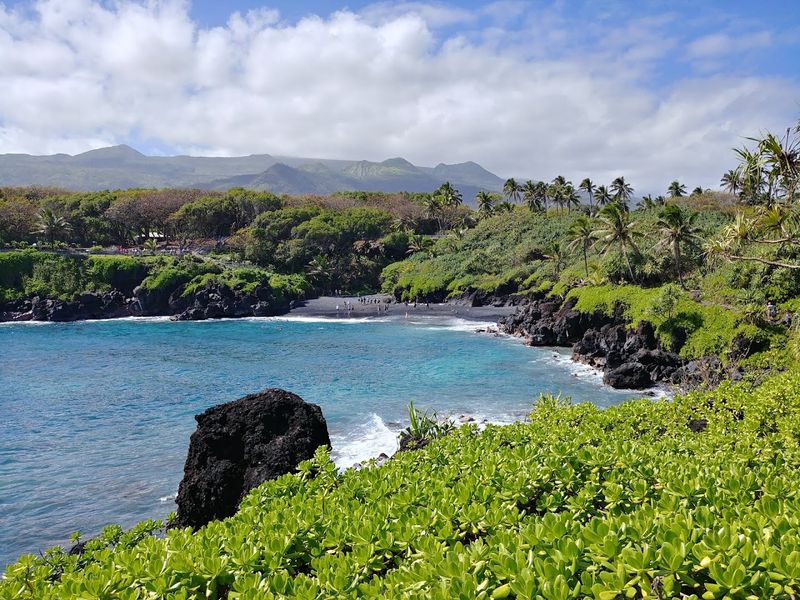
Waiananapanapa is the park that makes people realize Hawaii is not just about white sand beaches and mai tais. The black sand beach formed from volcanic lava, the jagged sea stacks rising from the water, and the blowholes shooting spray into the air create a coastal scene unlike anything else in the United States.
Hawaii’s official park site highlights the natural stone arch, seabird colony, and remote volcanic shoreline, and every one of those features delivers.
The coastal trail follows ancient lava cliffs above churning Pacific surf, passing heiau (sacred sites) and blowhole viewpoints along the way. The contrast between the jet-black sand and the deep blue ocean is genuinely striking from every angle.
Cave pools fed by freshwater springs add a mysterious underground element to the experience.
Getting to Waiananapanapa requires a timed entry reservation, which has helped preserve the park’s wild character. The drive on the Road to Hana is spectacular in itself.
Waiananapanapa is worth every bit of planning it requires.
Hunting Island State Park, South Carolina
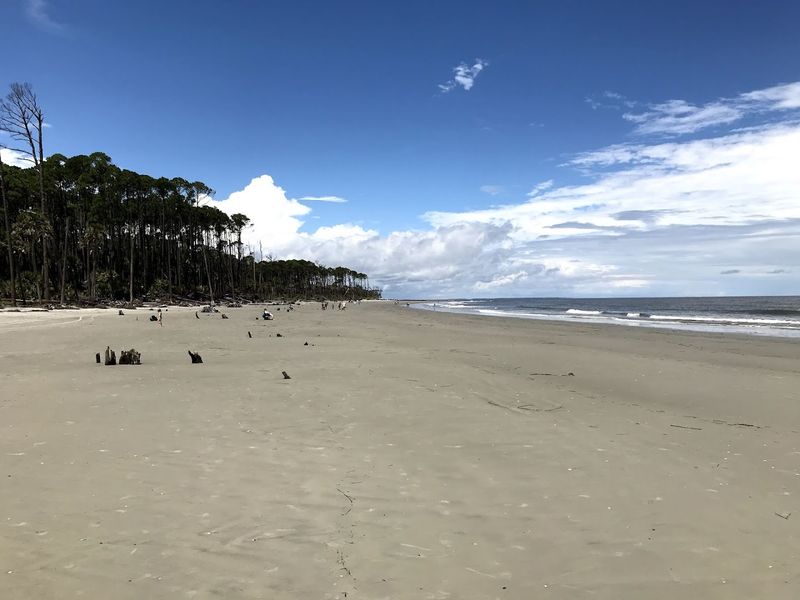
Hunting Island is South Carolina’s most visited state park, and once you see it, the popularity makes complete sense. Five miles of Atlantic beach backed by maritime forest, marsh, lagoon, and ocean inlet create a coastal landscape that feels far wilder than its location between Beaufort and Hilton Head suggests.
The mix of ecosystems packed into one park is genuinely impressive.
The Hunting Island Lighthouse, built in 1875 and one of the few climbable lighthouses in the South, rises above the tree canopy and offers a bird’s-eye view of the surrounding coastline. Climbing its 167 steps rewards visitors with an elevated ocean panorama that no bluff trail can replicate.
The lighthouse was actually moved 1.25 miles inland in 1889 to protect it from erosion.
Beach erosion has carved dramatic driftwood-covered stretches of shoreline that look almost sculptural in low light. The lagoon behind the beach provides calm water for kayaking.
Hunting Island combines Atlantic scenery with genuine ecological richness.
Huntington Beach State Park, South Carolina
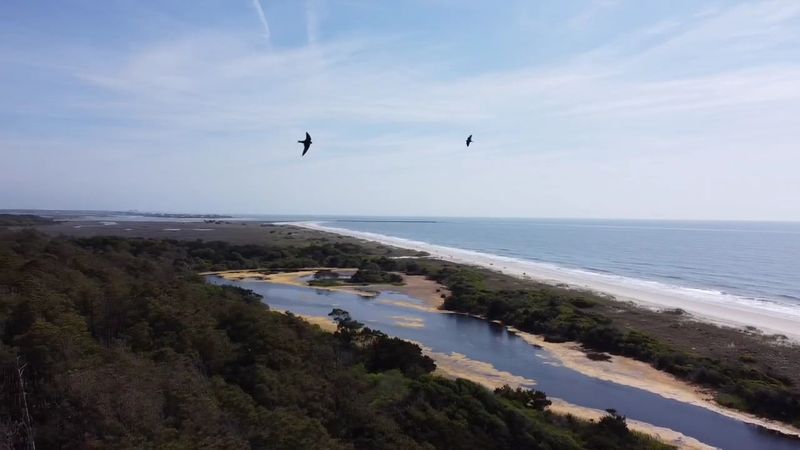
Huntington Beach is the rare park where you can spot a painted bunting, photograph a historic Moorish castle, and watch pelicans dive-bomb the surf all before lunch. The park combines broad Atlantic beach frontage with exceptional birding habitat in the freshwater lagoon and salt marsh that back the dunes.
South Carolina Parks specifically highlights its East Coast bird-watching reputation, and that reputation is well earned.
Atalaya, the winter home of sculptor Anna Hyatt Huntington, sits right inside the park and looks like it was transported from a Spanish coastal village. The structure is open for tours and adds genuine cultural depth to what could otherwise be a straightforward beach visit.
The combination of art history and ocean scenery is an unusual but winning formula.
The beach itself stretches for three miles with wide, open Atlantic views and relatively gentle surf compared to many East Coast parks. Loggerhead sea turtle nesting happens here in summer.
Huntington Beach rewards visitors who arrive expecting more than just sand.
Assateague State Park, Maryland
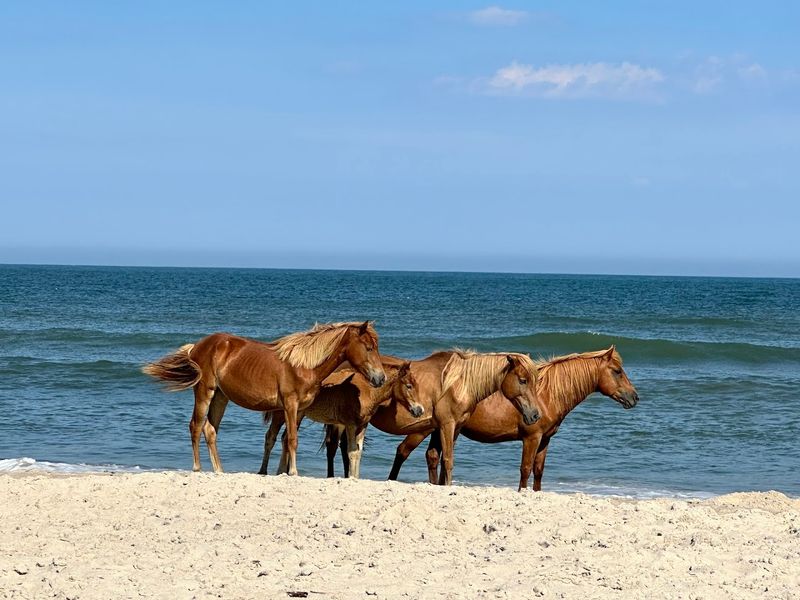
Maryland’s only oceanfront state park earns its place on this list with a combination of raw Atlantic scenery and one genuinely unforgettable bonus feature: wild horses. The famous Assateague ponies roam freely through the campground, across the beach, and along the dunes with complete disregard for personal space or campsite boundaries.
Watching a pony casually stroll past your tent at sunrise is not something most state parks can offer.
The barrier island setting puts the Atlantic Ocean on one side and Chincoteague Bay on the other, giving visitors two completely different water views within a short walk of each other. Ocean waves roll in from the east while the bay side offers calm, shallow water and wide tidal flats.
That contrast keeps the scenery fresh no matter which direction you face.
The beach is wide, natural, and largely undeveloped beyond the park facilities. Migratory shorebirds use the island as a critical stopover during fall and spring.
Assateague is wild, windy, and completely worth the drive to the Maryland coast.
Share this story