Some countries are made up of so many islands that it would take a lifetime to visit them all. From frozen Arctic archipelagos to sun-warmed tropical chains, the world is packed with stunning island landscapes.
A handful of nations stand out for having a truly remarkable number of islands, and the totals might surprise you. Read on to discover which countries top the list and what makes each one so fascinating.
1. Sweden
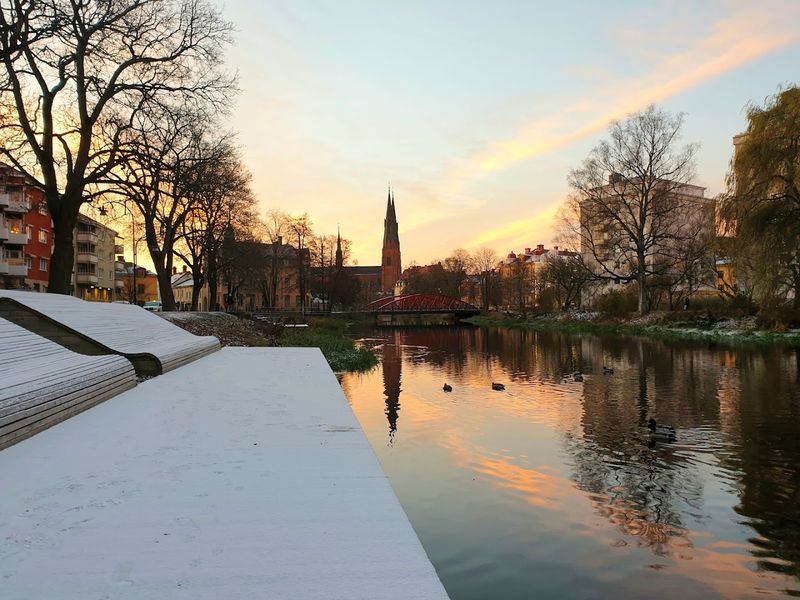
Most people think of IKEA and meatballs when Sweden comes up, but this Scandinavian nation actually holds the world record for island count. With around 267,000 islands, Sweden tops every other country on the planet.
That is a staggering number that even surprises many Swedes themselves.
The islands range from large, inhabited landmasses to tiny, uninhabited rocks barely poking above the waterline. The Stockholm Archipelago alone contains around 30,000 islands and is one of the most visited coastal areas in northern Europe.
Kayaking through its calm, glittering channels is a bucket-list experience for outdoor lovers.
Sweden’s island-rich coastline was shaped over thousands of years by glaciers that carved deep channels into the bedrock. Many of the smaller islands are protected nature reserves.
If you ever get the chance to explore Sweden by boat, you will understand why locals treasure their archipelago so deeply.
2. Norway
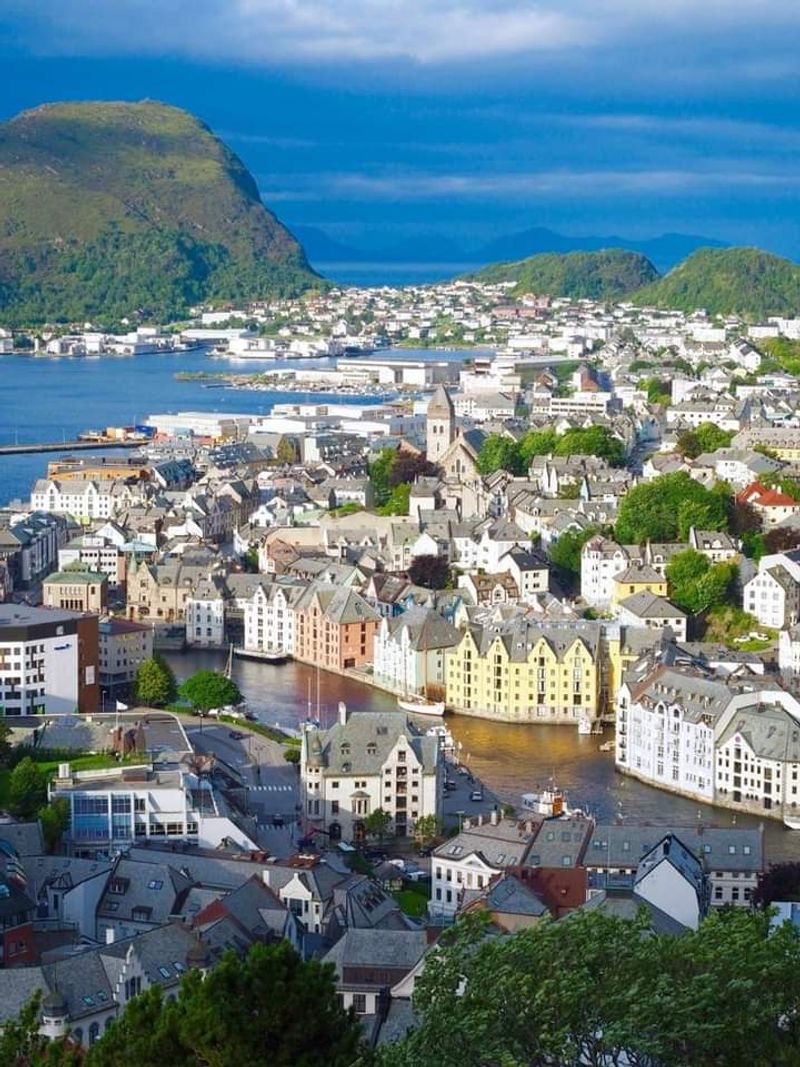
Norway’s coastline is one of the most dramatic on Earth, shaped by ancient glaciers that gouged out deep fjords and left behind nearly 239,000 islands in their wake. The country’s jagged western edge is so complex that if you stretched it out flat, it would circle the globe more than once.
That alone tells you how wildly irregular and island-packed this coastline really is.
Many of Norway’s islands are clustered in the Lofoten and Vesteralen archipelagos, known for their sharp mountain peaks rising straight from the sea. These islands attract photographers, hikers, and fishing enthusiasts from all over the world.
During summer, the midnight sun bathes everything in a warm golden glow that feels almost unreal.
Fishing has been central to Norwegian island culture for centuries, and many remote communities still rely on the sea today. Norway’s islands are rugged, raw, and endlessly beautiful.
3. Finland
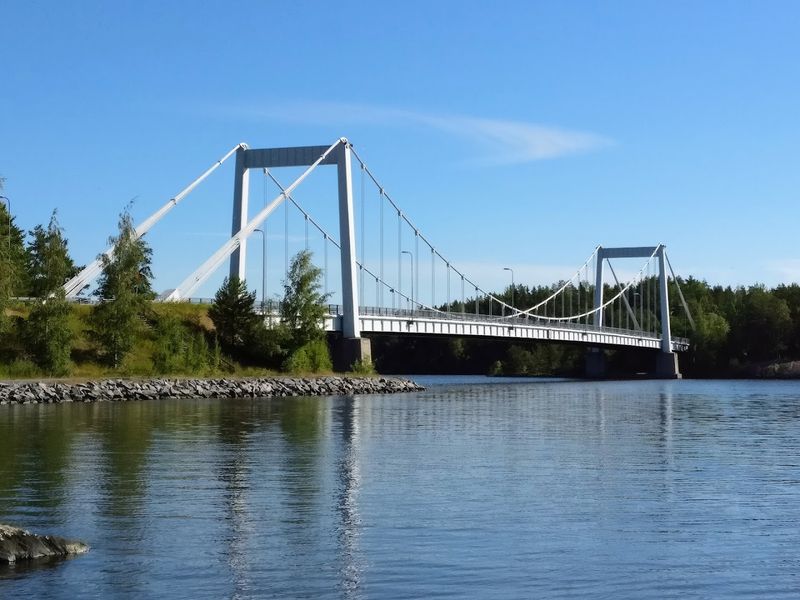
Finland is sometimes called the Land of a Thousand Lakes, but the real number is far more impressive. The country has around 179,000 islands scattered across its vast lake systems and Baltic coastline, making it third on the global island count.
Much of this island richness comes not from the sea but from Finland’s massive inland lakes, which is a pretty unique twist compared to other island-heavy nations.
Lake Saimaa, the largest lake in Finland, is dotted with hundreds of forested islands and is home to the critically endangered Saimaa ringed seal. Spending a summer week in a lakeside cabin on one of these islands is a deeply rooted Finnish tradition.
Locals call this lifestyle “mokki,” and it is basically the Finnish version of paradise.
The landscape is quiet, birch-filled, and breathtakingly peaceful. Finland’s islands offer a slower, more reflective kind of beauty that stays with you long after you leave.
4. Canada
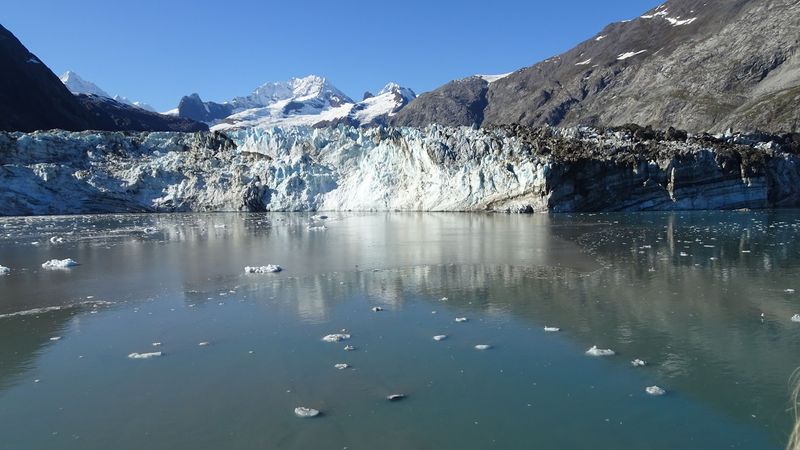
Canada is the second-largest country in the world by total area, so it should come as no surprise that it also has one of the largest island counts. With more than 52,000 islands, Canada’s landmass includes enormous Arctic island chains that many people have never even heard of.
Baffin Island alone is the fifth-largest island on the entire planet.
The Canadian Arctic Archipelago stretches across a frozen, remote region that is home to polar bears, walruses, and Inuit communities who have lived there for thousands of years. Further south, the Great Lakes region adds even more islands to the count, including Manitoulin Island, the largest freshwater island in the world.
That is a title Canada holds with quiet pride.
Canada’s islands span every climate zone, from tropical-feeling spots off British Columbia to icy, wind-battered outposts near the North Pole. The sheer variety is almost impossible to wrap your head around.
5. Indonesia
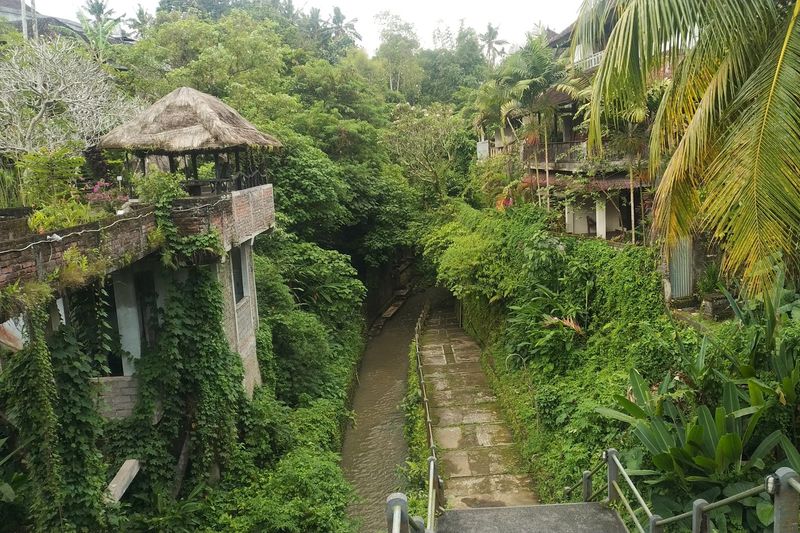
Stretching across Southeast Asia like a giant emerald necklace, Indonesia is made up of around 17,000 islands spread across roughly 5,000 kilometers of ocean. It is the world’s largest archipelago nation, meaning the entire country is built from islands.
From Sumatra to Papua, each island has its own distinct culture, language, and landscape.
Indonesia is home to some of the most biodiverse ecosystems on the planet. Borneo and Sulawesi shelter orangutans, pygmy elephants, and birds of paradise found nowhere else on Earth.
Bali, one of the most visited islands, draws millions of tourists each year with its terraced rice paddies, Hindu temples, and surf-friendly beaches.
Not all of Indonesia’s islands are inhabited. Roughly 6,000 are home to permanent residents, while thousands more remain wild and untouched.
The country sits on the Pacific Ring of Fire, meaning volcanic activity has literally shaped and continues to reshape its island geography over time.
6. Australia
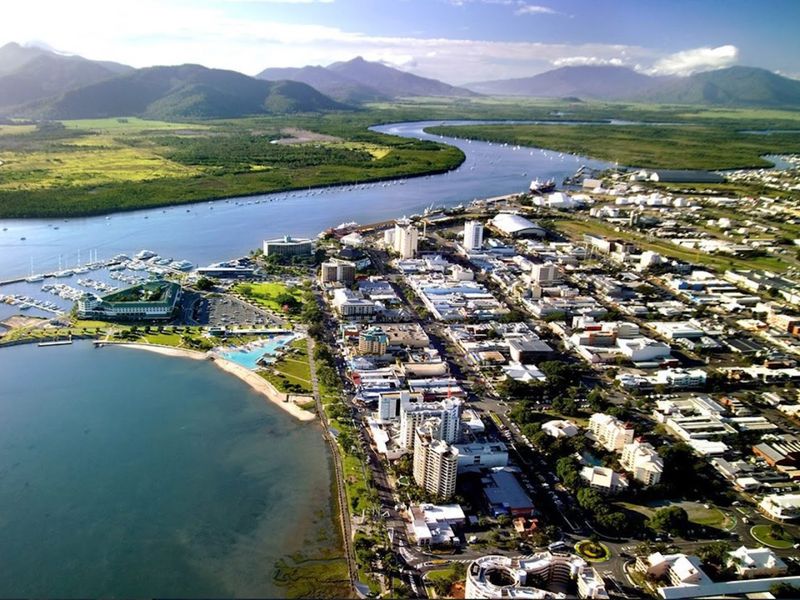
Australia is famous for its vast outback and unique wildlife, but its island count often flies under the radar. The country has over 8,000 islands, ranging from the large and well-known Tasmania to tiny reef islands scattered across the Coral Sea.
Each island has its own character, making Australia’s island geography surprisingly diverse.
The Whitsunday Islands, nestled within the Great Barrier Reef, are among the most photographed in the Southern Hemisphere. Their powdery white silica beaches and crystal-clear turquoise waters look almost digitally enhanced in real life.
Further north, the Kimberley region features rugged, red-rocked islands carved by tides and time.
Tasmania, Australia’s largest island state, is a world apart from the mainland. It is cooler, greener, and home to creatures like the Tasmanian devil that exist nowhere else in the wild.
Australia’s islands collectively tell a story of geological drama, ancient ecosystems, and jaw-dropping natural beauty that rewards every explorer.
7. Philippines
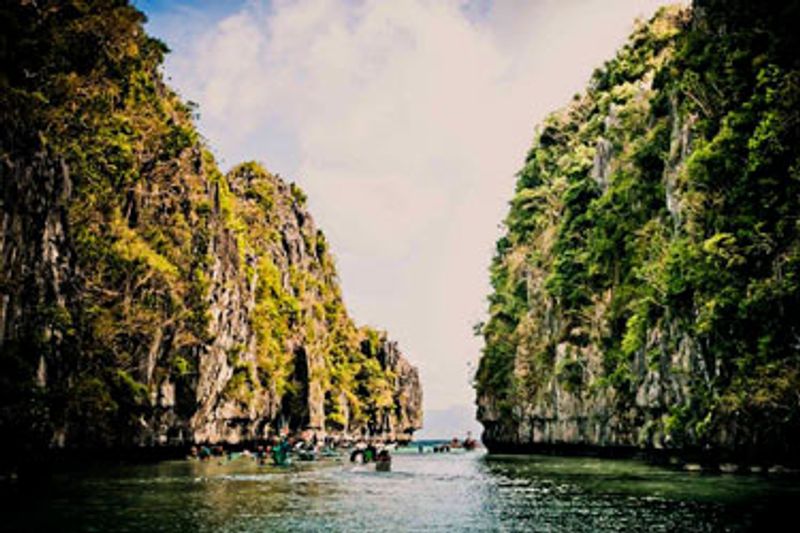
Few places on Earth can match the Philippines for sheer island beauty. With more than 7,600 islands spread across the western Pacific, this Southeast Asian nation is a tropical playground of white beaches, coral reefs, and volcanic peaks.
The islands are divided into three main groups: Luzon, Visayas, and Mindanao, each with its own distinct culture and geography.
Palawan, frequently voted one of the world’s best islands by travel magazines, features dramatic limestone karsts, hidden lagoons, and some of the richest marine biodiversity on the planet. Tubbataha Reef, located in the Sulu Sea, is a UNESCO World Heritage Site and a haven for sharks, rays, and sea turtles.
What makes the Philippines extra special is its people. Filipinos are known worldwide for their warmth, hospitality, and resilience.
With over 100 million people spread across thousands of islands, the country has built a vibrant, multilingual culture that feels both deeply rooted and wonderfully open to the world.
8. Japan
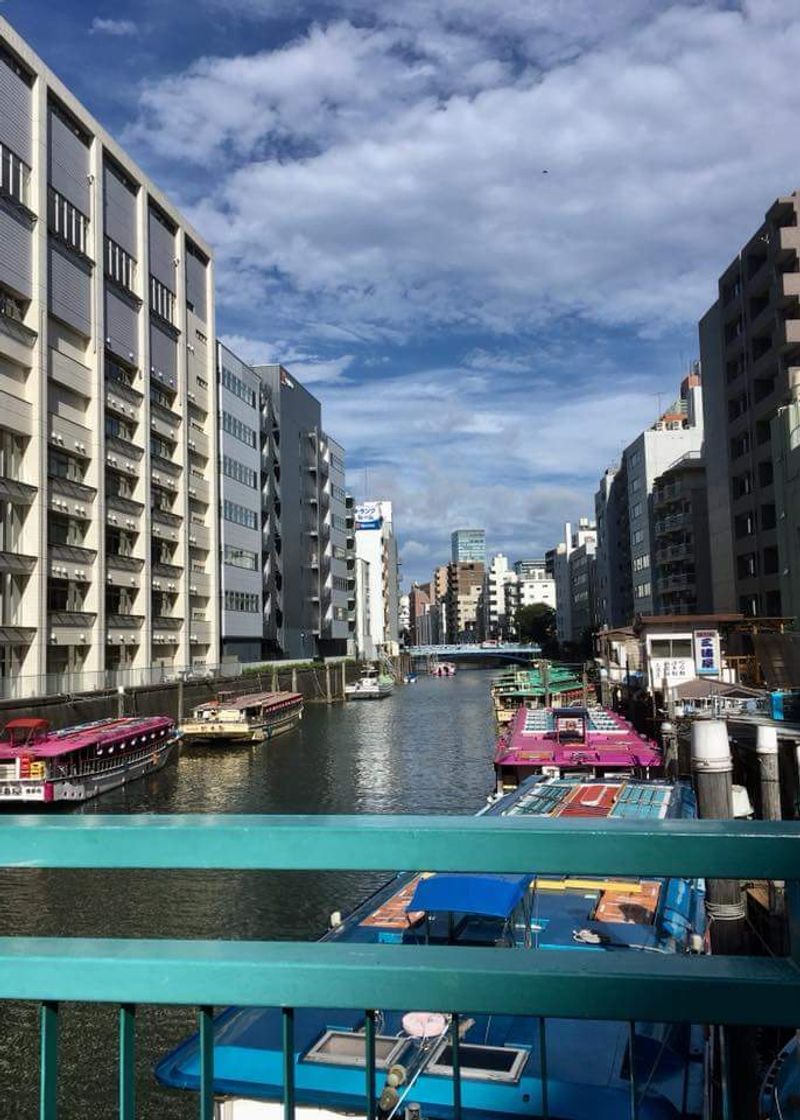
Japan recently made headlines when updated satellite mapping revealed the country has around 14,000 islands, nearly double the previously accepted count of roughly 6,800. That revision made waves in the geography world and reminded everyone how much we are still learning about our planet.
Japan’s island chain stretches across an enormous swath of the Pacific and Sea of Japan.
The four main islands, Honshu, Hokkaido, Kyushu, and Shikoku, hold the vast majority of the population and are where most visitors spend their time. But Japan’s smaller islands are equally compelling.
Yakushima, a southern island covered in ancient cedar forests, is a UNESCO World Heritage Site that inspired the animated film Princess Mononoke.
The Okinawa chain in the far south offers a completely different experience, with tropical beaches, coral reefs, and a distinct local culture blending Japanese and Ryukyuan traditions. Japan’s islands are endlessly layered with history, nature, and quiet wonder.
9. Chile
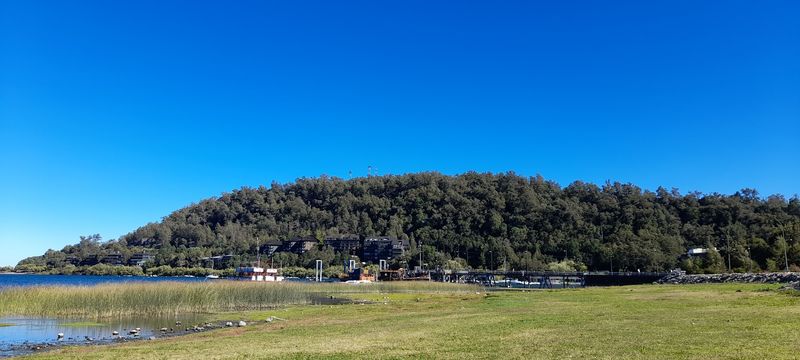
Chile is long, thin, and absolutely loaded with islands along its southern edge. The country’s rugged Patagonian coast is one of the most complex and remote coastlines in the world, where thousands of islands fragment the land into a labyrinth of channels, fjords, and windswept headlands.
This region is so wild that much of it remains unmapped at ground level.
Chiloe Island is the largest and most accessible of Chile’s southern islands, known for its colorful stilted houses called palafitos and its unique folklore involving sea monsters and sorcerers. The island has a misty, fairy-tale quality that sets it apart from anywhere else in South America.
Its cuisine, including the famous curanto stew cooked underground, is unlike anything else in the region.
Further south, Easter Island sits in complete isolation in the middle of the Pacific Ocean, home to the mysterious moai statues. Chile’s islands span an extraordinary range of environments, from temperate rainforest to volcanic desert.
10. United States
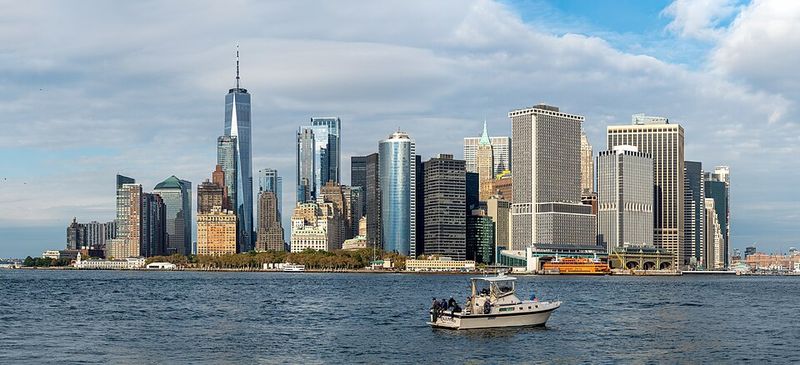
The United States has tens of thousands of islands when you count every state, territory, and offshore territory. Alaska alone contributes an enormous share, with the Alexander Archipelago containing over 1,000 islands and the Aleutian chain stretching more than 1,900 kilometers into the Pacific.
These remote Alaskan islands are storm-battered, wildlife-rich, and hauntingly beautiful.
Hawaii adds eight main volcanic islands and dozens of smaller ones, forming one of the most geologically active island chains on Earth. The Hawaiian Islands were formed by a hotspot deep in the Pacific mantle, and the youngest island, the Big Island, is still actively growing through volcanic eruptions.
That kind of geological storytelling is rare anywhere else in the world.
Beyond Alaska and Hawaii, the U.S. also claims islands in the Caribbean and Pacific, including Puerto Rico, Guam, and the U.S. Virgin Islands.
Taken together, America’s islands represent an astonishing range of climates, cultures, and landscapes.
11. Greece
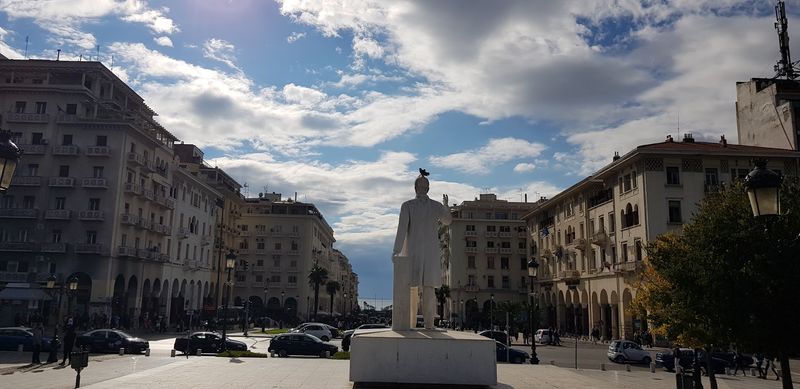
Greece has around 6,000 islands and islets scattered across the Aegean and Ionian Seas, though only about 200 of them are actually inhabited. That ratio of empty to occupied islands gives Greece a sense of mystery, as if there are always more hidden corners left to discover.
The country’s island geography has shaped its history, culture, and identity for thousands of years.
Ancient Greeks built city-states on islands like Rhodes and Crete, developing powerful trading civilizations that influenced the entire Mediterranean world. Crete, the largest Greek island, was home to the Minoan civilization, one of Europe’s earliest and most sophisticated ancient cultures.
Walking through its ruins feels like flipping through the pages of a history book come to life.
Today, Greek islands like Santorini and Mykonos are among the most photographed places on Earth. The classic combination of whitewashed walls, blue domes, and glittering sea draws millions of visitors every summer and never seems to lose its charm.
12. United Kingdom
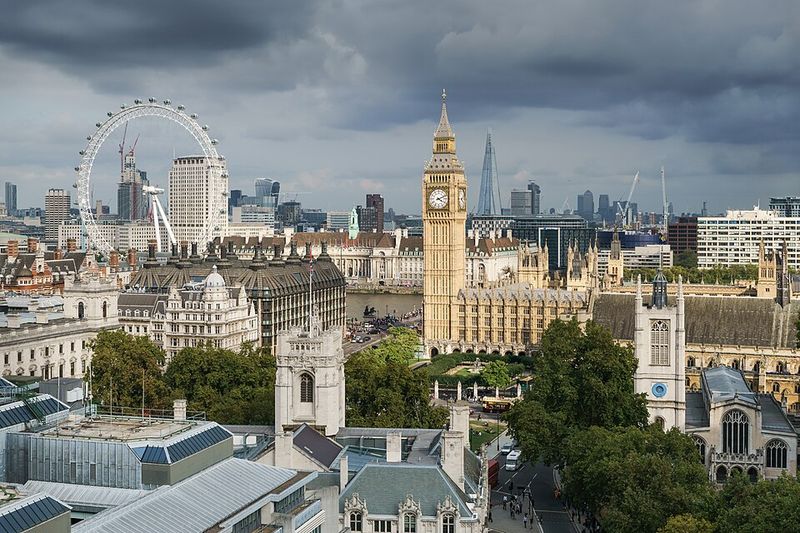
Britain is famous for being an island nation, but most people do not realize just how many islands surround it. The United Kingdom has more than 6,000 islands in total, with the vast majority clustered around Scotland’s coast.
The Hebrides, Orkney, and Shetland island groups alone account for hundreds of these, and each group has its own distinct personality and history.
The Outer Hebrides, sometimes called the Western Isles, are among the most atmospheric places in Europe. Ancient standing stones at Callanish on the Isle of Lewis predate Stonehenge and feel deeply connected to the landscape around them.
The beaches here, known as machair, are carpeted with wildflowers in summer and face the full force of the Atlantic in winter.
Scotland’s islands have inspired poets, painters, and musicians for centuries. Smaller English islands like the Isles of Scilly and the Isle of Wight each offer their own slice of coastal charm, adding yet more variety to Britain’s remarkable island collection.
13. Maldives
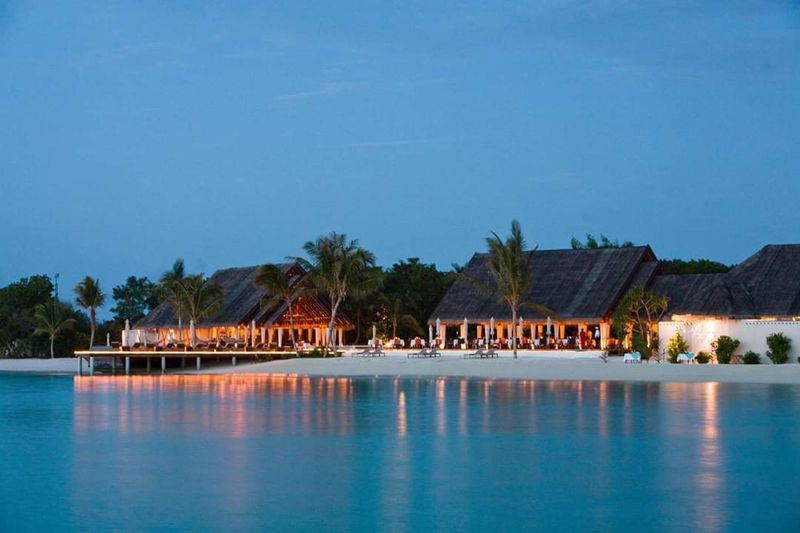
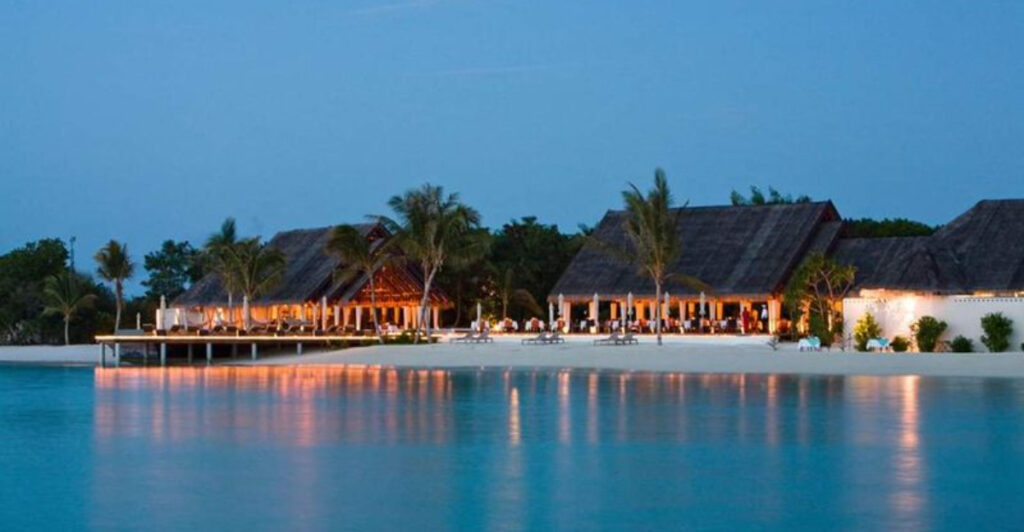
No country on Earth looks quite like the Maldives from above. Roughly 1,200 coral islands are grouped into 26 natural atolls scattered across the Indian Ocean, forming one of the most visually striking nations on the planet.
The islands sit so low in the water that none rise more than about two meters above sea level, making the Maldives one of the most vulnerable countries to rising seas.
Despite their small size, these islands pack enormous natural wealth. The surrounding reefs are home to whale sharks, manta rays, and hundreds of coral species that draw divers from every corner of the globe.
The Maldives has built a thriving luxury tourism industry around this underwater paradise, with overwater bungalows becoming one of the most iconic travel images of the modern era.
The local Maldivian culture blends South Asian, Arab, and African influences, shaped by centuries of ocean trade. Beneath the resort glamour lies a proud, resilient island culture with deep roots in fishing and seafaring tradition.
14. Papua New Guinea
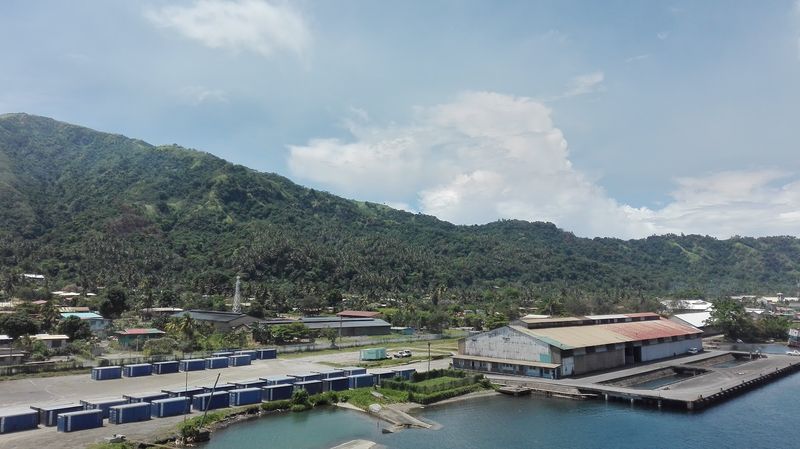
Papua New Guinea is one of the most biologically and culturally diverse places on Earth. The country includes around 600 islands spread across the southwestern Pacific, and many of them remain largely unexplored by outsiders.
Scientists regularly discover new species of plants, insects, and animals in PNG’s remote island forests, which is remarkable in the 21st century.
The Bismarck Archipelago and the Trobriand Islands are among the most significant island groups within the country. The Trobriand Islands are famous among anthropologists for their unique matrilineal society and elaborate yam-based economy, which was studied extensively by Bronislaw Malinowski in the early 1900s.
That kind of cultural richness makes PNG’s islands fascinating beyond just their natural beauty.
PNG’s coral reefs are considered among the healthiest and most biodiverse in the world, rivaling even the Great Barrier Reef in species density. For researchers, adventurers, and nature lovers, Papua New Guinea’s islands represent one of the last great frontiers of genuine discovery.
15. New Zealand
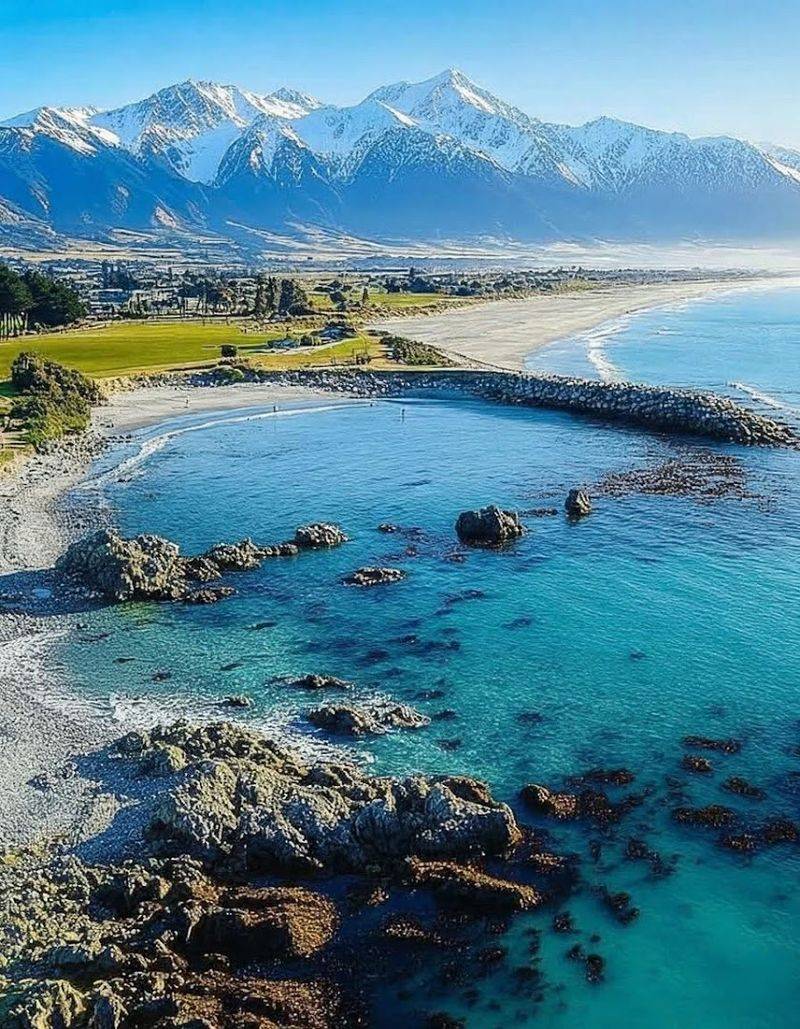
New Zealand punches well above its weight when it comes to natural variety. The country is anchored by two large landmasses, the North Island and South Island, but hundreds of smaller islands add considerably to its geographic richness.
Stewart Island, just south of the South Island, is the third-largest and a haven for wildlife including the kiwi bird in its natural habitat.
The Chatham Islands, located about 800 kilometers east of the mainland, are home to a small, tight-knit community and are one of the first places on Earth to see each new day due to their time zone position. That quirky geographic detail gives the Chathams a certain claim to fame that residents clearly enjoy.
The islands also support rare black robin populations brought back from the brink of extinction.
New Zealand’s offshore islands have become critical refuges for endangered species, with many declared predator-free zones. The country’s commitment to conservation has turned its smaller islands into some of the most important wildlife sanctuaries in the Southern Hemisphere.
Share this story