Some American cities are growing so fast that mapmakers can barely keep up. From the suburbs of Dallas to the Gulf Coast of Alabama, towns that were barely blips on the radar just a few years ago are now booming with new residents, new neighborhoods, and new energy.
I checked the latest population data and was genuinely shocked by how fast some of these places are exploding. Here are the 15 fastest-growing cities in America right now.
Fulshear, Houston Area, Texas
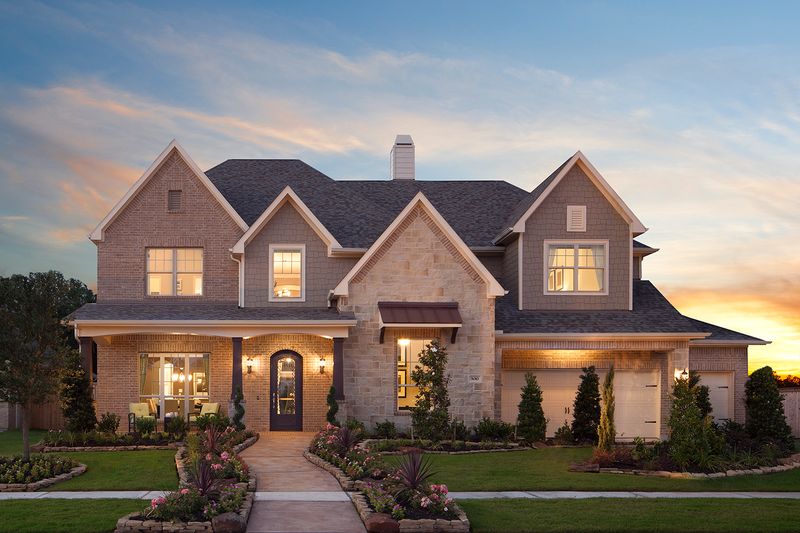
West of Houston, Fulshear has quietly become one of the hottest addresses in Texas. A 21.0% population jump pushed its headcount to an estimated 64,630 residents, making it the second fastest-growing city on this list.
That kind of growth does not happen by accident.
Fulshear offers what a lot of Houston-area residents are chasing: newer housing, more square footage, and a quieter lifestyle without sacrificing metro access. The commute into Houston is manageable, and the neighborhoods feel fresh and well-planned.
I looked up some home prices there and honestly was not surprised by the demand. Spacious new builds at competitive prices compared to inner-city Houston?
Sign people up. Fulshear has turned suburban living into a serious selling point, and the numbers back it up completely.
Princeton, Dallas-Fort Worth Area, Texas
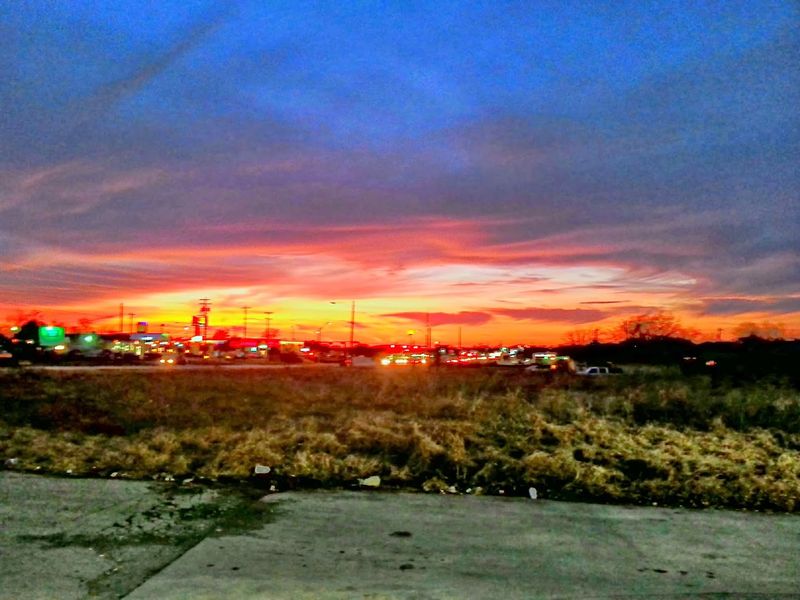
Princeton posted an 18.1% population increase, landing its estimated 2025 population at 43,524. For a city that many Texans once associated with just being a dot on the map northeast of Dallas, that kind of growth is a serious statement.
The Dallas-Fort Worth metroplex keeps pushing outward, and Princeton is one of the clearest beneficiaries. New subdivisions have transformed large stretches of formerly rural land into busy residential communities.
Builders love the area because there is still room to work with.
What makes Princeton interesting is how quickly the local identity is shifting. Community events, new retail, and growing schools are all reshaping what it means to live there.
The city is no longer just a suburb, it is becoming a destination in its own right for families priced out of closer-in DFW neighborhoods.
Melissa, Dallas-Fort Worth Area, Texas
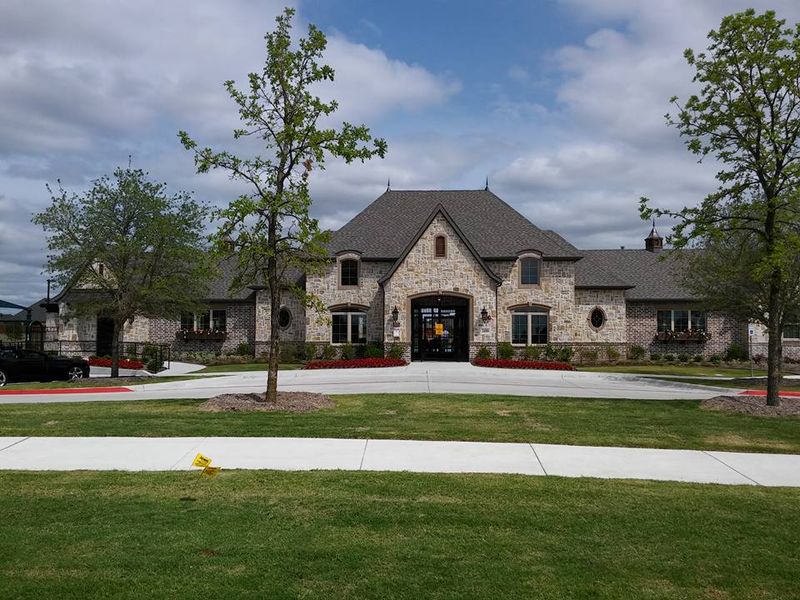
Melissa grew by 14.5% and reached nearly 30,000 residents, cementing its place as one of North Texas’s most talked-about growth stories. The name might sound quiet and unassuming, but this city is anything but sleepy right now.
Like many of its neighbors on this list, Melissa benefits from its position in the northern DFW corridor. New housing developments have attracted thousands of families looking for space, value, and strong schools without sacrificing connectivity to the broader metro area.
The city has also worked hard to build out its local amenities to match its growing population. Parks, community centers, and retail options have all expanded.
Melissa is the kind of place where people arrive expecting a starter suburb and end up staying for the long haul because the quality of life keeps improving year after year.
Anna, Dallas-Fort Worth Area, Texas
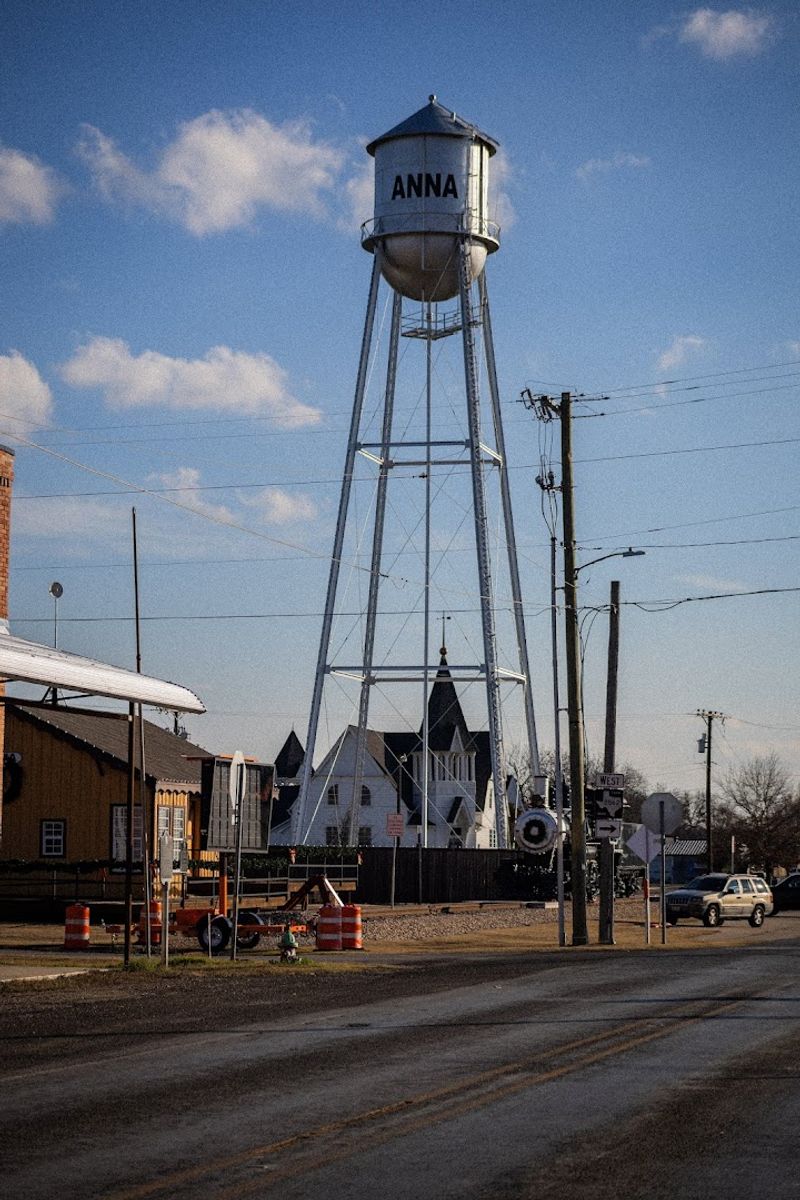
Anna saw a 10.2% population increase, bringing its estimated 2025 headcount to 35,245. Five cities into this list and we are still in North Texas, which tells you everything you need to know about what is happening in that region right now.
Smaller cities north of Dallas have become serious magnets for new residents, and Anna fits that pattern well. Affordable housing options, a growing local economy, and proximity to the DFW metro have combined to fuel consistent year-over-year growth that shows no signs of slowing.
Anna also has a fun naming advantage, being the only city on this list that reads the same forwards and backwards. That is a palindrome, not a growth strategy, but it does make it memorable.
The city is building out parks, schools, and local businesses to keep pace with its expanding population.
Celina, Dallas Area, Texas
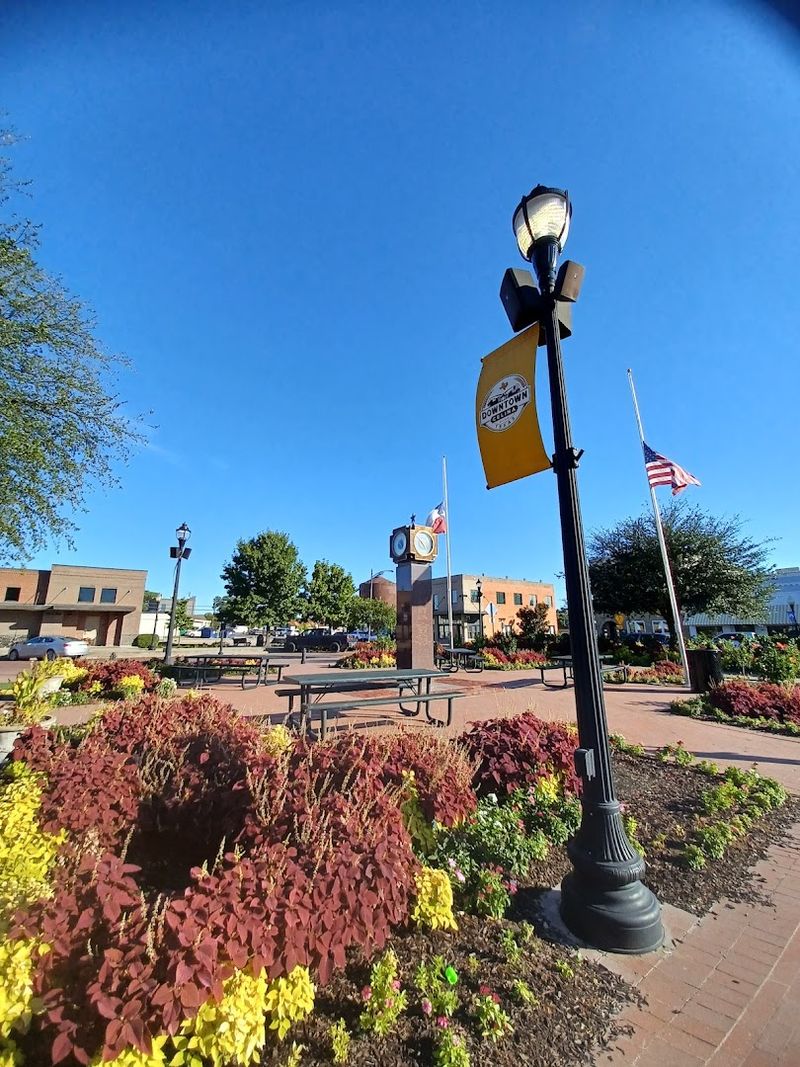
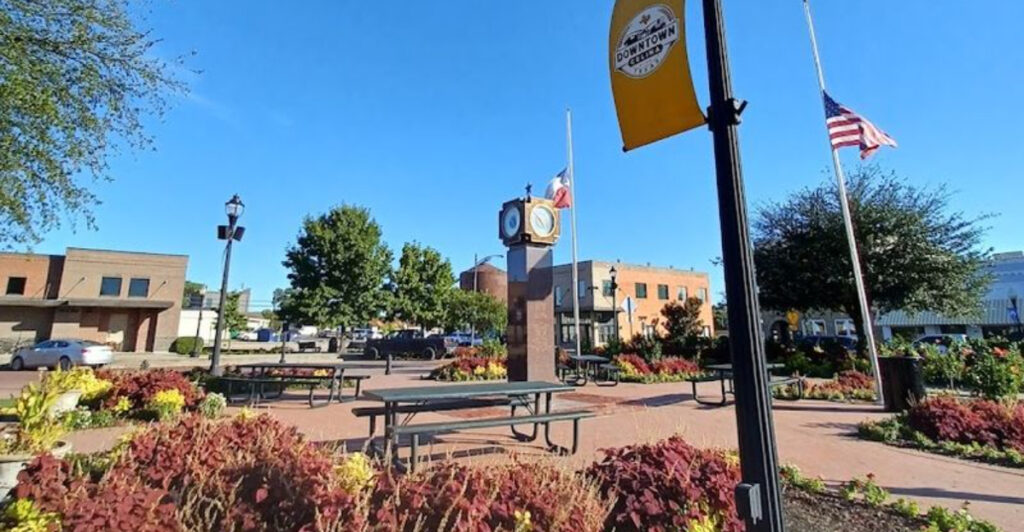
Celina is not playing around. With a jaw-dropping 24.6% population increase, this North Texas city claimed the top spot as the fastest-growing city in America heading into 2026.
Its estimated 2025 population hit 64,427, which is remarkable for a city that most people outside Texas have never heard of.
Located north of Dallas, Celina sits right in the sweet spot of Texas suburban expansion. New housing developments are popping up faster than wildflowers after rain.
Families are drawn by affordable land, newer homes, and easy access to the Dallas metro.
The city has had to grow its infrastructure quickly to keep pace with demand. New schools, roads, and shopping centers are all part of the boom.
Celina is proof that Texas cities do not just grow, they sprint.
Haines City, Central Florida, Florida
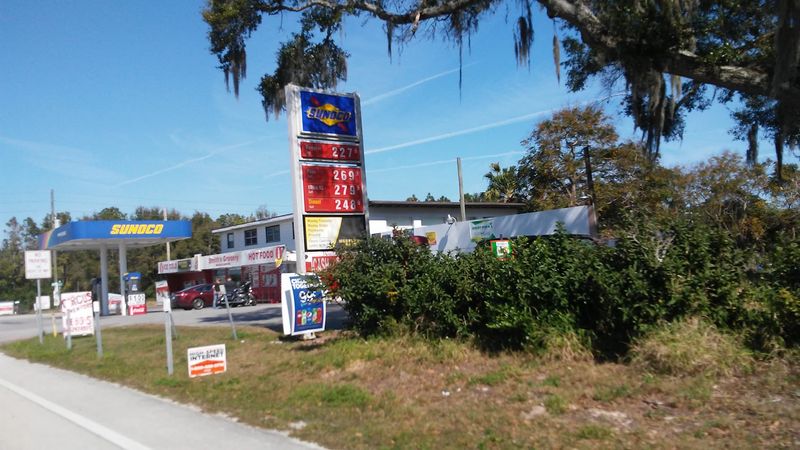
Florida has been on an absolute population tear for years, and Haines City is one of its standout performers. A 10.0% growth rate pushed the city to 45,973 residents, making it one of the fastest-growing communities in the Sunshine State outside of the major urban cores.
Located in Central Florida between Orlando and Tampa, Haines City sits in one of the most strategically appealing zones in the country. Residents get reasonable proximity to theme parks, beaches, and major employers without paying premium prices for land or housing.
The city has a charming small-town feel that has attracted retirees, young families, and remote workers alike. New developments have brought modern housing options while the area retains its laid-back Florida character.
Haines City is a perfect example of how mid-size Florida cities are quietly stealing the spotlight from their bigger neighbors.
Waukee, Des Moines Area, Iowa
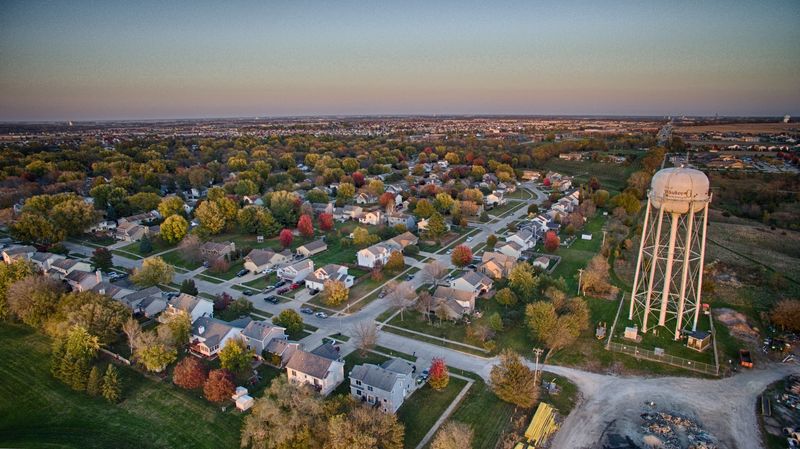
Not every fast-growing city is in Texas or Florida, and Waukee is here to prove that Iowa can hold its own. A 9.3% growth rate brought its estimated population to 34,890, making it one of the Midwest’s most impressive suburban success stories.
As part of the Des Moines metro area, Waukee has benefited from the region’s steady economic growth and strong job market. Des Moines consistently ranks among the best metros in the country for business, and that reputation sends spillover growth straight into communities like Waukee.
The city has built a reputation for excellent schools, safe streets, and a genuinely welcoming community atmosphere. Young families in particular have taken notice.
Waukee is the kind of Midwest city that makes people reconsider their assumptions about where the best places to live in America actually are.
Forney, Dallas-Fort Worth Area, Texas
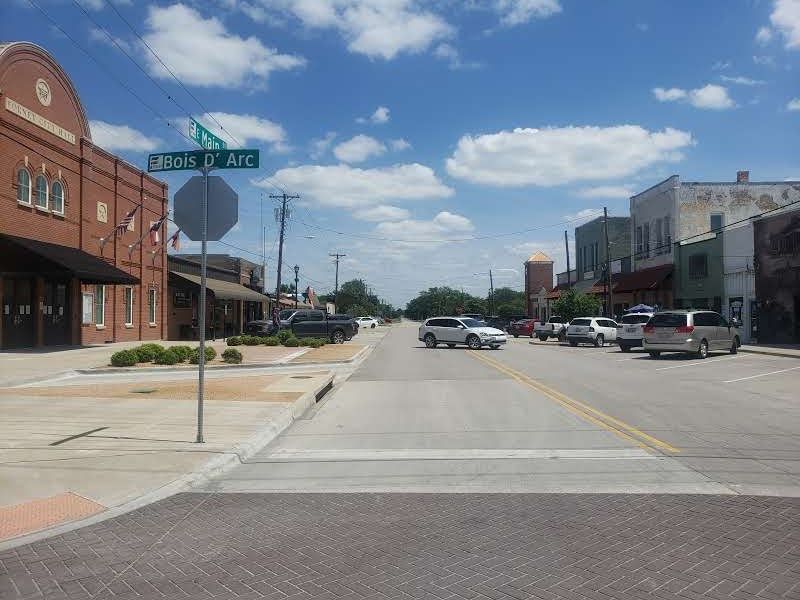
Back to Texas we go. Forney posted an 8.5% growth rate and reached 41,658 residents, continuing the DFW metro’s relentless eastward expansion.
If you drew a circle around Dallas and watched it grow, Forney would be one of the places where the circle keeps stretching.
East of Dallas, Forney has carved out a strong identity as an affordable, family-friendly community with solid access to the metro. New subdivisions have transformed the landscape significantly over the past decade, and that momentum has not let up.
Local infrastructure has worked hard to keep pace with the influx. New schools, shopping centers, and road improvements are all part of Forney’s rapid evolution.
It is the kind of city that long-time Texas residents might remember as a small town and then visit today and barely recognize. Growth has a way of doing that.
Eagle Mountain, Utah County Area, Utah
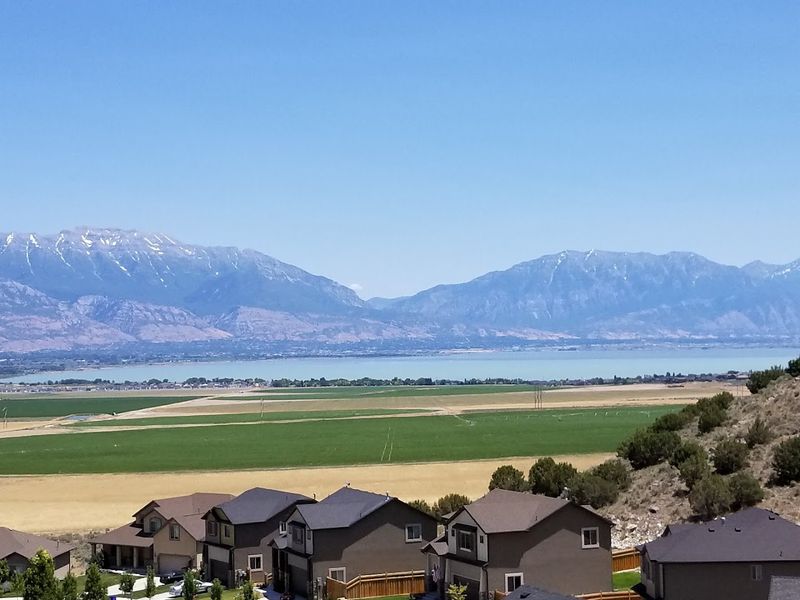
Utah has been one of the country’s growth darlings for years, and Eagle Mountain is one of the clearest examples of why. An 8.5% increase pushed the city’s population to 66,557, placing it among the largest fast-growing cities on this entire list.
Situated in Utah County with stunning mountain views as a backdrop, Eagle Mountain has attracted residents who want more space than Salt Lake City offers but still need reasonable access to urban amenities. The trade-off is a longer commute, but many residents consider the scenery a fair exchange.
The city has developed rapidly with new neighborhoods, schools, and community facilities. Utah’s strong economy, fueled in part by the tech sector centered around the so-called Silicon Slopes, keeps pushing housing demand outward into communities like Eagle Mountain.
The mountains are not moving, but the city certainly is.
Johnstown, Northern Colorado, Colorado
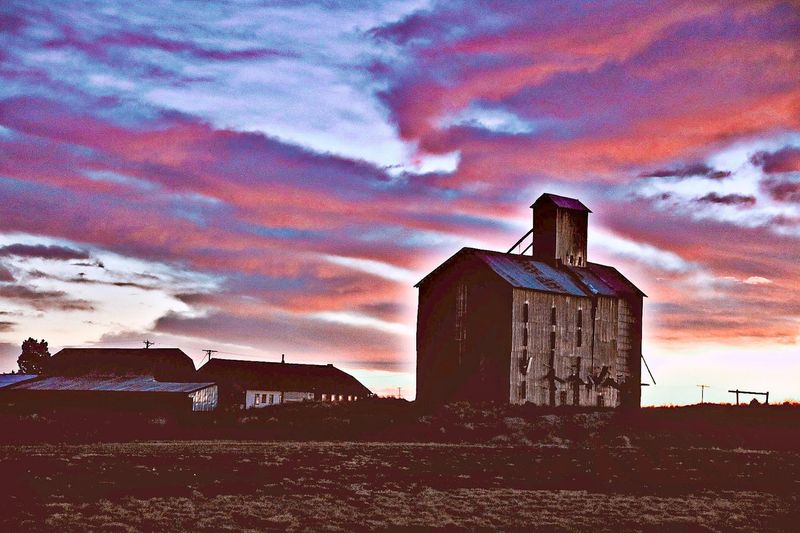
Colorado has long been a magnet for people chasing mountains, outdoor adventure, and a quality lifestyle. Johnstown, sitting in Northern Colorado, grew by 8.4% to reach 22,433 residents.
It is one of the smaller cities on this list by population, but its growth rate is nothing short of impressive.
Northern Colorado has some of the state’s most active growth corridors, with Fort Collins and Greeley anchoring the region. Johnstown benefits from sitting right in that productive zone, attracting residents who want Colorado living without the price tag of more established cities.
The town has a genuine community feel that newer residents seem to appreciate. It is not trying to be Denver.
Johnstown is doing its own thing, growing at its own pace, and building a local identity that blends small-town charm with the outdoor lifestyle that draws people to Colorado in the first place.
Kuna, Boise Area, Idaho

Idaho has had one of the most dramatic population stories in the country over the past several years, and Kuna is part of that chapter. An 8.4% growth rate brought its estimated population to 31,525, reflecting the ongoing appeal of the Boise metro area for people relocating from pricier West Coast markets.
Kuna sits southwest of Boise and offers the kind of affordable housing that has become increasingly rare in the Pacific Northwest and California. Remote workers, young families, and retirees have all found their way here.
The landscape is wide open and the cost of living is refreshingly manageable.
The city has been expanding its amenities and infrastructure to handle the growth. New schools and parks have followed the influx of residents.
Kuna is the kind of place that people discover almost by accident and then tell everyone they know about.
Queen Creek, Phoenix Area, Arizona
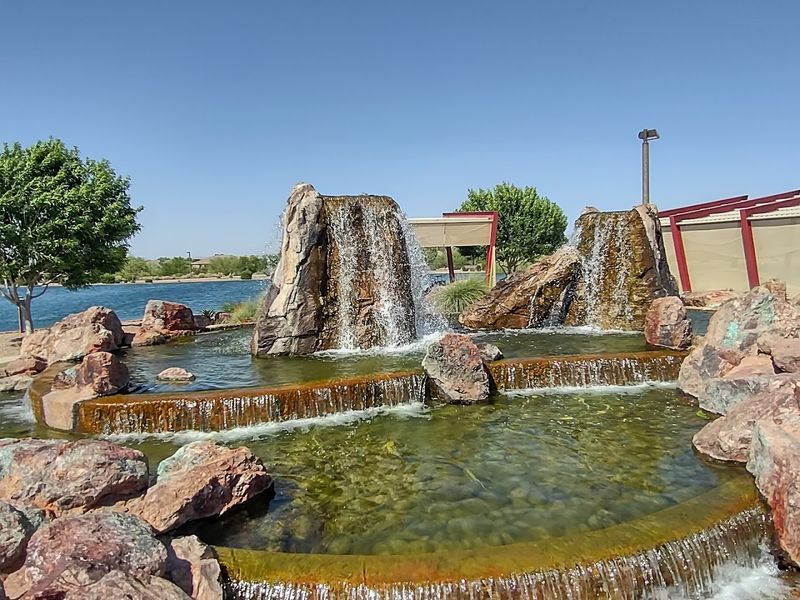
With nearly 90,000 residents after an 8.2% growth surge, Queen Creek is not just fast-growing, it is enormous for a city still considered a suburb. Located southeast of Phoenix, it has become one of Arizona’s most talked-about communities, and the buzz is completely justified.
Queen Creek blends desert living with upscale suburban development in a way that appeals to a wide range of buyers. Horse properties sit alongside master-planned communities, giving the area a unique character that sets it apart from cookie-cutter Phoenix suburbs.
That variety has proven to be a powerful draw.
The local economy and amenities have scaled up impressively alongside the population. Dining, retail, and entertainment options have expanded significantly.
Queen Creek is Arizona doing what Arizona does best: taking wide-open desert land and turning it into a thriving community that keeps attracting new residents year after year.
Hutto, Austin Area, Texas
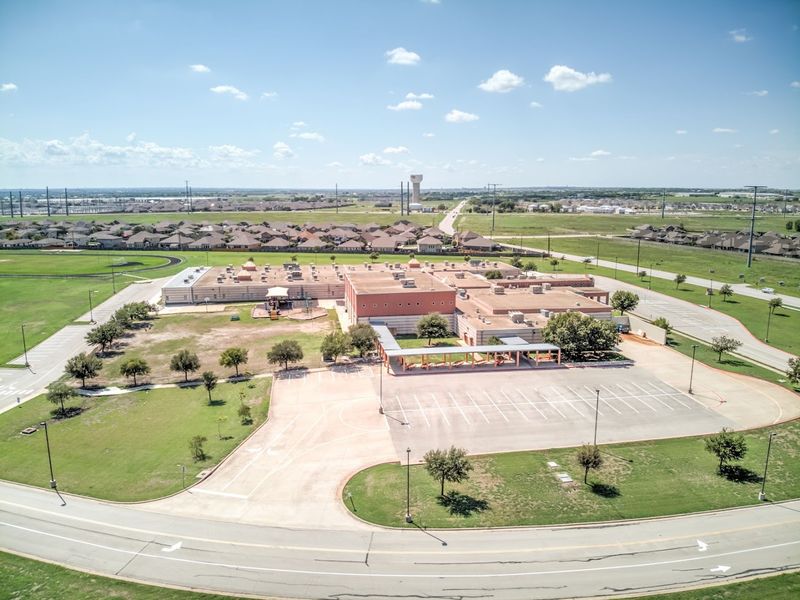
Austin’s growth story has been one of the defining American urban narratives of the past decade. Hutto, sitting northeast of Austin, has caught significant spillover from that boom.
A 7.9% growth rate pushed the city to 46,048 residents, and the momentum shows no sign of fading.
As Austin’s housing prices have climbed, more residents have looked outward for affordable options. Hutto answered that call with newer housing stock, community development, and a location that makes the Austin commute workable.
Tech workers, healthcare professionals, and young families have all taken notice.
The city has a quirky mascot, the hippo, that locals genuinely love. That small-town personality has survived the growth surge, which is no small feat.
Hutto is managing to grow fast while holding onto the community identity that made it appealing in the first place. Not every booming suburb can say that.
Foley, Gulf Coast, Alabama
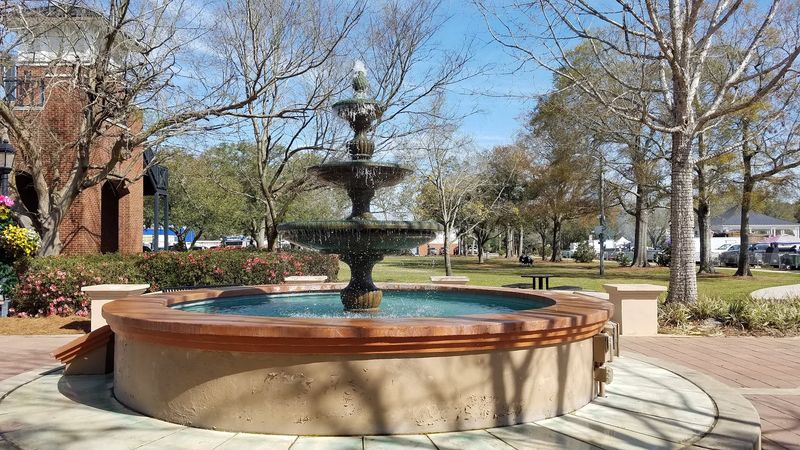
Alabama does not always get credit in national growth conversations, but Foley is quietly changing that narrative. A 7.8% growth rate brought the city to 30,354 residents, making it one of the fastest-growing communities in the entire Southeast.
Gulf Coast living turns out to be a pretty compelling pitch.
Located near Alabama’s Gulf Shores, Foley offers proximity to some of the country’s most beautiful beaches without the steep price tags of Florida coastal markets. Retirees have been particularly drawn to the area, but younger families and remote workers are also showing up in growing numbers.
The city has developed a solid commercial corridor along Highway 59 that serves both residents and the heavy tourist traffic heading to the beaches. Foley is in an interesting position: it has to balance being a real community for year-round residents while catering to a massive seasonal tourism economy.
So far, it is pulling it off well.
Greenville, Northeast Texas, Texas
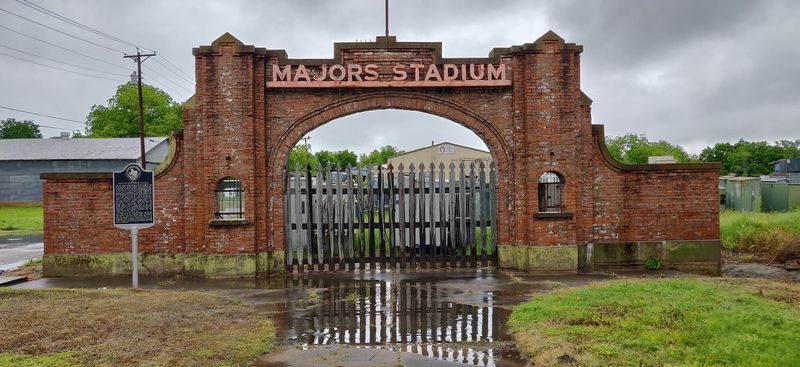
Greenville closes out this list and, fittingly, it is another Texas city. A 7.5% growth rate pushed its estimated population to 37,069, adding one more data point to what is already a stunning Texas-dominated list.
The Lone Star State accounts for more entries here than any other state, and Greenville is a worthy addition.
Located in Northeast Texas, Greenville sits within commuting range of the Dallas metro while maintaining its own distinct East Texas character. That combination has attracted new residents who want affordability and space without completely disconnecting from the DFW economy.
Greenville has a rich local history and a downtown area that gives the city a sense of place that newer suburban developments sometimes lack. Growth here feels organic rather than purely developer-driven.
Texas keeps proving that it has more fast-growing cities than most states have cities period, and Greenville is the latest example.
Share this story