Some families shaped history not just for a generation, but for centuries. Through political marriages, military conquests, financial empires, and religious authority, a select few dynasties accumulated power so vast it changed the course of world events.
From the banking halls of 18th-century Frankfurt to the imperial courts of ancient Rome, these families made decisions that millions of ordinary people lived with for lifetimes. This list ranks the 15 most powerful families in recorded history, judged by their lasting influence on politics, culture, economics, and global geography.
1. The Habsburgs
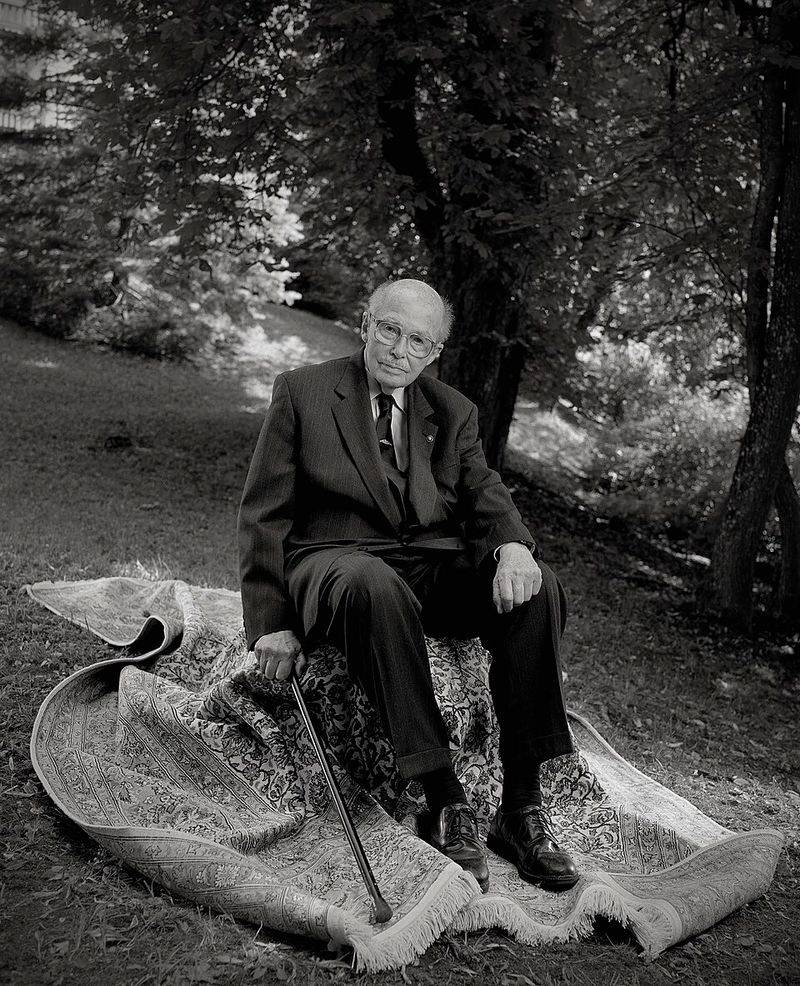
Their motto was essentially “let others fight wars, we will marry,” and for several centuries, it worked brilliantly. The Habsburgs turned strategic marriage into a geopolitical tool so effective that it rivaled military conquest.
By carefully selecting spouses from ruling families across Europe, they assembled a dynastic empire without firing a single shot in many cases.
At their height in the 16th century, the Habsburgs controlled Austria, Spain, the Netherlands, large sections of Italy, and significant portions of Central and Eastern Europe. They supplied nearly every Holy Roman Emperor between 1452 and 1740, a record no other family came close to matching.
Their dynasty originated in Switzerland in the 13th century and lasted until the collapse of the Austro-Hungarian Empire in 1918.
2. The Kim Dynasty
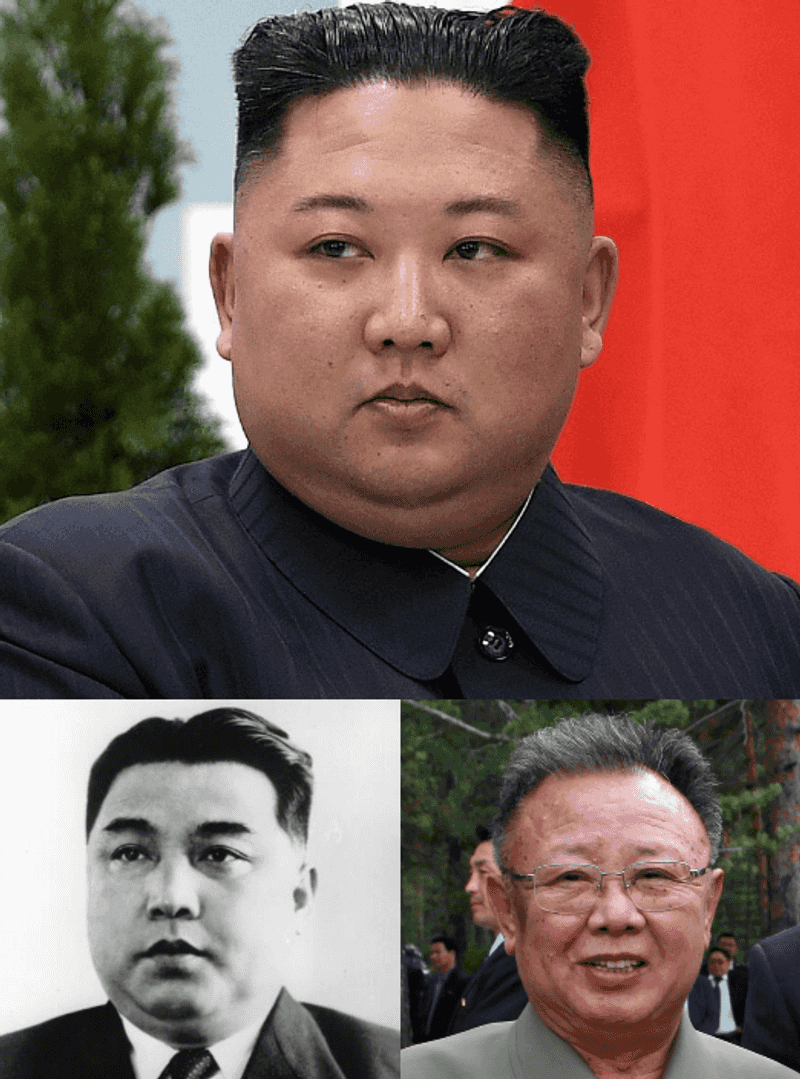
Three generations of one family have governed an entire nation as if it were a private inheritance, a political arrangement almost without modern parallel. The Kim family’s grip on North Korea began in 1948 when Kim Il Sung took power, establishing a system that blended communist structure with something closer to hereditary monarchy.
His son, Kim Jong Il, inherited leadership in 1994, and his grandson, Kim Jong Un, took control in 2011. Each transition preserved the family’s authority despite international sanctions, economic pressure, and the collapse of similar regimes elsewhere in the world.
What makes the Kim Dynasty historically notable is not just its longevity but its ideological framing. The family constructed an entire national mythology around their leadership, complete with official titles, state-controlled media, and a political philosophy called Juche.
3. The Ptolemies
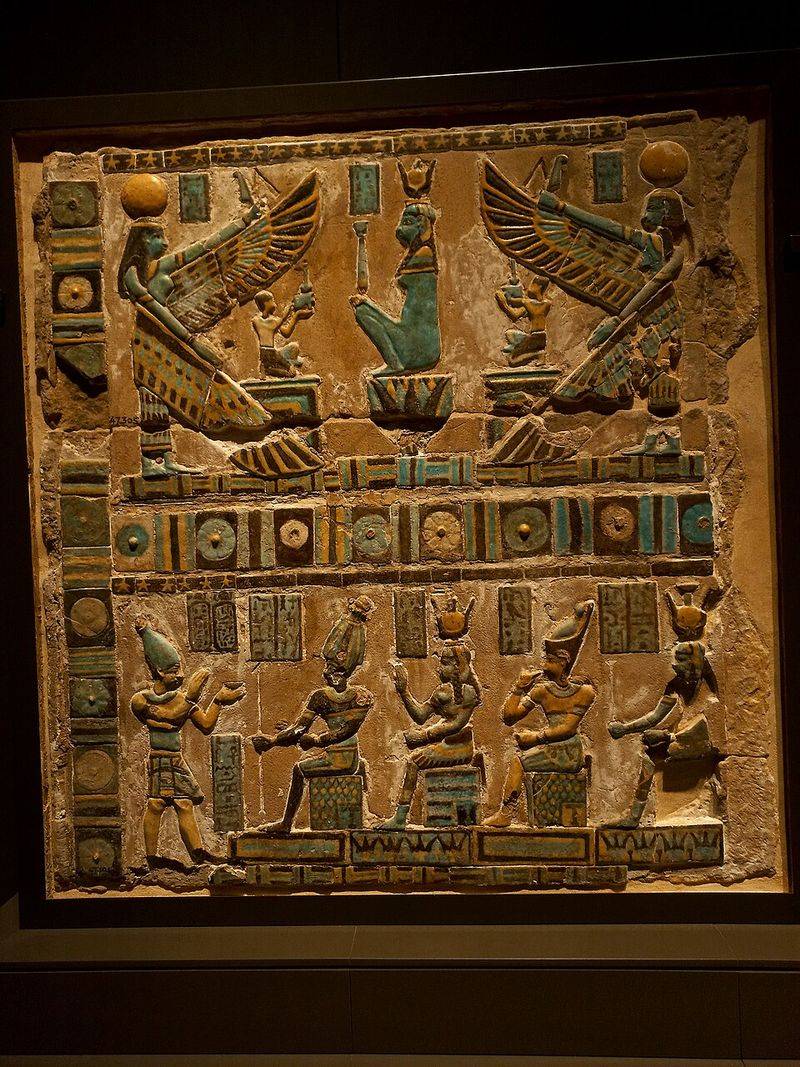
When Alexander the Great’s empire fractured after his passing in 323 BC, his general Ptolemy made a calculated move and claimed Egypt, one of the ancient world’s wealthiest territories. That decision launched nearly three centuries of Greek rule over an Egyptian civilization thousands of years old, a remarkable cultural collision that produced something entirely new.
The Ptolemies built Alexandria into one of antiquity’s most important cities. The Library of Alexandria, constructed under their patronage, became the ancient world’s premier center of scientific and philosophical research, drawing scholars from across the Mediterranean.
Their dynasty produced some of history’s most strategically minded rulers, including Cleopatra VII, who governed Egypt from 51 BC until 30 BC and famously formed political alliances with Julius Caesar and Mark Antony. The Ptolemies blended Greek administrative systems with Egyptian religious traditions, creating a hybrid civilization that influenced art, science, and governance far beyond their borders.
4. The Bourbon Family
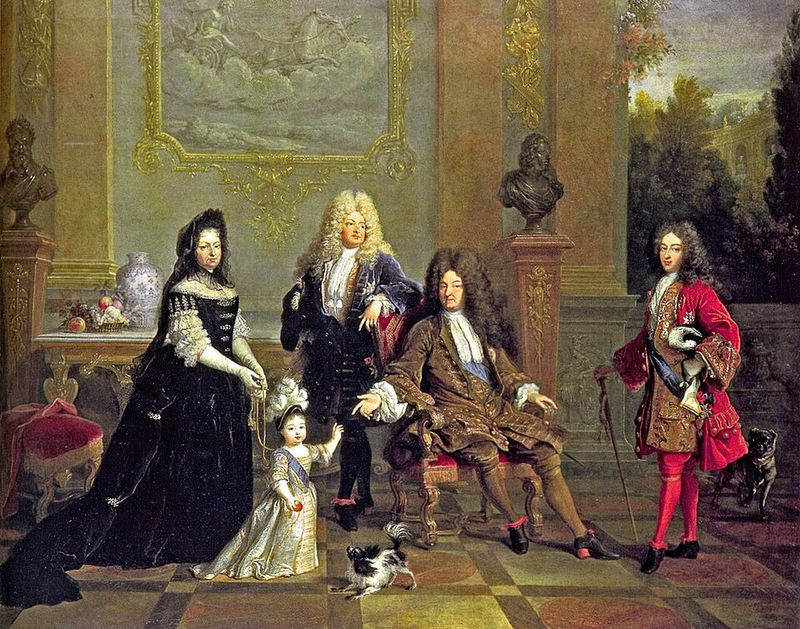
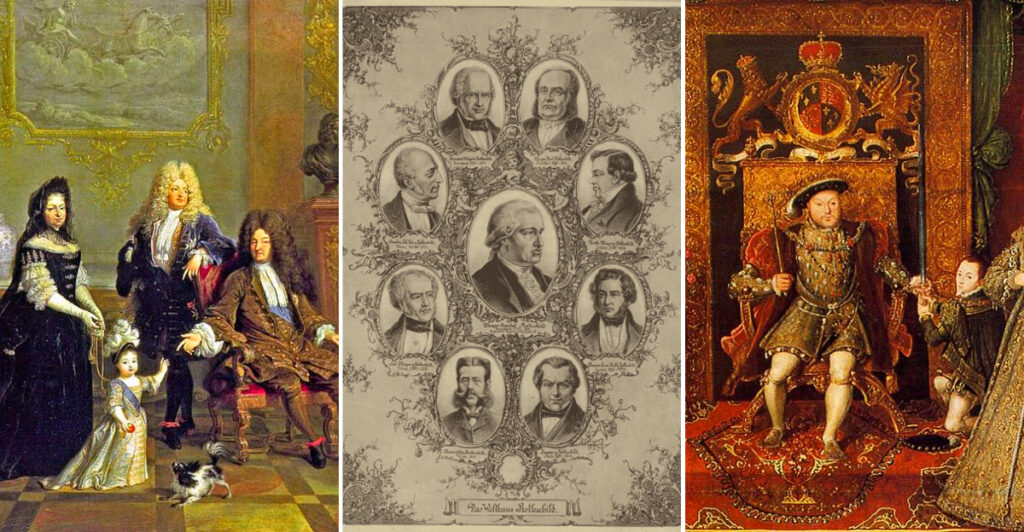
Few royal houses have demonstrated the resilience of the Bourbons, a family that survived revolutions, exile, and political upheaval across multiple centuries and still maintains a throne today. Their influence stretched across France, Spain, Naples, and Sicily, making them one of the most geographically widespread dynasties in European history.
Louis XIV, who ruled France from 1643 to 1715, became the defining symbol of Bourbon power. His reign at Versailles represented absolute monarchy at its most theatrical, with every aspect of court life designed to project royal authority.
Under his rule, France became the dominant cultural and military force in Europe.
Even after the French Revolution removed Bourbon rulers from France, the family continued governing in Spain. Today, King Felipe VI of Spain is a direct Bourbon descendant, meaning this dynasty has maintained active royal authority across more than four centuries, a remarkable record of political survival.
5. The Saud Family
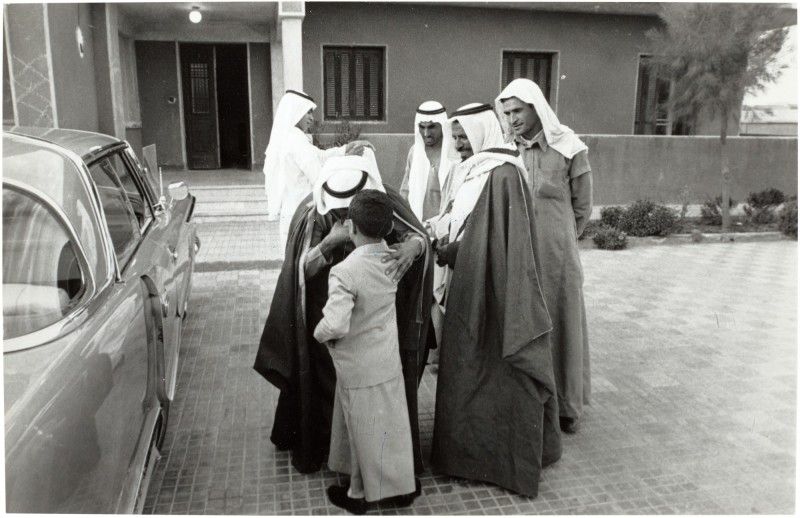
In 1932, Abdulaziz ibn Saud unified a collection of Arabian territories into a single kingdom and named it after his own family, a bold political statement that set the tone for everything that followed. The House of Saud has governed Saudi Arabia as an absolute monarchy ever since, making it one of the longest-running family-controlled governments in the modern world.
The discovery of oil in 1938 transformed the Saud family from regional rulers into global power brokers. Saudi Arabia holds some of the world’s largest proven oil reserves, and the family’s decisions about production levels and pricing have influenced global energy markets for decades.
Their collective family wealth is estimated between one trillion and 1.4 trillion dollars, placing them among the richest family dynasties ever recorded.
6. The Ming Family
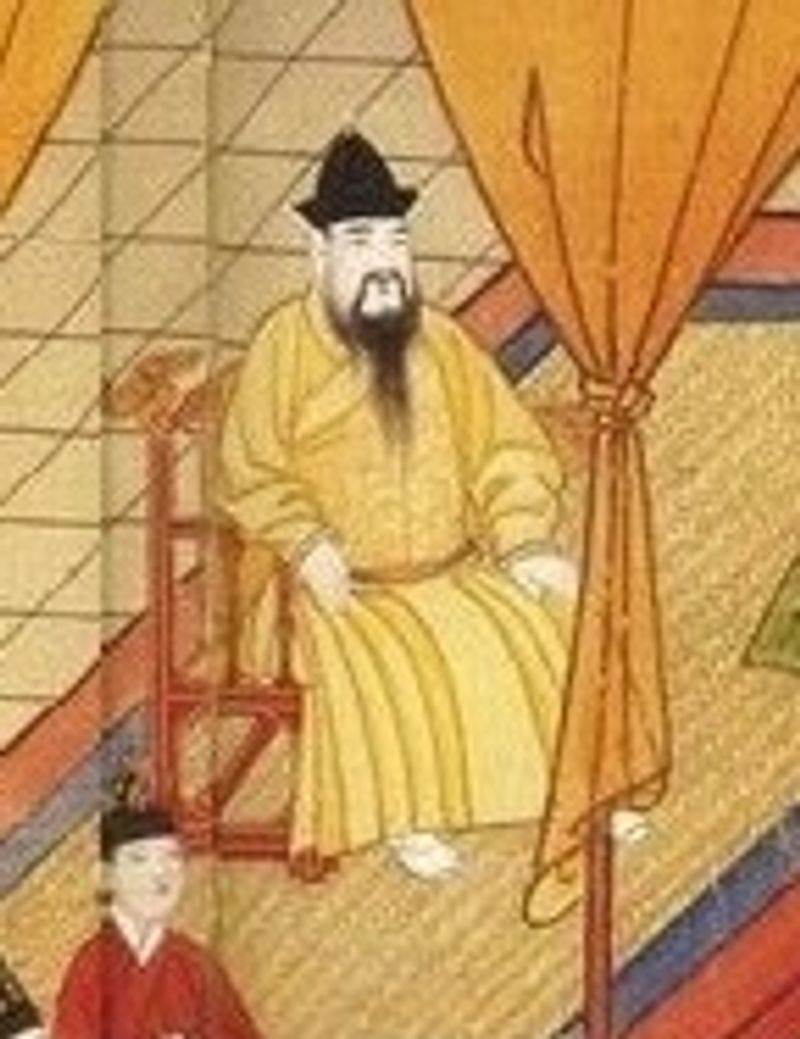
After decades of Mongol rule under the Yuan Dynasty, it was a commoner named Zhu Yuanzhang who led the rebellion that restored native Chinese governance. In 1368, he founded the Ming Dynasty, establishing a ruling family that would govern one of the world’s most populated civilizations for 276 years.
Under Ming emperors, China experienced significant economic growth, agricultural expansion, and extraordinary cultural output. The construction of the Forbidden City in Beijing began under the Yongle Emperor in 1406, creating an imperial complex that still stands today as one of the world’s most recognized architectural achievements.
The Ming period also produced Admiral Zheng He’s famous naval expeditions between 1405 and 1433, which reached Southeast Asia, India, Arabia, and East Africa, decades before European explorers made similar voyages. Early signs of commercial capitalism emerged during this period, and Chinese porcelain became a globally traded luxury product that shaped international trade networks.
7. The Tudors
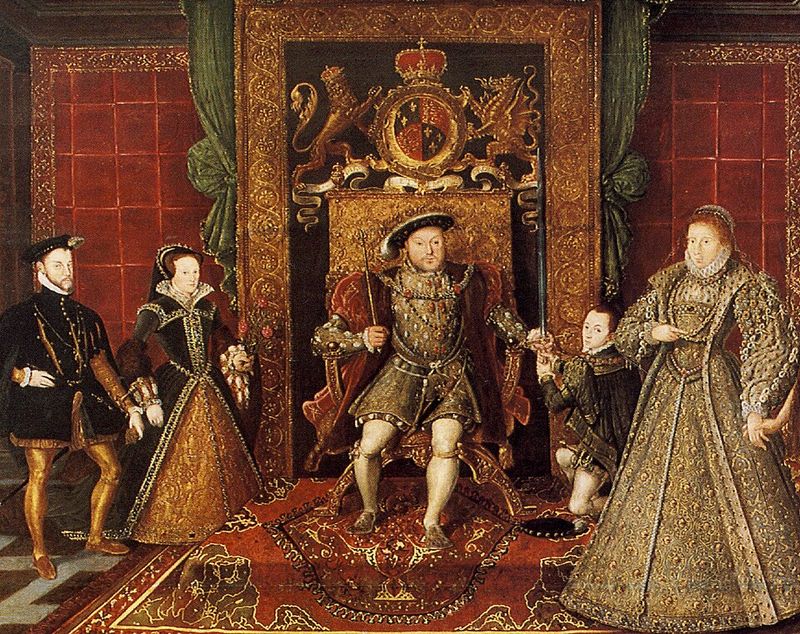
Ruling England for only 118 years, the Tudors packed more lasting change into their relatively brief dynasty than many families managed across multiple centuries. Their reign, from 1485 to 1603, fundamentally altered English religion, politics, literature, and global exploration in ways that echoed well into the modern era.
Henry VIII’s decision to break with the Catholic Church in 1534 and establish the Church of England was not purely theological. It was a power move that gave the English crown control over religious appointments, church property, and moral authority across the country, reshaping the relationship between church and state permanently.
Elizabeth I, who ruled from 1558 to 1603, oversaw England’s emergence as a naval power and cultural hub. Her reign supported explorers like Francis Drake and writers like William Shakespeare.
The Tudor period helped lay the foundation for British global influence in the centuries that followed, making their short dynasty one of history’s most consequential.
8. The Capetians
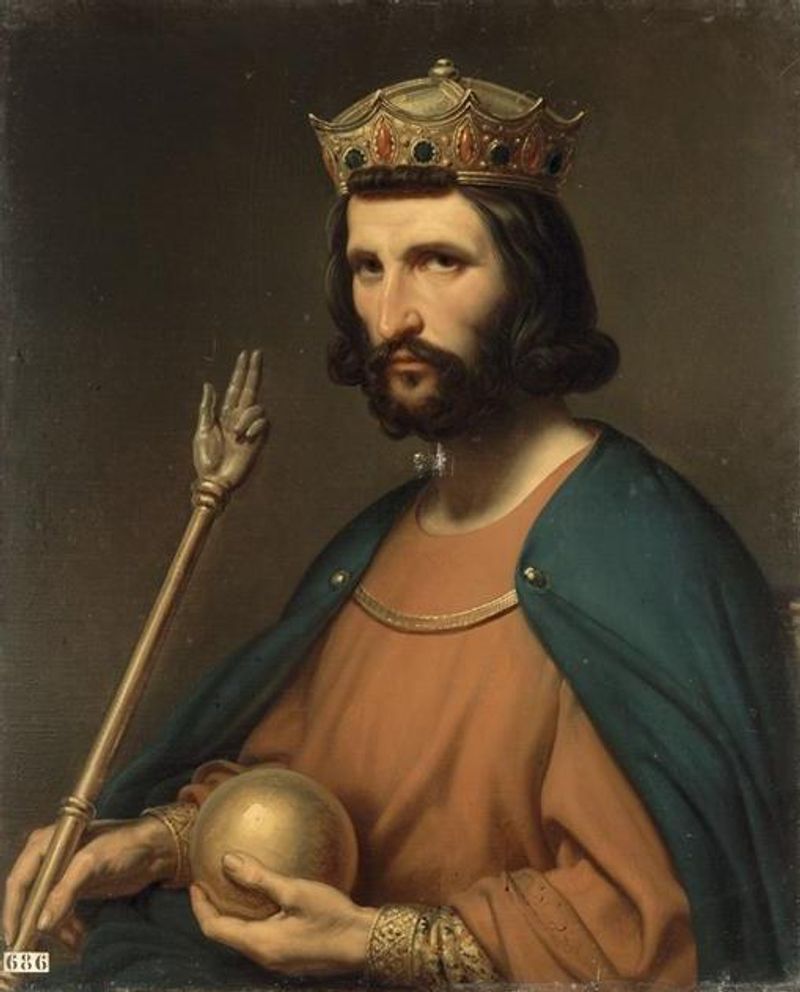
Starting with Hugh Capet’s election as King of France in 987, the Capetian dynasty built the longest-running royal lineage in European history. What began as a relatively modest kingdom in northern France eventually expanded through direct rule, strategic marriages, and territorial inheritance into one of the continent’s most powerful political networks.
The Capetians produced branches that became their own powerful dynasties. The House of Valois and the House of Bourbon both descended from Capetian roots, spreading the family’s political reach into Spain, Portugal, Naples, and beyond.
At various points, Capetian descendants sat on thrones across most of Western Europe simultaneously.
Their contributions to governance were also foundational. Capetian rulers helped develop French administrative systems, supported early universities, and established legal traditions that influenced European governance for centuries.
9. The Romanovs
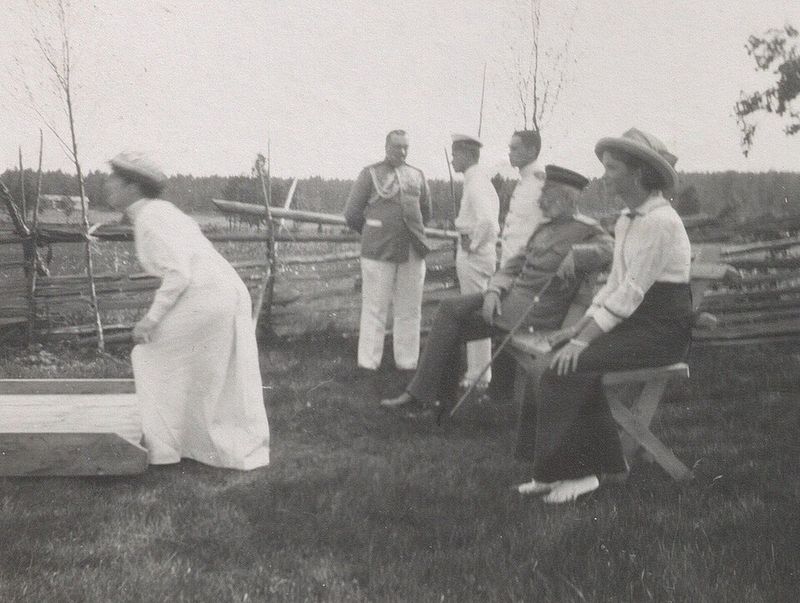
Russia’s Romanov dynasty governed the world’s largest country by land area for over 300 years, from 1613 to 1917, overseeing its transformation from a regional power into a massive empire that spanned eleven time zones. Their rule produced some of history’s most ambitious modernization programs and some of its most dramatic political reversals.
Peter the Great, who ruled from 1682 to 1725, forcibly modernized Russia’s military, government, and social structure, moving the capital to the newly built Saint Petersburg and demanding that nobles adopt Western European customs. Catherine the Great continued this expansion during her reign from 1762 to 1796, adding vast territories and establishing Russia as a recognized European power.
The dynasty ended with the Russian Revolution of 1917, when widespread social unrest and military failures toppled Nicholas II’s government.
10. The Julio-Claudians
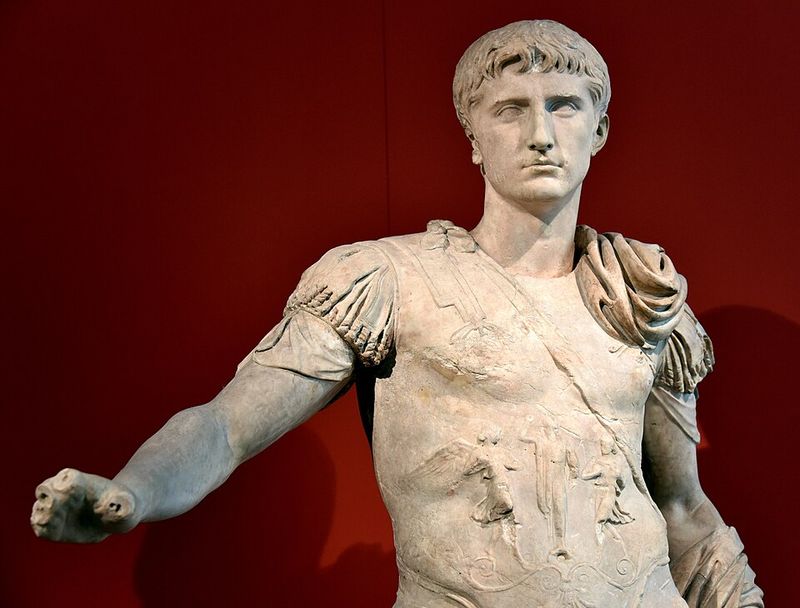
Rome spent several centuries as a republic before one family permanently changed its political structure. The Julio-Claudian dynasty, beginning with Augustus in 27 BC, converted the Roman Republic into an imperial system that would define Western civilization’s understanding of centralized governance for the next two millennia.
Augustus was an extraordinarily skilled political architect. He maintained the outward appearance of republican institutions while quietly concentrating military, financial, and legislative authority in his own hands.
His administrative template was so effective that every Roman emperor who followed essentially copied it.
The dynasty ran through five emperors: Augustus, Tiberius, Caligula, Claudius, and Nero, each contributing to the empire’s expansion and institutional development in different ways. Roman law, military organization, infrastructure systems including roads and aqueducts, and urban planning all advanced significantly during Julio-Claudian rule.
11. The Rothschilds
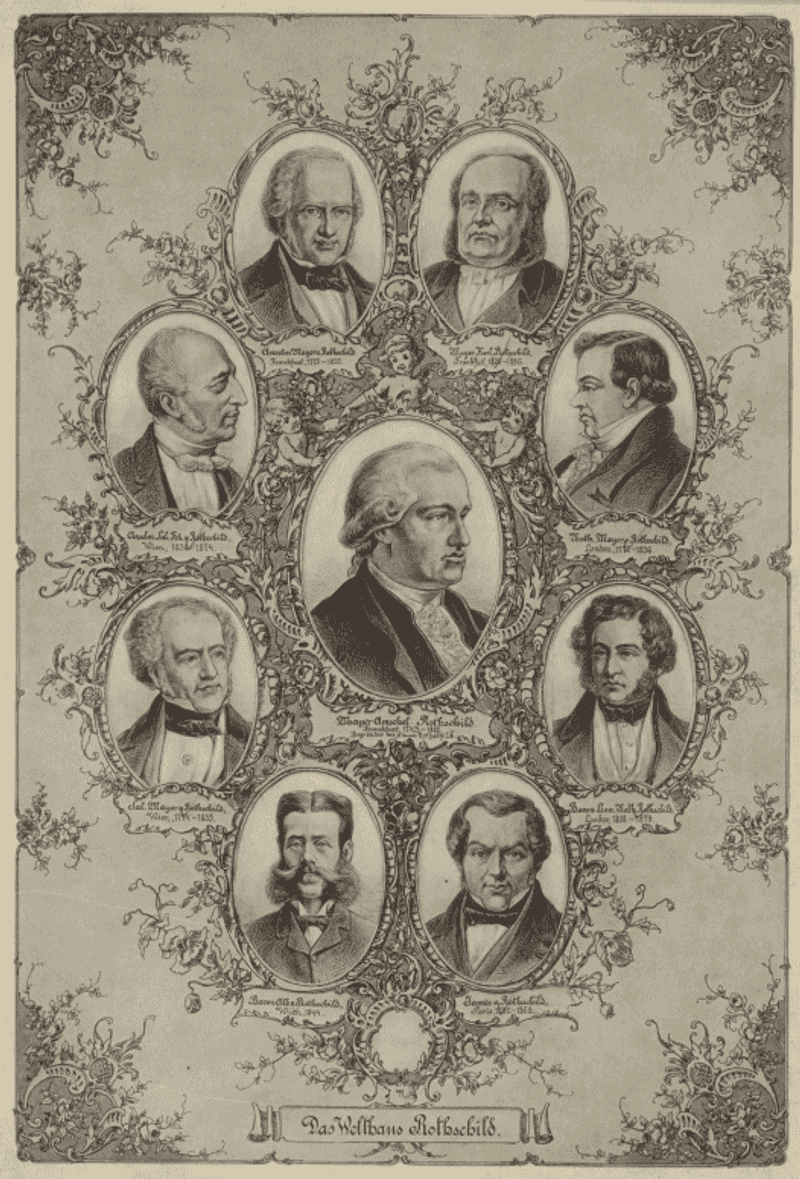
Mayer Amschel Rothschild started his career as a coin dealer in Frankfurt’s Jewish quarter in the mid-18th century, and within two generations his family had built the most powerful private banking network in European history. By establishing sons in Frankfurt, London, Paris, Vienna, and Naples, he created a financial infrastructure that no single government could easily replicate.
The Rothschilds financed the British government during the Napoleonic Wars, helped fund major infrastructure projects including railways across multiple countries, and provided capital to governments during financial crises throughout the 19th century. Their information networks, which moved faster than most official government communications, gave them consistent advantages in financial markets.
By 1900, their combined estimated wealth exceeded 400 billion dollars in today’s value, making them arguably the wealthiest family in recorded history.
12. The Medici Family
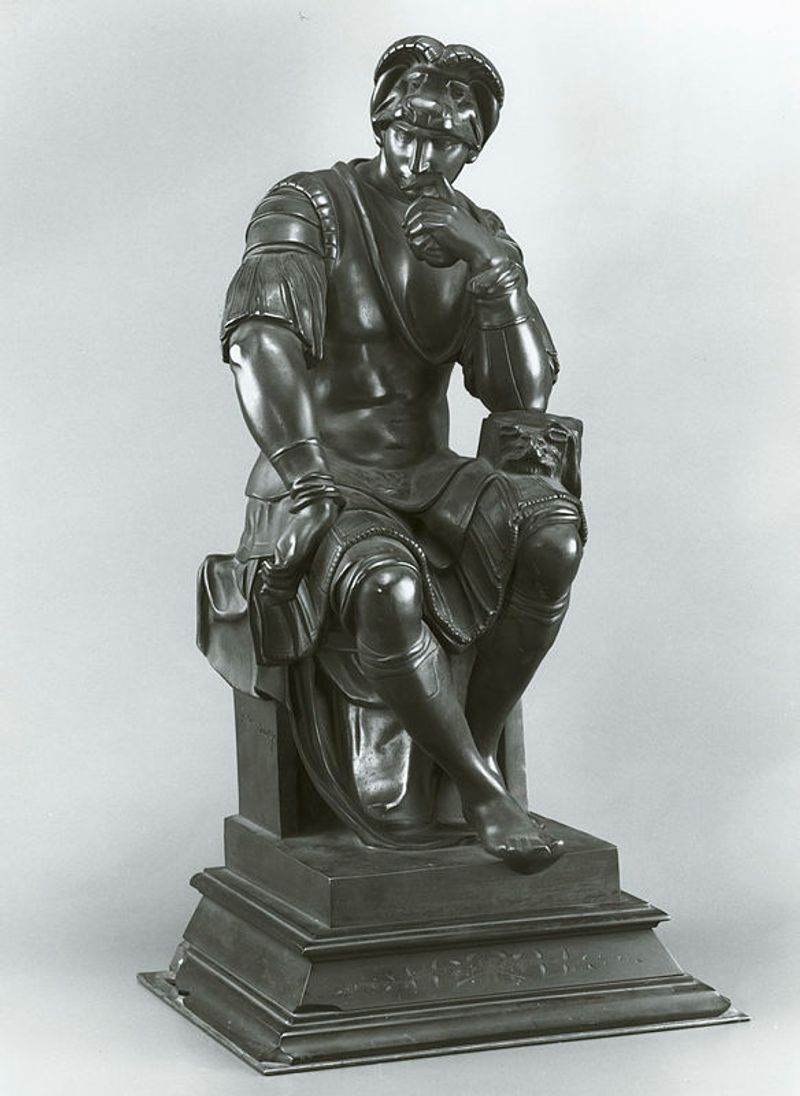
Starting as wool merchants in 14th-century Florence, the Medici family climbed through banking to become the financial backbone of Renaissance Europe, and then used that wealth to reshape art, architecture, and political power across an entire continent. Their story is one of the most dramatic social ascents in recorded history.
The Medici Bank, established in 1397, became the most influential financial institution in Europe, with branches in major cities from London to Rome. Their wealth funded artists including Michelangelo, Leonardo da Vinci, Sandro Botticelli, and Filippo Brunelleschi, making Florence the creative center of the Renaissance period from the 15th century onward.
Family members held extraordinary positions beyond banking. Two Medici became popes, Leo X and Clement VII, while Catherine de Medici became Queen of France in 1547.
13. The Mongol Imperial Family
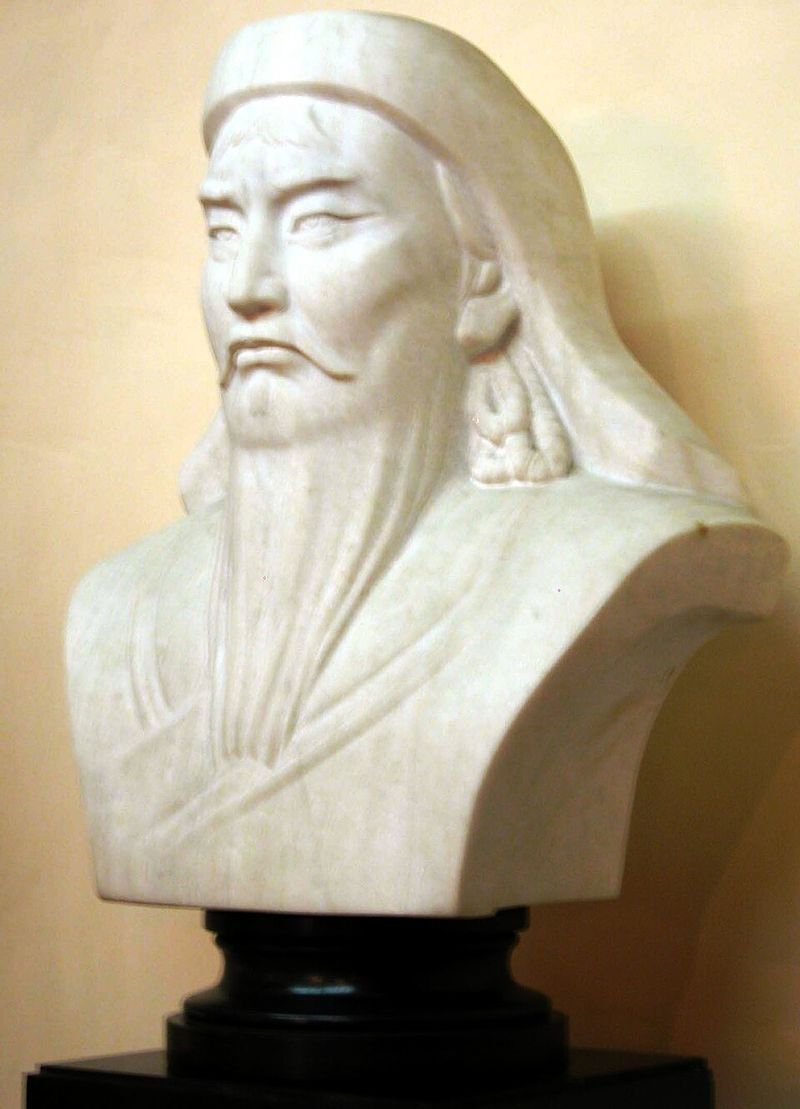
No family in history assembled a land empire of comparable size. Genghis Khan unified the nomadic tribes of northeast Asia in 1206 and launched a series of military campaigns that, within decades, connected Eastern Europe to the Pacific coast of Asia under a single ruling family’s authority.
At its greatest extent, the Mongol Empire covered approximately 24 million square kilometers, roughly 16 percent of the Earth’s total land area. The Khan family’s descendants governed this territory through regional khanates, each ruled by a son or grandson of Genghis Khan, maintaining family control over the largest contiguous empire ever assembled.
Beyond conquest, the Mongol Imperial Family’s rule enabled the Silk Road to function as a stable, protected trade corridor for the first time in centuries.
14. The House of Osman (Ottoman Dynasty)
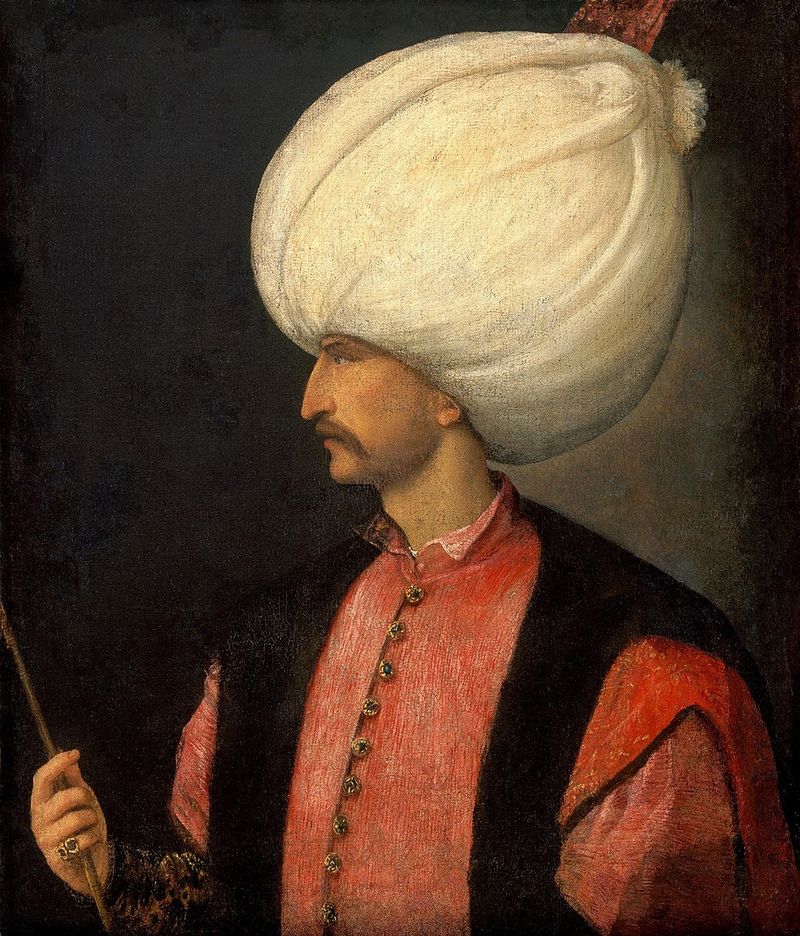
Six hundred and twenty-three years of continuous rule across three continents is a record that no other dynasty in the Islamic world, and few anywhere on earth, can match. The Ottoman Dynasty, founded by Osman I around 1299, built an empire that controlled southeastern Europe, North Africa, and the Middle East at its height in the 16th century.
Under Suleiman the Magnificent, who ruled from 1520 to 1566, the empire reached its greatest territorial extent and cultural achievement. Ottoman control over Constantinople, captured in 1453, gave the dynasty command of the most strategically important city in the eastern Mediterranean, along with the critical trade routes that passed through it.
The Ottomans were also notable administrators. Their millet system allowed different religious communities to govern their own internal affairs, a relatively sophisticated approach to managing a diverse, multi-ethnic empire.
Their legal codes, architectural projects, and military innovations influenced governance and urban design across three continents for centuries.
15. The House of Windsor and Its Ancestors
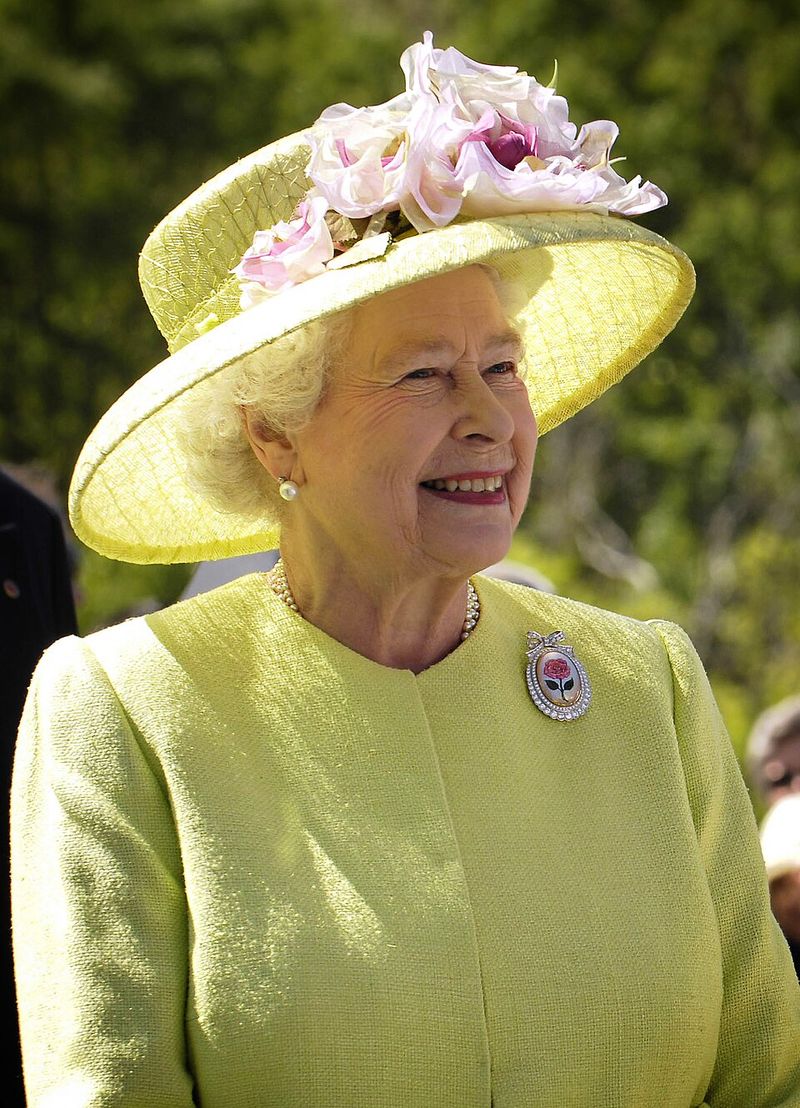
At the peak of the British Empire in the early 20th century, the royal family presided over territories covering roughly 24 percent of the world’s total land surface and governing approximately 458 million people, nearly a quarter of the global population at the time. No other ruling family in history governed that proportion of humanity simultaneously.
The House of Windsor itself was formally named in 1917, when King George V changed the family’s official name from the German-sounding Saxe-Coburg and Gotha during World War I. But the royal lineage it represents stretches back through centuries of earlier dynasties including the Stuarts, Plantagenets, and Normans.
Beyond territorial control, the British royal family shaped global legal systems, democratic institutions, educational frameworks, and cultural norms across dozens of nations through the Commonwealth. Their political, cultural, and symbolic influence continues across 56 member nations today, securing their place at the very top of history’s most powerful family dynasties.
Share this story