 Unearth The Voyage
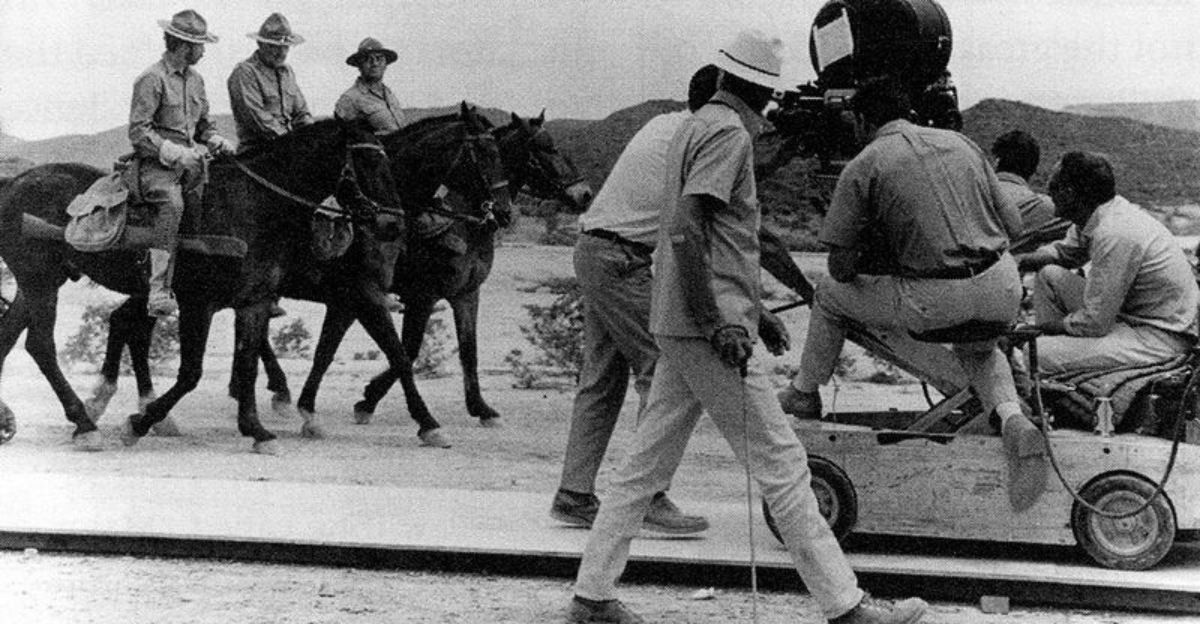
Frontier myths are fun, but the truth is far grittier and more human than the legends. These films and shows trade glossy heroics for dust, sweat, and consequences you can almost feel.
If you have ever wondered what the West really looked like, this list cuts through the tall tales. Saddle up and see which stories get closest to the unforgiving reality.
1. Appaloosa (2008)

Appaloosa captures the uneasy marriage between law and commerce better than most Westerns. You feel how a town hires gunmen not just for justice, but for stability that keeps money flowing.
Dialogue is clipped, wary, and shaped by reputation, not grand speeches. Shootouts are abrupt and frightening, more like workplace hazards than legend building.
The film shows lodging, clothing, and horses that look used, patched, and practical. You can almost smell sweat, whiskey, and oil.
What makes it believable is how personal justice becomes when institutions are thin. A rancher can bully a town if he pays the bills, and the deputies must navigate politics as much as bullets.
Friendships feel transactional yet loyal, a survival tactic in a brittle economy. Travel is slow, meals are simple, and boredom hangs between brief explosions of violence.
Even the romance plays like a negotiation within limited choices. If you want a Western where motives are muddy and outcomes feel earned, Appaloosa rides true.
2. The Homesman (2014)
The Homesman peers into the frontier’s quiet terrors, especially for women living miles from neighbors. It shows the cruel arithmetic of isolation, weather, and childbirth without romantic filters.
Cabins are cold boxes, not cozy retreats, and hunger whispers through every scene. The film tracks mental collapse with compassion and restraint, never sensationalizing.
You watch chores grind on, day after day, until identity thins into survival. Every decision costs something heavy and private.
What rings true is the practical detail. Water is hauled, not conjured.
Food is plain and never guaranteed. Travel becomes a rolling gamble with fatigue and exposure.
Conversations are stilted and pragmatic, shaped by scarcity and fear of scandal. Violence is not operatic, merely sudden and cruel.
The landscape is beautiful but indifferent, and that indifference crushes illusions. By the end, you grasp how courage on the frontier looked like doing one more necessary thing, despite grief and gossip.
3. True Grit (2010)
True Grit strips revenge down to trudging miles, frigid water, and stubborn will. The dialogue borrows from period cadences, so people sound educated or not based on upbringing.
Gunfights are clumsy, desperate, and brief, with recoil and misfires. Horses matter as partners, not props, and fatigue shows in faces and posture.
You feel the weight of winter coats, the scratch of wool, and the ache in boots. Everything costs energy or coin.
Accuracy emerges in the marshals’ scut work. Tracking is guesswork plus patience, not magic.
Night travel is risky, especially in unfamiliar country. Law feels uneven and personal, with jurisdiction lines getting fuzzy.
The film honors how a teenage girl might leverage determination and money to hire help. Consequences land hard and stay.
Even heroism carries infection, debt, and loneliness. If you are tired of clean boots and endless bullets, this take on grit earns its name.
4. Hostiles (2017)

Hostiles lives in the aftermath of endless conflict, where uniforms are threadbare and souls are thin. The landscapes stretch cold and punishing, making every mile a test.
Trauma is not a plot device, it is the room everyone shares. You see how grudges and grief ride alongside orders and supplies.
The film treats Native characters as people with history and pain, not symbols. Silence often says more than speeches.
The realism comes from process and restraint. The escort moves slowly, checks perimeters, argues over routes.
Food, fire, and shelter decide tempers. Guns are tools that jam, misfire, and terrify.
Racial hatred appears ordinary and corrosive, not theatrical. Command decisions balance duty against survival and conscience.
Death is fast, messy, and bewildering. By the time the journey ends, you feel how violence stains everyone, and how mercy on the frontier is fragile and hard-won.
5. Open Range (2003)

Open Range understands how free grazers clashed with towns invested in fences and order. You feel the slow burn before anything erupts, with arguments over cattle, pasture, and respect.
The daily labor of driving, feeding, and guarding stock gets real attention. When violence arrives, it is lurching and deafening.
Shots echo, smoke hangs, and people fumble under fear. There is no ballet, just chaos and luck.
The film respects logistics. Weather delays travel.
Horses spook. Men argue over coffee and tactics.
A town’s politics turn on money and pride, not principles alone. Characters carry exhaustion in their shoulders, making small kindnesses feel heroic.
Medical care is rough and improvised, with consequences that linger. By focusing on the mundane next to the mortal, Open Range earns its grit.
The final gunfight feels like the ugly end of disputes that words could not settle.
6. 3:10 to Yuma (2007)

3:10 to Yuma works because desperation, money, and reputation rule the day. A failing rancher takes a deadly job to keep his family afloat, which feels true to frontier economics.
The escort is less about heroics and more about scheduling, terrain, and nerves. Outlaws are charming yet ruthless, testing the resolve of everyone around them.
Bullets run out, horses tire, and timetables matter. The railroad’s clock changes the West faster than guns.
Violence is quick, noisy, and confusing, not operatic. The film shows how greed and pride can bend morals that once felt fixed.
Townspeople hedge bets, because survival often means choosing later. You see how reputation can be traded like currency, and how mercy costs real risk.
Gear looks used and heavy. Dust grinds into every shot.
By the time the train whistles, you understand how thin the line is between duty and ruin.
7. The Wild Bunch (1969)
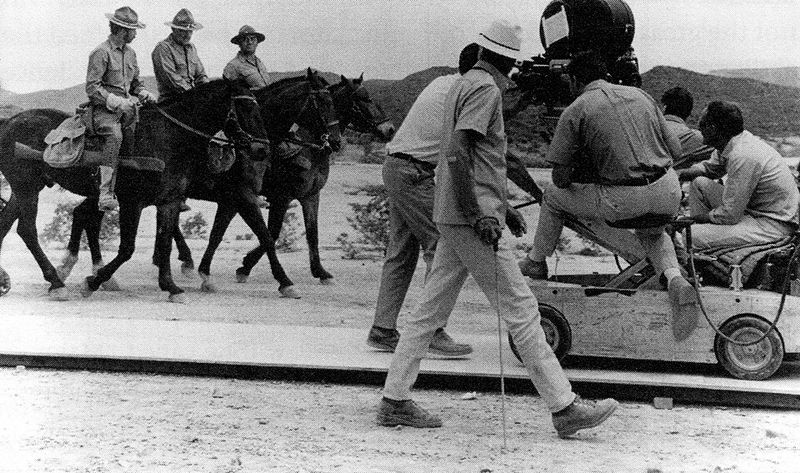
The Wild Bunch feels like the West closing its eyes at last, with modern weapons shattering old codes. Sweat, dust, and grime coat every surface, and aging outlaws cling to fading rules.
Violence is not heroic, it is carnage that leaves civilians caught and bleeding. The film’s editing and sound make firefights horrifying, not cool.
You see bodies recoil, horses panic, and chaos swallow plans. No one walks away clean.
Its realism comes from consequences and context. Mexico’s revolution and American greed intertwine, shrinking moral ground.
Guns jam, men panic, and loyalty strains under hunger and fear. Machinery and railroads loom like a future these men cannot join.
The townscapes look lived-in, patched, and poor. The Bunch’s code collapses under the weight of progress and betrayal.
It is less myth than obituary for the outlaw dream, scrawled in dust and spilled whiskey.
8. Meek’s Cutoff (2010)

Meek’s Cutoff dials realism so high it can feel like a documentary about doubt. The film captures the brutal math of water, distance, and conflicting directions.
Dialogue is sparse, because exhaustion steals words. Men argue about routes while women manage survival and watch the horizon.
Wardrobe and props look handmade and threadbare. You hear wood creak, fabric rasp, and lips crack.
Its tension is uncertainty, not gunfire. A guide bluffs confidence, and the group must decide whether to gamble.
Maps are guesses, landmarks are rumors, and every hill conceals risk. The camera lingers on chores that decide life or death, from rationing to stitching.
Native encounters are opaque and sobering, refusing easy moral labels. By the end, you feel how the trail punished arrogance and rewarded quiet perseverance.
It might be the most honest wagon-train story on film.
9. Lonesome Dove (1989)

Lonesome Dove makes a cattle drive feel like a multi-month siege on men and animals. It tracks water holes, stampedes, river crossings, and the slow grind of sore saddles.
Characters age in the saddle, and friendships fray under heat and monotony. Every mile is a negotiation with weather, disease, and rustlers.
Death arrives via snakebite, fever, or a moment’s distraction. The show gives chores the weight of battles.
What rings true is the logistical scale. Decisions ripple across hundreds of head and dozens of drovers.
Horses rotate and rest. Gear breaks and must be mended.
The frontier is not a backdrop but a relentless antagonist. Town stops are brief, costly, and morally complicated.
You leave with a sense that success means simply arriving with a herd intact and a soul not entirely spent. It is exhausting, tender, and painfully believable.
10. The Proposition (2005)

The Proposition is not American, yet it may be the rawest frontier story on film. The outback strips people to bone, and law struggles to mean anything.
Flies swarm, sweat stings, and morality cracks under relentless heat. Violence is sudden and ugly, and mercy looks like weakness.
Colonial power dynamics crush nuance until only survival remains. You feel teeth ache and wounds fester.
Its realism comes from terrible choices. A policeman bargains with a criminal brother to capture another.
Families grieve in private rooms where walls are too thin. Gunsmoke hangs in dry air, and horses look gaunt and mean.
Food is plain and scarce, and medical care borders on ritual pain. The film refuses grand speeches, favoring mumbled threats and exhausted prayers.
If you want frontier truth without romance, this Australian tale hits harder than most American entries.
11. The Assassination of Jesse James by the Coward Robert Ford (2007)

This film treats legend like a sickness that infects both the famous and the forgotten. Jesse James is weary, paranoid, and brutal, a man cornered by his own myth.
Robert Ford is needy, ambitious, and painfully ordinary. Domestic scenes show kids, chores, and long silences.
Rooms are cramped and lamplight feels fragile. The killing itself unfolds awkwardly, staining everyone with shame rather than glory.
Accuracy comes from small textures. Coats hang heavy with weather and sweat.
Towns look half-built, with muddy streets and shy shopkeepers. Conversations circle money, favors, and trust, not destiny.
The film acknowledges the real 1882 shooting while examining the price of being remembered. You feel how celebrity and poverty intertwine on the edge of the modern age.
It is less a Western than a slow, exact autopsy of reputation.
12. The Revenant (2015)

The Revenant pushes survival past comfort, and it feels historically grounded even as it dramatizes. You feel every frozen breath, wet stitch, and shiver.
The fur trade is muddy business, driven by profit and violence. Fights are confusing brawls with muskets, knives, and panic.
Travel means dragging a broken body through water and snow. Fire is friend, shelter, and fragile hope.
Hugh Glass was real, and the bear mauling really happened, though details changed. The film nails period clothing, canoes, and trade goods.
Indigenous characters have motives beyond plot, even if focus stays on Glass. The camera lingers on labor, from skinning hides to mending wounds.
Food is scavenged, not plated, and infection lurks in every cut. By the end, survival feels like a grim negotiation with nature rather than triumph.
13. Deadwood (2004–2006) — HBO Series

Deadwood treats town-building like trench warfare with ledgers and knives. Real figures like Wild Bill Hickok, Seth Bullock, and Calamity Jane appear without polish.
Money, claims, and bribes move faster than bullets. Language is ornate and filthy, reflecting a place inventing itself daily.
Streets are mud pits, not backlots, and disease prowls with the pigs. Every handshake hides a favor owed.
The show’s realism lives in bureaucracy and corruption. Telegraph lines shift power overnight.
Doctors improvise with limited tools and grim resolve. Chinese workers, sex workers, and miners collide in cramped alleys.
Law arrives piecemeal, then bends around capital. Violence is a business cost, not entertainment.
You watch a camp harden into a town through paperwork, threats, and weary compromise. It may be the most convincing portrait of how the West actually functioned.
14. Unforgiven (1992)
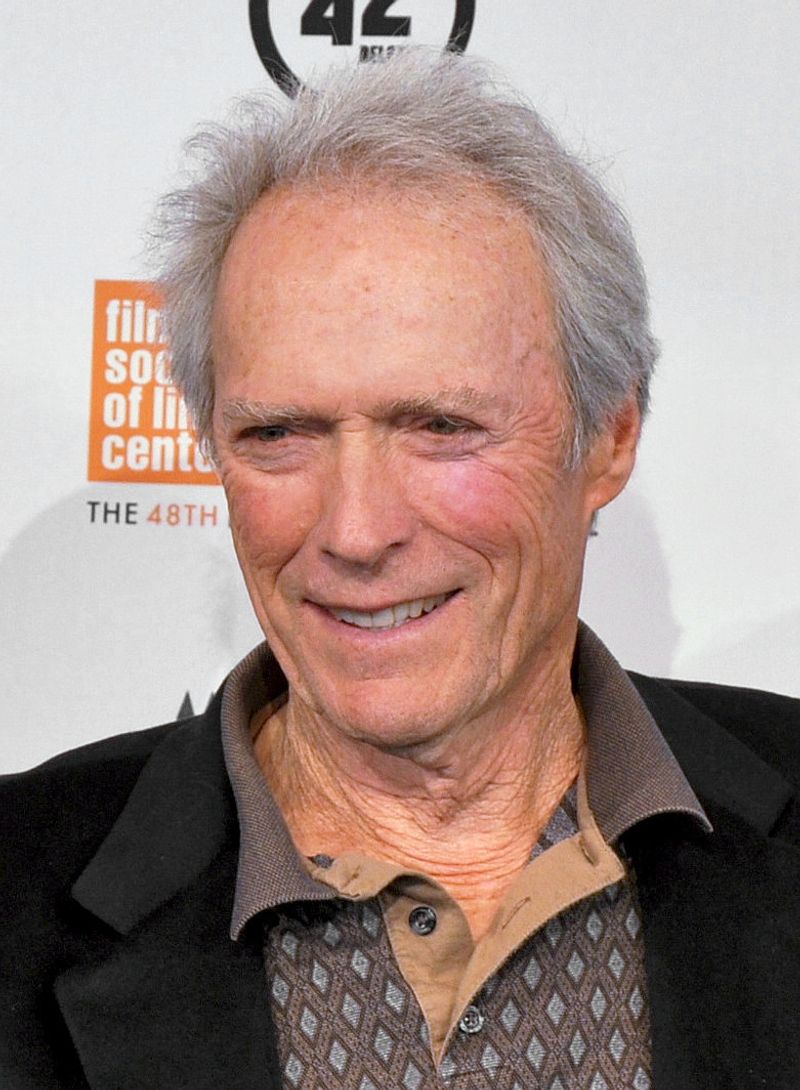
Unforgiven strips the Western to aftermath and guilt. Killing costs the killer most of all, and bravery curdles into trauma.
Guns are inaccurate under stress, and people miss, reload, and shake. The sheriff runs a protection racket masked as order.
Brothels, boarding houses, and diners sketch an economy of small humiliations. Nothing feels easy or cinematic.
Realism emerges in fear and consequence. Characters hesitate, lie, and rationalize.
Injuries fester, weather ruins plans, and horses misbehave. Rumor outruns truth, turning men into myths they cannot live with.
The final violence is ugly and decisive, ending arguments rather than starting legends. By closing after the smoke clears, the film lets shame echo.
It is the best lesson on how the West punished those who believed in clean heroism.
15. The Long Riders (1980)
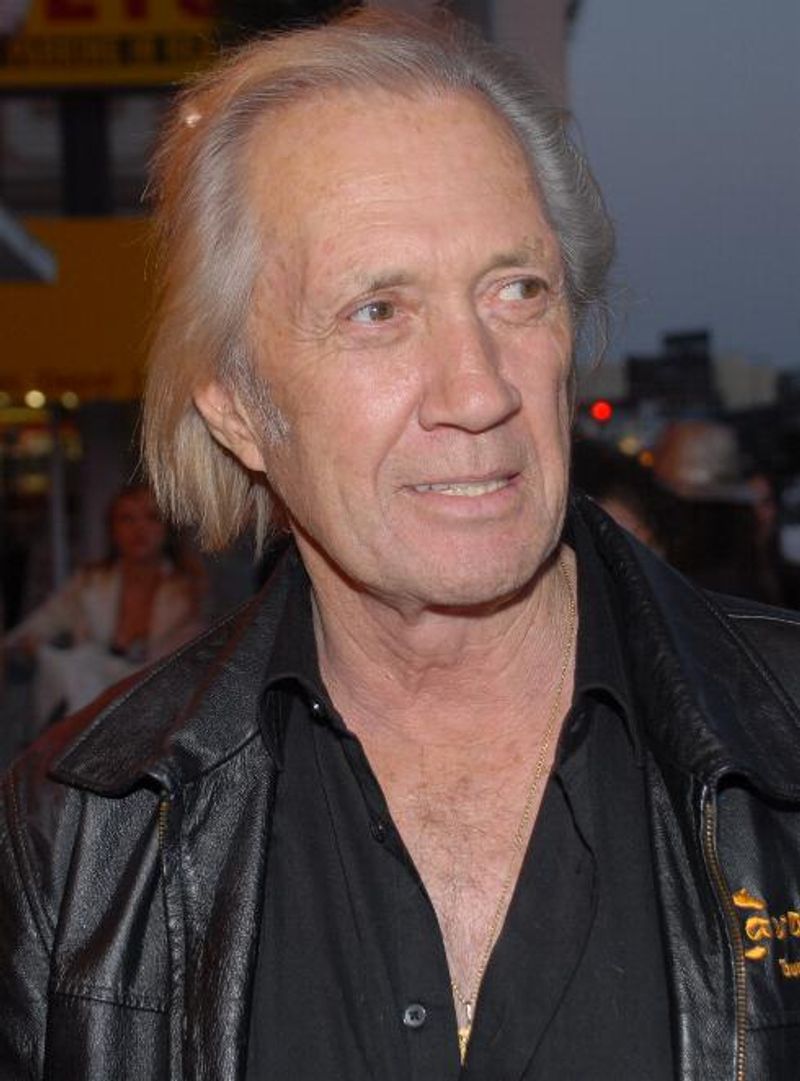
The Long Riders grounds outlaw lore in family ties and small-town rhythms. Casting real brothers as the gang sells the intimacy and bickering.
Robberies are messy, fast, and terrifying, with civilians too close to gunfire. The film respects regional accents, clothing, and social manners.
You see dances, courtship, and church alongside plans in barns. Violence interrupts ordinary life rather than defining it.
Historically, the James–Younger Gang tore through Missouri and beyond, and the movie keeps details tactile. Horses stumble, guns misfire, and riders bleed.
Pinkertons are relentless but human. The infamous Northfield raid feels like a disaster of bad luck and courage.
No one is a pure legend, just kin pushed by pride, money, and revenge. By the end, the gang’s myth feels earned through sweat and grave markers, not tall talk.



