 Unearth The Voyage
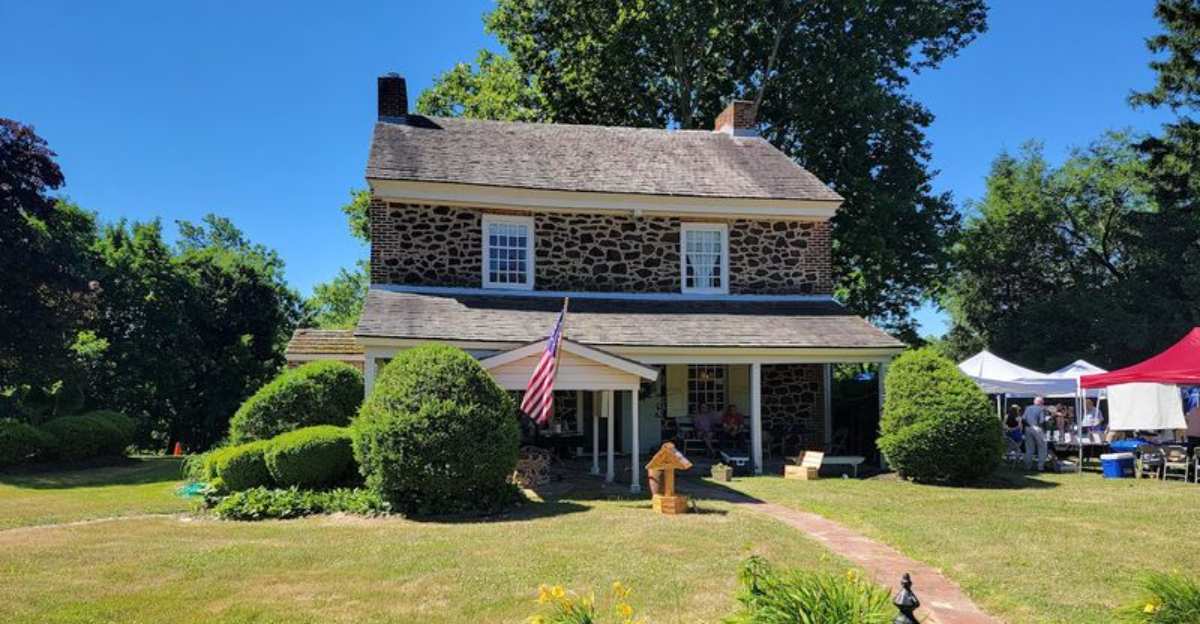
There is a house in Gloucester Township that has been standing since 1756, and most people who live nearby have no idea it exists. Tucked away in a quiet corner of South Jersey, this colonial-era tavern has survived wars, centuries of change, and the relentless spread of strip malls and highway ramps.
This spot is a rare window into what life looked like in this region before the United States was even a country. What makes it especially worth knowing about is that it is not just a building behind a fence.
It is a working museum with tours, live events, walking paths, and a community garden, all maintained by passionate volunteers who clearly love what they do. This article covers everything worth knowing before planning a visit.
Where to Find This Colonial Treasure
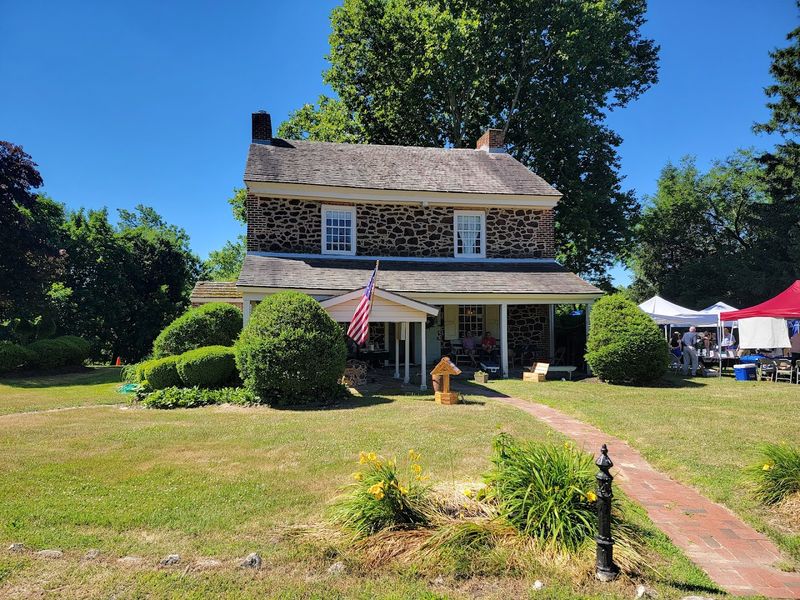
Not every historic landmark announces itself with a big sign or a busy parking lot. The Gabriel Daveis Tavern Museum House sits at 500 3rd Ave, Glendora, NJ 08029, in Gloucester Township, Camden County, South Jersey.
The location feels deliberately removed from the noise of modern life. Surrounding woods and open grounds give the property a quiet, contained character that makes it stand apart from the neighborhoods nearby.
Gloucester Township is not typically on the tourist circuit, which is part of what makes finding this place feel like a genuine discovery. Many longtime residents of the township have admitted they never knew the tavern existed until someone pointed it out.
The museum is open on Sundays from 1 to 4 PM and is closed the rest of the week, so planning ahead is essential. Admission is very affordable, making it accessible for families, students, and history enthusiasts who want a meaningful afternoon without spending much.
A Building That Predates the Nation
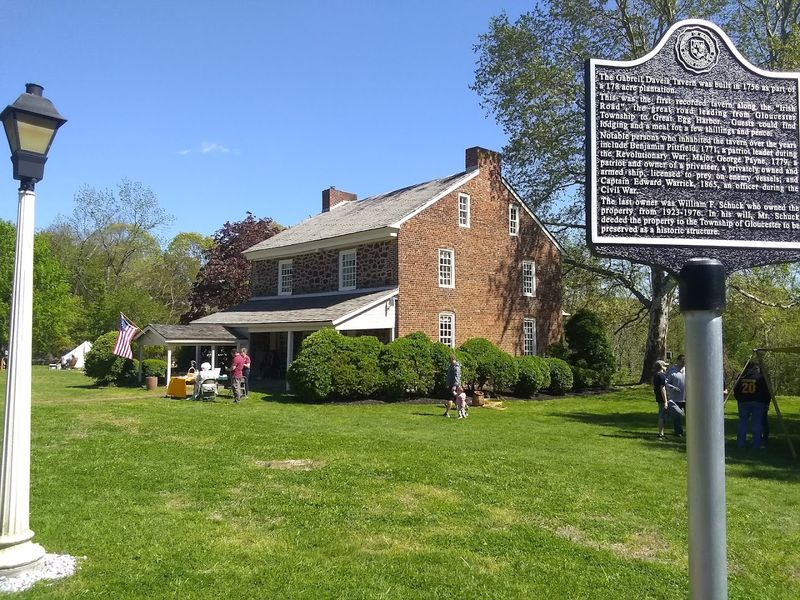
Built in 1756, the Gabriel Daveis Tavern predates the Declaration of Independence by two full decades. That means the people who first walked through its doors were still British colonists living under the Crown, with no clear picture of what was coming.
The structure has survived in remarkably good condition, which is a testament to the preservation efforts of the Gloucester Township Historical Society and the dedicated volunteers who maintain it. Original architectural details remain intact throughout the building.
Colonial taverns were not just places to rest. They served as community gathering spots, news exchanges, and meeting halls where local decisions were made and travelers shared information from distant towns.
Understanding that context transforms a visit to this house from a simple sightseeing trip into something much more layered. The building itself tells a story about how communities in 18th-century New Jersey functioned before formal institutions existed to fill those roles.
The Revolutionary War Connection
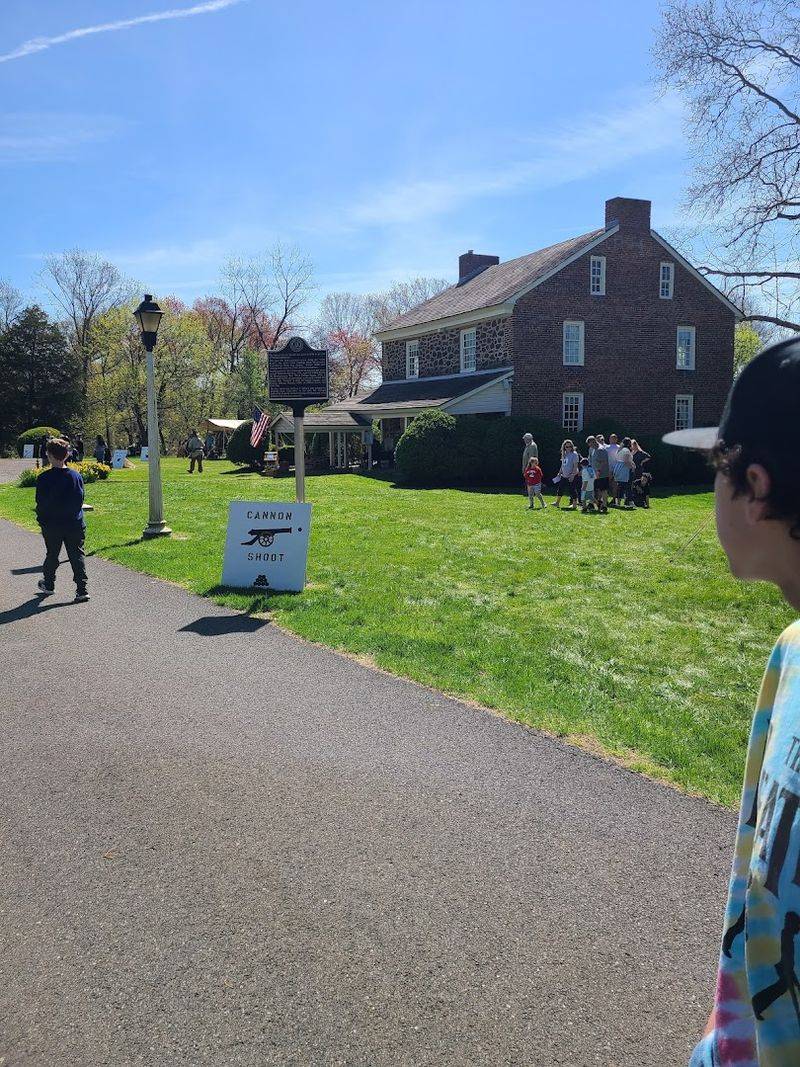
South Jersey played a significant role during the Revolutionary War, and the Gabriel Daveis Tavern is directly connected to that turbulent period in American history. The grounds and structure carry the weight of that era in ways that are hard to fully appreciate without standing there in person.
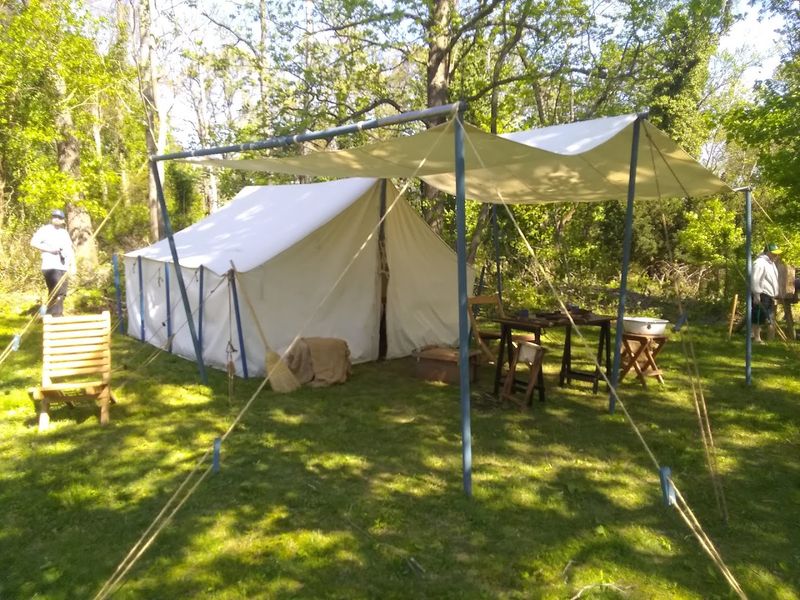
The museum regularly hosts Revolutionary War reenactments that bring the period to life with authenticity and energy. These events have included musket demonstrations, cannon firings, axe throwing, archery, and bow and arrow activities that give attendees a hands-on understanding of colonial life and warfare.
These are not passive, glass-case exhibitions. Participants get to engage with the history directly, which makes the experience stick in a way that reading about it in a textbook simply does not.
For families with children who find history dry or abstract, a reenactment day at this museum has a way of flipping that perception entirely. The past becomes concrete and surprisingly immediate.
What the Interior Looks Like
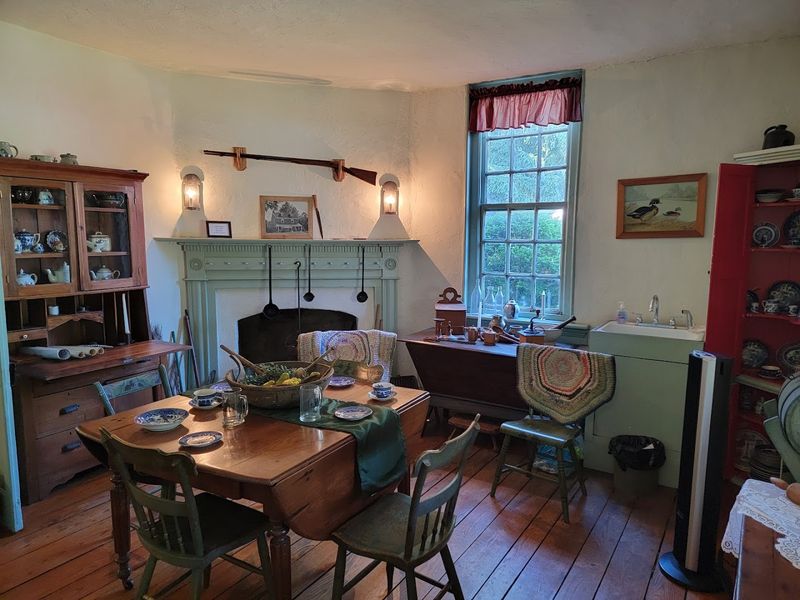
The inside of the Gabriel Daveis Tavern has been carefully curated to reflect the furnishings and layout of an 18th-century colonial home. Antiques fill the rooms in a way that feels deliberate and historically grounded rather than decorative.
Volunteer tour guides lead visitors through the interior during open hours, and each guide brings a slightly different perspective and body of knowledge to the tour. That variation actually adds value, because returning visitors often learn something new on a second or third visit.
The volunteer staff demonstrates a deep familiarity with both the objects on display and the broader historical context surrounding them. Their enthusiasm for sharing that knowledge comes through clearly during the tour experience.
Every item in the house has a story connected to the period, and the guides do an excellent job of explaining those connections without overwhelming visitors with dates and names. The result is a tour that feels more like a conversation than a lecture, which keeps attention engaged throughout.
The Grounds Are Worth Exploring on Their Own
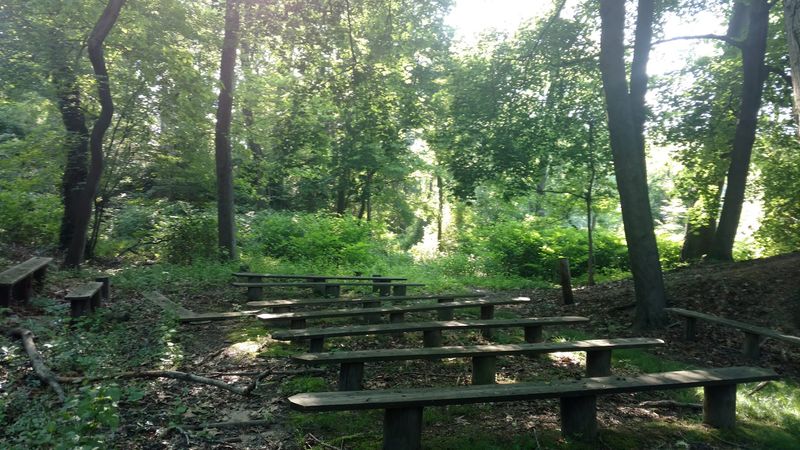
Even on days when the house itself is not open for tours, the grounds of the Gabriel Daveis Tavern Museum offer a genuinely pleasant outdoor experience. Walking paths wind through the surrounding wooded area, making the property feel more expansive than it might appear from the road.
The grounds are well-maintained and include an amphitheater, which suggests the space is used for public gatherings and performances beyond just museum hours. That kind of infrastructure points to a property that serves the broader community in multiple ways.
There is also a community garden on the property that local residents actively tend. Seeing that level of community involvement around a historic site gives the place a living, active character that purely static museums often lack.
Portable restroom facilities are available on the grounds, which makes longer visits more practical for families. The combination of history, nature, and community use makes this property one of the more versatile public spaces in Gloucester Township.
The Black Powder Festival and Special Events
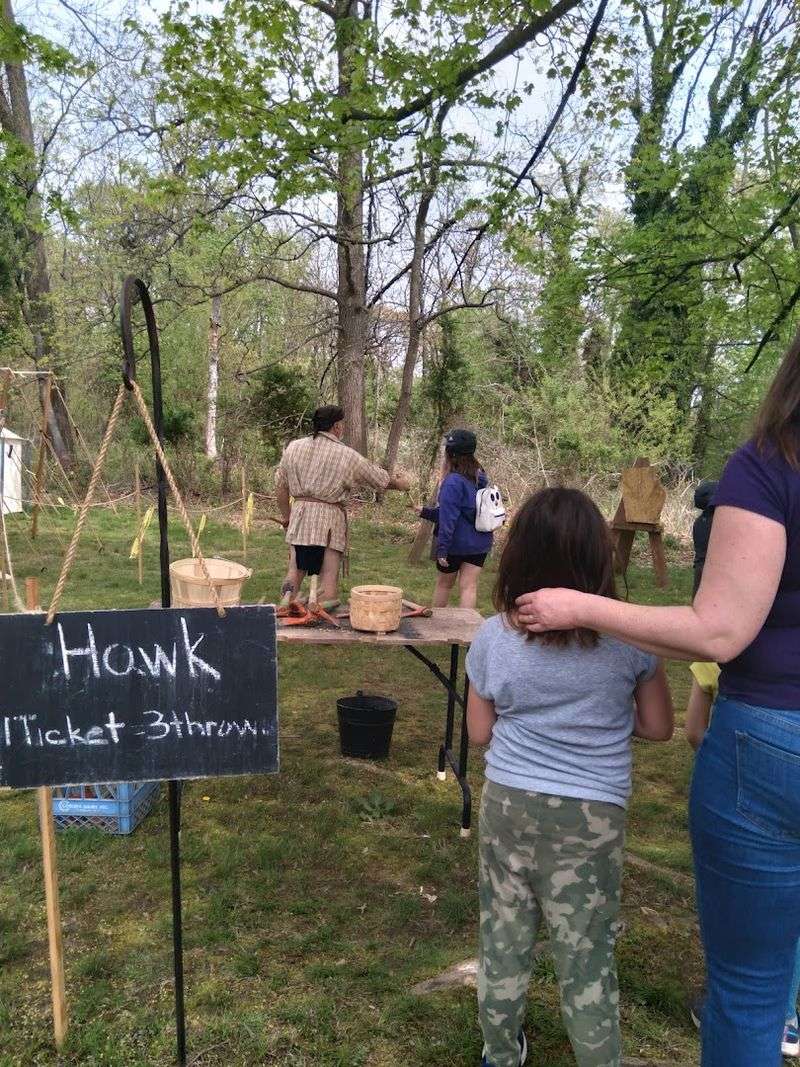
The museum is not just a Sunday afternoon tour destination. Throughout the year, the Gloucester Township Historical Society organizes special events at the tavern that draw larger crowds and offer a much broader range of activities.
The Historic Black Powder Festival is one of the most popular recurring events held on the grounds. It features hands-on activities including archery, tomahawk throwing, musket shooting, and cannon demonstrations that make colonial-era skills tangible and engaging for attendees of all ages.
These events transform the property from a quiet museum into a lively gathering space where history is performed and experienced rather than simply observed. Children who attend these events tend to walk away with a much clearer picture of what daily life and conflict looked like in the 1700s.
Checking the museum’s Facebook page at facebook.com/glotwphistory is the most reliable way to stay updated on upcoming events, since the schedule changes seasonally and special occasions are announced there first.
Paranormal History and the Stories People Tell
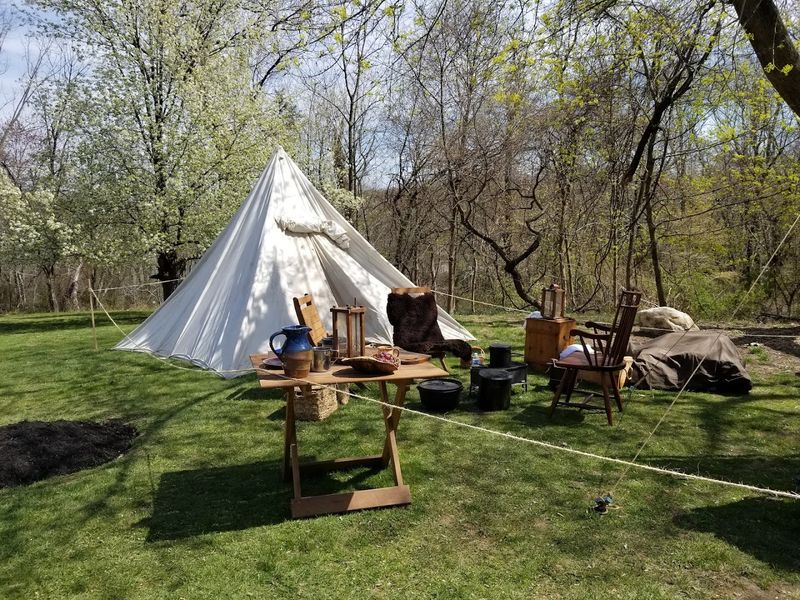
The Gabriel Daveis Tavern has accumulated more than just historical significance over its nearly 270 years. There is a persistent thread of paranormal interest woven through the stories people associate with the property, particularly related to soldiers from the Revolutionary War era.
The historical society does not appear to market the site primarily as a paranormal destination, but the stories exist and have drawn curious visitors from well outside Gloucester Township. Some people have made the trip specifically because of that reputation.
The volunteer guides are knowledgeable enough about the full history of the property to address these stories with context, neither dismissing them outright nor overstating them. That balanced approach keeps the focus where it belongs, on the documented history, while acknowledging the layers of local legend that have built up over time.
Whether or not a visitor has any interest in the paranormal angle, the sheer age of the building gives it an atmosphere that is easy to understand. A structure that has stood since 1756 carries a weight that no newly built replica could replicate.
Pets, Walks, and Quiet Afternoons
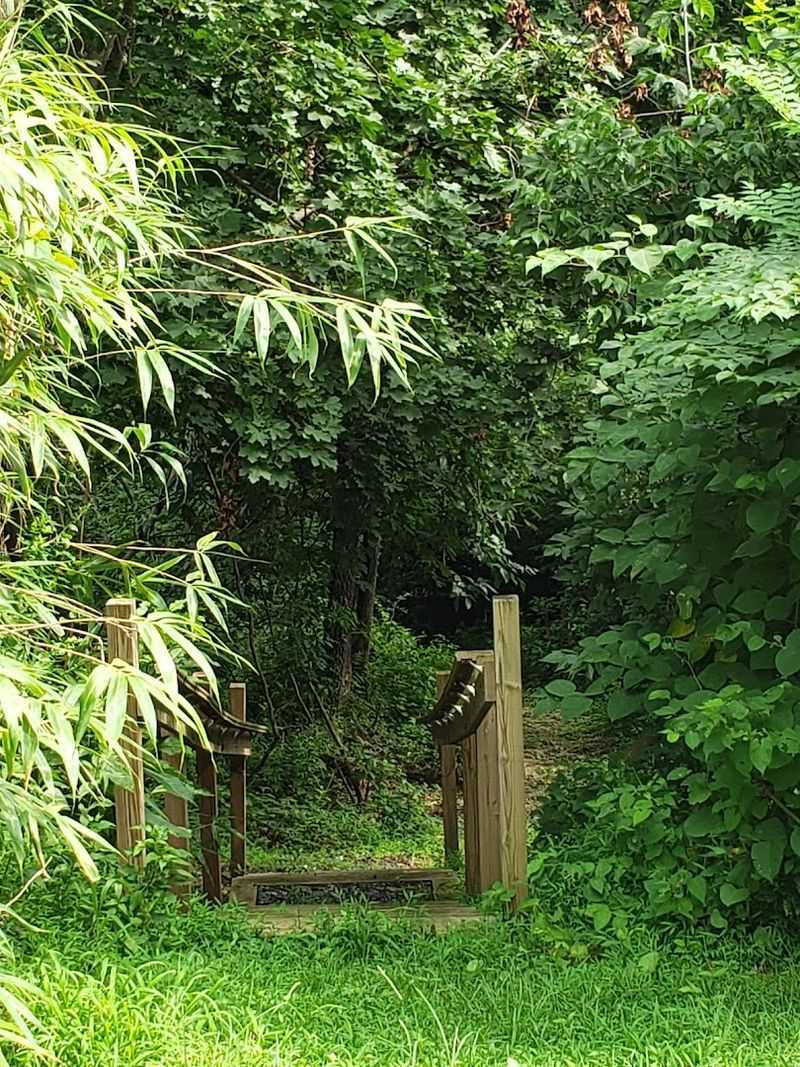
Not every visit to the Gabriel Daveis Tavern needs to be structured around a tour or a scheduled event. The property functions equally well as a quiet place to take a walk with a pet or spend a calm afternoon away from the usual noise of suburban life.
The wooded paths on the grounds are accessible and well-suited for leisurely walks. The low-traffic nature of the property means it rarely feels crowded, even on days when events are not taking place.
For dog owners in Gloucester Township and surrounding areas, the combination of wooded trails and open space makes the property a practical and pleasant destination for a weekend outing. The natural setting provides enough variety to keep the walk interesting.
This kind of dual-purpose appeal, where a historic site also serves as a neighborhood green space, is exactly what makes the Gabriel Daveis Tavern more than just a museum. It has embedded itself into the daily life of the community in a way that goes well beyond its historical function.
A Local Secret That Deserves More Attention
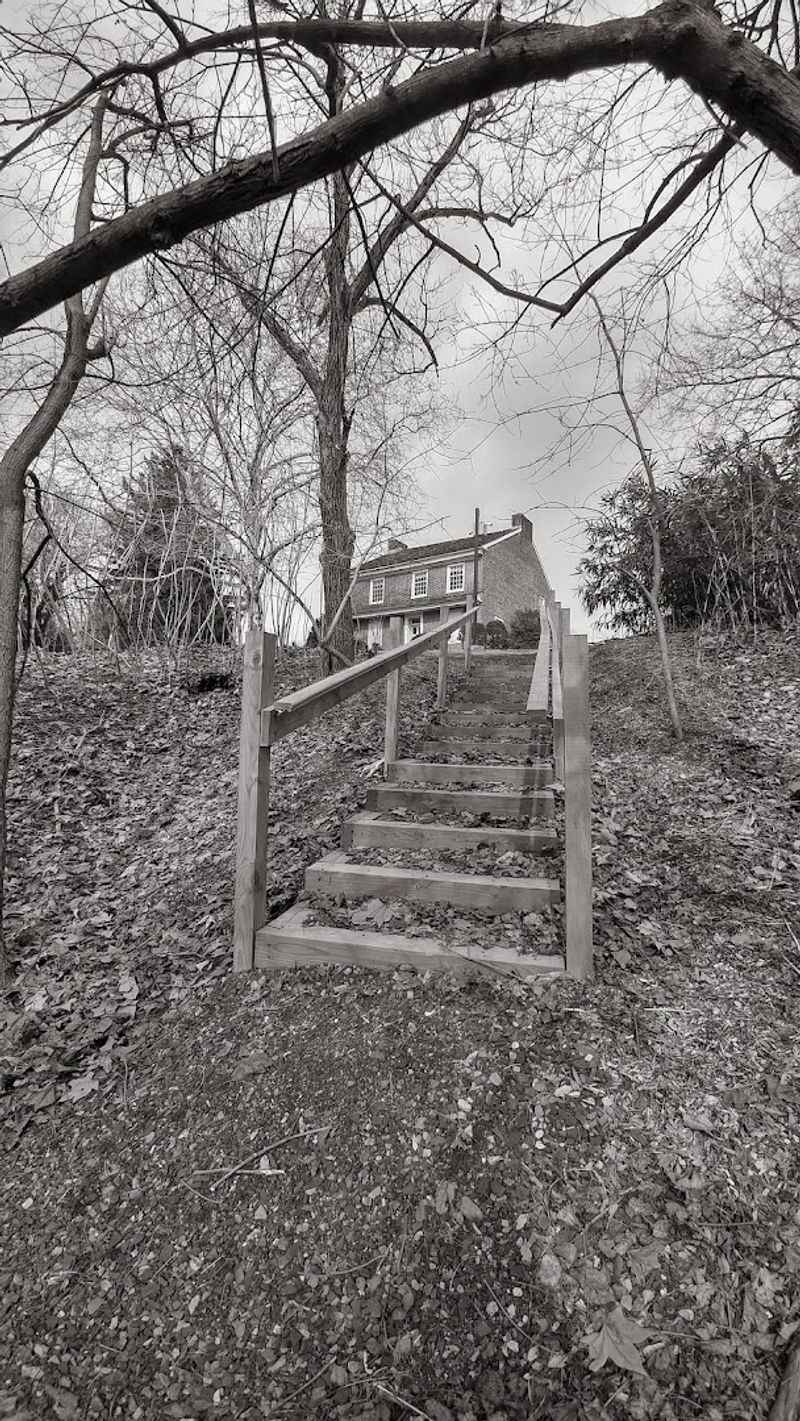
One of the recurring themes among people who discover the Gabriel Daveis Tavern for the first time is genuine surprise that it exists at all. Long-term residents of Gloucester Township have noted that they spent years, sometimes decades, living nearby without knowing the property was there.
That kind of obscurity is not necessarily a reflection of the site’s quality. It is more a reflection of how South Jersey tends to present itself, focused on highways, commerce, and convenience rather than heritage and preservation.
The tavern quietly holds its ground as one of the oldest surviving structures in the region, maintaining its integrity while the landscape around it has changed dramatically. There is something quietly remarkable about a 1756 building that is still standing and still in active use as a public resource.
For anyone interested in colonial American history, local New Jersey heritage, or simply finding places that are genuinely different from everything else in the area, this museum consistently delivers something worth the Sunday afternoon drive.
Planning Your Visit the Right Way
Getting the most out of a visit to the Gabriel Daveis Tavern Museum House requires a little advance planning, mostly because the window for touring the interior is limited. The museum is open on Sundays only, from 1 to 4 PM, so timing matters.
Arriving closer to 1 PM gives visitors the most time to explore the interior with a guide, walk the grounds, check out the community garden, and take in the wooded paths before the day winds down. Showing up late in the afternoon leaves less time to absorb everything the property offers.
Following the museum’s Facebook page at facebook.com/glotwphistory is the most practical way to track special events, seasonal programming, and any schedule changes that might affect a planned visit. The page is maintained by the historical society and reflects current information.
Admission is priced accessibly, making this a realistic outing for families and individuals on a budget. The combination of history, outdoor space, and community programming makes the Gabriel Daveis Tavern one of the more rewarding low-cost destinations in all of South Jersey.



