 Unearth The Voyage
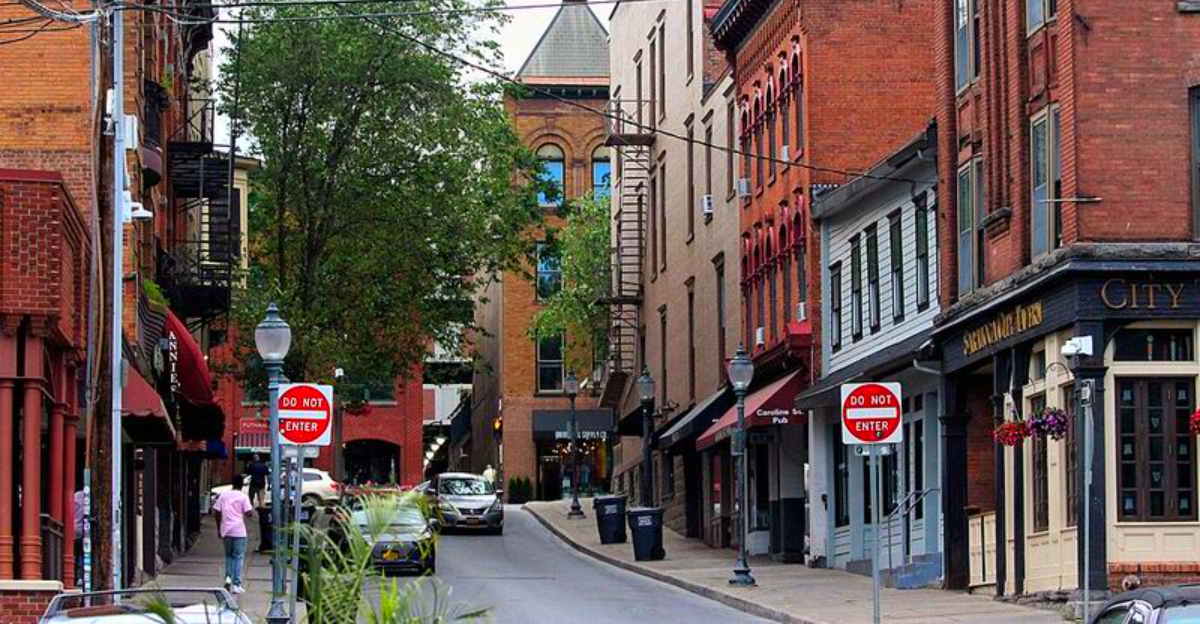
You can feel a city through your feet, and small cities often deliver the most charming strolls. If you love grabbing coffee, parks, and culture without ever opening a car door, this list is for you. We looked for dense downtowns, safe sidewalks, and everyday essentials within a short walk. Lace up, because these places make daily life delightfully pedestrian friendly.
1. Burlington, Vermont
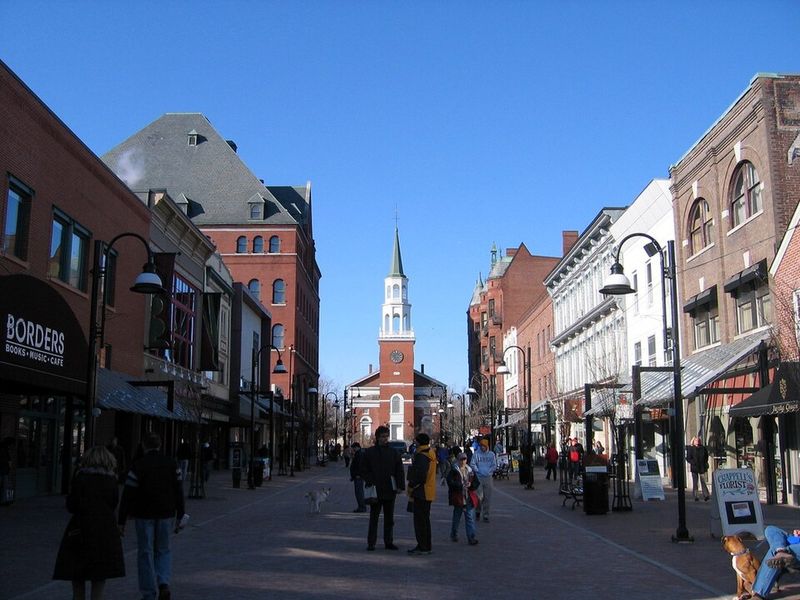
Church Street Marketplace steals the show, where you can wander between bookshops, gelato counters, and buskers without dodging cars. Side streets connect you to the waterfront path, so grabbing a creemee and catching sunset over Lake Champlain is easy. You feel the rhythm of a compact downtown that never overwhelms.
With the university close by, the crowd keeps sidewalks lively day and night. Crosswalks are marked, intersections are human scaled, and bike lanes complement your walks. Essentials sit within a few blocks, from co-ops to clinics. When snow falls, plows prioritize busy pedestrian corridors, keeping your steps reliable.
2. Ann Arbor, Michigan
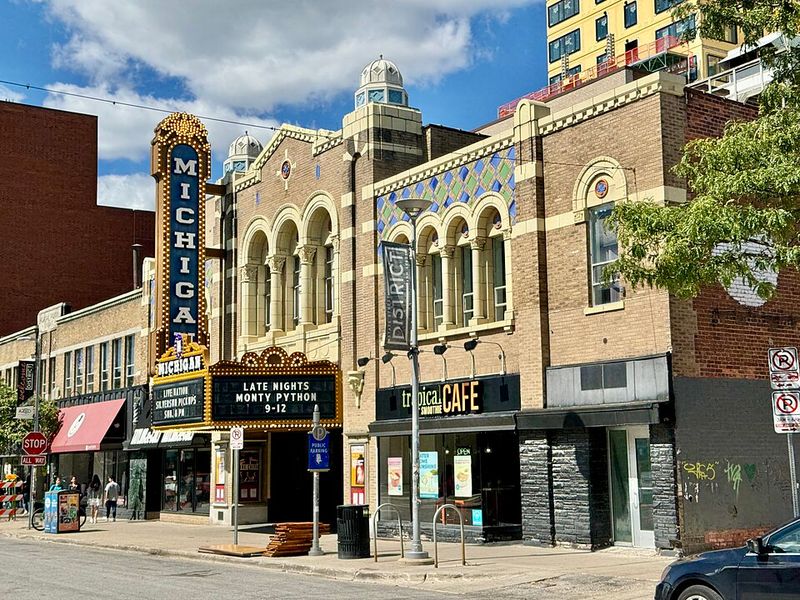
Main Street hums with bookstores, ramen shops, and music venues that make evening strolls effortless. The University of Michigan keeps sidewalks animated, and paths weave from Diag lawns to Kerrytown Market without breaking stride. You can pick up produce, catch a show, and be home before your latte cools.
Crosswalk signals are responsive, curb ramps are plentiful, and traffic calms on narrow blocks. Neighborhoods wrap around downtown, so errands become quick loops. Transit fills gaps on rainy days. Ann Arbor rewards curiosity, turning everyday walks into tiny adventures where murals, coffee aromas, and soft bell chimes guide you along.
3. Santa Barbara, California
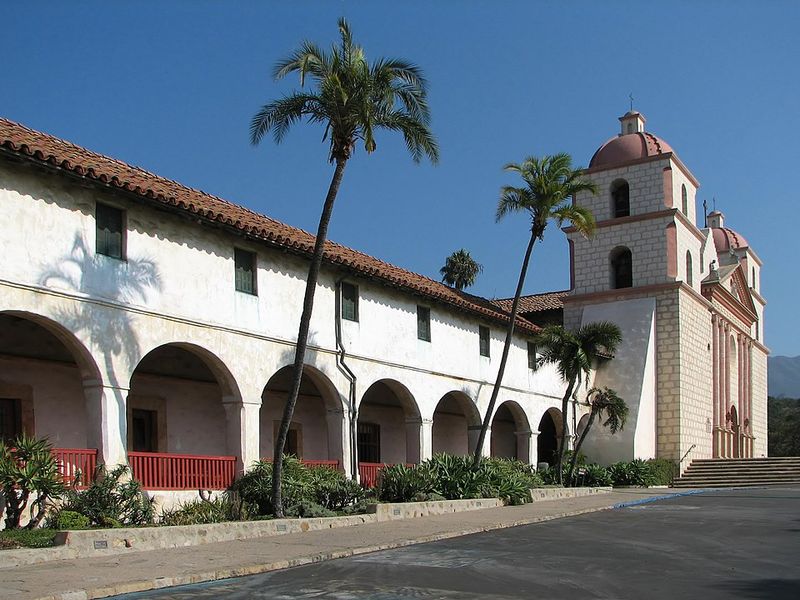
State Street runs like a pedestrian spine, shaded by palms and dotted with tiled fountains. With shops, bakeries, and galleries clustered together, you can linger from brunch to sunset without leaving the promenade. Mediterranean breezes make every errand feel like a mini vacation, especially when ocean views sneak between buildings.
Side streets deliver wine tasting rooms, bookstores, and plazas with generous benches. Bike paths and crosswalks stitch everything together so your steps feel safe and easy. The compact grid near the waterfront keeps distances short. You will forget your car key exists until you want a weekend hike.
4. Asheville, North Carolina
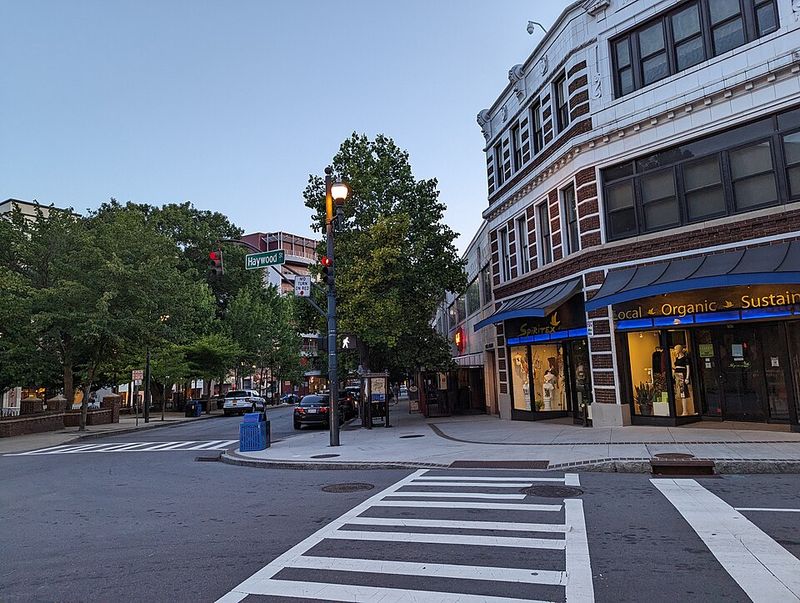
Asheville’s Art Deco core invites you to wander between bakeries, taprooms, and galleries on a cozy grid. Sidewalks are generous, crossings are frequent, and storefronts change just often enough to keep your pace curious. You can go from morning espresso to Blue Ridge sunset with no parking hunt.
The South Slope adds breweries and murals a few blocks away, while Pack Square hosts markets and music. Transit and bike lanes complement your walking rhythm. Even hills feel kind under shade trees. You will find errands, culture, and trails converging so neatly that your feet become your default transportation.
5. Bellingham, Washington
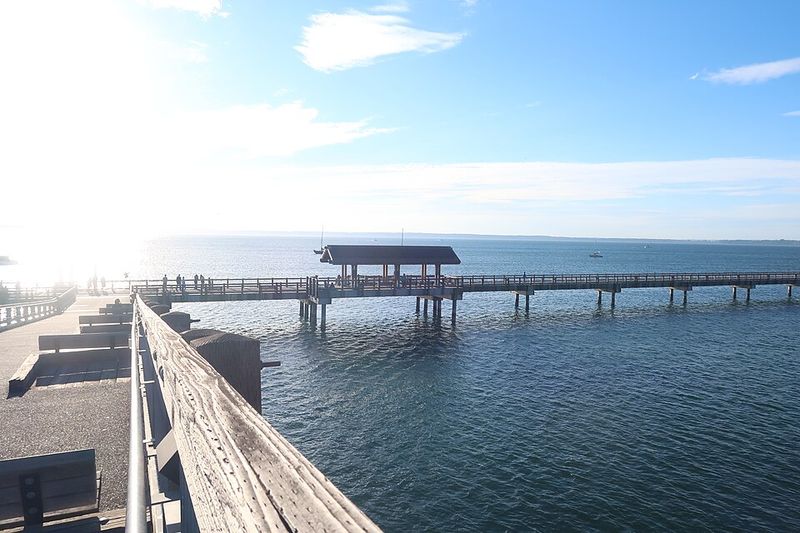
Bellingham strings neighborhoods like pearls, each with cafes, bookstores, and everyday essentials tucked along walkable streets. Downtown and Fairhaven reward slow browsing, with brick facades and bay views nudging you forward. The waterfront trail extends your stroll, connecting parks, public art, and ferry scenes with ease.
Crosswalks and traffic calming make intersections feel approachable, even near busier corridors. Groceries, clinics, and schools cluster within a short walk, so daily life unfolds on foot. The mild climate encourages year round walking. You will find that errands and sunset loops blend together, turning steps into a comforting ritual.
6. Boulder, Colorado
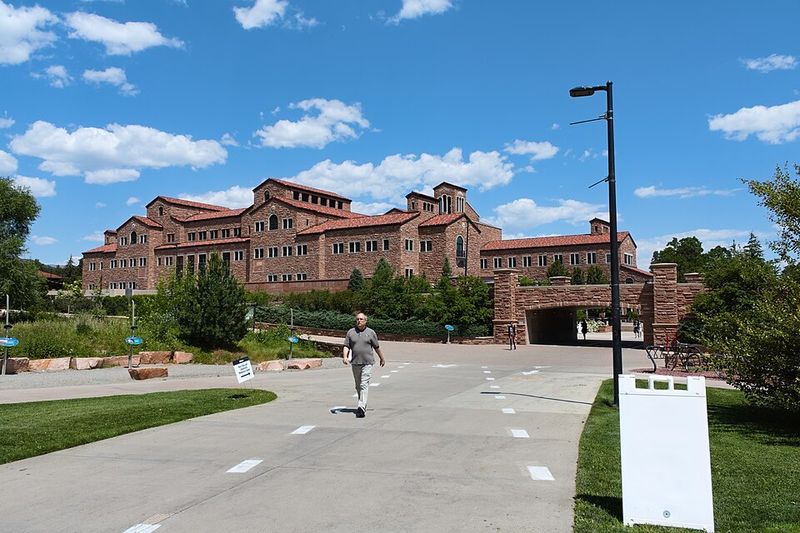
Pearl Street Mall sets the tone with car free blocks filled with musicians, benches, and blooms. Shops and eateries sit shoulder to shoulder, so your steps become the default between lunch, errands, and meetups. Turn a corner and the Flatirons frame your route like a postcard.
Neighborhood greenways and crosswalks connect seamlessly to downtown, and bike stations extend your range. Groceries, schools, and clinics cluster within easy walking distance. Traffic is calmed on surrounding streets, keeping crossings friendly. Boulder lets you live large on a small footprint, where your feet carry you from trailheads to tapas without fuss.
7. Charlottesville, Virginia
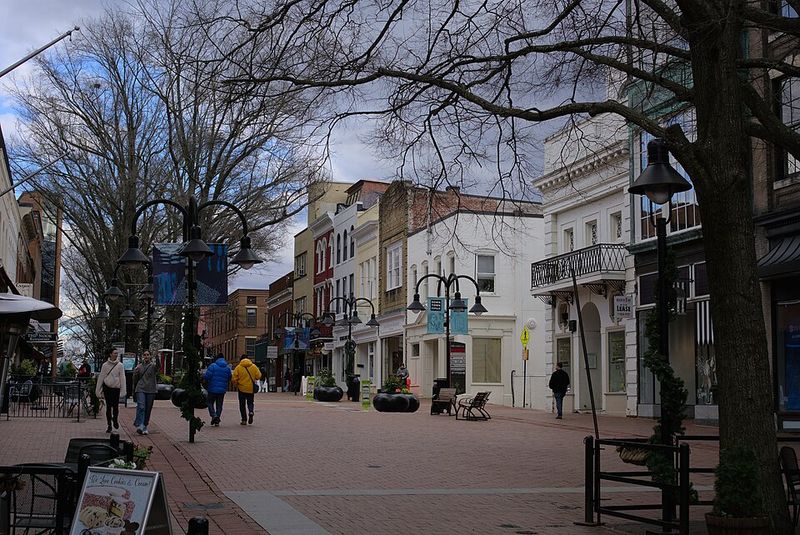
The Downtown Mall stretches like a red brick ribbon, turning everyday errands into a pleasant promenade. Cafes spill onto the walkway, bookstores invite lingering, and music drifts from a small stage. You can cross town socially, waving to neighbors and picking up dinner on a single stroll.
Side streets feed into neighborhoods with calm traffic and clear crosswalks. The university sits close enough to keep sidewalks lively without overwhelming them. Essentials cluster nearby, from pharmacies to farmers markets. Charlottesville proves that a pedestrian core can anchor a whole lifestyle, shrinking distances and expanding daily serendipity.
8. Madison, Wisconsin
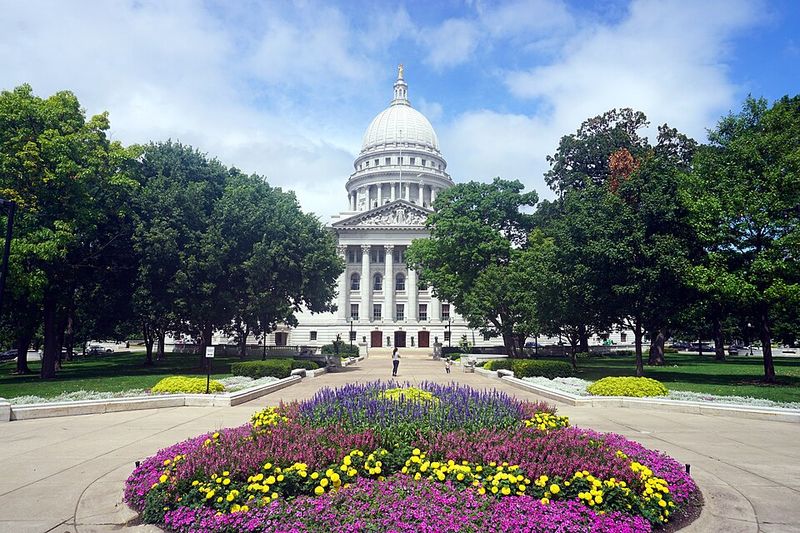
State Street links the Capitol to the university, a straight shot of bookstores, bubble tea, and buskers. You can grab groceries at the market, catch a lecture, and end with lake views in one seamless walk. The grid is compact, and transit keeps your feet fresh when winter arrives.
Crosswalks are well marked and curb cuts generous, making movement intuitive. Neighborhoods blend into downtown, so essentials cluster within minutes. Bike lanes and paths trace the lakes, offering scenic detours. Madison’s walkability is practical and playful, turning ordinary trips into lively, people focused moments that feel easy year round.
9. Saratoga Springs, New York
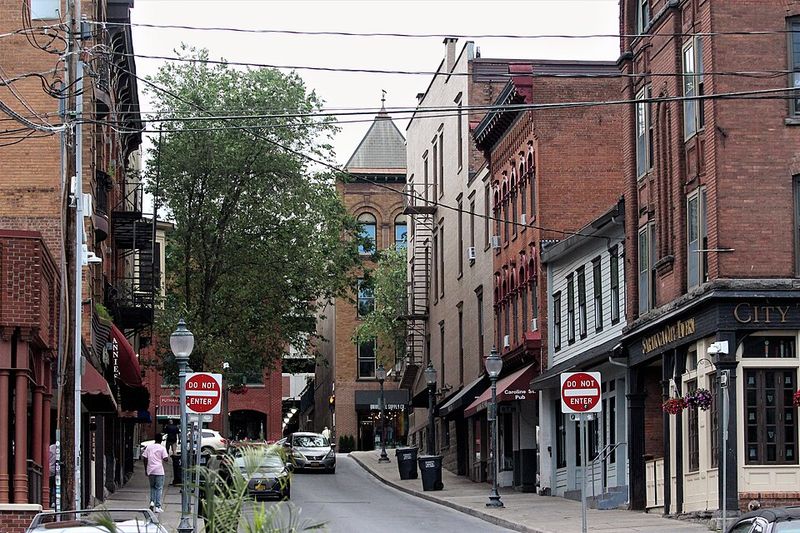
Broadway charms with historic facades, boutiques, and mineral springs a short stroll from downtown. You can browse bookstores, sip coffee, and wander into Congress Park for a shady loop without touching a steering wheel. Distances stay short, and intersections feel humane.
Seasonal festivals fill sidewalks with music and food tents, drawing crowds that move easily on foot. Grocery options, pharmacies, and transit sit within reach, so everyday needs are simple. Night walks feel safe under steady lighting. Saratoga Springs proves that a resort town can also function as a practical, year round pedestrian haven.
10. Greenville, South Carolina
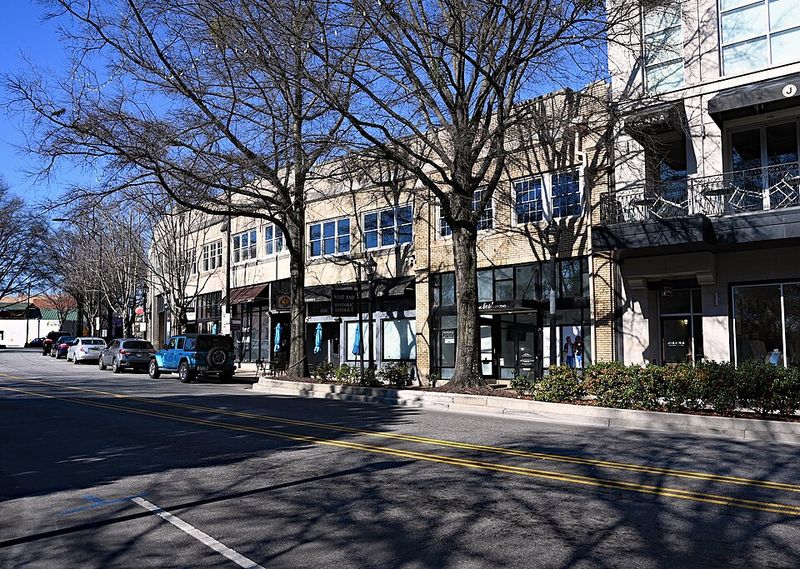
Main Street feels like a long living room, shaded by trees and softened by slow traffic. Shops and eateries are tightly spaced, so your walk never stretches thin. Falls Park and the Liberty Bridge appear right off the strip, giving you a nature break without leaving downtown.
Crosswalks are frequent, sidewalks wide, and curb extensions shorten crossings. Public art and pocket plazas invite pauses. Groceries and markets sit nearby, and transit offers quick hops. Greenville has tuned its core to people, letting you string together errands, park time, and dinner in one smooth, satisfying walk.
11. Bend, Oregon
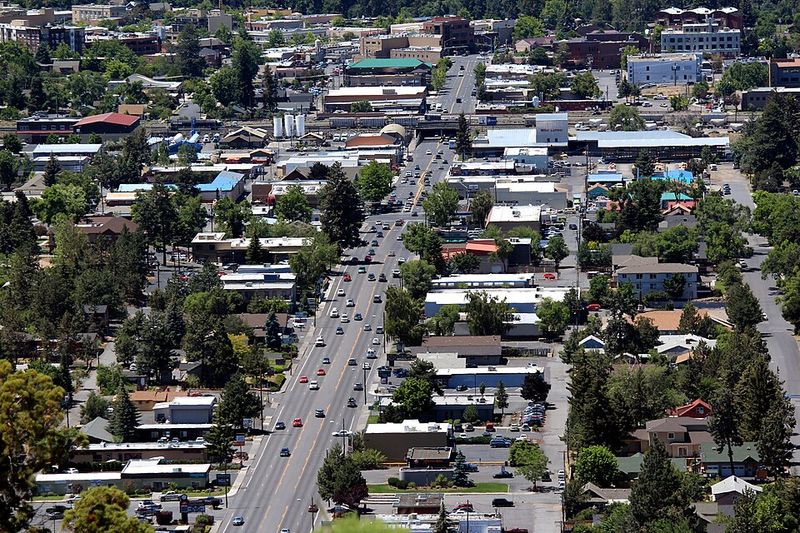
Downtown Bend keeps things tight, with cafes, outfitters, and taprooms clustered within a few walkable blocks. The Deschutes River trail is an effortless extension, delivering sunsets and park loops right from Main Street. You can outfit a day hike, grab tacos, and catch a show without chasing parking.
Crossings are clear and sidewalks well maintained, even as visitors swell on weekends. Neighborhood markets, clinics, and schools sit close, keeping daily walks purposeful. Bike lanes complement your steps when you want longer range. Bend’s compact core proves an outdoor town can still be delightfully pedestrian friendly.
12. Savannah, Georgia
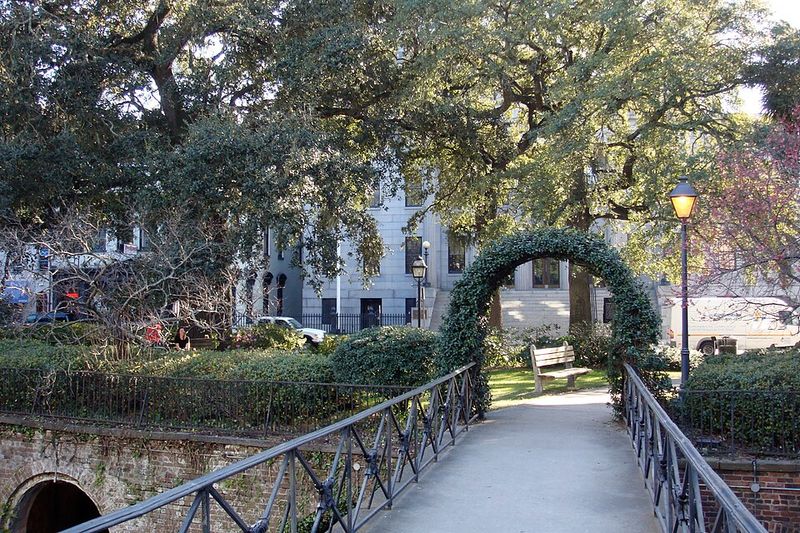
Savannah’s grid of garden squares creates the ultimate walking rhythm. Every few blocks you pause under mossy oaks, then continue past pastel rowhouses and hidden courtyards. Shops, bakeries, and museums concentrate near the river and along Bull Street, so everyday needs and curiosities align along your route.
Crosswalks, short blocks, and traffic calming make distances feel kinder than they look on a map. Even in summer, shade keeps walks manageable. With markets and pharmacies within reach, daily errands fit between scenic detours. Savannah turns a historic plan into a modern walkable lifestyle that feels slow and effortless.
13. Burlington, Iowa
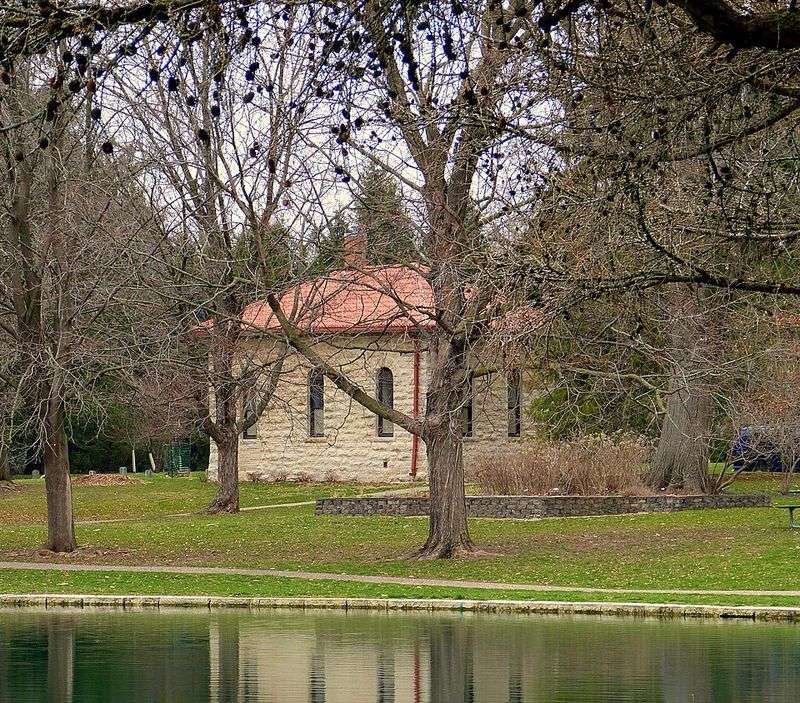
Downtown Burlington hugs the Mississippi, with a compact main street that keeps essentials close. You can pick up pastries, visit a gallery, and stroll the riverfront without worrying about parking meters. Historic brick buildings frame your path, making even quick errands feel charming.
Sidewalks are continuous, crossings are marked, and traffic moves at a manageable pace. Neighborhood markets and clinics cluster near downtown, so practical needs stay on foot. Hills add character, especially around Snake Alley, but distances remain short. Burlington rewards walkers with small town warmth and river views that invite extra blocks.
14. Santa Fe, New Mexico
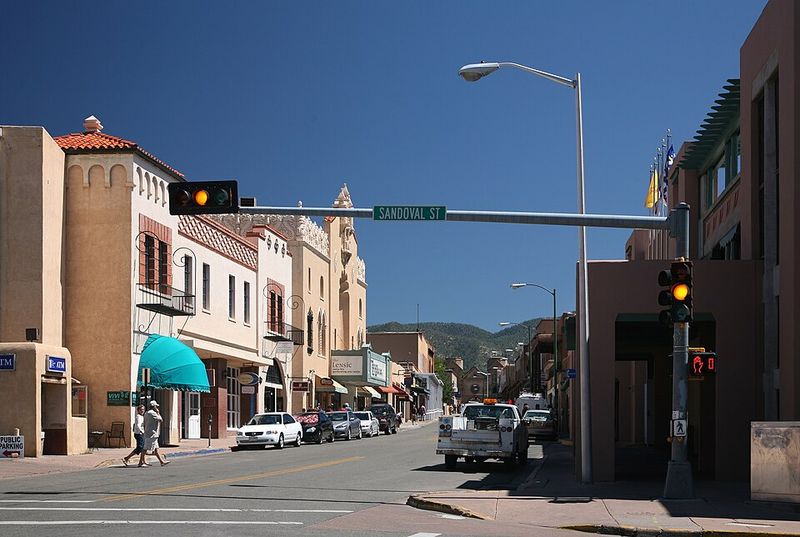
Santa Fe’s Plaza anchors a network of short blocks lined with galleries and cafes. Adobe walls reflect warm light, turning even a pharmacy run into an aesthetic stroll. Canyon Road sits within walking distance, so you can drift from espresso to art without a car in between.
Crosswalks are visible, sidewalks textured but steady, and traffic stays calm near the core. Neighborhood groceries and markets cluster nearby. Transit fills in for longer trips, but most daily needs sit steps away. Santa Fe pairs historic texture with practical walkability, inviting slow mornings and lively evenings on foot.
15. Flagstaff, Arizona
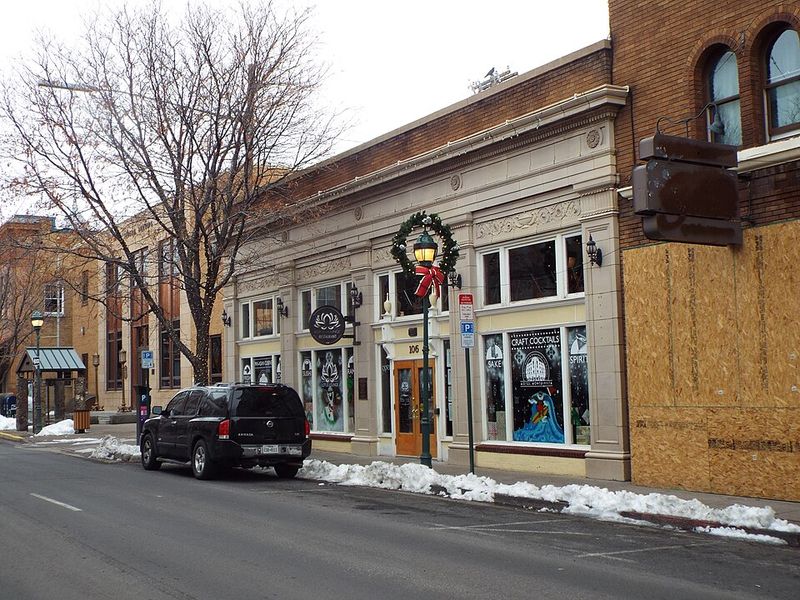
Downtown Flagstaff brings trains, trails, and tacos together in a tight footprint. You can move from the Amtrak platform to coffee to campus in a handful of blocks. Cool nights and pine scented air make strolling addictive, even when you are just grabbing groceries.
Crosswalks are frequent, curb ramps are solid, and traffic speeds feel respectful. Trails link neighborhoods to downtown, offering scenic approaches for daily errands. With breweries, bookstores, and markets grouped together, your steps cover plenty of ground quickly. Flagstaff’s mountain vibe pairs perfectly with a walk first lifestyle.
16. San Luis Obispo, California
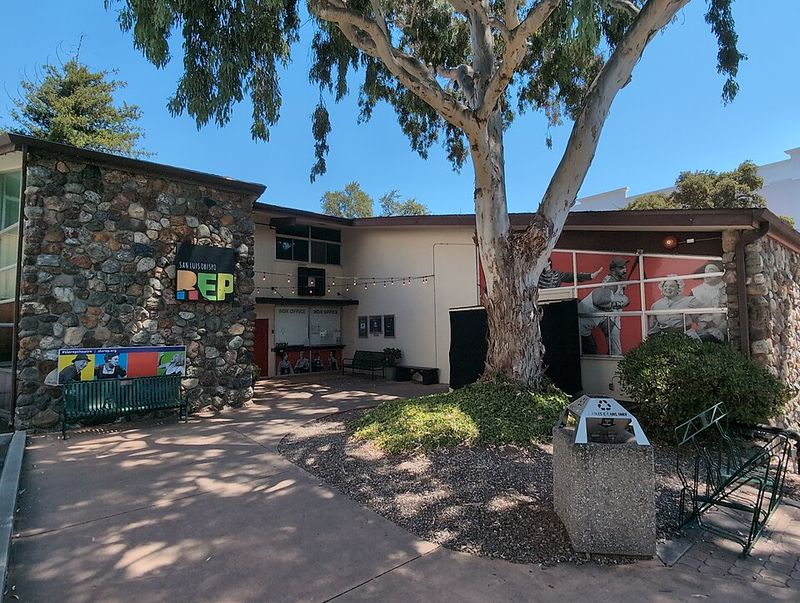
SLO keeps its downtown human scaled, with Mission Plaza and a creekside path that invite lingering. Farmers market nights transform the street into a social runway where errands meet entertainment. You can study, shop, and sip along a few compact blocks, with campus and neighborhoods close by.
Crossings are short, sidewalks wide, and traffic calmed near the core. Essentials like groceries and pharmacies sit within easy reach. Bike lanes extend your range to beaches and trails when needed. San Luis Obispo blends student energy and mellow California charm into a refreshingly walkable routine.
17. Portsmouth, New Hampshire
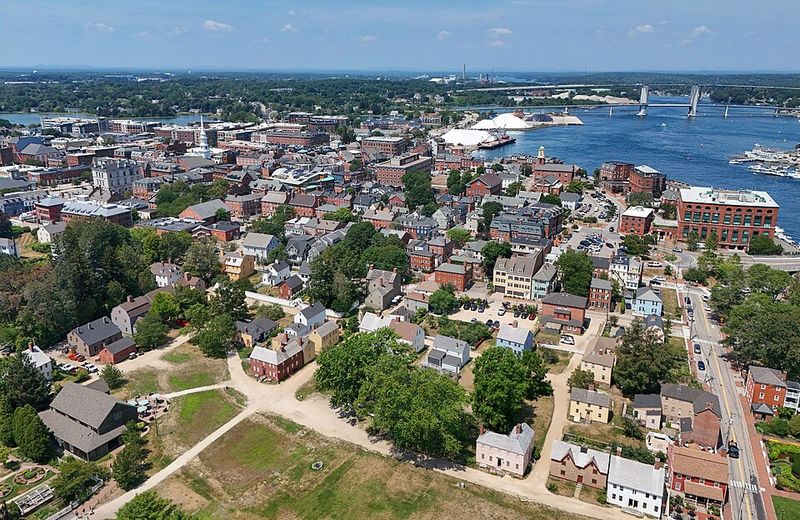
Market Square centers a delightful cluster of bakeries, bookstores, and boutiques, all an easy stroll from the harbor. Short blocks create constant variety, and brick sidewalks slow your pace just enough to notice details. You can run errands and reward yourself with chowder by the water, all on foot.
Crosswalks are clear, lighting is steady, and traffic respects the tight streets. Neighborhood groceries and services keep daily trips compact. Seasonal festivals amplify the pedestrian energy without overwhelming the scale. Portsmouth shows how a small port city can feel endlessly walkable and welcoming.
18. Traverse City, Michigan
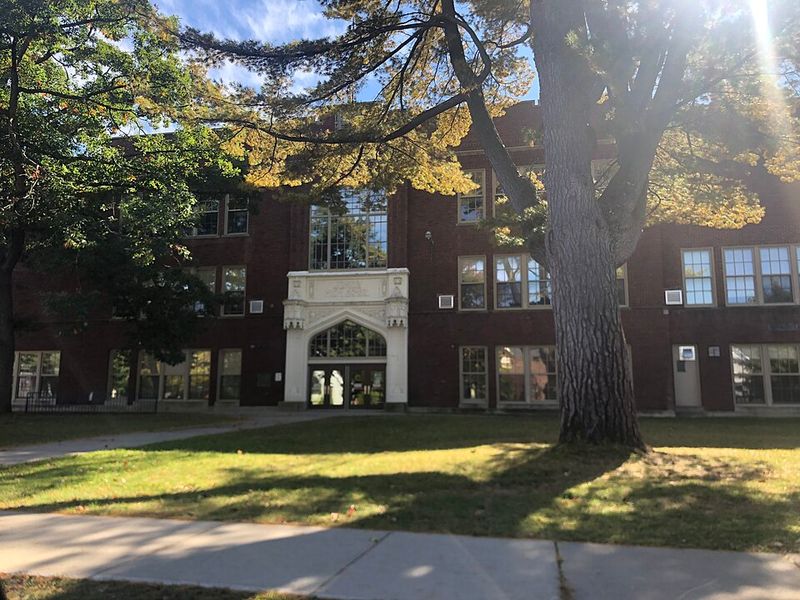
Front Street keeps everything close, from indie bookstores to cherry themed bakeries. The bay sits a short walk away, so you can sandwich errands between beachy detours. Festivals energize sidewalks, but the grid remains calm and easy to navigate.
Crosswalks are frequent, curb ramps reliable, and traffic moves gently through downtown. Groceries, pharmacies, and the farmers market live within a few blocks. Trails extend your steps along the water when you want more. Traverse City delivers small city convenience with vacation town sparkle, perfect for everyday strolling.



