The 1970s were a decade unlike any other. From disco floors to boxing rings, from movie screens to concert stages, a handful of remarkable people captured the world’s attention and never really let it go.
These were the stars, athletes, and cultural figures who shaped music, fashion, film, and social movements in ways that still echo today. Whether you grew up in that era or discovered these icons through your parents’ record collections, there is a reason their names keep coming up more than 50 years later.
This list covers the people who defined the 1970s and left a mark on popular culture that no amount of time has been able to erase.
David Bowie
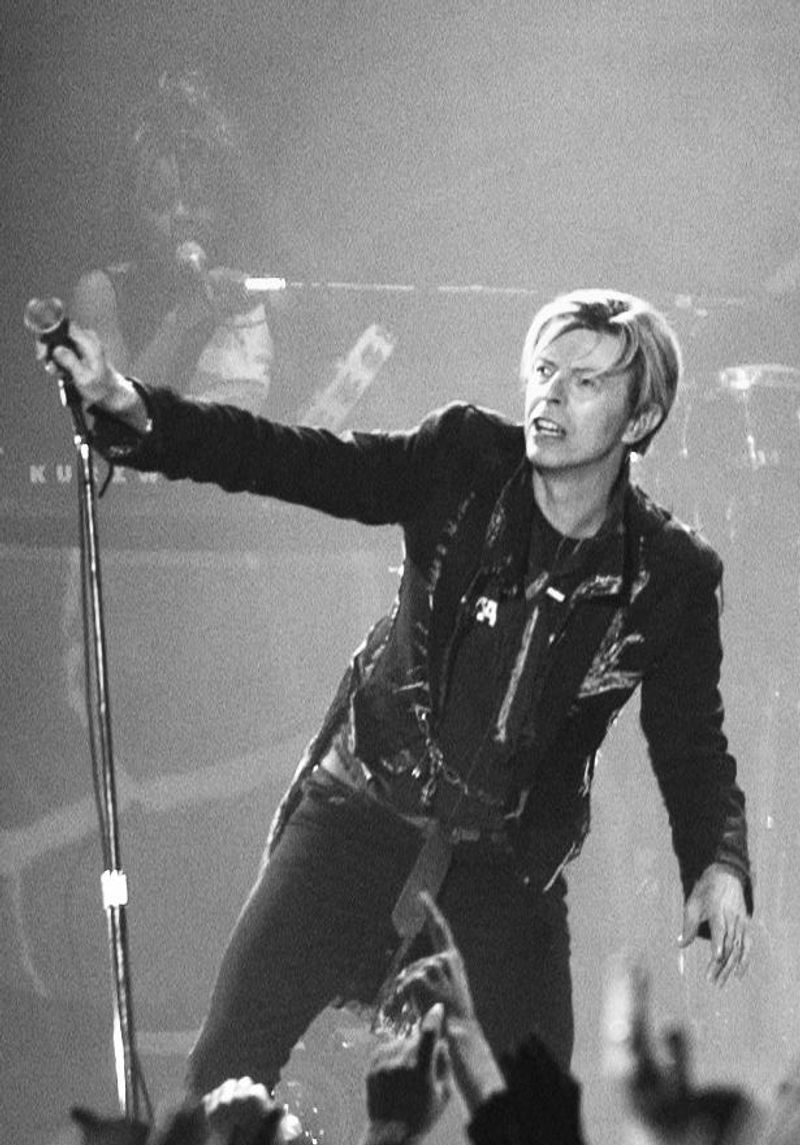
Few artists in rock history ever reinvented themselves as boldly or as successfully as David Bowie did when he introduced the world to Ziggy Stardust in 1972. The character was an alien rock star, and the album that came with it, The Rise and Fall of Ziggy Stardust and the Spiders from Mars, became one of the most celebrated records of the decade.
Bowie blended music with theater, fashion, and questions about identity in a way that felt completely fresh. His glam rock style influenced everything from runway fashion to the way performers thought about stage personas.
Beyond Ziggy, Bowie kept evolving throughout the 1970s with albums like Young Americans and Heroes, showing he was not just a one-era wonder. His ability to shift sounds and styles while staying unmistakably himself is a big reason musicians still name him as one of their greatest influences.
Muhammad Ali
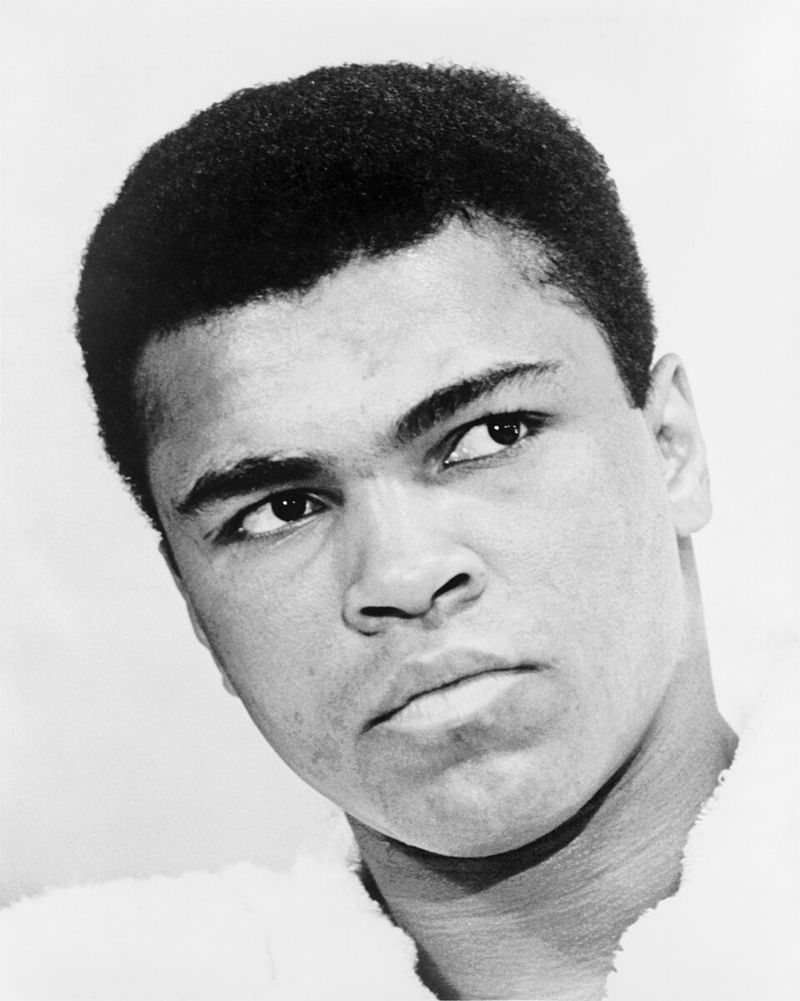
Muhammad Ali arrived in the 1970s already carrying heavyweight gold, but the decade transformed him into something bigger than sport. His 1974 bout against George Foreman in Kinshasa, Zaire, known as the Rumble in the Jungle, is still studied as one of the greatest strategic performances in boxing history.
Ali used a rope-a-dope technique, absorbing Foreman’s punches until his opponent tired out, then striking to win. The following year, his Thrilla in Manila showdown with Joe Frazier pushed both fighters to their absolute limits in a fight many consider the most grueling in the sport’s history.
What made Ali a true icon went beyond his record inside the ring. He spoke openly about race, religion, and war at a time when those topics carried real personal risk.
His confidence, quick wit, and willingness to stand by his beliefs made him a defining figure of an entire generation.
Farrah Fawcett

Farrah Fawcett’s 1976 red swimsuit poster became one of the most reproduced images of the entire decade. The Smithsonian has noted that the poster appeared in more than 12 million homes, a number that tells you just how completely she captured the public’s imagination at that moment.
Her role on Charlie’s Angels brought her into living rooms across the country every week, and her feathered hairstyle became one of the most copied looks of the era. Salons reported that clients came in specifically requesting the Farrah flip, which says a lot about how deeply her look had connected with everyday people.
Beyond the poster and the hair, Fawcett represented a specific kind of California confidence that felt aspirational and approachable at the same time. She later moved into serious dramatic roles, showing there was far more to her than the glamour that first made her famous.
John Travolta
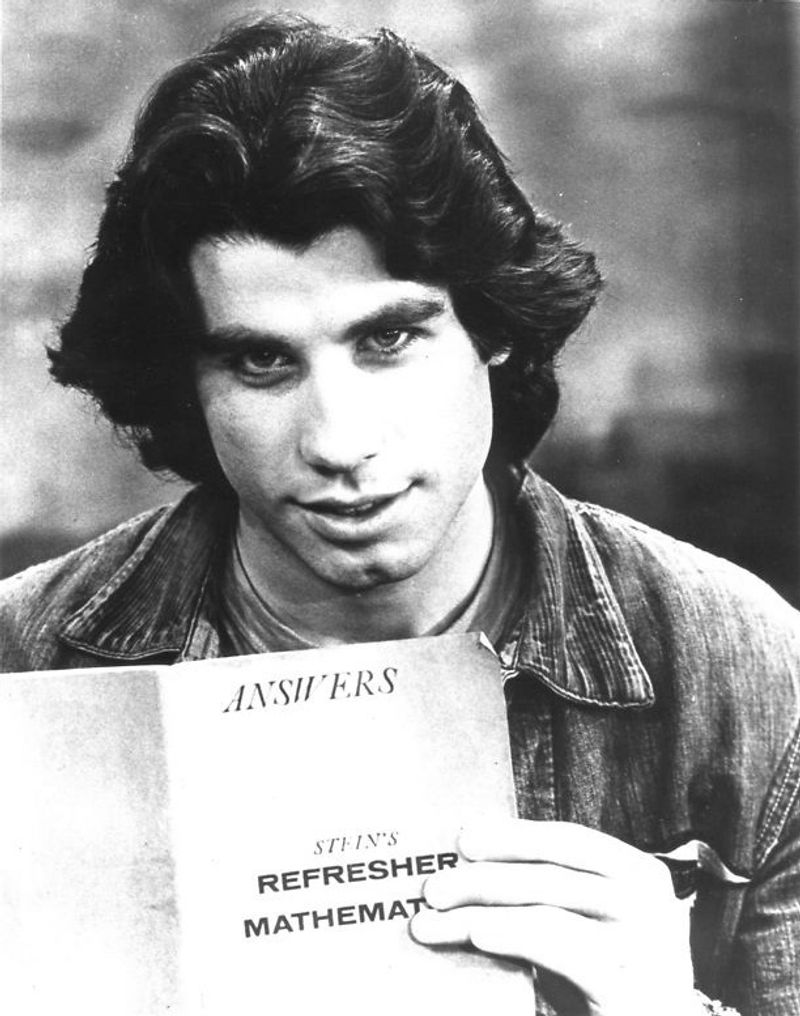
Saturday Night Fever arrived in 1977 and turned John Travolta into one of the most recognizable faces in Hollywood almost overnight. The film followed Tony Manero, a young Brooklyn store clerk who found his identity on the disco dance floor, and the story connected with audiences who understood exactly what it felt like to want more out of life.
Travolta’s white suit, slicked hair, and fluid dance moves became shorthand for the entire disco era. The film’s soundtrack, led by the Bee Gees, sold tens of millions of copies and helped push disco to the peak of its mainstream popularity.
The Library of Congress later recognized the film’s cultural significance, which is not something that happens for movies without lasting impact. Travolta followed Saturday Night Fever with Grease in 1978, making back-to-back blockbusters that cemented his place as the defining male movie star of the late 1970s.
Donna Summer
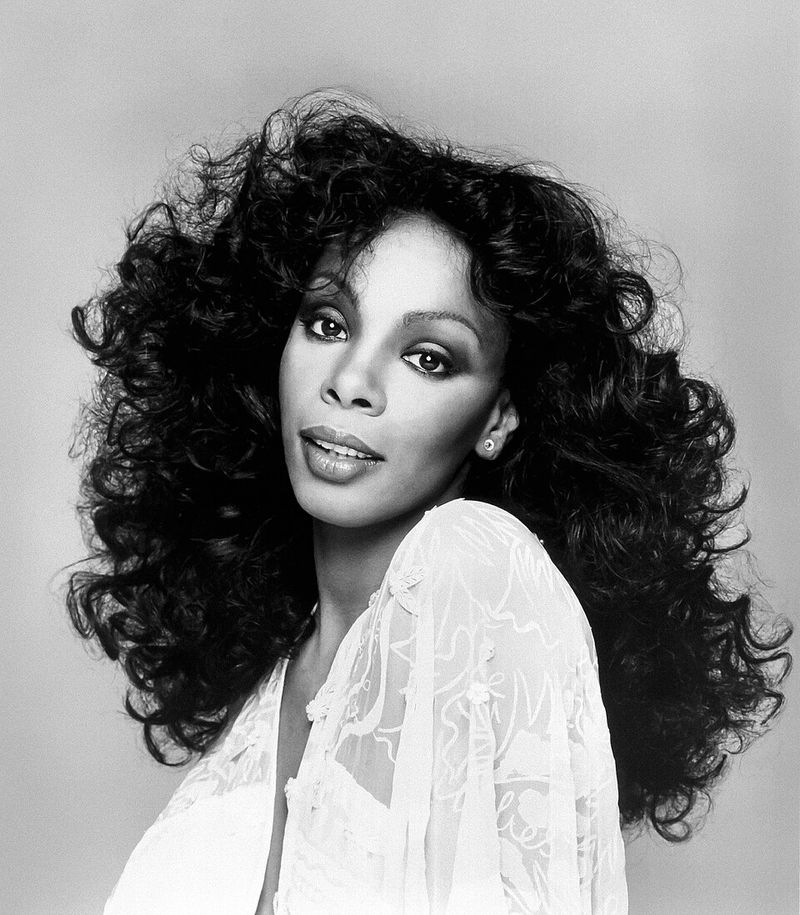
Donna Summer did not just sing disco songs. She helped shape what disco could be as a musical genre.
The Rock and Roll Hall of Fame recognized her as the Queen of Disco, a title that reflected both her commercial success and her genuine influence on how dance music developed throughout the decade.
Her 1975 recording of Love to Love You Baby ran for over 16 minutes and pushed the boundaries of what a pop single could do at the time. I Feel Love, released in 1977 and produced by Giorgio Moroder, used synthesizers in a way that pointed directly toward the electronic dance music that would dominate decades later.
Summer was also a skilled vocalist who could handle ballads and gospel-influenced material alongside her club hits. Last Dance won her an Academy Award for Best Original Song in 1978, proving she had range well beyond the dance floor.
Her catalog still gets played regularly by DJs around the world.
Stevie Wonder
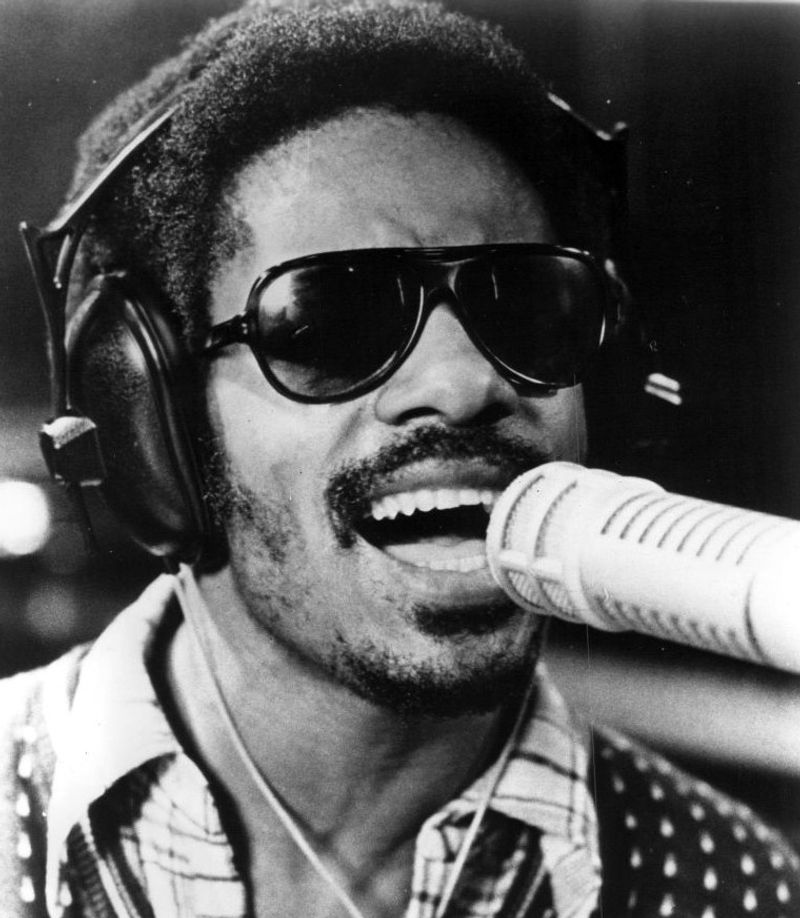
Between 1972 and 1976, Stevie Wonder produced a run of albums that music historians still refer to as one of the greatest creative periods any artist has ever had. Talking Book, Innervisions, Fulfillingness’ First Finale, and Songs in the Key of Life each received enormous critical and commercial success, and several won Grammy Awards for Album of the Year.
What made this stretch so remarkable was the range Wonder covered across those records. He wrote about love, social justice, spirituality, and everyday life with equal skill, and he played most of the instruments himself in the studio.
The Rock and Roll Hall of Fame highlights his voice, piano playing, songwriting, and social conscience as the qualities that set him apart. Songs in the Key of Life, released in 1976, is regularly listed among the greatest albums ever recorded.
Wonder’s 1970s work did not just define a decade; it set a standard that most artists spend careers trying to reach.
Dolly Parton
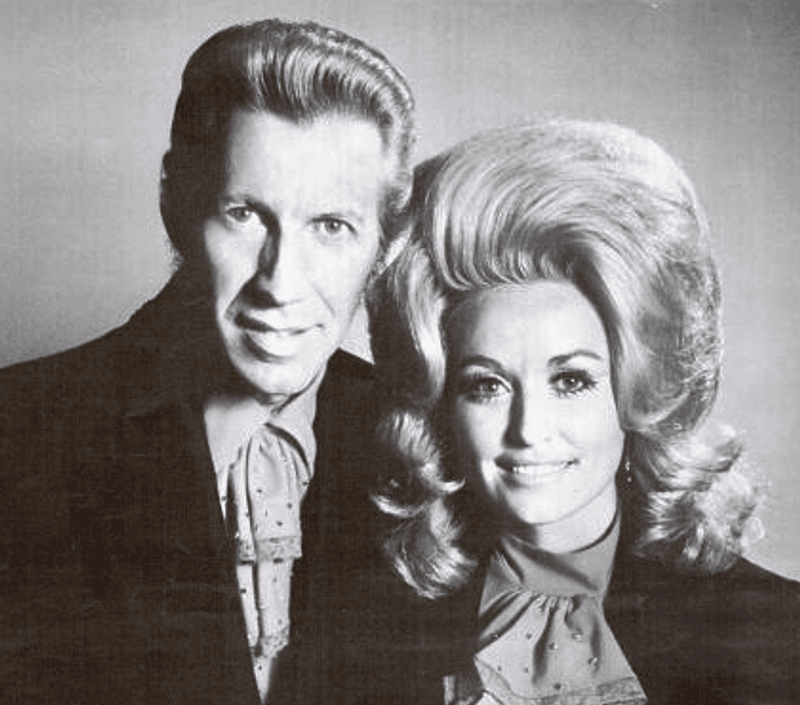
Dolly Parton’s 1974 album Jolene contained two songs that would follow her for the rest of her career. The title track, Jolene, became her second No. 1 country single and has since been covered by hundreds of artists across nearly every genre imaginable.
I Will Always Love You, also from that album, became one of the most famous songs in country music history before Whitney Houston’s 1992 version introduced it to an entirely new generation.
What makes Parton’s 1970s run especially impressive is that she was doing all of this on her own terms. She wrote her own material, fought for creative control, and built a public image that was entirely her own creation, rhinestones, big hair, and all.
Her humor and self-awareness kept her from ever being dismissed, and her songwriting talent earned respect from critics who might have overlooked a pure pop star. Parton has always been much more complex than any single label could capture.
Elton John
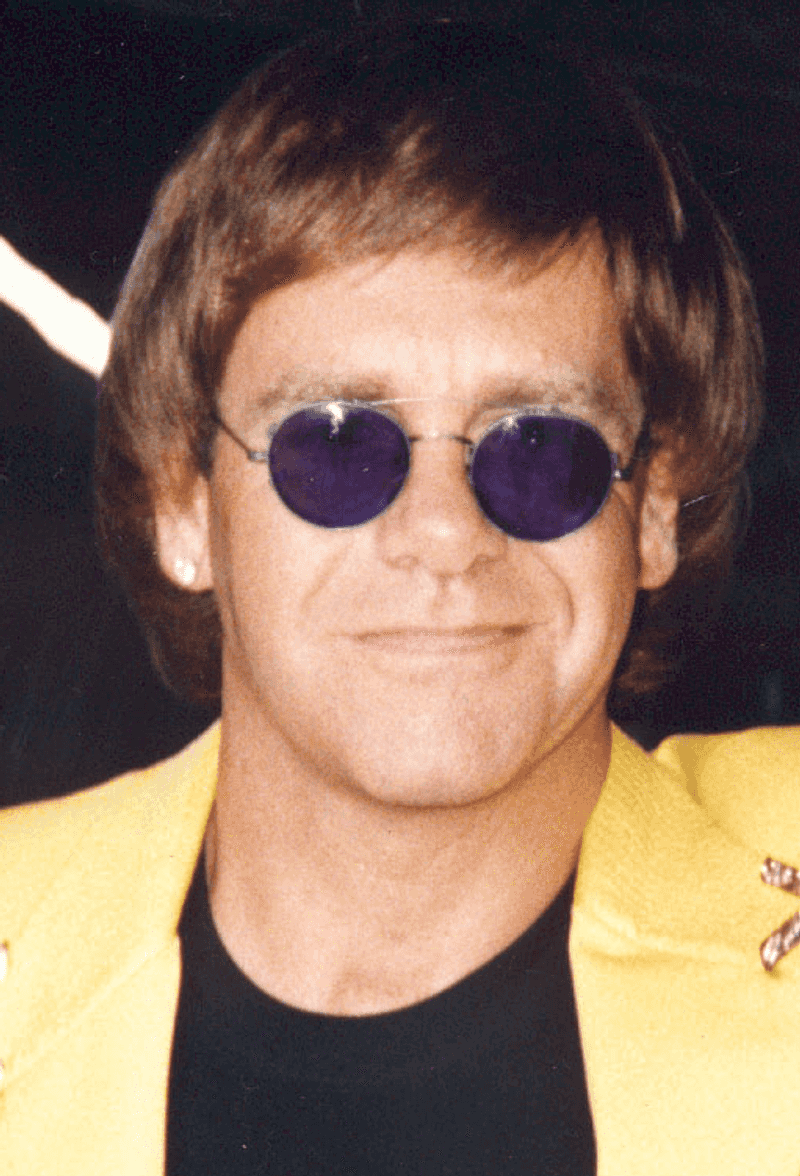
Elton John’s 1970s output was staggering by almost any measure. His official timeline documents 12 studio albums released during the decade, a pace that would have been remarkable even if the quality had been average.
The quality was anything but average.
Goodbye Yellow Brick Road, released in 1973, is regularly cited as one of the greatest double albums in rock history, containing hits like Bennie and the Jets, Candle in the Wind, and the title track. Rocket Man had already arrived in 1972 and established him as a songwriter capable of genuine emotional depth wrapped inside pop songcraft.
His stage costumes, oversized glasses, and theatrical performances made him one of the most visually distinctive performers of the era. Collaborating almost exclusively with lyricist Bernie Taupin, Elton John built a catalog in the 1970s that radio stations around the world have never stopped playing.
His influence on pop, rock, and piano-driven music remains enormous.
Elvis Presley
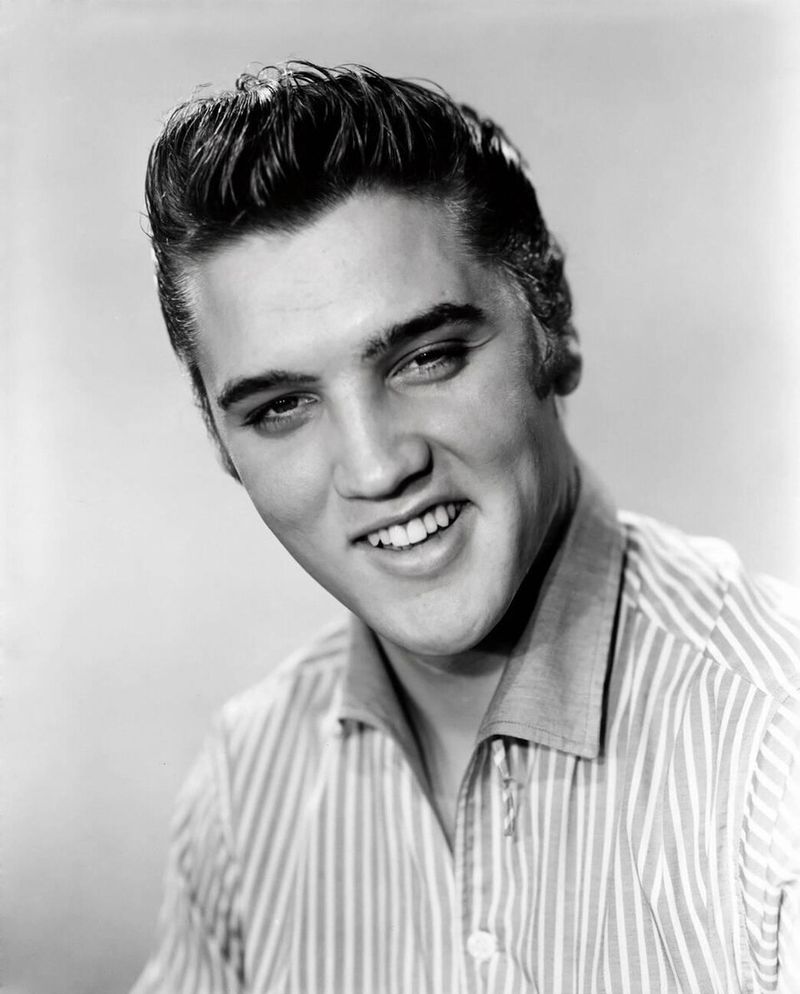
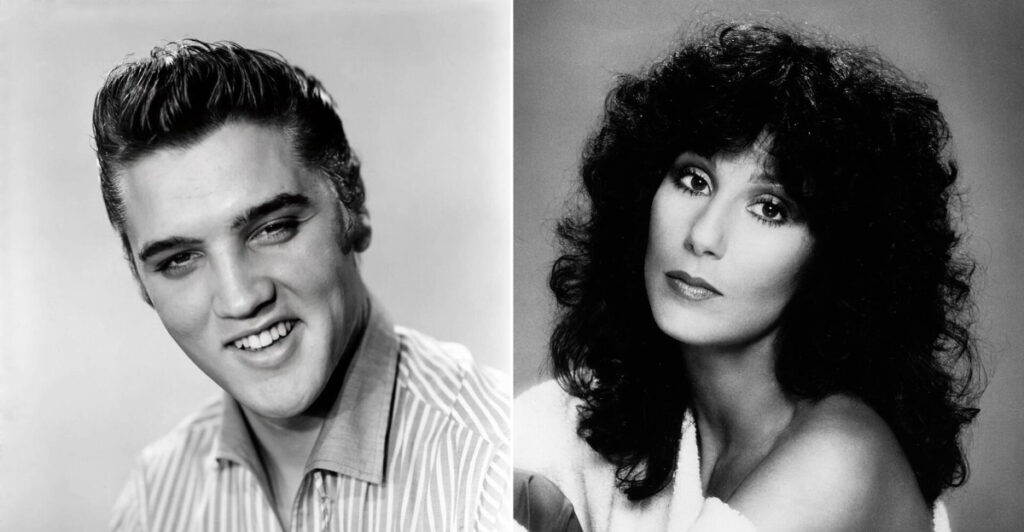
By the time the 1970s arrived, Elvis Presley had already been famous for nearly two decades, but the decade gave him a new visual identity that became just as iconic as his early rock and roll years. His Las Vegas concert residency drew massive crowds and introduced the sequined jumpsuit look that most people picture when they think of his later career.
The 1973 Aloha from Hawaii television special was broadcast via satellite to audiences across Asia and parts of Europe, making it one of the most widely watched entertainment events of the early decade. Graceland notes that the concert represented a genuine milestone in how entertainment could reach global audiences through technology.
Elvis Presley passed away in August 1977, but his 1970s performances kept his name at the center of global entertainment culture right up until the end. Graceland in Memphis remains one of the most visited private homes in the United States, a testament to how enduring his legacy has proven to be.
Gloria Steinem
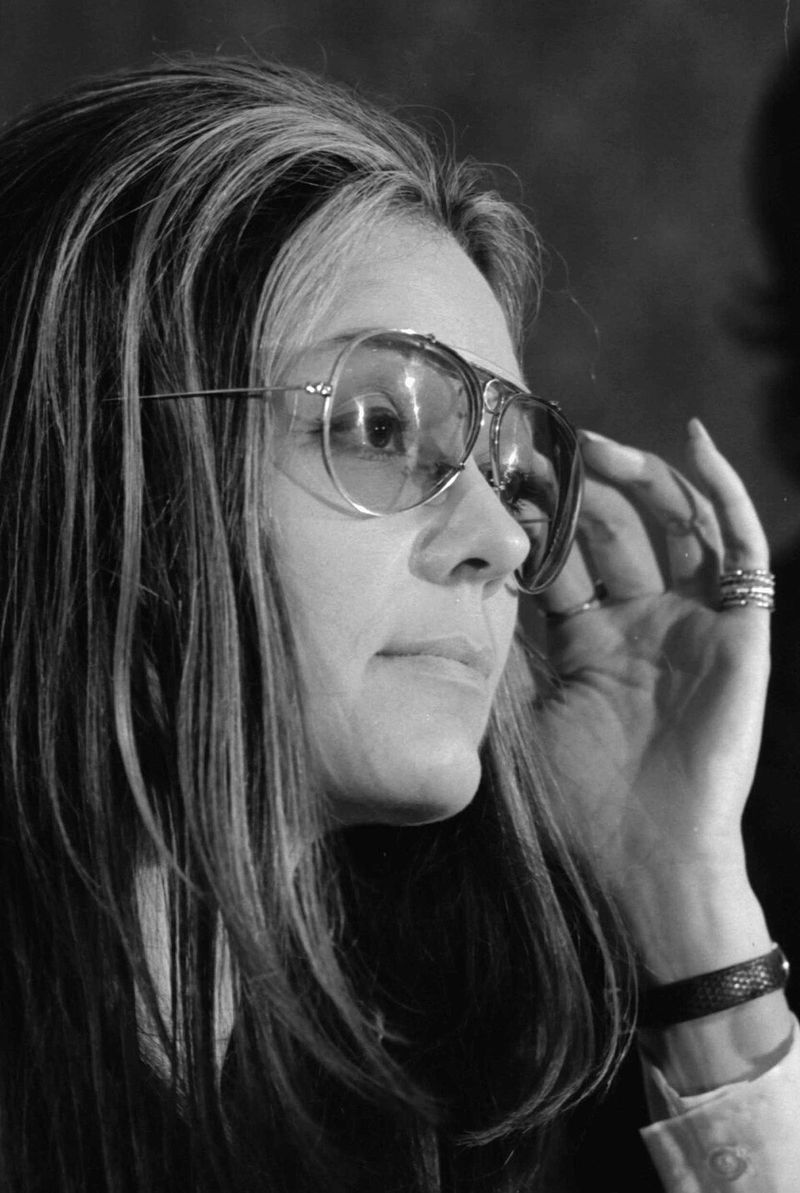
Gloria Steinem became the public face of second-wave feminism during the 1970s at a moment when the conversation about women’s rights was reshaping American society. She was a journalist first, and her writing brought sharp analysis to issues that mainstream media was often slow to take seriously.
In 1972, she co-founded Ms. magazine, which gave the feminist movement its own major publication and created a platform that had not previously existed in that form. Steinem remained one of the magazine’s editors for 15 years, guiding its coverage through some of the most consequential debates of the era.
What separated Steinem from many public figures of the time was her ability to communicate complex ideas in plain, direct language that reached people who had never considered themselves activists. She organized, marched, wrote, and spoke across the country with remarkable consistency.
Decades later, her name remains synonymous with the fight for gender equality in America.
Bruce Lee
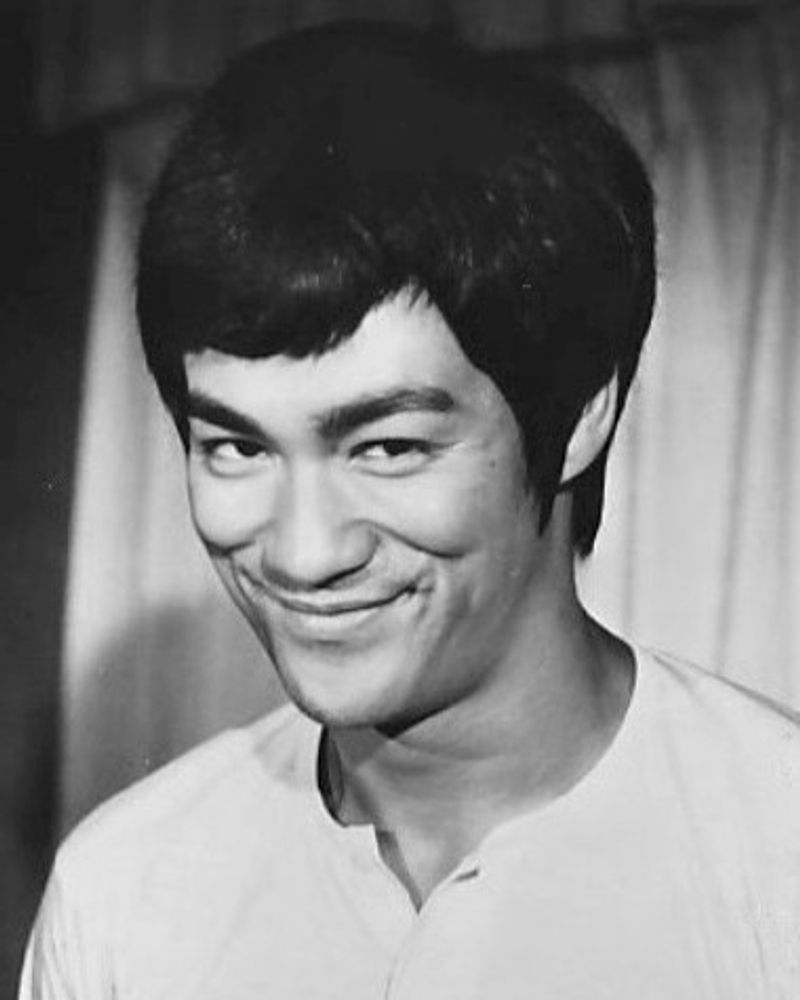
Bruce Lee’s career was tragically short, but his impact on global popular culture was immediate and permanent. Enter the Dragon, released in July 1973 just days after his passing, became one of the highest-grossing martial arts films ever made and introduced his extraordinary physical skill to audiences worldwide who had never seen anything like it.
The Library of Congress later selected Enter the Dragon for preservation in the National Film Registry, recognizing it as a culturally significant work. That kind of recognition does not come easily, and it reflects how seriously film historians take the movie’s lasting influence.
Lee’s significance extended well beyond action filmmaking. He challenged stereotypes about Asian actors in Hollywood, developed his own martial arts philosophy called Jeet Kune Do, and brought a level of athleticism to the screen that changed how fight choreography was approached for generations.
His image remains one of the most recognizable in the history of action cinema.
ABBA
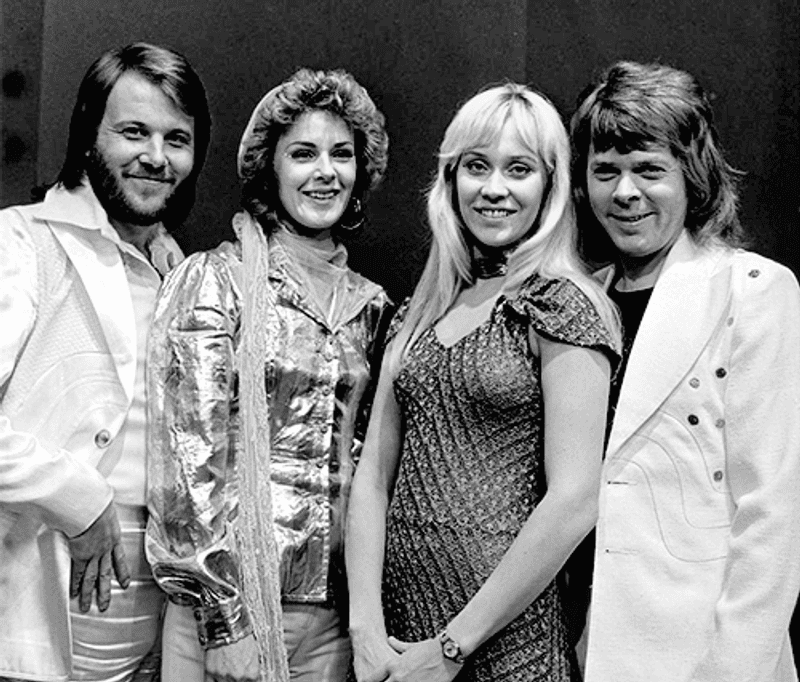
On April 6, 1974, four Swedish musicians walked onto a stage in Brighton, England, and performed a song called Waterloo. By the time the Eurovision Song Contest voting was finished that night, ABBA had won the competition and set themselves on a path toward becoming one of the best-selling music acts in history.
The group’s formula combined polished two-part harmonies from Agnetha Faltskog and Frida Lyngstad with catchy melodies and production from Benny Andersson and Bjorn Ulvaeus. Songs like Dancing Queen, Fernando, and The Winner Takes It All became global hits that crossed language and cultural barriers with ease.
ABBA’s bright costumes, synchronized choreography, and unapologetically fun pop sound stood apart from the harder rock and singer-songwriter styles that dominated much of the decade. Their music never really went away, and a 2021 comeback album proved that new generations were just as ready to embrace them as the 1970s audiences had been.
Freddie Mercury And Queen
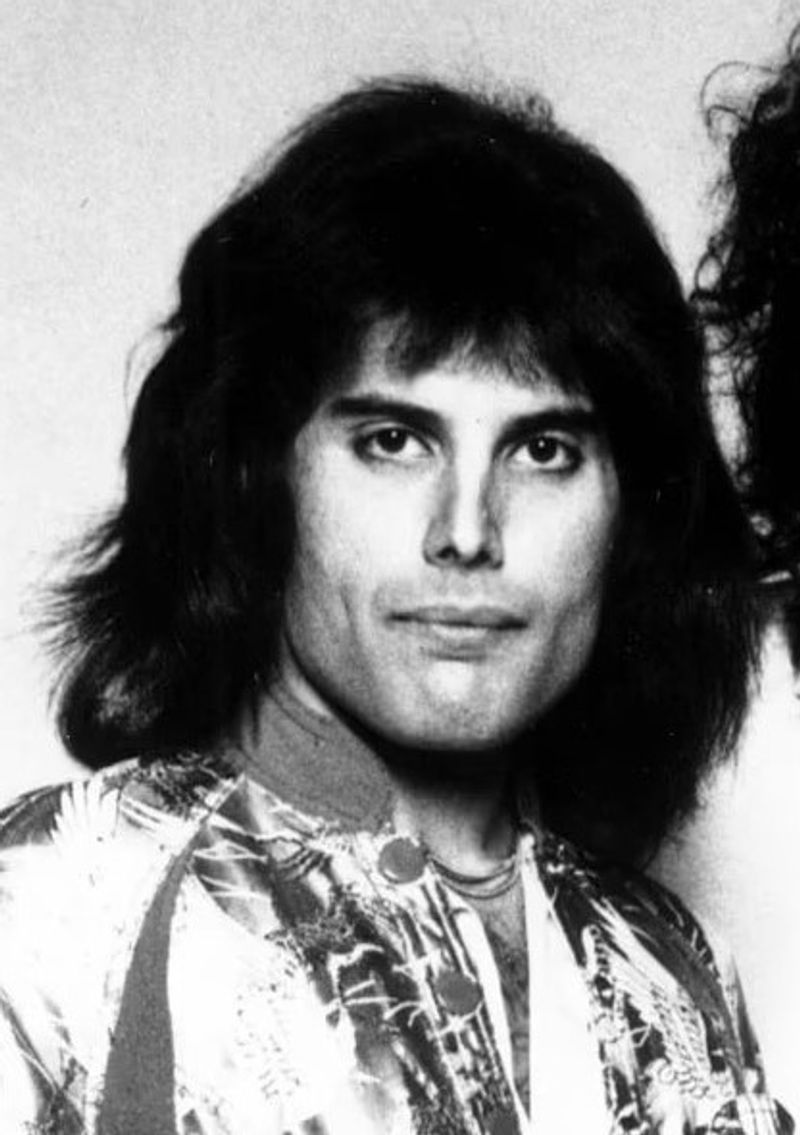
Bohemian Rhapsody arrived in 1975 and immediately confused radio programmers who had no idea how to categorize a nearly six-minute song that shifted from ballad to operatic section to hard rock without apology. Queen released it anyway, and it became one of the most beloved rock recordings ever made.
The Rock and Roll Hall of Fame lists it among the songs that shaped rock and roll, which places it in rare company. Freddie Mercury’s voice was the centerpiece, capable of covering an extraordinary range with both technical precision and raw emotional power.
Queen’s 1970s albums, including A Night at the Opera, News of the World, and Jazz, showed a band that refused to stay in one lane. Mercury’s stage presence was theatrical and commanding in a way that few performers before or since have matched.
The band’s 1970s catalog remains in constant rotation on rock radio stations more than four decades after those records were made.
Cher
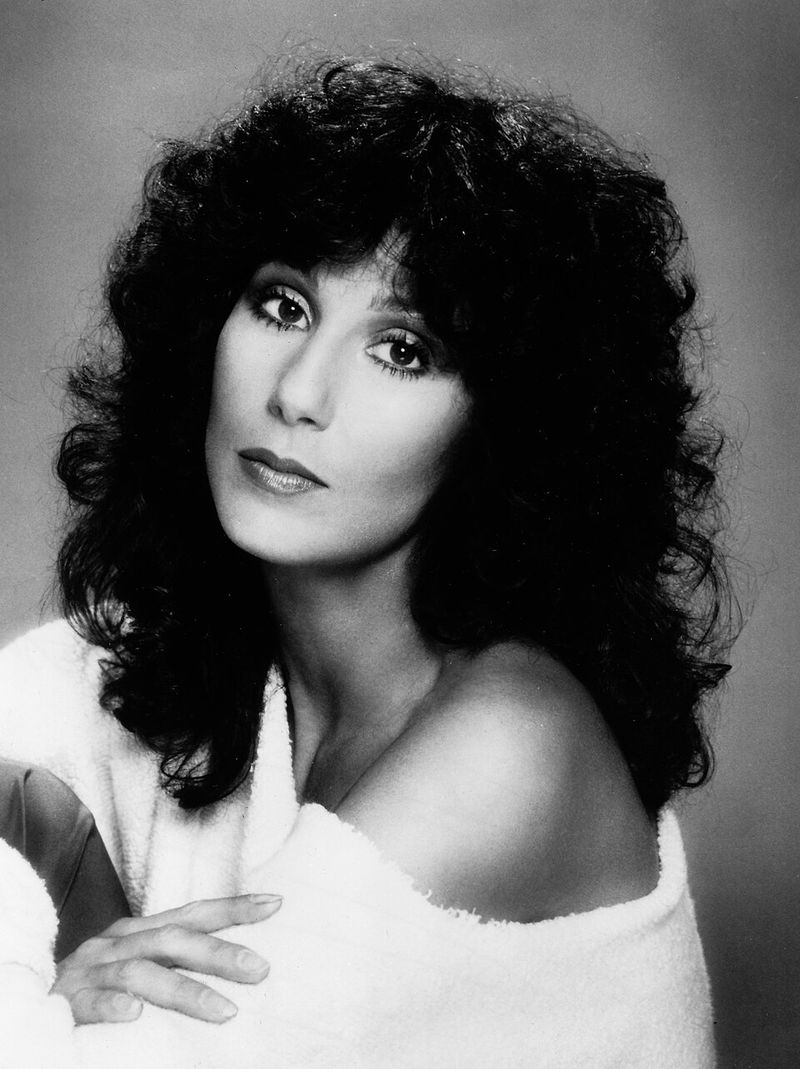
Cher entered the 1970s as one half of Sonny and Cher, but the decade revealed how much larger her talent and ambition were than any single format could hold. The Sonny and Cher Comedy Hour became a major television hit, giving her a weekly platform to showcase her humor, her voice, and the extraordinary Bob Mackie-designed costumes that made fashion headlines every episode.
The Rock and Roll Hall of Fame specifically highlights those Mackie outfits as part of what made her image so unforgettable. They were bold, sometimes barely-there, and completely her own choice, which sent a message about self-expression that resonated deeply with audiences.
When the show ended and her personal life changed publicly, Cher did not retreat. She launched a solo career that produced hits and kept her name relevant through shifting musical trends.
The 1970s showed that she was not a novelty act or a sidekick but an enduring performer with genuine staying power on her own terms.
Diana Ross
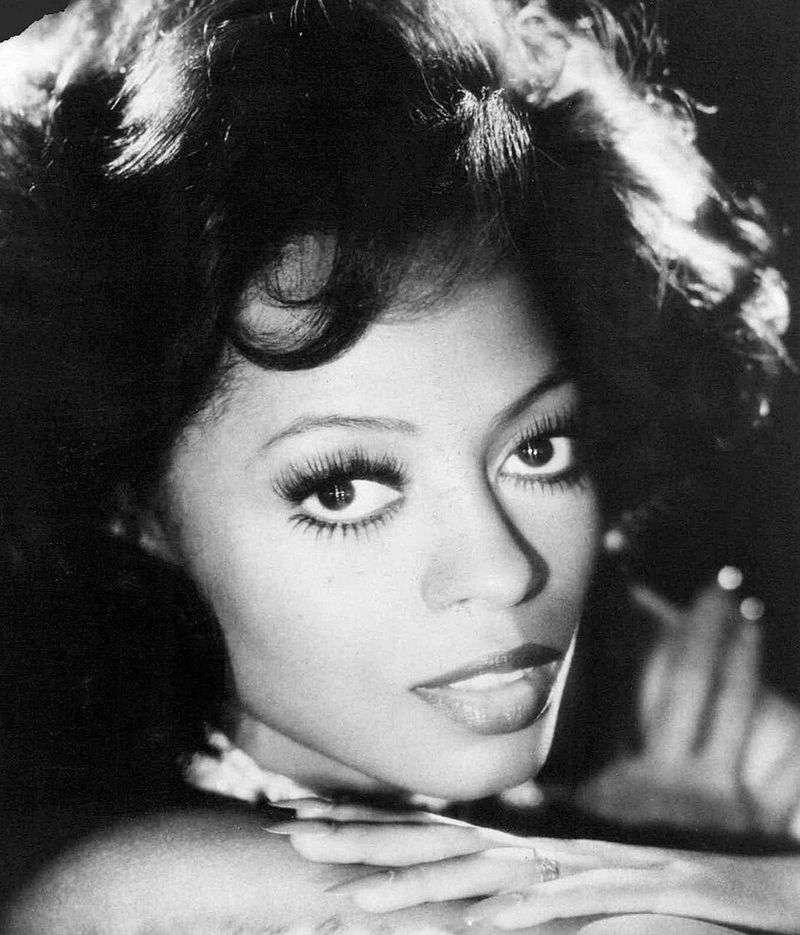
Diana Ross left the Supremes at the start of 1970 and immediately began building one of the most varied and impressive solo careers of the decade. Her transition from group star to individual icon was not guaranteed, and the fact that she pulled it off so completely says a great deal about her talent and drive.
Her 1972 performance as Billie Holiday in Lady Sings the Blues earned her an Academy Award nomination for Best Actress, a recognition that placed her among the serious dramatic performers of the era rather than simply the pop world. She followed that with starring roles in Mahogany in 1975 and The Wiz in 1978, maintaining a film presence throughout the decade.
Her music career ran alongside all of this, with hit singles keeping her on the charts regularly. Ross combined glamour, vocal ability, and screen presence in a way that few entertainers of any era have managed to sustain across so many different platforms simultaneously.
Share this story