 Unearth The Voyage
Ever wonder which countries consume the most alcohol per person? Some nations have deep cultural ties to drinking, whether through wine, beer, or spirits.
Looking at liters of pure alcohol consumed per capita each year, we can see fascinating patterns across the globe. Here are the 20 countries where people drink the most, ranked from lowest to highest consumption.
20. Spain: 11.0 L
Spaniards know how to enjoy life, and wine flows freely at nearly every meal. From sangria in Barcelona to Rioja in the north, drinking is woven into the social fabric.
Tapas bars fill with friends sharing small plates and drinks after work, making alcohol a natural part of daily routines.
Spanish culture celebrates food and drink together, never rushing through meals. Wine is considered an essential companion to lunch and dinner.
Many families even serve diluted wine to older children during special occasions, teaching moderation early.
The Mediterranean diet includes moderate wine consumption, which some studies link to health benefits. Beer consumption has grown recently, especially among younger generations.
Festivals and fiestas across Spain feature local drinks, from cava to vermouth.
At around 11 liters of pure alcohol per person yearly, Spain ranks 20th globally. This might seem high, but it reflects a culture where drinking is social rather than excessive.
Most consumption happens during meals with family and friends, emphasizing enjoyment over intoxication.
19. Andorra: 11.1 L
Tucked between Spain and France in the Pyrenees Mountains, tiny Andorra punches above its weight in alcohol consumption. This microstate attracts millions of tourists yearly for skiing and duty-free shopping.
Low taxes make alcohol incredibly cheap, influencing both residents and visitors to drink more.
With a population under 80,000, Andorra’s statistics can shift dramatically with tourist consumption. Ski resorts feature apres-ski traditions where people gather for drinks after hitting the slopes.
French and Spanish drinking cultures blend here, creating unique social customs.
Wine and beer dominate consumption patterns, though spirits are also popular. Many residents commute from France or Spain for work, bringing different drinking habits.
The country’s small size means nearly everyone lives within minutes of bars and restaurants.
At 11.1 liters per capita, Andorra barely edges past Spain. Tourism makes these numbers tricky to interpret since visitors boost consumption statistics.
Still, the combination of mountain culture, low prices, and international influences keeps drinking rates elevated year-round.
18. Australia: 11.2 L
Australians have built a reputation as enthusiastic drinkers, with pub culture deeply embedded in national identity. From beachside breweries to city bars, drinking spots are everywhere.
The phrase “going for a drink with mates” captures how social gatherings often revolve around alcohol.
Beer traditionally dominates Australian drinking, with brands like Foster’s known worldwide. Wine production has exploded in recent decades, making Australia a major exporter.
Young people increasingly favor craft beers and cocktails, diversifying consumption patterns.
Sports events and barbecues almost always include alcohol, creating countless drinking occasions. The hot climate encourages cold beer consumption, especially during summer months.
However, public health campaigns have worked to reduce excessive drinking among youth.
At 11.2 liters annually per person, Australia ties with France at 18th place. This represents a decline from previous decades when rates were higher.
Changing attitudes toward health and drinking have shifted patterns, though alcohol remains central to Australian social life and celebration.
17. France: 11.2 L
French wine culture is legendary, with vineyards covering the countryside and wine appearing at nearly every meal. From Bordeaux to Burgundy, different regions produce distinctive varieties that locals consume with pride.
Wine is considered an art form, not just a beverage, and children learn appreciation from an early age.
Lunch often includes a glass of wine, even on workdays, though this tradition is fading in cities. Dinner without wine feels incomplete to many French families.
Champagne celebrates special occasions, while pastis and other aperitifs start social gatherings.
France has seen declining alcohol consumption over recent decades as health awareness grows. Younger generations drink less than their parents and grandparents did.
Still, wine remains deeply connected to French identity and gastronomy.
Consuming 11.2 liters per capita yearly, France shares 17th place with Australia. This might surprise people who imagine the French drinking constantly.
The reality is moderate daily consumption rather than binge drinking, reflecting a culture that values quality over quantity in all things culinary.
16. Hungary: 11.3 L
Hungarian drinking traditions run deep, with palinka (fruit brandy) holding special cultural significance. This potent spirit is homemade in many households and offered to guests as a sign of hospitality.
Wine regions like Tokaj produce world-famous sweet wines that Hungarians have enjoyed for centuries.
Beer consumption has increased dramatically since the fall of communism in 1989. International brands now compete with local breweries across Budapest and beyond.
Young people favor beer, while older generations stick with wine and spirits.
Thermal baths and spa culture sometimes include beer spas where people soak in beer-infused water. Ruin bars in Budapest have become famous tourist destinations, serving creative cocktails in abandoned buildings.
These unique venues blend history with modern drinking culture.
At 11.3 liters per person annually, Hungary ranks 16th worldwide. Economic factors influence consumption, as alcohol remains relatively affordable.
Social drinking is common, with friends gathering at pubs and homes regularly. The combination of traditional spirits and modern beer culture keeps rates elevated across all age groups.
15. Belarus: 11.4 L
Belarusian drinking culture mirrors that of neighboring Russia, with vodka playing a central role. Strong spirits dominate consumption patterns, often consumed straight in shots.
Social gatherings, celebrations, and even business meetings frequently involve drinking, creating numerous consumption occasions.
Beer has gained popularity in recent years, especially among younger people seeking alternatives to hard liquor. However, vodka remains the drink of choice for most adults.
Homemade spirits are common in rural areas, where traditions run strong.
Cold winters contribute to drinking culture, as alcohol provides warmth and comfort during long, dark months. Economic challenges have not reduced consumption significantly, as alcohol remains affordable and accessible.
Some view drinking as a way to cope with difficult circumstances.
Belarus consumes 11.4 liters per capita yearly, tying with Seychelles and Saint Lucia at 15th place. Government efforts to reduce excessive drinking have had limited success.
The cultural acceptance of heavy drinking, combined with easy availability, keeps rates high despite health warnings and public campaigns aimed at moderation.
14. Seychelles: 11.4 L
Paradise islands might seem like unlikely heavy drinking locations, but Seychelles surprises many with its consumption rates. Tourism drives much of the alcohol industry, with resorts offering tropical cocktails and imported spirits.
Locals also drink regularly, blending African, French, and British influences into unique patterns.
Beer is extremely popular, with local brewery Seybrew dominating the market. The tropical heat makes cold beer especially appealing after work or at the beach.
Rum also features prominently, reflecting the island’s history and Caribbean connections.
Small population size means statistics can be misleading, as tourist consumption affects per capita calculations. Still, locals do drink substantially, with social gatherings often centered around alcohol.
Fishing communities have strong drinking traditions, and celebrations always include plenty of beverages.
At 11.4 liters per person annually, Seychelles ties with Belarus and Saint Lucia. The combination of tourism, tropical climate, and cultural factors keeps consumption elevated.
Island life moves at a relaxed pace, and drinking fits naturally into the social rhythm of beach barbecues and sunset gatherings year-round.
13. Saint Lucia: 11.4 L
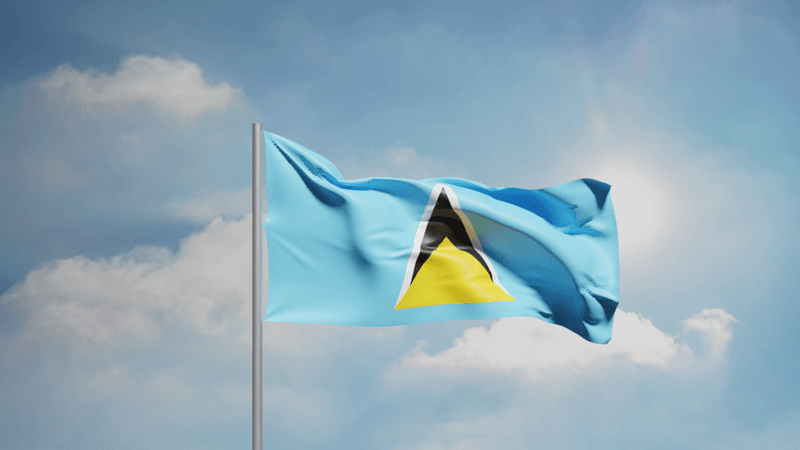
Caribbean culture and drinking go hand in hand, and Saint Lucia exemplifies this connection perfectly. Rum production and consumption dominate the island’s alcohol landscape.
Local distilleries produce world-class rum that residents drink straight, mixed, or in tropical cocktails throughout the year.
Tourism significantly impacts drinking statistics, as visitors consume heavily at all-inclusive resorts. Beach bars serve frozen drinks from morning until late night.
Locals also enjoy drinking socially, with rum shops dotting every village and neighborhood across the island.
Friday nights transform into street parties called “jump-ups” where music, dancing, and drinking blend together. Beer consumption has grown alongside rum, with both imports and regional brands available everywhere.
The warm climate encourages constant hydration, often with alcoholic beverages mixed in.
Saint Lucia consumes 11.4 liters per capita yearly, matching Belarus and Seychelles at 13th place. The small population makes these numbers volatile, but drinking is undeniably central to island culture.
Celebrations, festivals, and everyday socializing all include alcohol, reflecting centuries of Caribbean traditions and modern tourism influences combined.
12. Bulgaria: 12.46 L
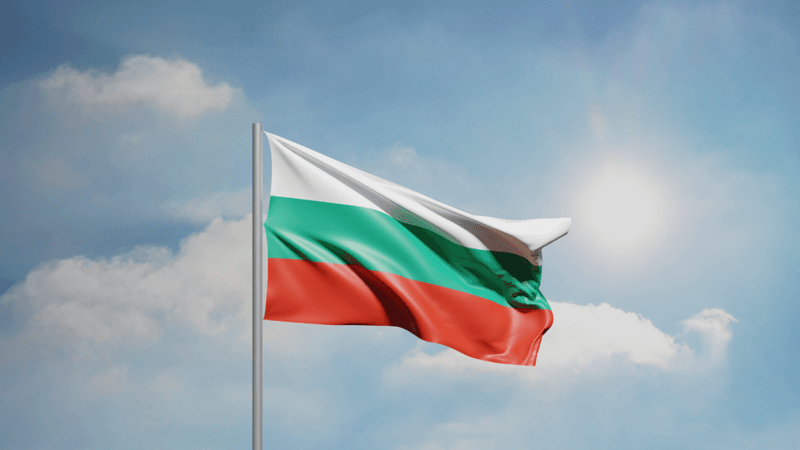
Bulgarian drinking traditions blend Balkan and Eastern European influences into distinctive patterns. Rakia, a fruit brandy similar to Serbian slivovitz, is the national spirit.
Homemade versions are common, with families passing down recipes through generations. This potent drink starts many meals and celebrations.
Wine production has ancient roots in Bulgaria, with vineyards dating back thousands of years. Red wines from regions like Thrace compete internationally while remaining affordable domestically.
Beer consumption has increased dramatically since the 1990s, appealing especially to younger drinkers seeking lighter options.
Social drinking occurs regularly, with friends gathering at mehanas (traditional restaurants) and modern bars alike. Toasting is an important ritual, with elaborate toasts preceding each drink.
Economic hardships have not reduced consumption significantly, as alcohol remains relatively inexpensive and culturally important.
At 12.46 liters per person annually, Bulgaria ranks 12th globally. This represents a significant jump from countries below it on the list.
The combination of strong spirits, wine traditions, and growing beer culture creates multiple drinking occasions. Both urban and rural populations drink regularly, maintaining high consumption rates across different demographics.
11. Uganda: 12.48 L
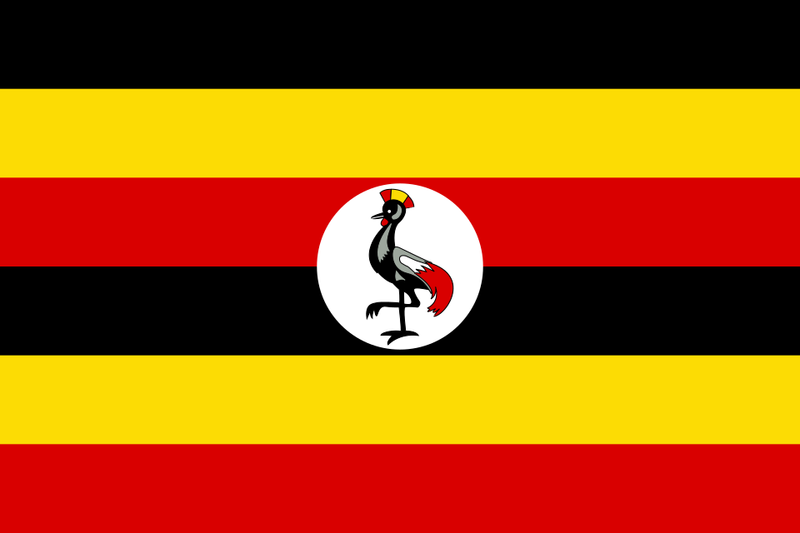
Uganda stands out as Africa’s heaviest drinking nation, with consumption patterns differing dramatically from European countries. Traditional banana beer and other fermented drinks remain popular in rural areas.
These homemade beverages have lower alcohol content but are consumed in large quantities during social gatherings and ceremonies.
Commercial beer has exploded in popularity as urbanization increases and incomes rise. International brands compete with local breweries across Kampala and other cities.
Spirits, especially gin and waragi (local moonshine), are consumed widely despite being extremely potent and sometimes dangerous.
Drinking often occurs in informal settings like roadside bars and social clubs. Music, conversation, and alcohol blend together in vibrant nightlife scenes.
However, excessive drinking contributes to social problems, with health officials concerned about rising alcoholism rates and related issues.
At 12.48 liters per capita yearly, Uganda barely edges past Bulgaria for 11th place. This makes it notable as the only African country in the top rankings.
The combination of traditional fermented drinks and modern commercial alcohol creates unique consumption patterns. Celebrations, funerals, and everyday socializing all include drinking as a central element.
10. Portugal: 12.5 L
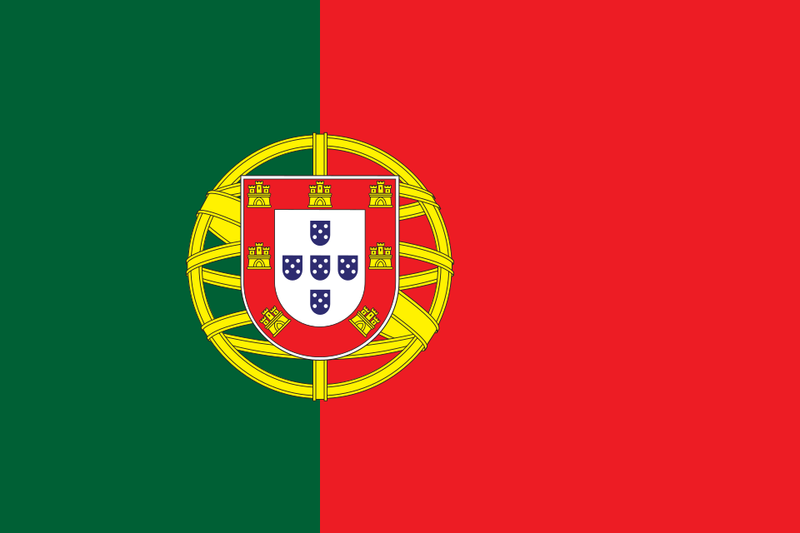
Portuguese drinking culture centers around wine, with port and vinho verde being world-famous exports. Every region produces distinctive wines that locals consume with meals daily.
Wine is considered essential to Portuguese cuisine, complementing seafood, meat, and cheese perfectly. Moderation is valued, with excessive drunkenness generally frowned upon.
Beer consumption has increased in recent decades, especially among younger generations. Super Bock and Sagres dominate the market, appearing at beaches, restaurants, and homes everywhere.
Ginjinha, a cherry liqueur, is a Lisbon specialty that tourists and locals enjoy in tiny glasses.
Social drinking happens in tascas (small taverns) and modern bars throughout cities and villages. Families gather for long meals where wine flows freely but responsibly.
The Mediterranean lifestyle includes regular but moderate alcohol consumption as part of healthy living.
Portugal consumes approximately 12.5 liters per person annually, landing at 10th place. This reflects a culture where drinking is social and integrated into daily life.
Unlike binge drinking cultures, Portuguese people spread consumption across meals and gatherings. Wine remains the preferred choice, connecting modern life to centuries of viticulture tradition.
9. Ireland: 12.75 L
Irish pub culture is legendary worldwide, with drinking deeply embedded in national identity. Guinness flows from taps across the country, and whiskey distilleries attract tourists and locals alike.
Pubs serve as community centers where people gather for conversation, music, and drinks. The social aspect often matters more than the alcohol itself.
Drinking patterns have shifted over generations, with younger Irish people consuming differently than their parents. Binge drinking on weekends has become common, replacing the traditional pattern of moderate daily consumption.
Health campaigns target excessive drinking, especially among youth, with mixed results.
Whiskey production has boomed in recent years, with craft distilleries opening across Ireland. Jameson remains the most famous export, but smaller brands are gaining recognition.
Beer still dominates overall consumption, with both traditional stouts and modern craft beers popular.
At 12.75 liters per capita annually, Ireland ranks 9th globally. This might surprise people who imagine higher rates given stereotypes.
The reality is that while drinking is central to Irish culture, many people drink moderately. Pubs remain vital social spaces where community bonds form over pints and conversation throughout the year.
8. Lithuania: 12.78 L
Lithuania tops the Baltic states in alcohol consumption, with beer being the beverage of choice. Soviet-era drinking patterns persist, though Western influences have introduced craft beer culture.
Beer gardens fill during summer months, while cozy pubs attract crowds during long, cold winters. Drinking is a regular social activity across all age groups.
Vodka and other spirits remain popular, especially among older generations who grew up during Soviet times. Midus, a traditional honey liqueur, connects modern drinking to ancient Lithuanian traditions.
Homemade spirits are common in rural areas, where traditions run stronger than in cities like Vilnius.
Economic development has increased disposable income, allowing more spending on alcohol. However, this has also brought health concerns as consumption rates climb.
Government efforts to reduce drinking through taxes and restrictions have had limited success against deeply rooted cultural patterns.
At 12.78 liters per person yearly, Lithuania barely edges past Ireland for 8th place. This represents one of the highest rates in the European Union.
The combination of beer culture, spirit traditions, and social acceptance of regular drinking keeps consumption elevated. Cold climate and historical factors contribute to patterns that show little sign of changing soon.
7. Germany: 12.79 L
German beer culture is world-famous, with Oktoberfest symbolizing the nation’s relationship with alcohol. Beer purity laws dating to 1516 ensure quality, and Germans take their brewing seriously.
Beer gardens provide social spaces where families gather, children play, and adults enjoy liter-sized steins. Drinking is woven into the social fabric without the stigma found in some cultures.
Wine regions along the Rhine and Mosel produce excellent whites that locals consume regularly. Schnapps and other spirits accompany meals and celebrations.
Each region has distinctive drinking traditions, from Bavarian beer halls to Rhineland wine festivals throughout the year.
Despite high consumption, public drunkenness is relatively rare and socially unacceptable. Germans generally drink steadily but avoid excessive intoxication.
This reflects a culture that values moderation and responsibility even while consuming substantial amounts regularly.
Germany consumes 12.79 liters per capita annually, ranking 7th worldwide. This barely surpasses Lithuania, showing how close these top countries are.
Beer accounts for most consumption, though wine and spirits contribute significantly. The combination of quality brewing traditions, social beer culture, and regular consumption patterns keeps Germany among the world’s heaviest drinking nations consistently.
6. Moldova: 12.85 L
Moldova, one of Europe’s poorest countries, nonetheless ranks among its heaviest drinkers. Wine production dominates the economy, with massive underground cellars storing millions of bottles.
Moldovan wine culture rivals that of larger nations, with families producing homemade varieties in villages across the countryside. Wine accompanies nearly every meal and social gathering.
Brandy and other spirits are also popular, especially during celebrations and holidays. Drinking is deeply social, with toasts and rituals accompanying each glass.
Economic hardship has not reduced consumption, as locally produced alcohol remains affordable and accessible to most people.
Alcohol-related health problems plague Moldova, with high rates of liver disease and alcoholism. Government efforts to address excessive drinking face cultural resistance and limited resources.
Still, drinking remains central to Moldovan identity and social life despite the problems it creates.
At 12.85 liters per person annually, Moldova ranks 6th globally. This represents a significant amount considering the country’s economic challenges.
Wine production and consumption connect Moldova to ancient traditions while also creating modern problems. The combination of affordability, cultural acceptance, and social importance keeps consumption rates elevated across all demographics and regions.
5. Latvia: 13.19 L
Latvia ranks highest among the Baltic states, with drinking deeply embedded in cultural traditions. Beer dominates consumption, with both traditional and craft breweries thriving.
Riga’s Old Town fills with beer bars and pubs attracting locals and tourists alike. Drinking is a regular part of social life, from casual meetups to major celebrations.
Vodka and other spirits remain popular, reflecting Soviet-era influences that persist decades after independence. Riga Black Balsam, a traditional herbal liqueur, is uniquely Latvian and consumed both medicinally and recreationally.
Winter festivals and summer gatherings both center around alcohol consumption.
Economic growth has increased disposable income, allowing more spending on alcohol and dining out. However, health officials worry about excessive drinking, particularly among young people and men.
Public health campaigns struggle against cultural acceptance of heavy drinking as normal behavior.
At 13.19 liters per capita yearly, Latvia claims 5th place globally. This represents a substantial jump from Germany just below it.
Cold climate, cultural traditions, and social acceptance combine to keep consumption rates extremely high. The combination of beer culture, spirit traditions, and regular social drinking creates patterns that show little sign of declining despite health concerns.
4. Czech Republic: 13.7 L
Czechs drink more beer per capita than anyone else on Earth, making their high overall alcohol ranking unsurprising. Beer culture permeates every aspect of life, with pubs on nearly every corner.
Pilsner was invented in the Czech city of Plzen, giving the country legendary brewing credentials. Beer is cheaper than water in many establishments, encouraging constant consumption.
Prague’s beer halls attract tourists, but locals maintain the traditions that make Czech beer culture unique. Drinking at lunch is normal, even on workdays.
Beer accompanies meals, conversations, and celebrations without any social stigma attached to daytime drinking.
Wine and spirits play smaller roles but still contribute to overall consumption. Becherovka, an herbal liqueur, is a Czech specialty consumed as a digestif.
Slivovitz and other fruit brandies are homemade in rural areas, connecting modern drinking to traditional practices.
The Czech Republic consumes 13.7 liters per person annually, ranking 4th worldwide. This represents exceptional consumption driven primarily by beer.
The combination of quality brewing, affordable prices, and complete cultural acceptance creates a society where drinking is simply part of daily life. Few countries integrate alcohol so seamlessly into everyday routines and social interactions.
3. Georgia: 15.5 L
Georgian drinking culture is ancient, with wine production dating back 8,000 years. Traditional qvevri winemaking uses clay vessels buried underground, creating distinctive flavors.
Wine is sacred in Georgian culture, with elaborate toasting rituals called supras accompanying every gathering. The tamada (toastmaster) leads these ceremonies, ensuring everyone drinks after each toast.
Chacha, a powerful grape brandy, is consumed widely and often homemade. This potent spirit accompanies meals and celebrations, drunk in shots between wine glasses.
Georgians pride themselves on hospitality, which always includes abundant alcohol offered to guests. Refusing drinks can be seen as insulting the host.
Wine flows constantly during meals, with Georgians believing it brings people together. The country’s location at the crossroads of Europe and Asia has influenced drinking traditions for millennia.
Despite economic challenges, alcohol remains affordable and central to social life across all regions.
Georgia consumes 15.5 liters per capita annually, claiming 3rd place globally. This represents a massive jump from the Czech Republic below it.
The combination of ancient wine traditions, strong spirits, and elaborate toasting customs creates exceptional consumption rates. Drinking is not just social but spiritual, connecting Georgians to their history and each other.
2. Romania: 17.1 L
Romania shocks many by claiming second place globally in alcohol consumption. Tuica and palinca, powerful plum brandies, are national drinks consumed in enormous quantities.
Nearly every rural household produces homemade spirits, with recipes passed through generations. These potent drinks often exceed 50% alcohol content, making even small amounts significant.
Wine production is substantial, with regions like Transylvania producing quality varieties. Beer consumption has grown rapidly, especially among younger Romanians embracing modern drinking culture.
However, spirits remain dominant, particularly in rural areas where traditional patterns persist strongly.
Drinking accompanies every social occasion, from weddings to funerals to casual gatherings. Toasting is ritualistic, with elaborate speeches preceding each drink.
Economic hardship has not reduced consumption, as homemade alcohol remains free or extremely cheap. Cultural acceptance of heavy drinking spans all age groups and social classes.
At 17.1 liters per person yearly, Romania far exceeds most European countries. This represents truly exceptional consumption driven by strong spirits and cultural traditions.
Health consequences are severe, with high rates of liver disease and alcoholism. Despite awareness of these problems, drinking remains deeply embedded in Romanian identity and shows little sign of declining in the near future.
1. Cook Islands: 12.97 L
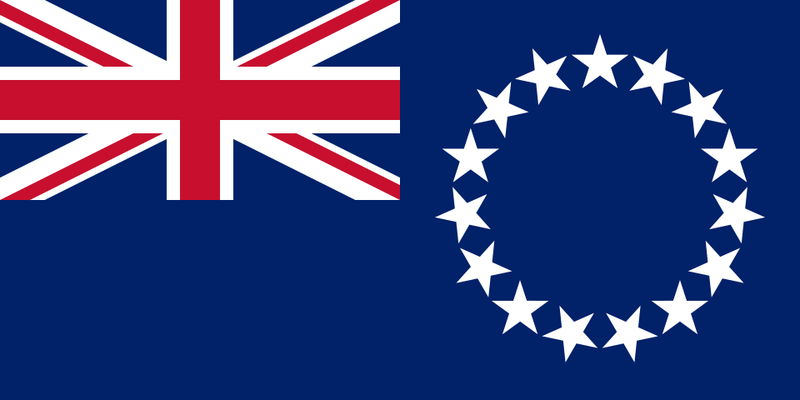
The Cook Islands top this list with the highest alcohol consumption per capita globally. This South Pacific paradise seems an unlikely champion, but several factors explain the ranking.
Tourism drives massive alcohol sales, with resorts offering unlimited drinks to visitors. The tiny population means tourist consumption dramatically affects per capita statistics.
Beer is extremely popular, with both imports and regional brands available everywhere. Tropical cocktails flow constantly at beach bars and resort pools.
Rum features prominently, reflecting Pacific island traditions and the warm climate that encourages cold, refreshing drinks throughout the day.
Locals also drink substantially, with social gatherings centered around alcohol. Friday nights transform into island-wide parties where music, dancing, and drinking blend together.
The relaxed island lifestyle includes regular alcohol consumption without the rushing pace that might limit drinking elsewhere.
At 12.97 liters per person annually, the Cook Islands claim first place. However, this number requires context given the small population and heavy tourist influence.
Still, drinking is undeniably central to island culture, both for residents and visitors. The combination of tourism, tropical climate, and island traditions creates the world’s highest consumption rate by official statistics.



