 Unearth The Voyage
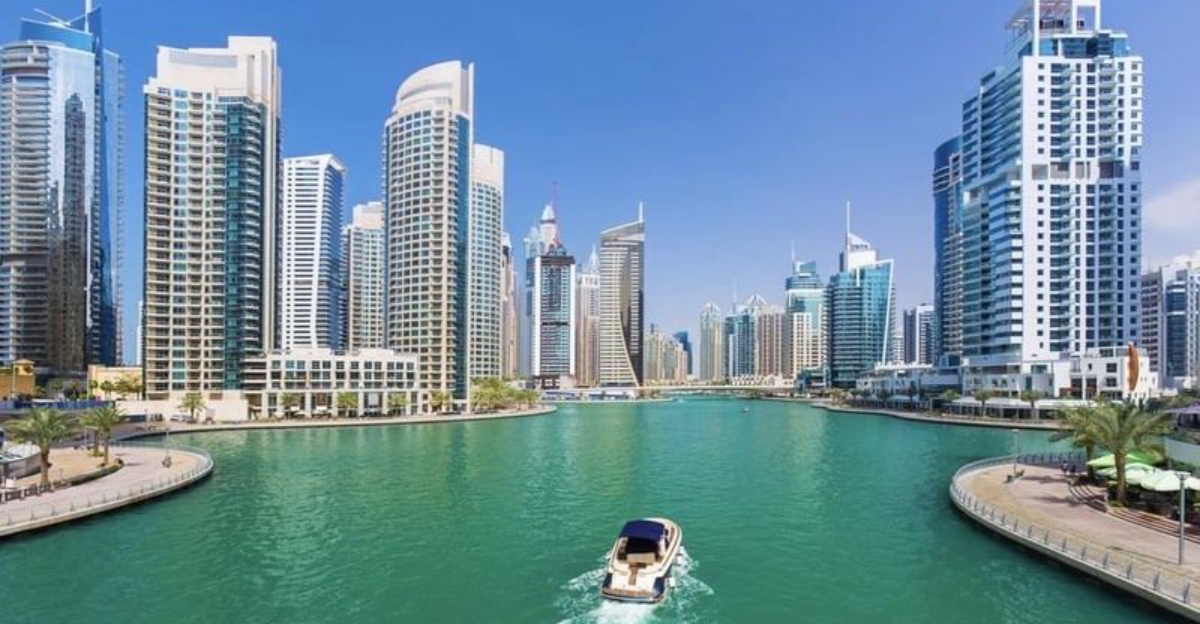
Some cities don’t just exist on a map – they run the world’s economy from behind a skyline. From towering financial districts to buzzing tech corridors, these cities move trillions of dollars every single year.
They create jobs, launch industries, and shape the way people live and work across the globe. Get ready to explore the cities that keep the world’s economic engine running.
1. New York City
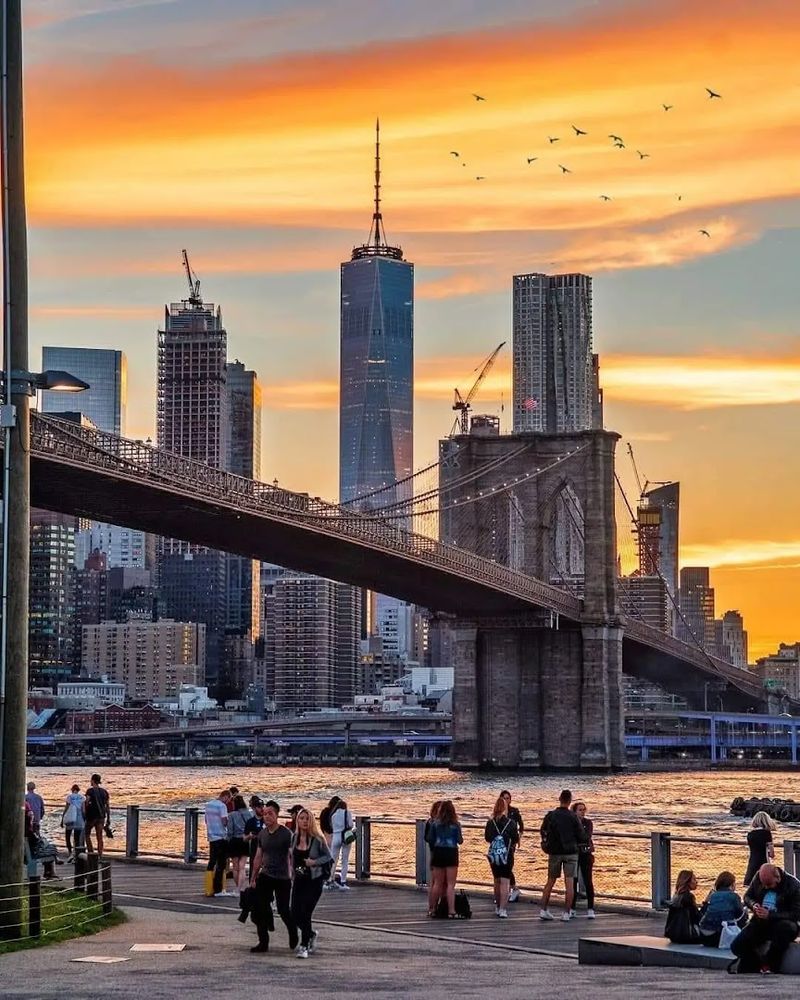
Wall Street doesn’t sleep, and neither does New York City. Home to the New York Stock Exchange and NASDAQ, this city processes more financial transactions in a single day than most countries do in a year.
NYC is a magnet for banks, hedge funds, law firms, and media giants. More Fortune 500 companies are headquartered here than anywhere else on Earth.
The city’s five boroughs pulse with energy from millions of workers, entrepreneurs, and innovators.
Tourism, fashion, tech, and real estate all fuel its massive economy. With a GDP that rivals entire nations, New York City isn’t just America’s financial capital – it’s a serious contender for the title of the world’s most powerful economic hub.
2. San Francisco Bay Area
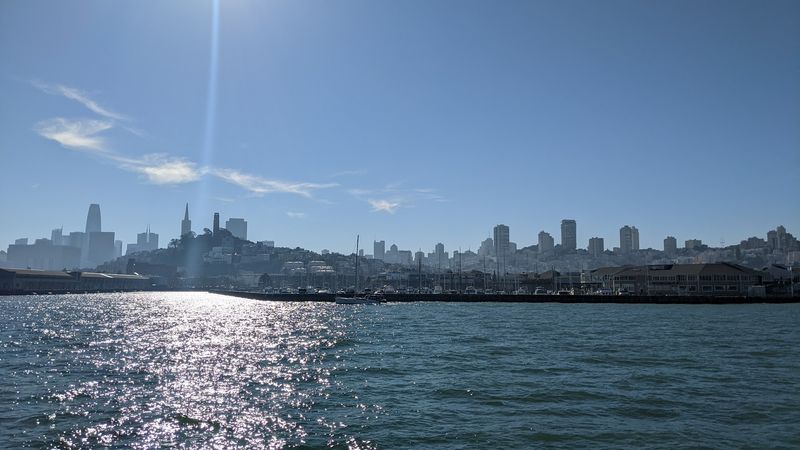
Picture a place where a college dropout in a garage can become a billionaire within a decade – that’s the magic of the San Francisco Bay Area. This region is the undisputed birthplace of the global tech revolution.
Apple, Google, Meta, and hundreds of other tech titans call this area home. Silicon Valley, nestled within the Bay Area, attracts more venture capital funding than almost anywhere else on the planet.
The region’s universities, especially Stanford and UC Berkeley, feed a constant stream of brilliant minds into the workforce. Startups launch here daily, and many grow into world-changing companies.
For anyone interested in technology, innovation, or entrepreneurship, the Bay Area is the ultimate proving ground.
3. London
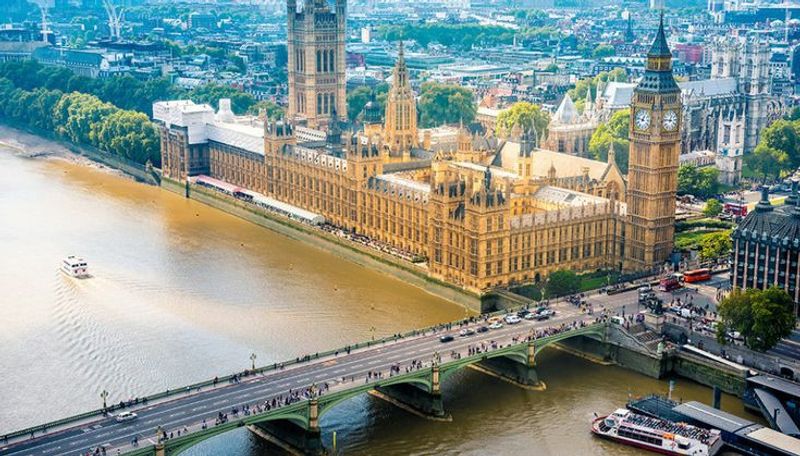
For centuries, London has been the city where empires balanced their books. Today, it remains one of the world’s top financial centers, sitting at the crossroads of global banking, insurance, and currency trading.
The City of London – a square mile nicknamed “the Square Mile” – handles a jaw-dropping share of global foreign exchange every single day. Major banks from every continent maintain offices here.
London’s time zone is also a secret weapon, bridging business hours between Asia and the Americas.
Beyond finance, London thrives in tech, creative industries, fashion, and tourism. Post-Brexit challenges haven’t slowed its momentum much.
With world-class universities and a wildly diverse talent pool, London continues to write its own economic story – boldly and brilliantly.
4. Tokyo
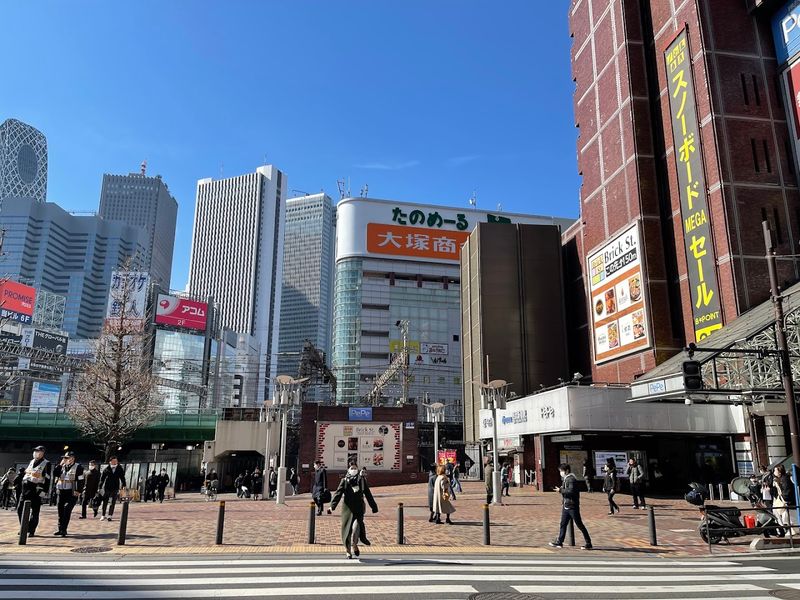
No city on Earth moves quite like Tokyo – fast, precise, and relentlessly forward. Japan’s capital is the largest metropolitan economy in the world, generating a GDP that would rank it among the top ten countries globally.
Tokyo is headquarters to some of the planet’s most recognizable brands: Toyota, Sony, Honda, and Mitsubishi all call this city home. Its stock exchange, the Tokyo Stock Exchange, ranks among the largest by market capitalization worldwide.
The city blends cutting-edge technology with deep-rooted tradition in a way that’s uniquely its own. Manufacturing, robotics, finance, and entertainment all thrive here.
Tokyo’s infrastructure is legendary – bullet trains, spotless subways, and seamless logistics make it a model for urban economic efficiency the world still tries to copy.
5. Shanghai
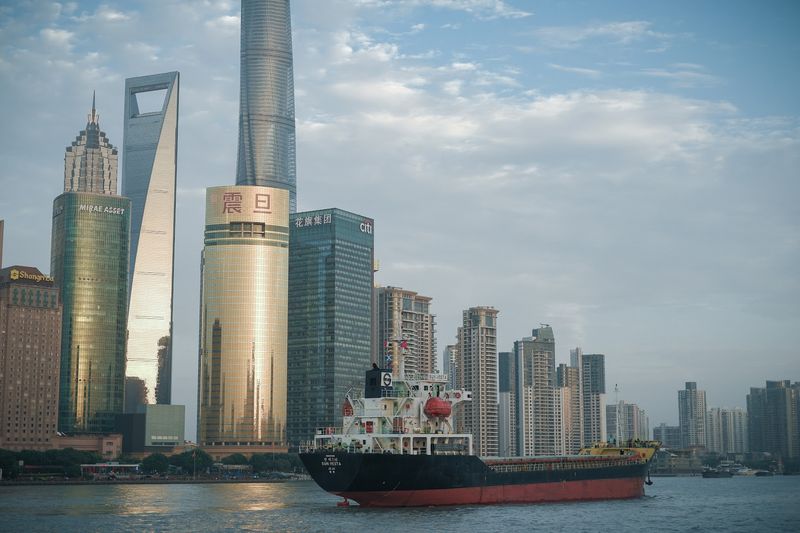
Shanghai rose from a coastal trading post to a global financial powerhouse in what feels like the blink of an eye. China’s largest city by population is also its economic engine, driving trade, manufacturing, and finance on a colossal scale.
The Pudong district’s futuristic skyline tells the story perfectly – gleaming towers house the Shanghai Stock Exchange, international banks, and corporate headquarters. Shanghai’s port is the busiest container port in the world, moving billions of dollars worth of goods every month.
The city attracts massive foreign investment and is a key gateway for companies entering the Chinese market. Luxury retail, fintech, and advanced manufacturing are all booming sectors.
Shanghai isn’t catching up with the world’s great cities anymore – it’s setting the pace.
6. Beijing
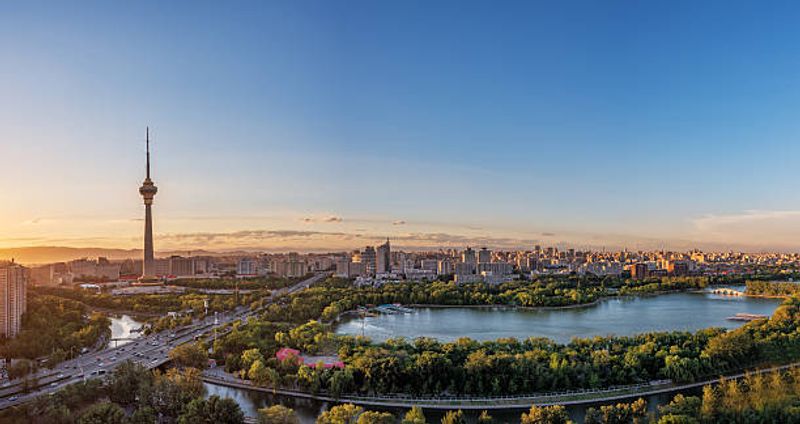
Beijing holds a kind of power that no stock exchange can fully measure – it’s where China’s economic decisions get made. As the nation’s capital, Beijing is the political and administrative heart of the world’s second-largest economy.
The city hosts the headquarters of China’s biggest state-owned enterprises, including China National Petroleum and the Industrial and Commercial Bank of China. These companies operate on a scale that’s hard to wrap your head around.
Beijing is also a rising tech hub, with major players like Baidu, ByteDance, and JD.com all headquartered here.
Its universities produce a staggering number of engineers, scientists, and business leaders every year. Government policy, corporate strategy, and technological ambition all converge in Beijing, making it one of the most strategically influential cities on Earth.
7. Hong Kong
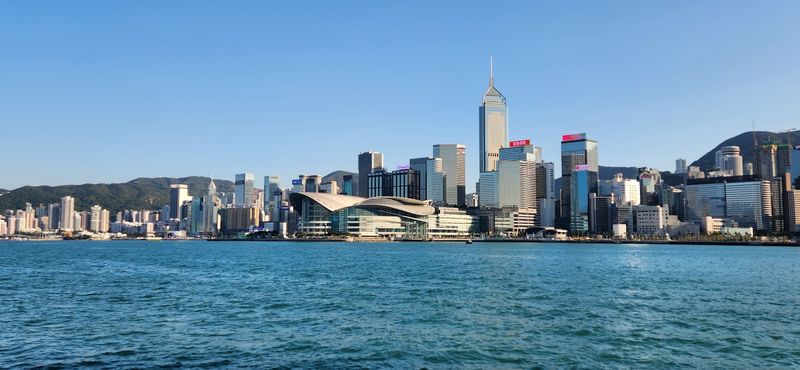
Squeezed between mountains and the sea, Hong Kong packs an extraordinary amount of economic muscle into a remarkably small space. For decades, it served as the golden gateway between China and the rest of the world’s financial markets.
Its stock exchange is one of the largest in Asia, and its free-trade policies made it a dream destination for international businesses. The city’s legal system, once rooted in British common law, gave foreign investors confidence that their assets were protected.
Recent political changes have raised questions about its future, but Hong Kong’s deep financial infrastructure, world-class port, and skilled workforce keep it firmly on the global stage. It remains a critical hub for trade finance, asset management, and cross-border investment across Asia.
8. Singapore
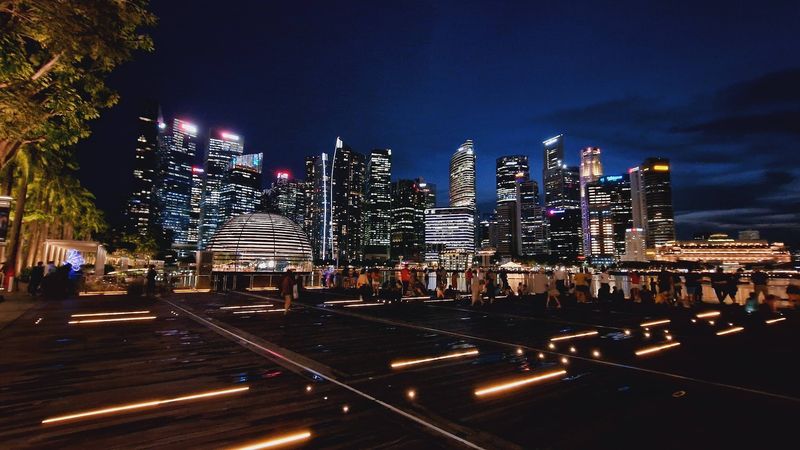
Singapore is proof that a country doesn’t need vast land or natural resources to become an economic titan. This tiny island nation has engineered one of the most impressive economic success stories in modern history.
Strategically positioned at the tip of the Malay Peninsula, Singapore controls some of the busiest shipping lanes on Earth. Its port is among the world’s top two by cargo tonnage year after year.
Low taxes, minimal corruption, and smart governance have made it irresistible to multinational corporations.
Finance, biotech, logistics, and tech all thrive here. Singapore is also Asia’s top wealth management center, attracting billionaires and investment funds from across the continent.
Small in size, enormous in ambition – Singapore punches so far above its weight, it’s almost unfair.
9. Paris
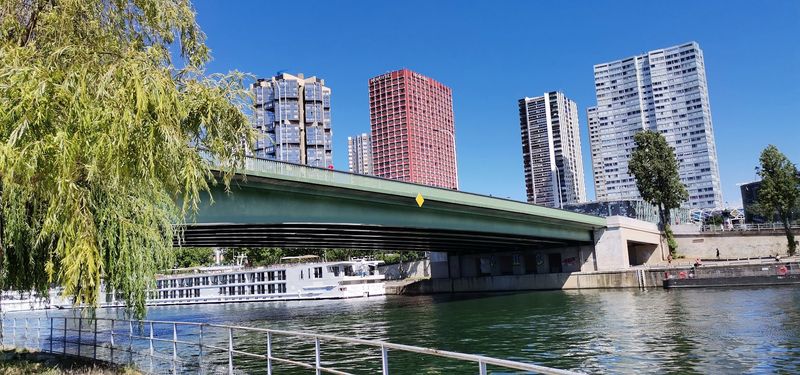
Paris is famous for romance and croissants, but behind the charming cafes lies one of Europe’s most formidable economic machines. France’s capital ranks among the top ten largest metropolitan economies on the planet.
The La Defense business district is Europe’s largest purpose-built business hub, housing the headquarters of dozens of global corporations including TotalEnergies, BNP Paribas, and L’Oreal. Paris dominates the luxury goods industry globally – fashion, perfume, and haute couture are billion-dollar sectors rooted right here.
The city is also a major center for aerospace, with Airbus headquartered in nearby Toulouse and major operations across the region. Paris hosts more international organizations than almost any other city.
Its blend of heritage, talent, and corporate infrastructure makes it a uniquely powerful economic force in Europe.
10. Los Angeles
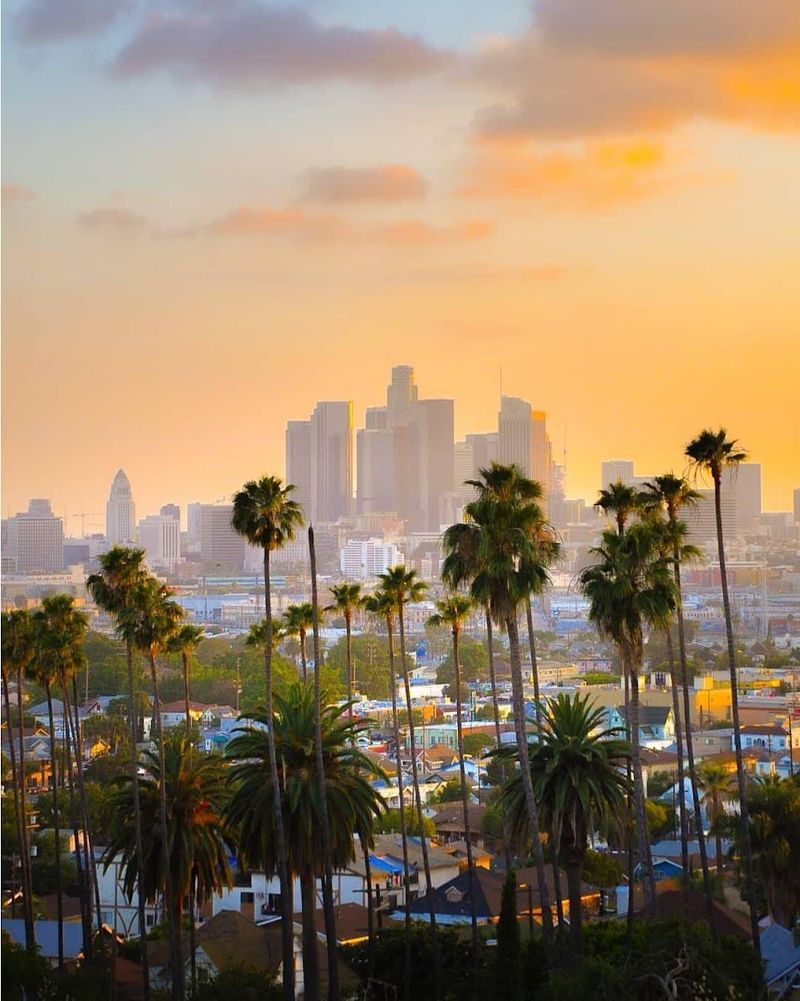
Hollywood gets all the headlines, but Los Angeles runs on a far more diverse economic engine than most people realize. It’s the entertainment capital of the world, yes – but also a massive trade, tech, and manufacturing powerhouse.
The Port of Los Angeles is the busiest container port in the Western Hemisphere, handling hundreds of billions of dollars in trade annually. The city is a hub for the aerospace industry, fashion, and a rapidly growing tech sector sometimes called Silicon Beach.
Creative industries – film, music, gaming, and streaming – generate enormous wealth and employ hundreds of thousands. LA’s economy is so large and varied that it’s often compared to entire countries.
With a GDP topping one trillion dollars, Los Angeles is a true global economic giant hiding in plain sight.
11. Chicago
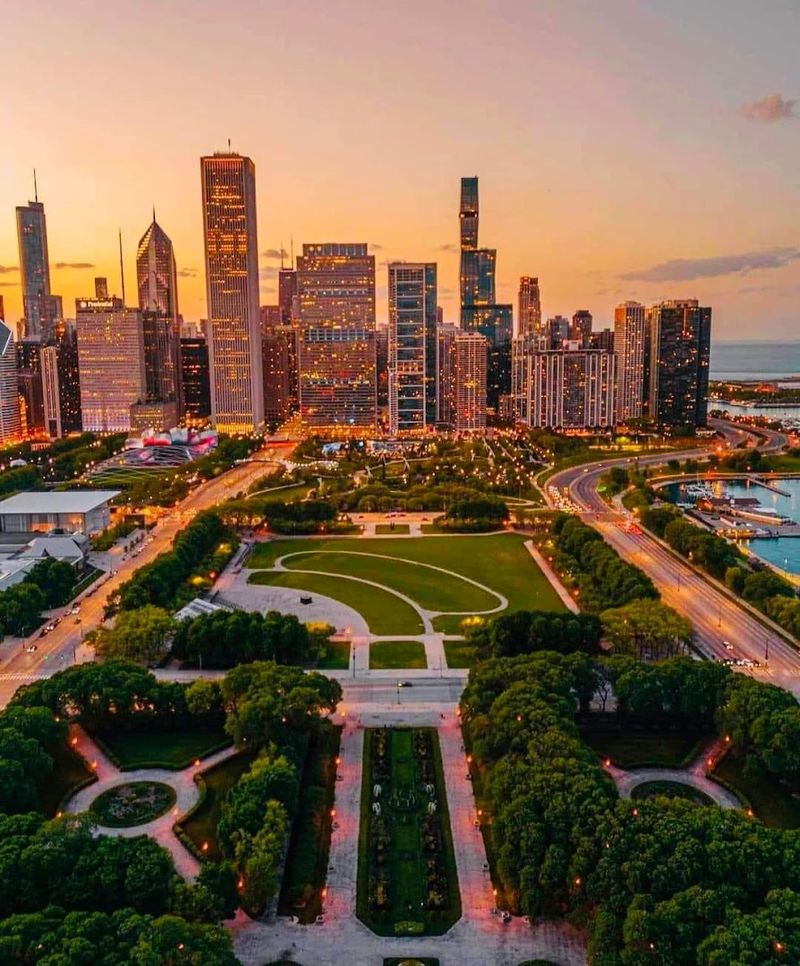
Chicago doesn’t always get the same buzz as New York or LA, but this Midwestern giant quietly runs a massive slice of the global economy. Known as the crossroads of America, Chicago sits at the center of the country’s rail, air, and highway networks.
The Chicago Mercantile Exchange is the world’s largest financial derivatives marketplace, handling trillions of dollars in futures and options contracts every year. Finance, manufacturing, food processing, and professional services all anchor Chicago’s diverse economy.
The city is also a major tech hub, with a booming startup scene and a growing presence of Fortune 500 headquarters including Boeing, Kraft Heinz, and United Airlines. Chicago’s deep talent pool, world-class universities, and strategic location keep it among the most economically influential cities in the United States.
12. Seoul
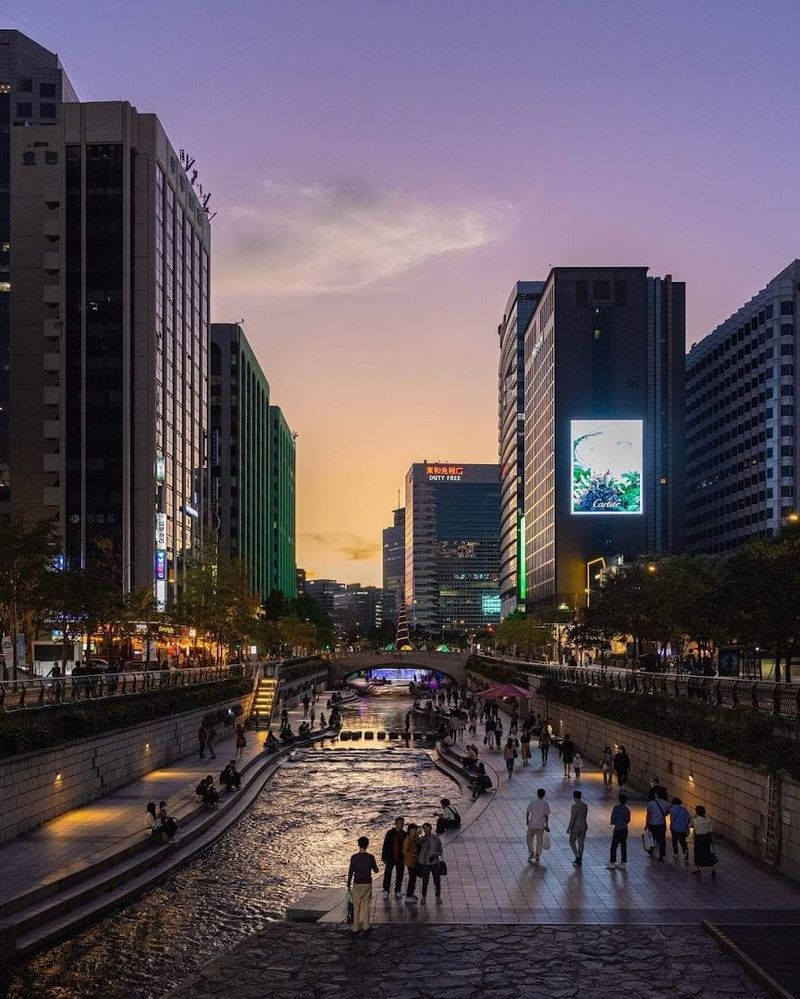
South Korea pulled off one of the most remarkable economic transformations in history, and Seoul was the engine driving every kilometer of that journey. In just a few decades, this city went from war-torn rubble to a gleaming global metropolis.
Samsung, Hyundai, LG, and SK Group all call Seoul home, and together these conglomerates – called chaebols – generate a huge portion of South Korea’s GDP. Seoul’s tech sector is world-class, with blazing-fast internet infrastructure and a culture that embraces innovation obsessively.
The K-pop and Korean entertainment industry, centered in Seoul, has turned into a multibillion-dollar export machine with fans in every corner of the globe. Seoul also ranks as one of Asia’s top financial centers, managing billions in assets and attracting growing foreign investment every year.
13. Shenzhen
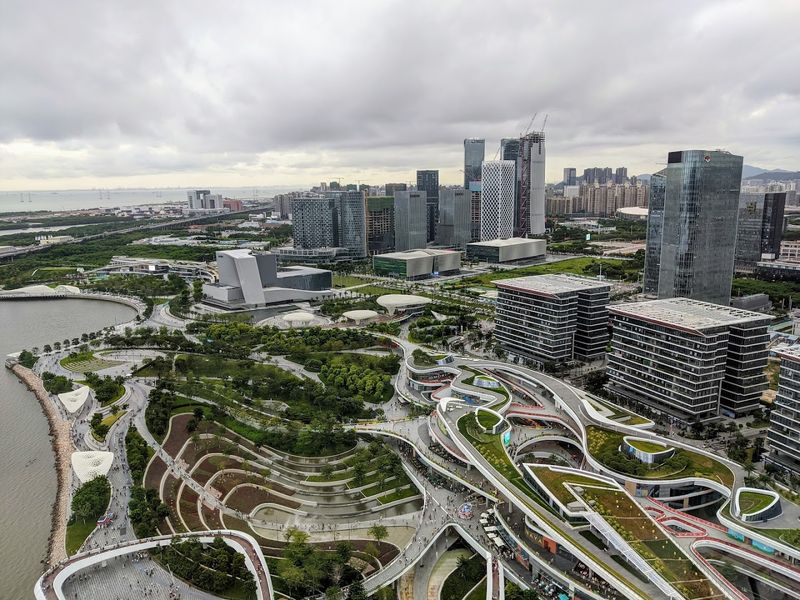
Forty years ago, Shenzhen was a small fishing village. Today, it’s one of the most astonishing economic success stories the modern world has ever witnessed.
China turned this city into a special economic zone in 1980, and it exploded from there.
Shenzhen is now the tech manufacturing capital of the world. Huawei, Tencent, DJI, and BYD are all headquartered here.
The city produces an enormous share of the world’s electronics, smartphones, and electric vehicles. Its Shenzhen Stock Exchange is one of the largest in Asia.
Innovation is baked into Shenzhen’s DNA – the city files more international patents than most countries. Young engineers and entrepreneurs flood in from across China, drawn by opportunity and a startup culture that rewards bold ideas.
Shenzhen is the city that never stops building.
14. Dubai
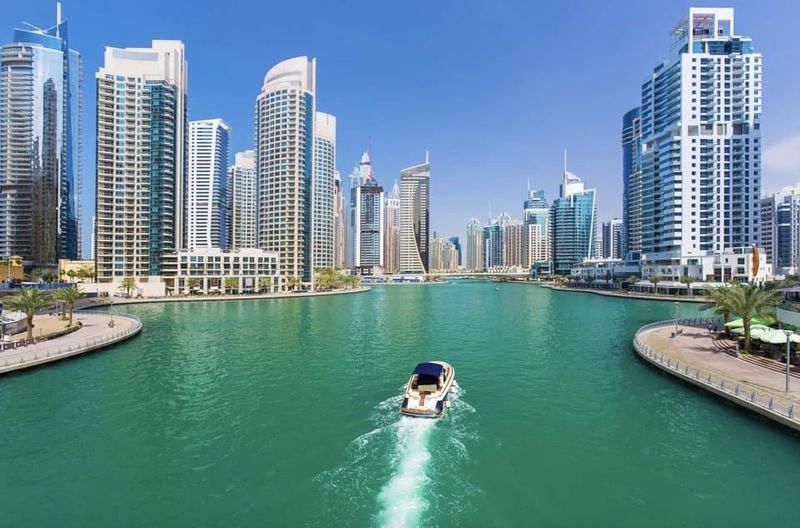
Dubai turned desert sand into a global economic spectacle, and the world couldn’t look away. In just a few decades, this emirate transformed itself from an oil-dependent economy into a hyper-diversified business and tourism powerhouse.
The Burj Khalifa is the world’s tallest building, but Dubai’s real towering achievement is its business ecosystem. Dubai International Airport is one of the busiest in the world for international passengers.
The city hosts major global events, trade expos, and financial summits that draw executives from every continent.
Dubai’s economy is now driven by trade, tourism, real estate, and financial services rather than oil. Its free trade zones offer businesses zero corporate taxes and 100% foreign ownership.
For entrepreneurs and corporations looking to access Middle Eastern and African markets, Dubai is the obvious front door.
15. Frankfurt
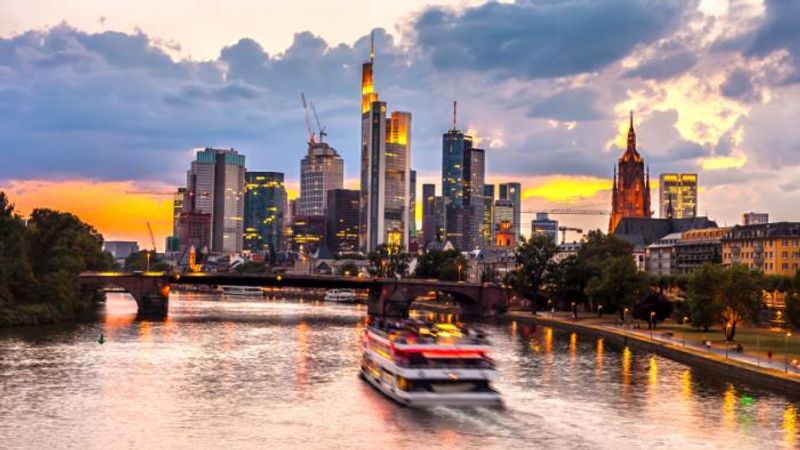
Frankfurt may not be Germany’s capital, but when it comes to money, it absolutely runs the show. This compact city on the Main River is the financial heartbeat of the eurozone, home to the European Central Bank and the Deutsche Bundesbank.
The Frankfurt Stock Exchange, operated by Deutsche Borse, is one of the largest in the world by trading volume. Major global banks including Deutsche Bank, Commerzbank, and dozens of international institutions maintain major operations here.
Frankfurt’s Bankenviertel – its banking district – packs an incredible density of financial power into just a few city blocks.
After Brexit, Frankfurt gained even more prominence as international banks relocated European operations from London. Its world-class airport is also Europe’s second busiest cargo hub, making the city a critical node in global trade and logistics networks.
16. Mumbai
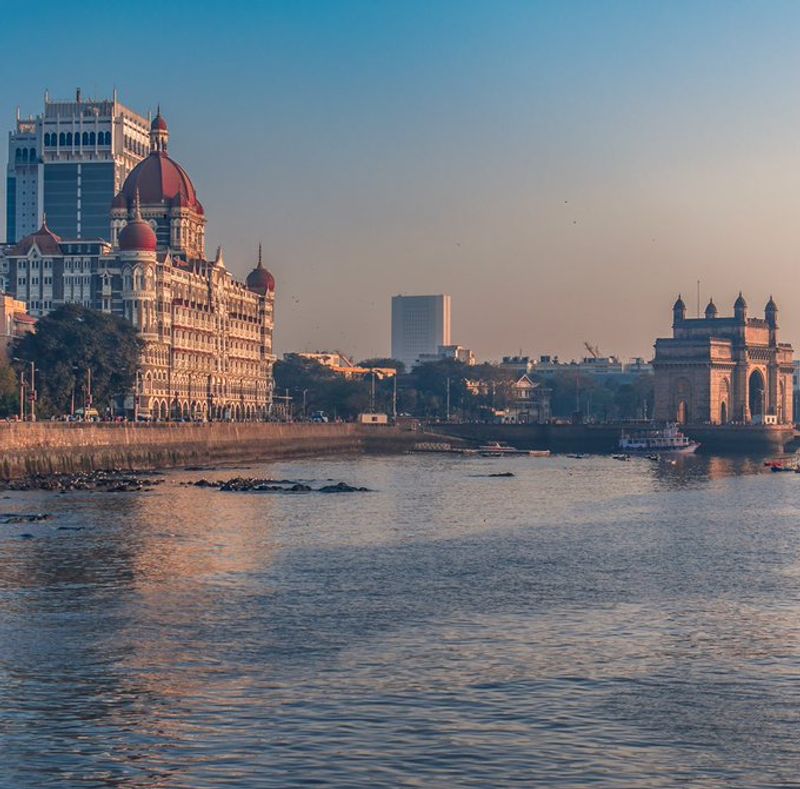
Mumbai is India’s city of dreams, and the numbers back that up completely. This coastal megacity generates roughly six percent of India’s entire GDP on its own – a staggering contribution from a single urban area.
The Bombay Stock Exchange, established in 1875, is Asia’s oldest stock exchange and one of the largest by number of listed companies. Mumbai is home to India’s biggest banks, insurance companies, and investment firms.
Bollywood, the world’s most prolific film industry by output, is also headquartered right here, adding cultural and economic weight.
The city’s dharavi district is one of the world’s most productive informal economies. Mumbai attracts talent from every corner of India, creating a fiercely competitive, endlessly energetic business environment.
As India’s economy continues its rapid rise, Mumbai’s global influence will only grow stronger.
17. Toronto
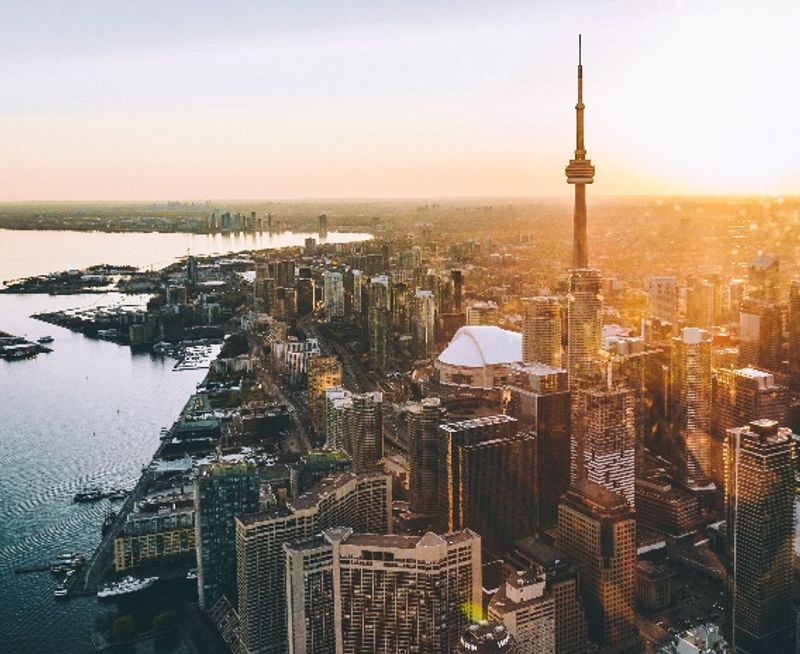
Canada’s largest city doesn’t always grab global headlines, but Toronto’s economic credentials are seriously impressive. The city is consistently ranked among the top ten financial centers in North America, punching well above its weight on the world stage.
Toronto’s financial district, centered on Bay Street, is home to Canada’s Big Five banks and a thriving cluster of insurance companies, asset managers, and investment firms. The Toronto Stock Exchange is the third largest in North America by market capitalization.
The city’s real estate market is one of the most valuable in the world.
Toronto is also one of the most ethnically diverse cities on the planet, which fuels a remarkably dynamic and creative economy. Its growing tech sector, centered in the MaRS Discovery District, is attracting serious investment from global companies eager to tap into Canadian talent.
18. Sydney
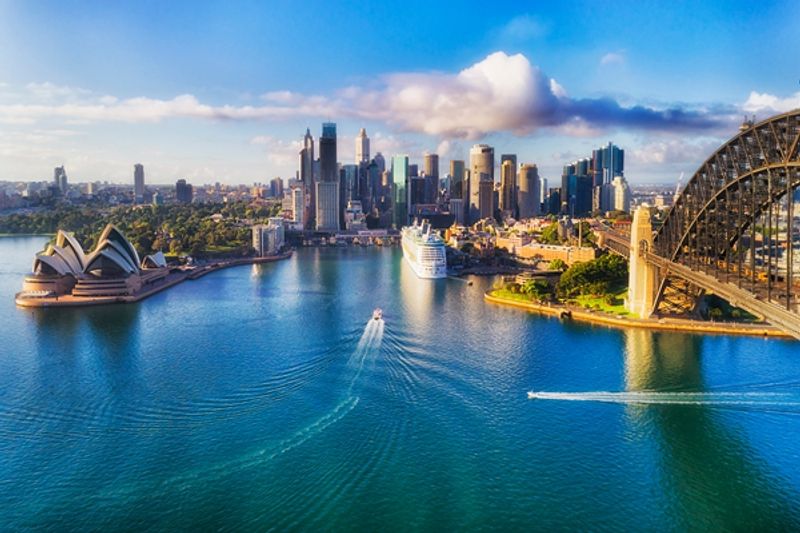
Sydney has one of the most photographed harbors in the world, but its economy is just as stunning as its scenery. Australia’s largest city is the country’s undisputed financial capital and a key gateway for trade across the Asia-Pacific region.
The Australian Securities Exchange, headquartered in Sydney, manages hundreds of billions in listed equities. The city’s financial services sector is massive, covering banking, insurance, superannuation funds, and wealth management.
Sydney attracts more foreign investment than any other Australian city by a wide margin.
Tourism, education exports, and professional services round out a well-balanced economic portfolio. Sydney’s universities attract international students in huge numbers, contributing billions to the local economy.
With strong ties to Asian markets and a stable, transparent business environment, Sydney is one of the Southern Hemisphere’s most trusted economic powerhouses.
19. São Paulo
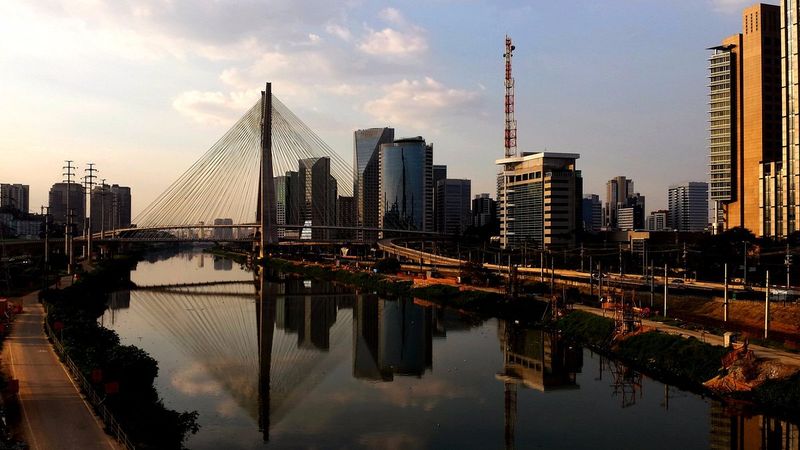
São Paulo is South America’s economic colossus – a city so vast and so busy that it generates roughly eleven percent of Brazil’s entire GDP all by itself. Arriving in São Paulo for the first time, the sheer scale of the skyline is genuinely overwhelming.
The city hosts the B3 stock exchange, Latin America’s largest by market capitalization, and serves as headquarters for hundreds of multinational corporations operating across the continent. Finance, manufacturing, agribusiness, and technology all thrive in this urban giant.
São Paulo’s advertising and media industries are among the most creative in the world.
The city is also Brazil’s tech startup capital, with a booming fintech scene drawing comparisons to Silicon Valley. Despite economic challenges at the national level, São Paulo’s sheer economic momentum keeps it firmly among the world’s most important business cities.
20. Zurich
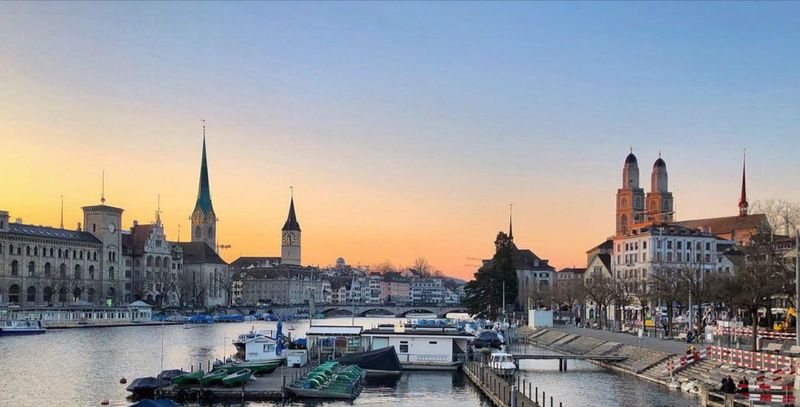
Zurich is small, tidy, and absolutely loaded – in the most impressive financial sense possible. Switzerland’s largest city has been a global banking fortress for centuries, built on a reputation for discretion, stability, and extraordinary financial expertise.
UBS and Credit Suisse – two of the world’s most recognized banking names – were both founded here, and Zurich remains the nerve center of Swiss private banking and wealth management. The Swiss Exchange, headquartered in Zurich, handles billions in trades daily.
The city consistently tops global rankings for quality of life, which helps attract top-tier international talent.
Insurance, pharmaceutical companies, and asset management firms cluster here alongside the banks. Zurich’s economy runs like a Swiss watch – precise, reliable, and built to last.
For the world’s wealthy, Zurich has long been the city where serious money feels most at home.



