 Unearth The Voyage
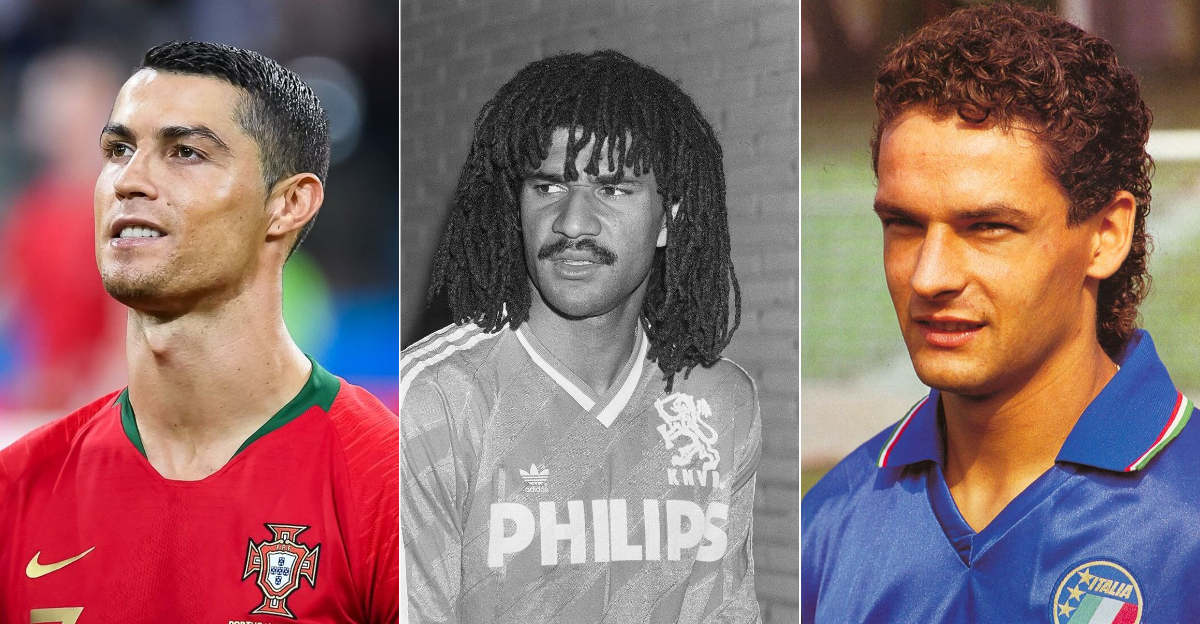
Soccer has given us incredible athletes who changed how we think about the beautiful game. From World Cup winners to record-breaking scorers, these legends inspired millions with their skill, passion, and unforgettable moments on the pitch. Get ready to explore the 28 greatest players who shaped soccer history and made the sport what it is today.
1. Pelé (Brazil)
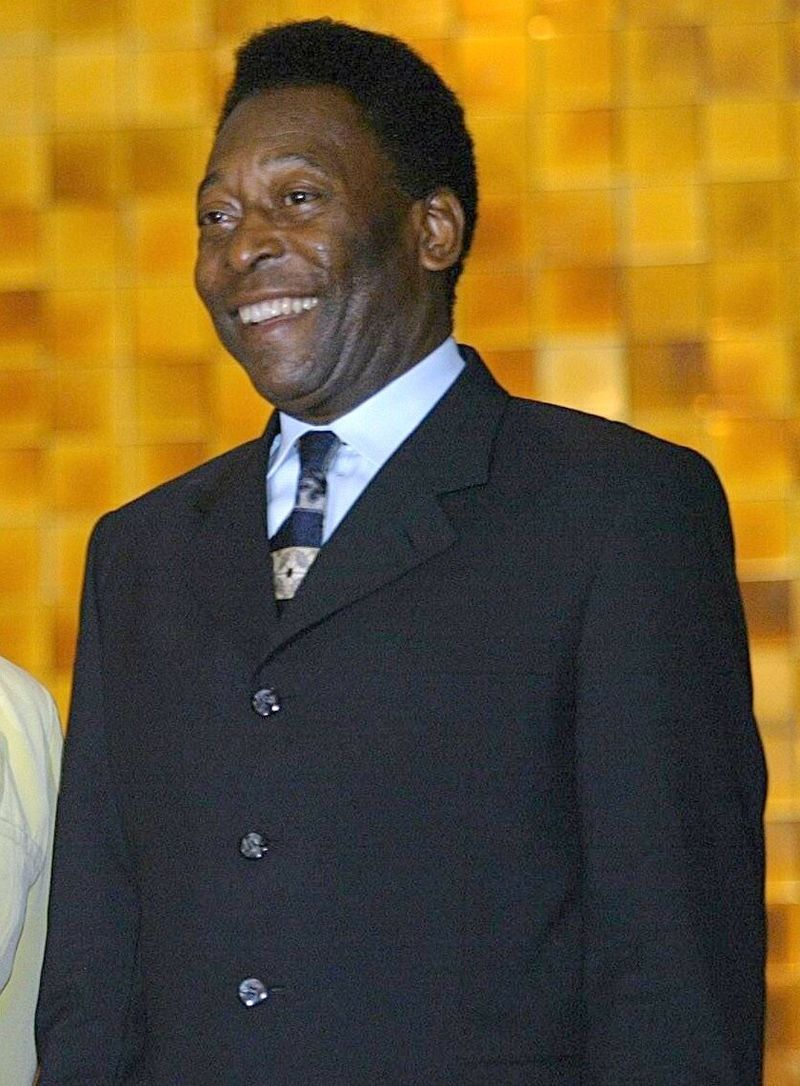
Pelé’s name became synonymous with soccer excellence across the globe. His incredible journey included three World Cup victories in 1958, 1962, and 1970, a feat no other player has matched.
Scoring 77 goals in just 92 appearances for Brazil, he dazzled fans with creativity and precision. At Santos, his club team, he added hundreds more goals to his legendary tally.
Beyond statistics, Pelé transformed soccer into a worldwide phenomenon. His charisma and skill made him the sport’s first true global ambassador, inspiring generations of players everywhere.
2. Diego Maradona (Argentina)
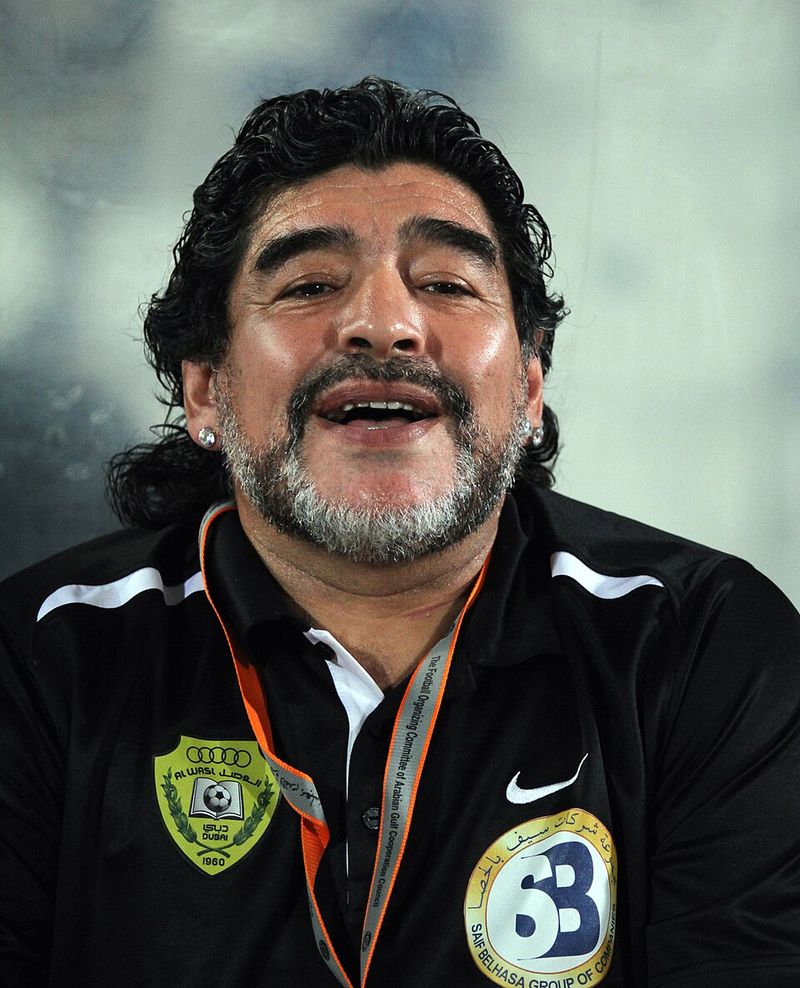
Few players have ever dominated a tournament like Maradona did in 1986. His mesmerizing runs and the famous Goal of the Century against England remain etched in soccer folklore forever.
Maradona carried Argentina to World Cup glory almost single-handedly that summer. At club level, he revived Napoli from mid-table mediocrity to Serie A champions twice, plus a UEFA Cup triumph.
His left foot possessed magical qualities that defied logic and physics. Despite controversies off the field, Maradona’s on-field genius earned him eternal reverence from fans worldwide.
3. Lionel Messi (Argentina)
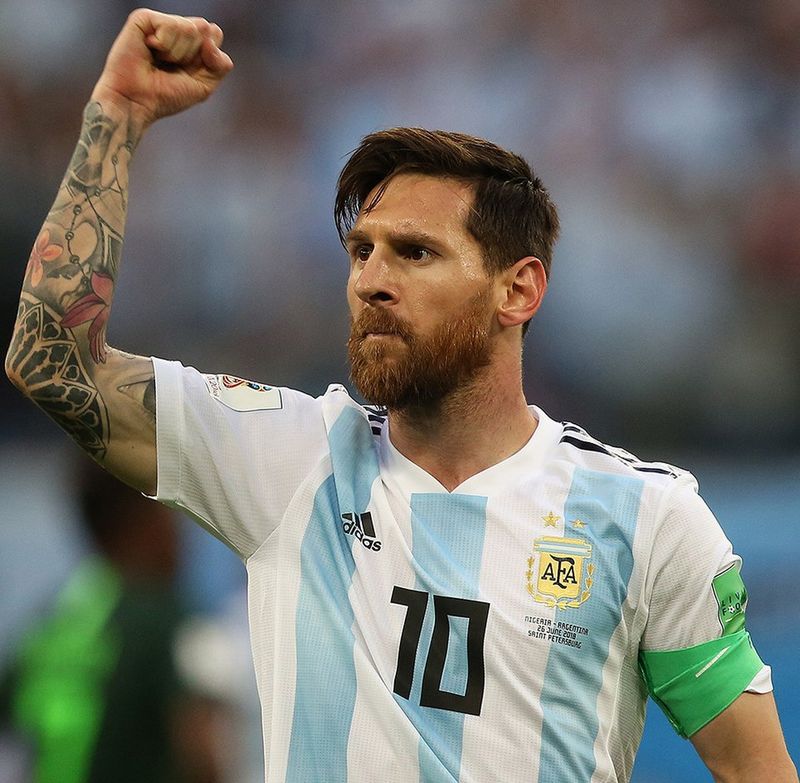
Eight Ballon d’Or awards tell only part of Messi’s remarkable story. His 2022 World Cup triumph finally completed his trophy collection, silencing any remaining doubters about his greatness.
At Barcelona, he became the club’s all-time leading scorer while winning multiple Champions League titles. For Argentina, he’s netted over 100 international goals, cementing his status as their greatest ever.
Messi’s dribbling ability seems almost supernatural, weaving through defenders like they’re training cones. His vision, passing, and finishing make him the complete attacking package in modern soccer.
4. Cristiano Ronaldo (Portugal)
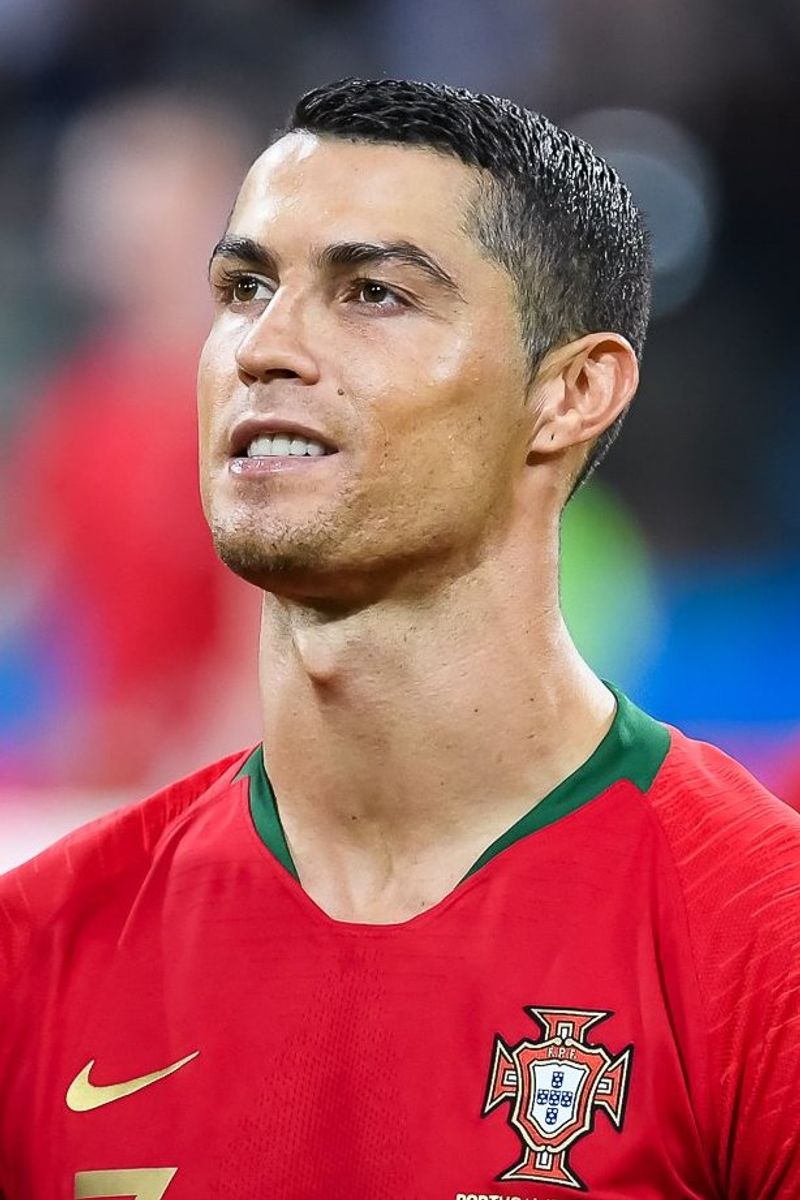
Ronaldo’s dedication to physical fitness and goal-scoring is unmatched in modern soccer. With over 120 international goals, he holds the all-time men’s record and shows no signs of slowing down.
His trophy cabinet includes league titles from England, Spain, and Italy, plus five Champions League crowns. Five Ballon d’Or awards recognize his sustained excellence across two decades at the highest level.
What sets Ronaldo apart is his incredible work ethic and mental toughness. Whether scoring headers, free kicks, or tap-ins, he finds ways to win matches when it matters most.
5. Johan Cruyff (Netherlands)
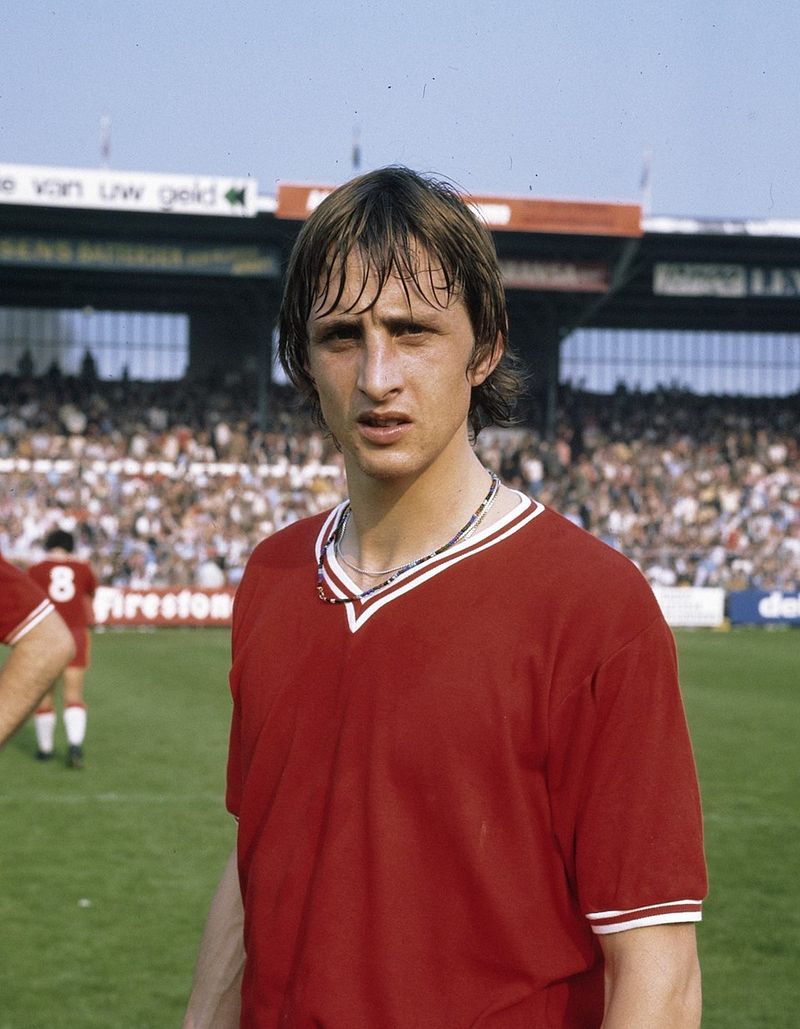
Cruyff didn’t just play soccer; he reimagined how the game should be played entirely. As the architect of Total Football, he led Ajax to three consecutive European Cups between 1971 and 1973.
His philosophy emphasized fluid positions, constant movement, and attacking beauty. At Barcelona, he won La Liga and later returned as coach to revolutionize the club’s entire approach to the sport.
The famous Cruyff Turn became his signature move, bamboozling defenders worldwide. His influence extends far beyond his playing days, shaping modern tactics and coaching methods globally.
6. Zinedine Zidane (France)
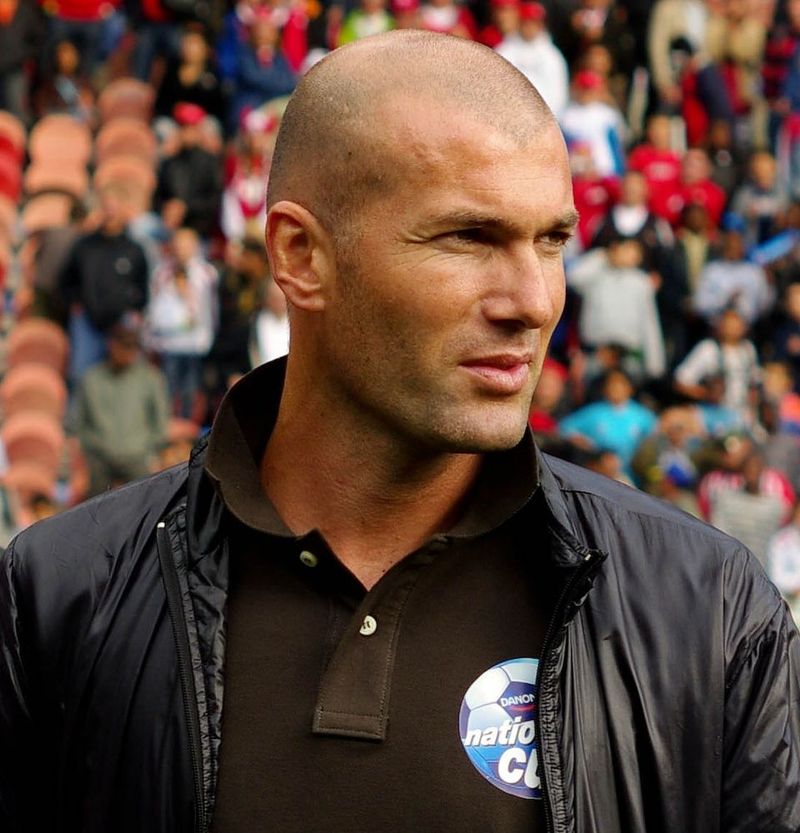
Elegance personified, Zidane glided across pitches like a ballet dancer with a soccer ball. He scored twice in the 1998 World Cup final, leading France to their first-ever championship on home soil.
His technical mastery and composure under pressure made difficult skills look effortless. At Real Madrid, he won the Champions League and earned FIFA World Player of the Year honors three times.
Euro 2000 added another international trophy to his collection. Zidane’s ability to control matches with grace and intelligence set him apart from more physical midfielders of his era.
7. Ronaldo Nazário (Brazil)
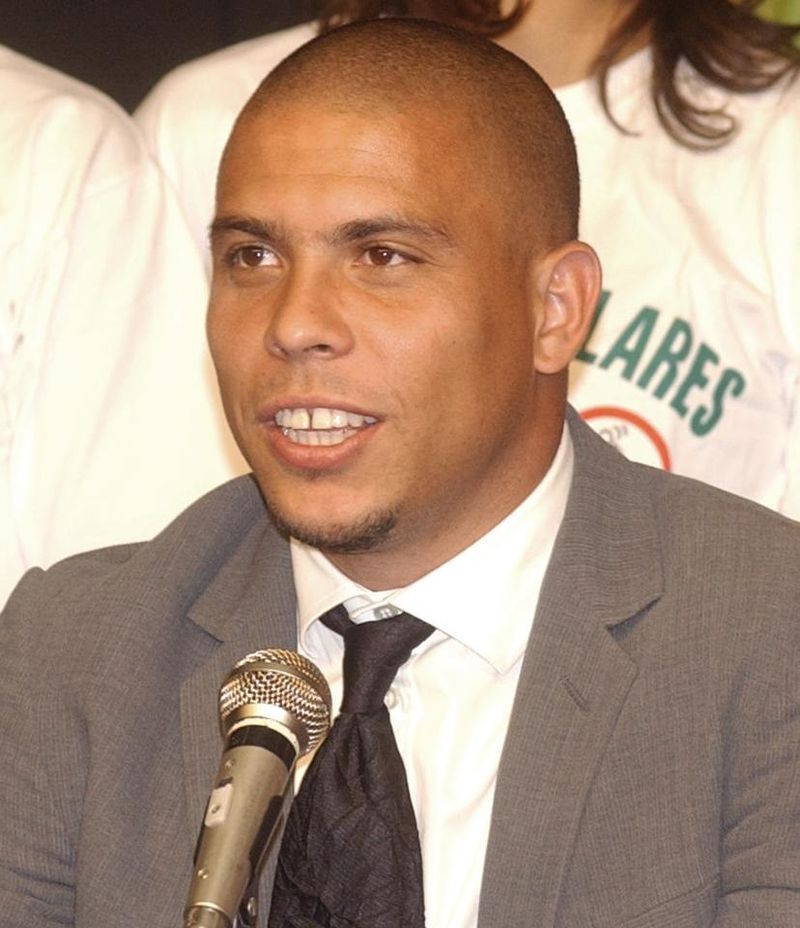
When R9 received the ball, defenders knew they were in serious trouble. His explosive acceleration, combined with sublime dribbling, made him virtually unstoppable during his prime years at Barcelona, Inter, and Real Madrid.
Two World Cup victories in 1994 and 2002 highlighted his international success. His 15 World Cup goals stood as the tournament record for years, showcasing his big-game mentality.
Devastating knee injuries threatened to end his career multiple times. Yet Ronaldo fought back each time, proving his mental strength matched his extraordinary physical gifts on the pitch.
8. Franz Beckenbauer (Germany)
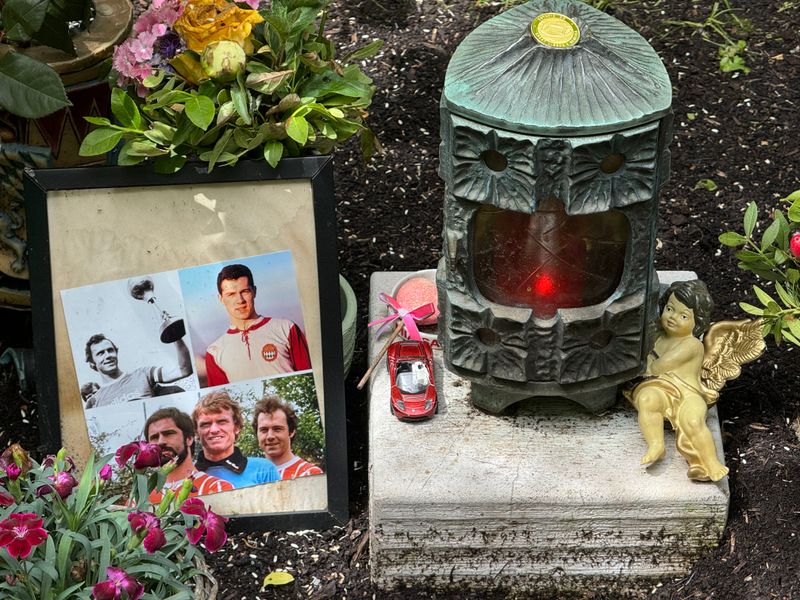
The Kaiser redefined what a defender could accomplish on the soccer field. Beckenbauer invented the modern sweeper role, turning defensive positions into platforms for creative attacking play.
Captaining West Germany to the 1974 World Cup and 1972 Euros cemented his legendary status. With Bayern Munich, he won three straight European Cups, dominating club soccer throughout the 1970s.
Later, as a coach, he guided Germany to the 1990 World Cup title. Few have achieved such remarkable success both playing and managing at the highest international level.
9. Michel Platini (France)
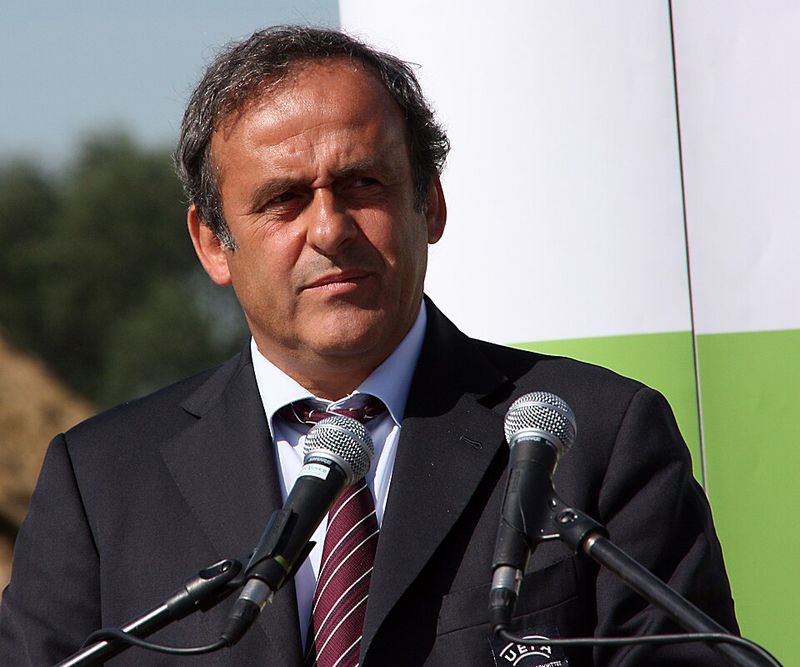
Platini’s three consecutive Ballon d’Or awards from 1983 to 1985 speak volumes about his dominance. Euro 1984 became his personal showcase, where he scored an astonishing nine goals to lead France to glory.
At Juventus, his playmaking orchestrated Serie A titles and a European Cup triumph. His ability to score from midfield, especially from free kicks, made him incredibly dangerous in the attacking third.
Vision and technique were Platini’s trademarks throughout his career. He could unlock any defense with a perfectly weighted pass or curl a shot into the top corner from distance.
10. Alfredo Di Stéfano (Argentina/Spain)
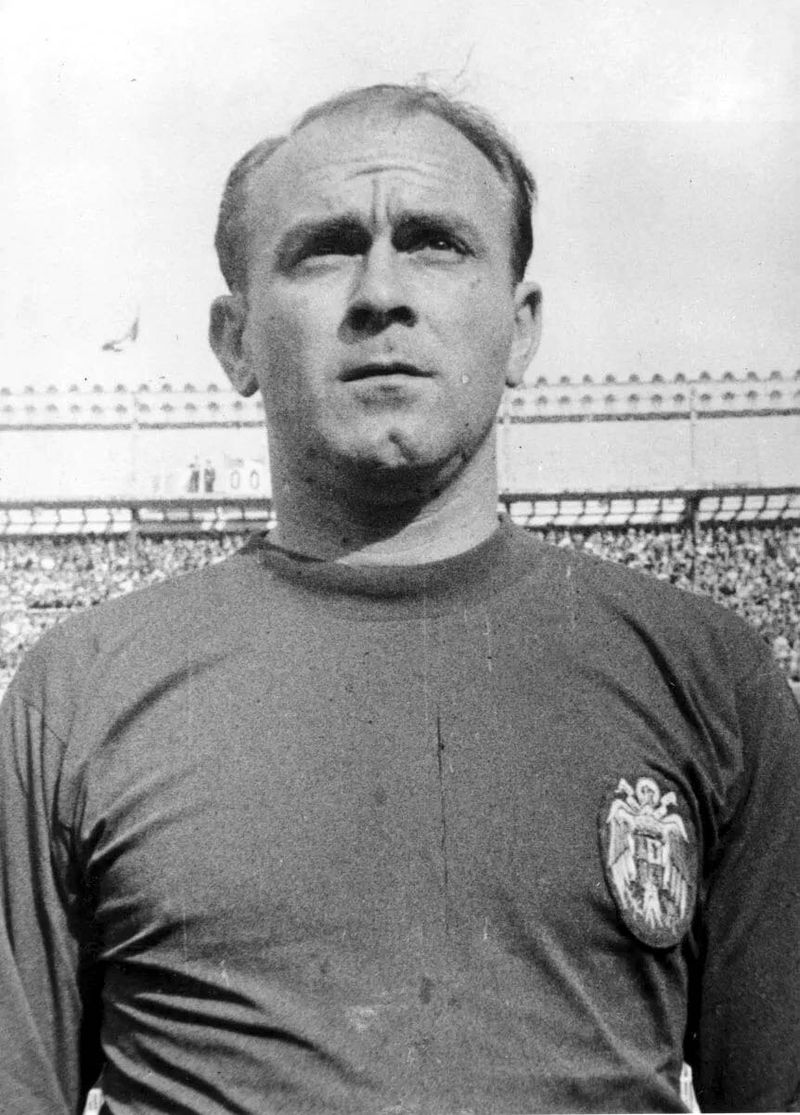
Real Madrid’s dominance in the 1950s revolved entirely around Di Stéfano’s brilliance. He won five consecutive European Cups from 1956 to 1960, remarkably scoring in every single final along the way.
His versatility allowed him to control matches from anywhere on the pitch. Whether dropping into midfield to create or pushing forward to finish, Di Stéfano did everything at an elite level.
Many consider him the complete footballer, lacking no skills whatsoever. His influence laid the foundation for Real Madrid’s reputation as European soccer’s most glamorous and successful club.
11. Gerd Müller (Germany)
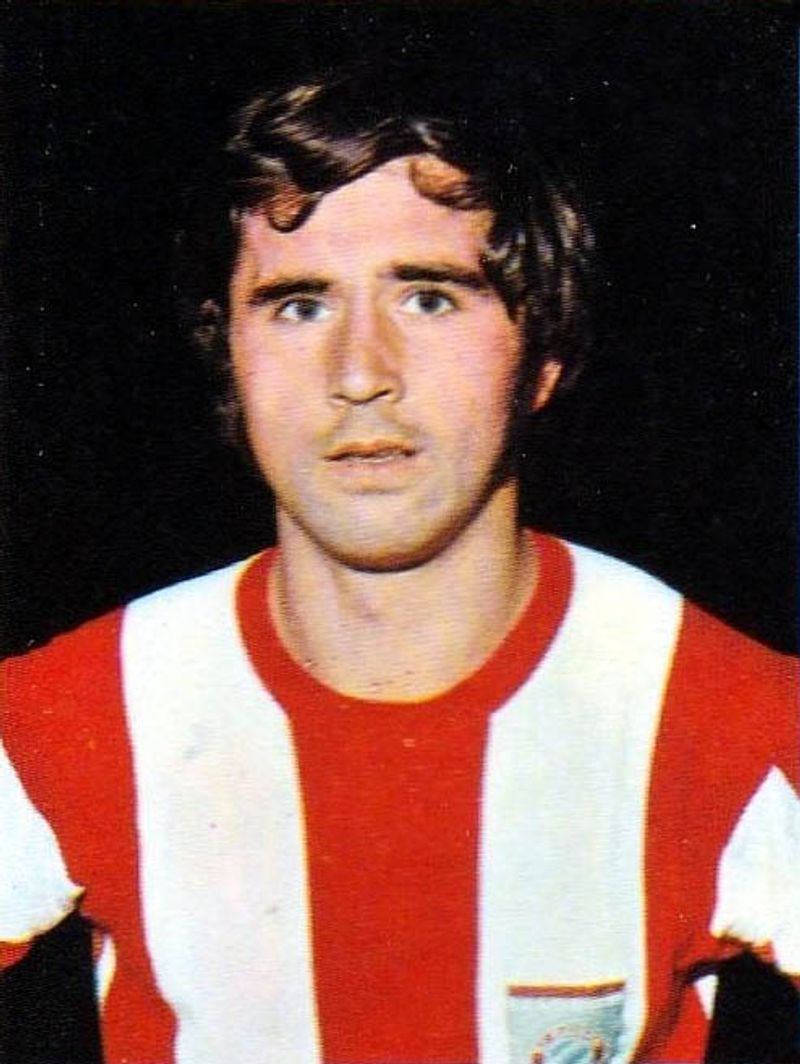
Goals, goals, and more goals defined Müller’s entire career. He netted 68 times in just 62 appearances for West Germany, plus an incredible 365 goals in the Bundesliga for Bayern Munich.
His 14 World Cup goals remained the tournament record for decades. Müller possessed an uncanny ability to be in the right place at exactly the right moment, making difficult finishes look routine.
Defenders struggled to mark him because of his quick movements and sharp instincts. Though not flashy, Müller’s efficiency and consistency made him one of history’s most lethal strikers ever.
12. Ferenc Puskás (Hungary/Spain)
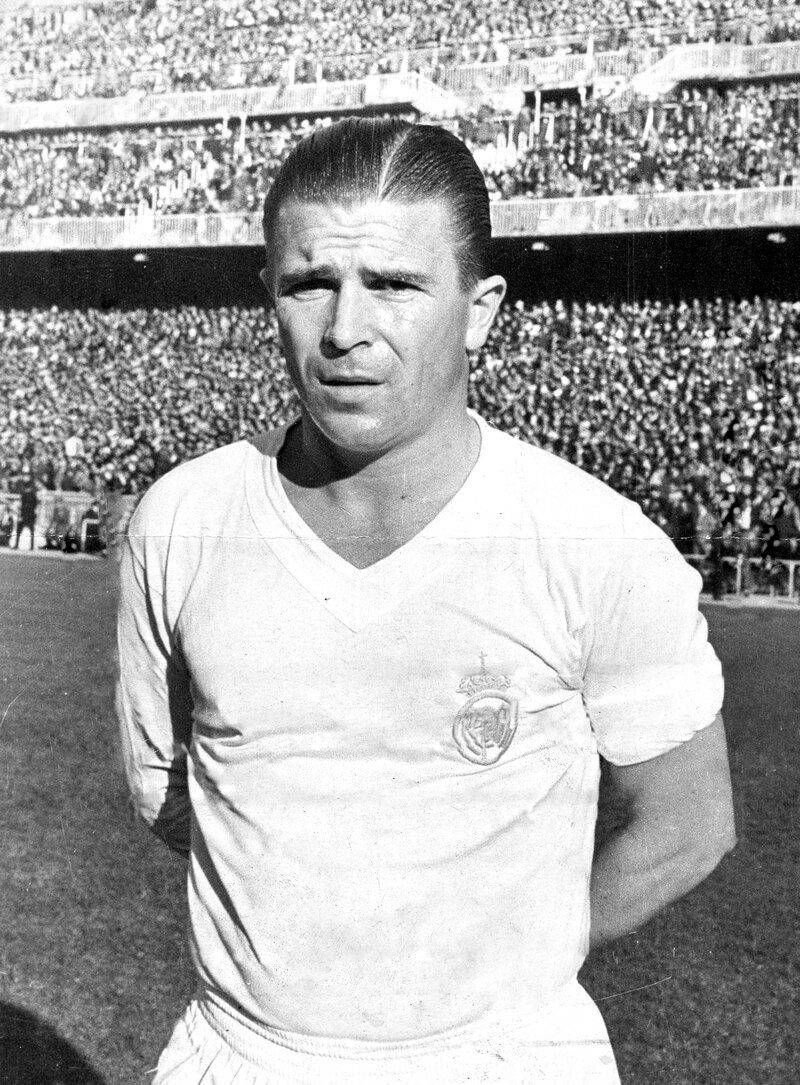
The Galloping Major led Hungary’s legendary Mighty Magyars to incredible heights. Puskás scored 84 goals in 85 international matches, a ratio that seems almost impossible to believe even today.
At Real Madrid, he continued his goal-scoring rampage alongside Di Stéfano. Together they won multiple La Liga titles and European Cups, forming one of soccer’s most devastating partnerships.
His left foot was reportedly insured for a fortune. Puskás could strike the ball with tremendous power and accuracy, making goalkeepers dread facing his thunderous shots from any distance.
13. Ronaldinho (Brazil)
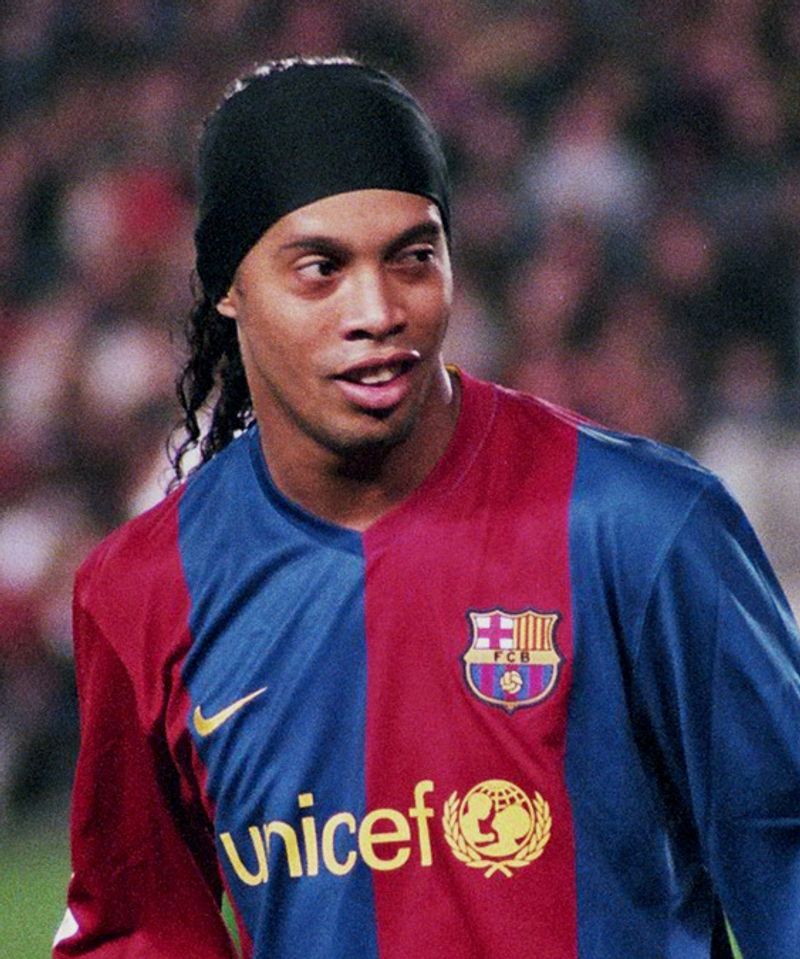
Pure joy radiated from Ronaldinho whenever he touched a soccer ball. His infectious smile and incredible flair made him a fan favorite everywhere he played, bringing artistry back to the sport.
Winning the 2002 World Cup with Brazil kicked off his golden era. The 2005 Ballon d’Or and Champions League with Barcelona followed, as he helped usher in their tiki-taka dominance.
No-look passes, elasticos, and audacious chips were his specialties. Ronaldinho played soccer like he was having fun at the park, yet his skills embarrassed the world’s best defenders regularly.
14. George Best (Northern Ireland)
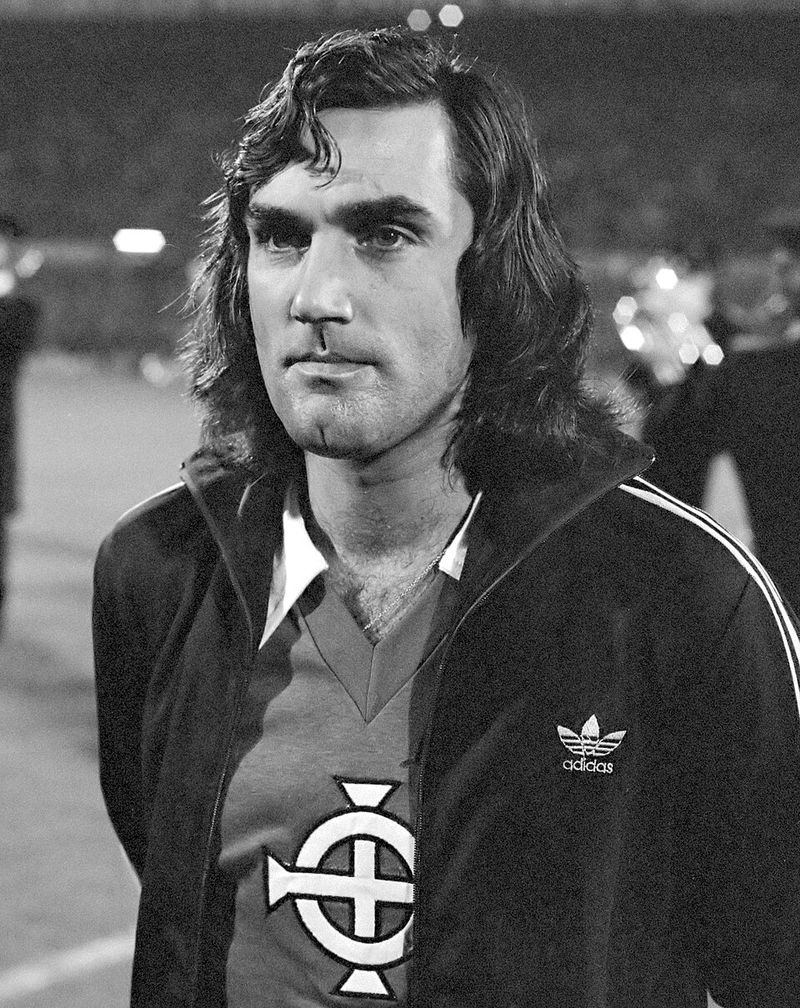
Best combined rock-star charisma with breathtaking soccer ability like nobody before him. His dribbling mesmerized defenders and fans alike, making him Manchester United’s brightest star during the 1960s.
Two English championships and the 1968 European Cup highlighted his club success. That same year, he won the Ballon d’Or, recognizing him as Europe’s finest player at just 22 years old.
Off the field, Best became soccer’s first true celebrity superstar. His lifestyle often overshadowed his talent, but those who saw him play never forgot his magical moments with the ball.
15. Paolo Maldini (Italy)
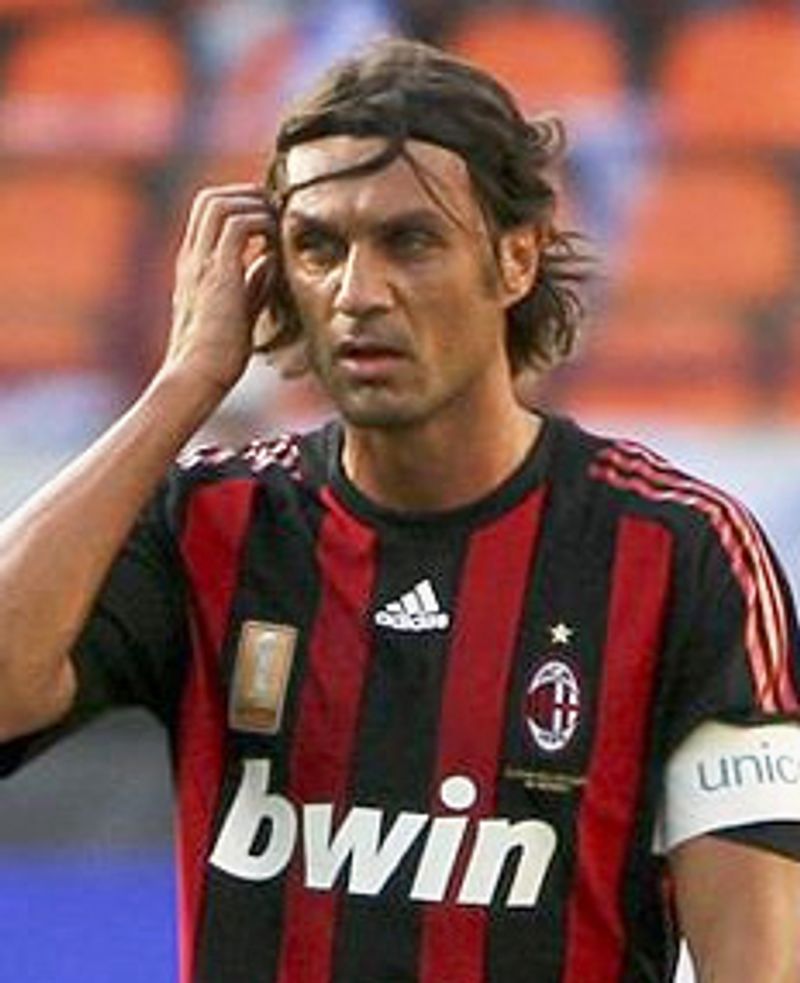
Loyalty and excellence defined Maldini’s remarkable 25-year career at AC Milan. Seven Serie A titles and five European Cups/Champions Leagues made him the most decorated defender in soccer history.
His positioning was so perfect that he rarely needed to make desperate tackles. Reading the game like a chess master, Maldini intercepted passes and snuffed out attacks before they became dangerous.
Over 100 caps for Italy added to his legendary status. He captained both club and country with dignity, setting standards for professionalism that young defenders still try to emulate today.
16. Xavi Hernández (Spain)
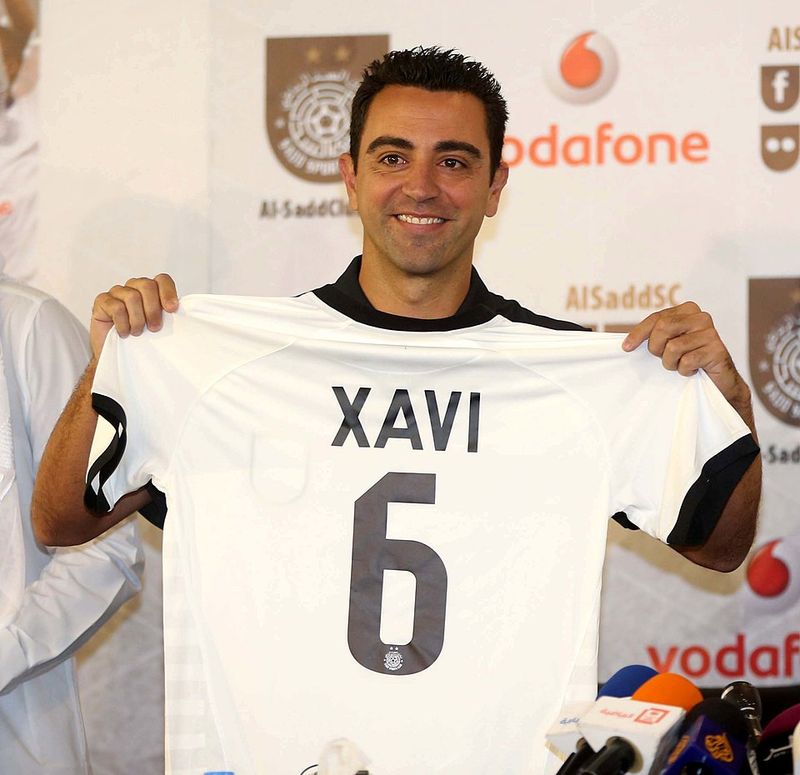
Xavi’s brain processed soccer at a different speed than everyone else. As Barcelona and Spain’s midfield metronome, he orchestrated play with thousands of precise passes that controlled entire matches.
Four Champions League titles with Barcelona showcased his club brilliance. For Spain, he was instrumental in their unprecedented Euro 2008, 2010 World Cup, and Euro 2012 treble of international trophies.
His philosophy of tiki-taka soccer emphasized possession and patient build-up. Xavi proved that you didn’t need blazing speed or physical power to dominate; intelligence and technique were enough.
17. Andrés Iniesta (Spain)
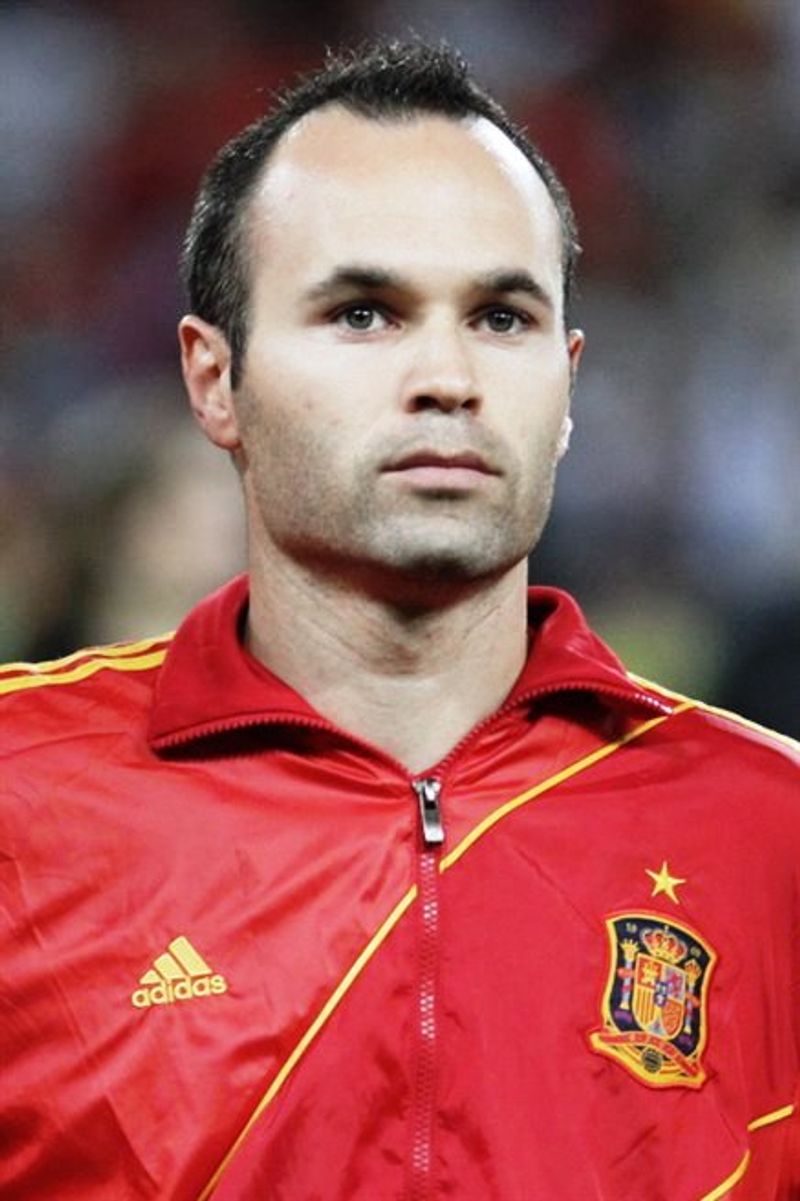
Iniesta’s winning goal in the 2010 World Cup final secured his place in Spanish soccer immortality. That strike in extra time against the Netherlands gave Spain their first-ever World Cup championship.
Alongside Xavi, he formed Barcelona’s magical midfield partnership for years. Together they won multiple Champions League and La Liga titles, creating a dynasty at Camp Nou throughout the 2000s and 2010s.
His close control in tight spaces seemed almost supernatural. Iniesta could dribble through crowds of defenders, maintaining perfect balance and composure even under intense physical pressure from opponents.
18. Marco van Basten (Netherlands)
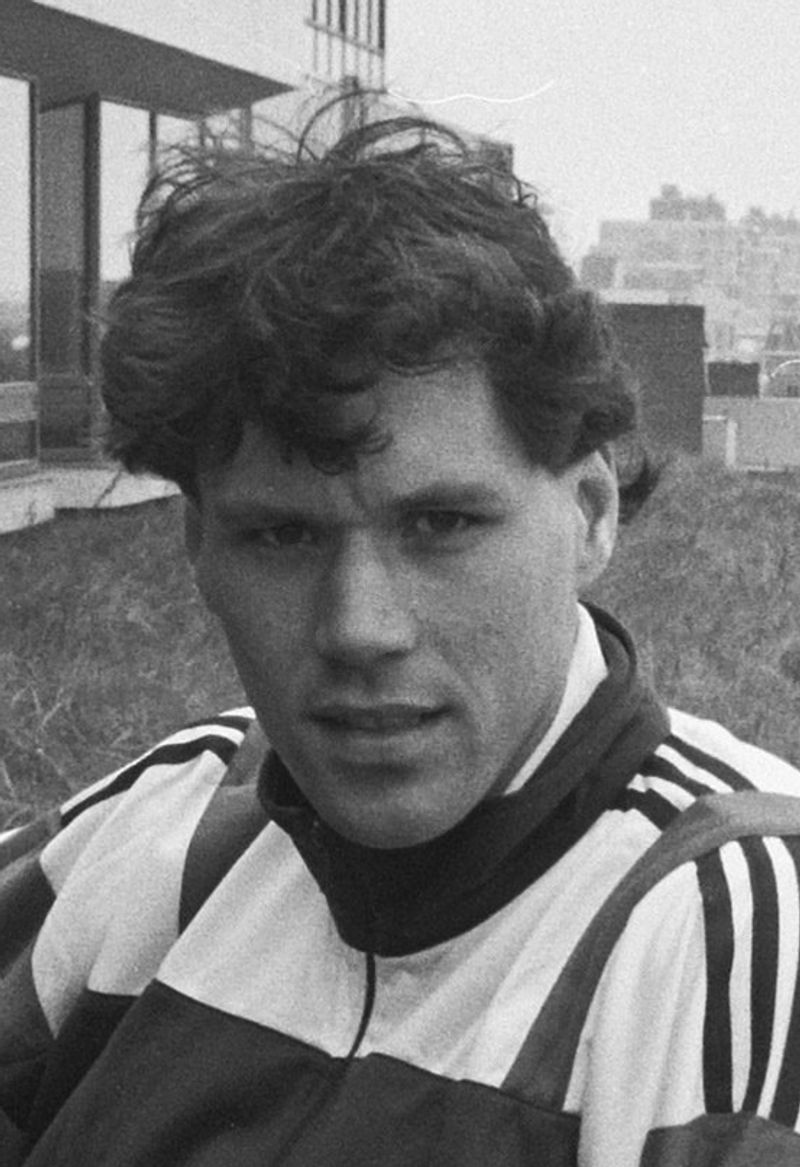
Van Basten’s volley in the 1988 Euro final remains one of soccer’s most spectacular goals ever. From an impossible angle, he struck the ball perfectly into the net, sealing the Netherlands’ championship triumph.
Three Ballon d’Or awards recognized his exceptional talent and consistency. At Ajax and AC Milan, he won multiple league titles and three European Cups, terrorizing defenders with his clinical finishing.
Tragically, ankle injuries forced him to retire at just 28 years old. Imagine what records he might have shattered had his career not been cut devastatingly short in his prime.
19. Roberto Baggio (Italy)
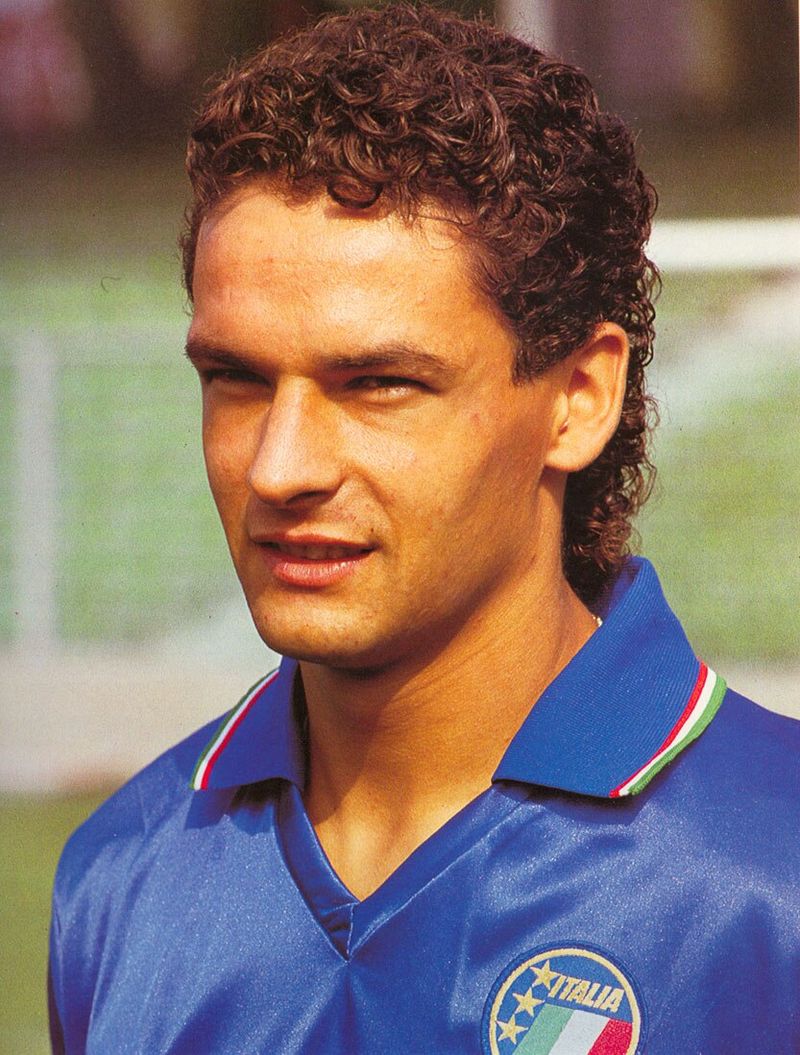
Baggio’s artistry and technique defined Italian soccer throughout the 1990s. His divine ponytail and Buddhist beliefs made him stand out, but his skill on the ball made him truly unforgettable.
The 1993 Ballon d’Or crowned his best season professionally. At the 1994 World Cup, he scored five crucial goals to carry Italy to the final, almost single-handedly dragging his team through tough matches.
His penalty miss in that final haunted him for years. Yet Baggio’s overall career brilliance far outweighed one moment, as his creativity and goals brought joy to millions of Italian fans.
20. Thierry Henry (France)
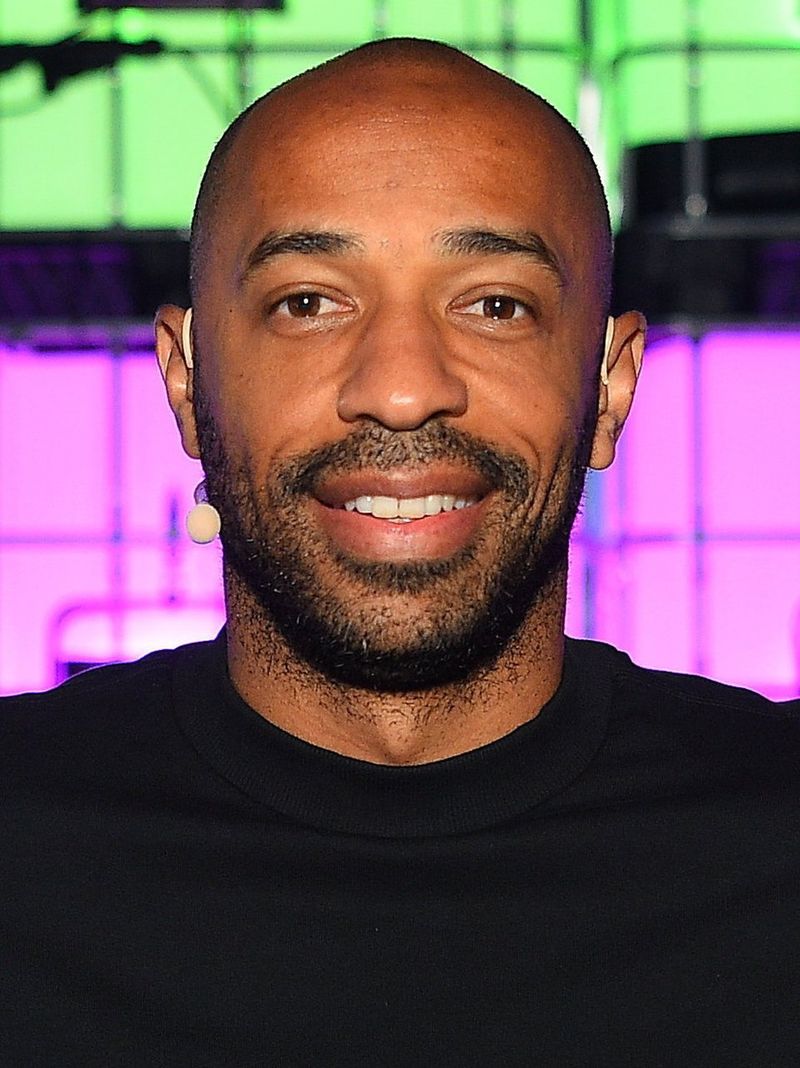
Henry’s pace and finishing made him Arsenal’s all-time leading scorer and a Premier League legend. Two league titles included the famous 2003-04 Invincibles season, where Arsenal went unbeaten throughout the entire campaign.
At Barcelona, he added a Champions League trophy to his collection. With France, he was part of their 1998 World Cup and Euro 2000 winning squads, contributing goals and assists throughout both tournaments.
His ability to cut inside from the left wing became his trademark. Defenders knew what Henry would do but couldn’t stop him from gliding past and finishing with either foot.
21. Eusébio (Portugal)
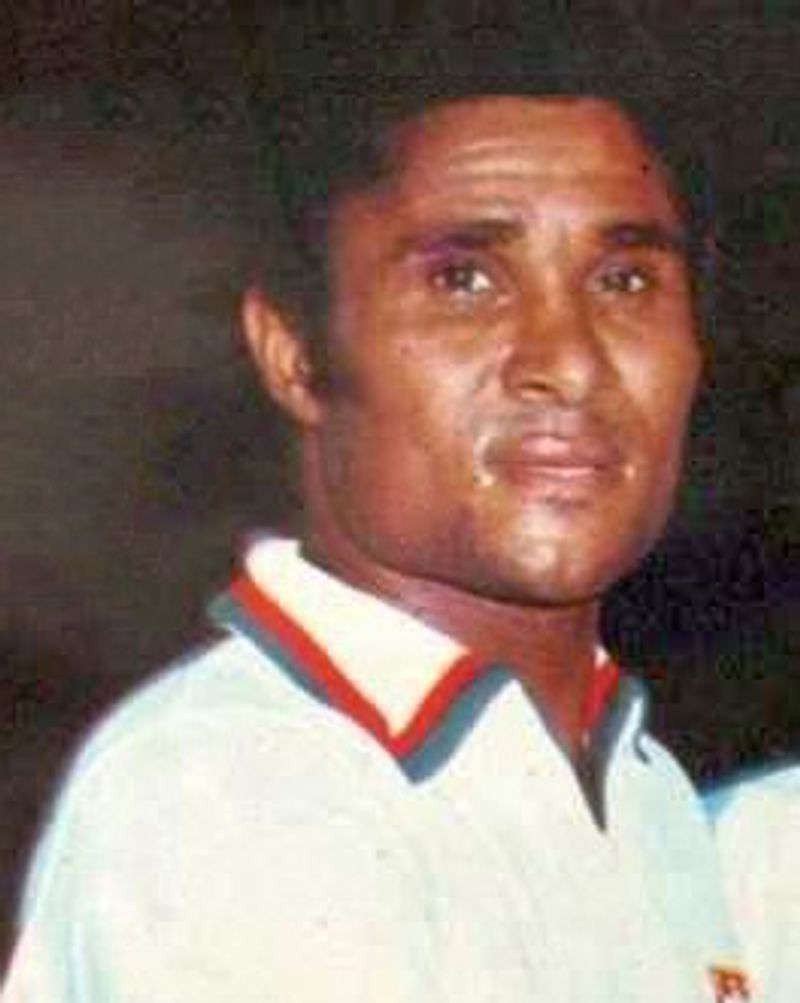
The Black Panther terrorized defenses with his powerful shooting and explosive speed. At the 1966 World Cup, Eusébio led Portugal to third place while finishing as the tournament’s top scorer with nine goals.
Benfica became his home for most of his career. There he won the European Cup and numerous Portuguese league titles, scoring over 400 goals and becoming the club’s greatest player ever.
His right foot could generate tremendous power on shots. Goalkeepers feared Eusébio’s strikes from distance, knowing any mistake in positioning would result in the ball flying past them into the net.
22. Bobby Charlton (England)
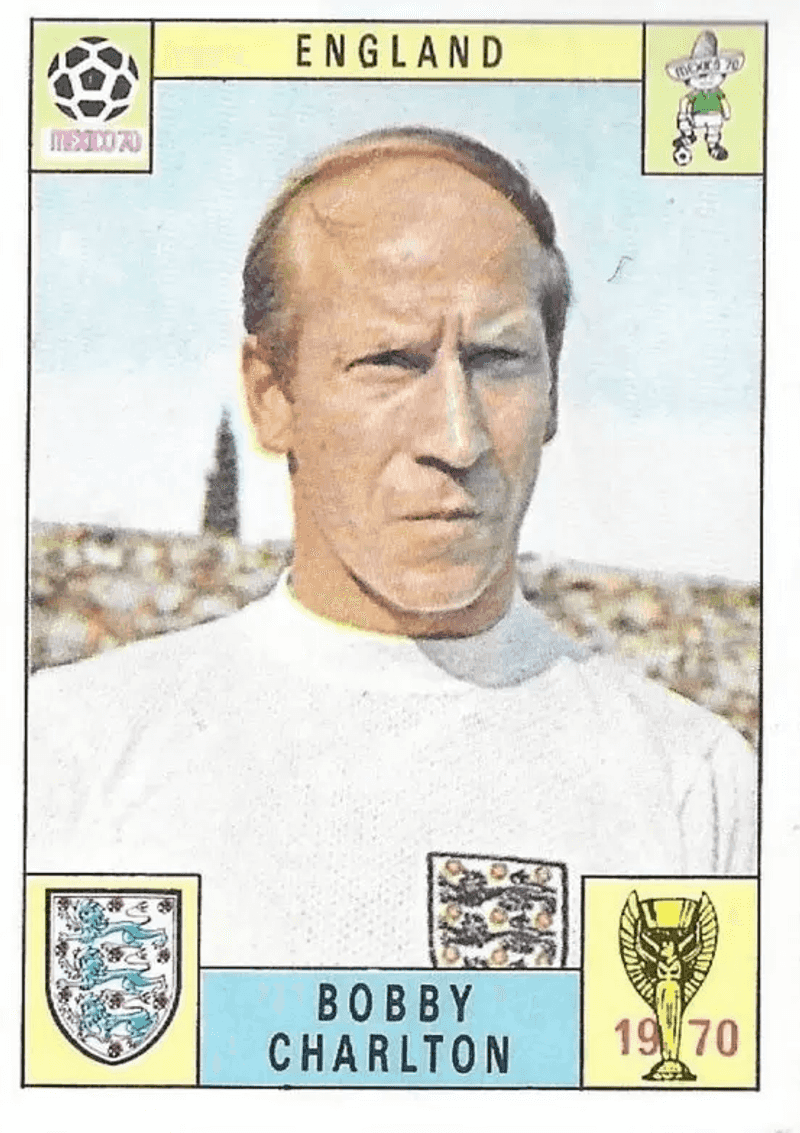
Charlton survived the tragic Munich air disaster and became Manchester United’s symbol of resilience. His long-range shooting and tireless work ethic made him England’s most important player during their golden era.
Captaining England to the 1966 World Cup victory at Wembley remains his crowning achievement. Two years later, he won the European Cup with United, becoming the club’s all-time leading scorer for decades.
His sportsmanship and dignity on and off the field earned universal respect. Charlton represented everything good about soccer, combining skill, determination, and grace throughout his remarkable career.
23. Lothar Matthäus (Germany)
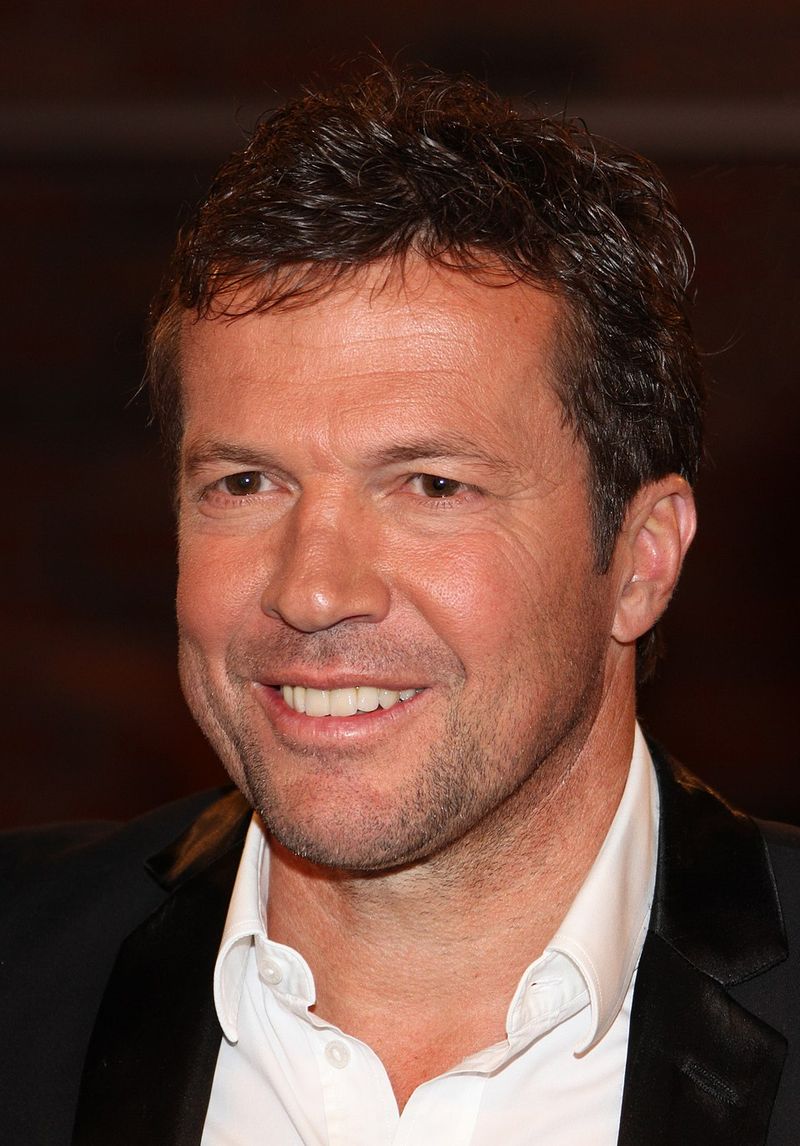
Playing in five World Cups showcased Matthäus’s incredible longevity and consistency. As captain, he lifted the 1990 trophy for West Germany, earning the Ballon d’Or that same year for his outstanding performances.
His versatility allowed him to excel as both a dynamic midfielder and sweeper. League titles in Germany and Italy proved he could dominate different soccer cultures and tactical systems throughout his long career.
Leadership qualities made Matthäus a natural captain for club and country. His competitive fire and technical ability inspired teammates while frustrating opponents across two decades at the highest level.
24. Garrincha (Brazil)
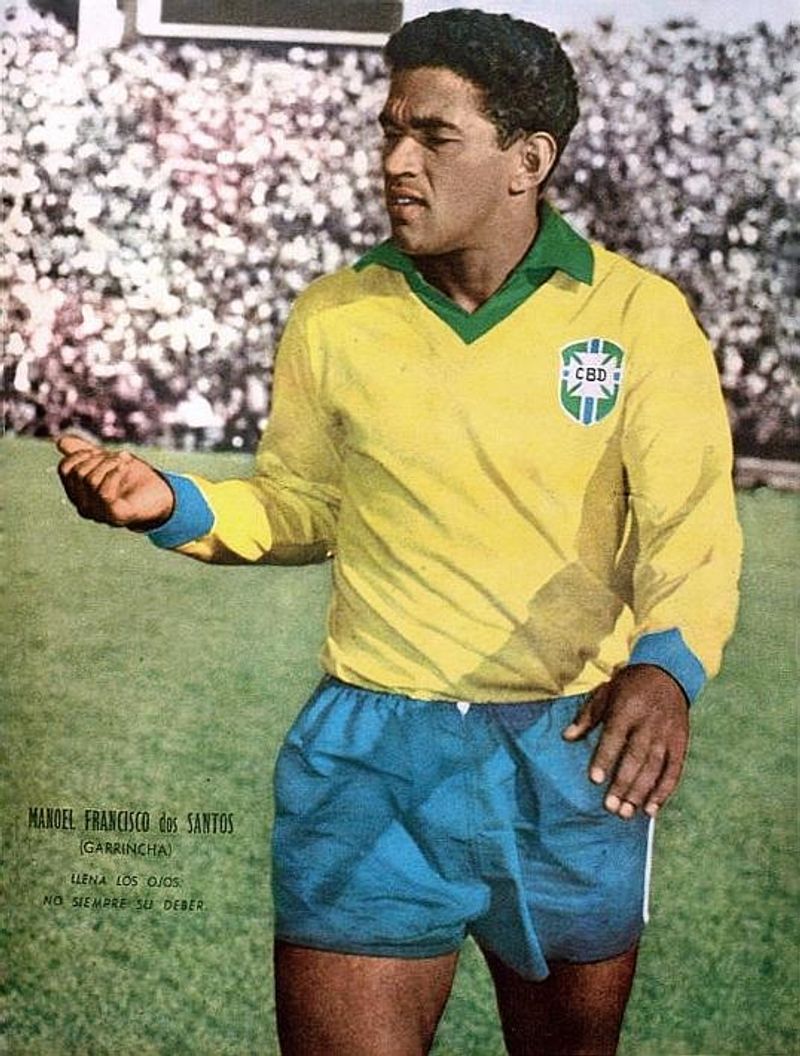
Many Brazilians loved Garrincha even more than Pelé, which says everything about his magical talent. His dribbling left defenders dizzy and confused, never knowing which direction he’d twist next.
Born with bent legs that should have prevented soccer greatness, he turned this disadvantage into an asset. Garrincha starred in Brazil’s 1958 and 1962 World Cup victories, carrying the team in 1962 when Pelé got injured.
His joyful playing style captured Brazil’s spirit perfectly. Off the field, Garrincha lived simply, but on it, he was a genius who brought happiness to millions through his incredible skills.
25. Zico (Brazil)
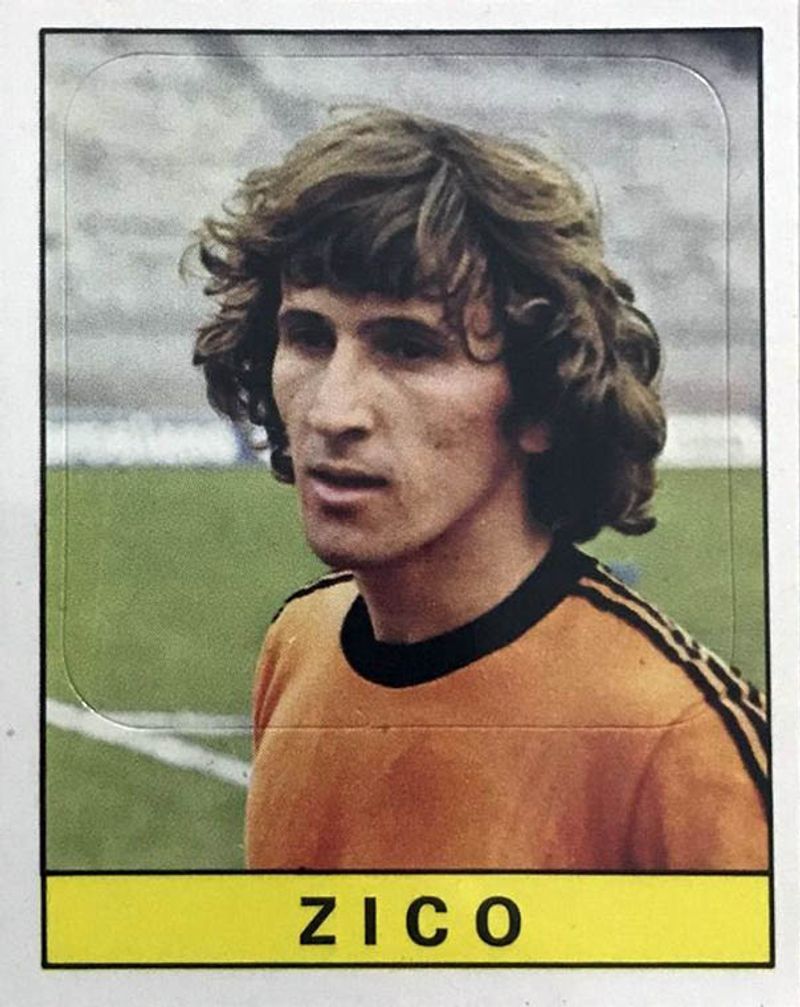
The White Pelé earned his nickname through exceptional playmaking and dead-ball expertise. Zico’s free kicks were works of art, bending around walls and into top corners with pinpoint accuracy.
At Flamengo, he led the team to Copa Libertadores and Intercontinental Cup glory. His vision and passing made him the creative heartbeat of Brazil’s beloved 1982 World Cup squad, remembered for their attacking brilliance.
Technical perfection defined every aspect of Zico’s game. Whether scoring, assisting, or orchestrating attacks, he performed with a grace and intelligence that made difficult soccer look incredibly easy.
26. Kaká (Brazil)
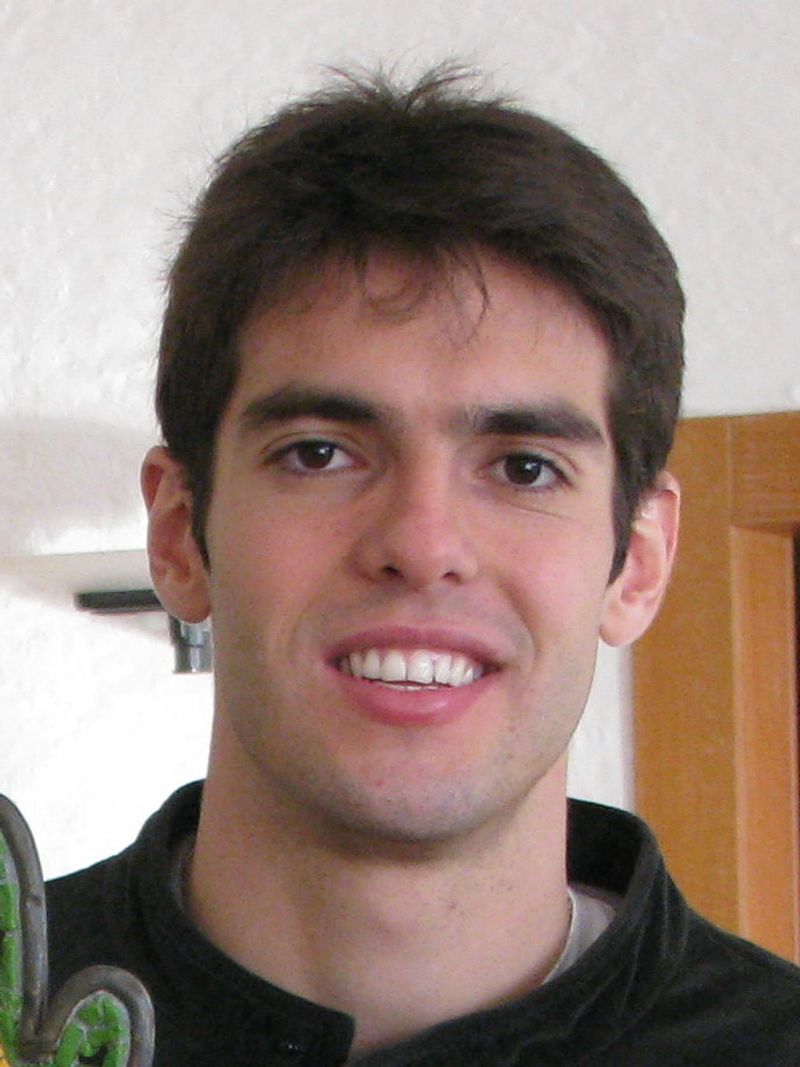
Kaká’s blend of grace, speed, and technical skill made him a nightmare for defenses. The 2007 Ballon d’Or recognized his brilliant season leading AC Milan to Champions League glory with several spectacular performances.
Part of Brazil’s 2002 World Cup-winning squad, he contributed throughout the tournament. His ability to glide past defenders while maintaining perfect ball control separated him from other attacking midfielders of his generation.
Religious faith guided Kaká both on and off the pitch. He always pointed skyward after scoring, crediting his success to his beliefs while maintaining humility despite becoming one of soccer’s biggest stars.
27. Ruud Gullit (Netherlands)
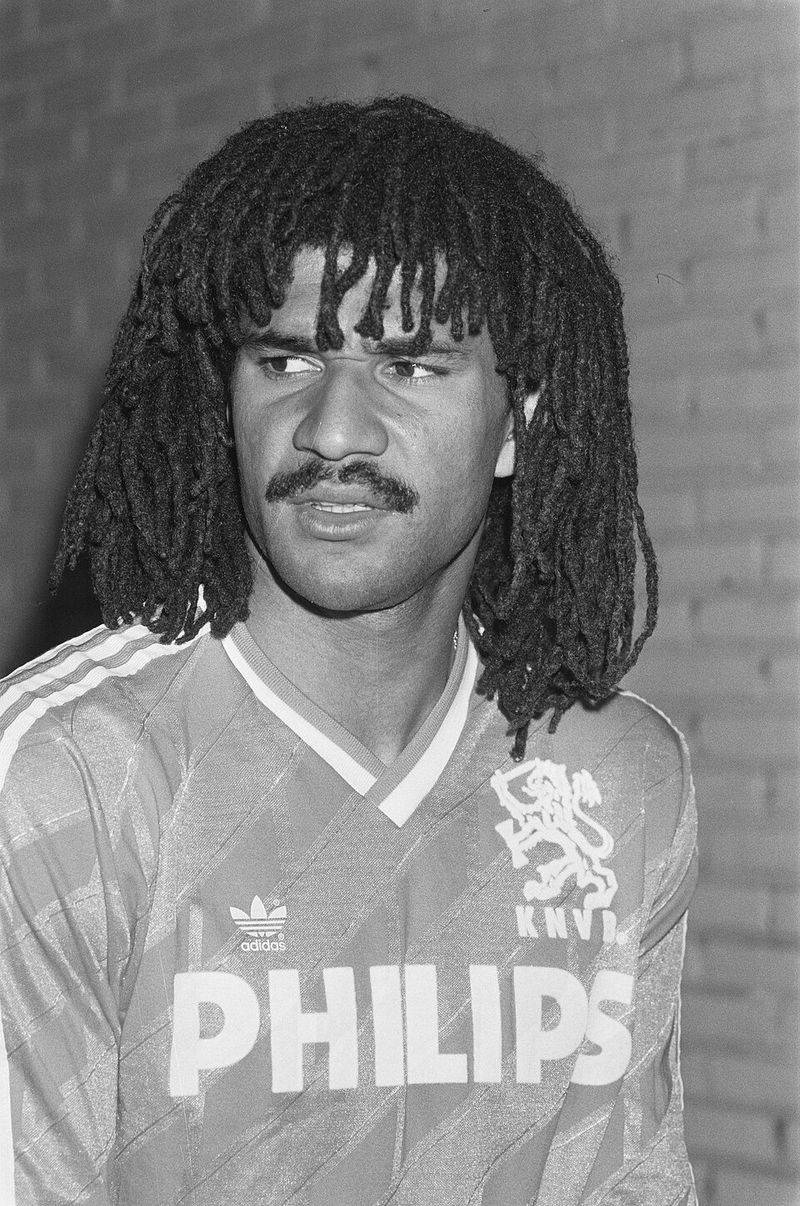
Gullit’s dreadlocks and powerful physique made him instantly recognizable worldwide. His versatility allowed him to dominate as a midfielder, striker, or sweeper, making him incredibly valuable to any team.
Captaining the Netherlands to Euro 1988 glory was his international highlight. At AC Milan, he formed a legendary trio with Van Basten and Rijkaard, winning multiple Serie A titles and European trophies together.
Power combined with surprising technical elegance in Gullit’s game. He could bulldoze through challenges or produce delicate touches, giving coaches tactical flexibility and opponents constant headaches throughout matches.
28. Kylian Mbappé (France)
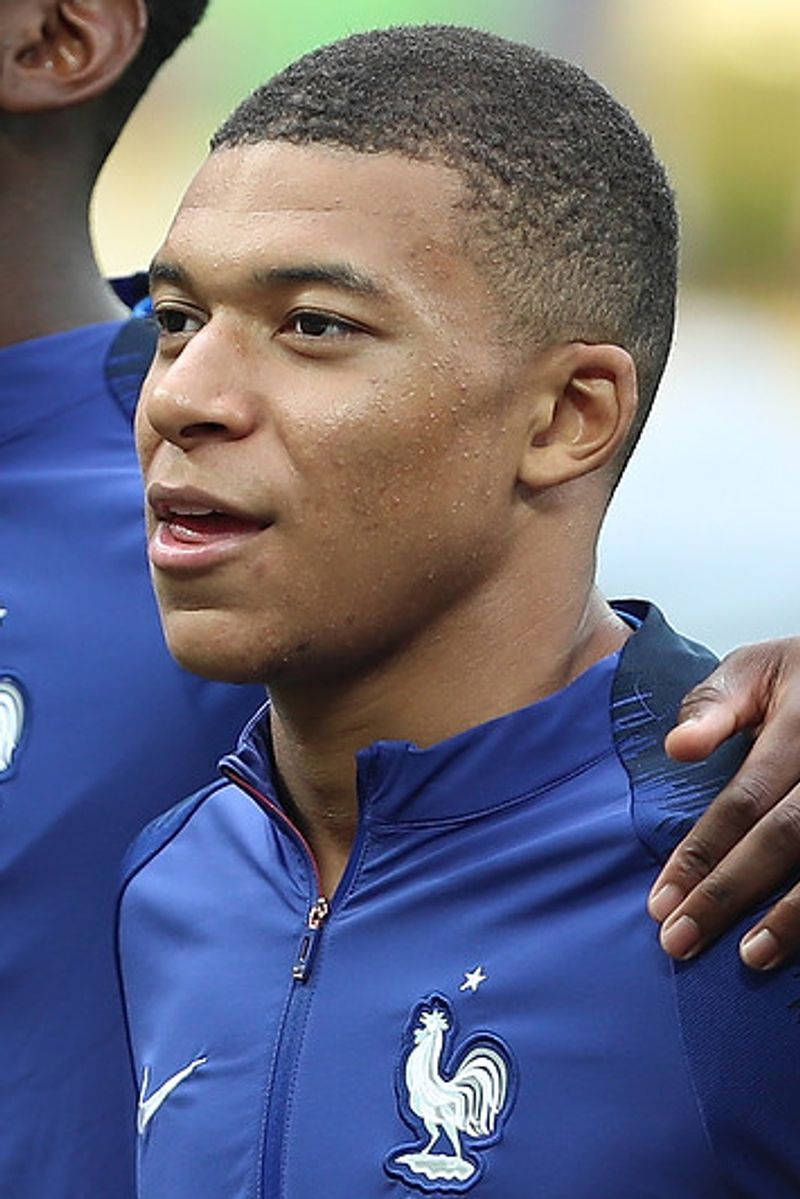
Still in his mid-20s, Mbappé has already accomplished what most players only dream about. Winning the 2018 World Cup as a teenager announced his arrival on soccer’s biggest stage with stunning performances.
His hat-trick in the 2022 World Cup final showcased his incredible talent. Though France lost on penalties, Mbappé’s three goals demonstrated why he’s considered the sport’s next long-term superstar and future leader.
Blistering pace makes him virtually uncatchable when he hits top speed. Domestically, he’s dominated Ligue 1 with PSV, breaking records and collecting trophies while the soccer world watches his continued evolution.



