 Unearth The Voyage
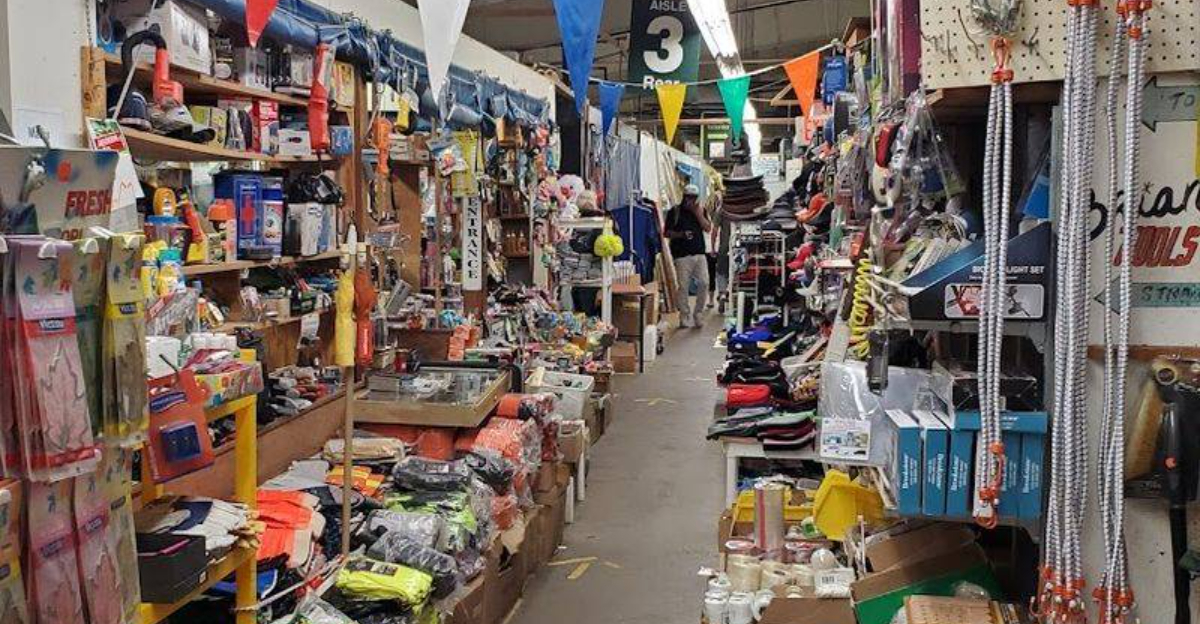
Some places sell stuff. This one runs like its own little town, with aisles, regulars, changing faces, and enough tables to keep a bargain hunter occupied for hours.
In Farmingdale, New Jersey, this long-running market has built a reputation for variety, unpredictability, and the kind of shopping trip that turns a simple errand into a full afternoon. Keep reading for the details that matter most, from what makes the market so large to how to time a visit, navigate the mix of indoor and outdoor sellers, and leave with the feeling that the deal of the day might still be one table away.
Where the hunt begins
New Jersey does not hide this place in some back road mystery. Collingwood Auction & Flea Market sits at 1350 NJ-33, Farmingdale, NJ 07727, in Monmouth County, and that direct Route 33 location explains a lot about its long life and steady pull.
The market operates on Fridays, Saturdays, and Sundays, opening at 8 AM and closing at 5 PM, while the rest of the week stays quiet. That schedule gives it a weekend rhythm, the kind that turns an ordinary drive into a deliberate mission for bargain seekers, collectors, and people who simply like seeing what turns up.
What makes the first impression stick is scale. This is not a single room with a few folding tables and hopeful price tags.
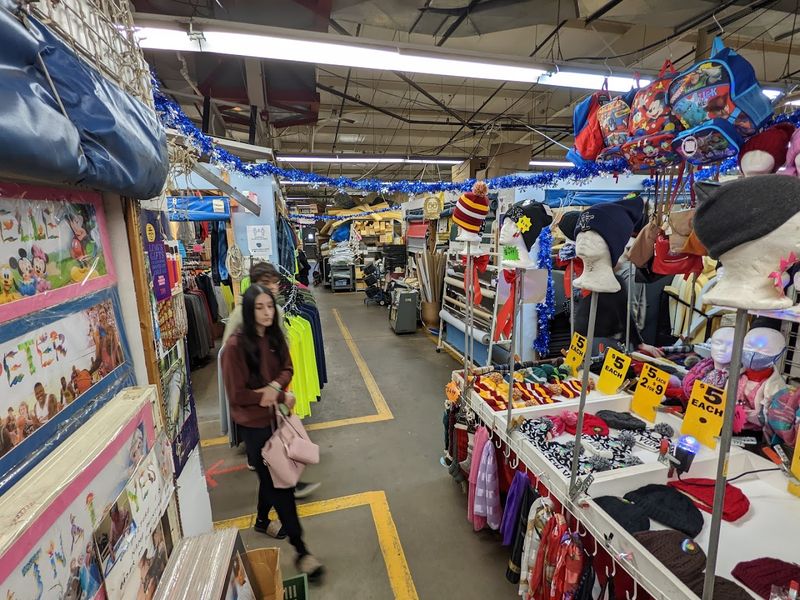
It is a large, mixed indoor and outdoor market with hundreds of vendors, and the size alone gives it the feel of a small trading district where every aisle offers a fresh excuse to keep going.
Why it feels like a small city
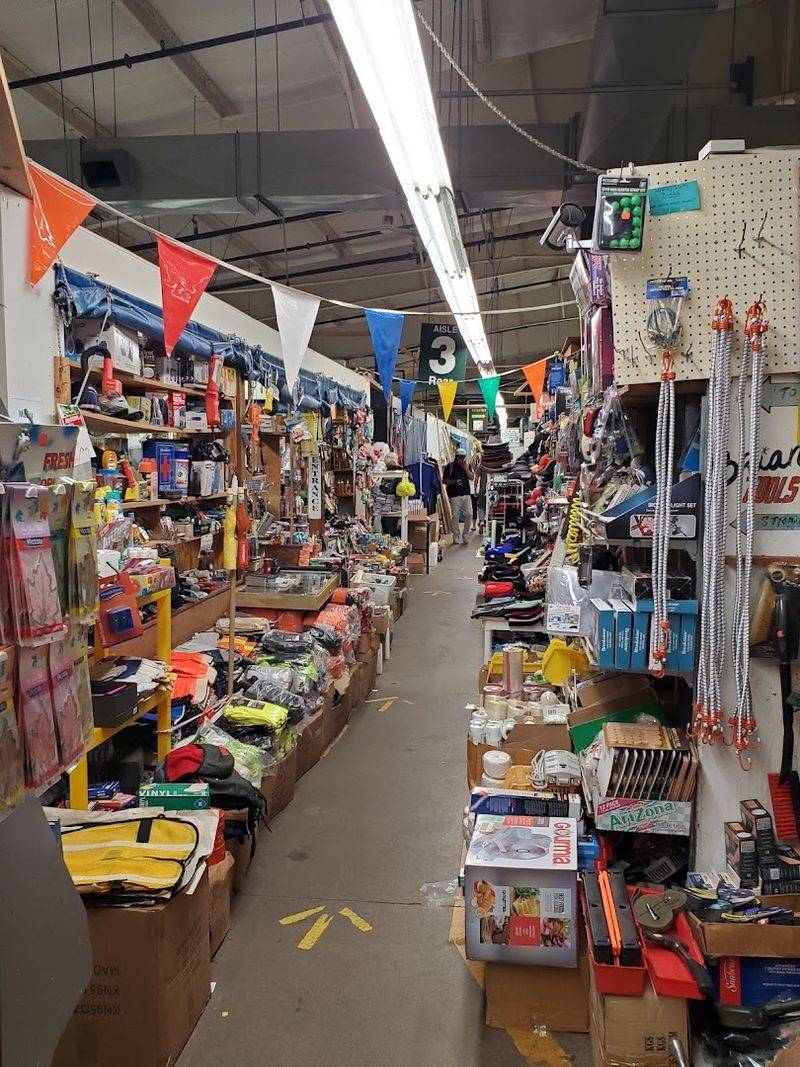
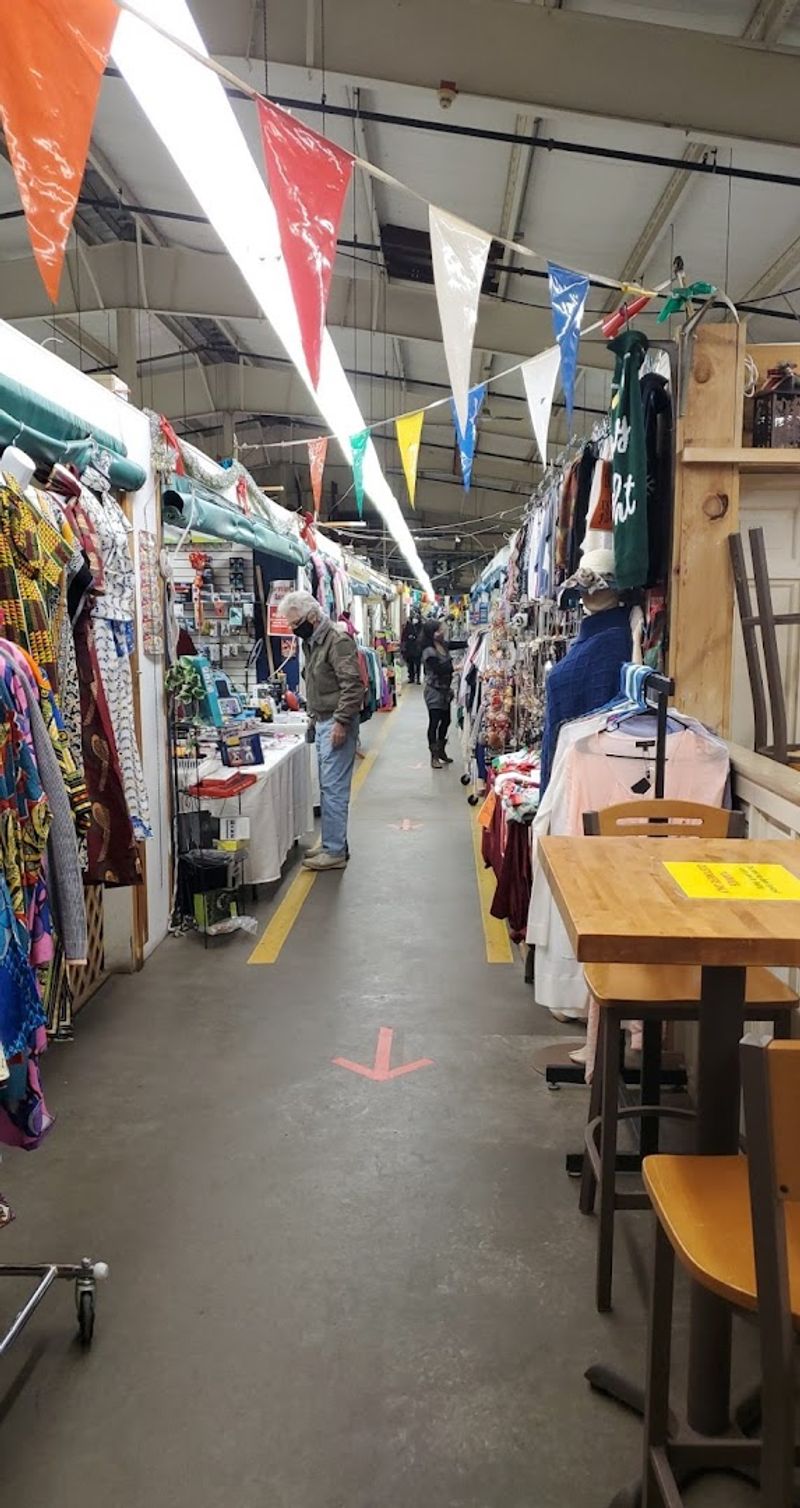
Six hundred vendors is the kind of number that changes expectations before anyone even parks. At Collingwood, that scale creates a layout that feels less like a quick stop and more like a compact commercial district, with permanent indoor spaces, outdoor setups, specialty booths, food counters, and rows that keep extending farther than expected.
The market earns its small-city reputation because no single category controls the place. One section leans vintage, another practical, another collectible, another household, and another pure curiosity.
That mix means shoppers do not follow a tidy script here, and that is exactly the point.
Some people arrive looking for tools, others for records, produce, clothing, toys, or repair services, and plenty come with no list at all. The real draw is not just variety but momentum.
Every turn suggests there might be something useful, odd, affordable, or overdue for discovery, which is how an hour quietly becomes an afternoon.
Indoor rows and outdoor surprises
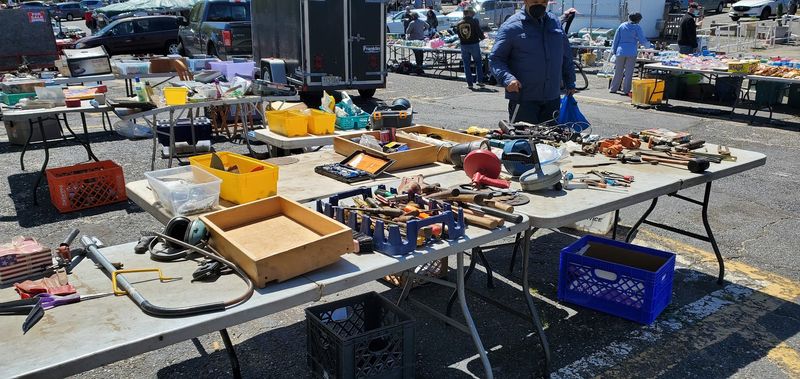
A big reason this market keeps people circulating is the contrast between its indoor and outdoor sections. The indoor building gives the place structure, with established booths, regular sellers, and a steadier setup that can feel more like a year-round bazaar than a temporary weekend event.
Outside, the tone shifts. Tables change, inventory rotates, and the selection can swing from estate clear-outs to personal collections, yard-sale style odds and ends, and newer merchandise brought in for quick turnover.
That constant shuffle adds a layer of unpredictability that rewards patience more than speed.
The balance between those two zones keeps the experience from becoming repetitive. A shopper can move from fixed indoor dealers to open-air sellers without ever feeling stuck in one mode of browsing.
It is part treasure hunt, part practical errand run, and part low-stakes detective work, which is a pretty entertaining resume for a market on Route 33.
The old-school New Jersey appeal
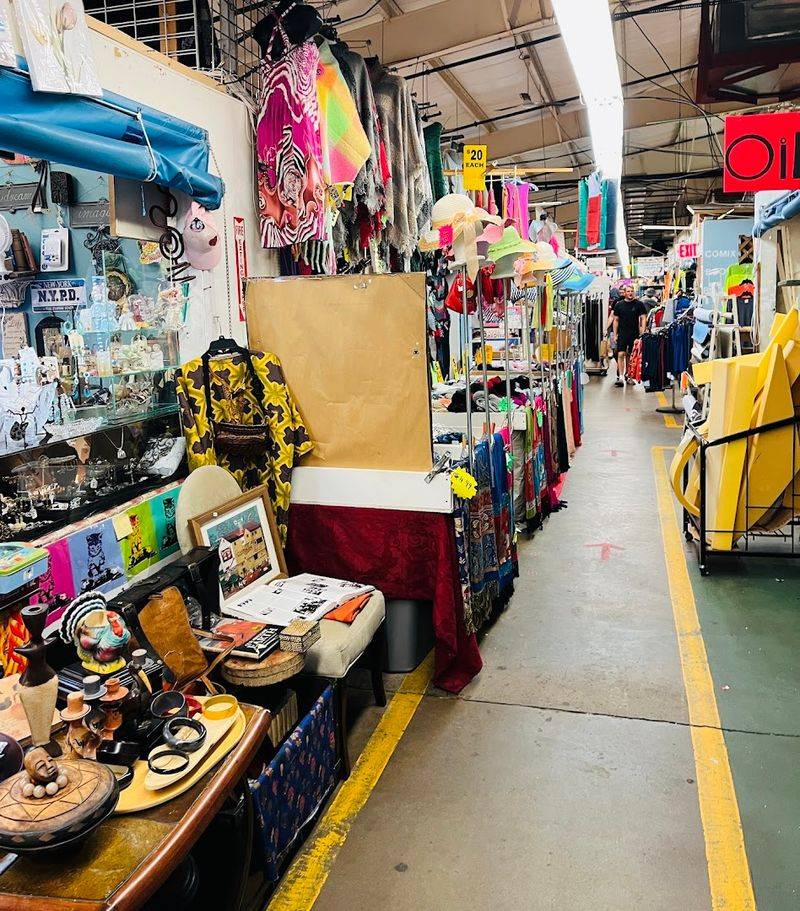
Plenty of markets try to look polished. Collingwood does not depend on polish to make its case, and that is part of why it holds onto an old-school New Jersey identity.
The place feels rooted in routine, regular attendance, and the simple idea that a market should be active, useful, and a little unpredictable.
That character comes through in the mix of longtime shoppers, established booths, and changing outdoor sellers who keep things moving. It is not a staged retro concept or a themed shopping village.
It is a working flea market with habits, history, and a practical streak that has helped it stay relevant across decades.
The result is a destination that appeals to people who enjoy browsing without needing everything to be packaged as an event. There is humor in that too.
In a time when every outing wants to become an experience, this place quietly sticks to business and still manages to be more entertaining than many places trying much harder.
What shoppers actually come to find
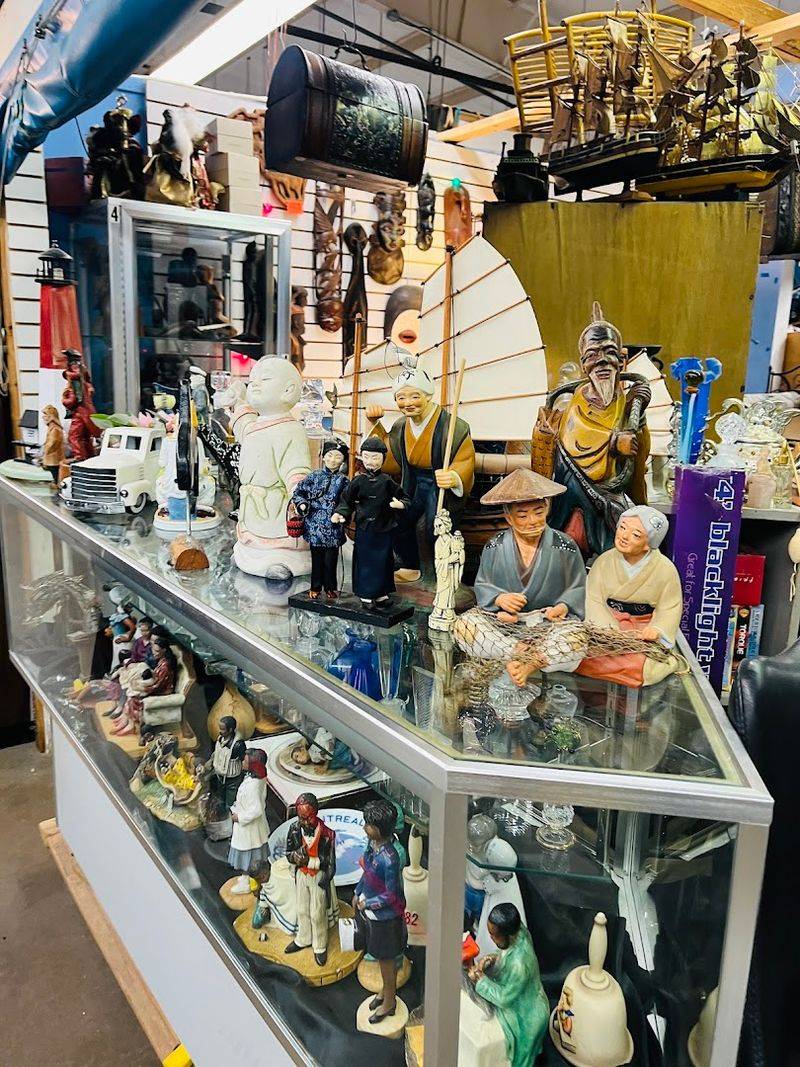
The inventory range is where Collingwood stops being merely large and starts becoming genuinely useful. Shoppers come across collectibles, vintage items, records, toys, clothing, tools, household goods, produce, bread, pickles, and plenty of hard-to-classify objects that seem to belong to the very specific category of maybe useful, maybe hilarious.
That broad selection matters because it attracts different kinds of people for different reasons. A collector can focus on older merchandise while a budget-minded shopper checks practical items for the house.
Someone else may show up for fresh food, basic supplies, or a simple repair and still end up leaving with something unexpected.
Not every table aims at the same taste, and that unevenness is part of the market’s identity. One aisle can feel like a time capsule, the next like a general store, and the next like a weekend clean-out with pricing that invites a second look.
Serious treasure hunters call that variety. Everyone else calls it fun.
The art of the bargain hunt
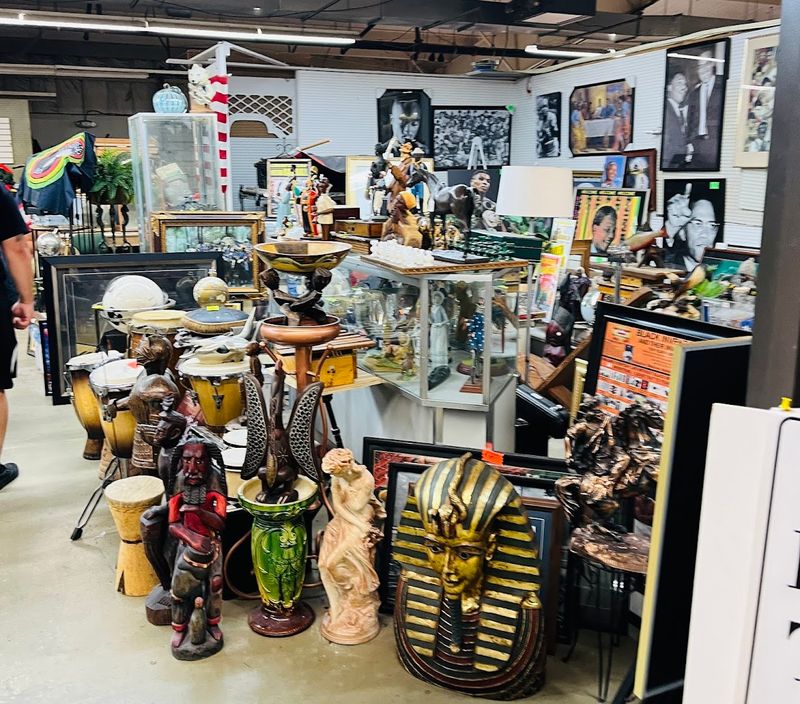
No one should arrive expecting every item to be a steal just because the word flea market is on the sign. Collingwood works better for patient shoppers who understand that prices vary, quality varies, and the real advantage comes from range, not from a guarantee that every table is the deal of the century.
That said, the market has a reputation for affordable finds mixed in with higher-priced items, especially when shoppers keep an open mind. Lower-cost goods, personal collections, practical used items, and vendor turnover give bargain hunters plenty of chances to do well.
The key is simple: look carefully, compare, and keep moving.
It helps to treat the place like a long conversation rather than a sprint. Some booths offer quick wins, others need a second pass, and some are clearly for niche buyers who know exactly what they want.
The market does not hand out victories at the gate, but it gives patient people a very fair shot at earning one.
Food counters and market staples
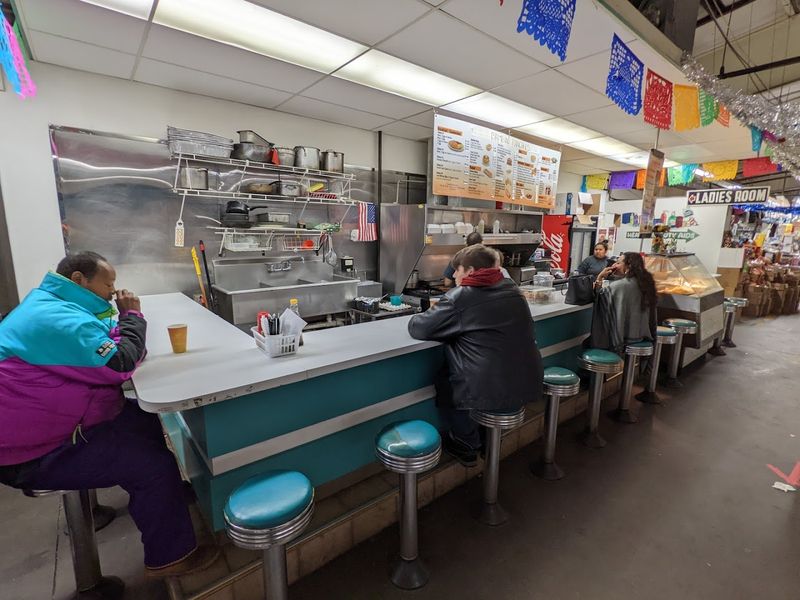
A market this large needs more than tables and price tags to keep people around. Collingwood has food options inside, and that matters because a long browsing session is easier to sustain when there is a place to pause, regroup, and turn the outing into more than a quick pass through the aisles.
The mix includes casual counter service and market staples that regulars make part of their routine. Produce draws steady attention, and specialty basics like rye bread and barrel pickles have become part of the place’s identity.
The food side does not overshadow the shopping, but it does help shape the market’s rhythm.
That combination gives the whole destination a practical, community-centered feel. People are not only scanning shelves for collectibles or tools.
They are picking up groceries, grabbing a bite, and treating the trip like a weekend errand with extra personality. That is a smart formula, and Collingwood has kept it working without much fuss.
A place for regulars and weekend wanderers
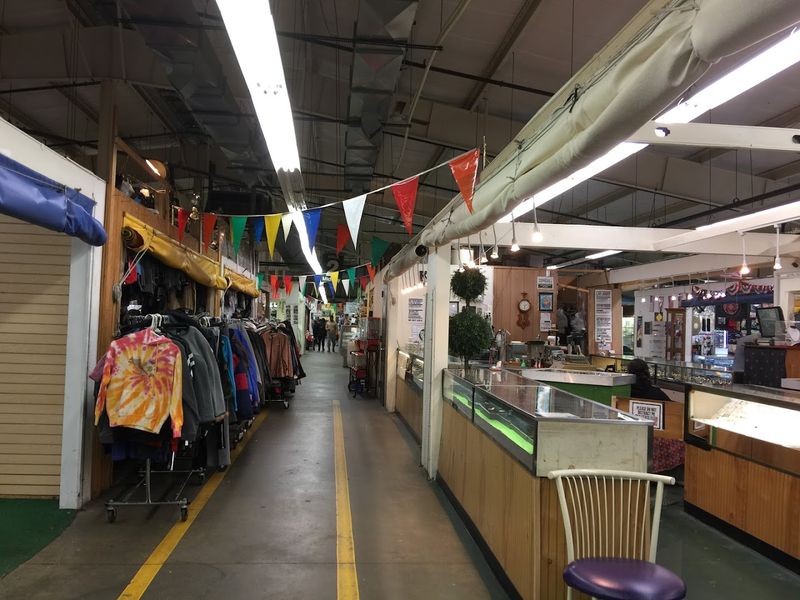
Some destinations depend on novelty alone. Collingwood has something sturdier: routine.
The market attracts longtime regulars, first-time browsers, families, collectors, and practical shoppers who return because the selection changes enough to stay interesting while the overall setup remains familiar enough to feel dependable.
That blend gives the place a community rhythm without turning it into a closed club. Newcomers can wander freely, and people who know the grounds already have favorite booths, preferred days, and their own internal maps.
A market becomes part of local life when both groups can share the same space comfortably, and this one clearly does.
There is also a built-in social quality to the format. Sellers explain their merchandise, shoppers compare finds, and entire visits develop around browsing rather than rushing.
In an era of one-click everything, that slower tempo still has a purpose. It reminds people that shopping can be practical, unpredictable, and occasionally a little funny for all the right reasons.
Accessibility and ease of getting around
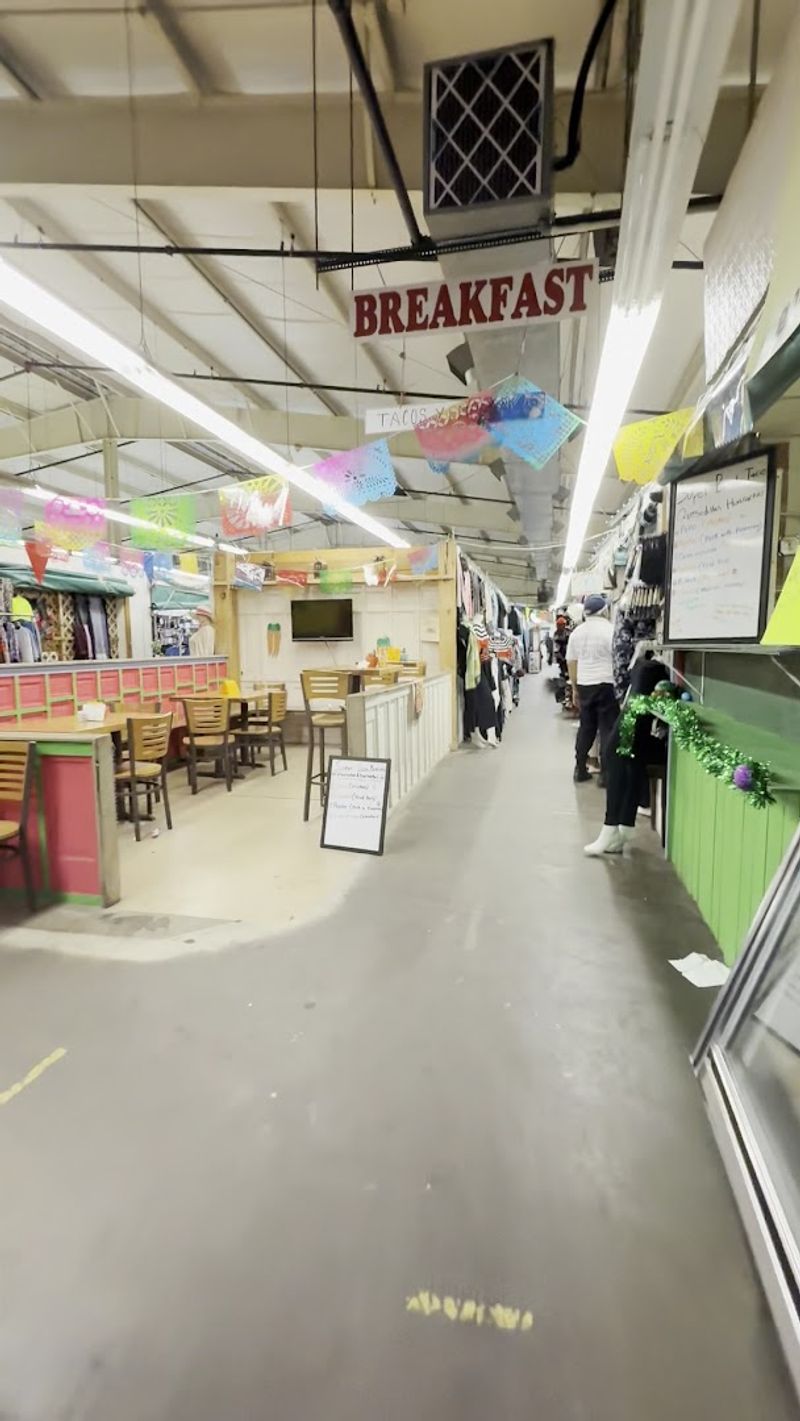
Size can be intimidating at any major market, but Collingwood offers features that make it easier to navigate than its scale might suggest. The indoor area is wheelchair accessible, and doors include ramps, which helps broaden who can comfortably use the space during a long morning or afternoon of browsing.
That practical accessibility matters because this is not a place built for a ten-minute stop. People often spend extended time moving between indoor booths and outdoor tables, and a layout that reduces barriers can make a real difference.
In a market setting, convenience is not flashy, but it is one of the most valuable things on offer.
There is also something reassuring about a destination that makes room for many kinds of shoppers without turning that effort into a slogan. It simply functions as part of the experience.
For a place known for unpredictability in merchandise, the ability to get around with less hassle is one part of the day that stays refreshingly straightforward.
When to go for the best shot at a good day
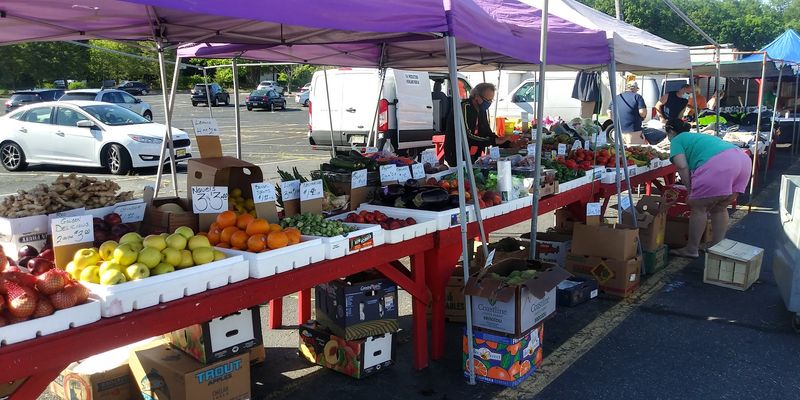
Timing can shape the experience as much as the merchandise. Collingwood is open Fridays, Saturdays, and Sundays from 8 AM to 5 PM, and those three days do not always feel identical.
Weekend traffic tends to bring more energy, while weather and turnout can change how full the outdoor sections appear.
Sundays often draw strong activity, and Saturdays can be busy as well, especially when conditions are favorable for outdoor setups. Friday has its own appeal for shoppers who prefer a market day that may feel a little less packed.
Early hours generally offer the best chance to browse with more focus before the day fully builds.
The smartest plan is simple and not especially glamorous: arrive with time, wear comfortable shoes, and leave room for detours. This is not the sort of place to rush through while checking a watch every five minutes.
A market with hundreds of vendors rewards patience, and hurrying only helps the tables win.
Not polished, still worth the trip
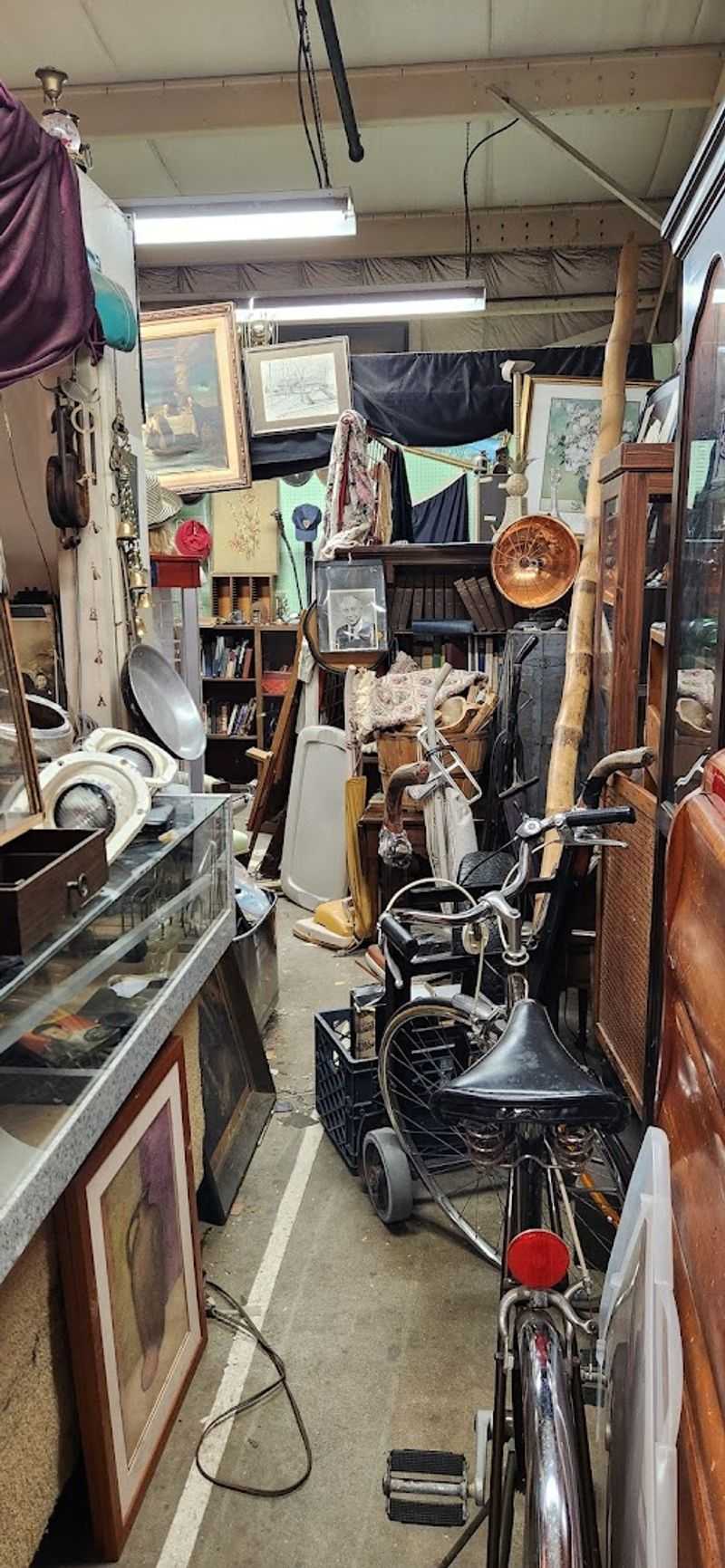
Collingwood is easier to appreciate when approached with realistic expectations. This is a functional, long-running flea market, not a curated lifestyle center with matching signage and carefully staged corners.
Some areas show wear, and the setup can feel a bit loose around the edges, especially compared with more polished retail environments.
Yet that lack of polish is not the same as lack of value. The market’s appeal comes from variety, affordability, personality, and the genuine possibility of finding something useful or memorable in a place that has not sanded away its rougher parts.
For many shoppers, that honesty is a feature, not a flaw.
The key is understanding the assignment. Come here for discovery, range, and the everyday drama of objects changing hands, not for showroom perfection.
Markets like this succeed because they remain open to surprise and a little disorder. In other words, Collingwood does not always straighten its tie, but it still shows up with a very convincing briefcase.
Why this market still matters
After decades of operation, Collingwood Auction & Flea Market still matters because it does more than sell merchandise. It gives Farmingdale and the surrounding area a recurring public space built around exchange, conversation, routine, and the simple pleasure of searching through a place where every aisle might reset the plan for the day.
That staying power is not accidental. A market survives by adapting enough to stay useful while keeping the familiar qualities that make people return, and Collingwood continues to do both through its mixed inventory, indoor and outdoor layout, food counters, accessible design, and reliable weekend schedule.
It remains practical without becoming predictable.
For anyone interested in a New Jersey destination with character, scale, and a strong sense of everyday local life, this market earns its reputation. It feels like a small city of deals because, in its own weekend way, that is exactly what it becomes.
Route 33 supplies the address, but the constant motion supplies the identity.



